

Free Mobile Bay Travel Guide & Mobile App
Explore Mobile Bay with free travel guides. Discover regional history, expert tips, proposed trips, and audio guides on web or mobile app.




Explore Mobile Bay for Gulf Coast history, seafood, wetlands, barrier-island beaches and distinctive towns on Alabama’s western and eastern shores.
Read more about Mobile Bay
Getting to and around Mobile Bay
How to get there
Transportation
Top city travel guides in Mobile Bay
The cities of Mobile Bay, and the easiest places to base yourself.
-

-

-

-

-


Swipe for more cities
Destinations in Mobile Bay
Resorts, valleys and scenic spots worth a trip of their own.

Swipe for more destinations
Best attractions in Mobile Bay
Mobile Bay’s attractions range from urban museums and historic districts to wetlands, beaches and military sites. In Mobile, the History Museum of Mobile, the Mobile Carnival Museum and the National Maritime Museum of the Gulf of Mexico interpret the city’s civic, festive and seafaring traditions, while the USS Alabama Battleship Memorial Park stands across the river on the Mobile Bay Causeway and presents a major collection of military vessels and aircraft. On the Eastern Shore, Fairhope’s galleries, parks and bayfront setting make a useful contrast to Mobile’s denser historic core. The Mobile-Tensaw Delta, north of the city, is suited to guided boat trips, kayaking and wildlife observation, while Dauphin Island combines beaches, maritime woodland and the Audubon Bird Sanctuary. Fort Gaines and Fort Morgan frame the bay’s entrance and reveal the importance of coastal defence during the Civil War. Seasonal outdoor activities include fishing, sailing, paddleboarding, birdwatching and walking, although weather, tides and habitat conditions affect access. The region’s appeal lies in the way cultural attractions and working coastal landscapes remain closely connected.
-
Museum
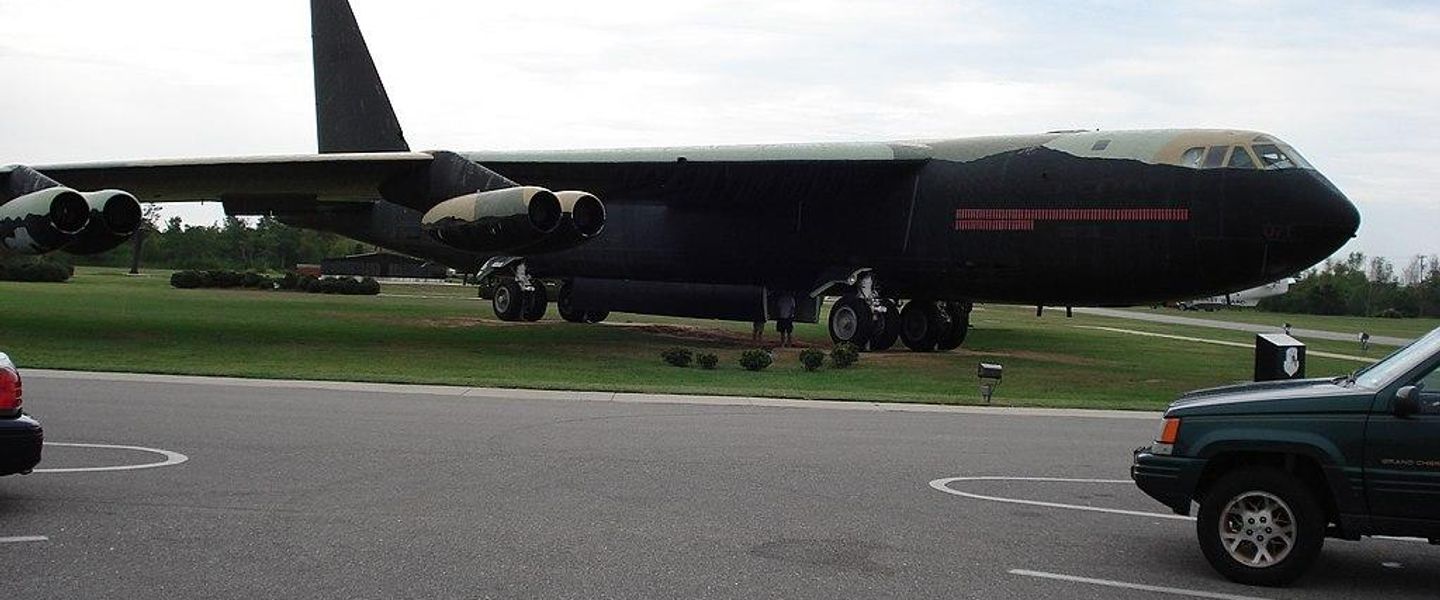
USS ALABAMA Battleship Memorial Park
Explore the historic USS Alabama battleship and USS Drum submarine at Mobile's Battleship Memorial Park. A tribute to American military service.
-
Historical landmark
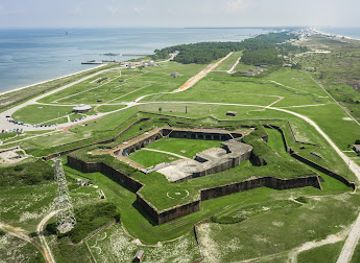
Fort Morgan State Historic Site
Explore a historic military fort on the Alabama Gulf Coast, offering a glimpse into the past and a haven for birdwatching and outdoor activities.
-
Tourist attraction
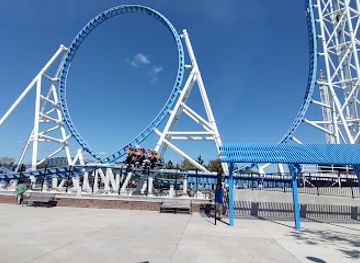
OWA Parks & Resort
Experience thrilling rides, diverse entertainment, and Southern charm at OWA Parks & Resort, Coastal Alabama's premier family destination.
-
Garden
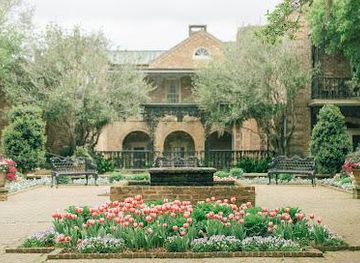
Bellingrath Gardens & Home
Experience the beauty of the South at Bellingrath Gardens & Home, a 65-acre floral paradise and historic estate in Theodore, Alabama, open year-round.


Best landmarks in Mobile Bay
Mobile’s historic downtown is the region’s most concentrated architectural landmark area, with blocks of nineteenth-century commercial buildings, churches and civic structures reflecting French, Spanish, American and Gulf Coast development. Cathedral Basilica of the Immaculate Conception is a prominent neoclassical presence, while the nearby De Tonti Square Historic District illustrates the city’s older residential fabric. At the bay entrance, Fort Gaines on Dauphin Island and Fort Morgan on the Fort Morgan peninsula form a pair of powerful coastal landmarks associated with the Battle of Mobile Bay; their masonry walls, gun positions and strategic views make the geography of the Civil War tangible. The Mobile River and bay bridges are major modern structures, including the long crossing that carries Interstate 10 between Mobile and the Eastern Shore. Fairhope’s municipal pier and shoreline park provide a recognisable viewpoint across the bay, particularly at sunset, while the low islands, marshes and wooded channels of the Mobile-Tensaw Delta function as natural landmarks rather than single monuments. Dauphin Island’s beaches and maritime forest complete the region’s visual sequence from historic city to open Gulf coast.
-
Museum
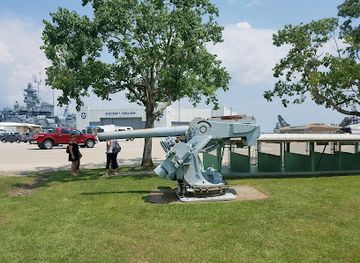
USS ALABAMA Battleship Memorial Park
Explore the historic USS Alabama battleship, USS Drum submarine, and aircraft at this Mobile Bay memorial park. A tribute to US military history.
-
Historical landmark
Fort Morgan State Historic Site
Explore a historic landmark on the Alabama Gulf Coast, offering a glimpse into military history and stunning views of Mobile Bay.
-
Amusement park
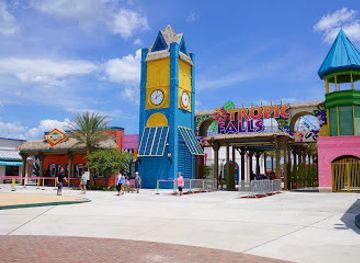
Tropic Falls at OWA
Experience thrilling rides and splash-filled fun at Tropic Falls in OWA, Coastal Alabama's premier amusement and water park destination.
-
 Park
ParkBienville Square
Discover Mobile's historic Bienville Square: a vibrant downtown park with tranquil beauty, rich history, and year-round community events in a picturesque setting.
Explore Mobile Bay on the map
Plan your trip on one map. See where the top cities, national parks and sights are, and book hotels and experiences in a few clicks.
Best hotels in Mobile Bay
Best restaurants in Mobile Bay
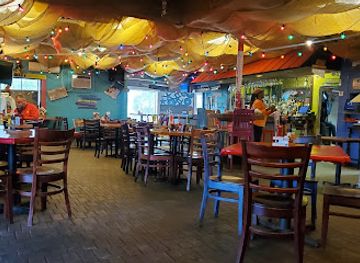
Dining around Mobile Bay is shaped by Gulf seafood and the culinary traditions of the wider American South. Shrimp, oysters, blue crab, redfish and other locally familiar catches appear in seafood houses, oyster bars, waterfront restaurants and informal fish markets, although availability and provenance vary by season. Mobile’s food scene also reflects Creole, Cajun, African American and broader Southern influences, with dishes often combining seafood, rice, vegetables, rich sauces and regional spices. In Mobile and the Eastern Shore towns, visitors will find everything from cafés and bakeries to contemporary restaurants, classic diners, rural-style eateries and polished dining rooms. Fairhope and downtown Mobile have particularly varied independent food scenes, while coastal communities provide a more direct focus on fish, shellfish and casual meals. Farmers’ markets and specialist food shops can add local produce, preserves, baked goods and prepared foods to an itinerary. Ask restaurants about seasonal catch and local sourcing rather than treating every Gulf Coast dish as a regional speciality.
-
Family-friendly
LuLu's Gulf Shores
Discover family-friendly fun at LuLu's Gulf Shores - where fresh seafood meets lively entertainment in a vibrant coastal setting.
-
Seafood
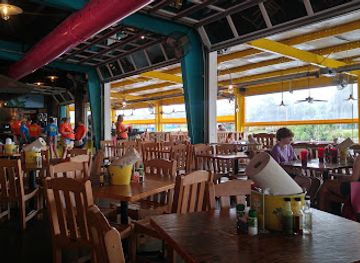
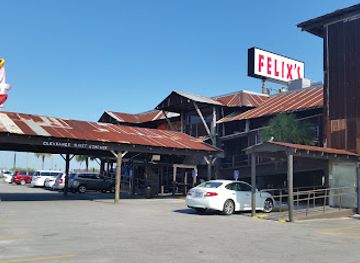
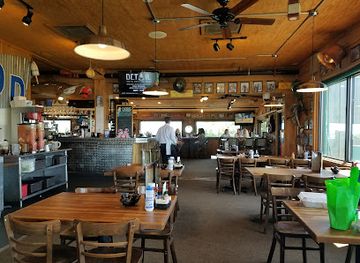
Felix's Fish Camp Restaurant
Experience exquisite seafood dining at Felix's Fish Camp Restaurant in Spanish Fort, Alabama—where fresh flavors meet stunning waterfront views.
-
Restaurant
Original Oyster House
Discover the taste of authentic Southern seafood at the Original Oyster House in Spanish Fort – a delightful dining experience awaits!
-
Seafood
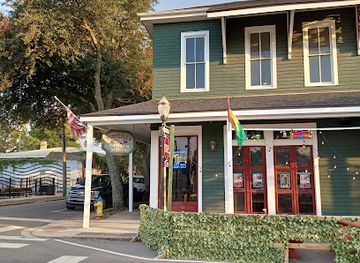
Wintzell's Oyster House
Experience the best Southern seafood at Wintzell's Oyster House in downtown Mobile—famous for fresh oysters and vibrant atmosphere.
Best bars in Mobile Bay
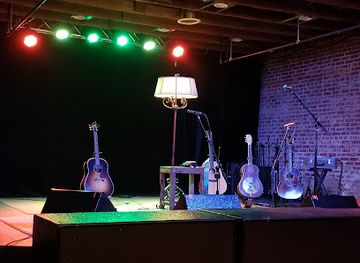
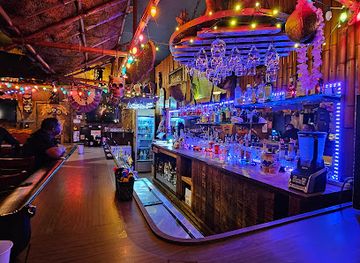
Evening life is concentrated mainly in Mobile and the larger Eastern Shore communities rather than spread evenly around the bay. Downtown Mobile offers traditional pubs, cocktail bars, live-music venues, restaurants with late evening service and a small-club atmosphere, with activity increasing during Mardi Gras and other major event periods. Fairhope and Daphne provide a more relaxed selection of wine bars, breweries, restaurants and places for live music, while smaller coastal communities generally favour casual bars and early evening dining over a large nightclub scene. Historic inns and neighbourhood pubs are part of the region’s social landscape, but opening arrangements and entertainment programmes change frequently. The waterfront is not uniformly a late-night district, and some areas become quiet after restaurants close. Visitors should arrange transport in advance when staying outside the main towns, particularly after drinking, and should not assume that rural roads or barrier islands have reliable late-night services.
-
Seafood
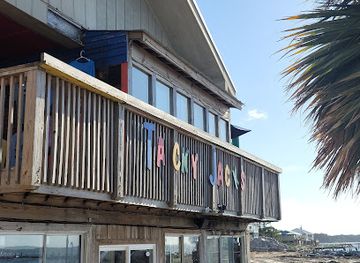
Tacky Jacks Fort Morgan
Explore Tacky Jacks Fort Morgan for an unforgettable seafood dining experience with stunning Gulf views and a lively atmosphere.
-
Restaurant
Walk-On's Sports Bistreaux - Mobile Restaurant
Discover Southern flavors and sports culture at Walk-On's Sports Bistreaux in Mobile, where every meal is an experience.
-
Restaurant
Sassy Bass Amazin' Grill
Experience vibrant dining at Sassy Bass Amazin' Grill in Gulf Shores, where fresh local flavors meet a lively atmosphere.
-
Beach
West End Public Beach
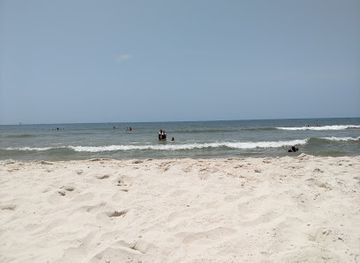
Discover the serene beauty of West End Public Beach on Dauphin Island, where soft sands and clear waters create a perfect coastal getaway.
Best nightclubs in Mobile Bay
Evening life is concentrated mainly in Mobile and the larger Eastern Shore communities rather than spread evenly around the bay. Downtown Mobile offers traditional pubs, cocktail bars, live-music venues, restaurants with late evening service and a small-club atmosphere, with activity increasing during Mardi Gras and other major event periods. Fairhope and Daphne provide a more relaxed selection of wine bars, breweries, restaurants and places for live music, while smaller coastal communities generally favour casual bars and early evening dining over a large nightclub scene. Historic inns and neighbourhood pubs are part of the region’s social landscape, but opening arrangements and entertainment programmes change frequently. The waterfront is not uniformly a late-night district, and some areas become quiet after restaurants close. Visitors should arrange transport in advance when staying outside the main towns, particularly after drinking, and should not assume that rural roads or barrier islands have reliable late-night services.
-
Lounge
Patches Lounge
Discover the vibrant atmosphere and eclectic cocktails at Patches Lounge in Mobile, Alabama, a perfect spot for nightlife and relaxation.
-
Gay night club
B-Bob's Downtown
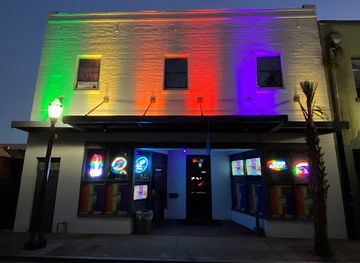
Discover the vibrant nightlife and inclusive atmosphere at B-Bob's Downtown, Mobile's premier gay nightclub and restaurant.
-
Lounge
Cedar Street Social
Experience the vibrant nightlife at Cedar Street Social, Mobile's premier lounge with live music and a lively atmosphere.
-
Club
Zebra Club
Explore vibrant nightlife at Zebra Club, Mobile's top spot for cocktails, dancing, and live entertainment in a welcoming atmosphere.
Best shops in Mobile Bay
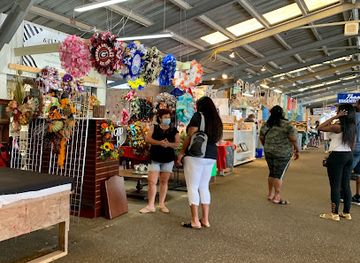
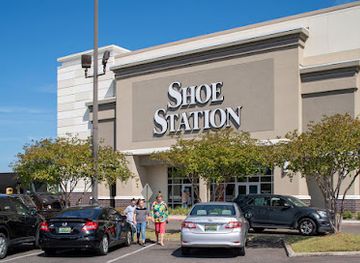
Shopping in Mobile Bay is strongest in historic town centres rather than in one continuous retail district. Downtown Mobile combines independent gift shops, galleries, books, clothing, antiques and locally themed merchandise with the city’s museums and restaurants. Fairhope has a notably walkable concentration of independent boutiques, art galleries, jewellery shops, bookshops and homeware retailers, making it one of the Eastern Shore’s principal browsing destinations. Daphne and Spanish Fort provide larger everyday retail areas and services, while Dauphin Island is oriented towards practical beach goods, casual souvenirs and small-scale local purchases rather than extensive shopping. Farmers’ markets and seasonal produce stalls may offer fruit, vegetables, baked goods, preserves, seafood and handmade products, with schedules varying through the year. Useful regional purchases include Gulf-inspired artwork, Alabama crafts, locally produced foods, books on Mobile history and Mardi Gras memorabilia. Visitors should distinguish durable local work from generic coastal souvenirs, and check market dates or shop hours before making a special journey.
-
Shopping mall
Shoppes at Bel Air
Discover an exceptional shopping experience at the Shoppes at Bel Air, featuring diverse stores, dining choices, and year-round entertainment in Mobile, Alabama.
-
Flea market
Mobile Flea Market
Explore a treasure trove of antiques, crafts, and local produce at the Mobile Flea Market, the heart of community shopping in Alabama.
-
Shopping mall
Springdale
Discover the ultimate shopping experience at Springdale Mall in Mobile, Alabama, featuring diverse stores, dining options, and exciting events.
-
Fishing pier
Cedar Point Pier - A Mobile County Park
Discover Cedar Point Pier, a beautiful fishing pier in Mobile County, Alabama, perfect for fishing, relaxation, and enjoying nature's beauty.


Get your free copy of our complete guide to Mobile Bay, delivered straight to you.
Everything on this page, from attractions and restaurants to essentials and local phrases, in one PDF you can read offline, print or share.
Already have an account? Sign in
Your Mobile Bay guide is ready.
We'll send it to · Not you? Sign out

Getting your guide ready…
We are putting together a fresh copy of the Mobile Bay guide. This can take up to a minute.
This can take a few moments. If your browser asks, choose Allow so the download can start. You'll find the guide in your Downloads folder.
Nothing happened? Download it again
Sorry, the guide is taking longer than usual. Please try again in a minute, or get it by email instead.
Mobile Bay essentials
Currency and Payment
Safety
Emergency Situations
Do's and Don'ts
Local Tips
From Eve
Local phrases worth knowing
You don't need to get them perfect. A few words go a long way, and locals appreciate the effort.
Basics
| English | Local | Say it |
|---|---|---|
| Hello | Hey | [Hey] |
| Goodbye | See ya | [See ya] |
| Yes | Yep | [Yep] |
| No | Nope | [Nope] |
| Please/You're welcome | Please/No problem | [Please/No problem] |
| Thank you | Thanks | [Thanks] |
| Excuse me/Sorry | Excuse me/Sorry | [Excuse me/Sorry] |
| How are you? | How ya doin'? | [How ya doin'?] |
| Fine. And you? | Good. And you? | [Good. And you?] |
| Do you speak English? | You speakin' English? | [You speakin' English?] |
| I don't understand | I ain't gettin' it | [I ain't gettin' it] |
Eating & Drinking
| English | Local | Say it |
|---|---|---|
| I'd like to see the menu, please | Can I see the menu, please? | [Can I see the menu, please?] |
| I don't eat meat | I don't do meat | [I don't do meat] |
| Cheers! | Cheers! | [Cheers!] |
| I would like to pay, please | Can I get the check, please? | [Can I get the check, please?] |
Emergencies
| English | Local | Say it |
|---|---|---|
| Help! | Help! | [Help!] |
| Go away! | Leave me alone! | [Leave me alone!] |
| Call the Police! | Call the cops! | [Call the cops!] |
| Call a doctor! | Get a doctor! | [Get a doctor!] |
| I'm lost | I’m turned around | [I’m turned around] |
| I'm ill | I ain't feelin' well | [I ain't feelin' well] |
Shopping
| English | Local | Say it |
|---|---|---|
| I'd like to buy... | I wanna buy... | [I wanna buy...] |
| I'm just looking | Just lookin' | [Just lookin'] |
| How much is it? | How much is this? | [How much is this?] |
| That's too expensive | That's way too high | [That's way too high] |
| Can you lower the price? | Can ya bring that down? | [Can ya bring that down?] |
Time & Numbers
| English | Local | Say it |
|---|---|---|
| What time is it? | What time ya got? | [What time ya got?] |
| It's one o'clock | It's one | [It's one] |
| Half past (10) | Half past ten | [Half past ten] |
| Morning | Mornin' | [Mornin'] |
| Afternoon | Afternoon | [Afternoon] |
| Evening | Evenin' | [Evenin'] |
| Yesterday | Yesterday | [Yesterday] |
| Today | Today | [Today] |
| Tomorrow | Tomorrow | [Tomorrow] |
| 1 | One | [One] |
| 2 | Two | [Two] |
| 3 | Three | [Three] |
| 4 | Four | [Four] |
| 5 | Five | [Five] |
| 6 | Six | [Six] |
| 7 | Seven | [Seven] |
| 8 | Eight | [Eight] |
| 9 | Nine | [Nine] |
| 10 | Ten | [Ten] |
Transport & Directions
| English | Local | Say it |
|---|---|---|
| Where's a/the...? | Where's a...? | [Where's a...?] |
| What's the address? | What's the address? | [What's the address?] |
| Can you show me (on the map)? | Can ya show me on the map? | [Can ya show me on the map?] |
| When's the next (bus)? | When's the next bus? | [When's the next bus?] |
| A ticket (to ....) | A ticket to... | [A ticket to...] |
History of Mobile Bay
Indigenous Cultures and the Mobile-Tensaw Delta
Long before European settlement, the rivers and wetlands surrounding Mobile Bay supported Indigenous communities through fishing, hunting, farming and exchange. The bay and delta formed part of a wider cultural landscape associated with peoples including the Mobilians, Choctaw, Creek and other Southeastern nations, although identities and political relationships changed over time. Shell middens, waterways and archaeological sites record extensive human use of the coast. The Mobile-Tensaw Delta remained important because its interconnected rivers offered transport, food resources and access between the interior and the Gulf.
French Mobile and Colonial Rivalries, 1702–1763
French colonists founded Mobile in 1702 at Twenty-Seven Mile Bluff, near the Mobile River, making it one of the earliest European settlements on the Gulf Coast. The settlement moved downstream to the present site in 1711, where its position offered better access to the bay and sea routes. Mobile became part of French Louisiana and a point of contact, conflict and trade involving Indigenous nations and European empires. After France’s defeat in the Seven Years’ War, control passed to Britain, marking the first of several changes in colonial rule.
Spanish Rule and the Port City’s Development
Spain took control of Mobile in 1780 during the American Revolutionary War and retained it until the United States occupied the town in 1813. Spanish administration left an important mark on the city’s political and architectural history, following the earlier French and British periods. Under American rule, Mobile developed as a commercial port serving the interior through the rivers and overland routes of the expanding South. Cotton, timber and other commodities moved through the harbour, while immigration and Gulf trade made the city more commercially and culturally diverse.
Cotton, Maritime Commerce and the Antebellum South
During the nineteenth century, Mobile became a major cotton port, linking plantations and trading communities across Alabama and the wider Gulf region with international markets. Warehouses, wharves and commercial buildings reshaped the waterfront, while shipbuilding and maritime services grew around the bay. This prosperity depended on enslavement and the forced labour of African Americans, whose work underpinned the region’s agricultural economy. The bay’s commercial history therefore includes both port development and the deep social inequalities of the antebellum South.
The Battle of Mobile Bay, 1864
Mobile Bay was the scene of a major Union naval victory on 5 August 1864 during the American Civil War. Union Admiral David Farragut’s fleet passed the Confederate forts at the bay entrance, including Fort Morgan and Fort Gaines, while the ironclad CSS Tennessee was captured. The forts held out for a time after the naval battle, but the bay was effectively closed to Confederate blockade-running. The campaign weakened the Confederacy’s Gulf communications and left a powerful military landscape of forts, batteries and maritime approaches.
Reconstruction, Industry and the Modern Port
After the Civil War, Mobile rebuilt its commercial economy while facing Reconstruction-era political conflict and the long consequences of emancipation. The port continued to handle cotton, timber, coal and other cargo, and rail connections strengthened its links with the interior. In the twentieth century, shipbuilding, paper production, manufacturing and expanding port operations joined traditional maritime trade. Industrial growth brought employment and investment but also produced environmental pressures along the rivers, wetlands and shoreline that are now central to conservation efforts.
Mardi Gras and Mobile’s Cultural Identity
Mobile’s carnival tradition developed through a succession of French, Creole and American influences and became one of the city’s most recognisable cultural institutions. Organised societies, parades, masked balls and elaborate pageantry shape the season, which culminates before Lent. The tradition reflects Mobile’s distinctive history rather than representing a simple copy of New Orleans carnival, although the two Gulf Coast cities share historical connections. Museums, public events and society traditions keep Mardi Gras visible in the city’s contemporary cultural life.
Mobile Bay in Photos
Browse through our photo collection highlighting the charm and character of the destination.
Neighbouring regions of Mobile Bay
The closest regions to Mobile Bay, if you have time for more than one.
-

-

-

-

-


Swipe for more regions
Explore more

Explore more of Alabama
Discover Alabama: A Southern state rich in history, culture, and natural beauty, offering unforgettable experiences from vibrant cities to serene beaches and majestic mountains.
Explore Alabama