

Free Gulf Coast Travel Guide & Mobile App
Explore Gulf Coast with free travel guides. Discover regional history, expert tips, proposed trips, and audio guides on web or mobile app.


Explore Alabama’s Gulf Coast for white-sand beaches, seafood, barrier-island wildlife, Mobile’s history and outdoor adventures around Mobile Bay.
Read more about Gulf Coast
Getting to and around Gulf Coast
How to get there
Transportation
Top city travel guides in Gulf Coast
The cities of Gulf Coast, and the easiest places to base yourself.
-

-

-

-

-

-


Swipe for more cities
Destinations in Gulf Coast
Resorts, valleys and scenic spots worth a trip of their own.
-

-

-

-


Swipe for more destinations
Best attractions in Gulf Coast
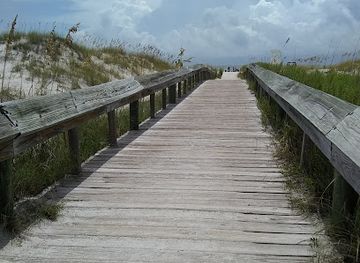
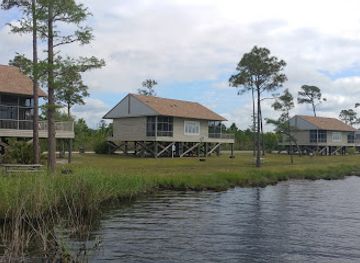
Alabama’s Gulf Coast offers far more than a line of sandy beaches. Gulf State Park combines shoreline, lagoons, inland trails, fishing areas and cycling routes, while Bon Secour National Wildlife Refuge protects dunes, freshwater wetlands and maritime habitat near Fort Morgan. The refuge is particularly valuable for understanding the natural coast, with seasonal opportunities to see migratory birds and other wildlife. Dauphin Island adds beaches, birding sites, the Dauphin Island Sea Lab and the Audubon Bird Sanctuary, giving the western end of the region a quieter ecological emphasis. History is represented by Fort Morgan, Fort Gaines and Mobile’s historic districts and museums. The USS Alabama Battleship Memorial Park, across Mobile Bay in Mobile County, explores American naval and military history through a preserved battleship, submarine and related exhibits. Around Gulf Shores, Orange Beach and Foley, visitors will find family attractions, water-based recreation, fishing charters and entertainment suited to a developed holiday coast. The result is a varied attraction landscape: protected habitats and barrier islands on one side, waterfront recreation and resort facilities on another, and Mobile’s urban culture and maritime heritage anchoring the bay.
-
Public beach
Gulf Shores Public Beach
Experience the sugar-white sands and turquoise waters of Gulf Shores Public Beach, a vibrant destination offering relaxation, recreation, and coastal charm.
-
State park
Gulf State Park
Explore Alabama's Gulf Coast: Beaches, trails, lakes, and nature await at Gulf State Park. Your adventure starts here!
-
Tourist attraction
The Wharf
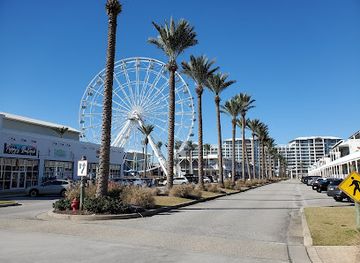
The Wharf in Orange Beach: Shopping, dining, entertainment, and events on the Alabama Gulf Coast. A complete destination for family fun!
-
Tourist attraction
OWA Parks & Resort
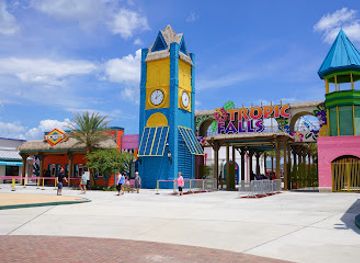
Experience thrilling rides, refreshing water attractions, diverse dining, and live entertainment at Coastal Alabama's premier entertainment destination.
Best landmarks in Gulf Coast
Mobile’s historic districts, with their nineteenth-century townhouses, courtyards, churches and mature trees, provide the Alabama Gulf Coast’s most substantial architectural landmark landscape. At the mouth of Mobile Bay, Fort Morgan is a major brick coastal fortification whose surviving walls and strategic position explain the importance of the bay to American military history. Opposite it, Fort Gaines on Dauphin Island retains defensive structures and views towards the shipping channel, making the two forts a distinctive pair even though they stand on separate sides of the entrance. The USS Alabama, preserved at Battleship Memorial Park in Mobile County, is one of the region’s most recognisable maritime symbols and represents the twentieth-century naval era rather than the colonial and Civil War past. Dauphin Island itself is a natural landmark, defined by shifting sands, dunes, shorebird habitat and its position between the Gulf and Mobile Bay. Gulf State Park’s shoreline and wetlands provide a more contemporary landscape landmark, illustrating the ecological systems that support the developed coast.
-
Historical landmark
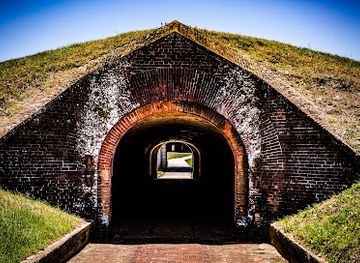
Fort Morgan State Historic Site
Explore a pivotal piece of American history at Fort Morgan State Historic Site, guarding the entrance to Mobile Bay for over a century.
-
Monument
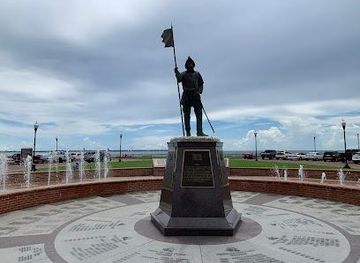
Plaza De Luna Memorial Monument
Discover the beauty and history at Plaza De Luna Memorial Monument, a stunning waterfront tribute in downtown Pensacola, perfect for relaxation and exploration.
-
Historical landmark
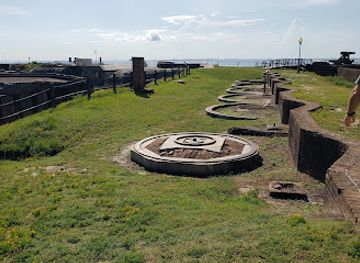
Fort Gaines
Explore a historic Civil War fort on Dauphin Island with original cannons, tunnels, and stunning Gulf views. A must-see landmark!
-
Historical place
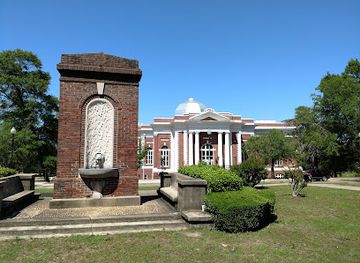
Tuskegee Institute National Historic Site
Explore the historic campus of Tuskegee University, a beacon of African American education and achievement, and the legacy of Booker T. Washington.
Explore Gulf Coast on the map
Plan your trip on one map. See where the top cities, national parks and sights are, and book hotels and experiences in a few clicks.
Best hotels in Gulf Coast
Best restaurants in Gulf Coast
Seafood defines much of the Alabama Gulf Coast dining scene, with shrimp, oysters, crab and Gulf fish appearing in dockside restaurants, casual beach venues, markets and more polished dining rooms. Menus may include fried seafood platters, grilled fish, oysters prepared in several styles and regional dishes such as shrimp and grits, although not every preparation is exclusive to the coast. Mobile’s older neighbourhoods and waterfront areas provide a broader urban choice, from cafés and bakeries to restaurants influenced by the city’s French, Spanish, Creole and Southern history. Gulf Shores and Orange Beach concentrate restaurants for holiday visitors, while Dauphin Island offers a smaller selection shaped by its island setting. Farmers’ markets and food shops are useful places to look for Alabama produce, preserves and locally made goods. Ask restaurants about the source and season of seafood, since availability and supply can vary, and note that American dining commonly includes gratuities added separately from menu prices.
-
Seafood
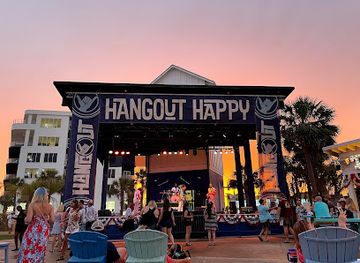
The Hangout Gulf Shores
Discover fresh seafood delights at The Hangout in Gulf Shores - where great food meets live music in a family-friendly atmosphere.
-
Breakfast
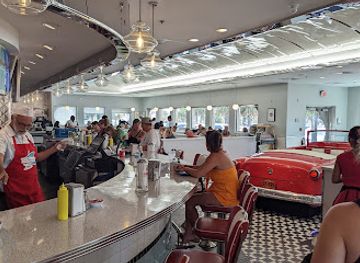
Sunliner Diner
Experience classic American diner charm at Sunliner Diner in Gulf Shores – serving delicious breakfasts and sweet treats all day long.
-
Seafood
Joe Patti's Seafood
Discover the freshest seafood at Joe Patti's Seafood in Pensacola—where quality meets tradition in every bite.
-
Seafood
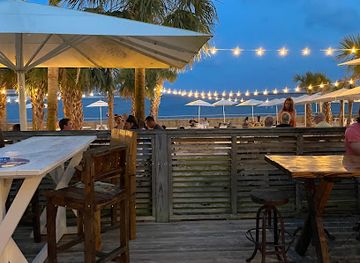
The Gulf - Orange Beach
Discover The Gulf - Orange Beach: A Seafood Haven Offering Fresh Flavors and Stunning Coastal Views in Alabama's Breathtaking Landscape.

Best bars in Gulf Coast
Evening life is concentrated in Mobile, Gulf Shores and Orange Beach, with smaller-scale options on Dauphin Island and around the coastal communities. Mobile offers historic pubs, cocktail bars, live music, theatre and restaurants in and around its older central districts, creating the region’s broadest urban night-time choice. Gulf Shores and Orange Beach have a more holiday-oriented scene, including beachfront bars, casual venues, live performances and late evenings during the busy summer season. Some establishments appeal to families and diners rather than club-goers, while larger nightlife venues and seasonal entertainment are more likely around the resort strip. Dauphin Island generally suits quiet dinners and relaxed drinks rather than a nightclub itinerary. Breweries and craft-beverage venues form part of the wider regional scene, but opening arrangements and live events change, so visitors should check current information locally rather than rely on seasonal assumptions.
-
Seafood
The Hangout Gulf Shores
Dive into a culinary adventure at The Hangout Gulf Shores, where fresh seafood meets live entertainment on the stunning Gulf Coast.
-
Seafood
The Gulf - Orange Beach
Experience the fresh flavors of the Gulf Coast at The Gulf - a top seafood destination in Orange Beach, AL, with stunning views and a lively atmosphere.
-
Bar
Flora-Bama
Experience the vibrant atmosphere of Flora-Bama, the iconic bar and live music venue on the Gulf Coast, where good food and great entertainment await.
-
Restaurant
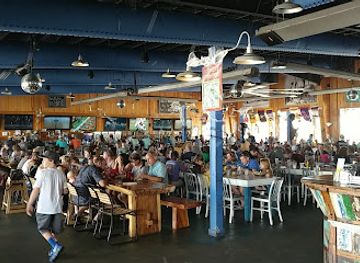
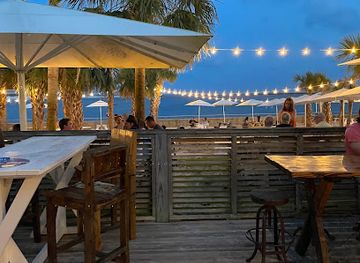
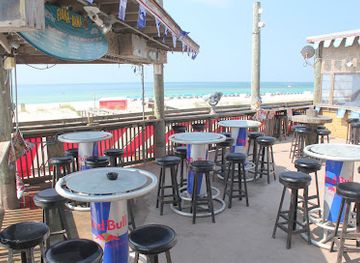
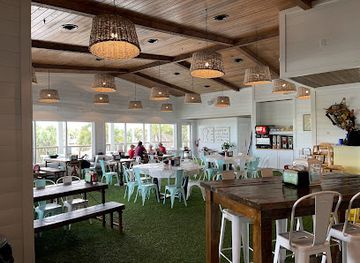
Picnic Beach Bar & Grill
Experience the vibrant flavors and relaxed atmosphere at Picnic Beach Bar & Grill in Gulf Shores, the perfect retreat for beach lovers and food enthusiasts.
Best nightclubs in Gulf Coast
Evening life is concentrated in Mobile, Gulf Shores and Orange Beach, with smaller-scale options on Dauphin Island and around the coastal communities. Mobile offers historic pubs, cocktail bars, live music, theatre and restaurants in and around its older central districts, creating the region’s broadest urban night-time choice. Gulf Shores and Orange Beach have a more holiday-oriented scene, including beachfront bars, casual venues, live performances and late evenings during the busy summer season. Some establishments appeal to families and diners rather than club-goers, while larger nightlife venues and seasonal entertainment are more likely around the resort strip. Dauphin Island generally suits quiet dinners and relaxed drinks rather than a nightclub itinerary. Breweries and craft-beverage venues form part of the wider regional scene, but opening arrangements and live events change, so visitors should check current information locally rather than rely on seasonal assumptions.
-
Bar
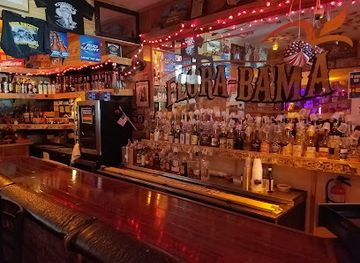
Flora-Bama
Discover the iconic Flora-Bama, a lively bar and restaurant on the Alabama-Florida line, known for its live music, seafood, and coastal charm.
-
Seafood
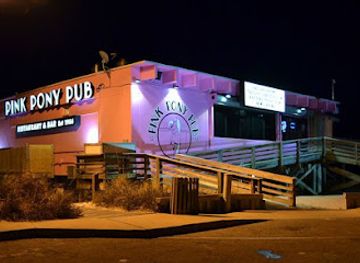
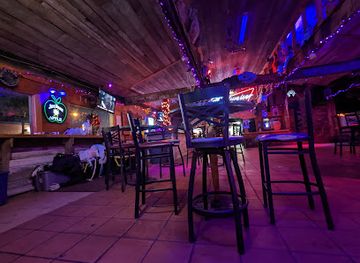
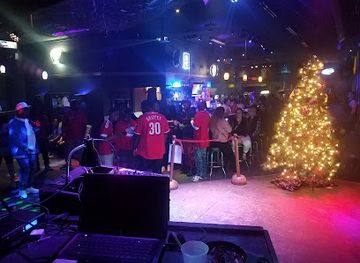
Pink Pony Pub
Experience the flavors of the Gulf Coast at Pink Pony Pub, a seafood haven with stunning views and a vibrant atmosphere.
-
Pub
Mudbugs Dive Bar
Experience the lively atmosphere at Mudbugs Dive Bar in Gulf Shores, where great food, karaoke, and friendly faces create unforgettable nights.
-
Lounge
The Tavern of Bon Secour
Discover vibrant nightlife at The Tavern of Bon Secour, Foley's premier lounge featuring drinks, dancing, and live entertainment.
Best shops in Gulf Coast
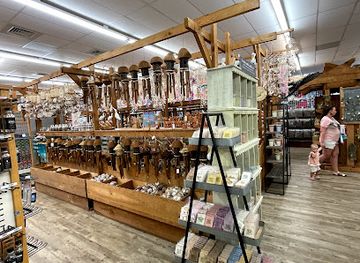
Shopping on Alabama’s Gulf Coast ranges from practical resort retail to historic-city antiques and regional food products. Gulf Shores and Orange Beach have beachwear shops, surf and fishing suppliers, galleries, souvenir stores and independent businesses selling locally themed gifts, while Foley provides a larger inland retail centre and outlet-style shopping. Mobile’s central districts are better suited to antiques, books, galleries, design goods and locally made products, with the city’s historic setting adding character to browsing. Dauphin Island has a smaller, seasonal selection focused on island necessities, art and coastal souvenirs rather than extensive retail. Farmers’ markets and food shops can be good places to seek Alabama-grown produce, preserves, baked goods and seafood products, although market days vary by season. Useful purchases include regional foods, maritime or bird-themed crafts and work by local artists; visitors should be wary of souvenirs that merely use a coastal label without a clear local connection.
-
Gift shop
Souvenir City
Explore Souvenir City in Gulf Shores for unique gifts and mementos that embody the spirit of Alabama's beautiful coast.
-
Souvenir store
Souvenir City of Orange Beach
Explore Souvenir City of Orange Beach for unique gifts, local crafts, and unforgettable keepsakes that capture the spirit of Alabama's coastline.
-
Shopping mall
SanRoc Cay Marina - Shopping
Explore unique boutiques, enjoy live music, and dine by the marina at SanRoc Cay, a premier shopping destination in Orange Beach, Alabama.
-
Souvenir store
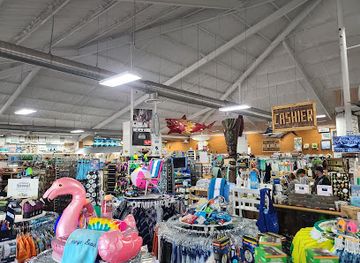
Alvin's Island #12 Pensacola Beach
Discover beachwear, souvenirs, and gifts at Alvin's Island #12 in Pensacola Beach, the ultimate shopping destination for your seaside adventures.

Get your free copy of our complete guide to Gulf Coast, delivered straight to you.
Everything on this page, from attractions and restaurants to essentials and local phrases, in one PDF you can read offline, print or share.
Already have an account? Sign in
Your Gulf Coast guide is ready.
We'll send it to · Not you? Sign out

Getting your guide ready…
We are putting together a fresh copy of the Gulf Coast guide. This can take up to a minute.
This can take a few moments. If your browser asks, choose Allow so the download can start. You'll find the guide in your Downloads folder.
Nothing happened? Download it again
Sorry, the guide is taking longer than usual. Please try again in a minute, or get it by email instead.
Gulf Coast essentials
Currency and Payment
Safety
Emergency Situations
Do's and Don'ts
Local Tips
From Eve
Local phrases worth knowing
You don't need to get them perfect. A few words go a long way, and locals appreciate the effort.
Basics
| English | Local | Say it |
|---|---|---|
| Hello | Howdy | [hau-dee] |
| Goodbye | See ya later | [see ya lay-ter] |
| Yes | Yep | [yehp] |
| No | Nope | [nohp] |
| Please/You're welcome | Please/No problem | [pleez/no prob-lum] |
| Thank you | Thank ya | [thangk ya] |
| Excuse me/Sorry | Excuse me/Sorry 'bout that | [ex-kyoos me/sor-ree bout that] |
| How are you? | How ya doin'? | [how ya doin'] |
| Fine. And you? | I'm good. And you? | [aim good. an' you?] |
| Do you speak English? | Do ya speak English? | [doo ya speek ing-glish?] |
| I don't understand | I ain't got a clue | [I ain't got a kloo] |
Eating & Drinking
| English | Local | Say it |
|---|---|---|
| I'd like to see the menu, please | Can I see the menu, please? | [can I see the men-yoo, pleez?] |
| I don't eat meat | I don't eat meat | [I don't eet meet] |
| Cheers! | Cheers! | [cheers] |
| I would like to pay, please | Can I pay, please? | [can I pay, pleez?] |
Emergencies
| English | Local | Say it |
|---|---|---|
| Help! | Help! | [help] |
| Go away! | Leave me alone! | [leave me a-lone] |
| Call the Police! | Call the cops! | [call the cops] |
| Call a doctor! | Get a doctor! | [get a dok-ter] |
| I'm lost | I'm lost | [I'm lost] |
| I'm ill | I'm feelin' bad | [I'm feelin' bad] |
Shopping
| English | Local | Say it |
|---|---|---|
| I'd like to buy... | I wanna buy... | [I wanna bye...] |
| I'm just looking | I'm just browsin' | [I'm just brow-zin'] |
| How much is it? | How much is this? | [how much is this?] |
| That's too expensive | That's way too high | [that's way too hi] |
| Can you lower the price? | Can ya bring the price down? | [can ya bring the price down?] |
Time & Numbers
| English | Local | Say it |
|---|---|---|
| What time is it? | What time is it? | [what time is it?] |
| It's one o'clock | It's one o'clock | [it's one o'clock] |
| Half past (10) | Half past ten | [half past ten] |
| Morning | Mornin' | [morn-in'] |
| Afternoon | Afternoon | [af-ter-noon] |
| Evening | Evenin' | [eve-nin'] |
| Yesterday | Yesterday | [yes-ter-day] |
| Today | Today | [to-day] |
| Tomorrow | Tomorrow | [to-mor-row] |
| 1 | One | [wun] |
| 2 | Two | [too] |
| 3 | Three | [three] |
| 4 | Four | [for] |
| 5 | Five | [fiv] |
| 6 | Six | [six] |
| 7 | Seven | [sev-en] |
| 8 | Eight | [ate] |
| 9 | Nine | [nyn] |
| 10 | Ten | [ten] |
Transport & Directions
| English | Local | Say it |
|---|---|---|
| Where's a/the...? | Where's the...? | [where's the...?] |
| What's the address? | What's the address? | [what's the ad-dress?] |
| Can you show me (on the map)? | Can ya show me (on the map)? | [can ya show me (on the map)?] |
| When's the next (bus)? | When's the next bus? | [when's the next bus?] |
| A ticket (to ....) | A ticket to... | [a tik-it to...] |
History of Gulf Coast
Indigenous Coastal Networks and Early European Contact
Before European colonisation, the shores and waterways of present-day Alabama were used by Indigenous peoples whose communities depended on fishing, shellfish, hunting, cultivation and trade. Mobile Bay and the barrier islands connected inland routes with the wider Gulf of Mexico. French explorers and colonists arrived in the early eighteenth century, encountering established Indigenous societies and competing European interests. The name Mobile derives from the Maubilian people, while the region’s bays, rivers and islands soon became central to colonial movement and exchange.
French Mobile and the Colonial Gulf
The French established Mobile in 1702 near Mobile Bay, making it one of the earliest European colonial settlements on the northern Gulf Coast. The settlement was moved to its present location in 1711 because of flooding and navigational difficulties. Mobile served as a French administrative and trading centre before passing to Britain after the Seven Years’ War and then to Spain during the later eighteenth century. These successive regimes left the coastal region with layered legal, architectural and cultural influences.
Fort Morgan, Fort Gaines and Control of Mobile Bay
The entrance to Mobile Bay acquired major strategic importance because whoever controlled it could influence access to the port of Mobile. Fort Morgan on the eastern side and Fort Gaines on Dauphin Island were built and strengthened as part of the coastal defence system of the United States. During the American Civil War, Union forces captured the forts and entered the bay in August 1864. The battle helped close Mobile to Confederate blockade-running and contributed to the eventual isolation of the city.
Mobile’s Port and Maritime Economy
Mobile developed as a commercial port linked to the Gulf, inland rivers and the agricultural economy of the American South. Cotton was central to nineteenth-century trade, while timber, shipbuilding, fishing and later industrial activity diversified the waterfront. The city’s port remains economically important, and the wider coast continues to depend on maritime industries alongside tourism. Bayous, passes and deep-water channels have therefore shaped both settlement and employment as much as the open beach.
Mardi Gras and Civic Culture in Mobile
Mobile claims the oldest organised Mardi Gras tradition in the United States, tracing its modern ceremonial development to the nineteenth century and earlier colonial celebrations. Carnival societies, royal courts, parades and elaborate public events became an important part of the city’s civic life. The tradition is not simply a tourist spectacle: it reflects the organisation of local social groups and the historical development of Mobile’s identity. Its influence is visible in museums, archives, seasonal events and the city’s distinctive calendar.
Twentieth-Century Coastal Tourism and Conservation
Improved roads, automobile travel and post-war development transformed Alabama’s beaches from relatively small coastal communities into a major domestic holiday destination. Gulf Shores and Orange Beach expanded through accommodation, restaurants and recreational facilities, while Dauphin Island retained a less intensive character. Conservation efforts also grew in response to development pressure, protecting dunes, wetlands, maritime forests and migratory-bird habitat through places such as Gulf State Park and Bon Secour National Wildlife Refuge.
Hurricanes, Restoration and a Changing Coast
The Alabama coast remains shaped by hurricanes, storm surge, erosion and changing barrier-island landscapes. Major storms, including Hurricane Ivan in 2004 and Hurricane Katrina in 2005, caused extensive damage and influenced building practices, emergency planning and coastal restoration. These events also demonstrated the protective value of dunes, wetlands and marshes. Today, the region balances tourism and port activity with habitat conservation, shoreline management and the need to adapt to a physically dynamic coast.
Gulf Coast in Photos
Browse through our photo collection highlighting the charm and character of the destination.
Neighbouring regions of Gulf Coast
The closest regions to Gulf Coast, if you have time for more than one.
-

-

-

-

-


Swipe for more regions
Explore more

Explore more of Alabama
Discover Alabama: A Southern state rich in history, culture, and natural beauty, offering unforgettable experiences from vibrant cities to serene beaches and majestic mountains.
Explore Alabama