

Free South Alabama Travel Guide & Mobile App
Explore South Alabama with free travel guides. Discover regional history, expert tips, proposed trips, and audio guides on web or mobile app.


South Alabama combines Mobile's layered heritage with Gulf beaches, bayous, seafood towns, wildlife refuges and relaxed coastal escapes.
Read more about South Alabama
Getting to and around South Alabama
How to get there
Transportation
Top city travel guides in South Alabama
The cities of South Alabama, and the easiest places to base yourself.
-
-

-
-

-

-


Swipe for more cities
Destinations in South Alabama
Resorts, valleys and scenic spots worth a trip of their own.
-

-

-

-


Swipe for more destinations
Best attractions in South Alabama
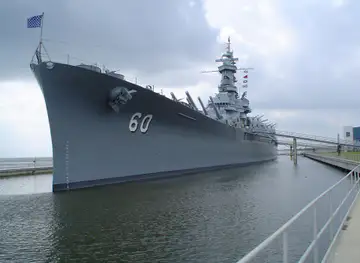
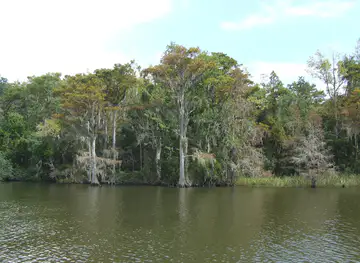
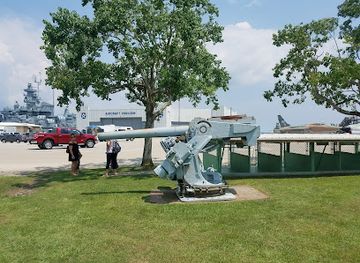
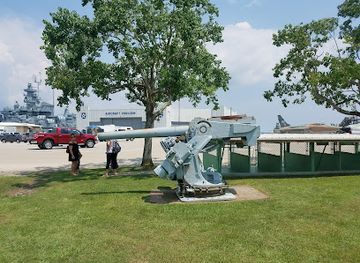
South Alabama's attractions range from Mobile's museums, historic districts and maritime collections to the beaches, dunes and lagoons of Baldwin County. Battleship Memorial Park in Mobile presents major military vessels and aircraft, while the Mobile Carnival Museum explains the city's Mardi Gras traditions. Fort Morgan and Fort Gaines interpret the Civil War defence of Mobile Bay, with Fort Gaines located on Dauphin Island and Fort Morgan at the bay's eastern entrance. Gulf State Park links beach recreation with trails, freshwater lakes and a coastal environment shaped by wind and storms. The Mobile-Tensaw River Delta is suited to guided boat trips, kayaking and wildlife observation, while Dauphin Island is important for bird migration and coastal research. Fairhope and nearby eastern-shore communities provide galleries, gardens and bayfront walks, and the region's smaller museums and historic homes add local context. Outdoor activities include fishing, cycling, swimming, paddle sports and birdwatching, although heat, storms and seasonal conditions should be considered when planning.
-
Museum
USS ALABAMA Battleship Memorial Park
Explore the historic USS ALABAMA and USS DRUM at Mobile's Battleship Memorial Park. A captivating journey into naval history for all ages.
-
Public beach
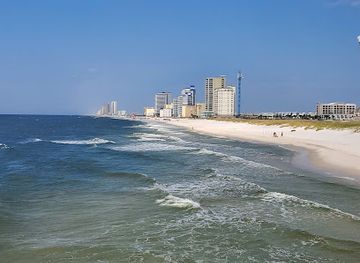
Gulf Shores Public Beach
Experience the sugar-white sands and turquoise waters of Gulf Shores Public Beach, a perfect blend of relaxation and vibrant beach culture.
-
State park
Gulf State Park
Discover Alabama's Gulf Coast: Beaches, trails, and nature await at Gulf State Park in Gulf Shores.
-
Escape room center
Breakout Games - Orange Beach
Experience thrilling escape room adventures at Breakout Games in Orange Beach! Perfect for families, friends, and team-building fun.


Best landmarks in South Alabama
Mobile's historic core contains some of South Alabama's most recognisable architecture, including the cathedral complex, nineteenth-century commercial buildings and surviving residential streets associated with the city's French, Spanish, Creole and American past. The Battle House Hotel and the Saenger Theatre are prominent civic landmarks, while the Mobile Government Plaza represents the modern city centre. Africatown's cemetery, churches and community landscape carry exceptional historical significance because of their connection with the Clotilda survivors. At the mouth of Mobile Bay, Fort Morgan and Fort Gaines are substantial coastal-defence landmarks linked to the Civil War; Fort Gaines stands on Dauphin Island, while Fort Morgan is across the water on the peninsula. The natural landmarks are equally defining: Mobile Bay, the Mobile-Tensaw Delta, Dauphin Island's beaches and the Gulf shoreline express the region's relationship with water, migration and maritime trade.
-
Museum
USS ALABAMA Battleship Memorial Park
Explore the historic USS Alabama battleship, USS Drum submarine, and aircraft at this Mobile Bay memorial park honoring US veterans.
-
State park
Cathedral Caverns State Park
Explore the breathtaking beauty of Cathedral Caverns State Park, where stunning underground wonders and serene trails await you in Alabama's natural paradise.
-
 Local history museum
Sloss Furnaces National Historic Landmark
Explore Birmingham's industrial past at Sloss Furnaces, a National Historic Landmark and unique museum of iron-making and metal arts.
-
Tourist attraction
Majestic Caverns
Explore Alabama's Majestic Caverns: A historic natural wonder with stunning formations, guided tours, and family-friendly attractions above and below ground.
Explore South Alabama on the map
Plan your trip on one map. See where the top cities, national parks and sights are, and book hotels and experiences in a few clicks.
Best hotels in South Alabama
Best restaurants in South Alabama
South Alabama's food culture is anchored by the Gulf and by the agricultural hinterland surrounding Mobile Bay. Shrimp, oysters, blue crab and locally landed fish appear in seafood markets, casual restaurants, oyster bars and more formal coastal dining rooms, while barbecue, fried chicken, greens, beans and cornbread reflect wider Southern traditions. Mobile and the eastern shore offer the broadest range of restaurants, from historic-style cafés and bakeries to contemporary kitchens, while Gulf Shores, Orange Beach and Bon Secour have a strong seafood focus. Farmers' markets and farm shops may offer seasonal fruit, vegetables, honey and baked goods. Menus change with weather, fishing conditions and supply, so local sourcing should not be assumed simply because a dish is associated with the Gulf. Sweet tea, pecan-based desserts and regional pies are common accompaniments to the area's relaxed dining culture.
-
Seafood
Original Oyster House Boardwalk
Experience fresh seafood delights at Original Oyster House Boardwalk in Gulf Shores - A coastal dining gem with stunning waterfront views.
-
Fine Dining
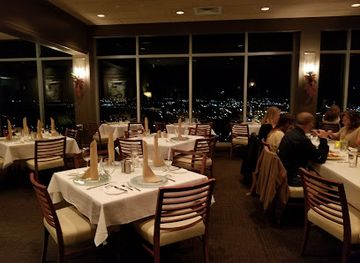
Dauphin’s Casual Fine-Dining
Experience the finest seafood and steak at Dauphin's Casual Fine-Dining in Mobile, where exquisite cuisine meets breathtaking views.
-
American
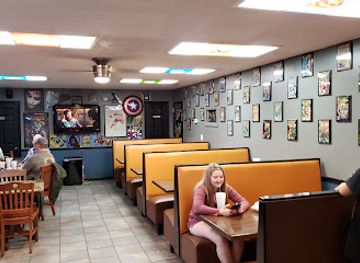
Supper Heroes
Discover Supper Heroes in Huntsville: Where delicious American cuisine meets an adventurous superhero theme for an unforgettable dining experience.
-
Soul
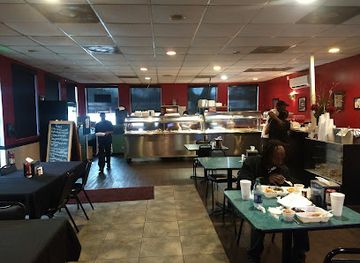
Mary's Southern Cooking
Experience authentic Southern soul food at Mary's Southern Cooking in Mobile; where every meal feels like home.

Best bars in South Alabama
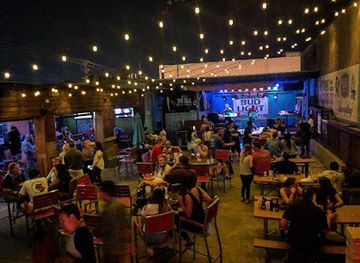
Nightlife in South Alabama is concentrated in Mobile and the larger Gulf Coast communities rather than spread evenly across the region. Mobile provides traditional pubs, cocktail bars, live music, neighbourhood venues and evening events associated with its cultural calendar, while Gulf Shores and Orange Beach have a more seasonal mix of beach bars, casual entertainment and late-opening venues. Fairhope offers wine bars, restaurants and quieter evening options, with occasional performances and gallery events. Outside these centres, nightlife usually means a local pub, restaurant, brewery or live-music setting rather than a dedicated club scene. Summer and holiday periods can bring busier evenings along the coast, but opening arrangements change, and visitors should check current information. Responsible drinking, arranged transport and caution on dark coastal or rural roads are important.
-
Bar
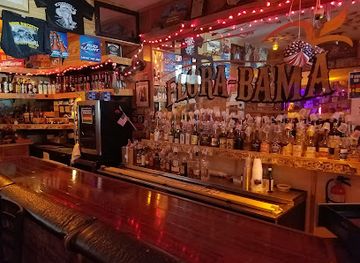
Flora-Bama
Discover Flora-Bama: A vibrant bar and live music venue on Perdido Key, perfect for food, fun, and unforgettable Gulf Coast experiences.
-
Irish pub
Callaghan's Irish Social Club
Discover the lively atmosphere of Callaghan's Irish Social Club, a premier Irish pub in Mobile, AL, offering authentic cuisine, live music, and a welcoming community.
-
Bar
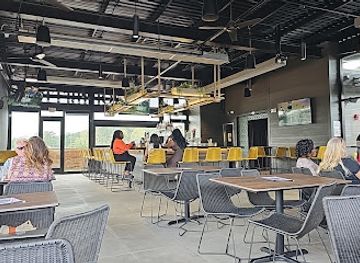
Prohibition Rooftop Bar & Grill
Discover the fusion of American and Korean flavors at Prohibition Rooftop Bar & Grill, where breathtaking views meet culinary excellence.
-
Live music bar
Tin Roof
Discover Birmingham's vibrant nightlife at Tin Roof, a live music bar offering delicious food and unforgettable entertainment in a lively atmosphere.

Best nightclubs in South Alabama
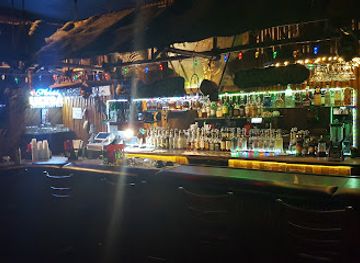
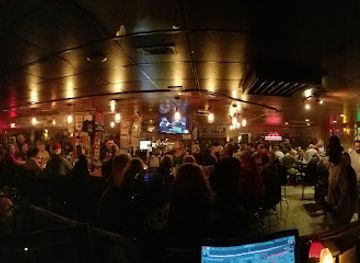
Nightlife in South Alabama is concentrated in Mobile and the larger Gulf Coast communities rather than spread evenly across the region. Mobile provides traditional pubs, cocktail bars, live music, neighbourhood venues and evening events associated with its cultural calendar, while Gulf Shores and Orange Beach have a more seasonal mix of beach bars, casual entertainment and late-opening venues. Fairhope offers wine bars, restaurants and quieter evening options, with occasional performances and gallery events. Outside these centres, nightlife usually means a local pub, restaurant, brewery or live-music setting rather than a dedicated club scene. Summer and holiday periods can bring busier evenings along the coast, but opening arrangements change, and visitors should check current information. Responsible drinking, arranged transport and caution on dark coastal or rural roads are important.
-
Club
Zebra Club
Experience the vibrant nightlife of Mobile at Zebra Club, where music, cocktails, and unforgettable moments await.
-
Night club
Doc Holliday's
Discover the vibrant nightlife at Doc Holliday's, Foley's premier night club and bar, offering live music, great drinks, and a fun atmosphere every night.
-
Night club
Tillys Dance Club
Experience the vibrant nightlife of Mobile at Tillys Dance Club, where music, dancing, and a welcoming crowd come together for unforgettable nights.
-
Night club
Club Elegance
Experience the vibrant nightlife of Mobile at Club Elegance, your go-to destination for music, dancing, and unforgettable memories.


Best shops in South Alabama
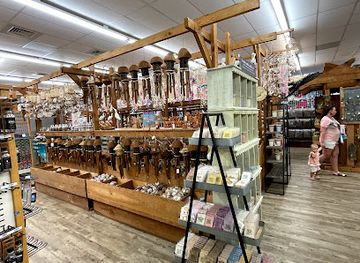
Shopping in South Alabama ranges from Mobile's independent boutiques, galleries, antique shops and historic-district stores to the coastal retail clusters of Gulf Shores, Orange Beach and Foley. Fairhope is known for an attractive concentration of independent shops, art galleries, books, gifts and locally made goods along its commercial streets, while Daphne provides further eastern-shore retail. Foley serves as a major inland shopping centre for the beach communities, including outlet-style and large-format retail. Farmers' markets and farm stands can provide seasonal produce, honey, baked goods and seafood, although locations and operating days vary. Practical regional purchases include Gulf-themed art, pottery, coastal crafts, books on local history, hot sauces, preserves and packaged seafood products. Check transport and luggage restrictions before buying fresh or frozen food, and do not assume that a souvenir labelled Alabama was produced locally.
-
Gift shop
Souvenir City
Explore Souvenir City in Gulf Shores for unique gifts, local art, and memorable keepsakes that capture the spirit of your travels.
-
Gift shop
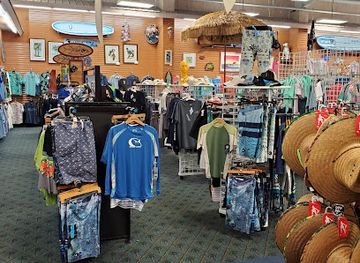
Alvins Island Outfitters - #37
Discover the ultimate gift shop in Gulf Shores for beach clothing, souvenirs, and accessories, perfect for your seaside adventure.
-
Shopping mall
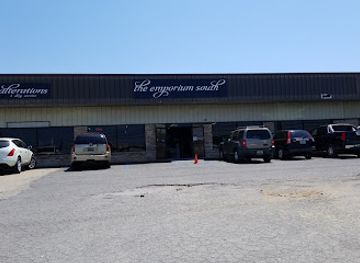
THE EMPORIUM SOUTH
Explore The Emporium South in Boaz, AL for unique home goods and eclectic treasures in a vibrant shopping atmosphere.
-
Gift shop
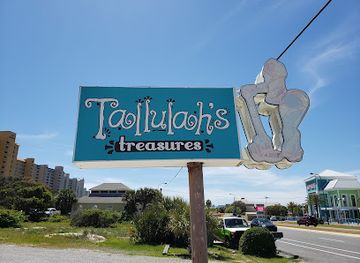
Tallulah's Treasures
Explore Tallulah's Treasures, a unique gift shop in Orange Beach, Alabama, offering an eclectic selection of locally crafted items and beach-themed gifts.
Get your free copy of our complete guide to South Alabama, delivered straight to you.
Everything on this page, from attractions and restaurants to essentials and local phrases, in one PDF you can read offline, print or share.
Already have an account? Sign in
Your South Alabama guide is ready.
We'll send it to · Not you? Sign out

Getting your guide ready…
We are putting together a fresh copy of the South Alabama guide. This can take up to a minute.
This can take a few moments. If your browser asks, choose Allow so the download can start. You'll find the guide in your Downloads folder.
Nothing happened? Download it again
Sorry, the guide is taking longer than usual. Please try again in a minute, or get it by email instead.
South Alabama essentials
Currency and Payment
Safety
Emergency Situations
Do's and Don'ts
Local Tips
From Eve
Local phrases worth knowing
You don't need to get them perfect. A few words go a long way, and locals appreciate the effort.
Basics
| English | Local | Say it |
|---|---|---|
| Hello | Hey there | [Hay thair] |
| Goodbye | See ya | [See yah] |
| Yes | Yup | [Yup] |
| No | Nope | [Nope] |
| Please/You're welcome | Thank ya | [Thank yah] |
| Thank you | Thank ya | [Thank yah] |
| Excuse me/Sorry | Excuse me | [Exkyooz me] |
| How are you? | How ya doin'? | [How yah doin'?] |
| Fine. And you? | Good. And you? | [Good. An' you?] |
| Do you speak English? | Y'all speakin' English? | [Y'all speakin' Ing-lish?] |
| I don't understand | I ain't followin' | [I ain't followin'] |
Eating & Drinking
| English | Local | Say it |
|---|---|---|
| I'd like to see the menu, please | Can I see the menu, please? | [Can I see the men-yoo, pleez?] |
| I don't eat meat | I ain't eatin' meat | [I ain't eatin' meat] |
| Cheers! | Cheers! | [Cheers!] |
| I would like to pay, please | Can I get the check, please? | [Can I get the chek, pleez?] |
Emergencies
| English | Local | Say it |
|---|---|---|
| Help! | Help! | [Help!] |
| Go away! | Get on outta here! | [Get on outta here!] |
| Call the Police! | Call the cops! | [Call the cops!] |
| Call a doctor! | Call a doc! | [Call a doc!] |
| I'm lost | I'm lost | [I'm lost] |
| I'm ill | I'm sick | [I'm sick] |
Shopping
| English | Local | Say it |
|---|---|---|
| I'd like to buy... | I wanna buy... | [I wanna buy...] |
| I'm just looking | Just lookin' | [Just lookin'] |
| How much is it? | How much that cost? | [How much that cost?] |
| That's too expensive | That’s too high | [That’s too high] |
| Can you lower the price? | Can ya bring down the price? | [Can yah bring down the price?] |
Time & Numbers
| English | Local | Say it |
|---|---|---|
| What time is it? | What time is it? | [What time is it?] |
| It's one o'clock | It's one o'clock | [It's one o'clock] |
| Half past (10) | Half past ten | [Half past ten] |
| Morning | Mornin' | [Mornin'] |
| Afternoon | Afternoon | [Afternoon] |
| Evening | Evenin' | [Evenin'] |
| Yesterday | Yestiddy | [Yestiddy] |
| Today | Today | [Today] |
| Tomorrow | Tomorra | [Tomorra] |
| 1 | One | [One] |
| 2 | Two | [Two] |
| 3 | Three | [Three] |
| 4 | Four | [Four] |
| 5 | Five | [Five] |
| 6 | Six | [Six] |
| 7 | Seven | [Seven] |
| 8 | Eight | [Eight] |
| 9 | Nine | [Nine] |
| 10 | Ten | [Ten] |
Transport & Directions
| English | Local | Say it |
|---|---|---|
| Where's a/the...? | Where's a...? | [Where's a...?] |
| What's the address? | What's the address? | [What's the address?] |
| Can you show me (on the map)? | Can you show me on the map? | [Can you show me on the map?] |
| When's the next (bus)? | When's the next bus? | [When's the next bus?] |
| A ticket (to ....) | A ticket to... | [A ticket to...] |
History of South Alabama
Indigenous Peoples and Mississippian Landscapes
Long before European settlement, the lower Alabama region was occupied by Indigenous peoples whose lives were connected to the rivers, wetlands, forests and coast. Mississippian-period communities built ceremonial and settlement mounds elsewhere in the wider Gulf South, while later groups including the Mobilians, Choctaw, Creek and other Native peoples maintained trading, hunting and agricultural networks across the region. Place names, archaeological remains and continuing Native presence form part of South Alabama's deeper history, even though much of the physical evidence has been altered by later development.
French Mobile and the Gulf Frontier, 1702–1763
The French established Mobile as a colonial settlement in 1702, first at Twenty-Seven Mile Bluff and later on the present city site near Mobile River. Mobile served as an administrative and trading centre for France's Louisiana colony and occupied a strategic position between the Gulf of Mexico and the interior waterways. Relations and conflict involving Indigenous nations, European powers and the colonial economy shaped this frontier. The city's French origins remain visible in its name, early urban history and layered Gulf Coast culture.
Spanish and British Rule
Control of Mobile changed hands as imperial rivalry reshaped the Gulf Coast. Britain acquired the settlement after the Seven Years' War in 1763, and Spain took it during the American Revolutionary War in 1780. Spanish rule continued until the United States occupied Mobile in 1813. These transitions left architectural, legal and cultural traces and helped make Mobile a port where European, African, Caribbean, Indigenous and American influences met. The region's strategic value rested on access to Mobile Bay and the rivers leading inland.
Cotton, Port Commerce and Enslavement
During the nineteenth century, Mobile prospered as a port for cotton and other commodities produced across the interior South. Its commercial growth depended on the labour of enslaved African Americans, whose work sustained plantations, docks, warehouses and domestic households. After the Civil War, Black communities established churches, schools, businesses and political organisations across the region. Africatown, north of Mobile, was founded by Africans who were illegally transported aboard the Clotilda in 1860 and later created a community that remains an important site of memory and interpretation.
The Civil War and the Battle of Mobile Bay
Mobile's harbour and bay were strategically important during the American Civil War. In August 1864, Union Admiral David Farragut's fleet forced its way past Confederate defences at the Battle of Mobile Bay, a victory remembered for Farragut's reported order to proceed despite mines and obstacles. The city itself remained under Confederate control until April 1865, near the end of the war. Fort Morgan, Fort Gaines and the waters around the bay preserve the landscape of this campaign, although Fort Gaines is located on nearby Dauphin Island and Fort Morgan on the eastern side of Mobile Bay.
Timber, Shipbuilding and Gulf Industries
After the Civil War, railways, timber extraction, shipbuilding and port commerce transformed South Alabama. Longleaf-pine forests supplied lumber and naval stores, while sawmills and rail links connected inland communities with Mobile and the Gulf. Shipbuilding became especially significant during the twentieth century, including wartime production. The region's economy later broadened into tourism, aerospace, manufacturing, agriculture, seafood and logistics. Working ports, industrial waterfronts and restored historic districts show how South Alabama continues to balance maritime commerce with heritage and recreation.
Mardi Gras and Regional Cultural Identity
Mobile's Mardi Gras tradition developed from the city's colonial and nineteenth-century social history and is widely regarded as the oldest established Mardi Gras celebration in the United States. Carnival organisations, parades, masked balls and societies became particularly prominent after the Civil War, creating traditions that remain central to the city's annual calendar. Celebrations vary in scale and style, and visitors should check current schedules and local arrangements. Beyond Mardi Gras, South Alabama's identity also reflects coastal foodways, African American heritage, religious communities, music and long-standing connections to the sea.
South Alabama in Photos
Browse through our photo collection highlighting the charm and character of the destination.
Neighbouring regions of South Alabama
The closest regions to South Alabama, if you have time for more than one.
-

-
-
-

-


Swipe for more regions
Explore more

Explore more of Alabama
Discover Alabama: A Southern state rich in history, culture, and natural beauty, offering unforgettable experiences from vibrant cities to serene beaches and majestic mountains.
Explore Alabama