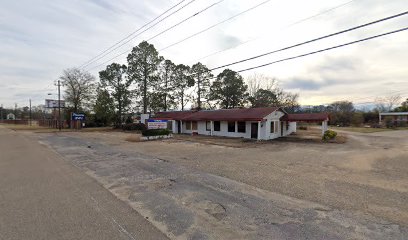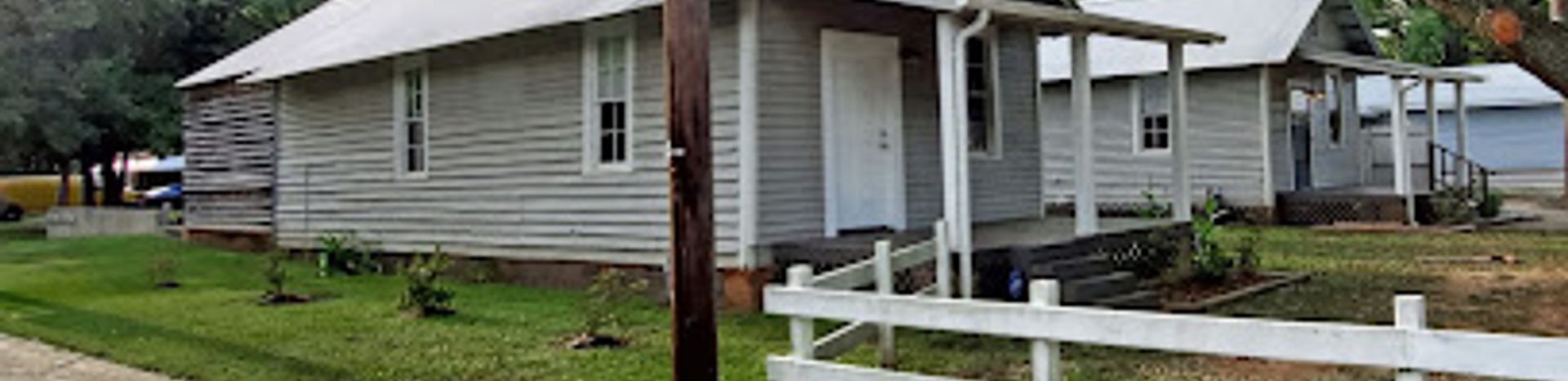
Safe House Black History Museum: A Sanctuary of Civil Rights History
Discover the Safe House Black History Museum in Greensboro, AL: Preserving the legacy of the Civil Rights Movement and a night of refuge for MLK Jr.
The Safe House Black History Museum in Greensboro, Alabama, preserves the legacy of the Civil Rights Movement in Hale County. Housed in the shotgun-style home where Rev. Martin Luther King Jr. sought refuge from the KKK in 1968, the museum showcases local struggles for equality with poignant relics and unpublished photos.
A brief summary to Safehouse Black History Museum
- 518 Martin Luther King Dr, Greensboro, Alabama, 36744, US
- +1334-624-2030
- Visit website
Local tips
- Tours are by appointment only, so call ahead to schedule your visit. There may be a 5 person group limit.
- Consider donating to support the museum's mission of preserving African American heritage and historical structures.
- Explore other nearby historical sites in Greensboro, such as Magnolia Grove and the Greensboro Opera House.

Getting There
-
Driving
The Safe House Black History Museum is located at 518 Martin Luther King Dr, Greensboro, AL 36744. From downtown Greensboro, head southwest on Martin Luther King Drive. The museum will be on your left. There is no dedicated parking lot, but street parking is available along Martin Luther King Drive. Parking is free.
-
Public Transport
The closest bus stop to the Safe House Black History Museum is located in Greensboro, AL. From the bus stop, the museum is a short walk away. Check local bus schedules for the most up-to-date information.
Discover more about Safehouse Black History Museum
Iconic landmarks you can’t miss

Kenworthy Hall
25.1 km
Explore the historical splendor of Kenworthy Hall in Marion, Alabama - a captivating journey through Southern heritage and architecture.
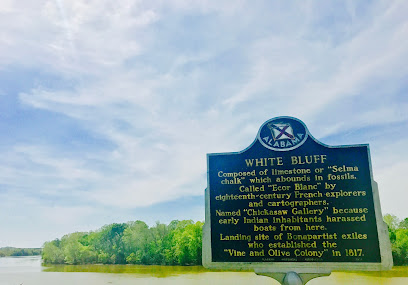
White Bluff Historical Marker
29.3 km
Discover the captivating history of White Bluff in Demopolis, where geology, Native American heritage, and French Bonapartist legacy converge.
Marengo County History & Archives Museum
29.4 km
Discover the rich history of Marengo County at the History & Archives Museum in Demopolis, Alabama, where every artifact tells a story.
Everhope
40.6 km
Experience Southern charm at Everhope Plantation, a beautifully restored 1853 Greek Revival home near Eutaw, Alabama. History, elegance, and hospitality await.

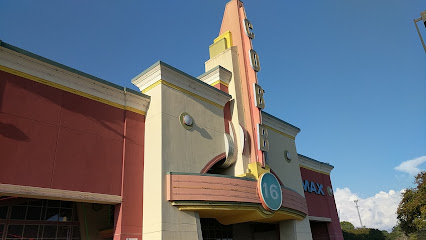
CMX Hollywood 16 & IMAX
52.6 km
Experience the ultimate in cinema at CMX Hollywood 16 & IMAX: stadium seating, cutting-edge technology, and a wide selection of movies!
Gainesville Historic District
52.8 km
Discover Gainesville Historic District: A preserved Alabama town showcasing 19th-century architecture and river port history.
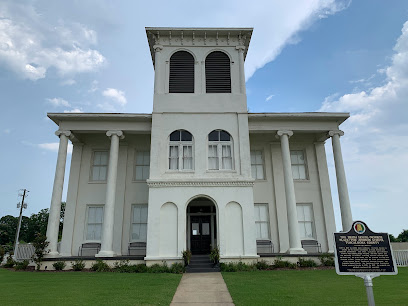
Historic Drish House
55.8 km
Discover the Historic Drish House, a timeless venue in Tuscaloosa, Alabama, celebrated for its stunning architecture and rich cultural heritage.
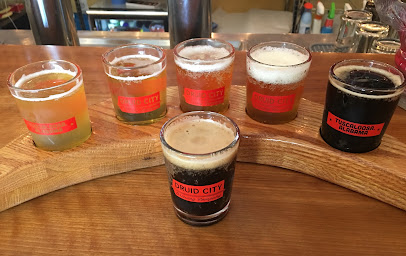
Druid City Brewing Company Taproom & Ell's Kitchen
56.2 km
Discover the vibrant flavors of Tuscaloosa at Druid City Brewing Company, where craft beer meets delicious cuisine in a lively atmosphere.
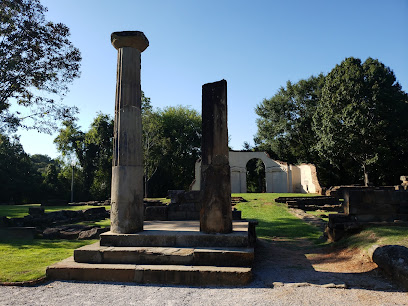
Historic Alabama Capitol 1826-1846
56.8 km
Discover the Historic Alabama Capitol, a stunning example of Greek Revival architecture in Tuscaloosa, steeped in rich political history and charm.
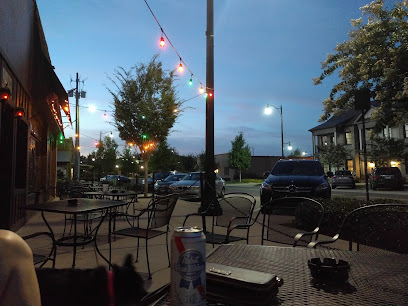
Alcove
56.9 km
Tuscaloosa's first smoke-free bar, offering a wide selection of craft beers, cocktails, and a cozy, art-filled atmosphere for a relaxed night out.
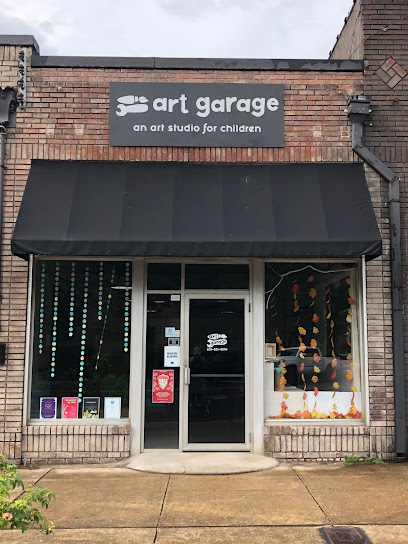
Art Garage
56.9 km
Explore your creativity at Art Garage: Tuscaloosa's mobile art studio offering classes, workshops, and artistic experiences for all ages and skill levels.
The Alamite, Tuscaloosa, a Tribute Portfolio Hotel
57.0 km
Experience Southern elegance at The Alamite in Tuscaloosa, where luxury meets hospitality in a stylish setting perfect for any traveler.
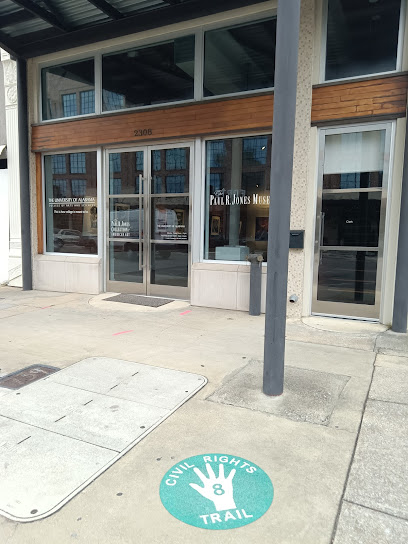
Paul R. Jones Museum
57.0 km
Explore a remarkable collection of African American art at the Paul R. Jones Museum in Tuscaloosa, showcasing history, culture, and artistic expression.
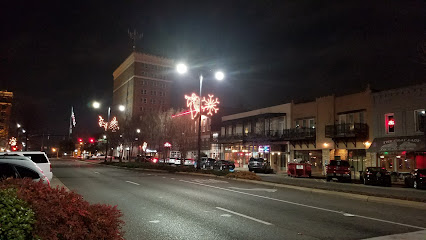
Mugshots Grill and Bar - Tuscaloosa, AL
57.0 km
Discover the taste of America at Mugshots Grill and Bar in Tuscaloosa, where delicious burgers and a lively atmosphere await every visitor.
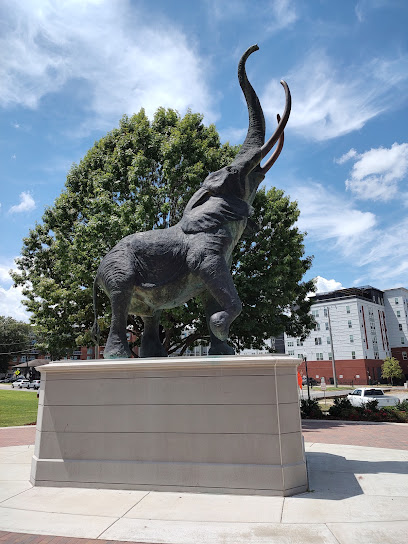
Bryant-Denny Stadium
57.0 km
Visit Bryant-Denny Stadium in Tuscaloosa, Alabama, where college football traditions come alive amidst a sea of passionate fans and thrilling game day experiences.
Unmissable attractions to see

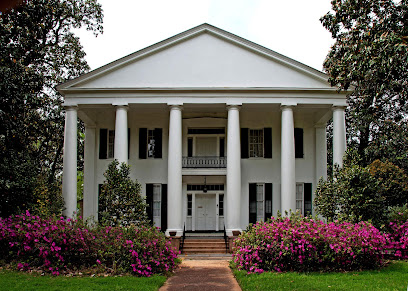
Magnolia Grove
0.7 km
Step back in time at Magnolia Grove, a Greek Revival mansion and former home of Richmond Pearson Hobson, in Greensboro, Alabama.
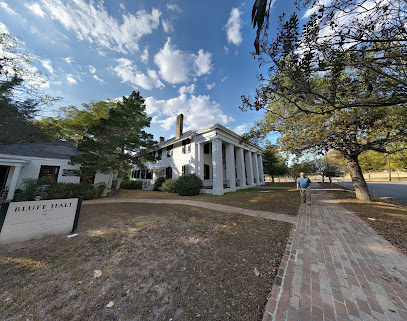
Bluff Hall
29.3 km
Step back in time at Bluff Hall in Demopolis, AL, and experience the elegance of a preserved antebellum mansion with Greek Revival architecture.
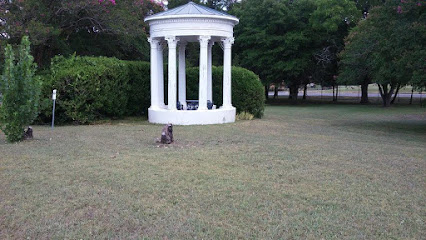
Gaineswood
29.7 km
Explore Gaineswood, a beautifully preserved Greek Revival mansion in Demopolis, AL, offering a unique glimpse into 19th-century plantation life.
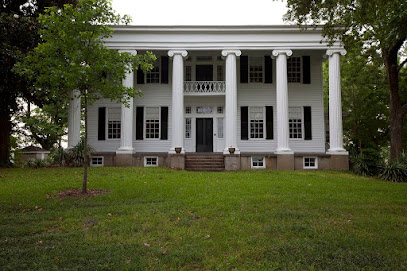
Thornhill Plantation
30.2 km
Experience the grandeur and complex history of an Alabama cotton plantation at Thornhill, a preserved example of Greek Revival architecture.
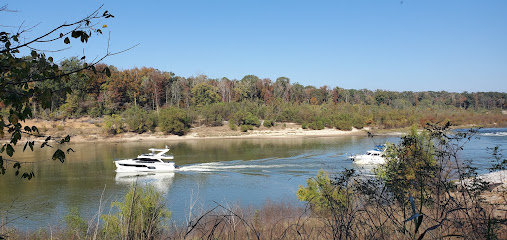
Spillway Falls - Lower Pool
32.7 km
Experience the beauty and power of nature at Spillway Falls - Lower Pool, a unique park in Demopolis, Alabama, offering hiking, birdwatching, and scenic views.
Moundville Archaeological Park
34.0 km
Discover the fascinating history and culture of the Mississippian people at this well-preserved archaeological site in Moundville, Alabama.
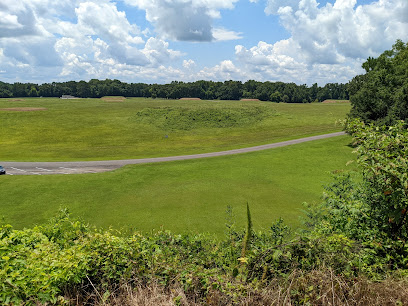
Chickasaw State Park
40.6 km
Discover Alabama's natural beauty at Chickasaw State Park: camping, wildlife, and outdoor adventures in the heart of the Black Belt region.
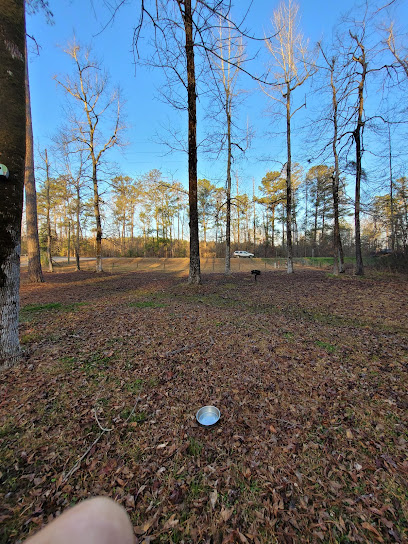
White Cliffs of Epes
47.4 km
Alabama's White Cliffs of Epes: A stunning natural wonder mirroring the famous White Cliffs of Dover, offering a unique geological experience.
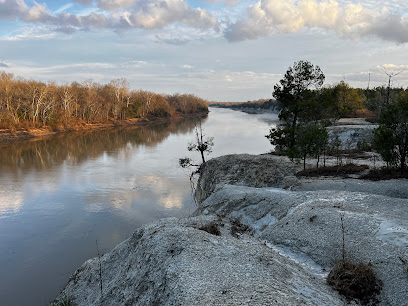
UpSurge Trampoline Park
51.0 km
Tuscaloosa's premier trampoline park: jump, bounce, and flip into fun with open jump areas, obstacle courses, and exciting activities for all ages!
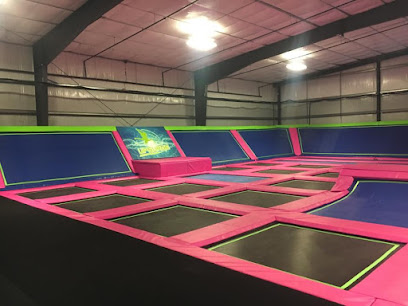
Cahaba Riverwalk and Canoe launch
51.7 km
Explore the Cahaba River's beauty: Paddle, walk, and discover nature at Centreville's accessible riverfront park and canoe launch.
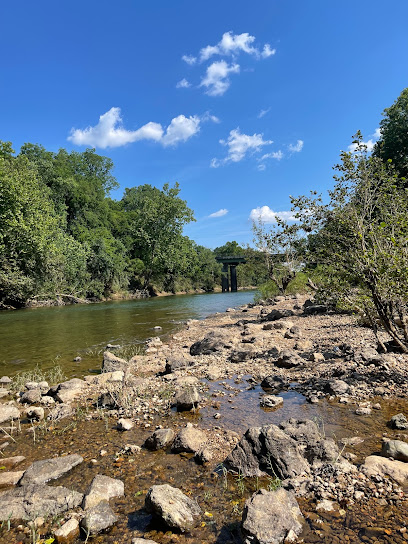
Adventure Shoals
53.1 km
Float down the Cahaba River with Adventure Shoals for a refreshing tubing experience surrounded by Alabama's natural beauty and diverse wildlife.
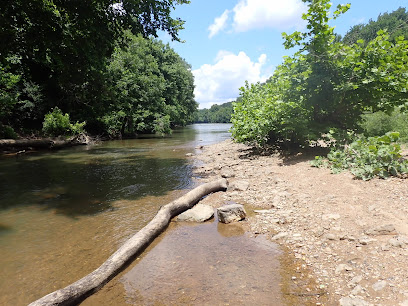
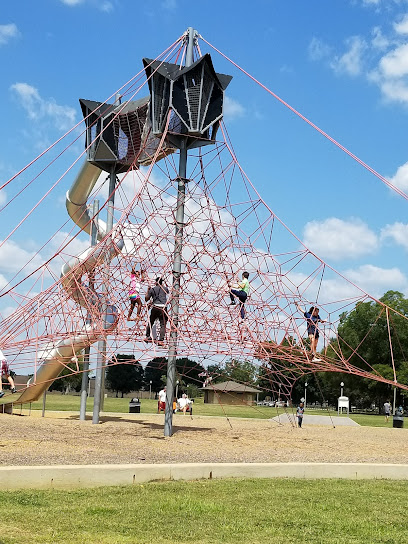
Snow Hinton Park
55.2 km
Escape to Tuscaloosa's Snow Hinton Park: Nature trails, playgrounds, and community events await in this vibrant green space.
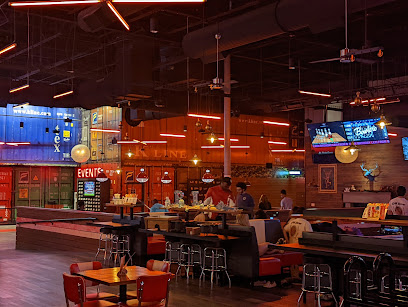
Bowlero Tuscaloosa
55.5 km
Upscale entertainment featuring blacklight bowling, arcade games, a sports bar, and delicious food near the University Mall in Tuscaloosa.
Black Belt Museum
55.6 km
Discover the captivating history and natural wonders of Alabama's Black Belt region at this unique museum.
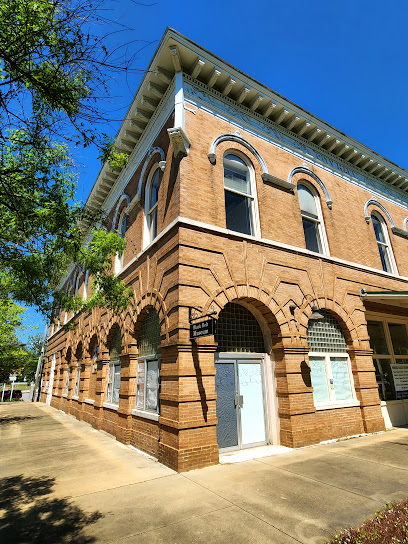
Monnish Park
56.0 km
Escape to nature in Tuscaloosa's Monnish Park: trails, playgrounds, picnic spots, and community events await!
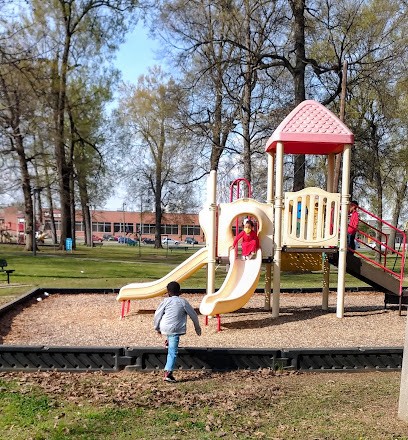
Essential places to dine

Walk-On's Sports Bistreaux - Tuscaloosa Restaurant
52.2 km
Experience vibrant dining at Walk-On's Sports Bistreaux in Tuscaloosa - where Louisiana flavors meet sports enthusiasm.
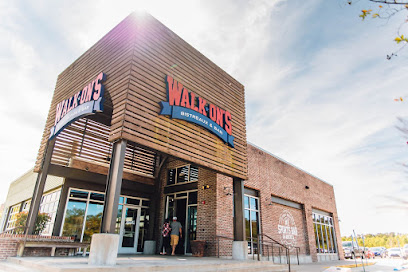
Outback Steakhouse
52.4 km
Experience authentic Australian flavors at Outback Steakhouse in Tuscaloosa – where every meal feels like an adventure!
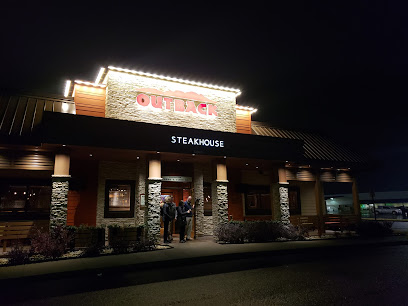
Nick's Original Filet House
53.4 km
Experience mouthwatering steaks in a family-friendly atmosphere at Nick's Original Filet House in Tuscaloosa.
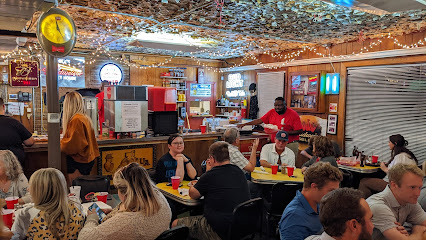
RONJOE'S
54.4 km
Experience authentic Southern cuisine at RonJoe's in Tuscaloosa—where tradition meets flavor in every dish.
King's Kitchen
55.0 km
Experience authentic Southern cuisine at King's Kitchen in Tuscaloosa - where every meal tells a story.
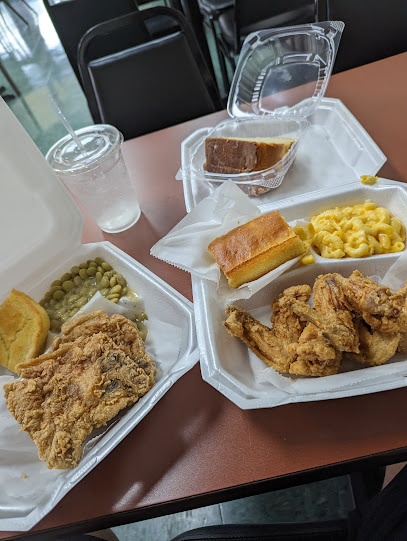
Olive Garden Italian Restaurant
55.4 km
Discover authentic Italian cuisine at Olive Garden in Tuscaloosa – perfect for family gatherings and memorable meals.
Taziki's Mediterranean Cafe - Tuscaloosa
55.6 km
Experience authentic Greek cuisine at Taziki's Mediterranean Cafe in Tuscaloosa - where fresh flavors meet warm hospitality.
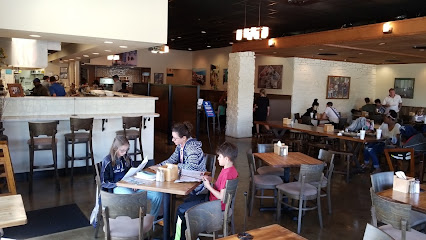
Metro Diner
55.7 km
Experience authentic Southern hospitality at Metro Diner - your go-to spot for breakfast and brunch in Tuscaloosa.
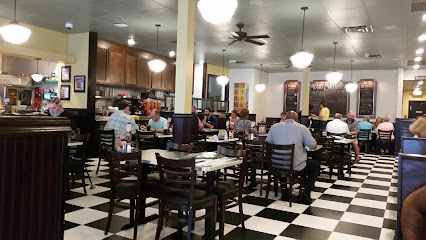
Flavaz Seafood & Soulfood Restaurant
55.9 km
Experience authentic Southern cuisine at Flavaz Seafood & Soulfood Restaurant in Tuscaloosa—where seafood meets soul food for an unforgettable meal.
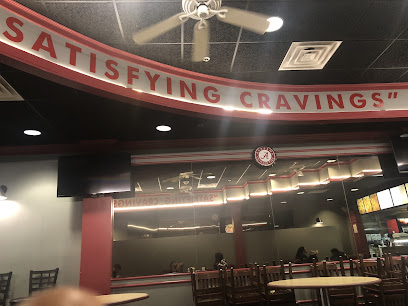
Waysider
55.9 km
Discover The Waysider in Tuscaloosa: A cozy American breakfast spot offering delicious meals and friendly service in an inviting atmosphere.
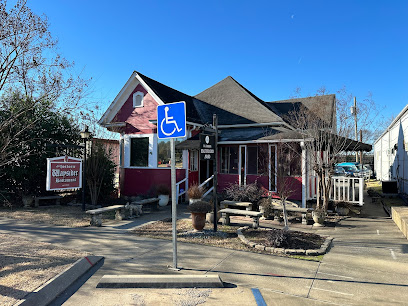
Hokkaido
56.0 km
Discover the best of Japanese cuisine at Hokkaido - where sushi meets tradition in the heart of Tuscaloosa.
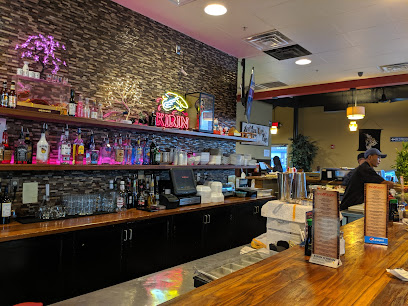
T-town Cafe
56.3 km
Discover the charm of T-town Cafe in Tuscaloosa – where hearty breakfasts and friendly service create unforgettable dining experiences.
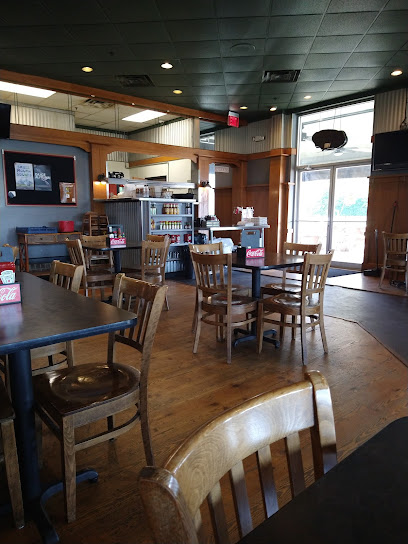
Rama Jama’s
56.8 km
Discover Rama Jama's in Tuscaloosa: A cherished American bar & grill offering hearty meals and local charm near the University of Alabama.
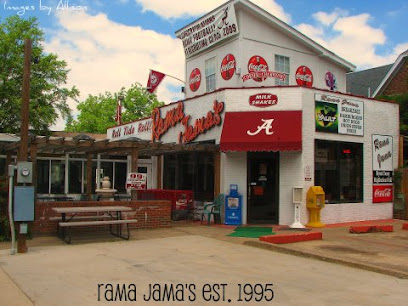
Legends Bistro and Lounge
56.9 km
Discover exquisite dining at Legends Bistro and Lounge in Tuscaloosa – where every meal is a celebration of flavor.
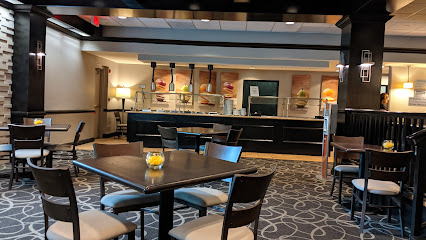
FIVE Tuscaloosa
57.0 km
Experience delightful American cuisine at FIVE Tuscaloosa - your go-to spot for breakfast, brunch, and vibrant bar scenes.
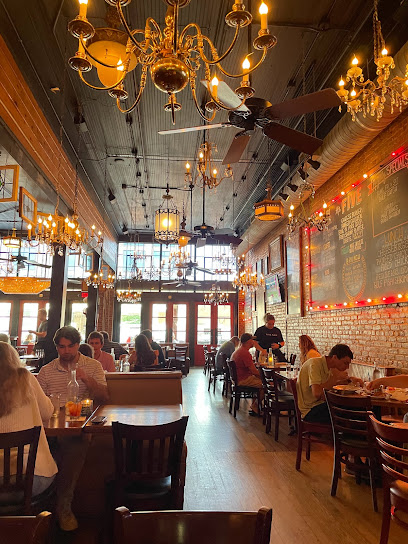
Markets, malls and hidden boutiques

Two Sisters Boutique
28.6 km
Explore Two Sisters Boutique in Marion, AL for stylish women's clothing, unique gifts, and fashionable shoes in a charming shopping setting.
Lake Martin Design
43.1 km
Explore Lake Martin Design for exquisite home goods and handcrafted furniture that showcase local artistry and timeless elegance.
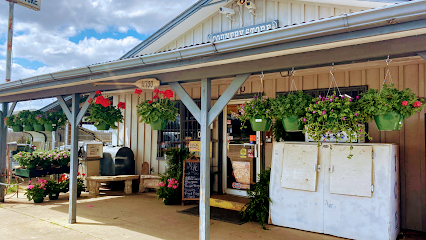
Maes Country Store
46.4 km
Discover the charm of Maes Country Store, a delightful stop in Marion Junction, Alabama, offering local snacks, delicious burgers, and friendly service.
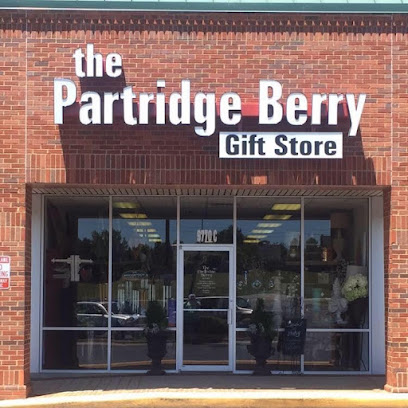
The Partridge Berry
47.0 km
Explore the charm of Tuscaloosa at The Partridge Berry, where unique gifts and local crafts await every traveler.
Ziggy Zelda
47.1 km
Explore Ziggy Zelda, a charming gift shop in Linden, Alabama, offering unique souvenirs and local craftsmanship for every traveler.
Square 1 Boutique
50.4 km
Explore Square 1 Boutique, your go-to destination in Brent, Alabama, for unique gifts, stylish women's clothing, and adorable children's apparel.
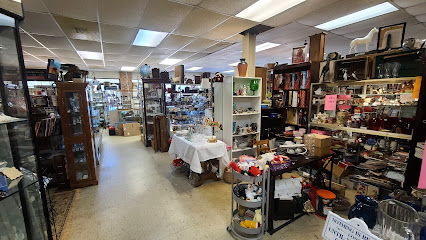
Skyland Antique Mall
52.4 km
Explore the charming Skyland Antique Mall in Tuscaloosa, Alabama, for a delightful vintage shopping experience filled with unique treasures and friendly service.
McFarland Plaza
54.8 km
Discover the diverse shopping and dining experiences at McFarland Plaza, Tuscaloosa's premier shopping destination.
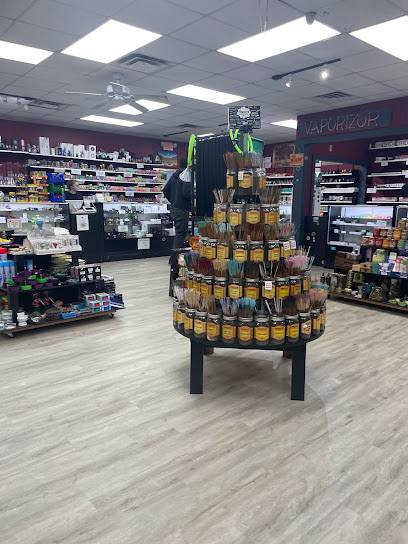
Thrifty Charm Boutique
55.4 km
Explore unique clothing and local handmade accessories at Thrifty Charm Boutique in Tuscaloosa, the perfect stop for every fashion lover.
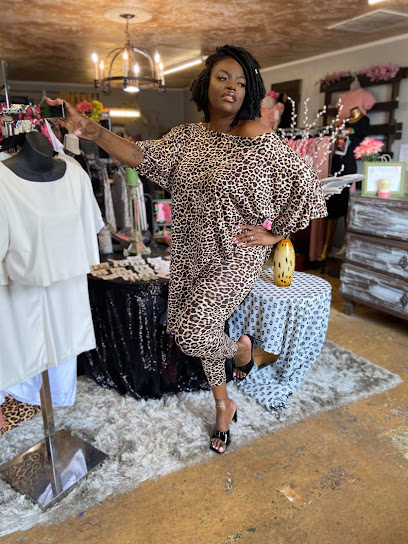
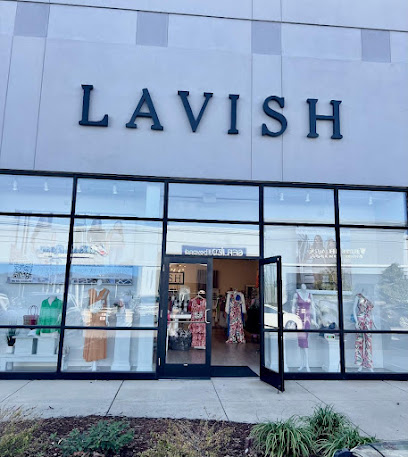
Lavish Tuscaloosa
55.5 km
Discover unique fashion and accessories at Lavish Tuscaloosa, a premier women's boutique offering stylish clothing and exceptional service.
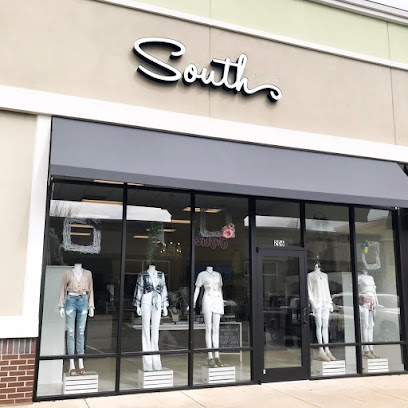
South Boutique Tuscaloosa
55.6 km
Discover the perfect blend of style and service at South Boutique Tuscaloosa, your ultimate destination for women's fashion.
EARTHBOUND
55.8 km
Explore Earthbound in Tuscaloosa for unique gifts, stylish clothing, and beautiful jewelry that celebrate creativity and individuality.
University Mall
55.9 km
Experience Tuscaloosa's premier shopping destination at University Mall, featuring diverse retail, dining, and entertainment options for everyone.
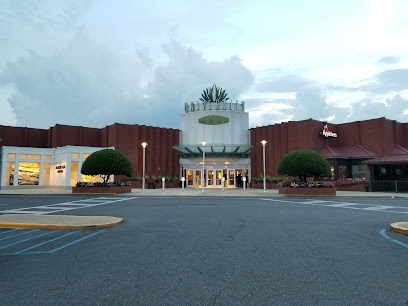
Belk
56.0 km
Explore Belk in Tuscaloosa, where fashion meets affordability in an inviting department store setting.
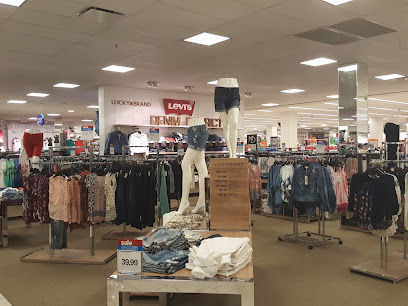
Tuscaloosa Midtown Village
56.0 km
Explore Tuscaloosa Midtown Village: A shopping paradise blending local charm with a variety of retail and dining experiences.
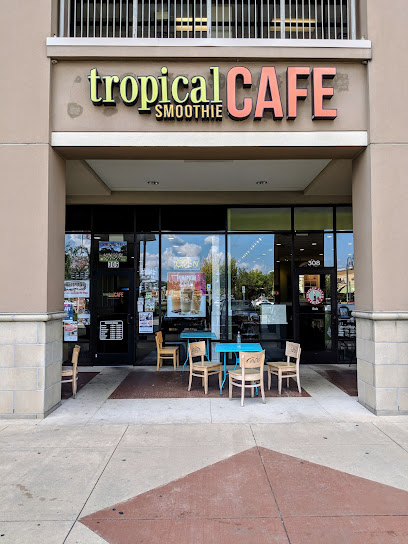
Essential bars & hidden hideouts

HARPERSVILLE GRILL
50.8 km
Discover Harpersville Grill in Safford, Alabama – the ultimate destination for delicious hamburgers and Southern comfort food.
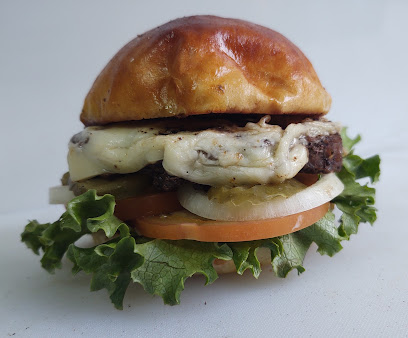
Scooter's
53.5 km
Scooter's Bar in Tuscaloosa offers a lively atmosphere and affordable drinks, perfect for unwinding and enjoying local nightlife.
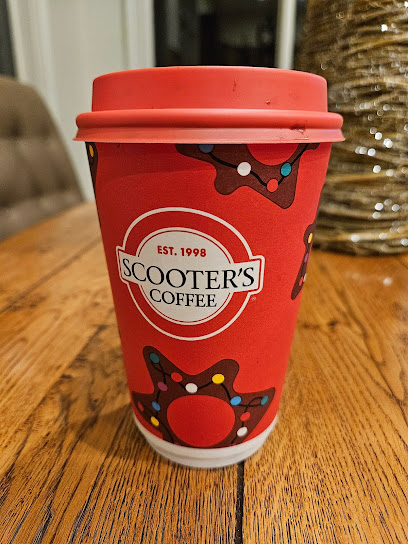
Harry's Bar
55.4 km
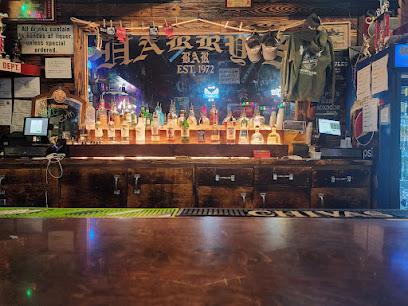
Experience the lively atmosphere and delightful drinks at Harry's Bar in Tuscaloosa, Alabama, a must-visit for any traveler seeking local flavor.
Jackie's Lounge
56.7 km
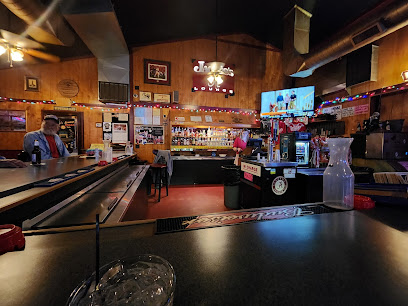
Discover the vibrant atmosphere of Jackie's Lounge, a must-visit sports bar in Tuscaloosa, perfect for food, drinks, and game day excitement.
Catch 22
57.0 km
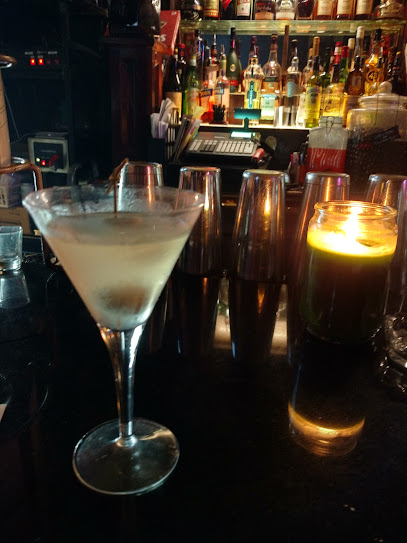
Experience the vibrant atmosphere and innovative cocktails at Catch 22, a must-visit cocktail bar in Tuscaloosa, Alabama.
The Gray Lady
57.0 km
Discover The Gray Lady, a vibrant Tuscaloosa bar known for its creative cocktails, craft beers, and lively trivia nights in a welcoming atmosphere.
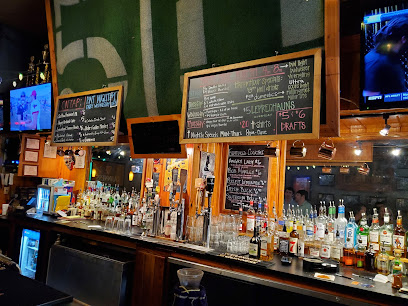
Brown's Corner
57.1 km
Experience the best cocktails and vibrant nightlife at Brown's Corner in Tuscaloosa, where every sip is a celebration.
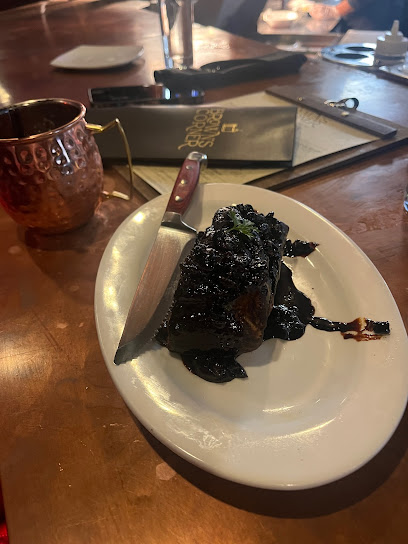
World of Beer
57.2 km
Discover a vibrant gastropub in Tuscaloosa with an extensive craft beer selection and gourmet food, perfect for any beer lover's palate.
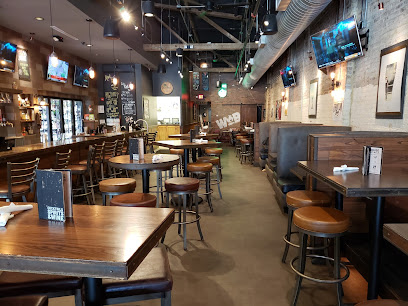
Top Shelf Tavern
57.2 km
Experience the authentic Southern bar scene at Top Shelf Tavern in Tuscaloosa, where great drinks and a friendly atmosphere await every visitor.
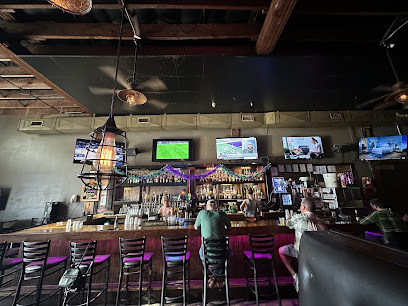
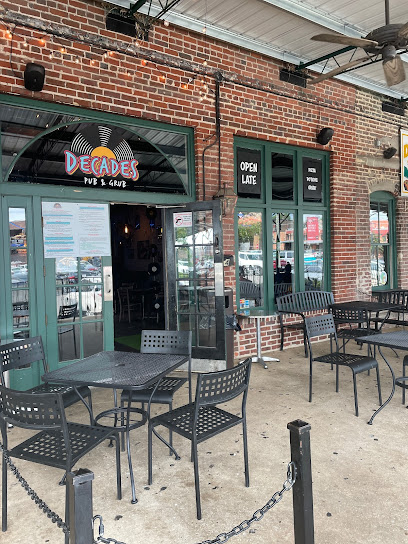
Decades Pub and Grub
57.2 km
Experience the perfect blend of comfort food and vibrant atmosphere at Decades Pub and Grub in Tuscaloosa, Alabama.
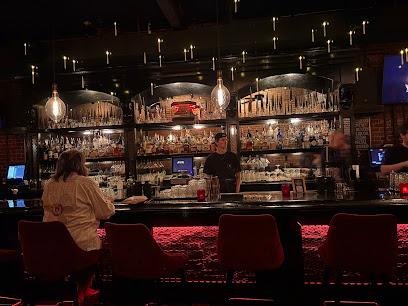
Nocturnal Tavern
57.2 km
Experience the vibrant nightlife of Tuscaloosa at Nocturnal Tavern, where craft cocktails and local brews meet an inviting atmosphere.
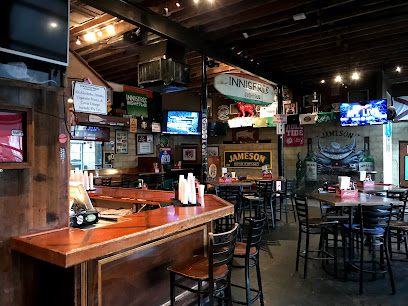
Innisfree Irish Pub
57.3 km
Discover the heart of Irish culture at Innisfree Irish Pub, a Tuscaloosa gem offering delicious food and a vibrant atmosphere.
The Bear Trap
57.3 km
Discover The Bear Trap in Tuscaloosa, a cozy bar offering a relaxed atmosphere, great drinks, and a taste of local nightlife.
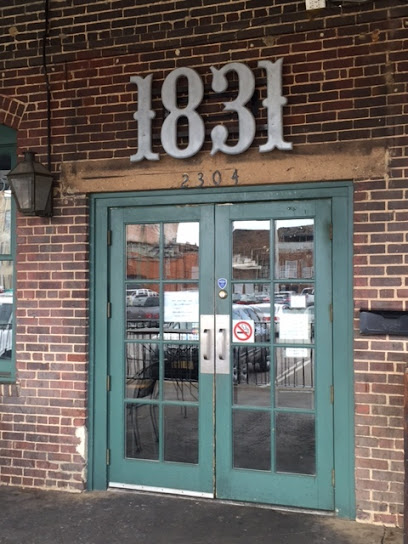
Tavern 1831
57.3 km
Experience the vibrant nightlife of Tuscaloosa at Tavern 1831, a lively bar with an extensive drink selection and entertainment options.
Sideline Bar
57.3 km
Discover the lively and vibrant atmosphere of Sideline Bar in Tuscaloosa, Alabama, a must-visit nightlife destination for tourists.
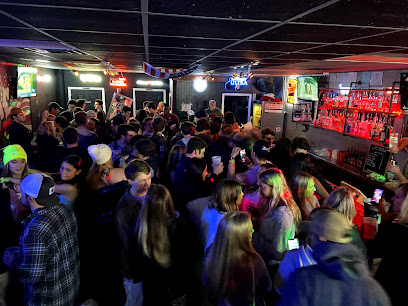
Nightclubs & after hour spots

Club 205 Lounge
55.0 km
Experience the vibrant nightlife at Club 205 Lounge in Tuscaloosa – where music, dancing, and fun come together for an unforgettable night out.
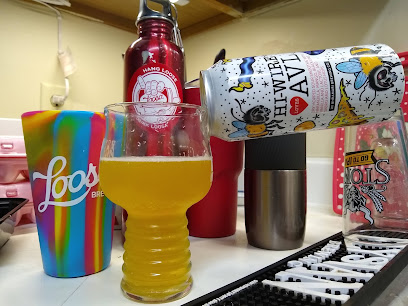
Rhythm & Brews
57.2 km
Discover the heartbeat of Tuscaloosa's nightlife at Rhythm & Brews, where live music and vibrant energy create unforgettable experiences.
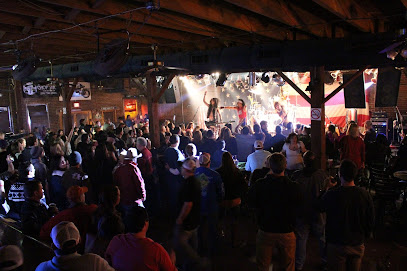
Copper Top
57.3 km
Discover Copper Top in Tuscaloosa, AL - a lively live music bar perfect for enjoying local bands and vibrant nightlife without straining your budget.
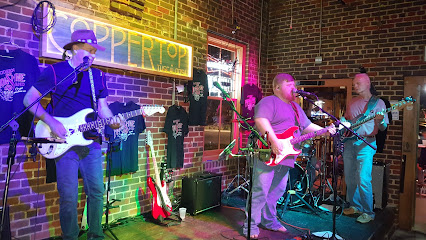
The Red Shed
57.3 km
Experience the vibrant nightlife of Tuscaloosa at The Red Shed, a classic bar known for its affordable drinks and lively atmosphere.
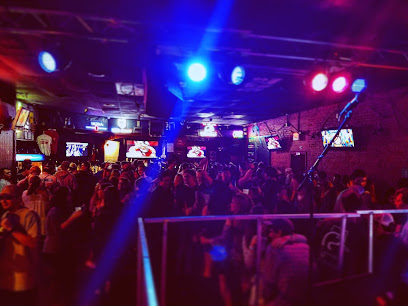
Twelve25 Sports Bar
57.3 km
Discover the lively energy of Twelve25 Sports Bar in Tuscaloosa, where sports, dining, and nightlife converge for an unforgettable experience.
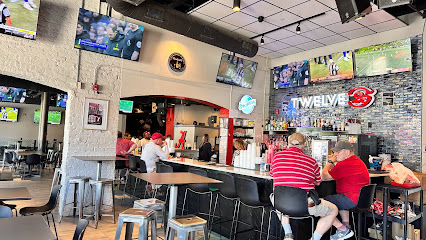
Rounders
57.3 km
Discover the lively nightlife at Rounders in Tuscaloosa, a vibrant bar offering drinks, live music, and a fun atmosphere for all visitors.
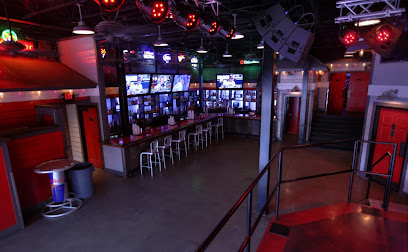
The One Club Spot #2
62.5 km
Discover an electrifying nightlife experience at The One Club Spot #2, where vibrant music and lively ambiance meet for unforgettable nights.
The One Club
62.7 km
Discover the vibrant nightlife at The One Club in Selma, Alabama, where music and excitement create unforgettable moments.
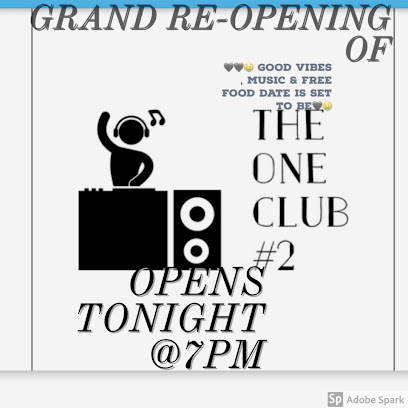
Goddess Hookah Bar
64.1 km
Discover the tranquil oasis of Goddess Hookah Bar in Selma, Alabama, where an extensive selection of flavors meets a cozy, inviting atmosphere.
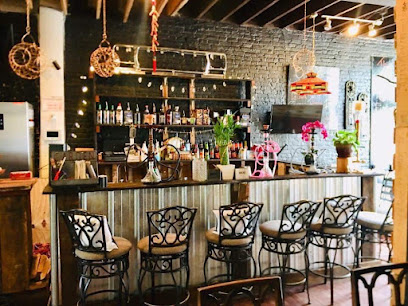
Roger's Lounge
65.1 km
Discover the lively nightlife at Roger's Lounge in Selma, Alabama, where great music and a vibrant atmosphere await your arrival.
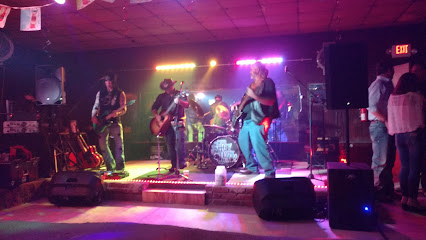
Jerryco Hall
66.9 km
Discover the vibrant nightlife of Selma at Jerryco Hall, where music, dancing, and unforgettable memories await you.