

Free Central Albania Travel Guide & Mobile App
Explore Central Albania with free travel guides. Discover regional history, expert tips, proposed trips, and audio guides on web or mobile app.


Explore Central Albania for Tirana’s urban culture, Durrës’s Adriatic heritage, Krujë’s mountain history and Elbasan’s ancient crossroads.
Read more about Central Albania
When is the best time to visit Central Albania?
Best: May–June, September · 26–30°C| Month | High (°C) | Rainfall (mm) |
|---|---|---|
| January | 10 | 95 |
| February | 12 | 70 |
| March | 16 | 85 |
| April | 21 | 79 |
| May (best) | 26 | 68 |
| June (best) | 30 | 45 |
| July | 33 | 27 |
| August | 33 | 35 |
| September (best) | 29 | 66 |
| October | 22 | 125 |
| November | 16 | 144 |
| December | 11 | 127 |
Getting to and around Central Albania
How to get there
Transportation
Top city travel guides in Central Albania
The cities of Central Albania, and the easiest places to base yourself.
-

-

-

-

-
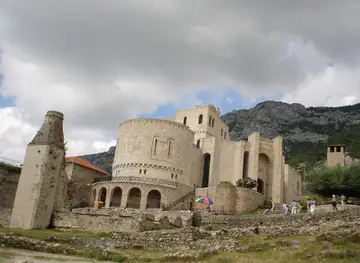
-


Swipe for more cities
Destinations in Central Albania
Resorts, valleys and scenic spots worth a trip of their own.
-
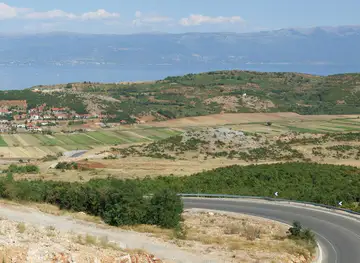
-

-
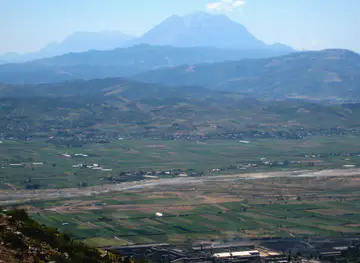
-


Swipe for more destinations
Best attractions in Central Albania
Central Albania offers a concentrated range of attractions, from Tirana’s museums, galleries, parks and civic spaces to the Roman and Byzantine remains of Durrës. Tirana’s National Historical Museum area, Bunk’Art museums and contemporary cultural venues interpret different chapters of Albanian history, while Mount Dajti provides walking, woodland scenery and views over the capital. Durrës combines archaeological visits with a long urban beach and Adriatic waterfront, although the character changes considerably between the busy summer resort zone and the working port. Krujë’s castle complex, museums and old bazaar provide the region’s clearest encounter with medieval Albanian history. Elbasan rewards visitors interested in Ottoman and Roman-era layers around its castle and central streets. Further excursions can explore the hills and rural landscapes between these centres, but public transport becomes less predictable away from main routes. The region’s attraction landscape is defined by contrast: major urban institutions stand within relatively short reach of coast, mountain and historic settlement, yet each requires a different pace and practical approach.
-
Historical landmark
Durrës Amphitheatre
Explore the ancient Durrës Amphitheatre, the Balkans' largest Roman arena, and discover Albania's rich history and cultural heritage.
-
Cultural landmark
Tirana Castle
Explore Tirana Castle: Where ancient history meets modern culture in the heart of Albania's capital.
-
Castle
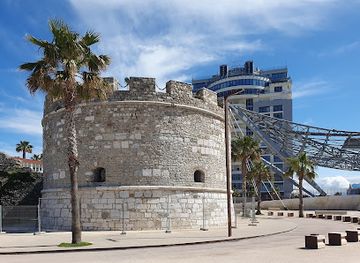
Venetian Tower of Durrës
Explore Durrës's history at the Venetian Tower, a beautifully restored fortress offering a state-of-the-art heritage experience.
-
Historical landmark
Old Town Berat
Explore the historical marvels and stunning landscapes of Old Town Berat, a UNESCO World Heritage site in Albania.



Best landmarks in Central Albania
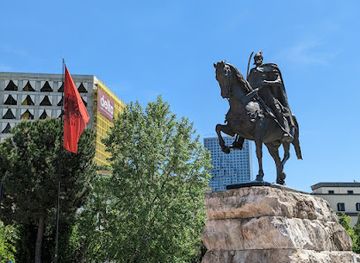
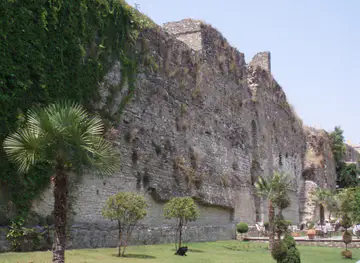
Skanderbeg Square anchors Tirana’s civic centre and is surrounded by buildings that reflect Ottoman, royal, communist and post-communist chapters of the capital’s development. The Et’hem Bey Mosque and its clock tower are among the city’s most recognisable historic structures, while the Pyramid of Tirana represents the complicated afterlife of communist monumental architecture. In Durrës, the Roman amphitheatre is the region’s most important ancient urban landmark, built into the modern city and valued for its scale and surviving architectural elements. The city’s Byzantine walls and Venetian Tower point to its continuing strategic role on the Adriatic. Krujë Castle occupies a dramatic ridge above the surrounding plain and is inseparable from the memory of Skanderbeg and the medieval resistance to Ottoman expansion. Elbasan Castle, with its surviving walls and urban streets within and around the former fortress, marks the inland route associated with the Via Egnatia and later Ottoman commerce. Mount Dajti forms Central Albania’s principal natural landmark, rising above Tirana as a wooded highland boundary to the capital.
-
National park
Butrint National Archaeological Park
Discover Butrint National Park: Where ancient ruins meet stunning nature in Albania's historical and archaeological treasure.
-
Nature preserve
The Blue Eye
Discover the mesmerizing Blue Eye of Albania: a natural spring with crystal-clear turquoise waters and stunning natural beauty near Sarandë.
-
Tourist attraction
Skanderbeg Square
Discover Tirana's vibrant heart at Skanderbeg Square: where history, culture, and modern life converge in Albania's capital.
-
Castle
Castle of Gjirokastra
Explore Gjirokastra Castle, a Balkan fortress with centuries of history, from medieval origins to communist prison, offering stunning valley views.



Explore Central Albania on the map
Plan your trip on one map. See where the top cities, national parks and sights are, and book hotels and experiences in a few clicks.
Best hotels in Central Albania
Best restaurants in Central Albania
Dining in Central Albania ranges from modern restaurants and international cooking in Tirana to seafood restaurants in Durrës and traditional grills, bakeries and family cafés in smaller towns. Tirana has the broadest contemporary scene, with Albanian dishes appearing alongside Mediterranean and Balkan influences; tavë kosi, fërgesë, byrek and grilled meats are familiar choices, though their preparation varies between establishments. Durrës draws on the Adriatic for fish, mussels and other seafood, while the surrounding plain supplies fruit, vegetables and dairy products. Krujë and Elbasan are good places to look for traditional cooking associated with inland routes and Ottoman-influenced urban culture, including slow-cooked meat dishes, soups and sweet pastries. Coffee is an important part of everyday social life, and cafés are found everywhere from central Tirana to small market towns. Farmers’ markets and food stalls offer seasonal produce, but standards and payment facilities differ, so choose busy, well-maintained places and clarify prices before ordering.
-
Restaurant
Odas Garden
Experience authentic Albanian cuisine at Odas Garden in Tirana - where tradition meets flavor in a serene garden setting.
-
Traditional restaurant
Oda - Traditional Albanian Restaurant
Experience authentic Albanian flavors at Oda Restaurant in Tirana, where tradition meets taste in every delicious dish.
-
Restaurant
Restorant DeviselD
Discover authentic Albanian flavors at Restorant DeviselD in Elbasan - where tradition meets taste.
-
Restaurant
Mullixhiu
Experience authentic Albanian cuisine at Mullixhiu in Tirana, where tradition meets taste in every dish.


Best bars in Central Albania
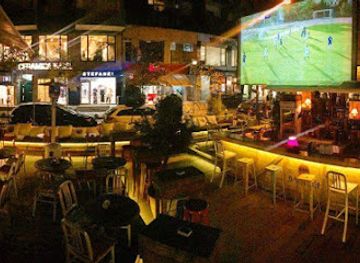
Nightlife in Central Albania is concentrated in Tirana, where Blloku and nearby central districts contain the region’s broadest selection of cocktail bars, cafés, live-music venues and late-opening restaurants. The city’s evening culture is contemporary and social, with options ranging from relaxed coffee houses to more energetic clubs, but venues and opening patterns change regularly. Durrës has a seasonal seafront scene, with restaurants, bars and music-oriented venues becoming busier during the summer holiday period; outside the main season, evenings are generally quieter. Krujë and Elbasan are better suited to traditional cafés, restaurants and occasional live music than to a large club circuit. Across the region, pubs are less dominant than in Britain, and coffee bars provide an important non-alcoholic evening setting. Taxi arrangements and the location of late venues should be checked locally rather than assumed from old listings.
-
Bar
Oping's Cocktails & Beer
Discover the lively Oping's Cocktails & Beer in Tirana, where delightful drinks and a vibrant atmosphere await every visitor.
-
Cocktail bar
Radio bar Tirana
Immerse yourself in the lively vibe of Radio Bar Tirana, a cocktail haven where creativity meets culture in the heart of Albania.
-
Irish pub
New Irish Pub
Discover the lively New Irish Pub in Tirana, where traditional Irish charm meets vibrant local culture, perfect for food, drinks, and unforgettable nights.
-
Grill
Duff Sports Bar
Discover the lively charm of Duff Sports Bar in Tirana, where delicious grilled dishes and a vibrant atmosphere await every visitor.


Best nightclubs in Central Albania
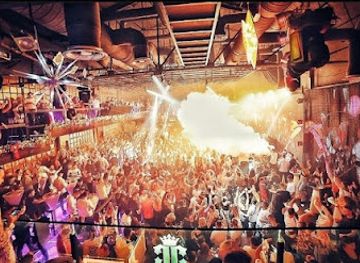
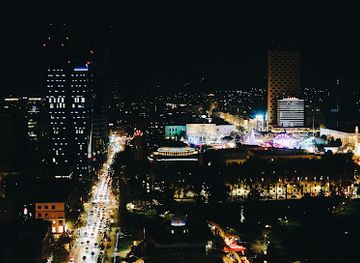
Nightlife in Central Albania is concentrated in Tirana, where Blloku and nearby central districts contain the region’s broadest selection of cocktail bars, cafés, live-music venues and late-opening restaurants. The city’s evening culture is contemporary and social, with options ranging from relaxed coffee houses to more energetic clubs, but venues and opening patterns change regularly. Durrës has a seasonal seafront scene, with restaurants, bars and music-oriented venues becoming busier during the summer holiday period; outside the main season, evenings are generally quieter. Krujë and Elbasan are better suited to traditional cafés, restaurants and occasional live music than to a large club circuit. Across the region, pubs are less dominant than in Britain, and coffee bars provide an important non-alcoholic evening setting. Taxi arrangements and the location of late venues should be checked locally rather than assumed from old listings.
-
Night club
Cinco Cavalli Premium Club
Discover the heart of Albanian nightlife at Cinco Cavalli Premium Club, where unforgettable parties and lively music create lasting memories.
-
Adult entertainment club
Maria Bonita Strip Club ️
Discover Tirana's nightlife at Maria Bonita Strip Club, a top adult entertainment venue with electrifying performances and an unforgettable atmosphere.
-
Night club
Sky Club
Experience the vibrant nightlife at Sky Club in Tirana, where stunning views and pulsating beats create unforgettable memories.
-
Club
Magic Club
Dive into the vibrant nightlife of Tirana at Magic Club, where electrifying beats and a lively crowd await every night.


Best shops in Central Albania
Shopping in Central Albania ranges from modern retail and independent boutiques in Tirana to historic bazaars, town markets and coastal souvenir stalls. Tirana offers the widest choice of clothing, books, design goods, cosmetics and Albanian-made food products, with much of the city’s everyday shopping concentrated along central streets and commercial neighbourhoods. Krujë’s old bazaar is the most distinctive regional shopping experience, selling carpets, textiles, copperware, carved objects, jewellery and other craft-oriented souvenirs; quality and provenance vary, so examine items carefully and ask whether they are locally made. Durrës has practical high-street shopping, beachwear and seasonal tourist goods, while Elbasan’s centre is more oriented towards local daily trade than destination retail. Markets are useful for fruit, vegetables, olives, raki and other regional produce, but packaging and transport considerations matter when taking food abroad. Bargaining may be possible at informal craft stalls, although it is not appropriate in every established shop.
-
Shopping mall
Toptani
Discover Toptani, Tirana's premier shopping mall, where you can shop, dine, and unwind in a vibrant atmosphere.
-
Shopping mall
Kristal Center
Explore Kristal Center in Tirana, Albania - a vibrant shopping mall with diverse shops, boutiques, and delightful eateries for an unforgettable experience.
-
Shopping mall
Arena Center
Explore Tirana's dynamic Arena Center, a shopping paradise featuring top brands, diverse dining, and entertainment for all ages.
-
Gift shop
Artifiko Gift Shop
Discover unique handcrafted souvenirs and local treasures at Artifiko Gift Shop in Tirana, a perfect destination for memorable gifts and cultural experiences.


Get your free copy of our complete guide to Central Albania, delivered straight to you.
Everything on this page, from attractions and restaurants to essentials and local phrases, in one PDF you can read offline, print or share.
Already have an account? Sign in
Your Central Albania guide is ready.
We'll send it to · Not you? Sign out

Getting your guide ready…
We are putting together a fresh copy of the Central Albania guide. This can take up to a minute.
This can take a few moments. If your browser asks, choose Allow so the download can start. You'll find the guide in your Downloads folder.
Nothing happened? Download it again
Sorry, the guide is taking longer than usual. Please try again in a minute, or get it by email instead.
Central Albania essentials
Currency and Payment
Safety
Emergency Situations
Do's and Don'ts
Local Tips
From Eve
Local phrases worth knowing
You don't need to get them perfect. A few words go a long way, and locals appreciate the effort.
Basics
| English | Local | Say it |
|---|---|---|
| Hello | Përshëndetje | [Per-shen-de-tye] |
| Goodbye | Mirupafshim | [Mee-roo-paf-sheem] |
| Yes | Po | [Poh] |
| No | Jo | [Yo] |
| Please/You’re welcome | Të lutem | [Te loo-tem] |
| Thank you | Faleminderit | [Fa-le-min-de-rit] |
| Excuse me/Sorry | Më falni | [Me fal-nee] |
| How are you? | Si jeni? | [See ye-nee] |
| Fine. And you? | Mirë. Edhe ti? | [Meer. Edhe tee?] |
| Do you speak English? | A flisni anglisht? | [Ah flees-nee an-gleesht?] |
| I don’t understand | Nuk kuptoj | [Nook koop-toy] |
Eating & Drinking
| English | Local | Say it |
|---|---|---|
| I’d like to see the menu, please | Do doja të shihja menu, të lutem | [Do do-ya te shee-ha me-noo, te loo-tem] |
| I don’t eat meat | Nuk ha mish | [Nook ha meesh] |
| Cheers! | Gëzuar! | [Ghe-zu-ar] |
| I would like to pay, please | Do doja të paguaja, të lutem | [Do do-ya te pa-goo-a-ya, te loo-tem] |
Emergencies
| English | Local | Say it |
|---|---|---|
| Help! | Ndihmë! | [Ndee-më] |
| Go away! | Shko larg! | [Shko larg] |
| Call the Police! | Thirrni policinë! | [Theer-nee po-lee-cheen-e] |
| Call a doctor! | Thirrni një mjek! | [Theer-nee ny-e myek] |
| I’m lost | Jam i humbur | [Yam ee hoom-bur] |
| I’m ill | Jam i sëmurë | [Yam ee se-moor] |
Shopping
| English | Local | Say it |
|---|---|---|
| I’d like to buy... | Do doja të bleja... | [Do do-ya te bleh-ya...] |
| I’m just looking | Po shoh vetëm | [Poh shoh veht-em] |
| How much is it? | Sa kushton? | [Sa koosh-ton?] |
| That’s too expensive | Kjo është shumë e shtrenjtë | [Kyo esh-të shoom e shtrenjtë] |
| Can you lower the price? | A mund ta ulni çmimin? | [Ah moond ta ool-nee chmee-min?] |
Time & Numbers
| English | Local | Say it |
|---|---|---|
| What time is it? | Sa është ora? | [Sa esh-të o-ra?] |
| It’s one o’clock | Është një orë | [Esh-të ny-e o-ra] |
| Half past (10) | Pjesë pas (10) | [Pye-se pahs (10)] |
| Morning | Mëngjes | [Men-jess] |
| Afternoon | Pasdite | [Pahs-dee-te] |
| Evening | Mbrëmje | [Mbre-em-je] |
| Yesterday | Dje | [Dye] |
| Today | Sot | [Sot] |
| Tomorrow | Nesër | [Ne-ser] |
| 1 | Një | [Ny-e] |
| 2 | Dy | [Dye] |
| 3 | Tre | [Tre] |
| 4 | Katër | [Ka-ter] |
| 5 | Pesë | [Pe-se] |
| 6 | Gjashtë | [Jasht-ë] |
| 7 | Shtatë | [Shta-të] |
| 8 | Tetë | [Te-të] |
| 9 | Nëntë | [Nën-të] |
| 10 | Dhjetë | [Dhee-të] |
Transport & Directions
| English | Local | Say it |
|---|---|---|
| Where's a/the...? | Ku është një...? | [Koo esh-të ny-e...?] |
| What’s the address? | Cila është adresa? | [Tsee-la esh-të a-dre-sa?] |
| Can you show me (on the map)? | A mund të më tregoni (në hartë)? | [Ah moond te meh tre-goni (në har-te)?] |
| When’s the next (bus)? | Kur është (autobuzi) i ardhshëm? | [Koor esh-të (au-to-boo-zi) ee ard-shëm?] |
| A ticket (to ....) | Një biletë (për....) | [Ny-e bee-le-të (pur....)] |
History of Central Albania
Illyrian Settlement and Regional Kingdoms
Central Albania formed part of the wider Illyrian world before Roman rule. Settlements occupied the coastal plain, river corridors and defensible hills, linking maritime trade with inland communities. The area around modern Durrës was especially important because its natural harbour connected the Adriatic to routes across the Balkans. Archaeological evidence from settlements and burial grounds shows changing patterns of exchange with Greek and later Mediterranean powers, although ancient political boundaries did not correspond neatly to modern Albania. This early landscape established the region’s enduring importance as a passage between coast, plain and mountain.
Dyrrachium and the Via Egnatia
The Greek colony of Epidamnos, later known to the Romans as Dyrrachium, became one of the eastern Adriatic’s most significant ports. Roman control brought roads, administration and increased trade, while the route later called the Via Egnatia connected Dyrrachium across the Balkans towards Byzantium. Elbasan occupies part of this historic east-west corridor, and its position explains its repeated importance as a military and commercial station. Roman and later Byzantine remains around Durrës, together with the continuing alignment of inland routes, reveal how strongly ancient infrastructure shaped the region.
Byzantine and Medieval Coastal Strongholds
After the division of the Roman Empire, Central Albania remained tied to the Byzantine world, though control was repeatedly contested by regional powers and foreign armies. Durrës was fortified and refortified because its harbour commanded access to the western Balkans. Churches, walls and archaeological layers in the city reflect the meeting of Roman, Byzantine and later Balkan traditions. Inland strongholds developed along routes through the hills, and settlement patterns were shaped by the need to protect trade corridors. The region’s medieval history was therefore less isolated than its mountainous terrain might suggest.
Krujë and the Resistance of Skanderbeg
In the fifteenth century, Krujë became the principal stronghold of Gjergj Kastrioti Skanderbeg, who united several Albanian nobles and led resistance against Ottoman expansion. The fortress withstood major Ottoman sieges in 1450 and 1466, while a further siege followed in 1467. Although the resistance did not permanently prevent Ottoman conquest, it became central to Albanian historical memory and later national identity. Krujë’s castle, museum collections and elevated position make this period one of the most visible historical chapters for visitors in Central Albania.
Ottoman Rule and the Shkumbin Corridor
After the fifteenth century, Central Albania was incorporated into the Ottoman Empire and remained within its political and economic system for several centuries. Durrës, Krujë, Tirana and Elbasan developed distinctive urban forms shaped by Ottoman administration, Islamic institutions, market activity and movement along the old east-west routes. Tirana grew from a modest settlement into an important regional centre, while Elbasan retained its role on the Shkumbin corridor. Mosques, bazaars, bridges, houses and surviving street patterns preserve parts of this period, although later construction has altered many historic districts.
National Awakening and Independence
During the nineteenth and early twentieth centuries, Albanian-language education, publishing and political organisation expanded amid the weakening of Ottoman rule. Central Albanian towns became important settings for debate about language, identity and statehood. Albania declared independence in 1912, and Tirana was chosen as the capital in 1920, accelerating its administrative and urban growth. Durrës served as an important port and political centre during the country’s turbulent early decades. The concentration of government and cultural institutions in Tirana established the regional pattern that remains evident today.
Communism, Industrialisation and Post-1990 Transformation
After the Second World War, Albania’s communist government reshaped Central Albania through state-owned industry, collectivised agriculture, new housing and tightly controlled public life. Elbasan became particularly associated with large-scale metallurgical development, while Tirana expanded with planned neighbourhoods and monumental civic buildings. Durrës grew as a port and holiday centre, though travel and private enterprise were heavily restricted. Since the early 1990s, rapid migration, private construction, tourism and service industries have transformed the region. Colourful façades, busy cafés, new roads and uneven urban growth now stand alongside institutions and buildings inherited from earlier periods.
Central Albania in Photos
Browse through our photo collection highlighting the charm and character of the destination.
Neighbouring regions of Central Albania
The closest regions to Central Albania, if you have time for more than one.
-
-

-

-

-


Swipe for more regions
Explore more

Explore more of Albania
Discover Albania: A land of untamed beauty, rich history, and warm hospitality, offering stunning beaches, rugged mountains, and vibrant cities.
Explore Albania