

Prespa National Park Travel Guide - Free Web & App
Your ultimate guide to Prespa National Park. Discover top landmarks, proposed trips, and local tips. Free on the web or via the Evendo companion app.


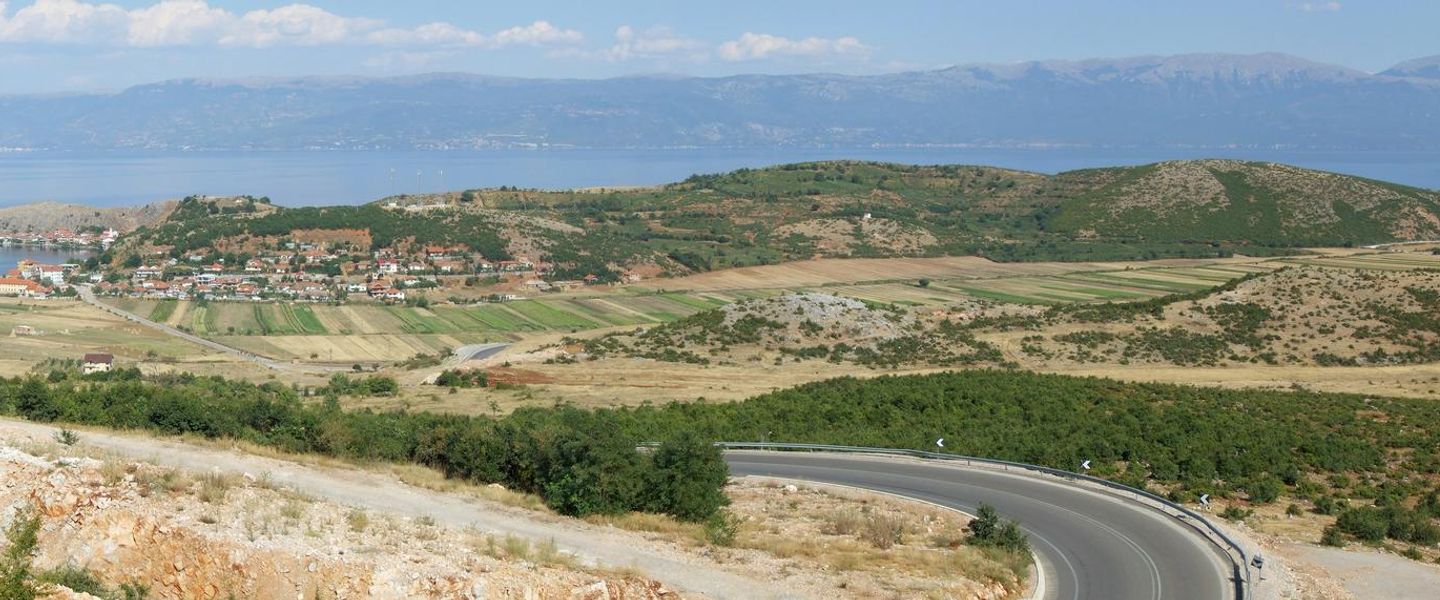


Prespa National Park in Albania pairs quiet lakes, Maligrad Island, bird-rich wetlands, mountain villages and cross-border Balkan heritage near Korçë.
Lake Landscapes and Protected Wetlands
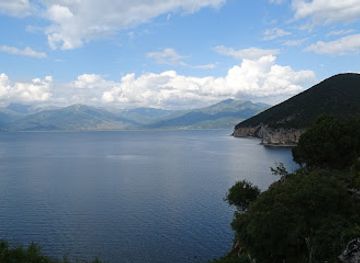
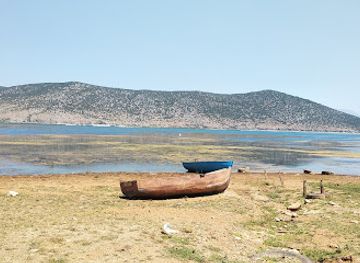
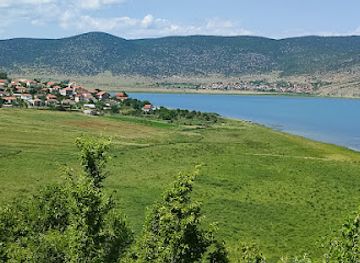
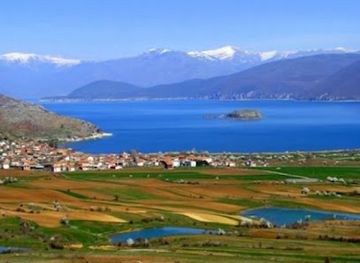
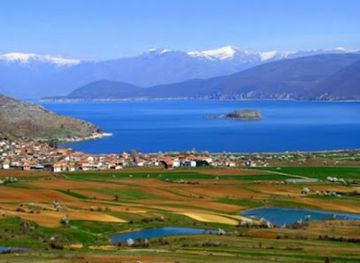
\n\nPrespa National Park occupies Albania’s south-eastern corner around the Albanian shores of Great Prespa Lake and, to a lesser extent, Little Prespa Lake. Reached from the Korçë region, it is a spacious, quiet landscape of freshwater wetlands, reed beds, limestone slopes, wooded hills and small farming villages. The Albanian park forms part of a wider transboundary Prespa basin shared with North Macedonia and Greece, an area recognised for its ecological importance and long history of cooperation between neighbouring countries.\n\nVillages, Islands and Sacred Heritage
\n\nThe principal local centre is Pustec, also known as Liqenas, with villages such as Zaroshkë, Gorica e Madhe, Gorica e Vogël and Kallamas scattered around the lake shore and surrounding hills. The most celebrated sight is Maligrad, an island in Great Prespa Lake known for its rock shelter and the small medieval Church of Saint Mary, whose painted decoration reflects the religious heritage of the wider Balkans. Shoreline views are particularly atmospheric where the lake meets steep mountain backdrops, while traditional settlements reveal a rural culture shaped by fishing, agriculture and cross-border connections.\n\nWildlife and Slow Exploration
\n\nPrespa’s wetlands provide habitat for waterbirds and other wildlife, with birdwatching, walking, photography, village visits and seasonal boating among the area’s characteristic experiences. Facilities are limited and distances between settlements, viewpoints and natural sites can be considerable, so the park rewards unhurried exploration rather than a tightly scheduled itinerary. Local food, lake scenery and the distinctive presence of Albanian-speaking and Macedonian-speaking communities add cultural depth to a protected landscape where nature and everyday life remain closely connected.When is the best time to visit Prespa National Park?
Best: April–May, October · 23–28°C| Month | High (°C) | Rainfall (mm) |
|---|---|---|
| January | 8 | 40 |
| February | 9 | 40 |
| March | 15 | 40 |
| April (best) | 23 | 40 |
| May (best) | 28 | 40 |
| June | 33 | 20 |
| July | 36 | 20 |
| August | 35 | 20 |
| September | 30 | 20 |
| October (best) | 24 | 40 |
| November | 15 | 40 |
| December | 9 | 40 |
Getting to and around Prespa National Park
How to get there
Transportation
Best attractions in Prespa National Park
The central attraction is Great Prespa Lake, whose broad Albanian shore combines open water, reed-fringed shallows and mountain views with a chain of small settlements. Pustec and neighbouring lakeside villages provide the main points for experiencing local life, traditional architecture and shore landscapes. Maligrad Island is the park’s most distinctive excursion, with its rocky setting, cave-like shelter and medieval Church of Saint Mary; access depends on local boat arrangements and lake conditions. Little Prespa Lake and its surrounding wetlands offer a quieter environment in the southern part of the protected area, although access and services are limited. Across the park, low hills and higher slopes create opportunities for walking, birdwatching and photography, with waterbirds particularly associated with the lake habitats. Historic churches, village cemeteries and cultivated terraces add cultural interest to the natural scenery, while the changing relationship between farmland, woodland and wetland reveals the park as a living rural landscape rather than an isolated wilderness.
-
Tourist attraction
Beach
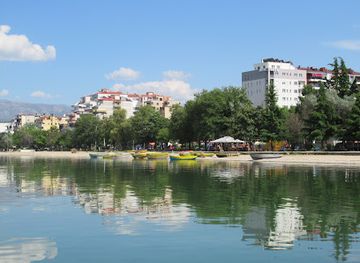
Relax on the shores of Lake Ohrid at Pogradec Beach, Albania: clear waters, mountain views, and Albanian hospitality. A perfect lakeside getaway!
Best landmarks in Prespa National Park
Great Prespa Lake is the defining natural landmark, a high Balkan lake shared by Albania, North Macedonia and Greece whose Albanian shore is framed by mountain slopes, wetlands and scattered villages. Maligrad Island is the park’s most recognisable cultural and geological feature: its exposed rock contains a shelter-like cavity and supports the Church of Saint Mary, a fourteenth-century Orthodox monument associated with the medieval heritage of the Prespa basin. Little Prespa Lake forms another important wetland landmark near the southern part of the park, with shallow waters and reed habitats that contrast with the larger lake. Around Pustec and the neighbouring communities, village churches, old cemeteries, cultivated slopes and traditional rural buildings provide human landmarks within the protected landscape. Together, these features express Prespa’s significance as both a natural basin and a historic borderland shared across modern national boundaries.
-
National park
National Park Galicica
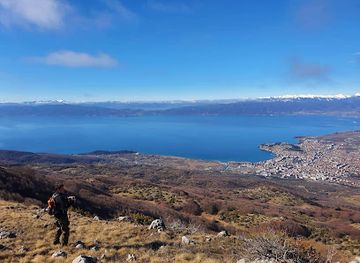
Explore Galicica National Park: Where stunning Balkan landscapes meet diverse hiking and breathtaking Ohrid and Prespa lake views.
-
 Hotel
HotelHotel „Granit“
Experience lakeside luxury at Hotel Granit in Ohrid, with a private beach, diverse amenities, and easy access to historical attractions.
-
Lake
Lake Prespa
Discover Lake Prespa: A Balkan treasure offering pristine nature, rich history, and tranquil beauty away from the tourist crowds.
-
Bridge
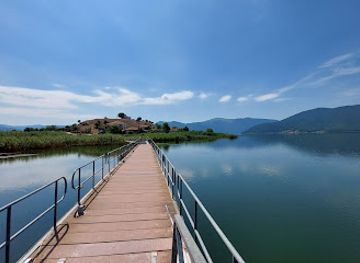
Agios Achillios bridge
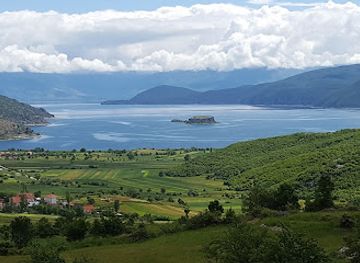
Walk across history on a floating bridge to a tranquil island in Prespa Lake, home to Byzantine ruins and stunning natural beauty.
Explore Prespa National Park on the map
Plan your trip on one map. See where the top attractions, landmarks, restaurants and hotels are, and book hotels and experiences in a few clicks.
Best hotels in Prespa National Park
Best restaurants in Prespa National Park
Prespa National Park has a modest, locally focused dining scene rather than a concentration of restaurants. In Pustec and the surrounding villages, visitors may find family-run eateries, guesthouse meals and small cafés offering straightforward Albanian and regional Balkan cooking, often based on seasonal vegetables, bread, dairy products and freshwater fish where locally sourced and legally available. Prespa’s food culture reflects both farming and fishing traditions, while the wider Korçë region contributes specialities such as baked dishes, grilled meats, beans, pickled vegetables and local dairy products. Dining choices are more varied in Korçë and the larger settlements on the approach roads, outside the park’s core area. In rural villages, opening arrangements can be informal and supplies limited, so visitors planning a full day around the lakes should carry provisions and ask accommodation hosts about current meal options.
-
Greek
Syntrofia
Discover Syntrofia: A lakeside gem in Psarades offering authentic Greek cuisine and unforgettable views.
-
Family-friendly
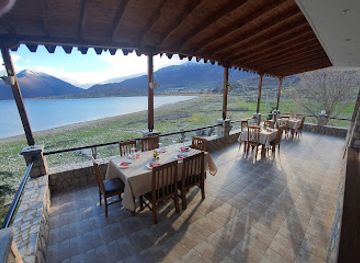
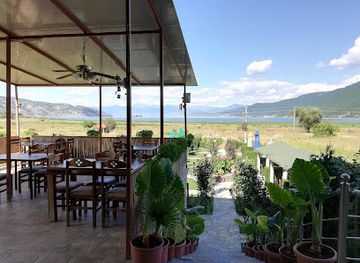
Bar-Restorant PANORAMA(tek Lupçe)
Experience exquisite Albanian cuisine with stunning views at Bar-Restorant PANORAMA in Pustec Municipality.
-
Restaurant
Taverna Vasil
Discover the authentic flavors of Albania at Taverna Vasil in Dolna Gorica – where tradition meets taste.
-
Restaurant
Hotel Restaurant ''Aleksander''
Experience authentic Albanian cuisine with breathtaking views at Hotel Restaurant 'Aleksander' in Zrnovsko.
Best bars in Prespa National Park
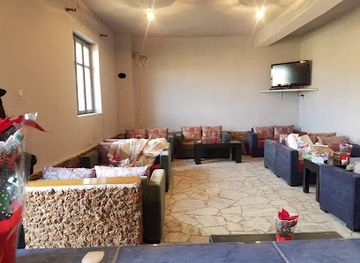
Evening entertainment in Prespa National Park is quiet and community based. Pustec and the lakeside villages may offer simple cafés, family-run guesthouse hospitality or a local bar where residents meet, but the park has no established nightlife district or large club scene. Evenings are better suited to a meal, conversation and views across the lake, with very dark skies and the sounds of rural life replacing organised entertainment. Visitors seeking a broader choice of bars, cafés, live music or late-night venues will find them in Korçë, which lies outside the park and functions as the region’s principal urban centre. Seasonal village celebrations and cultural gatherings may occur, but dates and public access vary, so they should be treated as local events rather than guaranteed tourist programming.
-
Restaurant
Hotel Restaurant ''Aleksander''
Experience authentic Albanian cuisine at Hotel Restaurant 'Aleksander' in Zrnovsko, where every dish tells a story of tradition and flavor.
-
Restaurant
ALEKSANDER PARK
Explore the tranquil beauty of Aleksander Park in Pustec Municipality, a serene retreat perfect for relaxation and nature appreciation.
-
Bar
bar caffe megi
Experience the vibrant nightlife and warm hospitality at Bar Caffe Megi, a must-visit bar in Bregas, Albania, perfect for every traveler.
-
Bar
Ronaldo Coffe
Experience the warmth and charm of Ronaldo Coffee in Bregas, where every cup is crafted with care and community spirit.
Best nightclubs in Prespa National Park
Evening entertainment in Prespa National Park is quiet and community based. Pustec and the lakeside villages may offer simple cafés, family-run guesthouse hospitality or a local bar where residents meet, but the park has no established nightlife district or large club scene. Evenings are better suited to a meal, conversation and views across the lake, with very dark skies and the sounds of rural life replacing organised entertainment. Visitors seeking a broader choice of bars, cafés, live music or late-night venues will find them in Korçë, which lies outside the park and functions as the region’s principal urban centre. Seasonal village celebrations and cultural gatherings may occur, but dates and public access vary, so they should be treated as local events rather than guaranteed tourist programming.
-
National park
Prespa National Park
Discover Prespa National Park: A Natural Haven of Lakes, Mountains, and Biodiversity in Albania.
-
Bar
bar caffe megi
Discover the vibrant nightlife at Bar Caffe Megi in Bregas, Albania, where locals and travelers unite over delightful drinks and good company.
-
Grill
Bar Taverna Gega
Discover the authentic taste of Albania at Bar Taverna Gega, where grilled specialties meet local charm in the heart of Pojan.
-
Bar
Ronaldo Coffe
Discover the warm ambiance and exquisite coffee of Ronaldo Coffe in Bregas, a perfect spot for relaxation and cultural immersion.
Best shops in Prespa National Park
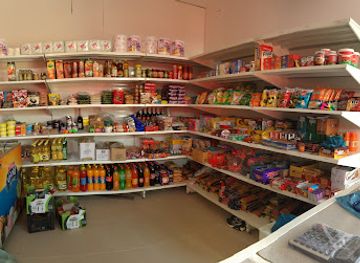
Shopping in Prespa National Park is limited and concentrated in village shops and small local businesses rather than dedicated retail streets. Visitors may find basic provisions, locally produced food or handmade items in Pustec and neighbouring settlements, while a wider choice of groceries, outdoor supplies, crafts and practical goods is available in Korçë and other larger towns outside the park. Regional products can include honey, preserves, dairy goods, beans, herbs and other agricultural produce, although availability varies by season and seller. The area’s most meaningful purchases are often made directly from small producers or accommodation hosts, with permission and appropriate payment, rather than in formal souvenir shops. Visitors should not expect extensive fashion, craft or specialist equipment retail beside the lakes and are advised to obtain essential supplies before travelling into the more remote parts of the protected area.
-
National park
Prespa National Park
Explore Prespa National Park, a natural wonder in Albania, where stunning landscapes and rich biodiversity await every traveler.
-
Grocery store
Market
Explore the bustling Market in Zvezdë, Albania for fresh local produce, traditional delicacies, and a taste of authentic Albanian culture.
-
Grocery store
Jeton supermarket
Experience the flavors of Albania at Jeton Supermarket, a local gem in Zvezdë offering a wide range of grocery items and Albanian specialties.
-
Grocery store
Market Selo
Explore the vibrant flavors of Albania at Market Selo, your go-to grocery store in Pojan for fresh produce and local delicacies.

Get your free copy of our complete guide to Prespa National Park, delivered straight to you.
Everything on this page, from attractions and restaurants to essentials and local phrases, in one PDF you can read offline, print or share.
Already have an account? Sign in
Your Prespa National Park guide is ready.
We'll send it to · Not you? Sign out

Getting your guide ready…
We are putting together a fresh copy of the Prespa National Park guide. This can take up to a minute.
This can take a few moments. If your browser asks, choose Allow so the download can start. You'll find the guide in your Downloads folder.
Nothing happened? Download it again
Sorry, the guide is taking longer than usual. Please try again in a minute, or get it by email instead.
Prespa National Park essentials
Currency and Payment
Safety
Emergency Situations
Do's and Don'ts
Local Tips
From Eve
Local phrases worth knowing
You don't need to get them perfect. A few words go a long way, and locals appreciate the effort.
Basics
| English | Local | Say it |
|---|---|---|
| Hello | Tungjatjeta | [toon-jah-tyeh-tah] |
| Goodbye | Mirupafshim | [mee-roo-pahf-sheem] |
| Yes | Po | [poh] |
| No | Jo | [yoh] |
| Please/You're welcome | Ju lutem | [yoo loo-tehm] |
| Thank you | Faleminderit | [fah-leh-meen-deh-reet] |
| Excuse me/Sorry | Më falni | [muh fahl-nee] |
| How are you? | Si jeni? | [see yeh-nee] |
| Fine. And you? | Mirë. Dhe ju? | [mee-ruh. dhe yoo] |
| Do you speak English? | A flisni anglisht? | [ah flees-nee ahn-gleesht] |
| I don't understand | Nuk kuptoj | [nook koo-ptoy] |
Eating & Drinking
| English | Local | Say it |
|---|---|---|
| I'd like to see the menu, please | Do të doja të shihja menunë, ju lutem | [doh tuh doh-yah tuh shee-ya meh-noo-nuh yoo loo-tehm] |
| I don't eat meat | Nuk ha mish | [nook hah meesh] |
| Cheers! | Gëzuar! | [geh-zoo-ahr] |
| I would like to pay, please | Dua të paguaj, ju lutem | [doo-ah tuh pah-gwah yoo loo-tehm] |
Emergencies
| English | Local | Say it |
|---|---|---|
| Help! | Ndihmë! | [ndee-muh] |
| Go away! | Shko larg! | [sh-koh lahr-g] |
| Call the Police! | Thirr policinë! | [theer poh-lee-tsee-nuh] |
| Call a doctor! | Thirr një doktor! | [theer nyuh dohk-tohr] |
| I'm lost | Jam humbur | [yahm hoom-boor] |
| I'm ill | Jam i sëmurë | [yahm ee suh-moo-ruh] |
Shopping
| English | Local | Say it |
|---|---|---|
| I'd like to buy... | Do të doja të blenja... | [doh tuh doh-yah tuh blehn-yah] |
| I'm just looking | Po shikoj vetëm | [poh shee-koy veh-tehm] |
| How much is it? | Sa kushton? | [sah koosh-tohn] |
| That's too expensive | Kjo është shumë e shtrenjtë | [k-yoh eh-shtuh shoo-muh eh shtrehn-jteh] |
| Can you lower the price? | A mund ta ulni çmimin? | [ah moon-d tah ool-nee ch-mee-meen] |
Time & Numbers
| English | Local | Say it |
|---|---|---|
| What time is it? | Sa është ora? | [sah eh-shtuh oh-rah] |
| It's one o'clock | Është një ora | [eh-shtuh nyuh oh-rah] |
| Half past (10) | Njëzet e gjysmë | [nyuh-zet eh gjoo-smuh] |
| Morning | Mëngjes | [muhn-gyes] |
| Afternoon | Pasdite | [pahs-dee-teh] |
| Evening | Mbrëmje | [mbruhm-yeh] |
| Yesterday | Dje | [djeh] |
| Today | Sot | [soht] |
| Tomorrow | Nesër | [neh-sahr] |
| 1 | Një | [nyuh] |
| 2 | Dy | [duh] |
| 3 | Tre | [treh] |
| 4 | Katër | [ka-ter] |
| 5 | Pesë | [peh-suh] |
| 6 | Gjashtë | [gyah-shte] |
| 7 | Shtatë | [shtah-tuh] |
| 8 | Tetë | [teh-tuh] |
| 9 | Nëntë | [nuhn-tuh] |
| 10 | Dhjetë | [dhyeh-tuh] |
Transport & Directions
| English | Local | Say it |
|---|---|---|
| Where's a/the...? | Ku është një/...? | [koo eh-shtuh nyuh] |
| What's the address? | Cilës është adresa? | [chee-lehs eh-shtuh ah-dreh-sah] |
| Can you show me (on the map)? | A mund të më tregoni (në hartë)? | [ah moon-d tuh muh troh-goh-nee nuh hahr-tuh] |
| When's the next (bus)? | Kur është autobusi i ardhshëm? | [koor eh-shtuh ah-oo-toh-boo-see ee ar-dh-shuhm] |
| A ticket (to ....) | Një biletë (në ....) | [nyuh bee-leh-tuh nuh] |
History of Prespa National Park
A Tectonic Lake Basin
The Prespa lakes occupy a high Balkan basin shaped by geological movements over a long period, with surrounding mountains and karst formations defining the landscape seen today. Great Prespa and Little Prespa are connected within a broader watershed, although their shorelines and water levels have changed through natural processes and human use. The basin’s elevation, freshwater habitats and position between the mountains of Albania, Greece and North Macedonia have created an ecological setting distinct from the lower Korçë plain.
Early Settlement and Regional Crossroads
The Prespa basin has long been a meeting place between communities moving through the interior Balkans. Farming, livestock keeping and fishing developed around the productive lakes and sheltered valleys, while the surrounding uplands provided grazing and woodland resources. Archaeological evidence and surviving religious buildings indicate that Christian communities were established in the medieval period, when Prespa was connected to the political and ecclesiastical networks of the powerful Balkan states that competed for control of the region.
Medieval Churches and Lake Heritage
Maligrad’s Church of Saint Mary is the best-known historic monument within the Albanian part of the park. Built on the island in the fourteenth century, it preserves evidence of the Orthodox Christian tradition that shaped the cultural landscape around the lakes. Other churches and village traditions across the Prespa basin reflect a shared heritage that crosses modern borders. Their locations, often close to water or on elevated ground, express the close relationship between worship, settlement and the surrounding landscape.
Borderlands in the Modern Era
During the twentieth century, Prespa became a sensitive borderland as Albania, Greece and Yugoslavia followed different political paths. Cross-border movement and local contacts were restricted for long periods, leaving many communities relatively isolated from one another and from larger urban centres. In Albania, the lakeside villages retained agricultural and fishing traditions while adapting to changing state policies, migration and economic conditions. The distinctive linguistic and cultural character of the Pustec area remains part of this complex borderland history.
Protection and Transboundary Conservation
Prespa National Park was established in Albania in 1999 to protect the lakes, wetlands, mountain habitats and cultural landscape around the Albanian shore. Its importance is inseparable from the wider Prespa basin, where Albania, Greece and North Macedonia have developed transboundary conservation initiatives. Protection has increasingly focused on wetland management, bird habitats, sustainable livelihoods and responsible tourism. Today, visitors encounter a landscape where conservation is carried out alongside the needs of small rural communities.
Prespa National Park in Photos
Browse through our photo collection highlighting the charm and character of the destination.
Cities in Prespa National Park
The towns and cities of Prespa National Park, and the easiest places to base yourself.

Swipe for more cities
Neighbouring destination travel guides
The closest destinations to Prespa National Park, if you have time for more than one.
-

-

-
-

-


Swipe for more destinations
Explore more

Explore more of Korçë Region
Explore Korçë Region: A blend of history, culture, and nature in southeastern Albania, offering rich traditions and breathtaking landscapes.
Explore Korçë Region
Explore more of Albania
Discover Albania: A land of untamed beauty, rich history, and warm hospitality, offering stunning beaches, rugged mountains, and vibrant cities.
Explore Albania