

Free Pogradec Travel Guide & Mobile App
Plan your Pogradec trip with Evendo. Get free guides to top attractions, restaurants, hotels, and bars. Web access or download the mobile app.


Pogradec on Lake Ohrid pairs Albanian lakeside scenery with Ottoman-era heritage, fish cuisine, literary culture, and peaceful walks along the waterfront.
Lake Ohrid and the Waterfront
Pogradec occupies a beautiful stretch of Albania’s south-eastern shore, looking across the clear waters of Lake Ohrid towards the mountains of North Macedonia. The city is best understood through its relationship with the lake: the broad promenade, small beaches and gently curving shoreline shape daily life, while cafés and restaurants become gathering places as the light fades over the water. Swimming, walking and fishing are long-established parts of the local rhythm, and the lakeside remains Pogradec’s defining public space.Read more about Pogradec
History, Literature and Old Streets
A Gateway to the Lake District
When is the best time to visit Pogradec?
Best: April–May, September · 21–28°C| Month | High (°C) | Rainfall (mm) |
|---|---|---|
| January | 11 | 77 |
| February | 12 | 68 |
| March | 18 | 73 |
| April (best) | 21 | 91 |
| May (best) | 26 | 120 |
| June | 30 | 132 |
| July | 32 | 118 |
| August | 32 | 107 |
| September (best) | 28 | 100 |
| October | 22 | 112 |
| November | 17 | 118 |
| December | 13 | 82 |
Getting to and around Pogradec
How to get there
Transportation
Best attractions in Pogradec
Pogradec’s principal attraction is Lake Ohrid itself, whose broad Albanian shoreline invites long promenade walks, swimming in suitable areas and quiet views towards the mountains beyond the water. Above the town, Pogradec Castle occupies a hill with panoramic vistas and traces of the settlement’s ancient past. The lakeside villages add variety: Tushemisht is known for its springs, greenery and traditional atmosphere, while nearby Drilon has clear water, landscaped paths and small waterways. The village of Lin, north-west of Pogradec, offers an important early Christian basilica with mosaic floors and an elevated view over the lake. In the town, the waterfront, cafés and literary associations with Lasgush Poradeci and Mitrush Kuteli reveal a more cultural side of the visit. Together, these places make Pogradec less a city of large museums than a destination experienced through water, archaeology, landscape, village life and the steady rhythm of the shore.
-
Monastery
Monastery Saint Naum
Discover the spiritual heart of North Macedonia at the lakeside Monastery of Saint Naum, a historic sanctuary of tranquility and beauty.
23 min drive · 7.8 km from city centre
-
Orthodox church
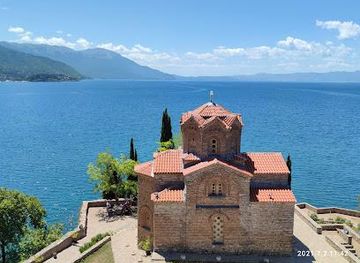
Church of Saint John the Theologian
Iconic 13th-century Macedonian Orthodox church perched on a cliff overlooking Lake Ohrid, offering stunning views and Byzantine architecture.
46 min drive · 26 km from city centre
-
Museum
Museum „The Bay of Bones“
Step back in time at the Bay of Bones on Lake Ohrid, a unique prehistoric pile-dwelling reconstruction offering a glimpse into Bronze Age life.
36 min drive · 16 km from city centre
-
Historical landmark
Ancient Macedonian Theatre of Ohrid
Explore North Macedonia's only Hellenistic theatre in Ohrid, where ancient history meets modern performances against the backdrop of stunning lake views.
47 min drive · 27 km from city centre



Best landmarks in Pogradec
Pogradec Castle is the town’s most important historic landmark, standing on a hill above the modern centre and representing the strategic importance of the lakeshore from ancient times onwards. Its elevated position also explains Pogradec’s close visual relationship with Lake Ohrid. The shoreline promenade is a modern civic landmark rather than a single monument, forming the city’s principal public space and expressing its identity as an Albanian lakeside resort. Literary associations with Lasgush Poradeci and Mitrush Kuteli add cultural significance to the urban landscape, even where the legacy is commemorated through memory and local cultural references rather than monumental architecture. Outside the town, the early Christian basilica at Lin is the area’s most significant surviving religious and archaeological site, noted for its mosaic pavement. The village setting, lake views and late antique remains connect the modern city to the wider history of the Ohrid basin.
-
National park
National Park of Drilon
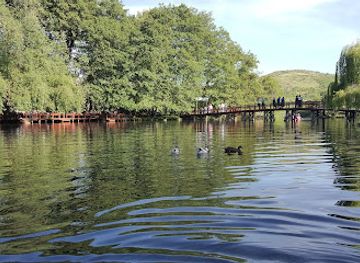
Discover Drilon National Park: a serene Albanian escape with tranquil lakes, lush greenery, and a rich history, perfect for nature lovers.
16 min drive · 5.3 km from city centre
-
Resort hotel
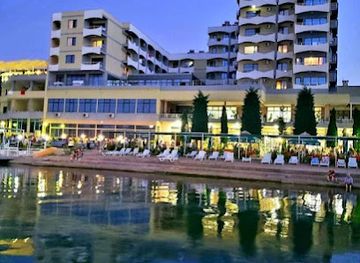
Hotel Enkelana
Experience lakeside tranquility at Hotel Enkelana in Pogradec, Albania. Enjoy a private beach, stunning views, and easy access to local attractions.
9 min walk · 0.7 km from city centre
-
Monastery
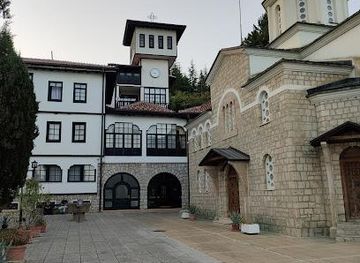
Monastery of the Nativity of the Blessed Virgin Mary Kališta
Discover the Monastery of Kališta: a blend of history, art, and serenity on the shores of Lake Ohrid, North Macedonia.
47 min drive · 27 km from city centre
-
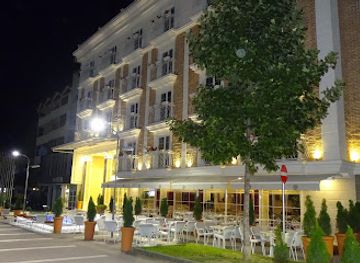
Hotel
Hotel Hymeti's Palace
Experience lakeside luxury and Albanian hospitality at Hotel Hymeti's Palace, your gateway to the beauty and culture of Pogradec.
8 min walk · 0.7 km from city centre
Explore Pogradec on the map
Plan your Pogradec trip on one map. See where the top attractions, landmarks, restaurants, bars and hotels are, find what's near where you're staying, and book hotels and experiences in a few clicks.
Best hotels in Pogradec
Best restaurants in Pogradec
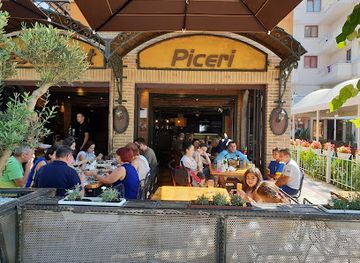
Pogradec’s food culture is closely tied to Lake Ohrid and the produce of south-eastern Albania. The local fish speciality is koran, a trout associated with the lake and traditionally prepared grilled, baked or served in simple sauces; visitors should choose restaurants that reflect current conservation requirements. Freshwater fish sits alongside familiar Albanian dishes such as tavë kosi, qofte, stuffed vegetables, salads, grilled meats and byrek. Restaurants and cafés cluster around the waterfront and central streets, where summer dining often extends outdoors, while smaller establishments in the surrounding villages offer a more domestic style of cooking. Nearby Korçë influences the wider regional table through dairy products, breads, preserves and hearty home-style dishes. Coffee remains an important social ritual, and a lakeside café can be as characteristic an eating experience as a full restaurant meal.
-
Restaurant
Restaurant Rosa e Tymosur
Experience authentic Albanian flavors at Restaurant Rosa e Tymosur in Pogradec - where every meal is a celebration of local culture.
13 min walk · 1.1 km from city centre
-
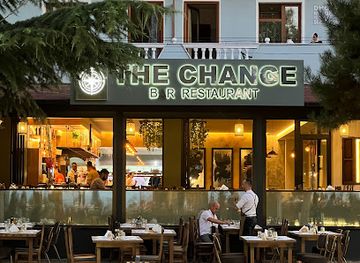
Restaurant
The Change
Experience unique flavors at The Change in Pogradec - where traditional Albanian cuisine meets modern culinary artistry.
5 min drive · 1.5 km from city centre
-
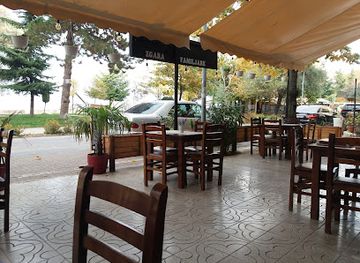
Traditional restaurant
Restorant Zgara Familjare
Savor the flavors of Albania at Restorant Zgara Familjare in Pogradec—where tradition meets taste in every dish.
16 min walk · 1.3 km from city centre
-
Restaurant
Restorant Cavos
Experience authentic Albanian cuisine with stunning lake views at Restorant Cavos in Pogradec.
16 min walk · 1.3 km from city centre
Best bars in Pogradec
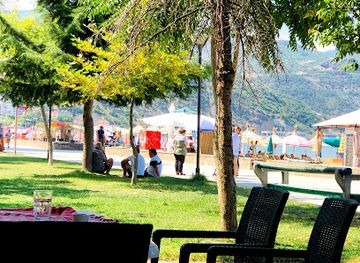
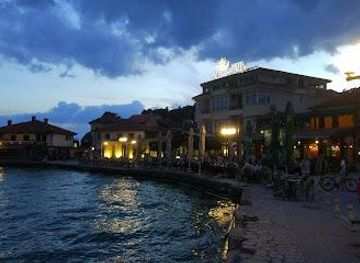
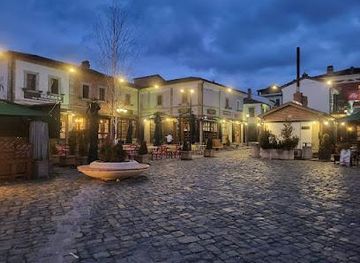
Pogradec’s evening life is concentrated around the lake rather than built around a large club scene. In summer, the promenade and waterfront cafés fill with residents and visitors meeting over coffee, beer, Albanian spirits or a relaxed meal, while music from seasonal venues can continue into the evening. The centre also has informal bars suited to conversation and modest late-night socialising, but the atmosphere is generally calmer than in Tirana or the major coastal resorts. Cultural evenings, restaurant terraces and walks beside the illuminated shore are often more representative of Pogradec than large nightclubs. Activity becomes quieter outside the summer season, and visitors staying in residential areas should be considerate of local households. The best-known evening experience is the lake itself: changing reflections, cool mountain air and the promenade’s unhurried pace.
-
Irish pub
Sherlock Irish Pub
Experience the vibrant atmosphere of Sherlock Irish Pub in Pogradec, where Irish charm meets live music and local hospitality.
12 min walk · 1.0 km from city centre
-
Bar
Triada INN
Discover Triada INN in Pogradec, a serene bar offering stunning lake views, a variety of drinks, and a vibrant atmosphere perfect for relaxation.
8 min walk · 0.6 km from city centre
-
Bar
Bar Pelikani
Discover Bar Pelikani, the vibrant bar and cafe in Pogradec offering local flavors and stunning views of Lake Ohrid.
9 min walk · 0.7 km from city centre
-
Bar
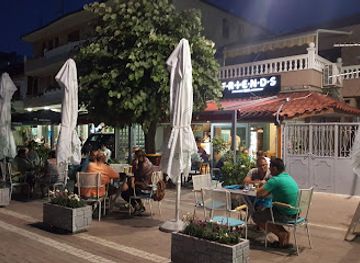
Friends Bar-Restaurant
Discover Friends Bar-Restaurant: A lively spot in Pogradec, Albania, where delicious food meets vibrant social atmosphere.
11 min walk · 0.9 km from city centre
Best nightclubs in Pogradec
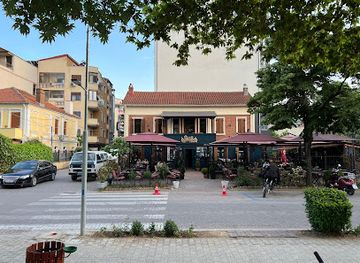
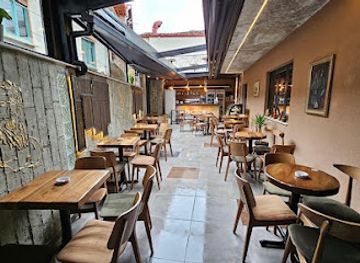
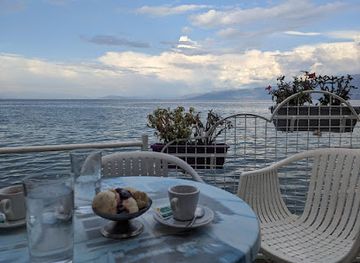
Pogradec’s evening life is concentrated around the lake rather than built around a large club scene. In summer, the promenade and waterfront cafés fill with residents and visitors meeting over coffee, beer, Albanian spirits or a relaxed meal, while music from seasonal venues can continue into the evening. The centre also has informal bars suited to conversation and modest late-night socialising, but the atmosphere is generally calmer than in Tirana or the major coastal resorts. Cultural evenings, restaurant terraces and walks beside the illuminated shore are often more representative of Pogradec than large nightclubs. Activity becomes quieter outside the summer season, and visitors staying in residential areas should be considerate of local households. The best-known evening experience is the lake itself: changing reflections, cool mountain air and the promenade’s unhurried pace.
-
Irish pub
Sherlock Irish Pub
Sherlock Irish Pub: Where Irish Tradition Meets Local Vibes in the Heart of Pogradec
12 min walk · 1.0 km from city centre
-
Architect
Shtëpia e Miqve
Discover the enchanting Shtëpia e Miqve in Pogradec, an architectural and artistic treasure showcasing Albania's rich cultural heritage.
7 min walk · 0.5 km from city centre
-
Bar
Dejavu lounge
Experience the vibrant nightlife and relaxing ambiance at Dejavu Lounge in Pogradec, Albania, a must-visit bar for all travelers.
11 min walk · 0.8 km from city centre
-
Bar
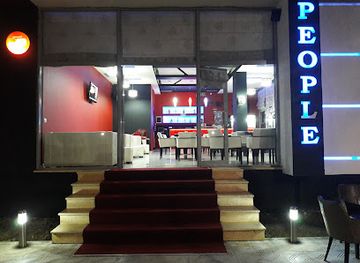
People Bar Club
Experience the lively nightlife at People Bar Club in Pogradec, where eclectic music and refreshing drinks await every night.
5 min drive · 1.6 km from city centre


Best shops in Pogradec
Shopping in Pogradec is modest and local in character, centred on everyday shops, small boutiques, market stalls and the streets around the waterfront rather than a major retail district. Visitors may find Albanian food products such as honey, preserves, herbs, olive oil and regional cheeses, alongside woven goods, ceramics and practical souvenirs whose availability varies by season. Fresh produce and fish reflect the agricultural and lakeside economy, although travellers should buy responsibly and avoid protected or undersized species. Small cafés and bakeries are part of the town’s commercial rhythm, and the summer promenade brings more seasonal stalls and leisure retail. For a wider selection of traditional products, Korçë is the principal regional shopping centre, while Pogradec is better suited to informal browsing, locally made gifts and edible reminders of the lake district.
-
Jewelry store
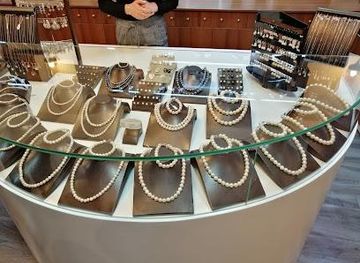
Chinar - Kame (Ohrid Pearl)
Explore the beauty of Ohrid pearls and exquisite handcrafted jewelry at Chinar - Kame, a gem in the heart of Ohrid.
47 min drive · 27 km from city centre
-
Jewelry designer
Talevi - Ohrid Pearls
Explore the exquisite craftsmanship of handcrafted pearls at Talevi in Ohrid, a jewelry store that brings the beauty of local traditions to life.
47 min drive · 27 km from city centre
-
Jewelry store
Filevi - Original Ohrid's pearls
Explore the exquisite beauty of Ohrid's handcrafted pearls at Filevi, a must-visit jewelry store for unique souvenirs and gifts.
47 min drive · 27 km from city centre
-
Old Bazaar of Korçë
Experience the enchanting Old Bazaar of Korçë, where vibrant culture meets rich history in a picturesque market atmosphere.
53 min drive · 33 km from city centre
Get your free copy of our complete guide to Pogradec, delivered straight to you.
Everything on this page, from attractions and restaurants to essentials and local phrases, in one PDF you can read offline, print or share.
Already have an account? Sign in
Your Pogradec guide is ready.
We'll send it to · Not you? Sign out

Getting your guide ready…
We are putting together a fresh copy of the Pogradec guide. This can take up to a minute.
This can take a few moments. If your browser asks, choose Allow so the download can start. You'll find the guide in your Downloads folder.
Nothing happened? Download it again
Sorry, the guide is taking longer than usual. Please try again in a minute, or get it by email instead.
Pogradec essentials
Currency and Payment
Safety
Emergency Situations
Do's and Don'ts
Local Tips
From Eve
Local phrases worth knowing
You don't need to get them perfect. A few words go a long way, and locals appreciate the effort.
Basics
| English | Local | Say it |
|---|---|---|
| Hello | Përshëndetje | [Pur-shen-de-tye] |
| Goodbye | Mirupafshim | [Mee-roo-paf-sheem] |
| Yes | Po | [Po] |
| No | Jo | [Yo] |
| Please/You're welcome | Ju lutem | [Yoo loo-tem] |
| Thank you | Faleminderit | [Fa-le-min-de-rit] |
| Excuse me/Sorry | Më falni | [Muh fal-nee] |
| How are you? | Si jeni? | [See yeh-nee?] |
| Fine. And you? | Mirë. Dhe ju? | [Mee-ruh. The yoo?] |
| Do you speak English? | Flisni anglisht? | [Flee-snee ahng-leesht?] |
| I don't understand | Nuk kuptoj | [Nook koo-ptoy] |
Eating & Drinking
| English | Local | Say it |
|---|---|---|
| I'd like to see the menu, please | Do të doja të shoh menunë, ju lutem | [Doh tuh doh-ya tuh shoh meh-nyoo-nuh, yoo loo-tem] |
| I don't eat meat | Nuk ha mish | [Nook hah meesh] |
| Cheers! | Shëndeti! | [Shen-deh-tee] |
| I would like to pay, please | Do të doja të paguaja, ju lutem | [Doh tuh doh-ya tuh pah-goo-ah, yoo loo-tem] |
Emergencies
| English | Local | Say it |
|---|---|---|
| Help! | Ndihmë! | [Ndee-muh] |
| Go away! | Largohu! | [Lar-go-hoo] |
| Call the Police! | Thirrni policin! | [Theer-nee po-lee-tseen] |
| Call a doctor! | Thirrni një doktor! | [Theer-nee nyuh dohk-tor] |
| I'm lost | Jam i humbur | [Yam ee hoom-boor] |
| I'm ill | Jam i sëmurë | [Yam ee suh-moo-ruh] |
Shopping
| English | Local | Say it |
|---|---|---|
| I'd like to buy... | Dua të blej... | [Doo-ah tuh bleh] |
| I'm just looking | Po shikoj vetëm | [Po shee-koy veht-em] |
| How much is it? | Sa kushton? | [Sah koosh-ton] |
| That's too expensive | Është shumë e shtrenjtë | [Uh-shtuh shoo-muh eh shtren-jteh] |
| Can you lower the price? | A mund të zbresni çmimin? | [Ah moon-duh tuh zbrehs-nee ch-mee-meen] |
Time & Numbers
| English | Local | Say it |
|---|---|---|
| What time is it? | S'ka ora? | [Ska oh-rah] |
| It's one o'clock | Është një ora | [Uh-shtuh nyuh oh-rah] |
| Half past (10) | Një e gjysmë | [Nyuh eh gjees-muh] |
| Morning | Mëngjes | [Muhn-jes] |
| Afternoon | Pasdite | [Pahs-dee-teh] |
| Evening | Mbrëmje | [Um-brehm-yeh] |
| Yesterday | Dje | [Dyeh] |
| Today | Sot | [Sot] |
| Tomorrow | Nesër | [Neh-ser] |
| 1 | Një | [Nyuh] |
| 2 | Dy | [Dew] |
| 3 | Tre | [Treh] |
| 4 | Katër | [Kah-ter] |
| 5 | Pesë | [Peh-suh] |
| 6 | Gjashtë | [Gjashtuh] |
| 7 | Shtatë | [Shtah-tuh] |
| 8 | Tetë | [Teh-tuh] |
| 9 | Njëzet | [Nyuh-zet] |
| 10 | Dhjetë | [Theh-tuh] |
Transport & Directions
| English | Local | Say it |
|---|---|---|
| Where's a/the...? | Ku është një/e...? | [Koo uh-shtuh nyuh-eh] |
| What's the address? | Ç'është adresa? | [Cheshtuh ah-dreh-sa] |
| Can you show me (on the map)? | A mund të më tregoni (në hartë)? | [Ah moon-duh tuh muh troh-goh-nee (nuh hahr-teh)] |
| When's the next (bus)? | Kur është autobusi i ardhshëm? | [Koor uh-shtuh ow-toh-boo-see ee ardh-shuhm] |
| A ticket (to ....) | Një biletë (për ....) | [Nyuh bee-leh-teh pair] |
History of Pogradec
Ancient Lychnidos and Early Settlement
The Pogradec area formed part of the ancient Lake Ohrid cultural landscape, where settlements developed around the lake’s fertile shores and strategic routes. The hill above the present town is associated with an ancient fortified settlement identified with Lychnidos, a name also connected with the ancient city at modern Ohrid. Archaeological evidence from the wider region reflects contact between Illyrian communities and the Greek and Roman worlds. The lake provided fish, water and transport, while the surrounding hills offered defensible positions and access to inland routes. Although the visible remains at Pogradec are limited, the castle hill preserves the memory of an early settlement whose location anticipated the town’s enduring relationship with the lake.
Roman and Byzantine Lake Ohrid
Roman administration brought the Lake Ohrid basin into a wider network of roads, commerce and political control, followed by centuries in which the region moved between Byzantine and other Balkan spheres of influence. Christianity became an important cultural force around the lake, and settlements on both shores participated in religious and commercial connections that crossed the water. The area experienced the instability common to the medieval Balkans, including changes of rulers and shifting frontier conditions. Pogradec’s castle hill and the archaeological remains at nearby Lin belong to this long historical landscape. Lin’s early Christian basilica, with its celebrated mosaic pavement, provides particularly important evidence of the region’s late antique artistic and religious culture.
Ottoman Rule and Regional Exchange
From the late medieval period, the area became part of the Ottoman political order, which shaped administration, commerce and patterns of settlement for several centuries. Pogradec developed within a network linking the lake basin with Korçë, Elbasan and routes towards Macedonia. Local agriculture, fishing and small-scale trade supported communities around the shore, while Ottoman institutions and Muslim and Christian populations contributed to the area’s mixed cultural character. The town’s name and historical identity evolved within this multilingual Balkan setting. Rather than transforming Pogradec into a large urban centre, Ottoman rule connected a relatively small lakeside settlement to wider regional systems of movement and exchange.
Modern Albanian Townhood
Pogradec became part of the modern Albanian state after the upheavals that accompanied the end of Ottoman rule and the establishment of Albania in 1912. During the twentieth century, roads and public infrastructure strengthened its links with the interior, while the lakeshore increasingly developed as a place for recreation and domestic tourism. The town’s position near the Yugoslav, later North Macedonian, frontier also gave it strategic importance, particularly during periods of political tension. Under Albania’s communist government, movement across the border was tightly controlled and the surrounding frontier zone was heavily monitored. The post-1990 period brought greater mobility, private enterprise and renewed attention to the city’s natural and cultural assets.
Pogradec’s Literary Identity
Modern Pogradec is closely associated with Albanian literature, especially through Lasgush Poradeci, the pen name of Llazar Gusho, whose lyrical poetry gave Lake Ohrid an enduring place in Albanian cultural imagination. The writer Mitrush Kuteli, born Dhimitër Pasko, also maintained strong connections with the town and region and is valued for his prose, translations and work in Albanian letters. Their writing transformed local landscapes, lakeside life and regional memory into subjects of national cultural significance. This literary heritage complements Pogradec’s archaeological and Ottoman-era history, giving the town an identity shaped not only by buildings and political events but also by the image of the lake in modern Albanian culture.
Travel experiences inspired by this city


Swipe for more travel diaries
Pogradec in Photos
Browse through our photo collection highlighting the charm and character of the destination.
Cities near Pogradec
The closest cities to Pogradec, if you have time for more than one stop.
-

-

-

-

-


Swipe for more cities
Explore more

Explore more of Albania
Discover Albania: A land of untamed beauty, rich history, and warm hospitality, offering stunning beaches, rugged mountains, and vibrant cities.
Explore Albania