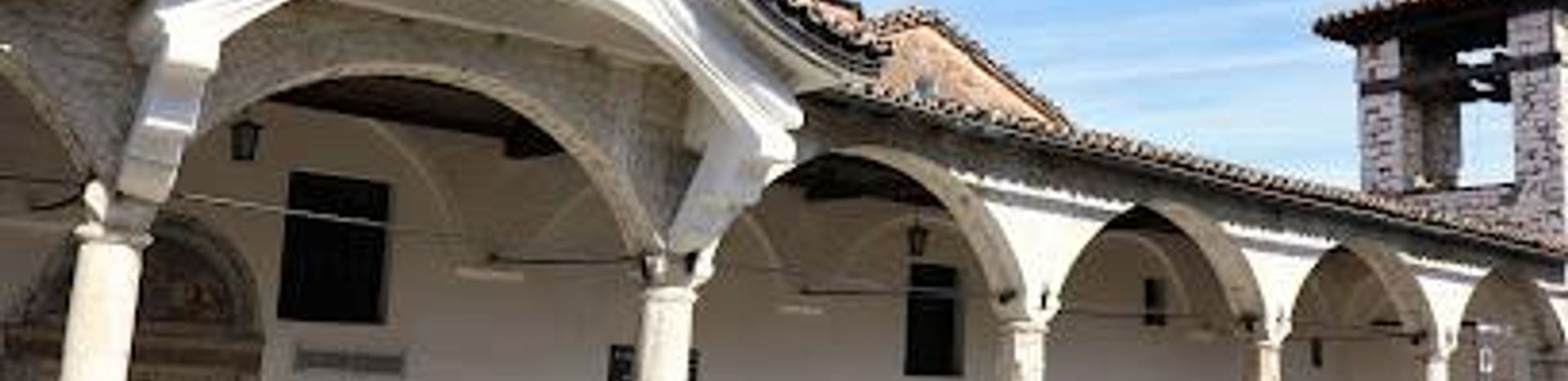
Onufri National Iconographic Museum: A Glimpse into Albanian Art History
Discover a remarkable collection of Byzantine art and religious icons at the Onufri Museum, housed in a historic church within Berat Castle.
Housed within the 18th-century Church of the Dormition of St. Mary in Berat Castle, the Onufri National Iconographic Museum showcases a stunning collection of Byzantine and post-Byzantine art. Named after the renowned 16th-century Albanian iconographer Onufri, the museum offers a journey through centuries of religious artistry and Albanian cultural heritage.
A brief summary to Muzeu Kombëtar Ikonografik Onufri
- PW5W+J5F, Berat, AL
- +35532232224
- Visit website
- Monday 9 am-4 pm
- Tuesday 9 am-4 pm
- Wednesday 9 am-4 pm
- Thursday 9 am-4 pm
- Friday 9 am-4 pm
- Saturday 9 am-4 pm
- Sunday 9 am-4 pm
Local tips
- Visit during the weekdays to avoid larger crowds and have a more personal experience.
- Consider joining a guided tour for deeper insights into the artworks and their historical context.
- Combine your visit with a tour of Berat Castle, offering panoramic views of the city and surrounding landscape.
- Allow at least 60-90 minutes to fully explore the museum's collection.

Getting There
-
Walking
From the center of Berat, the Onufri National Iconographic Museum is located within the Berat Castle, which sits on a hill overlooking the town. The walk to the castle entrance takes approximately 20-30 minutes, following a steep, cobbled road. Once through the main gate, follow the signs to the Church of the Dormition of St. Mary, where the museum is housed. Note that the road can be slippery, so wear appropriate footwear.
-
Taxi
Taxis are readily available in Berat and can take you to the entrance of Berat Castle. From there, it's a short walk to the Onufri National Iconographic Museum. A taxi ride from the city center to the castle entrance typically costs around 300-500 Lek. Confirm the price with the driver before starting your journey. Keep in mind that during peak tourist season, taxis might be in high demand.
-
Public Transport
Local buses connect the Berat Bus Terminal to the city center. From the city center bus stop, you can walk to the castle entrance in about 20-30 minutes. A single bus fare costs around 40 Lek. Check local bus schedules for the most up-to-date information, as they may vary. Once at the castle entrance, follow the signs to the museum.
Discover more about Muzeu Kombëtar Ikonografik Onufri
Iconic landmarks you can’t miss

St. Mary of Blachernae Church
0.1 km
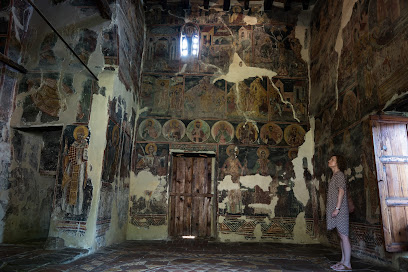
Explore St. Mary of Blachernae Church in Berat Castle, a Byzantine-era treasure with stunning frescoes and rich history dating back to the 13th century.
Akropoli
0.1 km
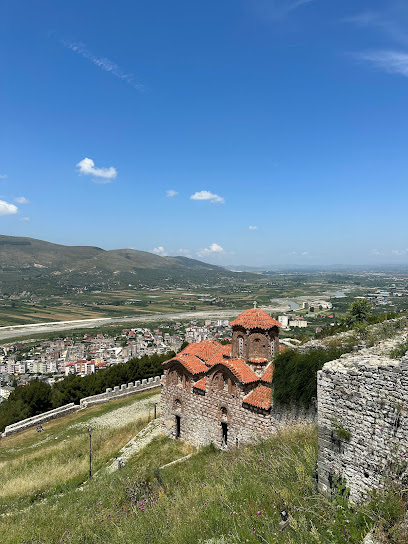
Explore the ancient Berat Acropolis, a historic castle offering stunning views and a glimpse into Albania's rich past.
Albania
0.1 km
Discover Berat, Albania: A UNESCO gem with stunning Ottoman architecture, rich history, and the famed 'City of a Thousand Windows'.
Berat
0.1 km
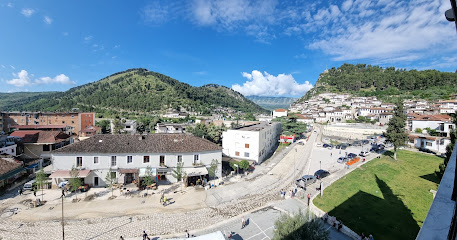
Discover Berat, Albania: a UNESCO World Heritage city with stunning Ottoman architecture, a vibrant history, and breathtaking mountain views.
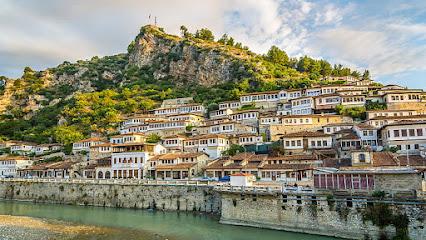
Holy Trinity Church
0.2 km
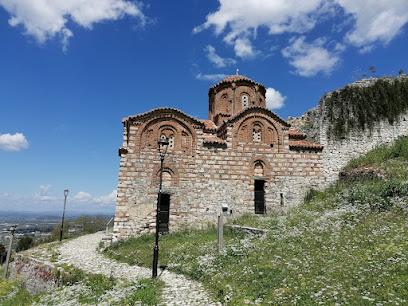
Discover the Holy Trinity Church in Berat Castle, a remarkably preserved Byzantine treasure with stunning views and rich history.
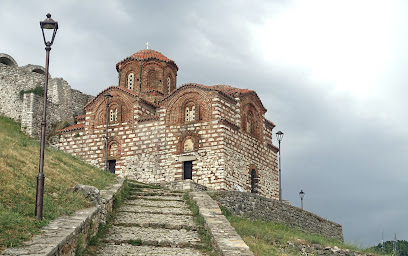
Shortcut to the Berat Castle
0.3 km
Discover a shortcut to Berat Castle, one of Europe's last inhabited fortresses, offering a blend of history, culture, and stunning panoramic views.
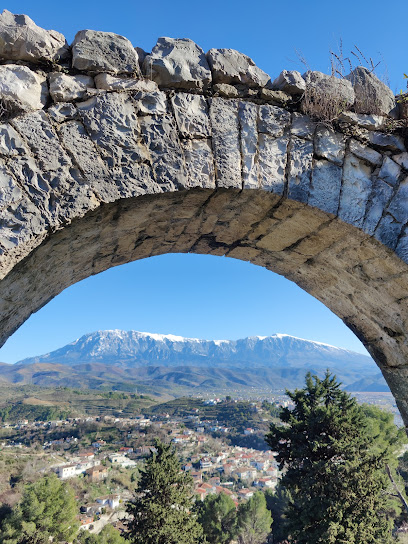
Berat Viewing Platform
0.4 km
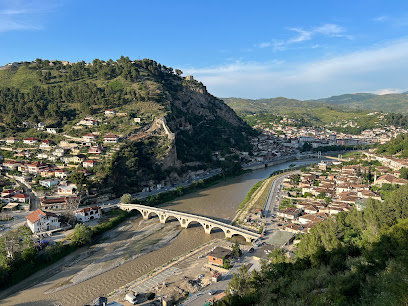
Experience breathtaking panoramic views of Berat's iconic architecture, the Osum River, and the historic castle from this must-visit vantage point.
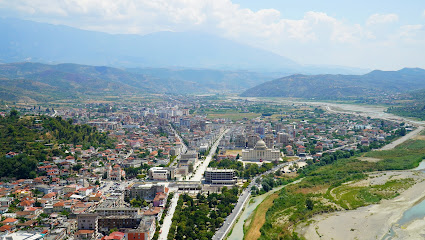
St. Michael's Church
0.5 km
Discover St. Michael's Church in Berat: A historic Orthodox gem with stunning Byzantine architecture and panoramic views, nestled in a UNESCO World Heritage site.
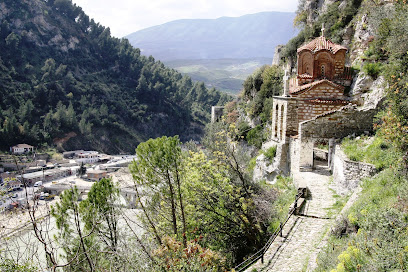
Heraklis Hotel
0.5 km
Experience Berat's charm at Heraklis Hotel: comfortable rooms, a central location, and traditional Albanian hospitality await!

Hotel Mangalemi
0.6 km
Experience Berat's history and charm at Hotel Mangalemi, nestled in the heart of the historic Mangalem Quarter.
Ura e Goricës
0.7 km
Cross the iconic Ura e Goricës in Berat, Albania, for stunning views and a journey through Ottoman history and architectural brilliance.
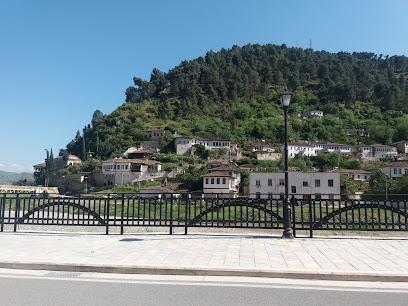
Xhamia Mbret
0.7 km
Explore Xhamia Mbret in Berat, a stunning mosque showcasing Ottoman architecture and Albania's rich Islamic heritage.
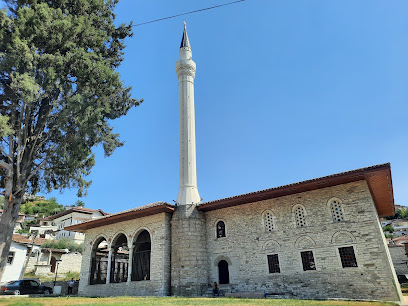
Lead Mosque Berat
1.0 km
Discover the serene beauty and historical significance of the Lead Mosque, an Ottoman treasure in the heart of Berat, Albania.
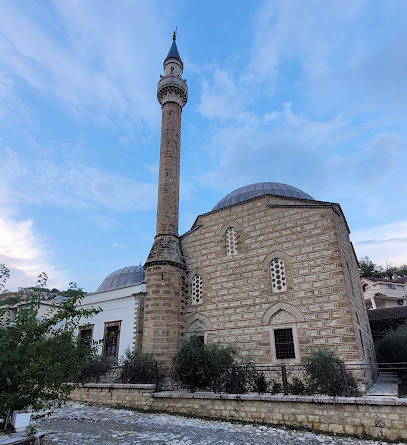
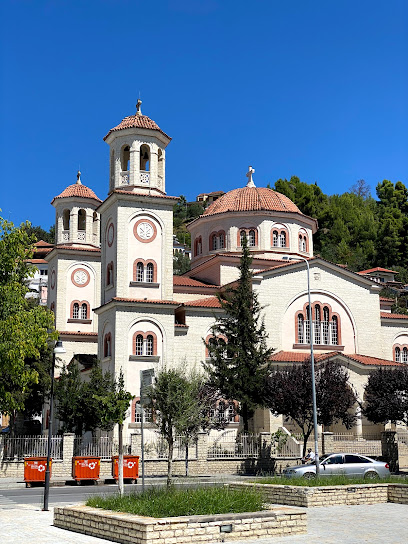
Saint Demetrius Cathedral
1.1 km
Discover the architectural beauty and rich history of Saint Demetrius Cathedral, a symbol of faith and resilience in the heart of Berat, Albania.
Mali Partizan ( drobonik , berat)
1.3 km
Explore Mali Partizan's scenic hiking trails near Berat, Albania, offering stunning views and a taste of Albanian nature and history.
Unmissable attractions to see

Sunset Spot
0.1 km
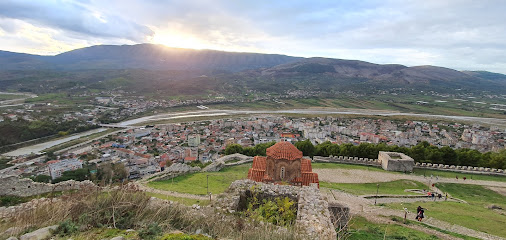
Experience breathtaking sunset views over the historic 'City of a Thousand Windows' at Berat's must-see Sunset Spot, perfect for photographers and romantics.
Berat Castle
0.1 km
Discover the enchanting Berat Castle, a UNESCO World Heritage site that showcases Albania's rich history and breathtaking views of the Osum River.
Liam Guide tours
0.1 km
Experience Berat's history and culture with immersive tours led by local experts. Discover the 'City of a Thousand Windows' in Albania.
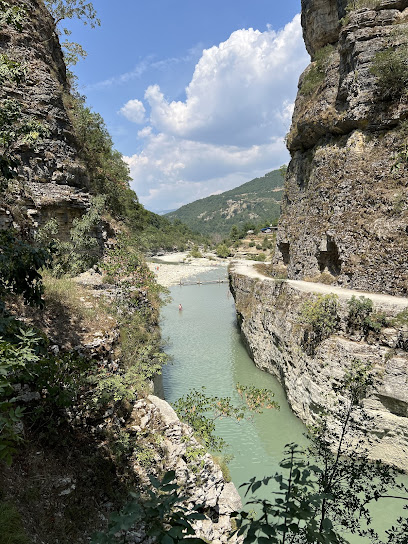
Water Cistern
0.2 km
Explore the historical Water Cistern within Berat Castle, a testament to ancient engineering and the city's enduring legacy. A unique glimpse into the past.
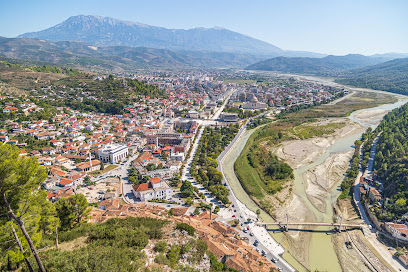
Ruins of the Red Mosque
0.2 km
Explore the Red Mosque ruins in Berat Castle, a window into Albania's Ottoman history and a UNESCO World Heritage Site.
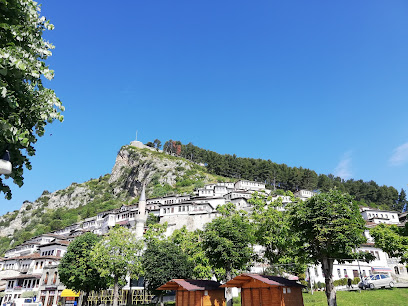
\ IliroThrak \ www.Ilirothrak.com
0.4 km
Explore Albania's past at IliroThrak National Museum in Berat, a city of Ottoman architecture and UNESCO recognition.
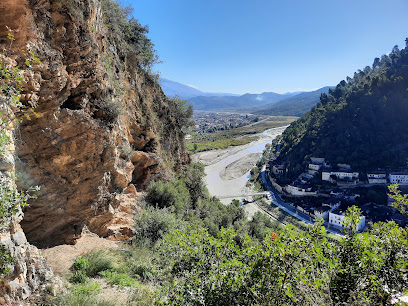
Ethnographic Museum
0.4 km
Discover Albanian heritage at the Ethnographic Museum of Berat, showcasing traditional life and crafts in a beautifully preserved Ottoman house.
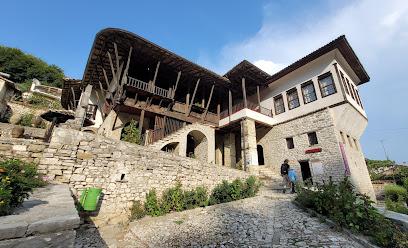
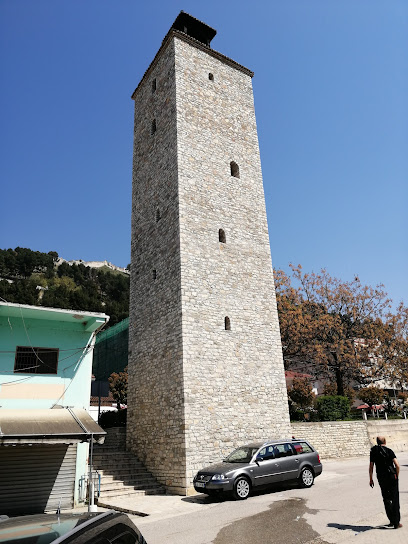
Kulla e Sahatit
0.5 km
Discover the historic Kulla e Sahatit in Berat, Albania, a stunning clock tower offering breathtaking views and rich cultural heritage.
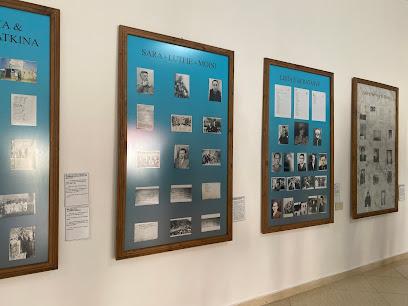
Solomoni Jewish Museum Berat
0.5 km
Discover the history and cultural heritage of the Jewish community in Berat at the Solomoni Jewish Museum, a place of remembrance and education.
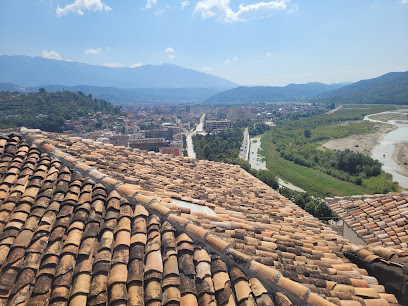
Rooftop View
0.5 km
Experience breathtaking panoramic views of Berat's iconic architecture, historic castle, and the Osum River from this must-visit vantage point.
Old Town Berat
0.6 km
Explore the historical marvels and stunning landscapes of Old Town Berat, a UNESCO World Heritage site in Albania.
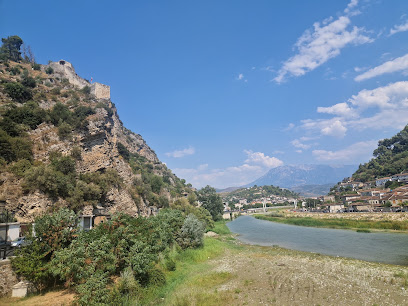
Kantina Vila Hadaj Malinat
0.6 km
Discover authentic Albanian wines at Kantina Vila Hadaj Malinat in Berat, offering immersive wine-tasting tours in a picturesque vineyard setting.
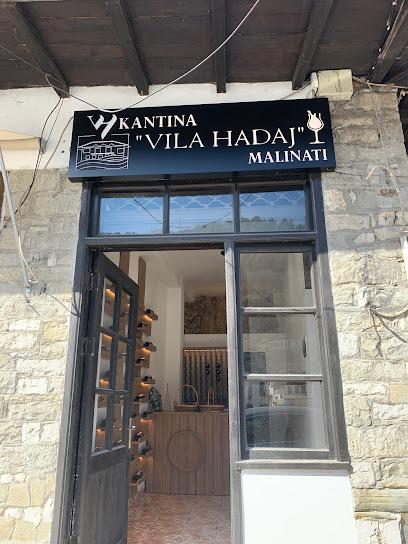
Local Guide Berat Tour
0.6 km
Explore Berat's hidden gems and historical landmarks with a knowledgeable local guide, unlocking the city's rich history and vibrant culture.
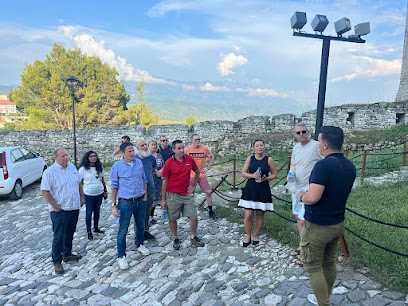
Gate of the Pasha
0.6 km
Discover the historic Gate of the Pasha in Berat, Albania, a gateway to a UNESCO World Heritage site with stunning architecture and cultural heritage.
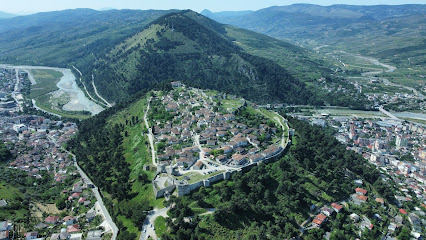
Bachelors' Mosque
0.6 km
Discover the Bachelors' Mosque in Berat, a charming Ottoman-era gem with unique frescoes, reflecting the city's rich cultural heritage and history.
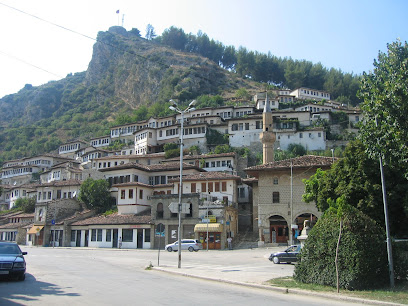
Essential places to dine

Temi Albanian Food
0.0 km
Experience the authentic taste of Albania at Temi Albanian Food - where tradition meets flavor in a cozy setting.
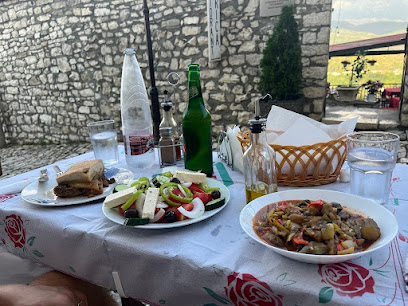
Beret family Caffe Mbrica
0.1 km
Discover authentic Albanian flavors at Beret Family Caffe Mbrica in Berat - a culinary delight surrounded by stunning views.
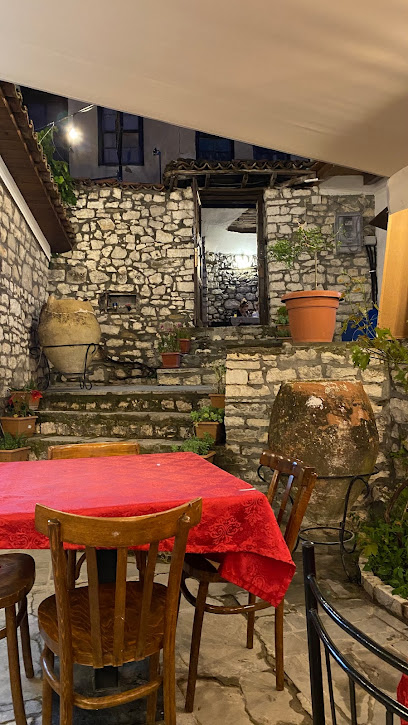
Mbrica Restaurant Traditional Food
0.1 km
Experience authentic Albanian flavors at Mbrica Restaurant in Berat—where tradition meets taste amidst stunning scenery.
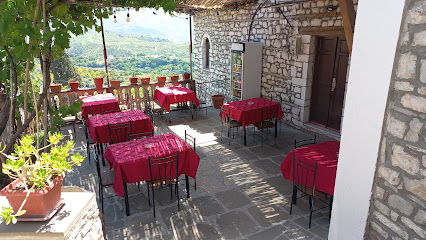
Antipatrea Traditional Restaurant & Cocktails
0.1 km
Discover authentic Albanian cuisine at Antipatrea Traditional Restaurant & Cocktails in Berat, where every dish tells a story.
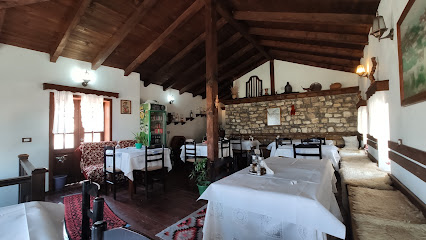
Klea Restaurant
0.1 km
Experience authentic Albanian cuisine at Klea Restaurant in Berat – where every dish tells a story of tradition and flavor.
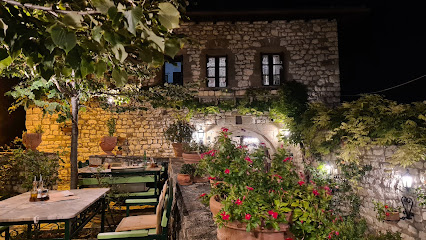
Onufri restaurant
0.1 km
Experience authentic Albanian cuisine at Onufri Restaurant in beautiful Berat—where tradition meets taste amidst stunning views.
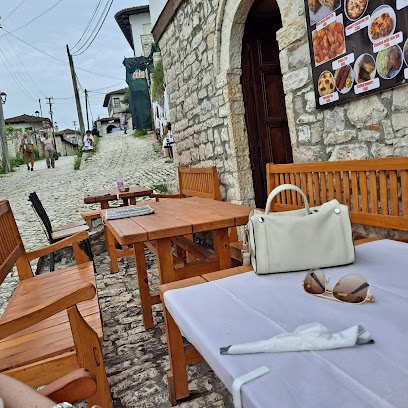
Zeri Traditional Food
0.1 km
Experience authentic Albanian cuisine at Zeri Traditional Food in Berat – where tradition meets flavor in a family-friendly setting.
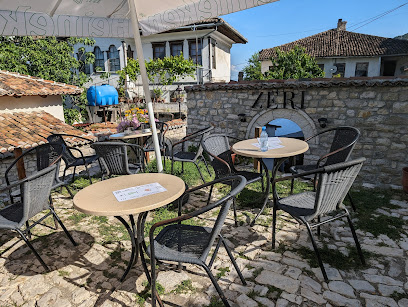
Bar Restorant
0.1 km
Experience authentic Albanian flavors at Bar Restorant in Berat - where tradition meets taste in a cozy atmosphere.
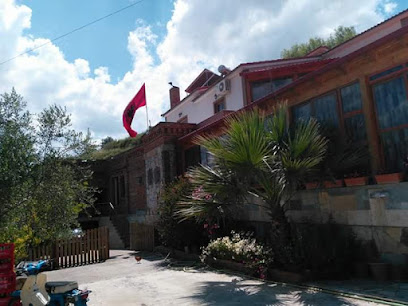
Te Gjyshi - Hotel & Restaurant
0.3 km
Discover authentic Albanian flavors and warm hospitality at Te Gjyshi Hotel & Restaurant in beautiful Berat.
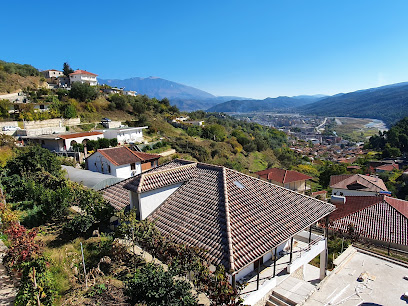
Taverna Lazaro
0.3 km
Experience the authentic flavors of Albania at Taverna Lazaro – where tradition meets taste in scenic Berat.
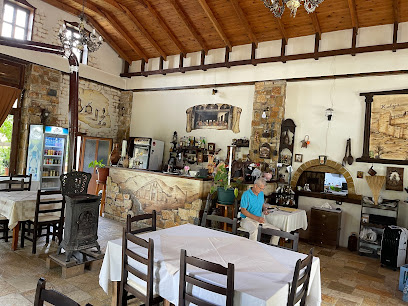
Restorant Nova
0.3 km
Experience authentic Albanian flavors at Restorant Nova in Berat - where tradition meets modern culinary art amidst stunning views.
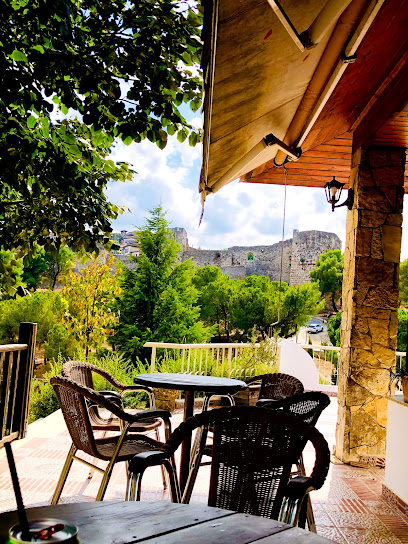
EMILJANO co. Restorant
0.5 km
Experience authentic Albanian cuisine at EMILJANO co., where every meal tells a story amidst Berat's enchanting atmosphere.
every day a birthday
0.5 km
Experience authentic Albanian cuisine at 'Every Day a Birthday' in beautiful Berat—where every meal is a celebration of taste and tradition.
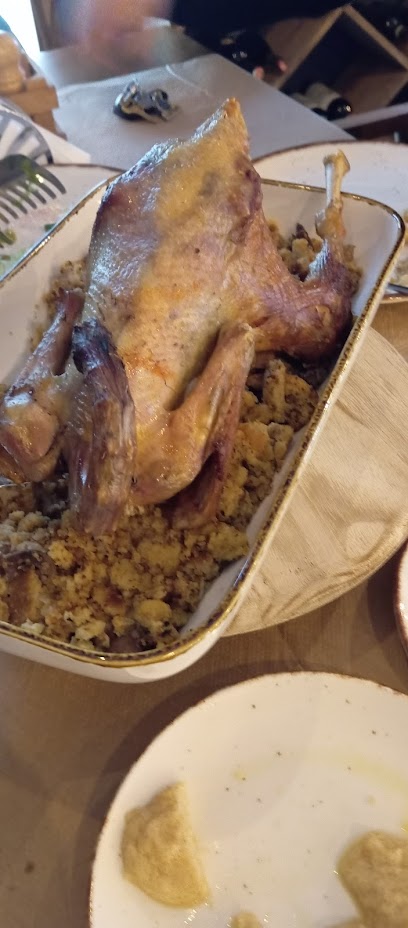
Homemade Food Lili
0.6 km
Experience authentic Albanian cuisine at Homemade Food Lili in Berat – where every dish tells a story!
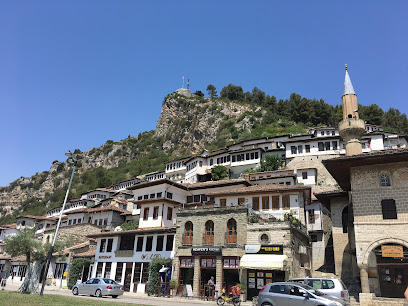
Zonja Gjene
0.6 km
Experience authentic Albanian flavors at Zonja Gjene in Berat - where tradition meets culinary excellence.
Markets, malls and hidden boutiques

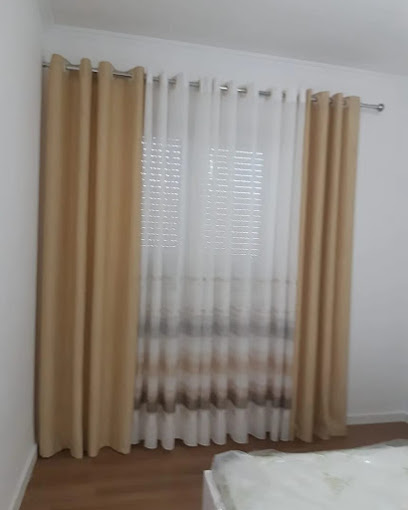
Bota e Perdeve
0.1 km
Discover Bota e Perdeve, a hidden gem in Berat, offering a stunning array of curtains and home decor inspired by Albanian tradition.
Ayan Khan
0.1 km
Explore Ayan Khan in Berat, a charming bookstore offering a rich selection of literature and a cozy atmosphere for all book lovers.
Souvenirs Shop Berat Castle
0.2 km
Uncover the charm of Albania with unique handmade souvenirs at the Souvenirs Shop in Berat Castle, a cultural treasure trove.
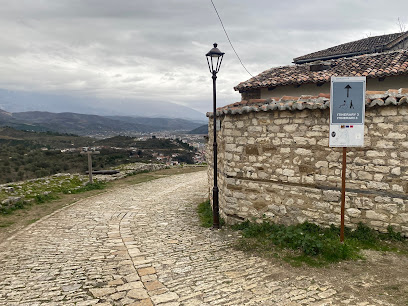
Qendistari Berati
0.4 km
Explore the rich tradition of Albanian handicrafts at Qendistari Berati, a must-visit store for unique souvenirs and cultural treasures.
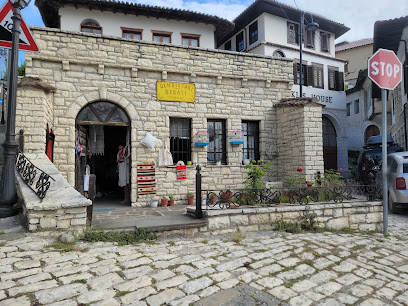
Market FV
0.4 km
Experience authentic Italian flavors at Market FV, the premier Italian grocery store in Berat, Albania offering a delightful selection of gourmet products.
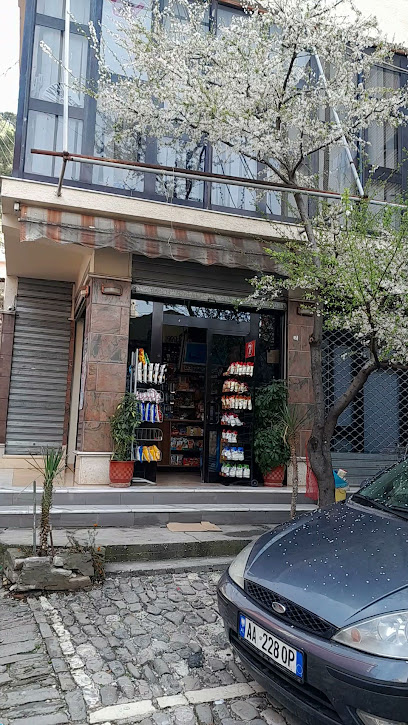
Mega Sport Berat
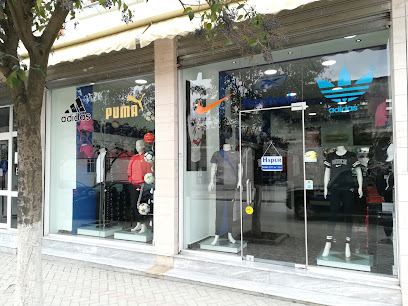
0.5 km
Discover the best in athletic apparel and gear at Mega Sport Berat, your go-to sportswear store in Albania's charming city of Berat.
Belaflor Shop
0.5 km
Explore Belaflor Shop in Berat, Albania for unique clothing that embodies local culture and style, perfect for every tourist's wardrobe.
Erjon
0.5 km
Explore the essence of Albanian fashion at Erjon, a charming clothing store in the heart of Berat, perfect for unique souvenirs and stylish outfits.
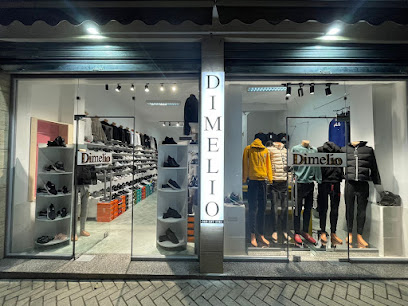
Dimeljo
0.5 km
Discover Dimeljo in Berat, where local fashion meets timeless style, offering unique clothing options that capture the essence of Albanian culture.
Argjendari Mika 2
0.5 km
Discover exquisite craftsmanship at Argjendari Mika 2, a premier jewelry store in the historic city of Berat, Albania.
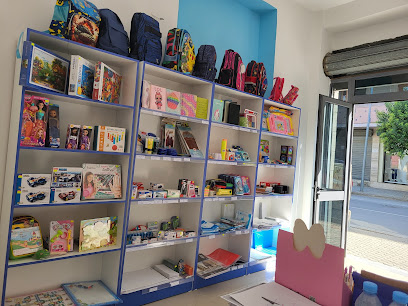
Kancelari NEAR
0.5 km
Explore Kancelari NEAR in Berat, a stationery store offering unique writing materials, local crafts, and a taste of Albanian creativity.
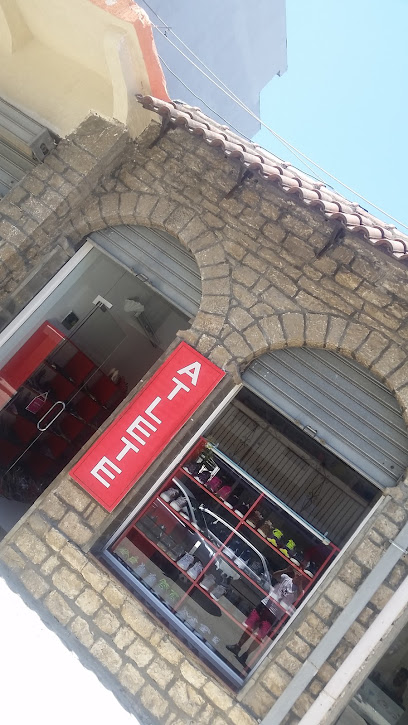
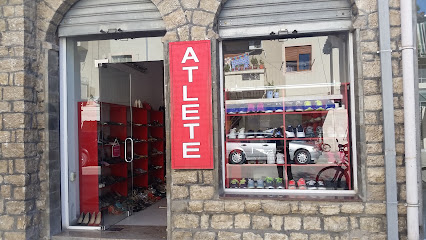
atlete_te_perdoura_orgjinale
0.5 km
Explore the vibrant shopping scene in Berat, Albania, where modern retail meets traditional charm for an unforgettable experience.
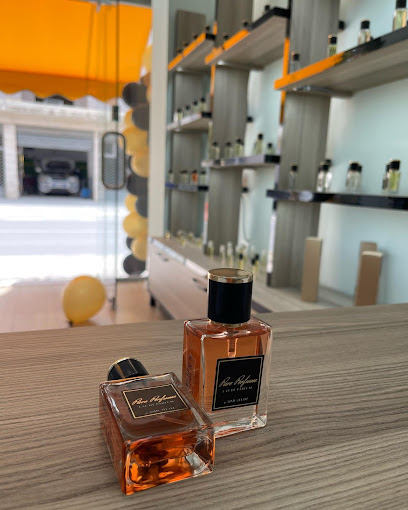
Nelas Parfume
0.5 km
Discover the captivating scents of Nelas Parfume in Berat, where local craftsmanship meets a rich heritage of fragrance.
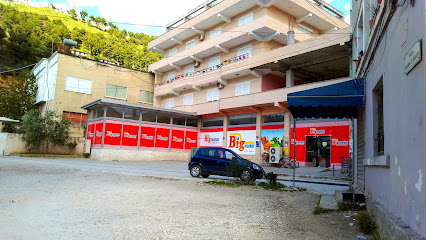
Big Market
0.5 km
Explore the vibrant Big Market in Berat, where local flavors meet international products in a delightful shopping experience.
Market Molishti
0.6 km
Explore the vibrant Market Molishti in Berat for fresh produce, local delicacies, and an authentic Albanian shopping experience.
Essential bars & hidden hideouts

Mengra e Vjeter
0.1 km
Discover Mengra e Vjeter, a charming bar in Berat, Albania, offering exquisite local wines and a cozy atmosphere for a perfect evening.
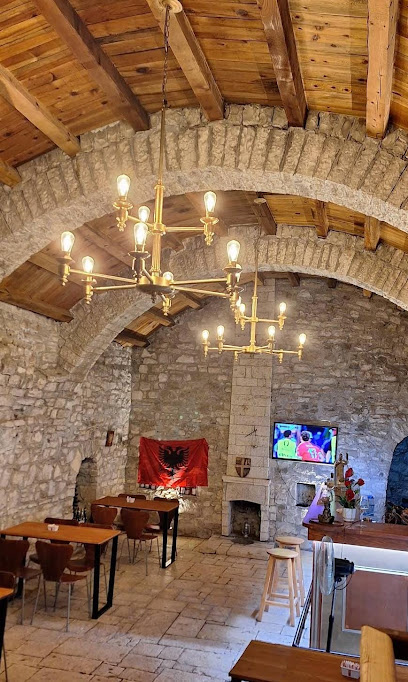
Traditional House / Tasting Raki and Gliko
0.5 km
Discover the authentic flavors of Albania at the Traditional House in Berat, where Raki and Gliko create a unique cultural experience.
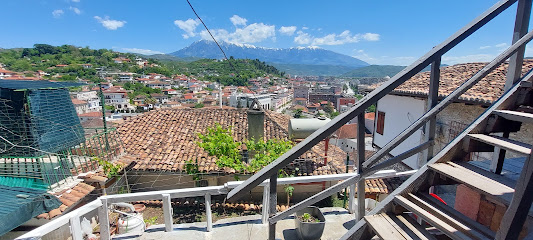
Elixir Cocktail Bar
0.6 km
Experience the vibrant nightlife of Berat at Elixir Cocktail Bar, where expertly crafted cocktails meet a welcoming atmosphere.
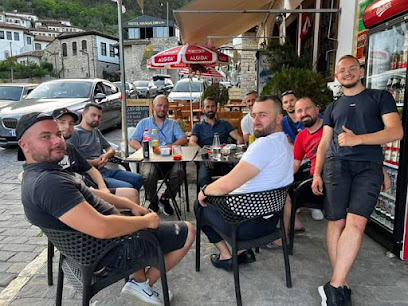
Moonlight Cocktail Bar
0.7 km
Experience the finest cocktails and breathtaking views at Moonlight Cocktail Bar in Berat, Albania, a true gem for nightlife enthusiasts.
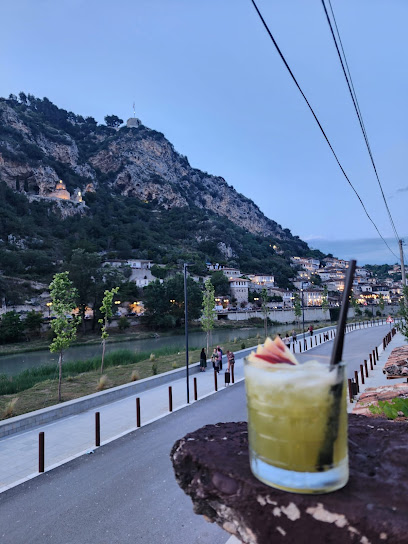
Good Vibes
0.7 km
Experience the vibrant atmosphere and exceptional cocktails at Good Vibes, the top cocktail bar in Berat, Albania.
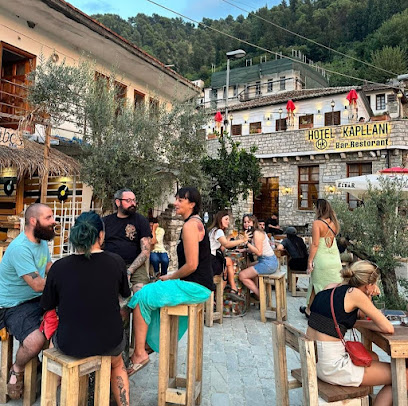
Vinos Wine Bar
0.7 km
Experience the exquisite flavors of local wines and the charm of Berat at Vinos Wine Bar, a cozy retreat for wine lovers.
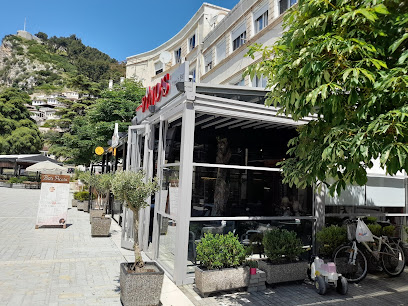
Bar Shpëtimi
0.8 km
Discover the vibrant atmosphere of Bar Shpëtimi in Berat, where refreshing drinks and local charm await you in a stunning setting.
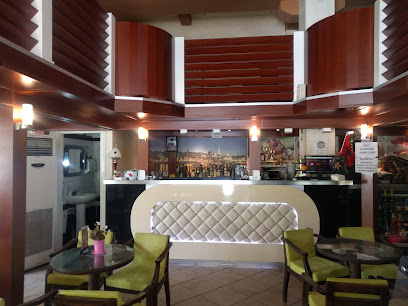
Bar Café Sun
0.8 km
Experience the vibrant atmosphere of Bar Café Sun in Berat, where refreshing drinks and friendly faces await every visitor.
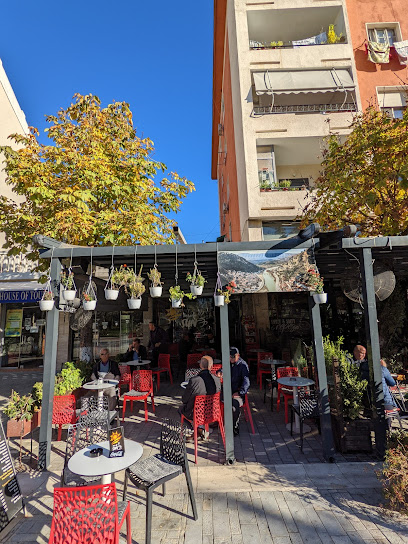
Small Bar
0.8 km
Discover the vibrant atmosphere and local flavors at Small Bar in Berat, the perfect spot for relaxation and socializing.
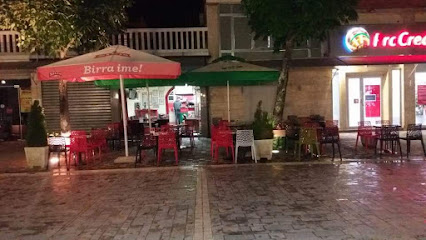
NoMad Bar
0.8 km
Discover the vibrant ambiance of NoMad Bar in Berat, a perfect blend of local charm and contemporary nightlife, ideal for tourists and locals alike.
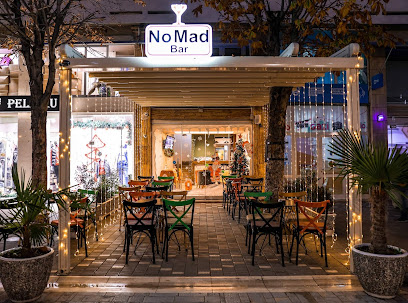
Guest Bar & Pizza
0.9 km
Enjoy delicious pizza and refreshing drinks at Guest Bar & Pizza, a cozy bar in Berat, Albania, perfect for tourists and locals alike.
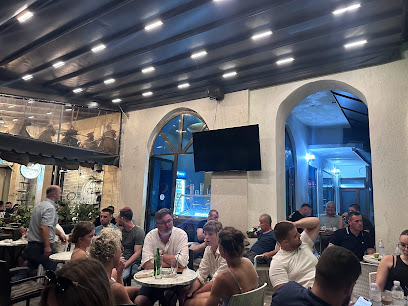
Dami Lounge
0.9 km
Discover the perfect blend of modern elegance and traditional style at Dami Lounge, the ultimate cocktail bar in Berat, Albania.
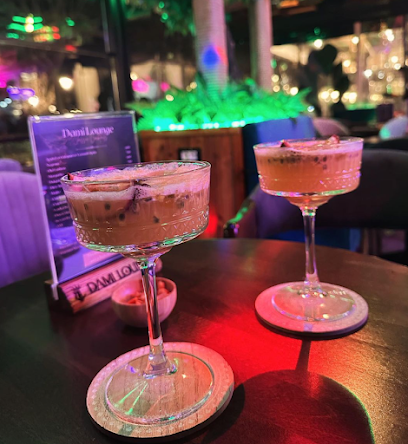
Bar Te Albani
0.9 km
Experience the charm of Berat at Bar Te Albani, where cozy ambiance meets affordable drinks in a vibrant cultural setting.
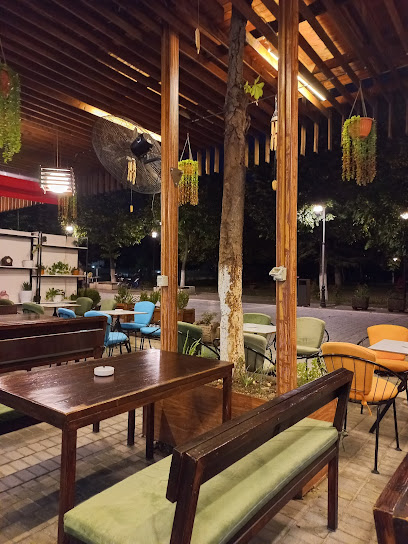
Bar Dona
1.0 km
Experience the vibrant atmosphere and local flavors at Bar Dona in Berat, the perfect spot for relaxation and cultural immersion.
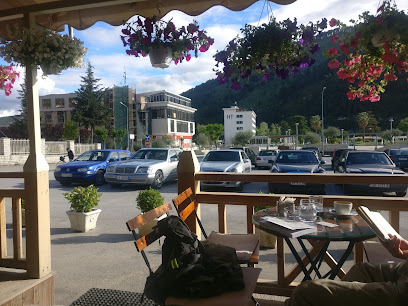
Bar Italia
1.6 km
Discover the charm of Bar Italia in Berat, offering authentic Italian coffee and a cozy atmosphere perfect for relaxing after a day of exploration.
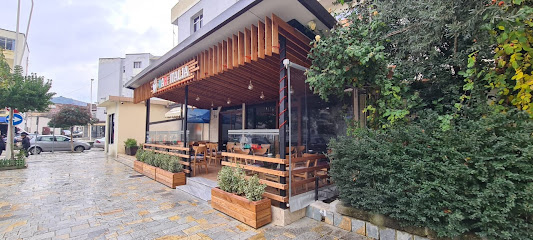
Nightclubs & after hour spots

Bar Dyrmo
0.7 km
Experience the vibrant nightlife at Bar Dyrmo in Berat, Albania, where every sip tells a story and every moment is a celebration of local culture.
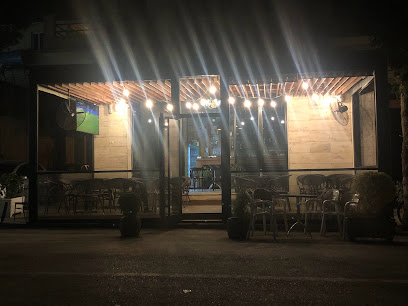
Funky Vibes - Lounge Bar&Shisha
0.9 km
Discover a vibrant nightlife experience at Funky Vibes - Lounge Bar & Shisha in Berat, where relaxation meets socializing in a funky atmosphere.
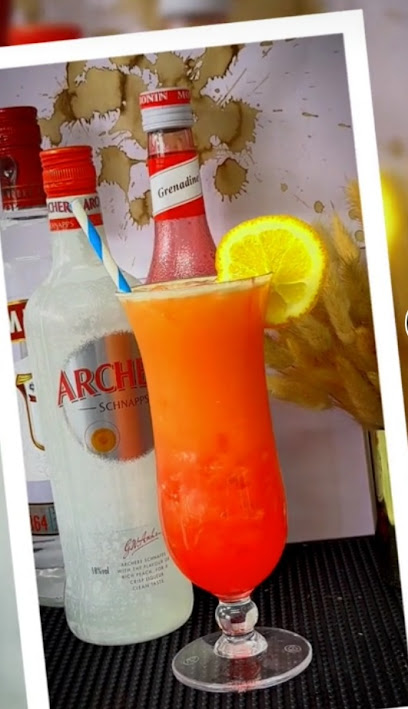
The King Club
0.9 km
Discover the vibrant and welcoming atmosphere of The King Club in Berat, where local charm meets modern elegance for an unforgettable experience.
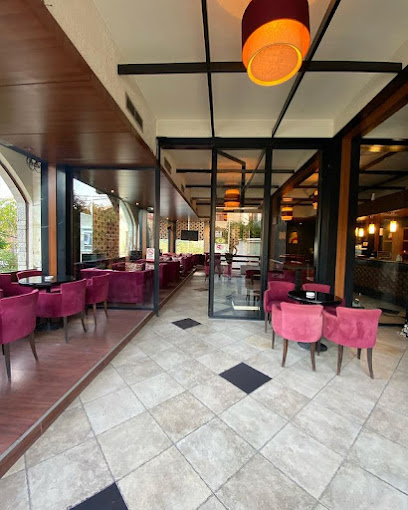
CINEMA Cocktail Bar
1.0 km
Discover the vibrant ambiance of CINEMA Cocktail Bar in Berat, where exquisite cocktails and a cozy coffee shop vibe await every visitor.
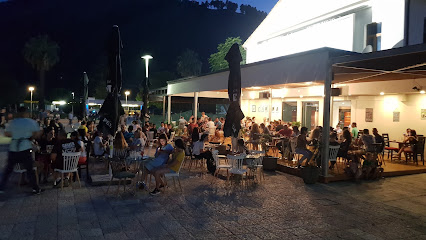
Dream Shisha Lounge
1.3 km
Discover the ultimate chill spot at Dream Shisha Lounge in Berat, where relaxation meets a rich selection of shisha flavors and refreshing beverages.
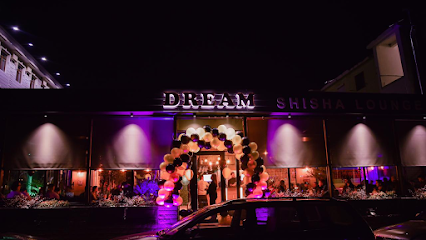
JONK'S Lounge Bar
1.8 km
JONK'S Lounge Bar: A vibrant nightlife spot in Berat, offering exquisite drinks and a welcoming atmosphere for both locals and travelers.
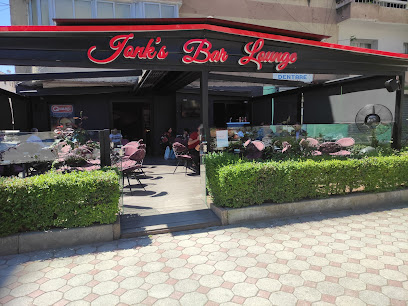
Xhejm's Club
7.3 km
Experience the vibrant nightlife of Berat at Xhejm's Club, where great music and amazing cocktails come together for an unforgettable night.
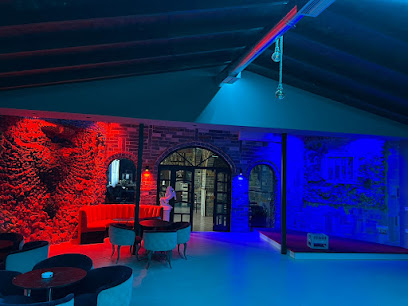
Klajdi
21.4 km
Experience the vibrant nightlife at Klajdi, the ultimate night club in Suk 1, Albania, perfect for dancing and socializing.
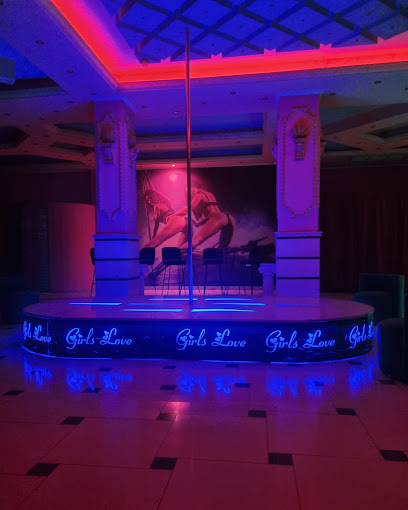
Girls Love Strip
31.1 km
Discover the pulse of Mbrostar's nightlife at Girls Love Strip, where dance and music come alive in an unforgettable party atmosphere.
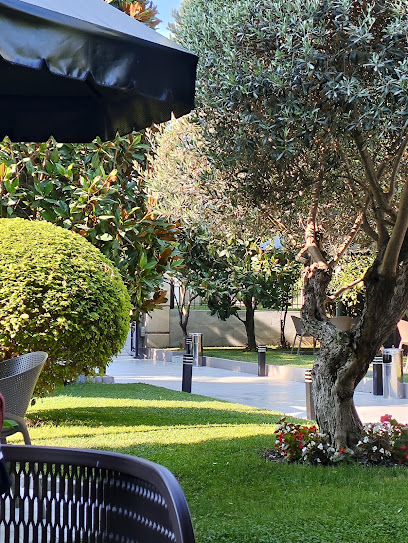
L'Amour
31.2 km
Discover the cozy charm of L'Amour in Fier, Albania, where delightful Turkish coffee meets a welcoming ambiance, perfect for relaxation and socializing.
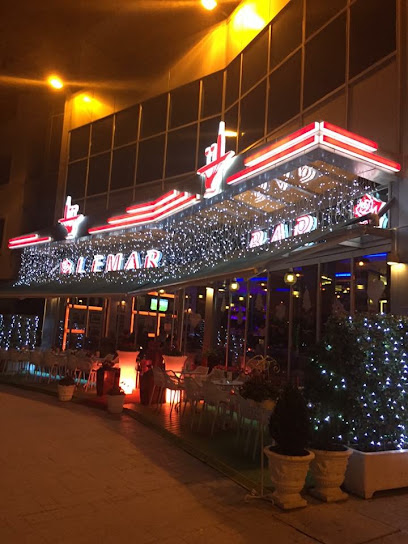
Lemar Bar
32.5 km
Discover the vibrant atmosphere at Lemar Bar, a perfect blend of a bar and coffee shop in the heart of Fier, Albania.
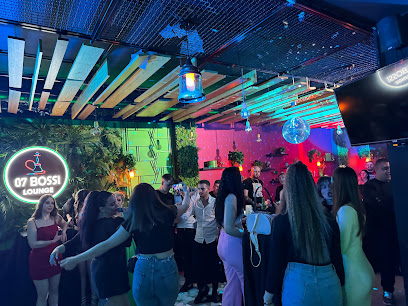
07bossilounge
32.7 km
Discover the vibrant atmosphere of 07 Bossi Lounge in Fier, Albania - a stylish retreat for drinks and relaxation amidst your travels.
Block 13
32.8 km
Discover Block 13, a trendy lounge in Fier, Albania, where vibrant ambiance meets exquisite drinks for an unforgettable experience.
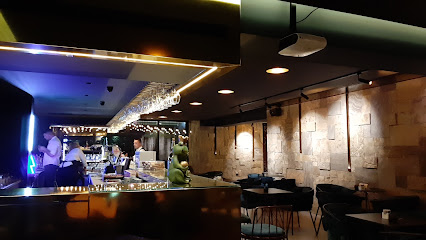
Numa Lounge
32.9 km
Discover the lively Numa Lounge in Fier, a vibrant bar offering delightful drinks and a taste of local nightlife in Albania.
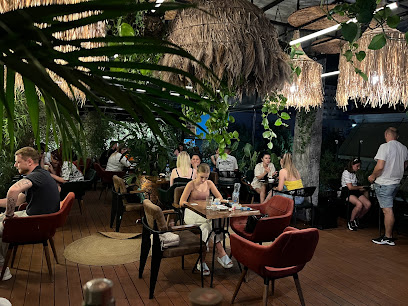
Oops Lounge
32.9 km
Discover the vibrant Oops Lounge in Fier, Albania, where crafted cocktails and local flavors meet a stylish and welcoming atmosphere.