

Free Valira del Nord Valley Travel Guide & Mobile App
Explore Valira del Nord Valley with free travel guides. Discover regional history, expert tips, proposed trips, and audio guides on web or mobile app.


Explore Valira del Nord Valley in Andorra for Romanesque villages, alpine walks, ski slopes, nature parks and hearty Pyrenean cuisine.
Read more about Valira del Nord Valley
When is the best time to visit Valira del Nord Valley?
Best: June–August · 21–23°C| Month | High (°C) | Rainfall (mm) |
|---|---|---|
| January | 5 | 40 |
| February | 7 | 35 |
| March | 9 | 45 |
| April | 12 | 50 |
| May | 17 | 55 |
| June (best) | 21 | 60 |
| July (best) | 23 | 45 |
| August (best) | 23 | 40 |
| September | 19 | 50 |
| October | 14 | 55 |
| November | 8 | 40 |
| December | 6 | 45 |
Getting to and around Valira del Nord Valley
How to get there
Transportation
Top city travel guides in Valira del Nord Valley
The cities of Valira del Nord Valley, and the easiest places to base yourself.
-
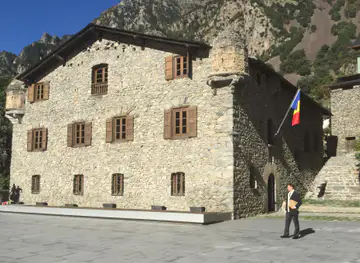
-

-

-
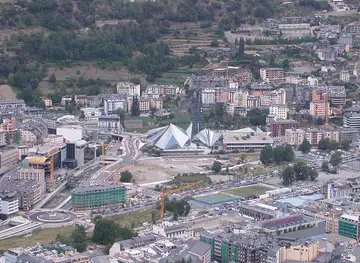
-

-


Swipe for more cities
Destinations in Valira del Nord Valley
Resorts, valleys and scenic spots worth a trip of their own.
-

-

-

-

-

-


Swipe for more destinations
Best attractions in Valira del Nord Valley
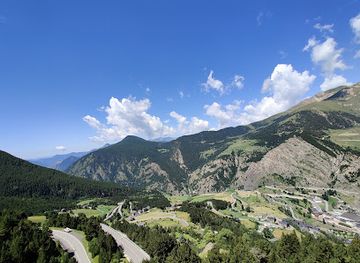
The Valira del Nord Valley offers a compact but varied collection of mountain attractions. In Ordino, visitors can explore the Casa d’Areny-Plandolit, the Museu Postal and the village’s traditional streets before continuing towards the upper valleys. La Cortinada combines Romanesque heritage with the Iron Route, while Llorts provides access to mining history and walking country. Sorteny Valley Nature Park is the region’s principal nature destination, with alpine plants, marked trails and seasonal landscapes that reward both short walks and longer excursions. Around La Massana and Arinsal, winter sports, cable-car access and summer mountain activities form a more modern resort landscape. The Pal sector is well suited to skiing and outdoor recreation, while the Coma Pedrosa area offers demanding high-mountain walking. Smaller villages, pasture routes, forest tracks and viewpoints add texture between the principal sites. The attraction landscape is therefore divided between cultural tourism in Ordino and the central villages, protected nature in the upper valley, and active recreation around La Massana and Arinsal.
-
Caldea Spa
Experience thermal wellness at Caldea Spa in Andorra: playful thermal waters, iconic architecture, and Pyrenean mountain views.
-
Department store
Pyrénées Andorra
Experience world-class shopping at Pyrénées Andorra, the premier department store in Andorra la Vella.
-
Observation deck
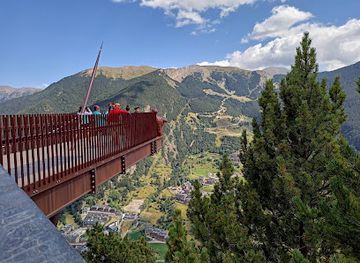
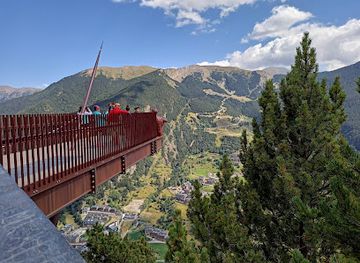
Mirador Roc Del Quer | Canillo
Experience breathtaking panoramic views from a suspended platform in the Andorran Pyrenees; a unique blend of nature and art.
-
Ski resort
Grandvalira
Experience the best of the Pyrenees at Grandvalira, Andorra's premier ski resort with diverse terrain and world-class facilities.

Best landmarks in Valira del Nord Valley
The Romanesque church of Sant Martí de la Cortinada is one of the Valira del Nord Valley’s most important historic landmarks, combining medieval architecture with evidence of the communities that occupied the valley for centuries. In Ordino, Casa d’Areny-Plandolit is a significant civic and architectural reference, preserving the domestic world of a prominent nineteenth-century family. The Farga Rossell in La Massana represents the valley’s ironworking past and the industrial use of water, woodland and ore. The village of Pal is notable for its carefully preserved stone-and-slate character and the church of Sant Climent de Pal, an important example of Andorran Romanesque heritage. Higher landmarks are natural rather than built: the Coma Pedrosa massif dominates the western mountain landscape, while the protected valleys of Sorteny reveal the alpine geography that has shaped settlement, travel and local livelihoods. Together these places show the region through architecture, industry and mountain terrain rather than through a single monumental centre.
-
Thermal baths
Caldea Spa
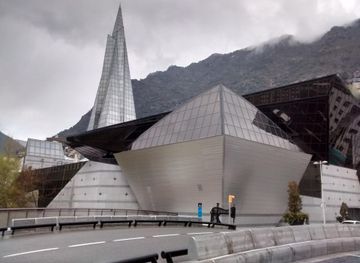
Experience Europe's largest thermal spa in Andorra, with unique architecture, diverse pools, and rejuvenating wellness treatments for all ages.
-
Observation deck
Mirador Roc Del Quer | Canillo
Experience breathtaking panoramic views from a suspended platform in the heart of the Andorran Pyrenees. A must-see for nature lovers!
-
Monument
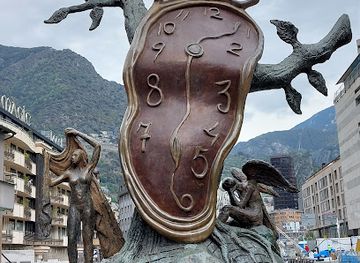
La Noblesse du temps - de Salvador Dalí
Explore La Noblesse du Temps, a surreal masterpiece by Salvador Dalí, and immerse yourself in the artistic spirit of Andorra la Vella.
-
Park
Parc Central
Escape to Andorra la Vella's Parc Central: a vibrant green space with art, play areas, and year-round events in the heart of the city.
Explore Valira del Nord Valley on the map
Plan your trip on one map. See where the top cities, national parks and sights are, and book hotels and experiences in a few clicks.
Best hotels in Valira del Nord Valley
Best restaurants in Valira del Nord Valley
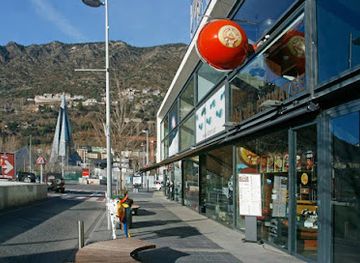
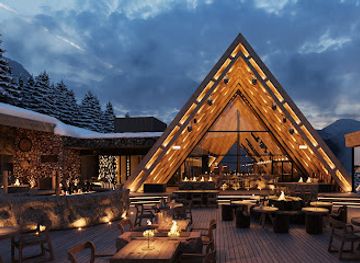
Dining in the Valira del Nord Valley reflects Andorra’s Pyrenean setting and the seasonal nature of mountain life. Traditional bordes, often adapted from former rural buildings, serve hearty dishes based on cured meats, sausages, grilled meats, stews, mushrooms and potatoes, with recipes varying between households and restaurants. Escudella, a substantial winter broth associated with Andorran cuisine, is particularly suited to cold weather, while local cheeses, preserves and rustic breads appear widely on menus. La Massana and Arinsal offer the broadest range of restaurants, including international food suited to resort visitors, whereas Ordino and the smaller villages place greater emphasis on traditional dining and cafés. Mountain produce is often more important than a single signature dish: wild mushrooms, game, charcuterie and seasonal vegetables feature when available. Shops and markets also provide opportunities to buy Andorran and Pyrenean products for picnics or gifts.
-
Seafood
Marisqueria Don Denis
Discover exquisite seafood dishes at Marisqueria Don Denis in Les Escaldes - a culinary gem where freshness meets flavor.
-
Italian
Restaurant La Tagliatella | Andorra
Savor authentic Italian cuisine at La Tagliatella in Escaldes-Engordany—your go-to destination for delicious pizzas and warm hospitality.
-
Restaurant
El Refugi Alpí
Experience authentic fondue dining at El Refugi Alpí in Andorra la Vella - where every meal tells a story.
-
Argentinian
SURF ARINSAL- RESTAURANT & DISCOTECA
Discover authentic Argentinian cuisine and vibrant nightlife at Surf Arinsal Restaurant & Discoteca in beautiful Andorra.

Best bars in Valira del Nord Valley
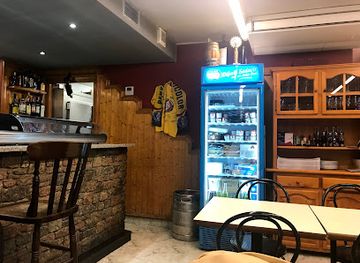
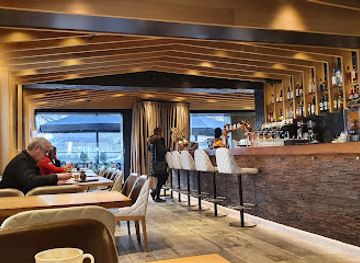
Evening life is concentrated in La Massana and Arinsal, where ski-season visitors support après-ski bars, casual restaurants, live music and a modest late-night scene. The atmosphere is generally more social and seasonal than that of a major city, with activity increasing during winter holidays and other busy periods. Ordino has a quieter selection of cafés, bars and restaurants, suited to an evening built around conversation and mountain cuisine rather than clubs. Traditional village bars remain useful places for a drink or coffee, while resort venues may serve a more international clientele. Opening arrangements and entertainment change with the season, so visitors should check locally rather than assume that every venue operates year-round. Responsible drinking is particularly important when roads, snow and mountain conditions are involved.
-
Fondue
Cheese's Art Andorra
Experience the ultimate fondue adventure at Cheese's Art Andorra, where rich flavors and a welcoming atmosphere await every cheese lover.
-
Grill
EL CACHIRULO
Explore the rich flavors of Andorra at El Cachirulo, where grilling meets tradition in the heart of Les Escaldes.
-
Restaurant
L'Abarset
Discover the vibrant atmosphere and exquisite flavors at L'Abarset, a premier restaurant and amusement center in El Tarter, Andorra.
-
Restaurant
Restaurant Cafè l´Isard
Discover culinary excellence at Restaurant Cafè l´Isard in Andorra la Vella, where local flavors meet a vibrant cocktail scene.
Best nightclubs in Valira del Nord Valley
Evening life is concentrated in La Massana and Arinsal, where ski-season visitors support après-ski bars, casual restaurants, live music and a modest late-night scene. The atmosphere is generally more social and seasonal than that of a major city, with activity increasing during winter holidays and other busy periods. Ordino has a quieter selection of cafés, bars and restaurants, suited to an evening built around conversation and mountain cuisine rather than clubs. Traditional village bars remain useful places for a drink or coffee, while resort venues may serve a more international clientele. Opening arrangements and entertainment change with the season, so visitors should check locally rather than assume that every venue operates year-round. Responsible drinking is particularly important when roads, snow and mountain conditions are involved.
-
Cocktail bar
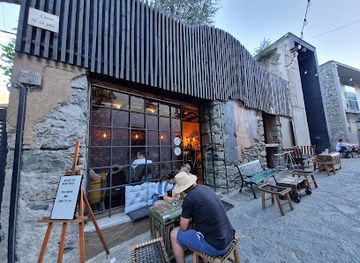
Atelier by Aitor Estela
Discover the vibrant nightlife of Andorra la Vella at Atelier by Aitor Estela, where innovative cocktails and a welcoming atmosphere await.
-
Irish pub
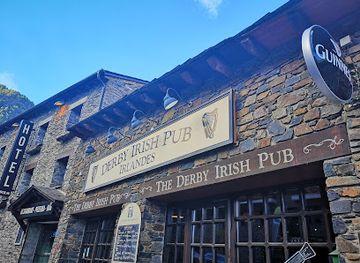
THE DERBY IRISH PUB
Experience the lively spirit of Ireland at The Derby Irish Pub in La Massana, where great food, drinks, and entertainment come together.
-
Bar
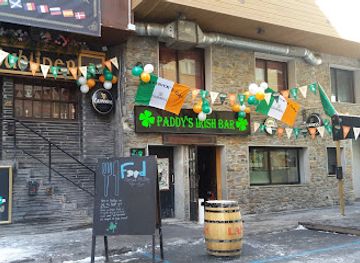
Paddy's Irish Bar
Discover the lively atmosphere of Paddy's Irish Bar in El Pas de la Casa, where great drinks and good times await you.
-
Gay bar
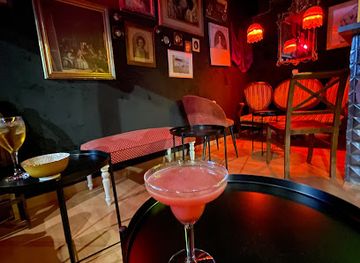
Entre Nous
Experience the vibrant nightlife of Andorra at Entre Nous, a welcoming gay bar offering lively entertainment and a fantastic atmosphere.
Best shops in Valira del Nord Valley
Shopping in the Valira del Nord Valley is practical and locally focused rather than centred on large retail districts. La Massana and Arinsal have the widest selection of sports equipment, outdoor clothing and holiday essentials, while Ordino offers smaller independent shops, galleries and stores selling regional food products. Visitors can look for cheeses, cured meats, preserves, chocolate, mountain herbs and other Pyrenean specialities, although provenance and production methods vary between products. Craft and heritage shops may stock ceramics, woodwork, textiles, books and items connected with Andorran culture. Markets and seasonal stalls are useful for local produce when operating, but dates and locations change. For broader commercial shopping, visitors often travel to the central Andorran settlements outside the valley; within Valira del Nord, the appeal lies in useful mountain goods, village-scale retail and edible souvenirs rather than luxury shopping.
-
Shopping mall
Centre Comercial Illa Carlemany
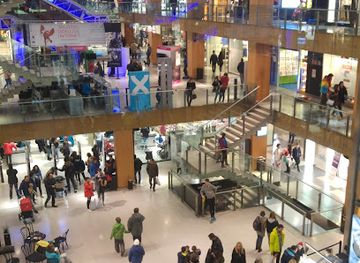
Explore the Centre Comercial Illa Carlemany, Andorra's premier shopping destination with diverse stores, dining, and entertainment options.
-
Department store
Pyrénées Andorra
Discover Pyrénées Andorra: the ultimate shopping and dining destination in the heart of Andorra la Vella, blending fashion, technology, and local flavors.
-
Department store
Pyrénées Andorra
Discover Pyrénées Andorra: A diverse shopping and dining experience in the heart of Andorra la Vella, perfect for every traveler.
-
Shopping mall
CCA Centre Comercial Andorrà - Super U
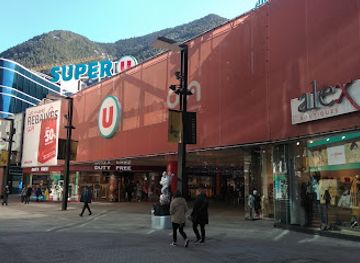
Explore the CCA Centre Comercial Andorrà - Super U, your one-stop shopping and dining destination in Andorra la Vella, where local culture meets global brands.

Get your free copy of our complete guide to Valira del Nord Valley, delivered straight to you.
Everything on this page, from attractions and restaurants to essentials and local phrases, in one PDF you can read offline, print or share.
Already have an account? Sign in
Your Valira del Nord Valley guide is ready.
We'll send it to · Not you? Sign out

Getting your guide ready…
We are putting together a fresh copy of the Valira del Nord Valley guide. This can take up to a minute.
This can take a few moments. If your browser asks, choose Allow so the download can start. You'll find the guide in your Downloads folder.
Nothing happened? Download it again
Sorry, the guide is taking longer than usual. Please try again in a minute, or get it by email instead.
Valira del Nord Valley essentials
Currency and Payment
Safety
Emergency Situations
Do's and Don'ts
Local Tips
From Eve
Local phrases worth knowing
You don't need to get them perfect. A few words go a long way, and locals appreciate the effort.
Basics
| English | Local | Say it |
|---|---|---|
| Hello | Hola | [O-la] |
| Goodbye | Adéu | [A-deu] |
| Yes | Sí | [Si] |
| No | No | [No] |
| Please/You're welcome | Si us plau | [Si us plau] |
| Thank you | Gràcies | [Gra-ci-es] |
| Excuse me/Sorry | Perdó | [Per-do] |
| How are you? | Com estàs? | [Com es-tas] |
| Fine. And you? | Bé. I tu? | [Be. I tu?] |
| Do you speak English? | Parles anglès? | [Par-les an-gles] |
| I don't understand | No entenc | [No en-tenk] |
Eating & Drinking
| English | Local | Say it |
|---|---|---|
| I'd like to see the menu, please | M'agradaria veure el menú, si us plau | [Ma-gra-da-ri-a veu-re el me-nu, si us plau] |
| I don't eat meat | No menjo carn | [No men-jo karn] |
| Cheers! | Salut! | [Sa-lut] |
| I would like to pay, please | M'agradaria pagar, si us plau | [Ma-gra-da-ri-a pa-gar, si us plau] |
Emergencies
| English | Local | Say it |
|---|---|---|
| Help! | Ajuda! | [A-ju-da] |
| Go away! | Vés-te'n! | [Ves-ten] |
| Call the Police! | Truca a la policia! | [Tru-ka a la po-li-ci-a] |
| Call a doctor! | Truca a un metge! | [Tru-ka a un met-ge] |
| I'm lost | Estic perdut | [Es-tik per-dut] |
| I'm ill | Estic malalt | [Es-tik ma-lalt] |
Shopping
| English | Local | Say it |
|---|---|---|
| I'd like to buy... | M'agradaria comprar... | [Ma-gra-da-ri-a com-prar] |
| I'm just looking | Només estic mirant | [No-mes es-tik mi-rant] |
| How much is it? | Quant costa? | [Quant cos-ta] |
| That's too expensive | És massa car | [Es ma-ssa kar] |
| Can you lower the price? | Pots rebaixar el preu? | [Pots re-baixar el preu] |
Time & Numbers
| English | Local | Say it |
|---|---|---|
| What time is it? | Quina hora és? | [Ki-na o-ra es] |
| It's one o'clock | És l'una | [Es lu-na] |
| Half past (10) | Dos quarts (10) | [Dos quarts] |
| Morning | Matí | [Ma-ti] |
| Afternoon | Tarda | [Tar-da] |
| Evening | Vespre | [Ves-pre] |
| Yesterday | Ahir | [A-hir] |
| Today | Avui | [A-vui] |
| Tomorrow | Demà | [De-ma] |
| 1 | 1 | [1] |
| 2 | 2 | [2] |
| 3 | 3 | [3] |
| 4 | 4 | [4] |
| 5 | 5 | [5] |
| 6 | 6 | [6] |
| 7 | 7 | [7] |
| 8 | 8 | [8] |
| 9 | 9 | [9] |
| 10 | 10 | [10] |
Transport & Directions
| English | Local | Say it |
|---|---|---|
| Where's a/the...? | On és un/una...? | [On es un/una] |
| What's the address? | Quina és l'adreça? | [Ki-na es la-dre-ça] |
| Can you show me (on the map)? | Em pots ensenyar (al mapa)? | [Em pots en-se-nyar al ma-pa] |
| When's the next (bus)? | Quan és el proper (autobús)? | [Quan es el pro-per au-to-bus] |
| A ticket (to ....) | Un bitllet (a....) | [Un bitl-let a] |
History of Valira del Nord Valley
Medieval valley communities and the Andorran co-principality
The communities of the Valira del Nord developed within the medieval political landscape that shaped Andorra as a whole. Villages such as Ordino, La Massana and La Cortinada were organised around parish churches, agricultural terraces, pasture rights and mountain resources. The agreement of 1278 between the Bishop of Urgell and the Count of Foix established the co-principality, the institutional arrangement that continued to frame Andorran public life for centuries. Local churches, stone houses and shared upland routes still express this long history of small, closely connected mountain communities.
Romanesque churches and rural settlement
Between the eleventh and thirteenth centuries, Romanesque religious architecture became a defining feature of Andorra’s valleys. In the Valira del Nord area, Sant Martí de la Cortinada is particularly important for the way its church and surrounding settlement preserve medieval artistic and architectural traditions. These buildings were not isolated monuments: they served farming communities whose lives depended on seasonal cultivation, livestock, forestry and access to communal pastures. Their surviving decoration, masonry and location beside historic routes provide an unusually direct link with medieval Andorra.
Ironworking and mountain industry
From the seventeenth to the nineteenth centuries, ironworking became one of the most important economic activities in northern Andorra. Ore, forests and waterpower supported small forges, including the Farga Rossell in La Massana, while the mining area around Llorts forms part of the surviving Iron Route. Production involved miners, charcoal burners, transporters and forge workers, linking distant mountain resources to commercial networks beyond the valley. The industry declined as larger and more efficient ironworks elsewhere became competitive, but its traces remain central to the region’s industrial heritage.
The Areny-Plandolit family and nineteenth-century change
The Casa d’Areny-Plandolit in Ordino records the position of one of Andorra’s most influential landowning families during the nineteenth century. Its domestic interiors, furnishings and agricultural setting reveal how a prosperous household occupied a society that was still predominantly rural. The period also brought changes in education, administration and connections with neighbouring Catalonia and France. The house is valuable not simply as an aristocratic residence but as evidence of the social structures, agricultural wealth and gradual modernisation of the northern valleys.
Roads, tourism and the end of isolation
Improved roads in the twentieth century transformed the Valira del Nord from a set of relatively isolated mountain communities into a connected tourism region. Better links with the central valleys made regular trade, schooling and employment easier, while visitors increasingly arrived for walking, winter sports and mountain scenery. La Massana and Arinsal developed accommodation and ski infrastructure, whereas Ordino retained a stronger emphasis on heritage and landscape. This transition formed part of Andorra’s wider shift from subsistence agriculture and pastoralism towards a service-based economy.
Modern conservation and mountain recreation
Late twentieth- and early twenty-first-century development brought a more deliberate effort to balance tourism with the protection of alpine landscapes. Sorteny Valley Nature Park, established in the Ordino area, safeguards important habitats and plant diversity while providing managed access for walkers and educational visitors. Ski resorts and outdoor businesses remain economically significant, but the region’s identity now also rests on nature interpretation, Romanesque heritage and industrial archaeology. The contemporary valley therefore combines a modern mountain-resort economy with renewed interest in older forms of land use.
Valira del Nord Valley in Photos
Browse through our photo collection highlighting the charm and character of the destination.
Neighbouring regions of Valira del Nord Valley
The closest regions to Valira del Nord Valley, if you have time for more than one.
-

-

-


Swipe for more regions
Explore more
Explore more of Andorra
Explore Andorra: A mountain paradise offering stunning landscapes, world-class skiing, tax-free shopping, and rich cultural experiences in the heart of the Pyrenees.
Explore Andorra