

Grandvalira Travel Guide - Free Web & App
Your ultimate guide to Grandvalira. Discover top landmarks, proposed trips, and local tips. Free on the web or via the Evendo companion app.


Grandvalira, Andorra’s premier Pyrenean ski resort, offers extensive pistes, snow sports, mountain villages, summer hiking and high-altitude scenery.
High Pyrenean Landscapes
Grandvalira is Andorra’s largest linked ski area, extending across the eastern Pyrenees between the French border and the central parish of Canillo. Rather than being a single village or valley, it is a network of ski sectors connected by lifts and pistes, including Pas de la Casa, Grau Roig, Soldeu, El Tarter, Canillo and Encamp. The terrain rises across broad snowfields, wooded slopes and exposed mountain bowls, with the Port d’Envalira forming one of the defining high points of the area.Read more about Grandvalira
Villages and Mountain Recreation
Andorran Mountain Culture
When is the best time to visit Grandvalira?
Best: June–August · 17–20°C| Month | High (°C) | Rainfall (mm) |
|---|---|---|
| January | 1 | 50 |
| February | 2 | 50 |
| March | 4 | 50 |
| April | 8 | 60 |
| May | 12 | 60 |
| June (best) | 17 | 60 |
| July (best) | 20 | 50 |
| August (best) | 18 | 50 |
| September | 14 | 50 |
| October | 10 | 60 |
| November | 6 | 60 |
| December | 3 | 50 |
Getting to and around Grandvalira
How to get there
Transportation
Best attractions in Grandvalira
Grandvalira’s principal attraction is its linked mountain terrain, which extends from the high, frontier-facing slopes of Pas de la Casa and Grau Roig to the more sheltered areas around Soldeu, El Tarter and Canillo. Winter visitors find broad pistes, beginner zones, off-piste-looking landscapes that must still be approached only within permitted areas, and views across the eastern Pyrenees. Grau Roig has a distinctive high-altitude setting around mountain lakes, while Port d’Envalira provides an imposing road and mountain backdrop. In summer, the surrounding landscapes become a setting for hiking and cycling, subject to seasonal facility operations and local conditions. The lower sectors connect naturally with Andorran villages, where visitors can explore parish churches, stone architecture and everyday mountain life. Pas de la Casa adds a busy border-resort atmosphere, whereas Soldeu and El Tarter combine sporting infrastructure with restaurants, accommodation and family facilities.
-
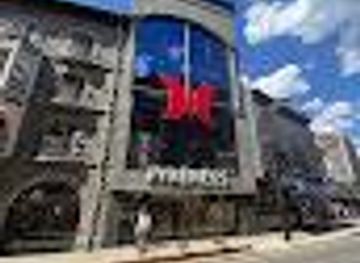
Department store
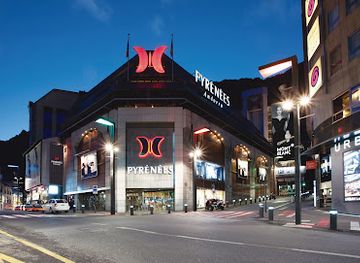
Pyrénées Andorra
Discover a world of shopping in the heart of Andorra la Vella, offering fashion, electronics, dining, and more, all under one roof.
-
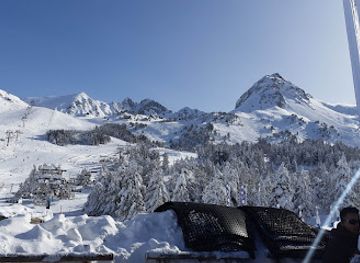
Ski resort
Grandvalira Estació de Ski Grau Roig
Experience high-altitude thrills at Grau Roig, Grandvalira. Skiing, snowboarding, and adventure await in the Andorran Pyrenees.
-
Electronics Retail and Repair Shop
Fnac Andorra
Explore tech, books, music, and more at Fnac Andorra, a cultural and retail hub in the heart of Andorra la Vella.
-
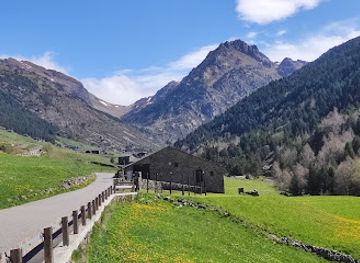
Hiking area
Vall d'Incles
Discover Vall d'Incles, Andorra's premier hiking destination, with stunning landscapes, tranquil nature, and trails for all skill levels.

Best landmarks in Grandvalira
The Port d’Envalira is one of Grandvalira’s defining geographical landmarks, forming a high mountain crossing between Andorra and France and framing the slopes around Pas de la Casa and Grau Roig. The broad upland terrain and mountain lakes of Grau Roig provide a contrasting landscape to the more developed valleys around Soldeu and El Tarter. The resort’s lift network and piste corridors are modern landmarks of Andorra’s winter-tourism economy, while the surrounding villages preserve older cultural features. In Canillo, the Romanesque church of Sant Joan de Caselles is a significant nearby heritage monument, and Encamp is associated with the historic church complex of Sant Romà de les Bons; these lie in the wider communities serving Grandvalira rather than on the ski slopes themselves. Together, the high passes, valleys, churches and resort infrastructure express the area’s relationship between mountain geography and human settlement.
-
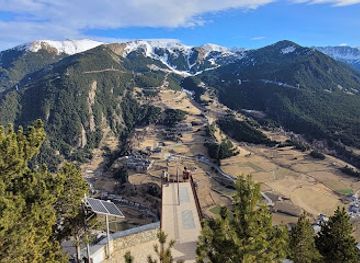
Observation deck
Mirador Roc Del Quer | Canillo
Experience breathtaking panoramic views from a suspended platform in the Andorran Pyrenees. A unique blend of nature and art.
-
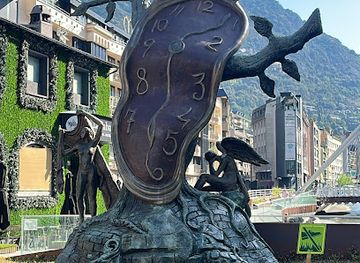
Monument
La Noblesse du temps - de Salvador Dalí
Discover Dalí's surreal masterpiece, La Noblesse du Temps, in Andorra la Vella's vibrant Plaça de la Rotonda. A symbol of time and art.
-
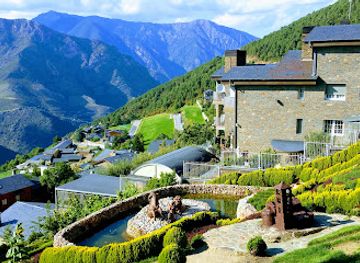
Garden
Jardins de Juberri
Discover a whimsical world where art and nature intertwine at the Jardins de Juberri in Andorra. A unique sculpture garden experience awaits!
-
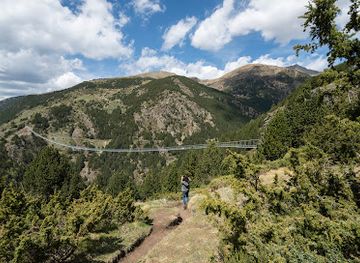
Bridge
Pont Tibetà | Canillo
Brave the heights on Europe's highest pedestrian bridge in Canillo, Andorra, offering breathtaking views and an unforgettable adventure.
Explore Grandvalira on the map
Plan your trip on one map. See where the top attractions, landmarks, restaurants and hotels are, and book hotels and experiences in a few clicks.
Best hotels in Grandvalira
Best restaurants in Grandvalira
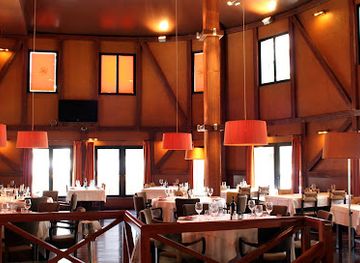
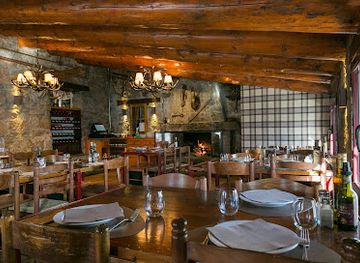
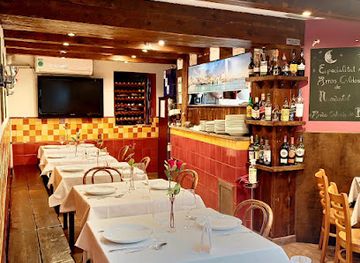
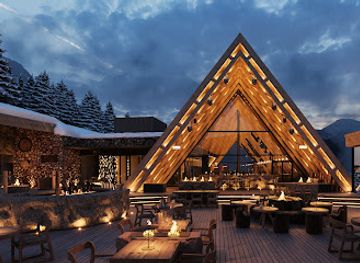
Dining in Grandvalira is organised around its ski sectors, hotels and neighbouring villages rather than a single town centre. Mountain restaurants and cafés provide practical options during the ski day, while Soldeu, El Tarter, Canillo, Encamp and Pas de la Casa offer a broader selection of hotel dining rooms, casual restaurants, bars and cafés. Menus commonly draw on Catalan and Pyrenean traditions, with hearty soups, mountain stews, grilled meats, cured products and local-style dishes suited to cold weather, alongside international food shaped by the resort’s visitors. Grau Roig has a particularly alpine, high-mountain dining context, although options there are more closely tied to the operating season and resort facilities. Visitors staying in apartments should note that full food shopping is easier in the larger settlements than at isolated lift bases.
-
Restaurant
El Refugi Alpí
Experience authentic fondue dining at El Refugi Alpí in Andorra la Vella – where tradition meets culinary excellence.
-
Restaurant
Refugi del Llac de Pessons
Discover exquisite local flavors amidst breathtaking mountain scenery at Refugi del Llac de Pessons in Grandvalira.
-
Restaurant
Arrosseria Andorra Restaurant
Experience culinary excellence at Arrosseria Andorra Restaurant – where traditional flavors meet modern elegance in Andorra la Vella.
-
Restaurant
L´Abarset
Experience culinary delights and vibrant entertainment at L'Abarset in El Tarter - your perfect destination for fun and flavor.
Best bars in Grandvalira
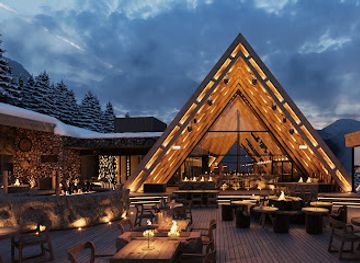
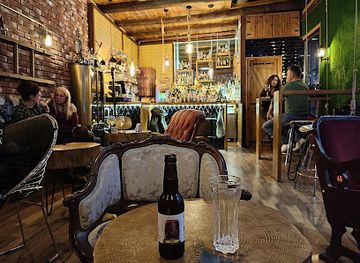
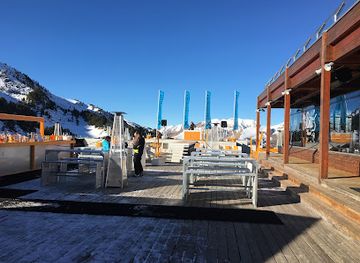
Evening life varies markedly between Grandvalira’s sectors. Pas de la Casa is the liveliest base, with a concentrated resort atmosphere, pubs and bars serving winter visitors, while Soldeu and El Tarter have a more spread-out selection connected to hotels, apartments and après-ski venues. Canillo and Encamp are generally quieter, with evenings centred on restaurants, hotel bars and local hospitality rather than a dense club scene. Après-ski activity is seasonal and can change with operating schedules, so visitors should check current venue information rather than expect every establishment to be open throughout the year. Outside the main resort bases, Grandvalira is a quiet high-mountain environment, and the evening appeal lies more in the scenery, accommodation and village atmosphere than in extensive nightlife.
-
Restaurant
L´Abarset
Discover a unique blend of dining and entertainment at L'Abarset, the ultimate destination in El Tarter for food lovers and adventure seekers.
-
Cocktail bar
Atelier by Aitor Estela
Discover Atelier by Aitor Estela, Andorra la Vella's premier cocktail bar, where mixology meets creativity in a vibrant atmosphere.
-
Restaurant
Wine and Meat Bar by Jean Leon
Discover the exquisite flavors of Andorra at the Wine and Meat Bar by Jean Leon, a must-visit restaurant in Soldeu for meat and wine enthusiasts.
-
Pub
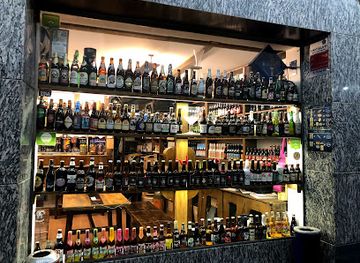
La Birreria d'Andorra
Discover the vibrant atmosphere of La Birreria d'Andorra, where beer lovers unite to enjoy a diverse selection of brews in a lively pub setting.
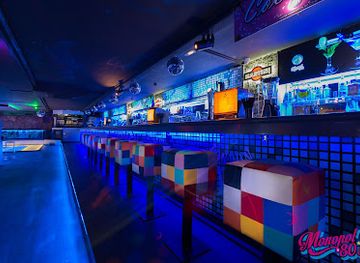
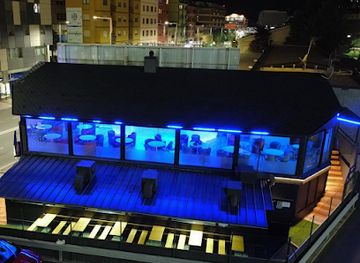
Best nightclubs in Grandvalira
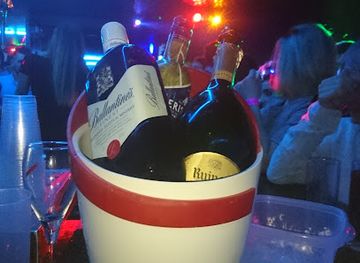
Evening life varies markedly between Grandvalira’s sectors. Pas de la Casa is the liveliest base, with a concentrated resort atmosphere, pubs and bars serving winter visitors, while Soldeu and El Tarter have a more spread-out selection connected to hotels, apartments and après-ski venues. Canillo and Encamp are generally quieter, with evenings centred on restaurants, hotel bars and local hospitality rather than a dense club scene. Après-ski activity is seasonal and can change with operating schedules, so visitors should check current venue information rather than expect every establishment to be open throughout the year. Outside the main resort bases, Grandvalira is a quiet high-mountain environment, and the evening appeal lies more in the scenery, accommodation and village atmosphere than in extensive nightlife.
-
Disco club
BILBORD NIGHTCLUB
Dance the night away at Bilbord Nightclub, the vibrant disco club in El Pas de la Casa, where unforgettable nights and electric vibes await.
-
Disco club
Klub Andorra
Discover Klub Andorra, the vibrant disco club in Andorra la Vella, where electrifying beats and a lively atmosphere create unforgettable nightlife experiences.
-
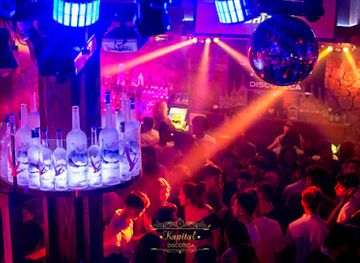
Disco club
Kapital Andorra
Experience unforgettable nights at Kapital Andorra, the ultimate disco club in Andorra la Vella, where music and fun come alive.
-
Disco club
La Bodegueta Andorra
Experience the vibrant nightlife of Andorra at La Bodegueta, where electrifying music and dancing await you in a lively disco atmosphere.
Best shops in Grandvalira
Shopping in Grandvalira is concentrated in Pas de la Casa, Soldeu, El Tarter, Canillo and Encamp, where visitors can find ski and snowboard equipment, clothing, accessories, food shops and practical supplies. Pas de la Casa has the most pronounced border-resort retail character, while the other settlements combine outdoor retailers with everyday shops and small businesses serving residents and seasonal visitors. The wider Andorran area is known for duty-conscious shopping, but prices, allowances and product availability should be checked rather than assumed. For more culturally rooted purchases, visitors can look in Andorran towns and villages for regional foods, crafts and souvenirs, although the high ski sectors are primarily practical retail environments. Independent shops and larger commercial areas are easier to reach in the lower valleys than at remote mountain bases.
-
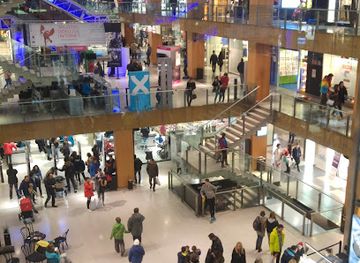
Shopping mall
Centre Comercial Illa Carlemany
Explore the ultimate shopping experience at Centre Comercial Illa Carlemany, where high-end brands meet local charm in the heart of Andorra.
-
Department store
Pyrénées Andorra
Explore shopping and dining at Pyrénées Andorra, a vibrant destination in Andorra la Vella with something for everyone.
-
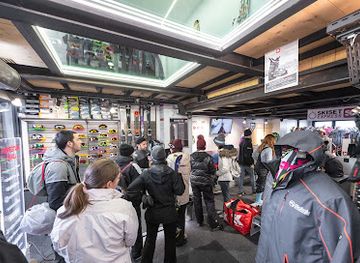
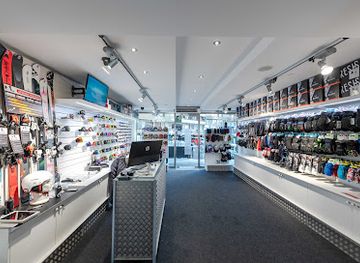
Ski rental service
Skiset Pioners
Experience the thrill of skiing in Andorra with Skiset Pioners, your go-to destination for premium ski rentals and expert advice.
-
Ski rental service
SKISET Surf Evasió II
Discover SKISET Surf Evasió II: Your ultimate ski rental destination in Pas de la Casa for adventure on the slopes.
Get your free copy of our complete guide to Grandvalira, delivered straight to you.
Everything on this page, from attractions and restaurants to essentials and local phrases, in one PDF you can read offline, print or share.
Already have an account? Sign in
Your Grandvalira guide is ready.
We'll send it to · Not you? Sign out

Getting your guide ready…
We are putting together a fresh copy of the Grandvalira guide. This can take up to a minute.
This can take a few moments. If your browser asks, choose Allow so the download can start. You'll find the guide in your Downloads folder.
Nothing happened? Download it again
Sorry, the guide is taking longer than usual. Please try again in a minute, or get it by email instead.
Grandvalira essentials
Currency and Payment
Safety
Emergency Situations
Do's and Don'ts
Local Tips
From Eve
Local phrases worth knowing
You don't need to get them perfect. A few words go a long way, and locals appreciate the effort.
Basics
| English | Local | Say it |
|---|---|---|
| Hello | Hola | [oh-la] |
| Goodbye | Adéu | [ah-deh-oo] |
| Yes | Sí | [see] |
| No | No | [no] |
| Please/You're welcome | Si us plau/De res | [see oos plow/deh res] |
| Thank you | Gràcies | [grah-syes] |
| Excuse me/Sorry | Perdona/Ho sento | [pair-doh-na/oh sehn-toh] |
| How are you? | Com estàs? | [kohm ehs-tahs] |
| Fine. And you? | Bé. I tu? | [beh/ee too] |
| Do you speak English? | Parles anglès? | [pahr-lehs ahn-glehs] |
| I don't understand | No entenc | [no ehn-tenk] |
Eating & Drinking
| English | Local | Say it |
|---|---|---|
| I'd like to see the menu, please | Voldria veure la carta, si us plau | [vohl-dree-ah veh-oo-reh lah kahr-tah/see oos plow] |
| I don't eat meat | No menjo carn | [no mehn-jo kahrn] |
| Cheers! | Salut! | [sah-loot] |
| I would like to pay, please | Voldria pagar, si us plau | [vohl-dree-ah pah-gahr/see oos plow] |
Emergencies
| English | Local | Say it |
|---|---|---|
| Help! | Ajuda! | [ah-joo-dah] |
| Go away! | Vés-te'n! | [vehs-tehn] |
| Call the Police! | Truca a la policia! | [troo-kah ah lah poh-lee-see-ah] |
| Call a doctor! | Truca a un metge! | [troo-kah ah oon mehj] |
| I'm lost | Estic perdut | [ehs-teek pehr-dooh] |
| I'm ill | Estic malalt | [ehs-teek mah-lahlt] |
Shopping
| English | Local | Say it |
|---|---|---|
| I'd like to buy... | Voldria comprar... | [vohl-dree-ah kohm-prahr] |
| I'm just looking | Només estic mirant | [noh-mehs ehs-teek mee-rahn] |
| How much is it? | Quant val? | [kwan val] |
| That's too expensive | Això és massa car | [eye-shoh ehs mah-sah kahr] |
| Can you lower the price? | Podeu baixar el preu? | [poh-deh-oo bah-shahr ehl preh-oo] |
Time & Numbers
| English | Local | Say it |
|---|---|---|
| What time is it? | Quina hora és? | [kee-nah oh-rah ehs] |
| It's one o'clock | És la una en punt | [ehs lah oo-nah ehn poont] |
| Half past (10) | Dos quarts de onze | [dohs kwahrts deh ohn-zeh] |
| Morning | Matí | [mah-teeh] |
| Afternoon | Tarda | [tahr-dah] |
| Evening | Vespre | [vehs-preh] |
| Yesterday | Ahir | [ah-eer] |
| Today | Avui | [ah-voo-ee] |
| Tomorrow | Demà | [deh-mah] |
| 1 | Un | [oon] |
| 2 | Dos | [dohs] |
| 3 | Tres | [trehs] |
| 4 | Quatre | [kwah-treh] |
| 5 | Cinc | [sink] |
| 6 | Sis | [sees] |
| 7 | Set | [seht] |
| 8 | Vuit | [bwit] |
| 9 | Nou | [noh] |
| 10 | Deu | [deh-oo] |
Transport & Directions
| English | Local | Say it |
|---|---|---|
| Where's a/the...? | On és un/el... | [ohn ehs oon/ehl] |
| What's the address? | Quina és l'adreça? | [kee-nah ehs la-dreh-sah] |
| Can you show me (on the map)? | Em pots ensenyar (al mapa)? | [ehm poh-ts ehn-sehn-yahr (ahl mah-pah)] |
| When's the next (bus)? | Quan és el proper (autobús)? | [kwan ehs ehl proh-pehr (ow-toh-boo-s)] |
| A ticket (to ....) | Un bitllet (a ....) | [oon bee-yet (ah)] |
History of Grandvalira
A High Pyrenean Border Landscape
Before the development of ski resorts, the eastern Andorran valleys were shaped by pastoralism, transhumance and movement across mountain passes linking Andorra with France and the rest of the principality. High summer pastures supported livestock, while routes over the Pyrenean watershed connected communities through terrain that was difficult to cross in winter. The landscape around the present resort sectors therefore has a longer history as a working mountain environment rather than a leisure destination. Stone buildings, traditional paths and Romanesque churches in nearby villages preserve elements of this older rural culture, although the modern ski area occupies slopes that were once used primarily for grazing and seasonal travel.
The Rise of Winter Tourism
Andorra’s ski industry expanded during the twentieth century as improved roads, tourism investment and the growing popularity of downhill skiing brought visitors into the high valleys. Pas de la Casa developed as a particularly important gateway beside the French frontier, while the Soldeu and El Tarter area gradually established its own lift-served mountain infrastructure. The opening of roads through the eastern valleys and over the Port d’Envalira made the slopes more accessible, helping seasonal tourism become a major part of the local economy. New hotels, apartments, rental businesses and ski schools altered the settlements, while pastoral land use remained part of the surrounding landscape.
The Formation of Grandvalira
Grandvalira was created in 2003 through the connection of the Pas de la Casa–Grau Roig and Soldeu–El Tarter ski domains. The merger established a large linked area under a shared identity and allowed visitors to travel between separate sectors on a single lift network, subject to the applicable pass and operating conditions. This development marked a significant stage in Andorra’s evolution as an international ski destination. The sectors retained their individual settlement patterns and local character, but the combined resort presented the eastern valleys as one extensive winter-sports landscape.
A Four-Season Mountain Economy
In the twenty-first century, Grandvalira has increasingly promoted activities beyond traditional winter skiing, including summer mountain recreation, cycling and hiking where facilities operate. The resort’s history now reflects the broader economic role of tourism in Andorra, with employment, accommodation and transport concentrated around the ski sectors and their neighbouring parishes. At the same time, the high-altitude environment requires ongoing management of snow, water, terrain and visitor pressure. Grandvalira’s contemporary character is consequently shaped by both resort infrastructure and the continued importance of protecting the Pyrenean landscape on which that infrastructure depends.
Grandvalira in Photos
Browse through our photo collection highlighting the charm and character of the destination.
Cities in Grandvalira
The towns and cities of Grandvalira, and the easiest places to base yourself.
-
-

-

-

-
-


Swipe for more cities
Neighbouring destination travel guides
The closest destinations to Grandvalira, if you have time for more than one.
-

-

-

-

-


Swipe for more destinations
Explore more

Explore more of Valira d'Orient Valley
Discover the enchanting Valira d'Orient Valley in Andorra, where natural beauty meets traditional charm, offering a perfect blend of relaxation and adventure.
Explore Valira d'Orient Valley
Explore more of Andorra
Explore Andorra: A mountain paradise offering stunning landscapes, world-class skiing, tax-free shopping, and rich cultural experiences in the heart of the Pyrenees.
Explore Andorra