

La Cortinada Travel Guide - Free Web & App
Your ultimate guide to La Cortinada. Discover top landmarks, proposed trips, and local tips. Free on the web or via the Evendo companion app.


La Cortinada, Andorra, combines Romanesque heritage, mountain walks, golf, pastoral scenery and access to Ordino’s cultural landscapes and nature trails.
Mountain Village and Valley Landscape
La Cortinada is a small settlement in the parish of Ordino, in northern Andorra, set along the wooded valley of the Valira del Nord. Rather than a self-contained resort, it is a quiet mountain village of traditional stone houses, meadows and steep forested slopes, with the road continuing towards Arans, Llorts and the higher valleys. Its setting gives visitors a more rural impression of Andorra than the busy commercial centres in the south, while the parish capital of Ordino is close enough to serve as a practical base for museums, restaurants and everyday services.Read more about La Cortinada
Romanesque and Rural Heritage
Walking, Golf and Parish Exploration
Getting to and around La Cortinada
How to get there
Transportation
Best attractions in La Cortinada
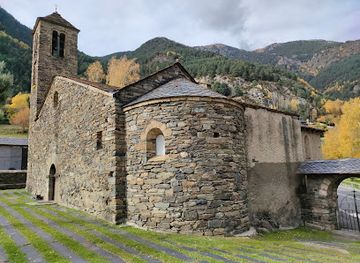
The principal attraction in La Cortinada is Sant Martí de la Cortinada, a Romanesque church with medieval paintings and historic furnishings that demonstrate the artistic importance of Andorra’s mountain parishes. The nearby traditional house of Cal Pal adds a domestic and agricultural perspective, while the Vall d’Ordino Golf course occupies a pastoral setting beside the village. Walkers can follow local paths through meadows and woodland or travel farther along the valley towards Llorts, where the Iron Route interprets Andorra’s former iron industry. Ordino, a short distance away, contributes museums, historic streets and cultural institutions, while the higher road leads towards the landscapes of Sorteny Valley Nature Park, which lies beyond La Cortinada rather than within the village itself. Together, these sites create a compact introduction to the Ordino parish’s Romanesque heritage, rural architecture, industrial history and mountain environment.
-
Department store
Pyrénées Andorra
Discover a wide selection of fashion, electronics, and more at duty-free prices in the heart of Andorra la Vella.
-
Tourist attraction
Sanctuary Basilica of Our Lady of Meritxell
Discover Andorra's spiritual heart at the Sanctuary Basilica of Our Lady of Meritxell, a blend of modern architecture and ancient tradition.
-
Castle
Château de Montségur
Explore the ruins of Château de Montségur, a historic Cathar fortress with breathtaking Pyrenean views, in the heart of the Ariège, France.
-
Electronics Retail and Repair Shop
Fnac Andorra
Explore the latest tech, books, and entertainment at Fnac Andorra, a premier retail destination in the heart of Andorra la Vella.



Best landmarks in La Cortinada
Sant Martí de la Cortinada is La Cortinada’s defining landmark, an Andorran Romanesque church whose medieval decoration and later alterations make it important both architecturally and culturally. Cal Pal is another significant building: its traditional form and historical association with farming illustrate the social organisation of an Andorran mountain household. The Valira del Nord and the steep wooded slopes around the settlement form the village’s principal natural landmarks, framing the narrow valley in which agriculture, roads and historic buildings developed. Farther north, the ironworking remains and interpretation at Llorts belong to the same wider Ordino cultural landscape, while Sorteny Valley’s high mountain scenery is a nearby but separate protected destination. The contrast between parish church, rural house, river corridor and upland terrain gives La Cortinada an unusually concentrated expression of northern Andorra’s heritage.
-
Observation deck
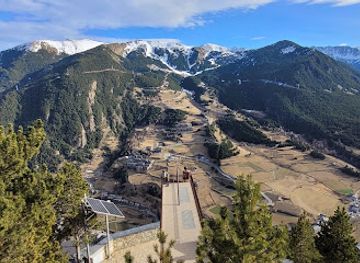
Mirador Roc Del Quer | Canillo
Experience breathtaking panoramic views from a suspended platform in the Andorran Pyrenees. A unique blend of nature and art.
-
Monument
La Noblesse du temps - de Salvador Dalí
Discover Dalí's surreal sculpture, La Noblesse du Temps, in Andorra la Vella's central square, a captivating blend of art and stunning mountain views.
-
Local history museum
Casa d'Areny-Plandolit
Explore Andorra's only stately home, Casa d'Areny-Plandolit, and discover the life of Andorran nobility in the heart of Ordino. A journey through history awaits!
-
Catholic church
Església de Sant Martí de la Cortinada
Discover the Romanesque beauty of Església de Sant Martí de la Cortinada in Andorra, a cultural treasure in a serene village setting.
Explore La Cortinada on the map
Plan your trip on one map. See where the top attractions, landmarks, restaurants and hotels are, and book hotels and experiences in a few clicks.
Best hotels in La Cortinada
Best restaurants in La Cortinada
La Cortinada has a limited dining scene appropriate to its small village scale, with eating options generally connected to accommodation, the golf course or nearby rural businesses rather than a concentrated restaurant district. Visitors can find a broader choice in Ordino and La Massana, where traditional mountain cooking and contemporary Andorran menus draw on ingredients such as cured meats, cheeses, seasonal vegetables and hearty stews. The wider parish is associated with the cuisine of the Pyrenees, including dishes based on pork, game where offered, potatoes and preserved produce, although menus vary by establishment. Village cafés, hotel restaurants and country-style dining rooms are useful for walkers and drivers exploring the valley, while self-catering visitors should buy provisions in larger settlements before heading towards the higher roads and trails.
-
Argentinian
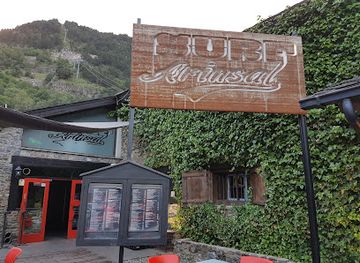
SURF ARINSAL- RESTAURANT & DISCOTECA
Discover Surf Arinsal: Authentic Argentinian cuisine amidst breathtaking mountain views in Arinsal.
-
Grill
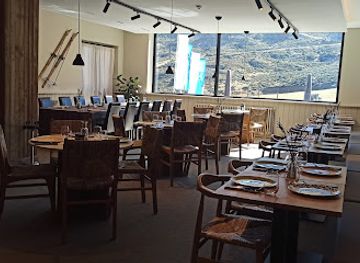
Restaurant la Borda de la Coma
Experience delicious grilled dishes amidst breathtaking mountain views at Restaurant la Borda de la Coma in Ordino Arcalís.
-
Restaurant
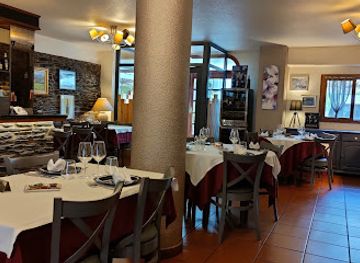
RESTAURANT BORDA L' ERA DEL ROSSELL
Experience authentic Andorran cuisine at Restaurant Borda L' Era Del Rossell near Santuario de Meritxell - where tradition meets taste.
-
Restaurant
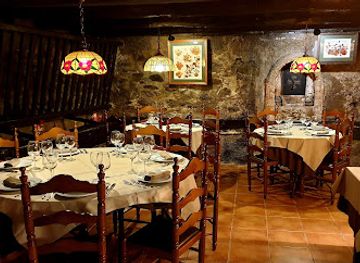
Borda Xicoies (Antiga Raubert)
Discover Borda Xicoies: A culinary gem in La Massana offering authentic Andorran flavors in a rustic setting amidst stunning mountain views.
Best bars in La Cortinada
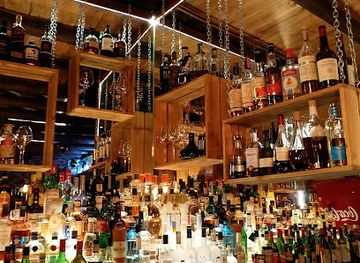
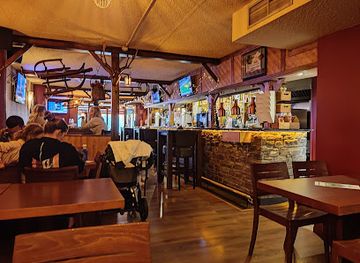
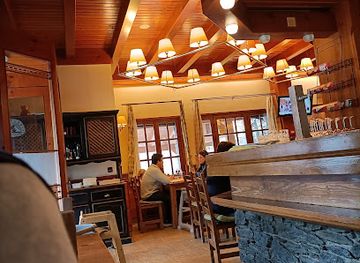
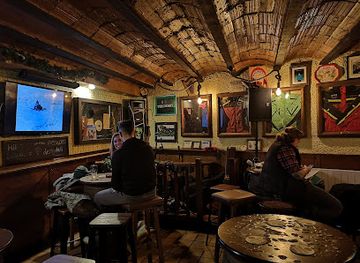
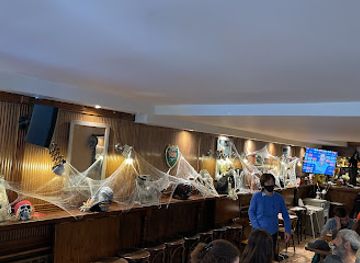
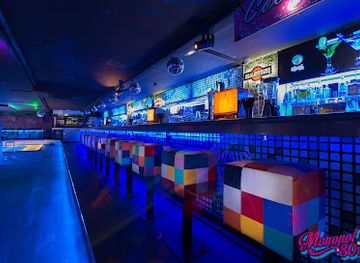
La Cortinada does not have a significant nightclub or late-night entertainment scene. Evenings are generally quiet, centred on the restaurants, accommodation venues and occasional village hospitality available in the Ordino valley. Traditional bars and hotel lounges in Ordino or La Massana provide more dependable settings for a drink, conversation or a relaxed meal, while Andorra la Vella offers the country’s broadest choice of bars and nightlife for those prepared to travel farther. In La Cortinada, the appeal after dark is the calm of a mountain settlement rather than organised entertainment; illuminated roads, seasonal weather and rural surroundings also mean that evening walks should be approached cautiously and not treated as a substitute for formal nightlife.
-
Cocktail bar
Atelier by Aitor Estela
Discover the vibrant cocktail culture at Atelier by Aitor Estela in Andorra la Vella, where expert mixology meets a stylish atmosphere.
-
English
Hunters Sports Bar & Grill
Experience the vibrant atmosphere and delicious English cuisine at Hunters Sports Bar & Grill in Arinsal, perfect for unwinding after a day of adventure.
-
Restaurant
Restaurant Font Blanca
Experience the authentic flavors of Andorra at Restaurant Font Blanca, where local ingredients and warm hospitality create an unforgettable dining experience.
-
Irish pub
THE DERBY IRISH PUB
Discover the heart of Irish culture at The Derby Irish Pub in La Massana, offering a cozy atmosphere, delicious food, and a great selection of drinks.
Best nightclubs in La Cortinada
La Cortinada does not have a significant nightclub or late-night entertainment scene. Evenings are generally quiet, centred on the restaurants, accommodation venues and occasional village hospitality available in the Ordino valley. Traditional bars and hotel lounges in Ordino or La Massana provide more dependable settings for a drink, conversation or a relaxed meal, while Andorra la Vella offers the country’s broadest choice of bars and nightlife for those prepared to travel farther. In La Cortinada, the appeal after dark is the calm of a mountain settlement rather than organised entertainment; illuminated roads, seasonal weather and rural surroundings also mean that evening walks should be approached cautiously and not treated as a substitute for formal nightlife.
-
Bar
El Traguet I Mes
Experience the vibrant culinary scene of Ordino at El Traguet I Mes, where delicious tapas and local drinks await in a cozy atmosphere.
-
Disco club
BILBORD NIGHTCLUB
Discover the electrifying nightlife at Bilbord Nightclub, the ultimate disco club experience in El Pas de la Casa, Andorra.
-
Lounge
1001 Lounge Club
Discover the vibrant nightlife at 1001 Lounge Club, offering exquisite cocktails and breathtaking views in Andorra la Vella.
-
Disco club
Klub Andorra
Discover the electrifying nightlife at Klub Andorra, the ultimate disco club in Andorra la Vella, where unforgettable nights await.


Best shops in La Cortinada
Shopping in La Cortinada is limited and primarily practical, so visitors seeking local food, gifts or outdoor supplies will find more choice in Ordino, La Massana and Andorra’s larger commercial centres. The most fitting purchases associated with the area are regional cheeses, cured meats, preserves and other Pyrenean food products, together with locally made crafts or artwork when offered by individual businesses. Traditional architecture and the Iron Route provide context for textiles, woodwork and metalwork elsewhere in Andorra, although visitors should distinguish established local production from generic souvenirs. Village and parish shops may have seasonal or modest opening arrangements, making it sensible to buy essentials before heading into the higher Ordino valley. There is no extensive shopping street or permanent market in La Cortinada itself.
-
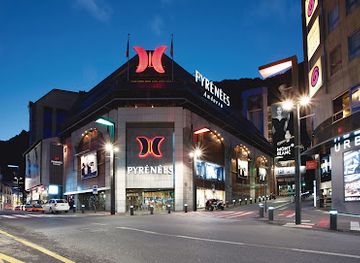
Department store
Pyrénées Andorra
Discover a shopping haven at Pyrénées Andorra, where retail meets culinary delights in the heart of Andorra la Vella.
-
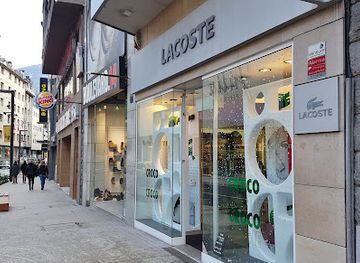
Clothing store
Lacoste Andorra
Experience luxury shopping at Lacoste Andorra, where high-quality fashion meets the stunning backdrop of Andorra la Vella.
-
Clothing store
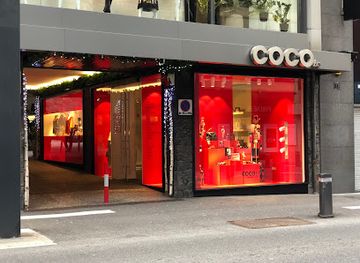
Coco Bis
Discover a stylish selection of clothing at Coco Bis, Andorra la Vella's premier fashion destination for discerning shoppers.
-
Organic shop
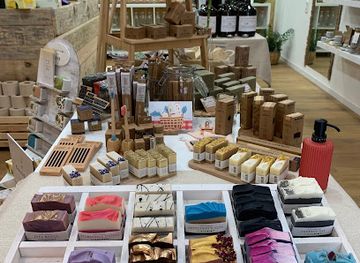
Meraki Zero Waste Shop
Explore Meraki Zero Waste Shop in Andorra la Vella for an eco-friendly shopping experience with a wide range of organic and sustainable products.
Get your free copy of our complete guide to La Cortinada, delivered straight to you.
Everything on this page, from attractions and restaurants to essentials and local phrases, in one PDF you can read offline, print or share.
Already have an account? Sign in
Your La Cortinada guide is ready.
We'll send it to · Not you? Sign out

Getting your guide ready…
We are putting together a fresh copy of the La Cortinada guide. This can take up to a minute.
This can take a few moments. If your browser asks, choose Allow so the download can start. You'll find the guide in your Downloads folder.
Nothing happened? Download it again
Sorry, the guide is taking longer than usual. Please try again in a minute, or get it by email instead.
La Cortinada essentials
Currency and Payment
Safety
Emergency Situations
Do's and Don'ts
Local Tips
From Eve
Local phrases worth knowing
You don't need to get them perfect. A few words go a long way, and locals appreciate the effort.
Basics
| English | Local | Say it |
|---|---|---|
| Hello | Hola | [oh-lah] |
| Goodbye | Adéu | [ah-deh-oo] |
| Yes | Sí | [see] |
| No | No | [noh] |
| Please/You're welcome | Si us plau/De res | [see oos plow/deh res] |
| Thank you | Gràcies | [grah-syes] |
| Excuse me/Sorry | Perdó/Ho sento | [pair-doh/oh sehn-toh] |
| How are you? | Com estàs? | [kom ehs-tahs] |
| Fine. And you? | Bé. I tu? | [behh/ee too] |
| Do you speak English? | Parles anglès? | [pahr-lehs ahn-glehs] |
| I don't understand | No entenc | [noh ehn-tenk] |
Eating & Drinking
| English | Local | Say it |
|---|---|---|
| I'd like to see the menu, please | Voldria veure la carta, si us plau | [vohl-dree-ah veh-oo-reh lah kahr-tah/see oos plow] |
| I don't eat meat | No menjo carn | [noh mehn-hoh kahrn] |
| Cheers! | Salut! | [sah-loot] |
| I would like to pay, please | Voldria pagar, si us plau | [vohl-dree-ah pah-gahr/see oos plow] |
Emergencies
| English | Local | Say it |
|---|---|---|
| Help! | Ajuda! | [ah-hoo-dah] |
| Go away! | Vés-te'n! | [vehs-tehn] |
| Call the Police! | Truca la policia! | [troo-kah lah poh-lee-see-ah] |
| Call a doctor! | Truca un metge! | [troo-kah oon meh-tgeh] |
| I'm lost | Estic perdut/perduda | [ehs-teek pair-dooh/ pair-doo-dah] |
| I'm ill | Estic malalt/malalta | [ehs-teek mah-lahlt/ mah-lahlt-ah] |
Shopping
| English | Local | Say it |
|---|---|---|
| I'd like to buy... | Voldria comprar... | [vohl-dree-ah kohm-prahr] |
| I'm just looking | Només estic mirant | [noh-mehs ehs-teek mee-rahn] |
| How much is it? | Quant val? | [kwahnt vahl] |
| That's too expensive | Això és massa car | [eye-shoh ehs mah-sah kahr] |
| Can you lower the price? | Pots baixar el preu? | [pohts bai-shahr ehl preh-oo] |
Time & Numbers
| English | Local | Say it |
|---|---|---|
| What time is it? | Quina hora és? | [kee-nah oh-rah ehs] |
| It's one o'clock | És la una | [ehs lah oo-nah] |
| Half past (10) | Dos quarts de onze | [dohs kwahrts deh ohn-zeh] |
| Morning | Matí | [mah-tee] |
| Afternoon | Tarda | [tahr-dah] |
| Evening | Vespre | [veh-spreh] |
| Yesterday | Ahir | [ah-eer] |
| Today | Avui | [ah-voo-ee] |
| Tomorrow | Demà | [deh-mah] |
| 1 | Un | [oon] |
| 2 | Dos | [dohs] |
| 3 | Tres | [trehs] |
| 4 | Quatre | [kwah-truh] |
| 5 | Cinc | [sink] |
| 6 | Sis | [sees] |
| 7 | Set | [seht] |
| 8 | Vuit | [vweet] |
| 9 | Nou | [noh] |
| 10 | Deu | [deh-oo] |
Transport & Directions
| English | Local | Say it |
|---|---|---|
| Where's a/the...? | On és un/el...? | [ohn ehs oon/ehl] |
| What's the address? | Quina és l'adreça? | [kee-nah ehs lah-dreh-sah] |
| Can you show me (on the map)? | Em pots ensenyar (al mapa)? | [ehm pohts ehn-sehn-yahr/ ahl mah-pah] |
| When's the next (bus)? | Quan és el proper (autobús)? | [kwahn ehs ehl proh-pehr/ aow-toh-boos] |
| A ticket (to ....) | Un bitllet (a ....) | [oon bee-tlyet/ah] |
History of La Cortinada
A Pyrenean Valley Shaped by Ice and Water
La Cortinada occupies a high Pyrenean valley whose present form reflects long-term glacial erosion, steep slopes and the action of the Valira del Nord and its tributaries. The narrow valley floor left little room for settlement, so traditional communities developed a dispersed pattern of houses, small fields, orchards and pasture. This physical setting remains central to the village’s character: the road and river corridor connect the settlements, while wooded slopes and higher grazing land rise immediately around them.
Medieval Settlement and Sant Martí
The history of La Cortinada is closely associated with Sant Martí de la Cortinada, a Romanesque church dating from the medieval period. Its surviving architecture, wall paintings and later furnishings reflect the way religious buildings were adapted as local communities developed. The church stands within a wider cultural landscape of small settlements and agricultural land, showing how medieval Andorran life was organised around parish institutions, mountain farming and close-knit valley communities rather than large urban centres.
Agriculture, Houses and Mountain Society
For centuries, families in the Ordino valley combined livestock keeping, cultivation and the careful use of woodland with seasonal movement between lower homes and higher pastures. Historic houses such as Cal Pal preserve evidence of this rural society, in which buildings served domestic, agricultural and social purposes. Stone construction, timber elements and the organisation of fields around the village reveal the practical adaptation of communities to a short growing season, difficult transport and a steep mountain environment.
Ironworking and the Changing Valley Economy
From the seventeenth to the nineteenth centuries, ironworking became an important activity in Andorra, drawing on local ore, charcoal from forests and water power. The Ordino valley formed part of this wider industry, with the ironworks at Llorts now interpreted through the Iron Route. Although La Cortinada itself is primarily remembered for its church and rural heritage, the industrial landscape around it demonstrates how forests, streams, mines and transport routes were integrated into the mountain economy before iron production declined.
Heritage Conservation and Modern Tourism
During the twentieth century, Andorra’s economy shifted from subsistence agriculture and small industries towards services, tourism and cross-border commerce. Villages such as La Cortinada retained their historic buildings while the valley developed roads, visitor facilities and recreational opportunities. Conservation of Romanesque churches, traditional houses and industrial remains now forms an important part of Ordino’s cultural tourism. The surrounding mountain landscape is also managed through protected areas and outdoor recreation, balancing visitor access with the preservation of fragile habitats and rural character.
La Cortinada in Photos
Browse through our photo collection highlighting the charm and character of the destination.
Cities in La Cortinada
The towns and cities of La Cortinada, and the easiest places to base yourself.
-
-

-

-

-
-


Swipe for more cities
Neighbouring destination travel guides
The closest destinations to La Cortinada, if you have time for more than one.
-

-

-

-

-


Swipe for more destinations
Explore more

Explore more of Valira del Nord Valley
Discover the breathtaking beauty of Valira del Nord Valley in Andorra, where stunning landscapes, outdoor adventures, and rich culture await in a serene alpine setting.
Explore Valira del Nord Valley
Explore more of Andorra
Explore Andorra: A mountain paradise offering stunning landscapes, world-class skiing, tax-free shopping, and rich cultural experiences in the heart of the Pyrenees.
Explore Andorra