

Free Valira d'Orient Valley Travel Guide & Mobile App
Explore Valira d'Orient Valley with free travel guides. Discover regional history, expert tips, proposed trips, and audio guides on web or mobile app.


Discover the enchanting Valira d'Orient Valley in Andorra, where natural beauty meets traditional charm, offering a perfect blend of relaxation and adventure.
Read more about Valira d'Orient Valley
When is the best time to visit Valira d'Orient Valley?
Best: June–August · 22–25°C| Month | High (°C) | Rainfall (mm) |
|---|---|---|
| January | 6 | 35 |
| February | 8 | 30 |
| March | 10 | 35 |
| April | 14 | 40 |
| May | 18 | 45 |
| June (best) | 22 | 40 |
| July (best) | 25 | 35 |
| August (best) | 24 | 40 |
| September | 21 | 45 |
| October | 16 | 40 |
| November | 10 | 35 |
| December | 7 | 40 |
Getting to and around Valira d'Orient Valley
How to get there
Transportation
Top city travel guides in Valira d'Orient Valley
The cities of Valira d'Orient Valley, and the easiest places to base yourself.
-
-

-

-

-
-


Swipe for more cities
Destinations in Valira d'Orient Valley
Resorts, valleys and scenic spots worth a trip of their own.
-

-

-

-

-

-


Swipe for more destinations
Best attractions in Valira d'Orient Valley
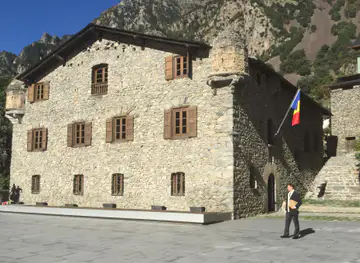
Nestled in the picturesque Pyrenees, the Valira d'Orient Valley in Andorra offers an enchanting blend of natural beauty and cultural heritage that will captivate any visitor. Explore the charming, medieval village of Ordino with its cobblestone streets and historic architecture, or take a scenic hike through the lush, verdant forests that blanket the valley, offering breathtaking views and a chance to spot local wildlife. For history enthusiasts, the Romanesque Sant Corneli i Sant Cebrià Church in Ordino and the Casa de la Vall in Andorra la Vella provide fascinating glimpses into the region's rich past. Outdoor adventurers can enjoy skiing in the winter months at the nearby Vallnord ski resort, while summer brings opportunities for mountain biking and rock climbing. The valley is also dotted with quaint cafes and local markets where you can savor traditional Andorran cuisine and crafts. Whether you’re seeking relaxation, adventure, or a journey back in time, the Valira d'Orient Valley promises an unforgettable experience.
-
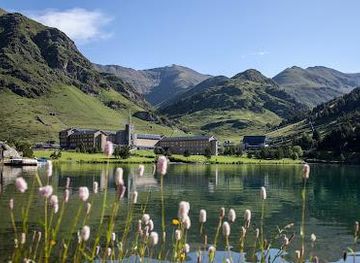
Estació de muntanya Vall de Núria
Discover Vall de Núria: A car-free Pyrenean paradise offering skiing, hiking, and a historic sanctuary, accessible only by rack railway.
-
Observation deck
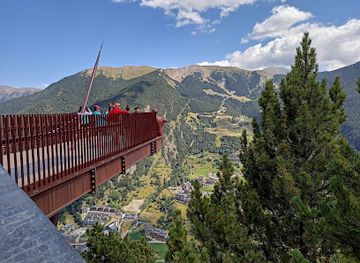
Mirador Roc Del Quer | Canillo
Experience breathtaking panoramic views from a suspended platform in the Andorran Pyrenees; a unique blend of nature and art at Mirador Roc del Quer.
-
Ski resort
Grandvalira
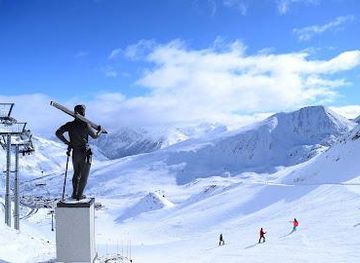
Experience the thrill of the Pyrenees at Grandvalira, Andorra's premier ski resort, offering endless slopes and winter adventures for all levels.
-
Ski resort
Grandvalira Estació de Ski Grau Roig
Experience world-class skiing and snowboarding in the Andorran Pyrenees at Grandvalira Estació de Ski Grau Roig, a haven for winter sports and stunning scenery.


Best landmarks in Valira d'Orient Valley
Nestled within the dramatic Pyrenees, the Valira d'Orient Valley in Andorra is a treasure trove of both natural and historical marvels. Visitors can explore the Romanesque architecture of Sant Joan de Caselles Church, with its medieval frescoes and bell tower, or wander through the charming village of Encamp, where the National Automobile Museum showcases vintage cars that narrate the evolution of motor travel. For those seeking panoramic vistas, the Engolasters Lake is a serene spot surrounded by lush forests, perfect for hiking and picnics. The valley is also home to the Caldea Spa, Europe's largest health spa, offering rejuvenating thermal waters amidst stunning mountainous scenery. Each landmark in the Valira d'Orient Valley provides a unique glimpse into Andorra’s rich tapestry of culture, history, and natural beauty.
-
Observation deck
Mirador Roc Del Quer | Canillo
Experience breathtaking panoramic views from a suspended platform in the Andorran Pyrenees; a unique blend of nature and art at this must-see location.
-
Ski resort
Grandvalira
Experience the best of winter in Grandvalira, the largest ski resort in the Pyrenees, with slopes for all levels and stunning mountain scenery.
-
Monument
La Noblesse du temps - de Salvador Dalí
Discover Dalí's surreal masterpiece in Andorra la Vella: a melting clock that embodies the fluidity of time and the beauty of the Andorran landscape.
-
Park
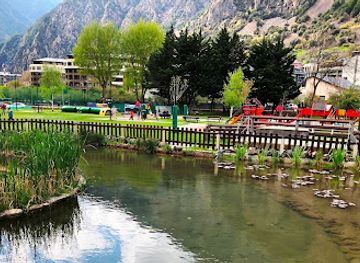
Parc Central
Escape to Andorra la Vella's largest park: a green oasis with art, playgrounds, and tranquil paths in the city center.
Explore Valira d'Orient Valley on the map
Plan your trip on one map. See where the top cities, national parks and sights are, and book hotels and experiences in a few clicks.
Best hotels in Valira d'Orient Valley
Best restaurants in Valira d'Orient Valley
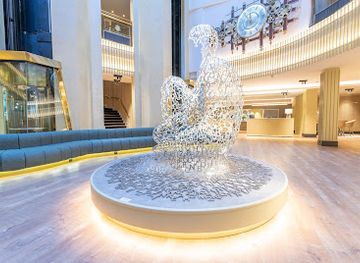
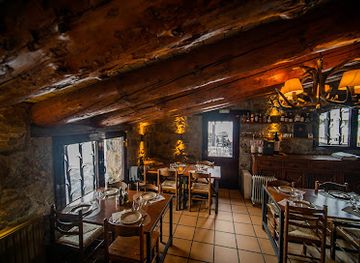
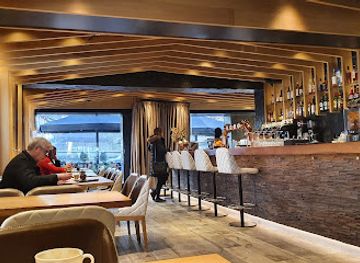
Nestled in the heart of the Pyrenees, the Valira d'Orient Valley in Andorra offers a vibrant and diverse dining scene that seamlessly blends traditional Catalan flavors with modern culinary innovation. Visitors can expect to savor hearty mountain cuisine, featuring locally sourced ingredients such as wild game, fresh trout, and artisanal cheeses, in rustic stone taverns that echo with centuries of history. For those seeking a more contemporary experience, chic bistros and fine dining establishments provide elegantly plated dishes that celebrate the region's rich gastronomic heritage with a contemporary twist. The valley is also home to cozy cafes serving up delicious pastries and aromatic coffee, perfect for a leisurely afternoon break. Whether you're indulging in a multi-course meal at a Michelin-starred restaurant or enjoying a casual bite at a family-owned eatery, the dining options in Valira d'Orient Valley promise to delight every palate and create unforgettable culinary memories.
-
Restaurant
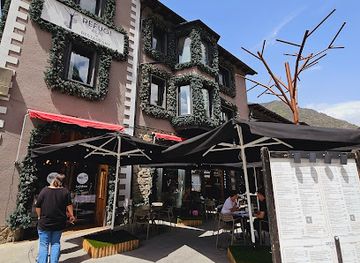
El Refugi Alpí
Experience authentic fondue at El Refugi Alpí, where traditional flavors meet stunning mountain views in Andorra la Vella.
-
Restaurant
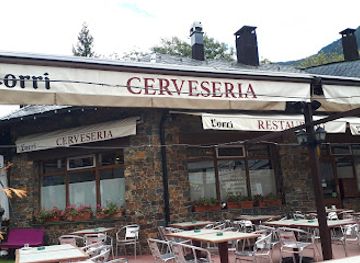
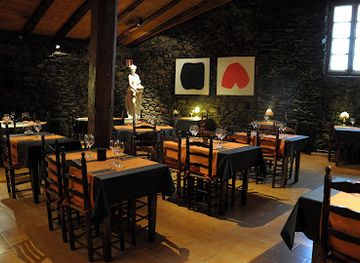
Restaurant L'Orri
Discover the culinary treasures of Andorra at Restaurant L'Orri – where local flavors meet international cuisine in a cozy setting.
-
Restaurant
RESTAURANT BORDA DEL TREMAT
Experience authentic Andorran cuisine at Borda del Tremat - a cozy gem in Encamp with traditional dishes and warm hospitality.
-
Restaurant
Borda Vella
Discover Borda Vella in Encamp: an exquisite brasserie offering authentic local cuisine and an inviting atmosphere perfect for all travelers.

Best bars in Valira d'Orient Valley
Valira d'Orient Valley in Andorra offers a captivating nightlife scene that seamlessly blends the charm of traditional Andorran culture with modern entertainment. Visitors can immerse themselves in lively bars and sophisticated nightclubs, where the atmosphere ranges from cozy, rustic taverns serving locally brewed beers to high-energy dance floors pulsating with the latest international beats. The valley's unique location means that many venues offer stunning panoramic views of the surrounding Pyrenees, adding a magical backdrop to your evening. Live music is a staple in many establishments, featuring everything from local folk bands to international DJs, ensuring that there's something to suit every taste. Whether you're looking to unwind with a cocktail by the fireplace or dance the night away under the stars, Valira d'Orient Valley promises an unforgettable nightlife experience.
-
Hotel
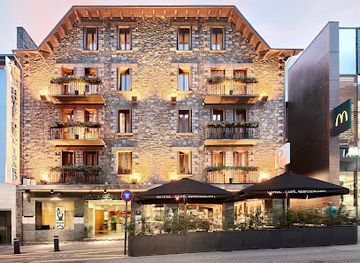
Hotel de l'Isard
Experience the charm and comfort of Hotel de l'Isard, your gateway to the cultural and natural wonders of Andorra la Vella.
-
Hotel
Grand Plaza Hotel & Wellness
Discover opulence and relaxation at the Grand Plaza Hotel & Wellness, your luxurious retreat in the heart of Andorra la Vella.
-
Restaurant
Refugi del Llac de Pessons
Experience the breathtaking beauty and delicious local cuisine at Refugi del Llac de Pessons, an alpine dining oasis in Andorra.
-
Restaurant
Restaurant Cafè l´Isard
Discover the culinary delights of Cafè l'Isard in Andorra la Vella, offering exquisite dining, vibrant cocktails, and a cozy atmosphere.
Best nightclubs in Valira d'Orient Valley
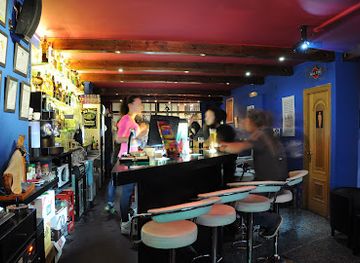
Valira d'Orient Valley in Andorra offers a captivating nightlife scene that seamlessly blends the charm of traditional Andorran culture with modern entertainment. Visitors can immerse themselves in lively bars and sophisticated nightclubs, where the atmosphere ranges from cozy, rustic taverns serving locally brewed beers to high-energy dance floors pulsating with the latest international beats. The valley's unique location means that many venues offer stunning panoramic views of the surrounding Pyrenees, adding a magical backdrop to your evening. Live music is a staple in many establishments, featuring everything from local folk bands to international DJs, ensuring that there's something to suit every taste. Whether you're looking to unwind with a cocktail by the fireplace or dance the night away under the stars, Valira d'Orient Valley promises an unforgettable nightlife experience.
-
Cocktail bar
EL RANA Bar Cocktail
Experience the vibrant nightlife of Andorra la Vella at EL RANA Bar Cocktail, where delightful drinks and live music create unforgettable memories.
-
Disco club
BILBORD NIGHTCLUB
Discover the electrifying atmosphere of Bilbord Nightclub in El Pas de la Casa, a must-visit destination for nightlife enthusiasts seeking unforgettable dance experiences.
-
Lounge
1001 Lounge Club
Experience breathtaking views and crafted cocktails at 1001 Lounge Club, the perfect retreat in Andorra la Vella.
-
Disco club
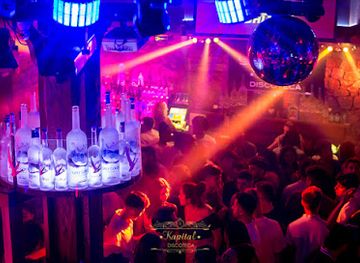
Kapital Andorra
Discover the vibrant nightlife of Andorra la Vella at Kapital, the ultimate disco club for an unforgettable party experience.

Best shops in Valira d'Orient Valley
Valira d'Orient Valley in Andorra offers an eclectic shopping experience, blending the old-world charm of quaint, family-run boutiques with the allure of modern, high-end stores. As you meander through its cobblestoned streets, you'll discover artisanal shops brimming with locally crafted goods, from intricate handmade jewelry to exquisite Pyrenean textiles. The valley's vibrant marketplaces are a treasure trove for those seeking unique souvenirs, gourmet food products, and traditional Andorran crafts. For the fashion-forward, the area also boasts a selection of chic clothing stores and international brands, ensuring a delightful shopping spree against the backdrop of stunning mountain scenery.
-
Shopping mall
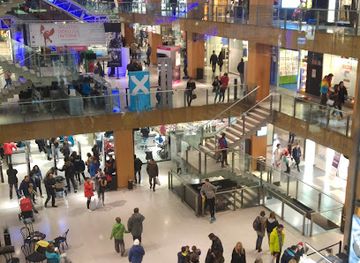
Centre Comercial Illa Carlemany
Discover the ultimate shopping experience at Centre Comercial Illa Carlemany, where top brands and local boutiques meet stunning Andorran views.
-
Department store
Pyrénées Andorra
Experience shopping, dining, and leisure all in one place at Pyrénées Andorra, the ultimate destination for tourists in Andorra la Vella.
-
Department store
Pyrénées Andorra
Discover the best of Andorra at Pyrénées Andorra - a shopping, dining, and leisure haven in the heart of the Pyrenees.
-
Shopping mall
CCA Centre Comercial Andorrà - Super U
Explore the vibrant CCA Centre Comercial Andorrà - Super U, a shopping paradise in Andorra la Vella with diverse shops, dining, and family-friendly entertainment.

Get your free copy of our complete guide to Valira d'Orient Valley, delivered straight to you.
Everything on this page, from attractions and restaurants to essentials and local phrases, in one PDF you can read offline, print or share.
Already have an account? Sign in
Your Valira d'Orient Valley guide is ready.
We'll send it to · Not you? Sign out

Getting your guide ready…
We are putting together a fresh copy of the Valira d'Orient Valley guide. This can take up to a minute.
This can take a few moments. If your browser asks, choose Allow so the download can start. You'll find the guide in your Downloads folder.
Nothing happened? Download it again
Sorry, the guide is taking longer than usual. Please try again in a minute, or get it by email instead.
Valira d'Orient Valley essentials
Currency and Payment
Safety
Emergency Situations
Do's and Don'ts
Local Tips
From Eve
Local phrases worth knowing
You don't need to get them perfect. A few words go a long way, and locals appreciate the effort.
Basics
| English | Local | Say it |
|---|---|---|
| Hello | Hola | [oh-lah] |
| Goodbye | Adéu | [ah-deh-oo] |
| Yes | Sí | [see] |
| No | No | [noh] |
| Please/You're welcome | Si us plau | [see oos plow] |
| Thank you | Gràcies | [grah-syess] |
| Excuse me/Sorry | Perdó | [pehr-doh] |
| How are you? | Com estàs? | [kohm eh-stahs] |
| Fine. And you? | Bé. I tu? | [beh. ee too] |
| Do you speak English? | Parles anglès? | [par-les ahn-glehs] |
| I don't understand | No entenc | [noh en-tengk] |
Eating & Drinking
| English | Local | Say it |
|---|---|---|
| I'd like to see the menu, please | M'agradaria veure el menú, si us plau | [mah-grah-dee-ah veh-oo-reh el meh-noo, see oos plow] |
| I don't eat meat | No menjo carn | [noh men-hoh karn] |
| Cheers! | Salut! | [sah-loot] |
| I would like to pay, please | M'agradaria pagar, si us plau | [mah-grah-dee-ah pah-gahr, see oos plow] |
Emergencies
| English | Local | Say it |
|---|---|---|
| Help! | Ajuda! | [ah-joo-dah] |
| Go away! | Vés-te'n! | [vehs-tehn] |
| Call the Police! | Truca la policia! | [troo-kah lah poh-lee-see-ah] |
| Call a doctor! | Truca un metge! | [troo-kah oon met-heh] |
| I'm lost | Estic perdut | [es-teek pehr-dood] |
| I'm ill | Estic malalt | [es-teek mah-lahlt] |
Shopping
| English | Local | Say it |
|---|---|---|
| I'd like to buy... | M'agradaria comprar... | [mah-grah-dee-ah kohm-prahr] |
| I'm just looking | Només miro | [noh-mes mee-roh] |
| How much is it? | Quant costa? | [kwant koh-stah] |
| That's too expensive | És massa car | [es mah-sah kahr] |
| Can you lower the price? | Pots rebaixar el preu? | [pots reh-bye-shahr el preh-oo] |
Time & Numbers
| English | Local | Say it |
|---|---|---|
| What time is it? | Quina hora és? | [kee-nah oh-rah es] |
| It's one o'clock | És l'una | [es loo-nah] |
| Half past (10) | Dos quarts de (10) | [dohs kwarts deh (diez)] |
| Morning | Matí | [mah-tee] |
| Afternoon | Tarda | [tahr-dah] |
| Evening | Vespre | [ves-preh] |
| Yesterday | Ahir | [ah-eer] |
| Today | Avui | [ah-voo-ee] |
| Tomorrow | Demà | [deh-mah] |
| 1 | 1 | [oon] |
| 2 | 2 | [dohs] |
| 3 | 3 | [treh] |
| 4 | 4 | [kwat-reh] |
| 5 | 5 | [sink] |
| 6 | 6 | [says] |
| 7 | 7 | [seh] |
| 8 | 8 | [uht] |
| 9 | 9 | [nohve] |
| 10 | 10 | [diez] |
Transport & Directions
| English | Local | Say it |
|---|---|---|
| Where's a/the...? | On hi ha un/a...? | [on ee yah oon/ah] |
| What's the address? | Quina és l'adreça? | [kee-nah es lah-dreh-sah] |
| Can you show me (on the map)? | Em pots mostrar (al mapa)? | [em pots mohs-trahr (ahl mah-pah)] |
| When's the next (bus)? | Quan és el pròxim (autobús)? | [kwan es el proh-kseem (ow-toh-boos)] |
| A ticket (to ....) | Un bitllet (cap a....) | [oon beet-yet (kahp ah)] |
History of Valira d'Orient Valley
Prehistoric Inhabitants
The Valira d'Orient Valley has traces of human activity dating back to the prehistoric era. Archaeological findings, including flint tools and cave paintings, suggest that early humans utilized the valley's resources for hunting and gathering.
Roman Influence
During the Roman Empire, the strategic location of the Valira d'Orient Valley made it an important corridor for trade and military movements. Remnants of Roman roads and artifacts have been discovered, indicating the valley's integration into the vast network of Roman infrastructure.
Medieval Developments
In the medieval period, the Valira d'Orient Valley became part of the feudal system. The construction of churches, such as the Romanesque Church of Sant Joan de Caselles, highlights the valley's religious and cultural significance during this era.
Charter of Andorra
The 13th century marked a pivotal moment for the Valira d'Orient Valley with the signing of the Pareatges, a feudal charter that established the co-principality of Andorra. This agreement between the Bishop of Urgell and the Count of Foix set the foundation for Andorra's unique political system.
Architectural Evolution
The valley is dotted with traditional Andorran houses, or 'bordes,' which illustrate the evolution of local architecture. These structures, built from stone and wood, reflect the adaptation of the inhabitants to the mountainous environment.
The Industrial Age
The 19th century brought industrial advancements to the Valira d'Orient Valley. The development of iron forges and sawmills transformed the local economy and contributed to the modernization of the region.
Tourism Boom
In the 20th century, the Valira d'Orient Valley experienced a surge in tourism, driven by its stunning landscapes and winter sports opportunities. The construction of ski resorts, such as Grandvalira, has made the valley a prominent destination for outdoor enthusiasts.
Cultural Festivals
The valley hosts numerous cultural festivals that celebrate Andorran heritage. Events like the Festa Major de Canillo showcase traditional music, dance, and cuisine, offering visitors a glimpse into the local customs and traditions.
Valira d'Orient Valley in Photos
Browse through our photo collection highlighting the charm and character of the destination.
Neighbouring regions of Valira d'Orient Valley
The closest regions to Valira d'Orient Valley, if you have time for more than one.
-

-

-


Swipe for more regions
Explore more
Explore more of Andorra
Explore Andorra: A mountain paradise offering stunning landscapes, world-class skiing, tax-free shopping, and rich cultural experiences in the heart of the Pyrenees.
Explore Andorra