

Cerro Fitz Roy Travel Guide - Free Web & App
Your ultimate guide to Cerro Fitz Roy. Discover top landmarks, proposed trips, and local tips. Free on the web or via the Evendo companion app.


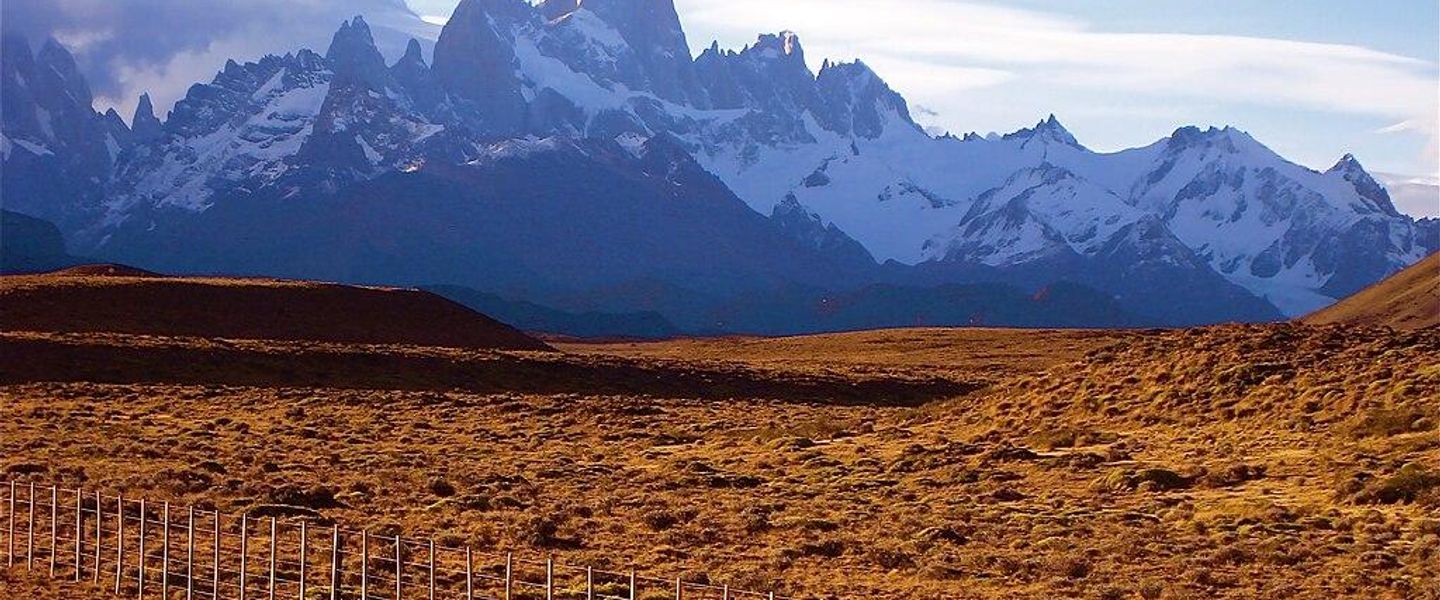


Cerro Fitz Roy in Argentina rises above Los Glaciares National Park, with granite peaks, glacial lakes, trekking routes and El Chaltén as its gateway.
A Patagonian Mountain Icon
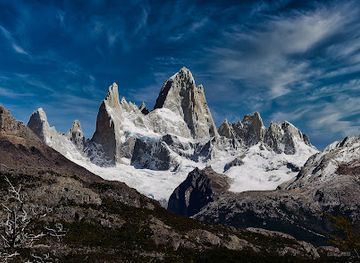
Cerro Fitz Roy rises to 3,405 metres above the southern Andes in Santa Cruz Province, Argentina, close to the Chilean border and within Los Glaciares National Park. Known to the Tehuelche people as Chaltén, commonly translated as “smoking mountain” because cloud often gathers around its summit, the peak is the defining presence of the El Chaltén area. Its steep granite walls, snowfields and sharply sculpted ridges form one of Patagonia’s most recognisable mountain landscapes.Read more about Cerro Fitz Roy
Trails, Lakes and Glacial Landscapes
El Chaltén and the National Park
When is the best time to visit Cerro Fitz Roy?
Best: December–February · 17–18°C| Month | High (°C) | Rainfall (mm) |
|---|---|---|
| January (best) | 18 | 20 |
| February (best) | 17 | 20 |
| March | 15 | 20 |
| April | 11 | 20 |
| May | 6 | 20 |
| June | 2 | 20 |
| July | 1 | 20 |
| August | 2 | 20 |
| September | 7 | 20 |
| October | 12 | 20 |
| November | 17 | 20 |
| December (best) | 18 | 20 |
Getting to and around Cerro Fitz Roy
How to get there
Transportation
Best attractions in Cerro Fitz Roy
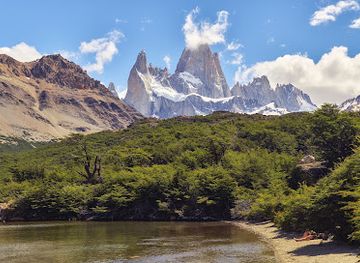
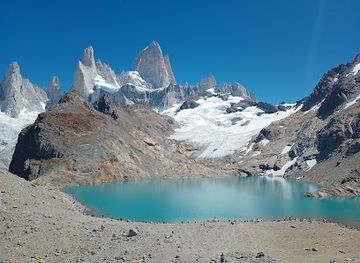
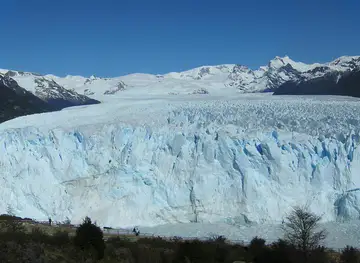
The principal attraction is the Fitz Roy massif itself, viewed most closely from Laguna de los Tres at the head of a demanding trail from El Chaltén. Laguna Capri offers a more accessible mountain setting, while viewpoints along the Fitz Roy valley reveal the relationship between granite spires, beech forest, rivers and glacial terrain. The Piedras Blancas area provides views towards a glacier and the eastern faces of the massif, subject to route and weather conditions. Longer circuits connect the Fitz Roy and Cerro Torre valleys for experienced trekkers, although these are multi-day undertakings rather than simple excursions. El Chaltén provides the cultural and practical starting point, with information about climbing, local history and the national park. The wider northern sector of Los Glaciares National Park also contains a network of marked paths and viewpoints, but features such as Perito Moreno Glacier belong to the park’s distant southern sector near El Calafate, not to Cerro Fitz Roy itself.
-
Tourist attraction
Chorrillo del Salto
An easy and rewarding hike to a beautiful waterfall near El Chaltén, perfect for a relaxing break in Patagonia's stunning scenery.
-
Hiking area
Sendero al Fitz Roy
Hike to the base of iconic Mount Fitz Roy in Los Glaciares National Park for breathtaking Patagonian views and an unforgettable trekking experience.
-
Tourist attraction
Mirador del Fitz Roy
Hike to Mirador del Fitz Roy for panoramic views of Patagonia's iconic Mount Fitz Roy. A must-see stop on the way to Laguna de los Tres.
-
Mountain peak
Fitz Roy
Hike to the base of the iconic Mount Fitz Roy in Patagonia for breathtaking views of glaciers, turquoise lakes, and rugged peaks. A challenging and rewarding trek.
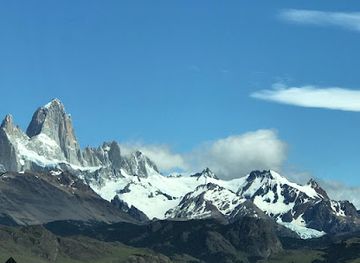
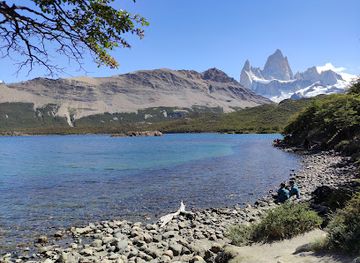
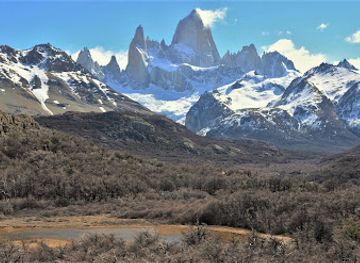
Best landmarks in Cerro Fitz Roy
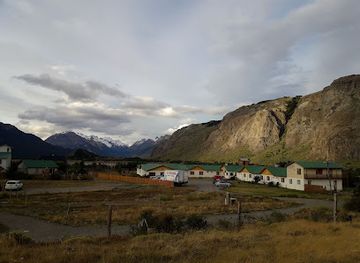
Cerro Fitz Roy is the defining natural landmark, a 3,405-metre granite peak whose sharply carved summit and surrounding spires dominate the northern landscape of Los Glaciares National Park. Laguna de los Tres is an important viewpoint and glacial lake at the foot of the massif, while Laguna Capri provides another recognised mountain-facing setting closer to El Chaltén. The Piedras Blancas glacier and the granite walls of the Fitz Roy valley show the interaction of ice, rock and severe Andean weather. El Chaltén itself is a modern gateway settlement rather than a historic town, founded in 1985 near the national-park sector and the Chilean frontier. The name Chaltén preserves the mountain’s Tehuelche cultural association and remains a significant part of the area’s identity.
-
Scenic spot
Mirador del Fitz Roy
Explore the stunning vistas of Mount Fitz Roy at Mirador del Fitz Roy, a must-visit scenic spot in Santa Cruz Province, Argentina.
-
 Historical landmark
Viewpoint on Mount Fitz Roy
Discover the majestic Mount Fitz Roy in El Chaltén, Argentina; a breathtaking historical landmark with stunning views and unforgettable hiking experiences.
Explore Cerro Fitz Roy on the map
Plan your trip on one map. See where the top attractions, landmarks, restaurants and hotels are, and book hotels and experiences in a few clicks.
Best hotels in Cerro Fitz Roy
Best restaurants in Cerro Fitz Roy
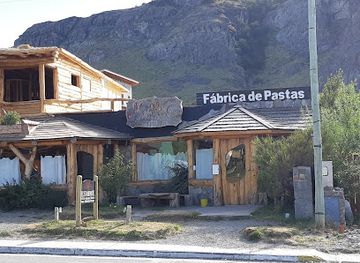
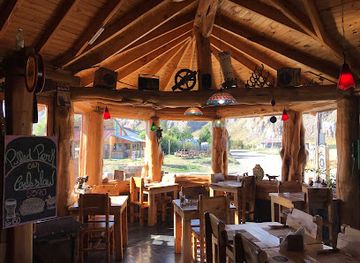
Cerro Fitz Roy has no restaurants or food outlets on its trails, so dining is centred on El Chaltén. The settlement’s cafés, bakeries, pubs and restaurants cater to walkers with practical meals, packed lunches, hot drinks and hearty Patagonian cooking, while menus commonly reflect Argentina’s wider traditions of beef, lamb, empanadas and pasta. Regional products such as trout and berries may appear, although availability varies and not every dish is locally sourced. El Chaltén also has shops where visitors can assemble provisions for day walks, but supplies should be bought before leaving town. In nearby El Calafate, the larger tourism infrastructure provides a broader selection of restaurants and regional specialities, but it is outside the Fitz Roy area. Remote refuges and trails should not be treated as dependable places to purchase food.
-
Restaurant
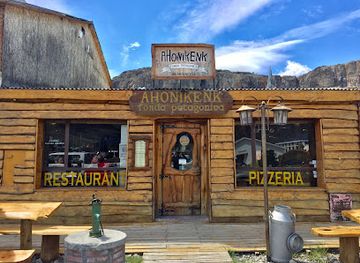
Restaurante Ahonikenk Chalten Fonda Patagonia
Experience authentic Patagonian cuisine in El Chaltén's enchanting landscapes at Restaurante Ahonikenk Chalten Fonda Patagonia.
-
Restaurant
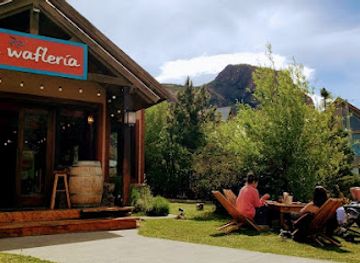
La Waflería
Discover the delicious world of waffles at La Waflería in El Chaltén – your perfect retreat after an adventure in Patagonia.
-
Restaurant
Maffia
Experience authentic Argentine cuisine at Maffia, where local flavors meet contemporary dining in beautiful El Chaltén.
-
Restaurant
Don Guerra
Experience authentic Patagonian cuisine at Don Guerra in El Chaltén - where flavor meets breathtaking mountain views.
Best bars in Cerro Fitz Roy
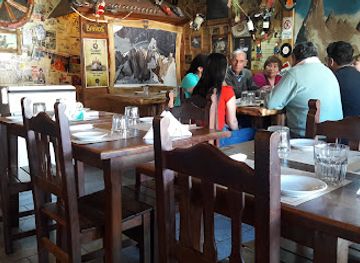
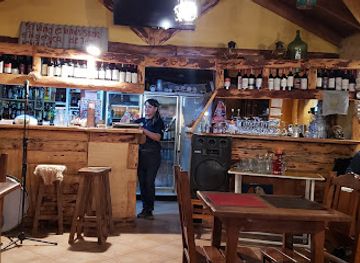
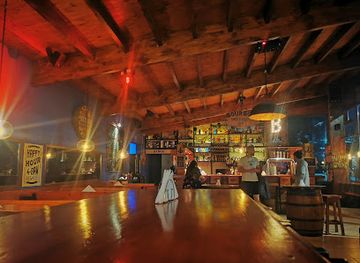
Cerro Fitz Roy has no nightlife infrastructure, and evenings in the mountain area are shaped by early starts, changing weather and the need to recover after long walks. El Chaltén has a small selection of informal pubs, bars and restaurants where trekkers gather for local beer, wine and conversation, with the atmosphere generally casual rather than club-oriented. Entertainment may be seasonal and individual venues can change, so an extensive late-night scene should not be expected. El Calafate, outside the destination, offers a larger choice of bars and evening venues, but visitors staying close to Fitz Roy usually value El Chaltén’s compact hospitality scene and its connection with the walking and climbing community.
-
Restaurant
Rancho Grande Hostel y Restaurante 24 hs.
Experience the warmth and flavors of El Chaltén at Rancho Grande Hostel y Restaurante, your gateway to Patagonia's stunning landscapes.
-
Hiking area
Laguna de los Tres
Explore the breathtaking Laguna de los Tres, a must-visit hiking paradise in El Chaltén, Argentina, surrounded by stunning Patagonian landscapes.
-
Restaurant
Restaurante Ahonikenk Chalten Fonda Patagonia
Discover authentic Patagonian cuisine at Restaurante Ahonikenk Chalten Fonda Patagonia in the picturesque El Chaltén, where flavor meets stunning landscapes.
-
Restaurant
La Cervecería Chaltén
Experience the best of Patagonia at La Cervecería Chaltén, where artisanal brews meet delicious local cuisine in a stunning mountain setting.
Best nightclubs in Cerro Fitz Roy
Cerro Fitz Roy has no nightlife infrastructure, and evenings in the mountain area are shaped by early starts, changing weather and the need to recover after long walks. El Chaltén has a small selection of informal pubs, bars and restaurants where trekkers gather for local beer, wine and conversation, with the atmosphere generally casual rather than club-oriented. Entertainment may be seasonal and individual venues can change, so an extensive late-night scene should not be expected. El Calafate, outside the destination, offers a larger choice of bars and evening venues, but visitors staying close to Fitz Roy usually value El Chaltén’s compact hospitality scene and its connection with the walking and climbing community.
-
Gastropub
Bourbon Smokehouse
Experience the flavors of Patagonia at Bourbon Smokehouse, a premier gastropub in El Chaltén, offering a unique blend of local cuisine and warm hospitality.
-
Bar
Mitos Bar
Discover the vibrant atmosphere of Mitos Bar in El Chaltén, where local brews and stunning mountain views create the perfect retreat.
Best shops in Cerro Fitz Roy
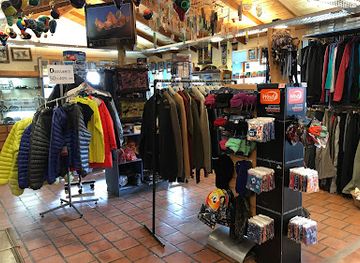
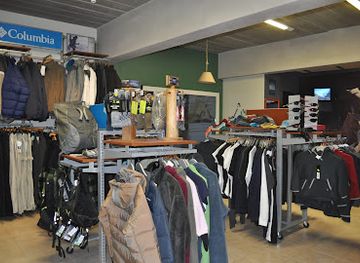
Shopping around Cerro Fitz Roy is concentrated in El Chaltén and is primarily practical rather than extensive. Outdoor shops and equipment services may provide walking essentials, clothing, maps and gear, while small food shops and bakeries help visitors prepare for full days on the trails. Local galleries and craft outlets offer regional souvenirs, artwork and products connected with Patagonian landscapes, although the selection and opening arrangements vary. El Calafate, outside the destination, has a broader retail scene and more opportunities to buy Argentine food products, wine, woollen goods and souvenirs. Because there are no shops at Laguna de los Tres, Laguna Capri or other Fitz Roy viewpoints, all food, water and necessary equipment should be arranged before leaving El Chaltén.
-
Clothing store
Viento Oeste
Explore Viento Oeste in El Chaltén for unique clothing, local crafts, and detailed maps, embodying the spirit of Patagonia in every item.
-
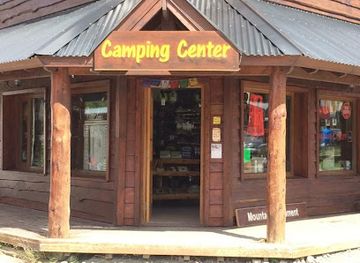
Clothing store
Camping Center
Explore El Chaltén's best outdoor clothing store, Camping Center, your go-to for quality gear and apparel for Patagonian adventures.
-
Clothing store
Patagonia Hikes
Discover top-notch outdoor gear and apparel at Patagonia Hikes in El Chaltén, the gateway to your Patagonian adventure.
-
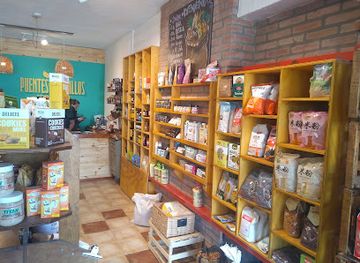
Natural goods store
Puentes Amarillos Tienda Natural
Explore the essence of Patagonia at Puentes Amarillos Tienda Natural, a gourmet grocery store offering fresh, organic delights in El Chaltén.
Get your free copy of our complete guide to Cerro Fitz Roy, delivered straight to you.
Everything on this page, from attractions and restaurants to essentials and local phrases, in one PDF you can read offline, print or share.
Already have an account? Sign in
Your Cerro Fitz Roy guide is ready.
We'll send it to · Not you? Sign out

Getting your guide ready…
We are putting together a fresh copy of the Cerro Fitz Roy guide. This can take up to a minute.
This can take a few moments. If your browser asks, choose Allow so the download can start. You'll find the guide in your Downloads folder.
Nothing happened? Download it again
Sorry, the guide is taking longer than usual. Please try again in a minute, or get it by email instead.
Cerro Fitz Roy essentials
Currency and Payment
Safety
Emergency Situations
Do's and Don'ts
Local Tips
From Eve
Local phrases worth knowing
You don't need to get them perfect. A few words go a long way, and locals appreciate the effort.
Basics
| English | Local | Say it |
|---|---|---|
| Hello | Hola | [oh-la] |
| Goodbye | Chau | [chow] |
| Yes | Sí | [see] |
| No | No | [no] |
| Please/You're welcome | Por favor/De nada | [por fah-vor/de nah-da] |
| Thank you | Gracias | [grah-see-ahs] |
| Excuse me/Sorry | Perdón | [pair-dohn] |
| How are you? | ¿Cómo estás? | [koh-moh es-tahs] |
| Fine. And you? | Bien. ¿Y tú? | [bee-en. ee too] |
| Do you speak English? | ¿Hablas inglés? | [ah-blahs een-glays] |
| I don't understand | No entiendo | [no en-tee-en-doh] |
Eating & Drinking
| English | Local | Say it |
|---|---|---|
| I'd like to see the menu, please | Quisiera ver el menú, por favor | [kee-see-air-ah ver el meh-noo, poor fah-vor] |
| I don't eat meat | No como carne | [no koh-moh kahr-nay] |
| Cheers! | Salud! | [sah-lood] |
| I would like to pay, please | Quisiera pagar, por favor | [kee-see-air-ah pah-gar, poor fah-vor] |
Emergencies
| English | Local | Say it |
|---|---|---|
| Help! | ¡Ayuda! | [ah-yoo-dah] |
| Go away! | ¡Vete! | [veh-teh] |
| Call the Police! | ¡Llama a la policía! | [yah-mah ah lah poh-lee-see-ah] |
| Call a doctor! | ¡Llama a un doctor! | [yah-mah ah oon dohk-tohr] |
| I'm lost | Estoy perdido | [es-toy pair-dee-doh] |
| I'm ill | Estoy enfermo | [es-toy ehn-fehr-moh] |
Shopping
| English | Local | Say it |
|---|---|---|
| I'd like to buy... | Quisiera comprar... | [kee-see-air-ah kohm-prar] |
| I'm just looking | Solo estoy mirando | [soh-loh es-toy mee-ran-doh] |
| How much is it? | ¿Cuánto cuesta? | [kwan-to kwehs-tah] |
| That's too expensive | Esto es muy caro | [es-toh es moo-ee kah-roh] |
| Can you lower the price? | ¿Puedes bajar el precio? | [pweh-des bah-har el pree-syoh] |
Time & Numbers
| English | Local | Say it |
|---|---|---|
| What time is it? | ¿Qué hora es? | [keh oh-rah es] |
| It's one o'clock | Es la una | [es lah oo-nah] |
| Half past (10) | Media (10) | [meh-dee-ah (deez)] |
| Morning | Mañana | [mah-nyah-nah] |
| Afternoon | Tarde | [tahr-deh] |
| Evening | Noche | [noh-cheh] |
| Yesterday | Ayer | [ah-yehr] |
| Today | Hoy | [oy] |
| Tomorrow | Mañana | [mah-nyah-nah] |
| 1 | Uno | [oo-noh] |
| 2 | Dos | [dohs] |
| 3 | Tres | [trehs] |
| 4 | Cuatro | [kwah-troh] |
| 5 | Cinco | [seeng-koh] |
| 6 | Seis | [says] |
| 7 | Siete | [see-eh-teh] |
| 8 | Ocho | [oh-choh] |
| 9 | Nueve | [nweh-veh] |
| 10 | Diez | [dyehs] |
Transport & Directions
| English | Local | Say it |
|---|---|---|
| Where's a/the...? | ¿Dónde está...? | [dohn-deh es-tah] |
| What's the address? | ¿Cuál es la dirección? | [kwal es lah dee-rek-syohn] |
| Can you show me (on the map)? | ¿Puedes mostrarme (en el mapa)? | [pweh-des mohs-trar-meh (en el mah-pah)] |
| When's the next (bus)? | ¿Cuándo es el próximo (autobús)? | [kwan-doh es el proh-ksee-moh (ow-toh-boos)] |
| A ticket (to ....) | Un boleto (a ...) | [oon boh-leh-toh (ah ...)] |
History of Cerro Fitz Roy
Tehuelche Names and Mountain Beliefs
Long before modern mountaineering reached the region, the wider Fitz Roy landscape was travelled by Tehuelche peoples. The name Chaltén is generally associated with the appearance of smoke rising from the summit, a reference to the clouds that frequently form around the mountain. This indigenous name remains central to the identity of both the peak’s surrounding valleys and the nearby settlement of El Chaltén. The landscape was understood through movement, seasonal knowledge and close observation of weather, animals and water rather than through the fixed boundaries later imposed by national administration.
Exploration of the Southern Andes
European exploration and mapping of the southern Andes intensified during the nineteenth century, as expeditions sought to understand the difficult terrain around the Patagonian ice fields and the international frontier. The mountain was named Fitz Roy in honour of Robert FitzRoy, commander of HMS Beagle during its surveying voyages. Mapping did not make the massif accessible: dense forests, glacial valleys, severe winds and complex granite ridges continued to limit travel, while the wider region remained sparsely settled and remote from Argentina’s main population centres.
The First Ascent and Climbing Heritage
Cerro Fitz Roy became a major objective for international alpinists during the twentieth century. The first ascent was achieved in 1952 by French climbers Lionel Terray and Guido Magnone through a demanding route on the mountain’s eastern side. Later ascents and variations established the massif’s reputation for difficult, highly technical granite climbing, shaped by unstable weather and challenging approaches. Although these routes remain the preserve of experienced mountaineers, their history influences the culture of El Chaltén, where trekking, guiding and climbing are closely connected.
Protection and the Rise of El Chaltén
Los Glaciares National Park was created in 1937 and later received international recognition for its glacial landscapes and ecological importance. The park includes the southern Andes around Fitz Roy as well as the Southern Patagonian Ice Field and other major natural features. El Chaltén was founded in 1985 near the northern sector of the park, partly to consolidate Argentina’s presence near the Chilean border and to support access to the mountain area. Since then, trekking tourism has grown rapidly, increasing the importance of trail management, visitor regulation and protection of fragile environments.
Cerro Fitz Roy in Photos
Browse through our photo collection highlighting the charm and character of the destination.
Neighbouring destination travel guides
The closest destinations to Cerro Fitz Roy, if you have time for more than one.
-

-
-
-

-


Swipe for more destinations
Explore more
Explore more of Southern Patagonia
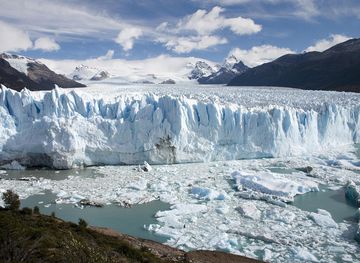
Discover the raw, untamed beauty of Southern Patagonia, Argentina – a paradise for adventurers and nature lovers with stunning glaciers, rugged mountains, and diverse wildlife.
Explore Southern Patagonia
Explore more of Argentina
Discover Argentina: From the lively streets of Buenos Aires to the breathtaking landscapes of Patagonia, experience the vibrant culture and diverse natural wonders of this South American gem.
Explore Argentina