

Free Los Andes Travel Guide & Mobile App
Explore Los Andes with free travel guides. Discover regional history, expert tips, proposed trips, and audio guides on web or mobile app.


Explore Los Andes in Salta for high-altitude deserts, salt flats, Andean wildlife, railway heritage and remote landscapes shaped by volcanic forces.
Read more about Los Andes
When is the best time to visit Los Andes?
Best: February–March, November · 24–27°C| Month | High (°C) | Rainfall (mm) |
|---|---|---|
| January | 28 | 85 |
| February (best) | 27 | 75 |
| March (best) | 24 | 65 |
| April | 21 | 55 |
| May | 18 | 45 |
| June | 16 | 35 |
| July | 15 | 35 |
| August | 17 | 45 |
| September | 19 | 55 |
| October | 22 | 65 |
| November (best) | 24 | 75 |
| December | 26 | 85 |
Getting to and around Los Andes
How to get there
Transportation
Best attractions in Los Andes
Los Andes offers an attraction landscape built around scale, altitude and geology. The Viaducto del Polvorilla is the department's signature railway sight, reached by road or, on operating excursions, as part of the Tren a las Nubes experience. San Antonio de los Cobres provides access to railway heritage, highland streets and the surrounding Quebrada del Toro. Farther west and north-west, Tolar Grande opens the way to the Desierto del Diablo, the Salar de Arizaro and the striking Cono de Arita, while lesser-known salt basins and volcanic formations reward carefully organised four-wheel-drive journeys. The plateau also supports vicuñas, rheas and flamingos, particularly around suitable highland wetlands and lagoons. These are not conventional roadside attractions: distances are long, tracks can be rough, and weather may alter plans. The principal appeal lies in combining natural observation, geological interpretation, Andean cultural context and the practical drama of travelling through one of Salta's most remote landscapes.
-
Tourist attraction
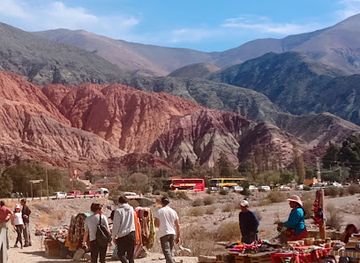
Salinas Grandes, Jujuy, Argentina
Experience the breathtaking beauty of Salinas Grandes in Jujuy, Argentina – a mesmerizing salt flat that captures the essence of nature's artistry.
-
Public beach
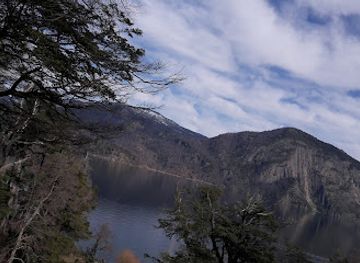
La Islita
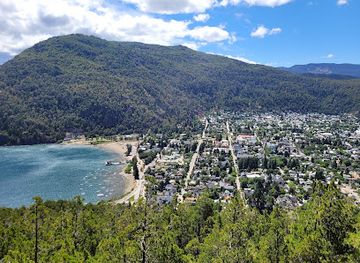
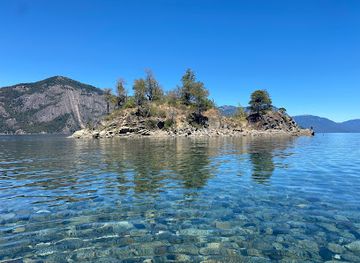
Discover La Islita: A serene beach escape near San Martín de los Andes with hiking trails, stunning views, and crystal-clear waters.
-
Sculpture
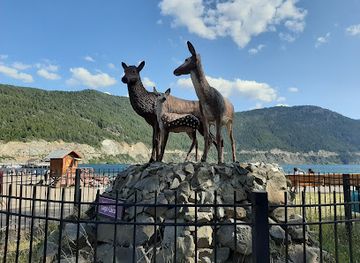
Los Ciervos
Discover Los Ciervos in San Martín de los Andes: An iconic sculpture blending art and nature in the heart of Argentinian Patagonia.
-
Museum
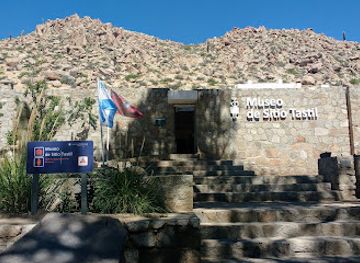
Museo Santa Rosa de Tastil
Explore ancient history at Museo Santa Rosa de Tastil, home to fascinating pre-Inca artifacts in the heart of Salta Province.
Best landmarks in Los Andes
The Viaducto del Polvorilla is Los Andes's defining built landmark: a high steel railway bridge spanning a broad Andean depression and representing the engineering ambition of Argentina's trans-puna railway. San Antonio de los Cobres is itself an important railway landscape, with infrastructure and urban form connected to the former Huaytiquina line and the department's mining and transport history. In the wider Quebrada del Toro, folded mountains and steeply coloured rock walls form a natural entrance to the high plateau. Around Tolar Grande, the Cono de Arita rises with almost geometric clarity from the Salar de Arizaro, while the Desierto del Diablo creates vast fields of red and ochre sediment. These places carry both visual and geographical significance, but their remoteness is part of their identity: access often involves unpaved roads, high elevation and a need for local guidance. Salt flats, volcanic cones and railway structures together define the visual memory of Los Andes.
-
National park
Parque Nacional Lanín
Discover the majestic landscapes and diverse wildlife of Parque Nacional Lanín, a haven for outdoor enthusiasts and nature lovers in Argentina.
-
Tourist attraction
Ruta de Los Siete Lagos
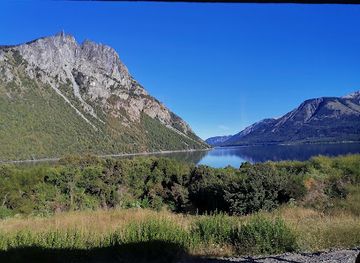
Explore the breathtaking Ruta de Los Siete Lagos, a scenic drive through Patagonia's stunning lakes and mountains, perfect for nature lovers and adventure seekers.
-
Public beach
La Islita
Discover La Islita, a tranquil public beach near San Martín de los Andes, perfect for relaxation and adventure in the heart of Patagonia.
-
Scenic spot
Los Caracoles
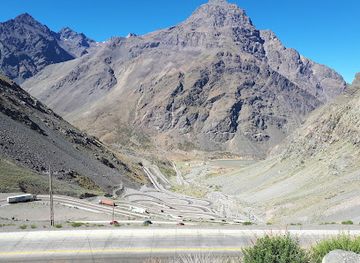
Discover the stunning winding roads and breathtaking views at Los Caracoles, an iconic scenic spot in Valparaíso, Chile.
Explore Los Andes on the map
Plan your trip on one map. See where the top cities, national parks and sights are, and book hotels and experiences in a few clicks.
Best hotels in Los Andes
Best restaurants in Los Andes
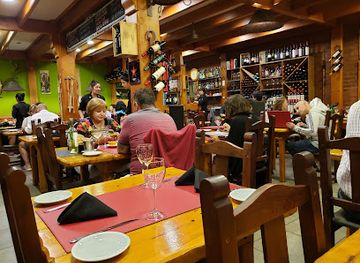
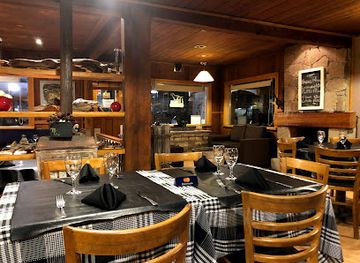
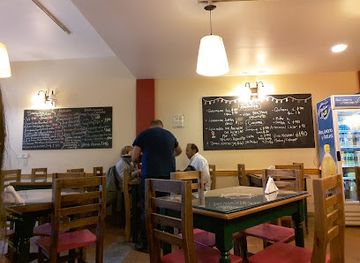
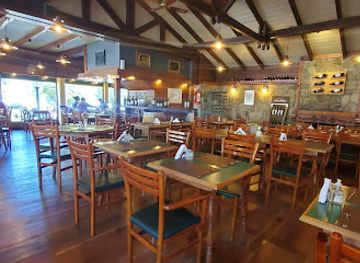
Dining in Los Andes is simple, communal and closely tied to the practical conditions of highland life. In San Antonio de los Cobres and other settlements, visitors may find small eateries, family-run dining rooms and accommodation kitchens serving regional staples such as empanadas, locro, tamales, humitas, stews and grilled meats. Potatoes, maize and other Andean ingredients remain important, while llama meat may appear on some menus, although availability varies. Hot soups, bread and sweet pastries are particularly welcome in the cold, dry climate. Coca-based infusions are part of the wider Andean cultural landscape, but visitors should ask locally about their use and should not confuse traditional consumption with unrestricted legal status elsewhere. Dining options become very limited on remote routes, so carry provisions and confirm meals when booking accommodation or a guided excursion. San Antonio de los Cobres is the best place to sample local cooking before an expedition into the puna.
-
Grill
Parrilla Patagonia Piscis
Experience authentic Argentinian barbecue at Parrilla Patagonia Piscis in San Martín de los Andes – where flavor meets breathtaking Patagonian scenery.
-
Argentinian
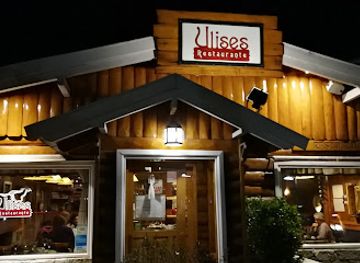
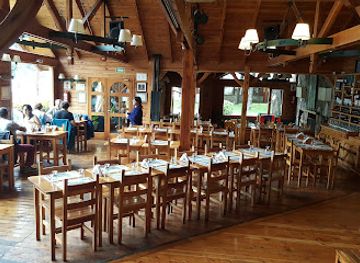
Ulises
Experience the heart of Argentinian cuisine at Ulises in San Martín de los Andes - where tradition meets flavor in every dish.
-
Restaurant
Corazón Contento
Experience authentic Argentine flavors at Corazón Contento in San Martín de los Andes - where every meal tells a story.
-
Restaurant
La Nueva Barra
Discover La Nueva Barra: A delightful dining experience offering authentic Patagonian flavors in the heart of San Martín de los Andes.
Best bars in Los Andes
Los Andes does not have a conventional nightclub scene. Evening life centres on modest bars, cafés, hotel dining rooms and small local venues in San Antonio de los Cobres, where conversation, food and occasional music are more characteristic than late-night entertainment. Tolar Grande and smaller settlements offer even fewer choices, and visitors generally spend the evening resting, observing the exceptionally clear high-altitude sky or preparing for an early departure. Alcohol can intensify dehydration and may aggravate the effects of altitude, so moderation is sensible, particularly during the first days of a visit. Some restaurants and accommodation providers can arrange simple drinks or regional meals, but opening arrangements are limited and changeable. The region's evening character is therefore quiet and practical, shaped by cold temperatures, sparse settlement and the demands of travelling safely through remote terrain.
-
Pub
Dublin South Pub
Discover the vibrant atmosphere and delightful cuisine at Dublin South Pub, a perfect spot for tourists in San Martín de los Andes.
-
Argentinian
Ulises
Experience the rich flavors of Argentina at Ulises, a top dining destination in San Martín de los Andes, offering authentic dishes and a warm atmosphere.
-
Restaurant
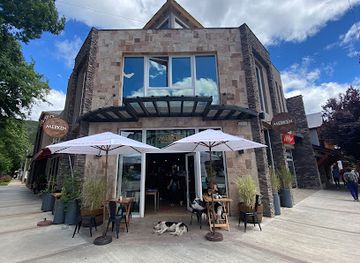
Merken
Experience the rich flavors of Argentine cuisine at Merken, a delightful restaurant in the heart of San Martín de los Andes, featuring local wines and craft beers.
-
Restaurant
La Costa del Pueblo
Experience the flavors of Argentina at La Costa del Pueblo, a beloved restaurant in San Martín de los Andes, offering exquisite local cuisine and stunning views.

Best nightclubs in Los Andes
Los Andes does not have a conventional nightclub scene. Evening life centres on modest bars, cafés, hotel dining rooms and small local venues in San Antonio de los Cobres, where conversation, food and occasional music are more characteristic than late-night entertainment. Tolar Grande and smaller settlements offer even fewer choices, and visitors generally spend the evening resting, observing the exceptionally clear high-altitude sky or preparing for an early departure. Alcohol can intensify dehydration and may aggravate the effects of altitude, so moderation is sensible, particularly during the first days of a visit. Some restaurants and accommodation providers can arrange simple drinks or regional meals, but opening arrangements are limited and changeable. The region's evening character is therefore quiet and practical, shaped by cold temperatures, sparse settlement and the demands of travelling safely through remote terrain.
-
Disco club
3 Decadas
Dive into the vibrant nightlife of 3 Decadas, a premier disco club in Los Andes, Valparaíso, where music and delicious drinks create unforgettable nights.
-
Night club
Crazzy Horse
Immerse yourself in the vibrant nightlife of Crazzy Horse, a premier night club in Los Andes, Valparaíso, where music and dance unite.
-
Night club
Lugares de Entrtenciones Nocturna
Discover the vibrant nightlife of Los Andes at Lugares de Entretenimientos Nocturna, a premier night club offering music, dancing, and a lively atmosphere.
-
Night club
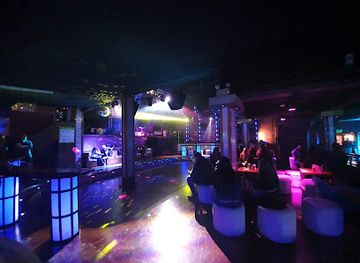
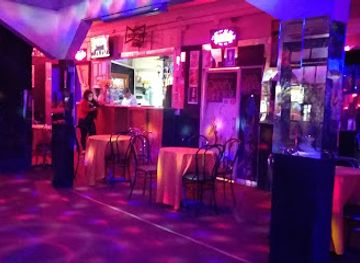
Disco Velvet
Discover the vibrant nightlife at Disco Velvet, a top night club in San Martín de los Andes, perfect for dancing and enjoying unique cocktails.


Best shops in Los Andes
Shopping in Los Andes is limited but closely connected to local life and the wider craft traditions of Salta's highlands. San Antonio de los Cobres is the most practical place to look for small collections of woven textiles, woollen goods, handmade souvenirs and regional food products, usually through local shops, fairs or community-linked outlets rather than large retail centres. Items made from llama or sheep wool may include blankets, scarves, ponchos and bags, but ask about materials and provenance before purchasing. Visitors can also find packaged regional foods, dried herbs and Andean pantry products, although selection depends on supply. Tolar Grande has very little conventional shopping, so buy fuel, cash, medication and expedition provisions before travelling there. Respectful purchasing supports local makers more effectively than bargaining aggressively, and visitors should never buy archaeological objects, fossils, minerals or material removed from protected or culturally important sites.
-
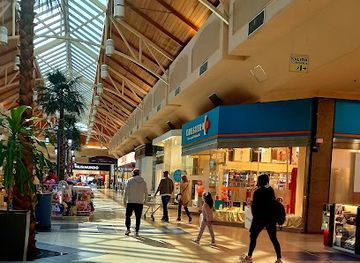
Shopping mall
PORTAL THE ANDES
Discover the vibrant shopping and dining experience at Portal The Andes in Mendoza, Argentina, a must-visit for every traveler.
-
Shopping mall
Urban Space Los Andes
Discover Urban Space Los Andes, your ultimate shopping destination in Valparaíso, blending retail, dining, and entertainment in one vibrant location.
-
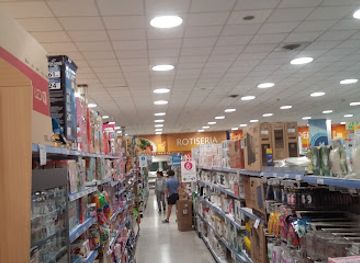
Supermarket
La Anónima
Explore the diverse offerings of La Anónima in San Martín de los Andes, where convenience meets quality for every traveler.
-
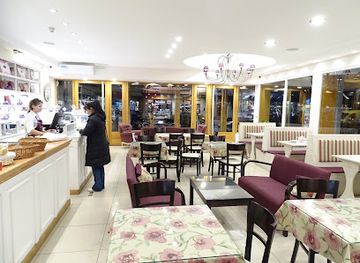
Cake shop
Unser Traum
Discover the sweet flavors of San Martín de los Andes at Unser Traum, a delightful bakery and coffee shop offering exquisite pastries and artisanal breads.

Get your free copy of our complete guide to Los Andes, delivered straight to you.
Everything on this page, from attractions and restaurants to essentials and local phrases, in one PDF you can read offline, print or share.
Already have an account? Sign in
Your Los Andes guide is ready.
We'll send it to · Not you? Sign out

Getting your guide ready…
We are putting together a fresh copy of the Los Andes guide. This can take up to a minute.
This can take a few moments. If your browser asks, choose Allow so the download can start. You'll find the guide in your Downloads folder.
Nothing happened? Download it again
Sorry, the guide is taking longer than usual. Please try again in a minute, or get it by email instead.
Los Andes essentials
Currency and Payment
Safety
Emergency Situations
Do's and Don'ts
Local Tips
From Eve
Local phrases worth knowing
You don't need to get them perfect. A few words go a long way, and locals appreciate the effort.
Basics
| English | Local | Say it |
|---|---|---|
| Hello | Hola | [Ola] |
| Goodbye | Adiós | [A-dios] |
| Yes | Sí | [See] |
| No | No | [No] |
| Please/You're welcome | Por favor/De nada | [Por fa-vor/De na-da] |
| Thank you | Gracias | [Gra-thias] |
| Excuse me/Sorry | Perdón | [Per-don] |
| How are you? | ¿Cómo estás? | [Ko-mo es-tas] |
| Fine. And you? | Bien. ¿Y tú? | [Bee-en. Ee tu] |
| Do you speak English? | ¿Hablas inglés? | [A-blas in-glés] |
| I don't understand | No entiendo | [No en-tien-do] |
Eating & Drinking
| English | Local | Say it |
|---|---|---|
| I'd like to see the menu, please | Me gustaría ver el menú, por favor | [Me gus-ta-ría ver el me-nú, por fa-vor] |
| I don't eat meat | No como carne | [No co-mo car-ne] |
| Cheers! | ¡Salud! | [Sa-lud] |
| I would like to pay, please | Me gustaría pagar, por favor | [Me gus-ta-ría pa-gar, por fa-vor] |
Emergencies
| English | Local | Say it |
|---|---|---|
| Help! | ¡Ayuda! | [A-yu-da] |
| Go away! | ¡Vete! | [Ve-te] |
| Call the Police! | ¡Llama a la policía! | [Ya-ma a la po-li-cí-a] |
| Call a doctor! | ¡Llama a un médico! | [Ya-ma a un mé-di-co] |
| I'm lost | Estoy perdido | [Es-toy per-di-do] |
| I'm ill | Estoy enfermo/a | [Es-toy en-fer-mo/a] |
Shopping
| English | Local | Say it |
|---|---|---|
| I'd like to buy... | Quisiera comprar... | [Ki-sie-ra com-prar] |
| I'm just looking | Solo estoy mirando | [So-lo es-toy mi-ran-do] |
| How much is it? | ¿Cuánto cuesta? | [Kwan-to kwes-ta] |
| That's too expensive | Es demasiado caro | [Es de-ma-si-a-do ca-ro] |
| Can you lower the price? | ¿Puedes bajar el precio? | [Pwe-des ba-har el pre-cio] |
Time & Numbers
| English | Local | Say it |
|---|---|---|
| What time is it? | ¿Qué hora es? | [Ke o-ra es] |
| It's one o'clock | Es la una | [Es la u-na] |
| Half past (10) | Diez y media | [Dyez ee me-dia] |
| Morning | Mañana | [Ma-ña-na] |
| Afternoon | Tarde | [Tar-de] |
| Evening | Noche | [No-che] |
| Yesterday | Ayer | [A-yer] |
| Today | Hoy | [Oy] |
| Tomorrow | Mañana | [Ma-ña-na] |
| 1 | Uno | [U-no] |
| 2 | Dos | [Dos] |
| 3 | Tres | [Tres] |
| 4 | Cuatro | [Kua-tro] |
| 5 | Cinco | [Sin-co] |
| 6 | Seis | [Seis] |
| 7 | Siete | [Sye-te] |
| 8 | Ocho | [O-cho] |
| 9 | Nueve | [Nwe-ve] |
| 10 | Diez | [Dyez] |
Transport & Directions
| English | Local | Say it |
|---|---|---|
| Where's a/the...? | ¿Dónde hay un/una...? | [Don-de ai un/u-na] |
| What's the address? | ¿Cuál es la dirección? | [Kwal es la di-rec-ción] |
| Can you show me (on the map)? | ¿Puedes mostrarme (en el mapa)? | [Pwe-des mos-trar-me (en el ma-pa)] |
| When's the next (bus)? | ¿Cuándo pasa el próximo (autobús)? | [Kwan-do pa-sa el pro-xi-mo (au-to-bus)] |
| A ticket (to ....) | Un boleto (a ....) | [Un bo-le-to (a ....)] |
History of Los Andes
Pre-Hispanic Andean Settlement
The high valleys and puna of Los Andes were used by Andean communities long before the arrival of Europeans. Archaeological evidence across the wider region records seasonal movement, camelid herding, cultivation in more sheltered valleys and exchange along routes crossing the plateau. Quebrada del Toro and other passes connected communities in the highlands with lower valleys, allowing goods, ideas and religious practices to circulate. Petroglyphs, agricultural traces and settlement remains are reminders that this apparently austere environment has long been inhabited and managed rather than being an empty wilderness.
Inca Influence and Highland Roads
During the fifteenth century, the Inca state extended its influence into north-western Argentina, incorporating existing communities and routes into a wider imperial system. The highlands of present-day Salta were linked to the network often known as the Qhapaq Ñan, through which officials, armies and goods travelled. In Los Andes, the legacy is best understood through the strategic importance of mountain passes and the continuity of highland exchange rather than through a single monumental site. These routes later influenced colonial travel, mule transport and modern approaches across the puna.
Colonial Routes and the Spanish Frontier
After the Spanish conquest, the region became part of the wider colonial world centred on settlements and administrative corridors in north-western Argentina. The high plateau was difficult to govern directly, but it remained important for movement between the valleys, the Upper Peru region and the Pacific-facing Andes. Indigenous communities continued to farm, herd and trade while adapting to colonial demands, religious change and new political authorities. The routes through Quebrada del Toro and the puna therefore acquired layered meanings, combining older Andean mobility with Spanish imperial commerce and administration.
Mining, Pastoralism and the Formation of Salta's Puna
Mining and pastoralism shaped the economy of the high plateau during the nineteenth and early twentieth centuries. Borates, salt, metals and other minerals were extracted or collected in remote basins, while llamas, sheep and goats remained important to household economies. San Antonio de los Cobres became a significant local centre as Argentina consolidated control over its north-western territories and developed permanent administrative structures. The department's settlement pattern still reflects this combination of small highland communities, mining sites, grazing areas and long-distance routes.
The Huaytiquina Railway and the Viaducto del Polvorilla
The railway across the Andes was one of Argentina's major engineering ambitions. Construction of the line towards the Chilean frontier proceeded in stages during the first half of the twentieth century, overcoming steep gradients, thin air and difficult geology. The Viaducto del Polvorilla, completed as part of this system, became the line's most recognisable structure. Although the planned trans-Andean role was never fulfilled in the way its promoters imagined, the railway transformed San Antonio de los Cobres, supported mineral transport and left a durable industrial and cultural imprint on Los Andes.
The Tren a las Nubes and Contemporary Tourism
The railway's spectacular ascent later became the basis for the Tren a las Nubes, one of Argentina's best-known high-altitude tourism experiences. The service helped turn the viaduct and the route from Salta into symbols of Andean travel, while road access opened remote landscapes to specialist visitors, photographers and four-wheel-drive expeditions. Tourism remains limited by distance, altitude and infrastructure, but it now forms part of the region's economy alongside mining, pastoralism and public services. Contemporary travel also brings renewed attention to conservation and to the cultural significance of local communities.
Los Andes in Photos
Browse through our photo collection highlighting the charm and character of the destination.
Neighbouring regions of Los Andes
The closest regions to Los Andes, if you have time for more than one.
-

-

-

-

-


Swipe for more regions
Explore more

Explore more of Argentina
Discover Argentina: From the lively streets of Buenos Aires to the breathtaking landscapes of Patagonia, experience the vibrant culture and diverse natural wonders of this South American gem.
Explore Argentina