

Downtown Phoenix (Phoenix) Travel Guide - Free
Explore Downtown Phoenix in Phoenix with Evendo's free guide. Find the best shops, historic streets, restaurants, and gems on web or mobile.


Downtown Phoenix blends historic streets, desert culture, museums, sports, dining and nightlife with light-rail access in Arizona’s walkable urban core.
Historic Core and Modern City
Downtown Phoenix is the compact civic and cultural centre of Arizona’s capital, where a rectilinear street grid, broad sunlit avenues and pockets of nineteenth-century architecture meet a rapidly changing urban landscape. Its recognised core includes the blocks around Central Avenue, Washington and Jefferson streets, the historic buildings of Heritage Square, the sports venues south of Jefferson, and the creative quarters of Roosevelt Row to the north. The district is not a single architectural style or social scene: it is a working government centre, an arts destination, a university setting, an events district and a place where residents live alongside offices, hotels and restaurants.Read more about Downtown Phoenix
Museums, Arts and Public Spaces
Food, Sport and Evening Life
Best attractions in Downtown Phoenix
Downtown Phoenix’s attractions are concentrated enough to form several useful walking circuits. Heritage Square introduces the city’s late nineteenth-century domestic architecture, with the Rosson House as its best-known building, while the Arizona Science Center provides hands-on exhibits in the same vicinity. The Phoenix Museum of History offers context on the city and region, and the Phoenix Convention Center hosts large exhibitions and public events. To the north, Roosevelt Row is an open-air gallery of murals, studios and changing public art integrated into the street grid. The Orpheum Theatre supplies a historic performance setting, while Chase Field and Footprint Center bring baseball, basketball, concerts and other major events to the southern side of downtown. Public spaces including Civic Space Park and the Japanese Friendship Garden, near Margaret T. Hance Park at the northern edge of the central area, offer contrasting places to pause.
-
Science museum
Arizona Science Center
Explore the Arizona Science Center: An interactive science museum offering exciting exhibits, a planetarium, and IMAX movies in Downtown Phoenix.
9 min walk · 0.7 km from neighbourhood centre
-
Historical landmark
Heritage & Science Park/Historic Heritage Square
Explore the rich history and science of Phoenix at Heritage & Science Park, a charming blend of culture and education in the heart of the city.
10 min walk · 0.8 km from neighbourhood centre
-
Park
Civic Space Park
Discover Civic Space Park, a vibrant urban park in Downtown Phoenix, perfect for recreation, relaxation, and community events.
7 min walk · 0.6 km from neighbourhood centre
-
 Local history museum
Rosson House Museum at Heritage Square
Discover the Victorian elegance and historical significance of the Rosson House Museum in Downtown Phoenix, a must-visit local history museum.
10 min walk · 0.8 km from neighbourhood centre


Best landmarks in Downtown Phoenix
Downtown Phoenix’s landmarks reveal the city’s transition from an irrigated settlement to a state capital and regional metropolis. Heritage Square’s Rosson House and surviving neighbouring buildings provide a rare concentration of late nineteenth-century domestic architecture within the modern grid. The Orpheum Theatre, opened in 1929, remains a notable historic entertainment building, while the Phoenix Convention Center and the sports structures around Jefferson Street represent later civic investment. Arizona’s State Capitol stands at the western edge of the central city, close enough to be relevant to a downtown walk but distinct from the commercial core. Washington and Jefferson streets themselves are important urban markers because the light-rail alignment and civic addresses follow them. Roosevelt Row’s commissioned murals and restored commercial façades add a contemporary layer of cultural significance rather than a single monumental landmark.
-
Historical landmark
Heritage & Science Park/Historic Heritage Square
Explore Victorian Phoenix at Heritage Square: A preserved block with historic homes, museums, and unique dining in downtown Phoenix.
10 min walk · 0.8 km from neighbourhood centre
-
Local history museum
Rosson House Museum at Heritage Square
Discover Victorian elegance and Phoenix history at the Rosson House Museum in Heritage Square. A captivating journey into the past awaits!
10 min walk · 0.8 km from neighbourhood centre
-
Historical landmark
Luhrs Tower
A historic Art Deco skyscraper in downtown Phoenix, the Luhrs Tower offers a glimpse into the city's architectural past and the legacy of the Luhrs family.
2 min walk · 0.2 km from neighbourhood centre
-
Historical landmark
Historic Transportation Marker - Phoenix Street Railway
Commemorating Phoenix's historic streetcar system (1888-1948), a key factor in the city's early growth and transportation.
9 min walk · 0.7 km from neighbourhood centre


Explore Downtown Phoenix on the map
A handpicked selection of must-see spots in Downtown Phoenix, mapped for you.
Best hotels in Downtown Phoenix
Best restaurants in Downtown Phoenix
Downtown Phoenix has a broad but uneven dining landscape, with its strongest clusters around Heritage Square, Roosevelt Row, CityScape and the blocks close to the convention centre and sports venues. Pizzeria Bianco at Heritage Square is a prominent destination associated with the area, while other downtown dining ranges from chef-led restaurants and contemporary bars to coffee shops, casual counter service and event-oriented venues. Seasonal heat has made shaded patios, courtyards and air-conditioned interiors important parts of the local eating experience. The neighbourhood also benefits from Phoenix’s wider Mexican and Sonoran culinary traditions, though individual menus change and the most representative choices are spread across the central city rather than concentrated on one market street. On game or concert nights, reservations and extra time are sensible considerations, while Roosevelt Row offers a more leisurely restaurant-to-gallery rhythm.
-
American
The Arrogant Butcher
Discover The Arrogant Butcher: A premier American restaurant in Downtown Phoenix known for its fresh seafood, gourmet burgers, and vibrant atmosphere.
2 min walk · 0.2 km from neighbourhood centre
-
English
Cornish Pasty Co
Experience authentic British cuisine at Cornish Pasty Co in Downtown Phoenix – home of the famous pasty and lively atmosphere.
2 min walk · 0.2 km from neighbourhood centre
-
Restaurant
The Duce
Experience the charm of The Duce in Downtown Phoenix - where culinary delights meet lively entertainment in a retro-inspired setting.
8 min walk · 0.7 km from neighbourhood centre
-
Restaurant
The Vig
Discover vibrant dining at The Vig in Downtown Phoenix - where exceptional cuisine meets an inviting cocktail bar.
11 min walk · 0.9 km from neighbourhood centre


Best bars in Downtown Phoenix
Downtown Phoenix’s evening life is divided between event crowds, arts-oriented Roosevelt Row and a small but established live-music and bar scene. The streets around CityScape and the sports venues become particularly active before and after games, concerts and conventions, while Roosevelt Row has cocktail bars, casual drinking spots, galleries and venues that support a later creative scene. Valley Bar, set below street level near Central Avenue, is known for live music and performances, and Crescent Ballroom on North Second Avenue is another established downtown music venue. The Orpheum Theatre adds touring performances and cultural programming rather than nightclub energy. Nightlife varies by block and calendar, so the district may feel busy around a scheduled event but comparatively quiet on other evenings; visitors should check current venue programmes rather than assume every bar or club operates nightly.
-
Bar
Valley Bar
Experience the vibrant nightlife and delicious Mexican cuisine at Valley Bar, Downtown Phoenix's premier live music venue and lounge.
2 min walk · 0.2 km from neighbourhood centre
-
Bar
Cobra Arcade Bar
Cobra Arcade Bar: A vibrant fusion of craft cocktails and classic arcade games in the heart of Downtown Phoenix, perfect for all ages.
12 min walk · 1.0 km from neighbourhood centre
-
Gastropub
The Kettle Black Kitchen & Pub
Experience a delightful blend of modern cuisine and traditional pub fare at The Kettle Black Kitchen & Pub in Downtown Phoenix.
2 min walk · 0.2 km from neighbourhood centre
-
Bar
Bitter & Twisted Cocktail Parlour
Discover the vibrant nightlife of Downtown Phoenix at Bitter & Twisted Cocktail Parlour, where artisanal cocktails and energetic entertainment await.
2 min walk · 0.2 km from neighbourhood centre


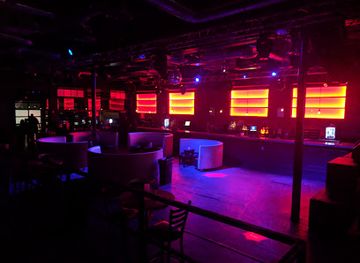
Best nightclubs in Downtown Phoenix
Downtown Phoenix’s evening life is divided between event crowds, arts-oriented Roosevelt Row and a small but established live-music and bar scene. The streets around CityScape and the sports venues become particularly active before and after games, concerts and conventions, while Roosevelt Row has cocktail bars, casual drinking spots, galleries and venues that support a later creative scene. Valley Bar, set below street level near Central Avenue, is known for live music and performances, and Crescent Ballroom on North Second Avenue is another established downtown music venue. The Orpheum Theatre adds touring performances and cultural programming rather than nightclub energy. Nightlife varies by block and calendar, so the district may feel busy around a scheduled event but comparatively quiet on other evenings; visitors should check current venue programmes rather than assume every bar or club operates nightly.
-
Night club
Bar Smith
Experience the vibrant nightlife of Phoenix at Bar Smith, a premier night club offering electrifying music and expertly crafted cocktails.
3 min walk · 0.2 km from neighbourhood centre
-
Bar
Gypsy Bar Phoenix
Discover the lively nightlife and eclectic dining experience at Gypsy Bar Phoenix, where every visit is a celebration of flavor and fun.
1 min walk · 0.1 km from neighbourhood centre
-
Night club
Dwntwn
Discover the ultimate nightlife destination in Downtown Phoenix, Dwntwn offers vibrant music, great drinks, and memorable experiences for all.
10 min walk · 0.8 km from neighbourhood centre
-
Night club
Monarch Theatre
Discover the vibrant nightlife at Monarch Theatre, a top bar and night club in Downtown Phoenix, offering an unforgettable experience with music and drinks.
3 min walk · 0.2 km from neighbourhood centre


Best shops in Downtown Phoenix
Shopping in Downtown Phoenix is more independent and occasion-led than department-store based. Roosevelt Row has galleries, design-led shops, small creative businesses and pop-up activity connected with its arts identity, while the blocks around CityScape provide contemporary retail and services within a larger mixed-use development. Heritage Square and the museum area are better suited to cultural browsing and gifts than to a full shopping expedition. First Friday events can bring artists, makers and temporary sellers into Roosevelt Row, but the participating businesses and format vary. Visitors looking for a traditional general market should not expect a permanent bazaar at the centre of downtown; the district’s retail character is instead shaped by galleries, specialist businesses, event shopping and food-and-drink stops. For a broader range of shops, nearby central Phoenix districts may offer more continuous commercial streets.
-
Vintage clothing store
Antique Sugar
Discover unique vintage clothing and accessories at Antique Sugar in Downtown Phoenix, where every piece has a story.
12 min walk · 1.0 km from neighbourhood centre
-
Gift shop
Bunky Boutique
Explore Bunky Boutique in Downtown Phoenix for unique gifts, fashionable clothing, and local artistry that make your shopping experience unforgettable.
15 min walk · 1.2 km from neighbourhood centre
-
Boutique
-NOW OR NEVER
Explore NOW OR NEVER in Downtown Phoenix for unique fashion finds in a chic boutique setting, catering to both men's and women's styles.
15 min walk · 1.2 km from neighbourhood centre
-
Gift shop
Travel Traders gift shop
Discover the charm of Arizona with unique souvenirs at Travel Traders Gift Shop in Downtown Phoenix, where every item tells a story.
7 min walk · 0.6 km from neighbourhood centre


Downtown Phoenix essentials
Getting There
Getting Around
Safety
Emergency Situations
Do's and Don'ts
Local Tips

From Eve
Local phrases worth knowing
You don't need to get them perfect. A few words go a long way, and locals appreciate the effort.
Basics
| English | Local | Say it |
|---|---|---|
| Hello | Howdy | [haʊdi] |
| Goodbye | Later | [ˈleɪtər] |
| Yes | Yep | [jɛp] |
| No | Nah | [nɑː] |
| Please/You're welcome | Please/You're welcome | [pliːz/jʊər ˈwɛlkəm] |
| Thank you | Thanks | [θæŋks] |
| Excuse me/Sorry | Pardon/My bad | [ˈpɑːrdn/maɪ ˈbæd] |
| How are you? | How ya doin'? | [haʊ jə ˈduːɪn] |
| Fine. And you? | Good. You? | [ɡʊd juː] |
| Do you speak English? | Ya speak English? | [jə spiːk ˈɪŋɡlɪʃ] |
| I don't understand | I'm lost | [aɪm lɔst] |
Eating & Drinking
| English | Local | Say it |
|---|---|---|
| I'd like to see the menu, please | Menu, please | [ˈmɛnjuː pliːz] |
| I don't eat meat | No meat for me | [noʊ mit fɔr mi] |
| Cheers! | Cheers! | [ʧɪrz] |
| I would like to pay, please | Check, please | [ʧɛk pliːz] |
Emergencies
| English | Local | Say it |
|---|---|---|
| Help! | Help! | [hɛlp] |
| Go away! | Leave me be! | [liv mi bi] |
| Call the Police! | Call the cops! | [kɔl ðə ˈkɑps] |
| Call a doctor! | Need a doc! | [nid ə dɑk] |
| I'm lost | I'm lost | [aɪm lɔst] |
| I'm ill | Feeling sick | [ˈfiːlɪŋ sɪk] |
Shopping
| English | Local | Say it |
|---|---|---|
| I'd like to buy... | I wanna buy... | [aɪ ˈwɑnə baɪ] |
| I'm just looking | Just browsing | [ʤʌst ˈbraʊzɪŋ] |
| How much is it? | How much? | [haʊ mʌʧ] |
| That's too expensive | Too pricey | [tuː ˈpraɪsi] |
| Can you lower the price? | Any discounts? | [ˈɛni ˈdɪskaʊnts] |
Time & Numbers
| English | Local | Say it |
|---|---|---|
| What time is it? | What's the time? | [wɑːts ðə taɪm] |
| It's one o'clock | It's one | [ɪts wʌn] |
| Half past (10) | 10:30 | [ˈtɛn ˈθɜrti] |
| Morning | Morning | [ˈmɔrnɪŋ] |
| Afternoon | Afternoon | [ˌæftərˈnun] |
| Evening | Evening | [ˈivnɪŋ] |
| Yesterday | Yesterday | [ˈjɛstərˌdeɪ] |
| Today | Today | [təˈdeɪ] |
| Tomorrow | Tomorrow | [təˈmɑroʊ] |
| 1 | One | [wʌn] |
| 2 | Two | [tuː] |
| 3 | Three | [θriː] |
| 4 | Four | [fɔːr] |
| 5 | Five | [faɪv] |
| 6 | Six | [sɪks] |
| 7 | Seven | [ˈsɛvən] |
| 8 | Eight | [eɪt] |
| 9 | Nine | [naɪn] |
| 10 | Ten | [tɛn] |
Transport & Directions
| English | Local | Say it |
|---|---|---|
| Where's a/the...? | Where's the...? | [wɛrz ðə] |
| What's the address? | What's the address? | [wɑts ðə ˈædrɛs] |
| Can you show me (on the map)? | Show me on the map | [ʃoʊ mi ɒn ðə mæp] |
| When's the next (bus)? | When's the next bus? | [wɛnz ðə nɛkst bʌs] |
| A ticket (to ....) | Ticket (to ...) | [ˈtɪkɪt tuː] |
History of Downtown Phoenix
Canals, Farms and Phoenix’s Founding
The area now occupied by Downtown Phoenix developed on the Salt River Valley’s irrigated plain, where Hohokam canal systems had supported farming centuries before the modern city was established. In 1868, Jack Swilling and other settlers formed a community near the restored prehistoric canals, and the settlement that became Phoenix grew around irrigation, agriculture and a practical street grid. Downtown’s later prominence reflects this early geographic decision: the civic and commercial core formed where transport, water management and public administration could serve the expanding valley rather than around a pre-existing colonial town.
Railways and a Growing Commercial Core
Phoenix became the county seat in 1871 and was incorporated as a city in 1881, developments that strengthened the central area’s administrative role. The arrival of the Maricopa and Phoenix Railroad in 1887 connected the settlement more directly with regional trade and helped concentrate warehouses, shops, hotels and offices around the downtown grid. As Phoenix expanded during the late nineteenth and early twentieth centuries, buildings such as the Rosson House, completed in 1895, and the commercial structures that followed recorded the transition from a frontier agricultural centre to a recognised urban capital.
Civic Institutions and Historic Buildings
During the early twentieth century, Downtown Phoenix accumulated the institutions that still define its identity: courts, banks, theatres, department stores, railway connections and government offices. Heritage Square preserves a small group of late nineteenth-century buildings, including the Rosson House, while the Orpheum Theatre opened in 1929 as part of the city’s expanding entertainment economy. The Arizona State Capitol, completed in stages during the 1880s and 1890s at the western edge of the central city, reinforced Phoenix’s role as the seat of state government, even as commercial activity concentrated farther east.
Decline, Preservation and Urban Renewal
After the spread of suburban shopping, automobile-oriented development and employment beyond the historic core after the Second World War, Downtown Phoenix lost some retail and residential activity. Preservation campaigns helped protect places such as Heritage Square and the Orpheum Theatre, while later public investment brought major civic, convention, sports and cultural facilities to the centre. Since the late twentieth century, redevelopment around Roosevelt Row, adaptive reuse, Arizona State University’s downtown campus and improved light-rail connections have encouraged new housing, galleries, restaurants and nightlife. This renewal has changed the area’s daily rhythm without erasing the older civic and commercial grid.
Downtown Phoenix in Photos
Browse through our photo collection highlighting the charm and character of the destination.
Neighbourhoods near Downtown Phoenix
The closest neighbourhoods to Downtown Phoenix, if you have time for more than one stop.
-

-

-


Swipe for more neighbourhoods
Explore more

Explore more of Phoenix
Phoenix combines Sonoran Desert scenery, Frank Lloyd Wright architecture, Native heritage, museums, lively food districts and year-round outdoor adventures.
Explore Phoenix