

Free Prescott Travel Guide & Mobile App
Plan your Prescott trip with Evendo. Get free guides to top attractions, restaurants, hotels, and bars. Web access or download the mobile app.


Prescott, Arizona blends Old West history, courthouse-square charm, mountain scenery, museums, galleries and outdoor adventures in the Bradshaw Mountains.
Old West Heritage
Prescott stands among the pine-covered hills of central Arizona, at an elevation of roughly 1,630 metres, where high-desert light, granite outcrops and a comparatively cool climate give the city a character distinct from the desert communities farther south. Founded in 1864 as the first territorial capital of Arizona, it preserves a strong connection with the frontier era in its walkable centre, historic courthouse and saloon-lined Whiskey Row. The city’s past is not confined to museums: Victorian buildings, traditional ranching associations and long-running community events remain part of everyday Prescott life.Read more about Prescott
Courthouse Square and Whiskey Row
Granite, Pines and Open Country
When is the best time to visit Prescott?
Best: May–June, October · 22–30°C| Month | High (°C) | Rainfall (mm) |
|---|---|---|
| January | 11 | 32 |
| February | 13 | 30 |
| March | 16 | 27 |
| April | 21 | 15 |
| May (best) | 26 | 10 |
| June (best) | 30 | 8 |
| July | 33 | 38 |
| August | 32 | 41 |
| September | 28 | 31 |
| October (best) | 22 | 15 |
| November | 15 | 20 |
| December | 10 | 25 |
Getting to and around Prescott
How to get there
Transportation
Best attractions in Prescott
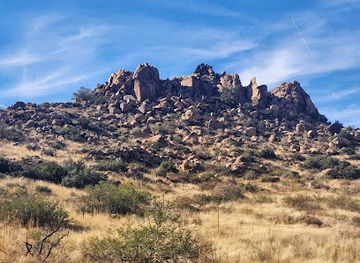
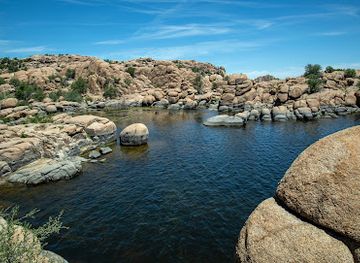
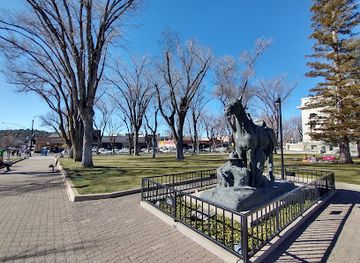
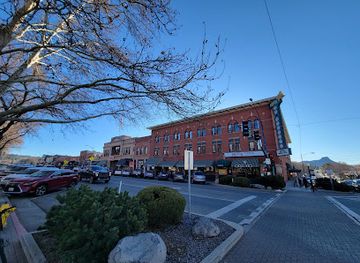
Prescott’s principal sightseeing area centres on Courthouse Plaza, a leafy civic square framed by historic commercial buildings, shops, galleries and restaurants. Whiskey Row, immediately to the west, offers a compact walk through the city’s frontier-era commercial heart, with saloon façades and heritage interiors. At the Sharlot Hall Museum, historic buildings and exhibitions interpret Arizona’s territorial years, while the Phippen Museum presents Western art in a setting north of downtown. The Granite Dells provide one of the area’s most distinctive landscapes: rounded granite formations surround Watson Lake and Willow Lake, with trails, viewpoints and opportunities for paddling. Prescott National Forest adds pine woodland, open hills and a network of routes for walking and wildlife observation. The Smoki Museum, when open, explores Native American art and material culture, although visitors should approach representations of Indigenous traditions with historical awareness and respect.
-
Plaza
Courthouse Plaza
Explore Courthouse Plaza in Prescott, AZ - a vibrant hub of culture, history, and natural beauty, perfect for tourists seeking relaxation and local charm.
2 min walk · 0.2 km from city centre
-
Tourist attraction
Watson Lake Park
Experience the breathtaking beauty and outdoor adventures at Watson Lake Park in Prescott, Arizona, a true natural gem for all visitors.
21 min drive · 7.2 km from city centre
-
Tourist attraction
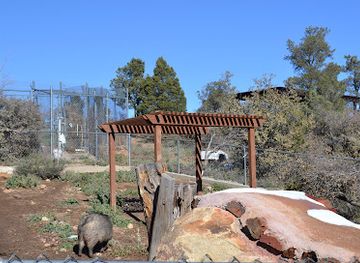
Heritage Park Zoological Sanctuary
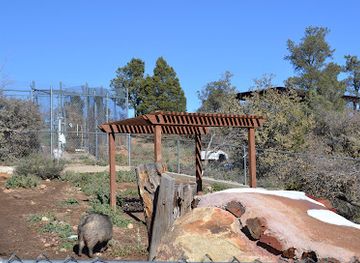
Explore the Heritage Park Zoological Sanctuary in Prescott, Arizona, where animal rescue meets education, offering an unforgettable wildlife experience.
25 min drive · 8.3 km from city centre
-
Tourist attraction
Fain Park
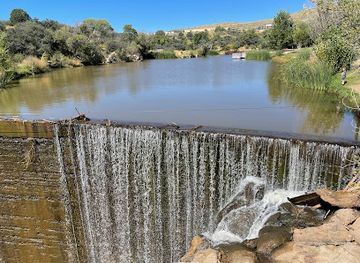
Explore Fain Park in Prescott Valley, Arizona - a peaceful oasis with scenic trails, fishing spots, and captivating landscapes for nature lovers.
31 min drive · 11 km from city centre
Best landmarks in Prescott
The Yavapai County Courthouse, completed in 1916 and standing at the centre of Courthouse Plaza, is Prescott’s defining civic landmark, its Beaux-Arts-inspired design reflecting the confidence of an established Arizona community rather than a temporary mining camp. Whiskey Row preserves the memory of the nineteenth-century commercial district rebuilt after the great fire of 1900, with historic façades and long-standing saloon associations. The Sharlot Hall Museum’s Bashford Courts and related historic structures illuminate territorial and domestic history, while the nearby Fort Whipple Museum area recalls the military presence that accompanied the city’s early development. St George Orthodox Church, with its distinctive Byzantine-influenced character, adds a different architectural note to the cityscape. Together, these places show Prescott’s transition from territorial outpost to civic, cultural and heritage centre.
-
Plaza
Courthouse Plaza
Experience the historic charm and vibrant community of Courthouse Plaza in Prescott, Arizona – a perfect blend of history, culture, and relaxation.
2 min walk · 0.2 km from city centre
-
 Hotel
HotelHotel St. Michael
Experience Prescott's history at Hotel St. Michael, a landmark hotel on Whiskey Row offering Victorian charm and modern comforts.
3 min walk · 0.3 km from city centre
-
Zoo
Heritage Park Zoological Sanctuary
Explore Heritage Park Zoological Sanctuary: A top-notch zoo and animal rescue in Prescott, Arizona, dedicated to conservation and education.
25 min drive · 8.3 km from city centre
-
Hotel
Hassayampa Inn
Discover the Hassayampa Inn, a historic hotel in Prescott, Arizona, combining vintage charm with modern comfort for an unforgettable stay.
3 min walk · 0.3 km from city centre
Explore Prescott on the map
Plan your Prescott trip on one map. See where the top attractions, landmarks, restaurants, bars and hotels are, find what's near where you're staying, and book hotels and experiences in a few clicks.
Best hotels in Prescott
Best restaurants in Prescott
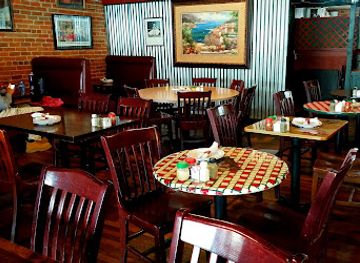
Prescott’s dining scene reflects its position in central Arizona, combining Southwestern influences with the hearty, informal food associated with a historic mountain and ranching community. Around Courthouse Plaza and Whiskey Row, visitors find cafés, bakeries, saloon-style restaurants and independent eateries serving burgers, steaks, sandwiches and regional interpretations of Mexican and Southwestern dishes. Local menus often make use of chilli, beans, corn and other ingredients familiar across the Southwest, while contemporary restaurants broaden the choice with craft beer, wine and seasonal produce. The Prescott Farmers Market offers a route into the area’s agricultural character when operating, with local growers and makers represented alongside other vendors. Dining is generally relaxed rather than formal, and the historic centre is the most convenient area for combining a meal with evening drinks or a walk through the old commercial streets.
-
Restaurant
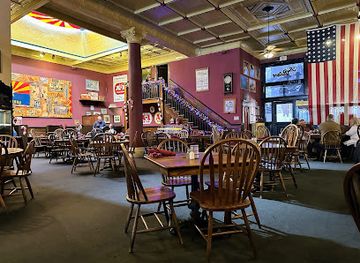
Palace Restaurant & Saloon
Discover Prescott's rich history while savoring delicious American cuisine at the iconic Palace Restaurant & Saloon.
3 min walk · 0.2 km from city centre
-
Tapas
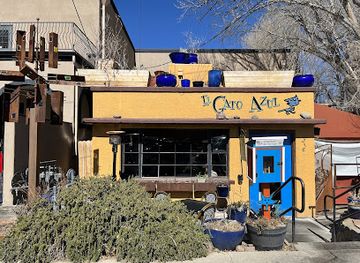
El Gato Azul
Experience the vibrant taste of Spain at El Gato Azul in Prescott - where every bite tells a story.
5 min walk · 0.4 km from city centre
-
Pizza
Rosa's Pizzeria (Prescott)
Experience authentic Italian flavors at Rosa's Pizzeria in Prescott—where every pizza is crafted with love and quality ingredients.
6 min walk · 0.5 km from city centre
-
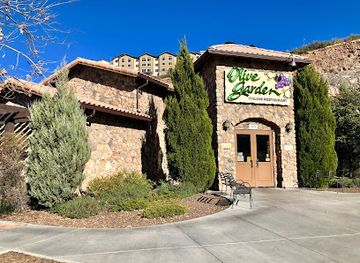
Italian
Olive Garden Italian Restaurant
Savor authentic Italian flavors at Olive Garden in Prescott—perfect for family gatherings or cozy dinners with friends.
17 min drive · 5.7 km from city centre
Best bars in Prescott
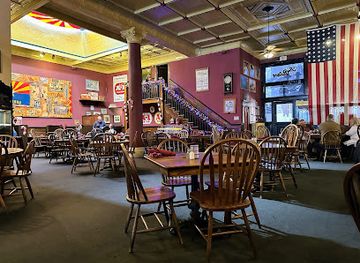
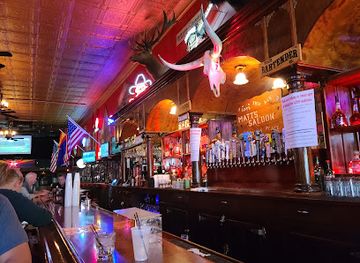
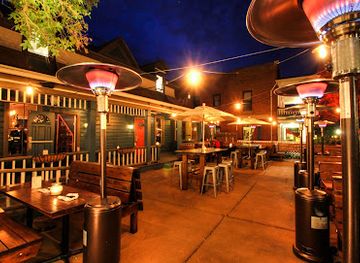
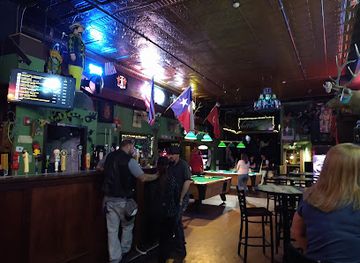
Prescott’s evening life is concentrated around Whiskey Row and the blocks near Courthouse Plaza, where historic saloons, pubs and casual bars create a social atmosphere rooted in the city’s frontier image. The Palace Restaurant and Saloon is one of the best-known historic venues on Whiskey Row, while other downtown establishments offer live music, dancing, craft beer and Western-themed interiors. Matt’s Saloon is associated with the district’s music and bar culture, although the character of individual venues can change. The city is more suited to convivial bar-hopping, local performances and community events than to a large metropolitan club scene. Prescott Center for the Arts and occasional concerts or civic celebrations provide alternatives to drinking-focused evenings, with the programme varying by season.
-
Bar
Palace Restaurant & Saloon
Discover Prescott's historic Palace Restaurant & Saloon, where American cuisine meets Old West charm in a vibrant dining experience.
3 min walk · 0.2 km from city centre
-
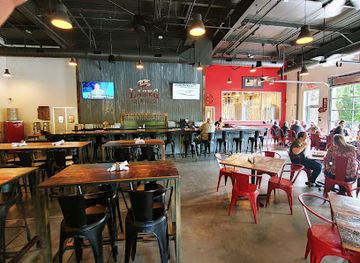
Brewpub
LazyG Brewhouse
Discover the flavors of Prescott at LazyG Brewhouse, where craft beer meets delicious pub cuisine in a cozy setting.
8 min walk · 0.7 km from city centre
-
Bar
Whiskey Row
Discover the historic Whiskey Row in Prescott, Arizona, where vibrant nightlife meets rich heritage and cowboy culture.
2 min walk · 0.2 km from city centre
-
Gastropub
The Barley Hound
Discover the unique flavors of Prescott at The Barley Hound, a gastropub known for its creative dishes and vibrant cocktail selection.
2 min walk · 0.2 km from city centre
Best nightclubs in Prescott
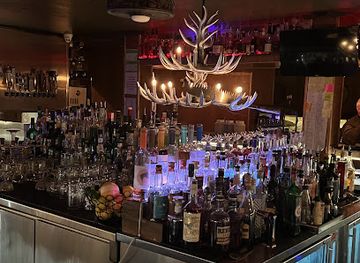
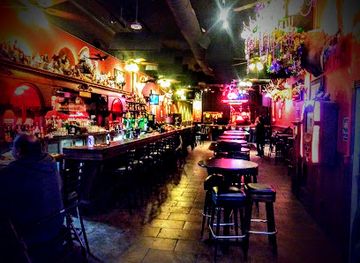
Prescott’s evening life is concentrated around Whiskey Row and the blocks near Courthouse Plaza, where historic saloons, pubs and casual bars create a social atmosphere rooted in the city’s frontier image. The Palace Restaurant and Saloon is one of the best-known historic venues on Whiskey Row, while other downtown establishments offer live music, dancing, craft beer and Western-themed interiors. Matt’s Saloon is associated with the district’s music and bar culture, although the character of individual venues can change. The city is more suited to convivial bar-hopping, local performances and community events than to a large metropolitan club scene. Prescott Center for the Arts and occasional concerts or civic celebrations provide alternatives to drinking-focused evenings, with the programme varying by season.
-
Bar
The Point Bar and Lounge
Experience Prescott's vibrant nightlife at The Point Bar and Lounge, featuring cocktails, live music, and a cozy lounge atmosphere.
4 min walk · 0.3 km from city centre
-
Live music bar
Bird Cage Saloon
Discover Prescott's lively nightlife at Bird Cage Saloon - a premier live music bar serving delicious drinks and unforgettable performances.
2 min walk · 0.2 km from city centre
-
Grill
The Final Score
Experience the vibrant atmosphere and delicious grilled specialties at The Final Score, Prescott’s favorite grill and bar for food and fun.
21 min drive · 7.1 km from city centre
-
Lounge
Lyzzard's Lounge
Discover the vibrant atmosphere and expertly crafted cocktails at Lyzzard's Lounge, Prescott's hidden gem for nightlife.
4 min walk · 0.3 km from city centre

Best shops in Prescott
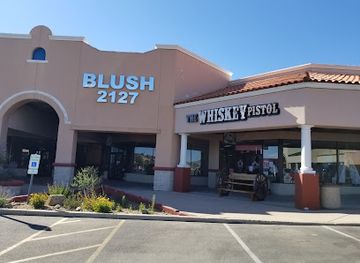
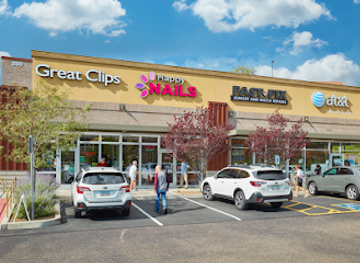
Shopping in Prescott is concentrated around the historic downtown, where Whiskey Row, Courthouse Plaza and adjacent streets combine independent retailers, galleries, antique shops, bookshops and boutiques in older commercial buildings. Western wear, leather goods, handmade jewellery, Native American art and regional crafts are among the products visitors may encounter, although provenance and cultural permissions should be considered carefully when buying Indigenous-inspired or Native-made work. Galleries often focus on Western landscapes, wildlife and local artists, while food shops and seasonal market stalls provide regional produce and speciality goods. Prescott Gateway Mall and newer commercial areas east of the centre offer mainstream retail beyond the historic district. The most characterful browsing is found downtown, where shopping can be combined with the city’s architectural heritage and public square.
-
Shopping mall
Frontier Village Center
Discover an array of shops at Frontier Village Center in Prescott, Arizona, from clothing to pet supplies, perfect for a day of shopping and leisure.
9 min drive · 3.1 km from city centre
-
Shopping mall
Bashford Courts
Explore Bashford Courts in Prescott, AZ - a delightful shopping mall featuring unique boutiques, art galleries, and relaxing wellness experiences.
3 min walk · 0.3 km from city centre
-
Shopping mall
The Shops at Prescott Gateway
Discover a vibrant shopping experience at The Shops at Prescott Gateway, where retail therapy meets dining and entertainment in Prescott, Arizona.
18 min drive · 5.9 km from city centre
-
Department store
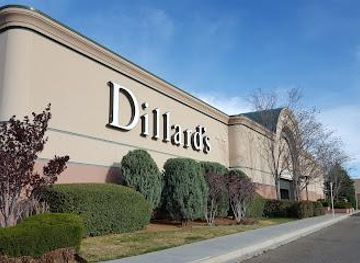
Dillard's
Discover Dillard's in Prescott for an exceptional shopping experience featuring stylish fashion, beauty products, and unique home goods.
16 min drive · 5.4 km from city centre
Get your free copy of our complete guide to Prescott, delivered straight to you.
Everything on this page, from attractions and restaurants to essentials and local phrases, in one PDF you can read offline, print or share.
Already have an account? Sign in
Your Prescott guide is ready.
We'll send it to · Not you? Sign out

Getting your guide ready…
We are putting together a fresh copy of the Prescott guide. This can take up to a minute.
This can take a few moments. If your browser asks, choose Allow so the download can start. You'll find the guide in your Downloads folder.
Nothing happened? Download it again
Sorry, the guide is taking longer than usual. Please try again in a minute, or get it by email instead.
Prescott essentials
Currency and Payment
Safety
Emergency Situations
Do's and Don'ts
Local Tips
From Eve
Local phrases worth knowing
You don't need to get them perfect. A few words go a long way, and locals appreciate the effort.
Basics
| English | Local | Say it |
|---|---|---|
| Hello | Howdy | [h-ow-d-ee] |
| Goodbye | See ya | [s-ee y-ah] |
| Yes | Yep | [y-eh-p] |
| No | Nope | [n-oh-p] |
| Please/You're welcome | Please/No problem | [pl-ee-z/n-oh pr-ah-ble-m] |
| Thank you | Thanks | [th-ank-s] |
| Excuse me/Sorry | Excuse me/Sorry | [ex-k-ew-z m-ee/s-oh-ree] |
| How are you? | Howdy, how are ya? | [h-ow-d-ee, h-ow ar y-ah] |
| Fine. And you? | Good. How 'bout you? | [g-oo-d. h-ow b-ow-t y-oo] |
| Do you speak English? | Ya speak English? | [y-ah sp-ee-k ing-g-lish] |
| I don't understand | I ain't gettin' it | [i a-nt g-eh-t-ee-n it] |
Eating & Drinking
| English | Local | Say it |
|---|---|---|
| I'd like to see the menu, please | Can I check out the menu? | [k-an i ch-eh-k a-ow-t th-ee m-eh-n-oo] |
| I don't eat meat | I don't do meat | [i d-oh-nt d-oo m-ee-t] |
| Cheers! | Cheers! | [ch-ee-r-s] |
| I would like to pay, please | I'll pay now, thanks | [i-l p-ay n-ow, th-ank-s] |
Emergencies
| English | Local | Say it |
|---|---|---|
| Help! | Help! | [h-elp] |
| Go away! | Get lost! | [g-et l-aw-st] |
| Call the Police! | Call the cops! | [k-aw-l th-ee c-aw-ps] |
| Call a doctor! | Get me a doc! | [g-et m-ee a d-ah-k] |
| I'm lost | I'm all turned around | [i-m aw-l t-er-n-d aw-nd] |
| I'm ill | I'm feelin' sick | [i-m f-ee-l-in s-ick] |
Shopping
| English | Local | Say it |
|---|---|---|
| I'd like to buy... | I wanna get... | [i w-ah-n-a g-et] |
| I'm just looking | Just browsing | [j-ust br-ow-z-ing] |
| How much is it? | What's the price? | [wh-ah-t-s th-ee pr-ice] |
| That's too expensive | That's a bit pricey | [th-ats a b-it pr-ice-y] |
| Can you lower the price? | Can ya bring it down? | [k-an y-ah br-ing it d-ow-n] |
Time & Numbers
| English | Local | Say it |
|---|---|---|
| What time is it? | What's the time? | [wh-ah-ts th-ee t-ime] |
| It's one o'clock | It's one | [it-s w-ah-n] |
| Half past (10) | Half past ten | [h-af p-ah-st t-en] |
| Morning | Mornin' | [m-orn-in] |
| Afternoon | Afternoon | [a-ft-er-n-oo-n] |
| Evening | Evenin' | [ee-v-eh-n-in] |
| Yesterday | Yesterday | [y-est-er-d-ay] |
| Today | Today | [t-oo-d-ay] |
| Tomorrow | Tomorrow | [t-om-or-oh] |
| 1 | One | [w-ah-n] |
| 2 | Two | [t-oo] |
| 3 | Three | [th-r-ee] |
| 4 | Four | [f-aw-r] |
| 5 | Five | [f-ive] |
| 6 | Six | [s-ix] |
| 7 | Seven | [s-eh-v-en] |
| 8 | Eight | [ay-t] |
| 9 | Nine | [n-ine] |
| 10 | Ten | [t-en] |
Transport & Directions
| English | Local | Say it |
|---|---|---|
| Where's a/the...? | Where's the...? | [wh-er-s th-ee] |
| What's the address? | What's the addy? | [wh-ah-ts th-ee ad-ee] |
| Can you show me (on the map)? | Can you point it out (on the map)? | [k-an y-ah p-oy-nt it aw-t (on th-ee m-ah-p)] |
| When's the next (bus)? | When's the next ride? | [wh-eh-n-s th-ee n-eh-xt r-ide] |
| A ticket (to ....) | A pass (to ....) | [a p-ass (t-oo)] |
History of Prescott
Indigenous Landscapes Before Prescott
The Prescott area has a long Indigenous history, shaped by peoples who used the central Arizona uplands for hunting, gathering, farming and travel. Archaeological evidence records earlier communities in the wider region, while the Yavapai and Apache peoples maintained enduring cultural relationships with the mountains, waterways and grasslands around the modern city. Those relationships were severely disrupted during the United States’ territorial expansion in the nineteenth century, when military campaigns, forced removals and reservation policies transformed Indigenous life. The landscape encountered by later settlers was therefore not an empty frontier but a lived-in cultural environment with established routes and seasonal knowledge.
The Territorial Capital, 1864
Prescott was established in 1864 after gold discoveries in the Bradshaw Mountains encouraged the United States to organise the newly created Arizona Territory. Named for historian William H. Prescott, the settlement became the territorial capital and an administrative centre for miners, soldiers, merchants and government officials. Its position near mining districts and transport routes helped it develop quickly, although the early town was vulnerable to fire and the rough conditions of a frontier settlement. Prescott lost the capital designation to Tucson in 1867, regained it in 1877 and remained the territorial capital until Phoenix assumed the role in 1889.
Mining, Ranching and Frontier Commerce
During the late nineteenth century, Prescott grew through a mixture of mining, ranching, military activity and regional trade. Gold and other mineral resources in the Bradshaw Mountains brought prospectors and investment, while Fort Whipple, established nearby, reinforced the settlement’s military importance. Whiskey Row became associated with saloons, gambling and commercial entertainment, reflecting the transient population of a mining and supply town. Ranching later became an important part of the surrounding economy, and the city developed civic buildings, churches and homes that still shape its historic centre. These industries connected Prescott to wider territorial networks rather than leaving it an isolated mountain outpost.
Fire, Recovery and Civic Identity
A major fire in 1900 destroyed much of Prescott’s central business district, including many buildings associated with the earlier frontier town. Reconstruction produced the substantial masonry architecture visible around Courthouse Plaza and helped give downtown its cohesive historic appearance. The courthouse itself became a defining civic landmark, while commercial premises on Whiskey Row were rebuilt and continued to anchor Prescott’s public life. In the twentieth century, the city diversified beyond mining through ranching, government, tourism and small-scale commerce. Historic preservation and the interpretation of territorial history subsequently became important aspects of local identity.
A Heritage and Outdoor City
Modern Prescott combines its historic civic centre with a regional reputation for outdoor recreation and Western cultural traditions. The city’s museums, rodeo events and public celebrations preserve aspects of its territorial and ranching past, while the Prescott National Forest, Granite Dells and nearby lakes support hiking, paddling, climbing and wildlife observation. Population growth has brought new neighbourhoods and services beyond the old core, but the relationship between town and upland landscape remains central to Prescott’s character. Today, its identity rests on the interaction of a preserved historic centre, a continuing arts and community scene, and a mountain environment close to everyday urban life.
Prescott in Photos
Browse through our photo collection highlighting the charm and character of the destination.
Cities near Prescott
The closest cities to Prescott, if you have time for more than one stop.
-

-

-

-

-


Swipe for more cities
Explore more

Explore more of Arizona
Discover Arizona: From the majestic Grand Canyon and red rocks of Sedona to the vibrant cities of Phoenix and Scottsdale, explore the diverse beauty and culture of the Grand Canyon State.
Explore Arizona