

Lake Ouachita Travel Guide - Free Web & App
Your ultimate guide to Lake Ouachita. Discover top landmarks, proposed trips, and local tips. Free on the web or via the Evendo companion app.


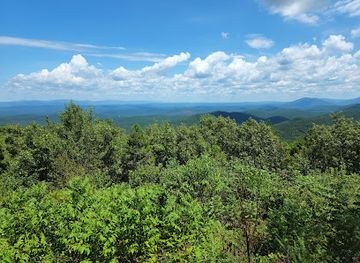
Discover the serene and pristine waters of Lake Ouachita, a haven for outdoor enthusiasts and nature lovers in the heart of Arkansas' Ouachita National Forest.
Read more about Lake Ouachita
When is the best time to visit Lake Ouachita?
Best: May, September–October · 22–28°C| Month | High (°C) | Rainfall (mm) |
|---|---|---|
| January | 10 | 93 |
| February | 12 | 88 |
| March | 17 | 111 |
| April | 22 | 103 |
| May (best) | 26 | 117 |
| June | 31 | 99 |
| July | 32 | 89 |
| August | 32 | 89 |
| September (best) | 28 | 99 |
| October (best) | 22 | 99 |
| November | 17 | 104 |
| December | 11 | 110 |
Getting to and around Lake Ouachita
How to get there
Transportation
Best attractions in Lake Ouachita
Lake Ouachita in Arkansas offers visitors a serene and picturesque escape into nature with its crystal-clear waters and lush surroundings. The lake is perfect for water activities such as swimming, fishing, and boating, while the surrounding Ouachita National Forest provides ample opportunities for hiking and wildlife watching. Visitors can also explore the historic Hot Springs nearby, known for its therapeutic hot springs and vibrant arts scene. Whether you're seeking adventure or relaxation, Lake Ouachita has something for everyone.
-
National forest
Ouachita National Forest
Explore the Ouachita National Forest: A historic and scenic destination for hiking, camping, and outdoor adventures in Arkansas and Oklahoma.
Explore Lake Ouachita on the map
Plan your trip on one map. See where the top attractions, landmarks, restaurants and hotels are, and book hotels and experiences in a few clicks.
Best hotels in Lake Ouachita
Best bars in Lake Ouachita
When the sun sets over the serene waters of Lake Ouachita, the nightlife scene comes alive with a variety of bars and nightclubs offering a mix of live music, delicious cocktails, and a vibrant atmosphere. Whether you're looking to unwind with a drink by the water or dance the night away to local bands, Lake Ouachita has something for everyone. From intimate lounges to lively clubs, the nightlife here is sure to add an exciting touch to your stay in this picturesque destination.
-
Restaurant
Ouachita Bootleggers BBQ
Discover the authentic taste of Southern barbecue at Ouachita Bootleggers BBQ, a must-visit restaurant in Story, Arkansas.
-
Sandwich
Subway
Enjoy fresh and delicious sandwiches at Subway in Mt. Ida, where customization meets convenience for every hungry traveler.

Best shops in Lake Ouachita
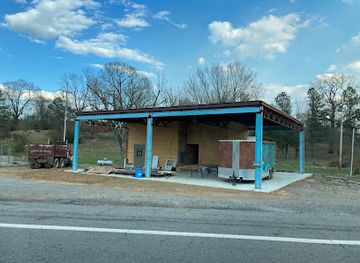
Visitors to Lake Ouachita can expect a unique shopping experience, with a variety of charming boutiques, antique stores, and local artisans showcasing their handcrafted goods. From one-of-a-kind souvenirs to beautiful artwork, there is something for everyone to enjoy. The shopping scene in Lake Ouachita offers a perfect blend of history and modernity, making it a must-visit destination for those looking to take home a piece of the area's rich culture.
-
Hunting and fishing store
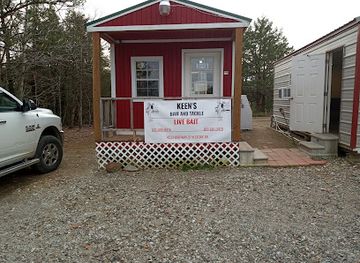
Keen's Bait and Tackle and More
Explore the great outdoors of Arkansas with Keen's Bait and Tackle – your trusted source for fishing, camping, and outdoor gear.
Get your free copy of our complete guide to Lake Ouachita, delivered straight to you.
Everything on this page, from attractions and restaurants to essentials and local phrases, in one PDF you can read offline, print or share.
Already have an account? Sign in
Your Lake Ouachita guide is ready.
We'll send it to · Not you? Sign out

Getting your guide ready…
We are putting together a fresh copy of the Lake Ouachita guide. This can take up to a minute.
This can take a few moments. If your browser asks, choose Allow so the download can start. You'll find the guide in your Downloads folder.
Nothing happened? Download it again
Sorry, the guide is taking longer than usual. Please try again in a minute, or get it by email instead.
Lake Ouachita essentials
Currency and Payment
Safety
Emergency Situations
Do's and Don'ts
Local Tips
From Eve
Local phrases worth knowing
You don't need to get them perfect. A few words go a long way, and locals appreciate the effort.
Basics
| English | Local | Say it |
|---|---|---|
| Hello | Howdy | [hah-dee] |
| Goodbye | See ya later | [see-yuh lay-tur] |
| Yes | Yep | [yep] |
| No | Nah | [nah] |
| Please/You're welcome | Please/You're welcome | [Please/You're welcome] |
| Thank you | Thanks | [thanks] |
| Excuse me/Sorry | Excuse me/Sorry | [Excuse me/Sorry] |
| How are you? | How y'all doin'? | [how y'all doin'] |
| Fine. And you? | Fine. And you? | [Fine. And you?] |
| Do you speak English? | Ya speak English? | [ya speak English?] |
| I don't understand | I don't get it | [I don't get it] |
Eating & Drinking
| English | Local | Say it |
|---|---|---|
| I'd like to see the menu, please | Can I check out the menu? | [can I check out the menu?] |
| I don't eat meat | I don't eat meat | [I don't eat meat] |
| Cheers! | Cheers! | [Cheers!] |
| I would like to pay, please | I'll settle up, please | [I'll settle up, please] |
Emergencies
| English | Local | Say it |
|---|---|---|
| Help! | Help! | [Help!] |
| Go away! | Git! | [Git!] |
| Call the Police! | Call the Sheriff! | [Call the Sheriff!] |
| Call a doctor! | Call a doc! | [Call a doc!] |
| I'm lost | I'm turned around | [I'm turned around] |
| I'm ill | I'm feelin' poorly | [I'm feelin' poorly] |
Shopping
| English | Local | Say it |
|---|---|---|
| I'd like to buy... | I'm fixin' to buy... | [I'm fixin' to buy...] |
| I'm just looking | I'm just lookin' | [I'm just lookin'] |
| How much is it? | How much does it run? | [How much does it run?] |
| That's too expensive | That's too pricey | [That's too pricey] |
| Can you lower the price? | Can you knock the price down? | [Can you knock the price down?] |
Time & Numbers
| English | Local | Say it |
|---|---|---|
| What time is it? | What's the clock say? | [What's the clock say?] |
| It's one o'clock | It's one o'clock | [It's one o'clock] |
| Half past (10) | Half past (10) | [Half past (10)] |
| Morning | Mornin' | [Mornin'] |
| Afternoon | Afternoon | [Afternoon] |
| Evening | Evenin' | [Evenin'] |
| Yesterday | Yest'day | [Yest'day] |
| Today | Today | [Today] |
| Tomorrow | Tomorrah | [Tomorrah] |
| 1 | One | [One] |
| 2 | Two | [Two] |
| 3 | Three | [Three] |
| 4 | Four | [Four] |
| 5 | Five | [Five] |
| 6 | Six | [Six] |
| 7 | Seven | [Seven] |
| 8 | Eight | [Eight] |
| 9 | Nine | [Nine] |
| 10 | Ten | [Ten] |
Transport & Directions
| English | Local | Say it |
|---|---|---|
| Where's a/the...? | Where's a/the...? | [Where's a/the...?] |
| What's the address? | What's the address? | [What's the address?] |
| Can you show me (on the map)? | Can you show me (on the map)? | [Can you show me (on the map)?] |
| When's the next (bus)? | When's the next (bus)? | [When's the next (bus)?] |
| A ticket (to ....) | A ticket (to ....) | [A ticket (to ....)] |
History of Lake Ouachita
Formation of Lake Ouachita
Lake Ouachita, the largest lake entirely within Arkansas, was formed in 1953 with the completion of the Blakely Mountain Dam on the Ouachita River. The dam was constructed by the U.S. Army Corps of Engineers as part of a flood control project. Spanning 40,000 acres, the lake features over 970 miles of shoreline and quickly became a popular destination for boating, fishing, and other recreational activities.
Native American Heritage
Before the creation of Lake Ouachita, the Ouachita River Valley was inhabited by Native American tribes, including the Caddo and Quapaw, who lived in harmony with the land. These tribes relied on the river for sustenance, transportation, and trade. Archaeological evidence, such as pottery and tools, has been found in the area, providing a glimpse into their rich cultural heritage.
The Ouachita National Forest
Surrounding Lake Ouachita is the Ouachita National Forest, which was established in 1907. The forest spans over 1.8 million acres and is one of the oldest and largest national forests in the southern United States. The forest is home to diverse flora and fauna, and it offers visitors numerous opportunities for hiking, camping, and wildlife observation.
Civilian Conservation Corps Contributions
During the Great Depression, the Civilian Conservation Corps (CCC) played a significant role in developing the area around Lake Ouachita. The CCC was a public work relief program that provided jobs for young men. They built roads, trails, and recreational facilities in the Ouachita National Forest, many of which are still in use today. Their efforts helped lay the groundwork for the area's future as a recreational hotspot.
Blakely Mountain Dam Construction
The construction of the Blakely Mountain Dam was a monumental engineering feat of its time. Completed in 1953, the dam stands at 231 feet high and 1,100 feet long. The hydroelectric power plant at the dam generates electricity, providing energy to the surrounding communities. The creation of the dam also led to the submersion of several small communities, forever altering the landscape and the lives of those who once called it home.
Lake Ouachita's Unique Geology
Lake Ouachita is renowned for its clarity and is considered one of the cleanest lakes in the United States. The lake's unique geology contributes to this, with its waters being filtered through the quartz crystal formations found in the Ouachita Mountains. These formations are millions of years old and have led to the lake becoming a popular spot for crystal hunting.
Recreational Development
Since its creation, Lake Ouachita has developed into a premier destination for outdoor recreation. The U.S. Army Corps of Engineers and various state agencies have worked to establish numerous parks, campgrounds, and marinas around the lake. These facilities offer a range of activities, from fishing and boating to hiking and bird watching, attracting visitors from across the country.
Environmental Preservation Efforts
In recent years, there has been a growing focus on preserving the natural beauty and ecological health of Lake Ouachita. Various conservation initiatives have been implemented to protect the water quality and surrounding habitats. Efforts include invasive species control, shoreline stabilization, and public education programs aimed at promoting sustainable recreation practices.
Lake Ouachita in Photos
Browse through our photo collection highlighting the charm and character of the destination.
Neighbouring destination travel guides
The closest destinations to Lake Ouachita, if you have time for more than one.
-

-
 Hot Springs National Park
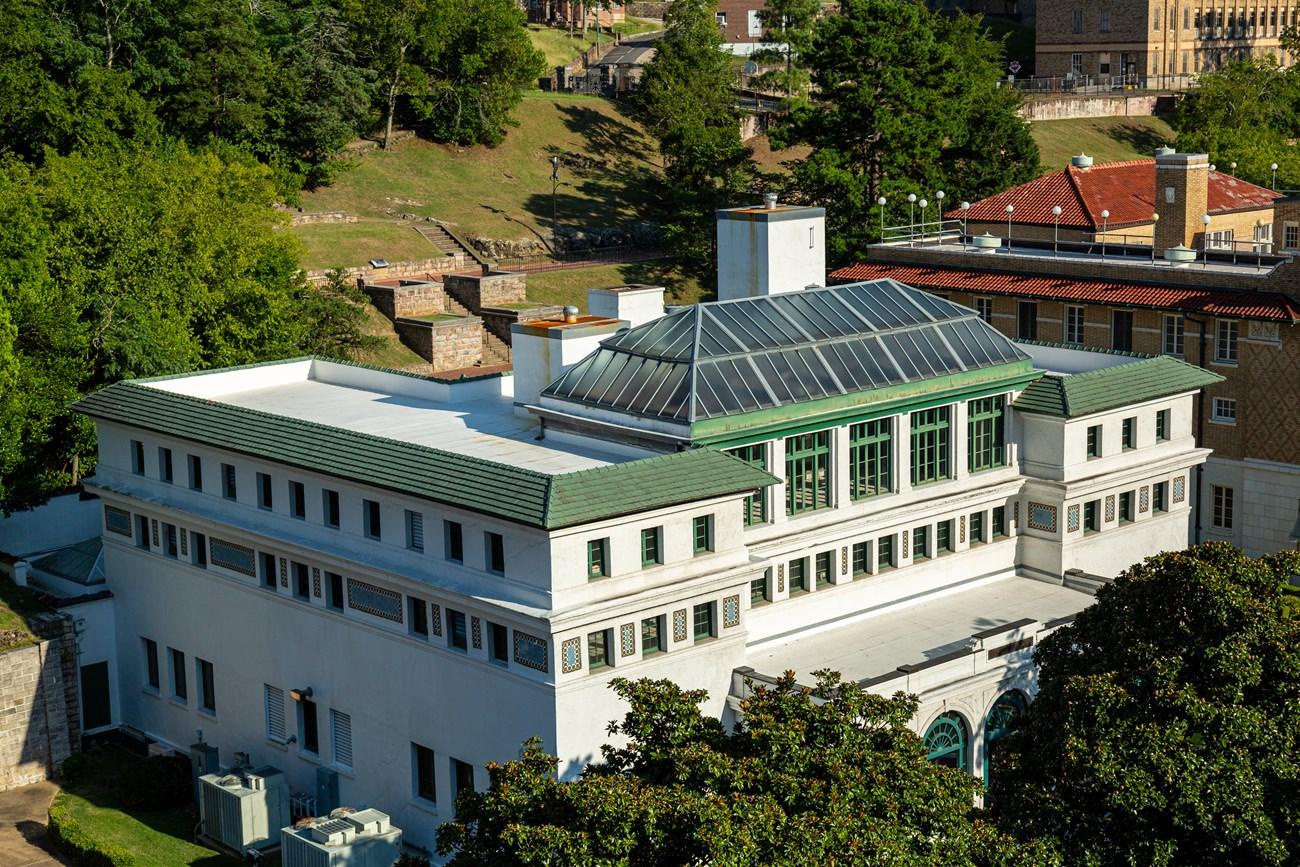
 in Arkansas pairs historic Bathhouse Row with thermal waters, forested Ouachita trails, scenic drives and American spa heritage.
Hot Springs National Park
Hot Springs National Park in Arkansas pairs historic Bathhouse Row with thermal waters, forested Ouachita trails, scenic drives and American spa heritage.
-

-

-


Swipe for more destinations
Explore more

Explore more of Arkansas River Valley
Explore the Arkansas River Valley for mountain trails, river recreation, frontier history, historic towns and the varied landscapes of central Arkansas.
Explore Arkansas River Valley
Explore more of Arkansas
Explore Arkansas: The Natural State with its stunning landscapes, rich history, and vibrant cultural experiences. Perfect for adventurers and culture seekers alike.
Explore Arkansas