

Free Gegharkunik Travel Guide & Mobile App
Explore Gegharkunik with free travel guides. Discover regional history, expert tips, proposed trips, and audio guides on web or mobile app.


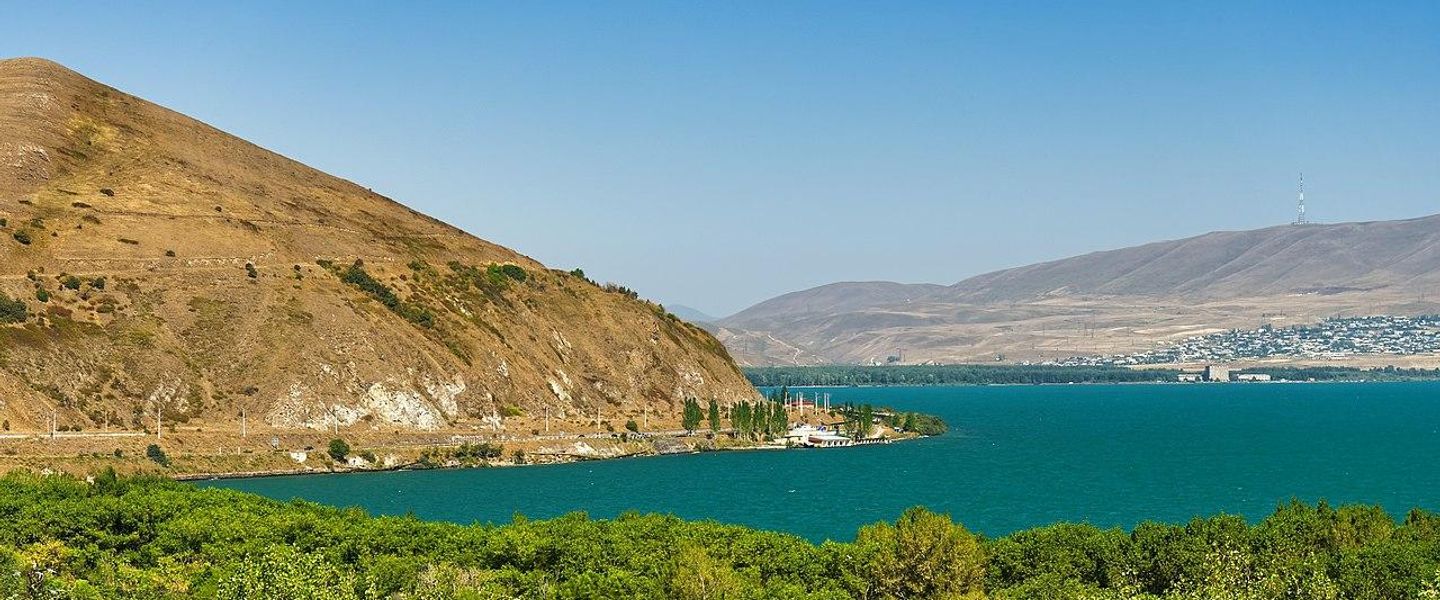


Explore Gegharkunik in Armenia for Lake Sevan, medieval monasteries, khachkars, mountain scenery and highland Armenian food traditions.
Read more about Gegharkunik
When is the best time to visit Gegharkunik?
Best: June–August · 21–23°C| Month | High (°C) | Rainfall (mm) |
|---|---|---|
| January | -2 | 30 |
| February | 1 | 35 |
| March | 5 | 40 |
| April | 11 | 45 |
| May | 16 | 50 |
| June (best) | 21 | 55 |
| July (best) | 23 | 60 |
| August (best) | 23 | 55 |
| September | 18 | 50 |
| October | 13 | 45 |
| November | 6 | 40 |
| December | 1 | 35 |
Getting to and around Gegharkunik
How to get there
Transportation
Top city travel guides in Gegharkunik
The cities of Gegharkunik, and the easiest places to base yourself.
-

-

-

-

-
-


Swipe for more cities
Destinations in Gegharkunik
Resorts, valleys and scenic spots worth a trip of their own.
-

-

-

-

-

-


Swipe for more destinations
Best attractions in Gegharkunik
Gegharkunik’s attractions centre on the varied landscapes and heritage of the Lake Sevan basin. Sevan National Park provides opportunities for lakeside walks, birdwatching, nature photography and seasonal recreation, while the peninsula near Sevan town combines broad water views with the historic churches of Sevanavank. Hayravank offers a quieter monastic setting on the western shore, and Noratus is known for its extensive field of medieval and later khachkars. The archaeological site and museum area at Lchashen adds a prehistoric dimension, with evidence of settlements and craftsmanship from the Bronze and Iron ages. Around the southern and eastern shores, visitors encounter fishing communities, agricultural villages, open pasture and mountain scenery rather than a continuous resort strip. Swimming, boating and beach visits are seasonal and depend on local conditions, while hiking and cycling are best planned with water, layers and navigation. The province’s attraction landscape rewards linking several modest sites across a day or two instead of expecting one concentrated tourist centre.
-
Monastery
Sevanavank Monastery
Explore Sevanavank Monastery: A historic Armenian treasure with stunning lake views and medieval architecture on the picturesque Sevan Peninsula.
-
Lake
Lake Sevan
Discover Lake Sevan, Armenia: A stunning alpine lake with ancient monasteries, fresh fish, and breathtaking views.
-
Monastery
Jukhtakvank Monastery
Discover Jukhtakvank Monastery in Dilijan National Park: a peaceful retreat into Armenia's rich history and natural beauty.
-
Lake
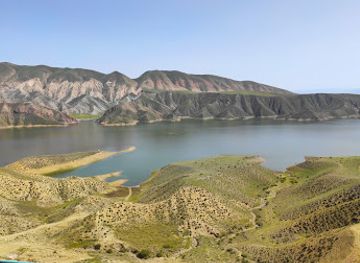
Azat Reservoir
Discover the serene beauty of Azat Reservoir in Armenia, a perfect blend of nature, recreation, and historical landmarks.

Best landmarks in Gegharkunik
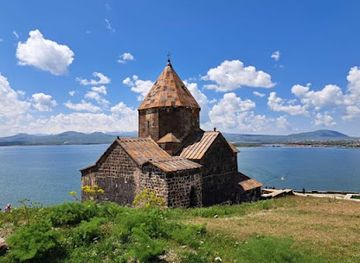
Sevanavank is Gegharkunik’s most recognisable landmark, with its dark stone churches standing on a peninsula above Lake Sevan. The monastery’s elevated position and austere architecture make it both a major religious site and a defining visual symbol of the province; the surrounding land was once an island before changes in the lake’s water level. On the western shore, Hayravank monastery occupies a rocky promontory and presents a more secluded medieval setting, with churches and defensive-looking walls integrated into the landscape. Noratus cemetery is an important cultural landmark rather than a conventional monument: its numerous khachkars preserve centuries of Armenian funerary art in a broad rural setting. Lchashen’s archaeological remains represent the older human history of the basin, linking the modern lakeshore to Bronze and Iron Age communities. Beyond built heritage, Lake Sevan itself is Gegharkunik’s principal geographical landmark, its high-altitude basin and volcanic surroundings shaping settlement, climate, agriculture and the province’s visual identity.
-
 Tourist attraction
Cascade Complex
Climb Yerevan's Cascade for art, gardens, and panoramic city views. Explore the Cafesjian Museum of Art and iconic sculptures.
-
Historical landmark
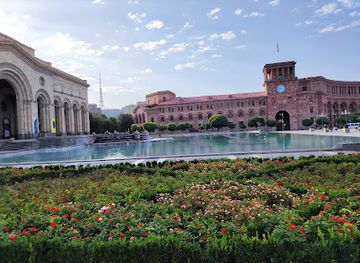
Republic Square
Experience Yerevan's heart: stunning architecture, musical fountains, and rich history converge in Republic Square.
-
Monastery
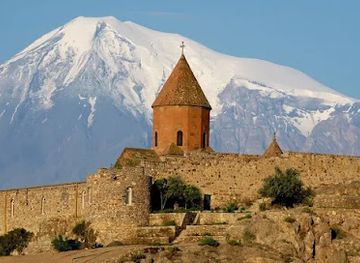
Khor Virap Monastery
Discover the enchanting Khor Virap Monastery, a spiritual haven with breathtaking views of Mount Ararat and rich Armenian heritage.
-
Armenian church
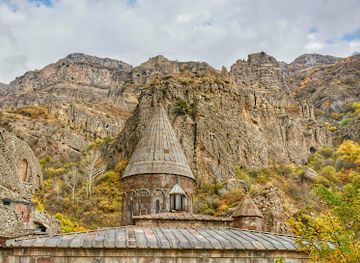
Geghard Monastery
Discover the breathtaking beauty and rich history of Geghard Monastery, a UNESCO World Heritage site nestled in the stunning Azat River Gorge.
Explore Gegharkunik on the map
Plan your trip on one map. See where the top cities, national parks and sights are, and book hotels and experiences in a few clicks.
Best hotels in Gegharkunik
Best restaurants in Gegharkunik
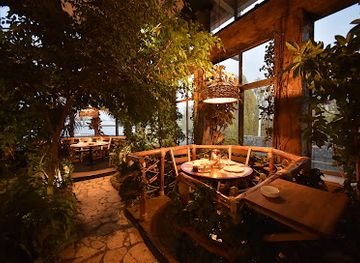
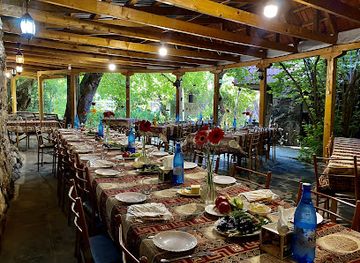
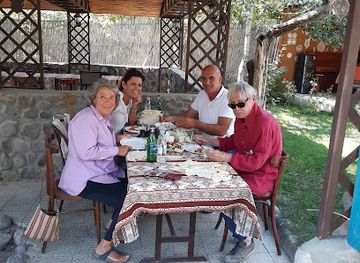
Food in Gegharkunik reflects both Armenian culinary traditions and the resources of a highland lake district. Fish is central to the regional dining identity, with trout and other locally associated varieties appearing grilled, fried or prepared in simple seasonal dishes; visitors should ask restaurants about sourcing because not every fish served beside the lake is caught locally. Lakeside restaurants and cafés commonly offer grilled meats, khorovats, salads, herbs, potatoes, lavash and dairy products, while village households may preserve fruit and vegetables for the colder months. Gata and other Armenian baked goods are useful for road journeys, and fresh bread is often best bought locally rather than carried long distances. Dining is generally more dispersed and informal outside Sevan town, Gavar and other larger settlements, so carrying snacks is sensible on long drives around the shore. Markets and small food shops provide fruit, cheese and bread when available.
-
Restaurant
EL Garden
Experience the best of Armenian cuisine at EL Garden in Yerevan - where flavor meets ambiance.
-
Restaurant
Ginetun Restaurant
Experience authentic Armenian cuisine at Ginetun Restaurant in Yerevan – where tradition meets taste in every dish.
-
Restaurant
Sergei Mot
Experience the rich flavors of Armenian cuisine at Sergei Mot in Garni - a culinary gem showcasing tradition and taste.
-
Restaurant
Merojakh family restaurant
Experience authentic Armenian cuisine at Merojakh Family Restaurant in Garni - a true culinary delight surrounded by breathtaking landscapes.

Best bars in Gegharkunik
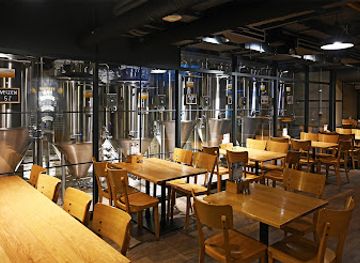
Gegharkunik’s evening life is modest and concentrated in Sevan town, Gavar and the more developed lakeside areas rather than organised around a large club scene. Restaurants and cafés near Lake Sevan provide the main places for an evening meal, drinks and conversation, with busier activity during the warm summer season. Traditional Armenian pubs and casual venues may serve beer, spirits and local food, while some hotels offer quieter lounges or terraces. In smaller villages and on the rural southern or eastern shores, evenings are generally centred on family hospitality, guesthouses and restaurants rather than late-night entertainment. Seasonal lakeside visitors can find a more social atmosphere in summer, but opening arrangements vary and should not be assumed outside the main travel period. Alcohol is not necessary to engage with local evening culture; a meal, a walk near the shore or conversation in a village guesthouse can be equally characteristic.
-
Brewpub
Dargett Craft Beer
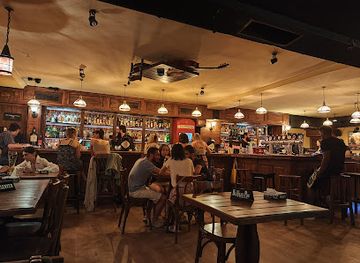
Discover the best of Yerevan's craft beer scene at Dargett, a vibrant brewpub offering unique brews and delicious food in a welcoming atmosphere.
-
Pub
Beatles Pub Yerevan
Discover Beatles Pub in Yerevan: A lively pub where music, local cuisine, and a vibrant atmosphere unite for an unforgettable experience.
-
Pub
Calumet Ethnic Lounge Bar
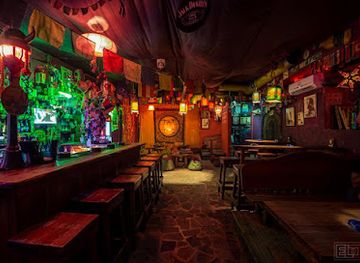
Discover the vibrant atmosphere and rich Armenian culture at Calumet Ethnic Lounge Bar, a must-visit pub in Yerevan.
-
Cocktail bar
DABOO Cocktail Bar
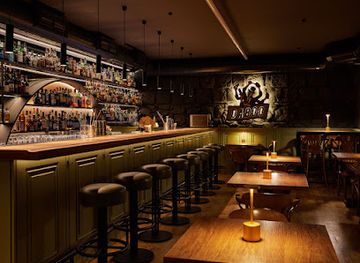
Discover the vibrant nightlife of Yerevan at DABOO Cocktail Bar, where expertly crafted cocktails and lively ambiance await you.
Best nightclubs in Gegharkunik
Gegharkunik’s evening life is modest and concentrated in Sevan town, Gavar and the more developed lakeside areas rather than organised around a large club scene. Restaurants and cafés near Lake Sevan provide the main places for an evening meal, drinks and conversation, with busier activity during the warm summer season. Traditional Armenian pubs and casual venues may serve beer, spirits and local food, while some hotels offer quieter lounges or terraces. In smaller villages and on the rural southern or eastern shores, evenings are generally centred on family hospitality, guesthouses and restaurants rather than late-night entertainment. Seasonal lakeside visitors can find a more social atmosphere in summer, but opening arrangements vary and should not be assumed outside the main travel period. Alcohol is not necessary to engage with local evening culture; a meal, a walk near the shore or conversation in a village guesthouse can be equally characteristic.
-
Musical club
Kami Club
Experience the vibrant nightlife of Yerevan at Kami Club, where quality music and a lively atmosphere await every night of the week.
-
Musical club
Mezzo Club
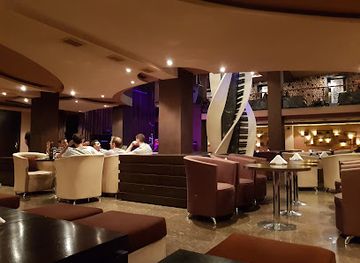
Discover the lively Mezzo Club in Yerevan, where live music, delicious cuisine, and a vibrant atmosphere come together for an unforgettable night out.
-
Jazz
Club 12
Experience the heart of Yerevan at Club 12, where live jazz meets exquisite Armenian cuisine in a vibrant and welcoming atmosphere.
-
Rock music club
Stop Club
Experience the electric atmosphere of Stop Club, Yerevan's top destination for live rock music and unforgettable nightlife.



Best shops in Gegharkunik
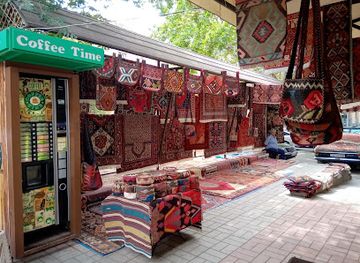
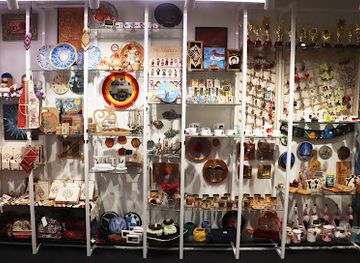
Shopping in Gegharkunik is practical and locally focused, with small markets, food shops and town-centre stores providing bread, fruit, cheese, preserves and other provisions for journeys around the lake. Sevan town and Gavar offer the broadest everyday choice, while village shops are useful for basic supplies but may have limited stock. At religious and cultural sites, visitors may encounter Armenian religious souvenirs, locally made crafts or small items featuring khachkar designs; these should be bought from legitimate sellers rather than removing anything from historic places. Regional food products make appropriate souvenirs, including dried fruit, honey, preserves, herbs and packaged sweets when available. The province is not primarily a luxury-shopping destination, and independent retail is more significant than large commercial centres. Carry cash for smaller purchases, especially in rural settlements and at informal produce stalls, and check any food labelling or packaging before transporting products internationally.
-
Gift shop
Vernissage
Vernissage Market in Yerevan: A vibrant artisan market offering unique Armenian crafts, art, and local delicacies, perfect for tourists looking for authentic souvenirs.
-
Shopping mall
Dalma Garden Mall
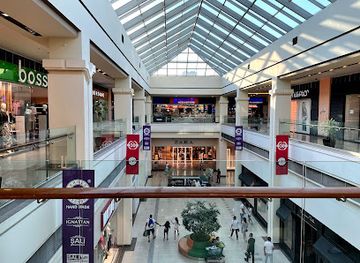
Experience the best of shopping, dining, and entertainment at Dalma Garden Mall in Yerevan, Armenia's premier retail destination.
-
Shopping mall
Tashir Street Shopping Centre
Explore Tashir Street Shopping Centre in Yerevan - a vibrant shopping haven filled with diverse shops, delightful dining, and cultural experiences.
-
Shopping mall
Yerevan Market
Explore Yerevan Market, a vibrant shopping destination filled with local craftsmanship, fashion, and unique souvenirs at unbeatable prices.

Get your free copy of our complete guide to Gegharkunik, delivered straight to you.
Everything on this page, from attractions and restaurants to essentials and local phrases, in one PDF you can read offline, print or share.
Already have an account? Sign in
Your Gegharkunik guide is ready.
We'll send it to · Not you? Sign out

Getting your guide ready…
We are putting together a fresh copy of the Gegharkunik guide. This can take up to a minute.
This can take a few moments. If your browser asks, choose Allow so the download can start. You'll find the guide in your Downloads folder.
Nothing happened? Download it again
Sorry, the guide is taking longer than usual. Please try again in a minute, or get it by email instead.
Gegharkunik essentials
Currency and Payment
Safety
Emergency Situations
Do's and Don'ts
Local Tips
From Eve
Local phrases worth knowing
You don't need to get them perfect. A few words go a long way, and locals appreciate the effort.
Basics
| English | Local | Say it |
|---|---|---|
| Hello | Բարև | [Barev] |
| Goodbye | Հաջողություն | [Hajoghutyun] |
| Yes | Այո | [Ayo] |
| No | Ոչ | [Voch] |
| Please/You're welcome | Խնդրում եմ/Բարի գալուստ | [Khndrum yem/Bari galust] |
| Thank you | Շնորհակալություն | [Shnorhakalutyun] |
| Excuse me/Sorry | Ներեցեք | [Neretseq] |
| How are you? | Ինչպե՞ս եք | [Inchpes ek] |
| Fine. And you? | Լավ. Իսկ դուք? | [Lav. Isk duk?] |
| Do you speak English? | Դուք անգլերեն խոսո՞ւմ եք | [Duk angleren khosum ek?] |
| I don't understand | Չեմ հասկանում | [Chem haskanum] |
Eating & Drinking
| English | Local | Say it |
|---|---|---|
| I'd like to see the menu, please | Հրաշալի կլիներ տեսնել մենյուն, խնդրում եմ | [Hrashali kliner tesnel menyun, khndrum yem] |
| I don't eat meat | Չեմ ուտում միս | [Chem utum mis] |
| Cheers! | Առողջություն! | [Arroghjutyun!] |
| I would like to pay, please | Ես կցանկանայի վճարել, խնդրում եմ | [Yes ktsankanaі vjarel, khndrum yem] |
Emergencies
| English | Local | Say it |
|---|---|---|
| Help! | Օգնեցեք! | [Ognets'ek!] |
| Go away! | Հեռացեք! | [Herats'ek!] |
| Call the Police! | Զանգեք ոստիկանություն! | [Zangek vostiakanutyun!] |
| Call a doctor! | Զանգեք բժիշկի! | [Zangek bjishki!] |
| I'm lost | Ես կորած եմ | [Yes korats yem] |
| I'm ill | Ես հիվանդ եմ | [Yes hivand yem] |
Shopping
| English | Local | Say it |
|---|---|---|
| I'd like to buy... | Ցանկանում եմ գնել... | [Tsankanum yem gnel...] |
| I'm just looking | Ես պարզապես նայում եմ | [Yes parzapes nayum yem] |
| How much is it? | Ինչ արժե դա? | [Inch arje da?] |
| That's too expensive | Այդ շատ թանկ է | [Ayd shat tank e] |
| Can you lower the price? | Կարո՞ղ եք իջեցնել գինը | [Karogh ek ijetsnel giny] |
Time & Numbers
| English | Local | Say it |
|---|---|---|
| What time is it? | Ո՞ր ժամն է | [Vo'r zhamn e?] |
| It's one o'clock | Մի ժամ է | [Mi zham e] |
| Half past (10) | Կես (10) | [Kes (10)] |
| Morning | Առավոտ | [Aravot] |
| Afternoon | Ցերեկ | [Tserik] |
| Evening | Երեկոյան | [Yerekojan] |
| Yesterday | Երեկ | [Yerek] |
| Today | Այսօր | [Aysor] |
| Tomorrow | Վաղը | [Vaghy] |
| 1 | 1 | [1] |
| 2 | 2 | [2] |
| 3 | 3 | [3] |
| 4 | 4 | [4] |
| 5 | 5 | [5] |
| 6 | 6 | [6] |
| 7 | 7 | [7] |
| 8 | 8 | [8] |
| 9 | 9 | [9] |
| 10 | 10 | [10] |
Transport & Directions
| English | Local | Say it |
|---|---|---|
| Where's a/the...? | Որտեղ է ...? | [Vortegh e ...?] |
| What's the address? | Ի՞նչ հասցե է | [Inch hasce e?] |
| Can you show me (on the map)? | Կարո՞ղ եք ցույց տալ ինձ (կարտեզի վրա)? | [Karogh ek tsuyts' tal indz (kartesi vra)?] |
| When's the next (bus)? | Երբ է հաջորդը (ավտոբուս)? | [Yerbn e hajord e (avtobus)?] |
| A ticket (to ....) | Տոմս (տեղի համար) | [Toms (teghi hamar)] |
History of Gegharkunik
Prehistoric Settlements at Lchashen
The area around Lchashen, near Lake Sevan, preserves evidence of important prehistoric occupation. Archaeological discoveries from the Bronze and Iron ages include settlement remains, burial sites, ceramics, metalwork and wooden vehicles, demonstrating the technical and organisational abilities of communities living around the lake thousands of years ago. The finds also reveal that Gegharkunik was connected to wider networks of exchange across the Armenian highlands. Lchashen’s archaeological legacy places the province within the deep history of the South Caucasus rather than treating the lake solely as a medieval or modern landscape.
Urartian and Ancient Highland Lake Culture
During the first millennium BC, the Lake Sevan basin formed part of the political and cultural world contested by regional powers, including the kingdom of Urartu. Inscriptions, fortifications and archaeological remains elsewhere around the lake indicate the strategic value of its routes, pastures and water resources. Later Armenian kingdoms and neighbouring empires continued to use the basin as a corridor through the highlands. Although many visible monuments belong to later periods, the province’s ancient landscape reflects centuries of settlement, agriculture, pastoralism and political competition.
Christian Armenia and the Monasteries of Sevan
After Christianity became the state religion of Armenia in the early fourth century, churches and monasteries developed around Lake Sevan. Sevanavank and Hayravank are enduring expressions of this medieval religious culture, combining local volcanic stone with compact Armenian architectural forms. Sevanavank was established as a monastic foundation on an island, although later changes in the lake’s water level transformed the setting into a peninsula. Monasteries served not only as places of worship but also as centres of learning, manuscript culture and regional administration.
Medieval Trade Routes and Khachkar Art
In the medieval period, the Lake Sevan basin connected settlements and routes crossing northeastern and eastern Armenia. Noratus became particularly important for its cemetery and its concentration of khachkars, carved cross-stones that commemorate the dead, record patronage and express Armenian Christian artistic traditions. Their designs range from restrained geometric compositions to richly ornamented interlacing and foliage. The cemetery’s survival provides an unusually vivid record of medieval and later communities, even as political authority in the region shifted between Armenian dynasties and larger regional powers.
Persian, Russian and Imperial Transformations
From the early modern period into the nineteenth century, the Sevan basin experienced changing rule under Persian and then Russian imperial authority. These transitions affected administration, settlement patterns, taxation and military movement across the highlands. Under the Russian Empire, the area became increasingly connected to new governmental and commercial structures centred on the expanding towns of the region. The demographic and political history of Gegharkunik therefore reflects the wider complexity of the South Caucasus, where local Armenian communities lived through successive imperial reorganisations.
The Soviet Lake Sevan Transformation
The twentieth century brought major engineering and economic change. During the Soviet period, water from Lake Sevan was heavily used for irrigation and hydroelectric power, causing the lake level to fall and altering its shoreline, ecology and relationship with settlements. The exposed peninsula around Sevanavank is a visible reminder of that transformation. Later efforts sought to protect the lake and restore a more sustainable water balance, while Sevan National Park was established to conserve parts of the basin. Modern Gegharkunik remains shaped by the tension between water use, environmental protection, tourism and local livelihoods.
Gegharkunik in Photos
Browse through our photo collection highlighting the charm and character of the destination.
Neighbouring regions of Gegharkunik
The closest regions to Gegharkunik, if you have time for more than one.
-
-

-

-

-


Swipe for more regions
Explore more

Explore more of Armenia
Explore Armenia's ancient wonders, vibrant cities, and breathtaking landscapes. From historic monasteries to delicious cuisine, there's something for every traveler.
Explore Armenia