

Free Brisbane Travel Guide & Mobile App
Plan your Brisbane trip with Evendo. Get free guides to top attractions, restaurants, hotels, and bars. Web access or download the mobile app.


Brisbane blends subtropical river scenery, Queensland heritage, major galleries, lively neighbourhoods and easy access to coastal and hinterland escapes across Queensland, Australia.
River, Climate and City Life
Brisbane stretches along the winding Brisbane River in south-east Queensland, where subtropical weather, leafy hills and a relaxed urban rhythm shape everyday life. The city centre rises on the river’s northern bank, while South Bank, with its cultural institutions, parklands and riverside promenade, provides a contrasting southern focus. Bridges, ferries and broad riverside paths make the waterway a constant presence, whether viewed from a city laneway, a riverboat or the gardens of the Botanic Gardens.Read more about Brisbane
Culture and Neighbourhoods
Heritage and Surrounding Landscapes
When is the best time to visit Brisbane?
Best: July–September · 22–26°C| Month | High (°C) | Rainfall (mm) |
|---|---|---|
| January | 31 | 159 |
| February | 30 | 172 |
| March | 29 | 127 |
| April | 27 | 74 |
| May | 24 | 69 |
| June | 23 | 58 |
| July (best) | 22 | 39 |
| August (best) | 23 | 39 |
| September (best) | 26 | 46 |
| October | 27 | 84 |
| November | 29 | 108 |
| December | 30 | 148 |
Getting to and around Brisbane
How to get there
Transportation
Best attractions in Brisbane
Brisbane’s principal attractions range from the cultural institutions of South Bank to the riverfront spaces that define the city. The Queensland Art Gallery and Gallery of Modern Art present Australian, Asian, Indigenous and international works across two complementary buildings, while the Queensland Museum explores natural history, science and Queensland’s social past. Across the river, the City Botanic Gardens offer shaded paths and mature plantings beside the central business district, and a CityCat journey reveals the changing scale of the riverfront. The Brisbane Powerhouse in New Farm occupies a former power station and stages theatre, comedy, music and contemporary performance. Mount Coot-tha, outside the central area, provides city views and access to bushland walks, while South Bank Parklands combines gardens, promenades and public swimming areas with a lively cultural setting.
-
Scenic spot
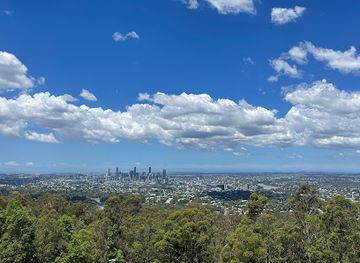
Mount Coot-Tha Summit Lookout
Discover breathtaking views and lush landscapes at Mount Coot-Tha Summit Lookout, Brisbane's premier scenic destination.
21 min drive · 7.1 km from city centre
-
Botanical garden
City Botanic Gardens
Discover the lush beauty and tranquility of Brisbane's City Botanic Gardens, a perfect escape for nature lovers and city explorers alike.
10 min walk · 0.8 km from city centre
-
 Botanical garden
Brisbane City Botanic Gardens
Discover a historic botanic garden in Brisbane's heart, offering tranquility, horticultural displays, and riverfront views since 1828.
11 min walk · 0.8 km from city centre
-
Zoo
Lone Pine Koala Sanctuary
Immerse yourself in Australia's wildlife at Lone Pine Koala Sanctuary, home to over 130 koalas and a variety of native animals in a beautiful natural setting.
28 min drive · 9.4 km from city centre


Best landmarks in Brisbane
Brisbane City Hall remains one of the city’s defining civic buildings, with its grand façade and clock tower expressing the ambition of the interwar capital. Nearby King George Square forms a major ceremonial space, while Customs House on the river represents Brisbane’s colonial trading history through its nineteenth-century architecture and former customs function. The Story Bridge, completed in 1940, is both a major transport crossing and an enduring symbol of the river city, linking Fortitude Valley with Kangaroo Point. St John’s Cathedral provides a striking Gothic Revival presence in the central area, and the Brisbane Arcade preserves an elegant early twentieth-century shopping passage. Across the river, the cultural precinct’s gallery and museum buildings reflect a more recent phase of civic development, showing how Brisbane’s public identity has expanded beyond its colonial core.
-
Visitor center
South Bank Visitor Information Centre
Explore Brisbane effortlessly with the South Bank Visitor Information Centre, your go-to resource for attractions, events, and local insights.
16 min walk · 1.3 km from city centre
-
Scenic spot
Mount Coot-Tha Summit Lookout
Experience Brisbane's best panoramic views from the iconic Mount Coot-Tha Summit Lookout, a heritage-listed site offering natural beauty and rich history.
21 min drive · 7.1 km from city centre
-
Botanical garden
Brisbane City Botanic Gardens
Discover a historic riverside sanctuary in the heart of Brisbane, with lush gardens, tranquil pathways, and vibrant event spaces.
11 min walk · 0.8 km from city centre
-
Zoo
Lone Pine Koala Sanctuary
Discover the magic of Australia’s wildlife at Lone Pine Koala Sanctuary, home to cuddly koalas and engaging wildlife experiences.
28 min drive · 9.4 km from city centre
Explore Brisbane on the map
Plan your Brisbane trip on one map. See where the top attractions, landmarks, restaurants, bars and hotels are, find what's near where you're staying, and book hotels and experiences in a few clicks.
Neighbourhoods in Brisbane
-

-

-

-

-


Swipe for more neighbourhoods
Best hotels in Brisbane
Best restaurants in Brisbane
Brisbane’s dining identity reflects Queensland produce, a warm climate and the city’s multicultural population. Menus commonly draw on seafood from the Queensland coast, prawns, reef fish, oysters and Moreton Bay bugs, alongside tropical fruit, native ingredients and produce from the state’s farms. West End has long supported Greek, Vietnamese, Middle Eastern and other international food traditions, while Fish Lane and South Brisbane offer a concentration of contemporary restaurants, cafés and bars. Fortitude Valley and New Farm provide polished dining, casual eateries and late-night options, and farmers’ markets bring seasonal produce, baked goods and small-scale producers into the city’s food culture. Coffee is taken seriously, and brunch cafés are central to neighbourhood life. Queensland’s culinary story is best understood through the combination of local ingredients, migration and modern Australian cooking rather than one single signature dish.
-
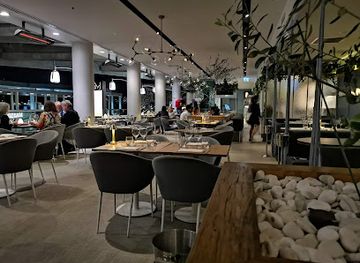
Restaurant
Massimo Restaurant & Bar
Experience the true taste of Italy at Massimo Restaurant & Bar in Brisbane City - where every meal is a celebration of authentic flavors.
4 min walk · 0.3 km from city centre
-
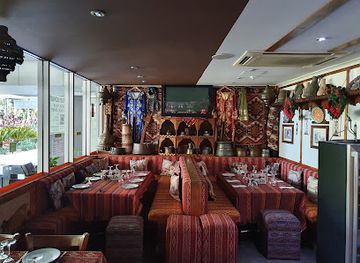
Turkish
Mado Turkish Restaurant
Experience the best of Turkish and Mediterranean flavors at Mado Turkish Restaurant in South Brisbane – a culinary delight you won't want to miss!
19 min walk · 1.5 km from city centre
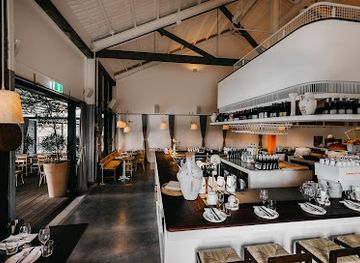
-
Shopping mall
Eagle Street Pier
Brisbane's iconic waterfront dining precinct with 15+ restaurants, Story Bridge views, and world-class cuisine.
3 min walk · 0.3 km from city centre
-
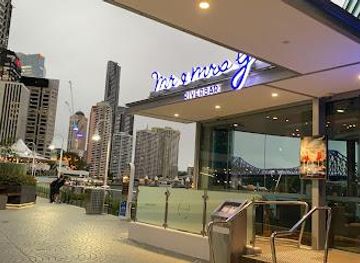
Greek
GRECA
Savor authentic Greek flavors at GRECA in Brisbane's Howard Smith Wharf – where culinary tradition meets stunning river views.
12 min walk · 0.9 km from city centre
Best bars in Brisbane
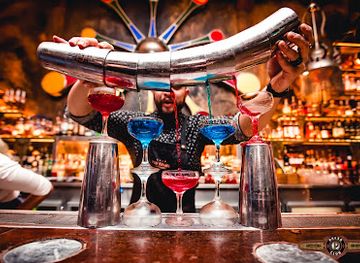
Brisbane’s evening scene is concentrated most strongly in Fortitude Valley, where live-music venues, cocktail bars, pubs, clubs and late-night restaurants occupy both contemporary spaces and older shopfronts. The Valley has a long association with Chinese-Australian history and entertainment, although its present nightlife is broad and often energetic, particularly at weekends. West End and Fish Lane offer a more relaxed mix of small bars, live music and cultural events, while South Brisbane and the Brisbane Powerhouse add theatre, comedy and performance to the city’s after-dark calendar. Riverside precincts such as Howard Smith Wharves provide bars and restaurants beneath the Story Bridge, and the central city has hotel bars and occasional live entertainment. Nightlife varies considerably by venue and district, so visitors should expect door policies, noise and transport conditions to differ rather than assuming a uniform late-night atmosphere.
-
Grill
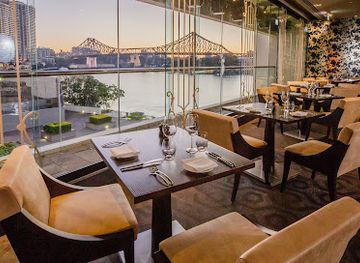
Blackbird Bar, Dining & Events
Discover the perfect blend of gastronomy and ambiance at Blackbird Bar, Dining & Events, offering exquisite grill dishes and breathtaking riverside views in Brisbane.
4 min walk · 0.3 km from city centre
-
Bar
Brooklyn Standard
Discover Brooklyn Standard: Brisbane's premier live music bar offering a unique blend of entertainment, drinks, and vibrant atmosphere.
3 min walk · 0.2 km from city centre
-
Cocktail bar
The Gresham Bar
Experience the perfect blend of historical charm and contemporary mixology at The Gresham Bar in Brisbane, an unmissable cocktail destination.
1 min walk · 0.1 km from city centre
-
Bar
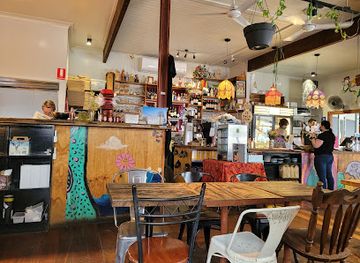
The Burrow
Discover the vibrant flavors and lively atmosphere of The Burrow, West End's premier bar and restaurant, where every visit is a celebration of Queensland's culture.
6 min drive · 2.0 km from city centre


Best nightclubs in Brisbane
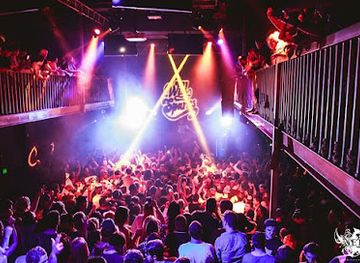
Brisbane’s evening scene is concentrated most strongly in Fortitude Valley, where live-music venues, cocktail bars, pubs, clubs and late-night restaurants occupy both contemporary spaces and older shopfronts. The Valley has a long association with Chinese-Australian history and entertainment, although its present nightlife is broad and often energetic, particularly at weekends. West End and Fish Lane offer a more relaxed mix of small bars, live music and cultural events, while South Brisbane and the Brisbane Powerhouse add theatre, comedy and performance to the city’s after-dark calendar. Riverside precincts such as Howard Smith Wharves provide bars and restaurants beneath the Story Bridge, and the central city has hotel bars and occasional live entertainment. Nightlife varies considerably by venue and district, so visitors should expect door policies, noise and transport conditions to differ rather than assuming a uniform late-night atmosphere.
-
Jazz
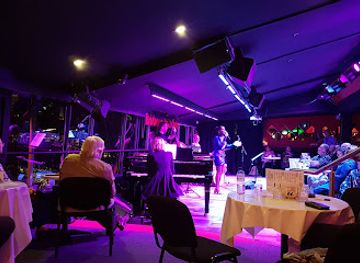
Brisbane Jazz Club
Immerse yourself in the lively jazz scene at Brisbane Jazz Club, where live music meets a cozy atmosphere along the beautiful Brisbane River.
8 min walk · 0.6 km from city centre
-
Disco club
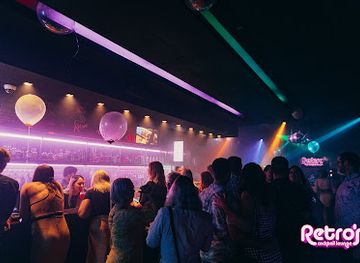
Retro's Fortitude Valley
Discover Brisbane's nightlife at Retro's Fortitude Valley, the premier disco club offering an electrifying atmosphere and exquisite cocktails.
15 min walk · 1.2 km from city centre
-
Cocktail bar
Press Club
Discover the vibrant nightlife at Press Club, a premier cocktail bar in Fortitude Valley known for its live music and exquisite cocktails.
15 min walk · 1.2 km from city centre
-
Night club
The MET Brisbane
Discover Brisbane's nightlife at The MET, where electrifying beats and vibrant crowds create unforgettable memories in Fortitude Valley.
17 min walk · 1.4 km from city centre
Best shops in Brisbane
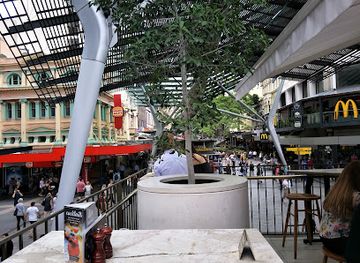
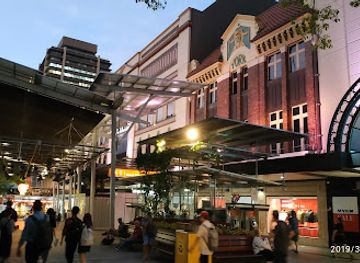
Brisbane’s shopping landscape combines the large retail concentration of the Queen Street Mall with independent districts that reveal more of the city’s local character. The central mall and adjoining arcades contain department stores, international brands and Australian labels, while the heritage Brisbane Arcade adds specialist boutiques and historic architectural detail. James Street in Fortitude Valley is associated with design-led fashion, interiors and dining, whereas West End favours independent shops, books, vintage goods and community-oriented retail. Markets across the city may offer seasonal produce, handmade items, clothing and small creative businesses, with schedules changing through the year. Australian-made skincare, contemporary Aboriginal art purchased through reputable galleries, Queensland food products and locally designed goods can provide more meaningful souvenirs than generic merchandise. Visitors should check provenance carefully when buying Aboriginal art or cultural products and support recognised artists and ethical retailers.
-
Shopping mall
Queen Street Mall
Discover the vibrant shopping experience at Queen Street Mall, Brisbane's premier destination for fashion, dining, and culture.
4 min walk · 0.3 km from city centre
-
Shopping mall
Uptown
Discover a shopper's paradise at Uptown Brisbane, where vibrant stores meet delightful dining in the heart of the city.
6 min walk · 0.5 km from city centre
-
Outlet mall
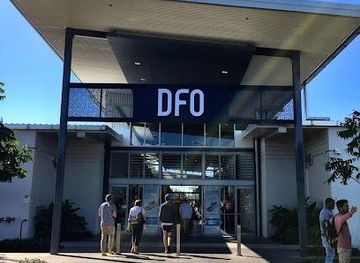
DFO Brisbane
Discover unbeatable deals at DFO Brisbane, the ultimate outlet mall near Brisbane Airport with a diverse range of top brands and dining options.
23 min drive · 7.7 km from city centre
-
Shopping mall
MacArthur Central Shopping Centre
Discover the vibrant shopping and dining experience at MacArthur Central Shopping Centre in Brisbane, perfect for every tourist's itinerary.
1 min walk · 0.1 km from city centre
Get your free copy of our complete guide to Brisbane, delivered straight to you.
Everything on this page, from attractions and restaurants to essentials and local phrases, in one PDF you can read offline, print or share.
Already have an account? Sign in
Your Brisbane guide is ready.
We'll send it to · Not you? Sign out

Getting your guide ready…
We are putting together a fresh copy of the Brisbane guide. This can take up to a minute.
This can take a few moments. If your browser asks, choose Allow so the download can start. You'll find the guide in your Downloads folder.
Nothing happened? Download it again
Sorry, the guide is taking longer than usual. Please try again in a minute, or get it by email instead.
Brisbane essentials
Currency and Payment
Safety
Emergency Situations
Do's and Don'ts
Local Tips
From Eve
Local phrases worth knowing
You don't need to get them perfect. A few words go a long way, and locals appreciate the effort.
Basics
| English | Local | Say it |
|---|---|---|
| Hello | G'day | [g'day] |
| Goodbye | See ya | [see ya] |
| Yes | Yeah | [yeah] |
| No | Nah | [nah] |
| Please/You're welcome | No worries | [no worries] |
| Thank you | Cheers | [cheers] |
| Excuse me/Sorry | Sorry mate | [saw-ree mate] |
| How are you? | How's it going? | [hows it goin] |
| Fine. And you? | Good. You? | [good. you] |
| Do you speak English? | You speak English? | [you speak english] |
| I don't understand | I'm lost | [i'm lost] |
Eating & Drinking
| English | Local | Say it |
|---|---|---|
| I'd like to see the menu, please | Can I check the menu? | [can i check the menu] |
| I don't eat meat | I'm vego | [i'm vego] |
| Cheers! | Cheers! | [cheers] |
| I would like to pay, please | Can I pay, thanks | [can i pay thanks] |
Emergencies
| English | Local | Say it |
|---|---|---|
| Help! | Help! | [help] |
| Go away! | Piss off! | [piss off] |
| Call the Police! | Ring the cops! | [ring the cops] |
| Call a doctor! | Get a doc! | [get a doc] |
| I'm lost | I'm lost | [i'm lost] |
| I'm ill | I'm crook | [i'm crook] |
Shopping
| English | Local | Say it |
|---|---|---|
| I'd like to buy... | I wanna buy... | [i wanna buy] |
| I'm just looking | Just browsing | [just browsing] |
| How much is it? | How much? | [how much] |
| That's too expensive | Too exxy | [too ex-ee] |
| Can you lower the price? | Can you do a deal? | [can you do a deal] |
Time & Numbers
| English | Local | Say it |
|---|---|---|
| What time is it? | What's the time? | [whats the time] |
| It's one o'clock | It's one | [it's one] |
| Half past (10) | Half ten | [half ten] |
| Morning | Mornin' | [mornin] |
| Afternoon | Arvo | [arvo] |
| Evening | Evenin' | [evenin] |
| Yesterday | Yesty | [yesty] |
| Today | Today | [today] |
| Tomorrow | Tomorra | [tomorra] |
| 1 | One | [one] |
| 2 | Two | [two] |
| 3 | Three | [three] |
| 4 | Four | [four] |
| 5 | Five | [five] |
| 6 | Six | [six] |
| 7 | Seven | [seven] |
| 8 | Eight | [eight] |
| 9 | Nine | [nine] |
| 10 | Ten | [ten] |
Transport & Directions
| English | Local | Say it |
|---|---|---|
| Where's a/the...? | Where's the...? | [wheres the] |
| What's the address? | What's the addy? | [whats the addy] |
| Can you show me (on the map)? | Can ya show me (on the map)? | [can ya show me on the map] |
| When's the next (bus)? | When's the next (bus)? | [whens the next bus] |
| A ticket (to ....) | A ticket (to ....) | [a ticket to] |
History of Brisbane
Turrbal and Jagera Country
The Brisbane area lies on the traditional lands of the Turrbal and Jagera peoples, whose connections with the river, wetlands, forests and surrounding country extend across many generations. Aboriginal communities maintained sophisticated knowledge of seasonal resources, movement through the landscape and cultural responsibilities long before European settlement. The Brisbane River and its tributaries were important geographical and cultural features, and many contemporary place names and cultural programmes acknowledge this continuing relationship. European colonisation brought dispossession, violence, restrictions on movement and profound disruption to Aboriginal life, although First Nations communities and cultural traditions have endured. Understanding Brisbane’s history therefore begins before the establishment of the colonial town and includes the living cultures of the peoples whose Country remains the setting for the city.
The Moreton Bay Penal Settlement
A British penal settlement was established at Moreton Bay in 1824, initially at Redcliffe and then moved upriver to the site of present-day Brisbane in 1825. The location offered a defensible position and access to the river, but the settlement was isolated from the established colonies to the south. Convict labour shaped the early town, constructing roads, government buildings and other essential infrastructure under difficult conditions. The settlement was named Brisbane after Sir Thomas Brisbane, then Governor of New South Wales. For several years Moreton Bay remained a closed penal outpost, with strict controls on access and movement. Its early buildings and survey lines laid the foundations for the colonial city that developed after the penal system ended.
Free Settlement and Queensland’s Formation
Moreton Bay opened to free settlement in 1842, beginning a period of rapid population growth and commercial development. Farms, warehouses, wharves and public buildings expanded around the river, while Brisbane became an important administrative and trading centre for the region. In 1859, Queensland separated from New South Wales, and Brisbane became the capital of the new colony. This political change accelerated investment in civic institutions and transport links, including railways that connected the capital with agricultural and mining districts. Immigration and economic expansion transformed the town into a colonial city, although growth relied on the dispossession of Aboriginal peoples and labour systems that included indentured workers from the Pacific.
A Growing River Port
During the late nineteenth and early twentieth centuries, Brisbane developed as a river port and the commercial centre of Queensland. Coal, agricultural produce and manufactured goods moved through the river and port facilities, while rail expansion strengthened links with the interior. The city’s civic identity was expressed through substantial buildings such as Brisbane City Hall, completed in 1930, and the Customs House complex, which reflects the importance of trade and colonial administration. Flooding has repeatedly influenced Brisbane’s urban development, with major inundations, including the 1893 flood, exposing the limits of building along the river and low-lying creeks. Industrial growth, suburban expansion and improved transport gradually reshaped the city beyond its original central streets.
War, Migration and Modern Brisbane
Brisbane became an important Allied military headquarters during the Second World War, when its strategic position in the Pacific brought large numbers of Australian and American service personnel to the city. The post-war decades brought major immigration, new suburbs and changing cultural life, adding European, Asian and other communities to the city’s social fabric. Queensland’s capital also experienced tensions over civil liberties and public protest, particularly during the years of conservative state government. The expansion of universities, arts organisations and infrastructure changed Brisbane from a provincial administrative centre into a larger metropolitan city.
Expo 88 and the Riverfront Renewal
World Expo 88 marked a turning point in Brisbane’s modern identity. Held on former industrial land beside the river, the event attracted international attention and encouraged investment in public spaces, transport and cultural infrastructure. Many of the exhibition grounds were transformed into South Bank Parklands, which opened in the following years alongside institutions including the Queensland Art Gallery and Queensland Museum in the wider cultural precinct. The riverfront became more accessible for recreation, festivals and civic life, while former industrial areas such as the Powerhouse and New Farm acquired new cultural roles. Contemporary Brisbane continues to balance this revitalised image with the responsibilities of acknowledging its colonial past and its First Nations foundations.
Brisbane in Photos
Browse through our photo collection highlighting the charm and character of the destination.
Cities near Brisbane
The closest cities to Brisbane, if you have time for more than one stop.
-

-

-

-

-


Swipe for more cities
Explore more

Explore more of Australia
Discover the diverse landscapes, vibrant cities, and unique wildlife of Australia, a captivating destination offering endless adventures and unforgettable experiences.
Explore Australia