Alpine National Park Travel Guide
Free Guide: Explore Victoria's majestic Alpine National Park: Hike, ski, discover unique flora & fauna, and immerse yourself in high country history.


A brief summary of Alpine National Park
Explore Victoria's majestic Alpine National Park: Hike, ski, discover unique flora & fauna, and immerse yourself in high country history.
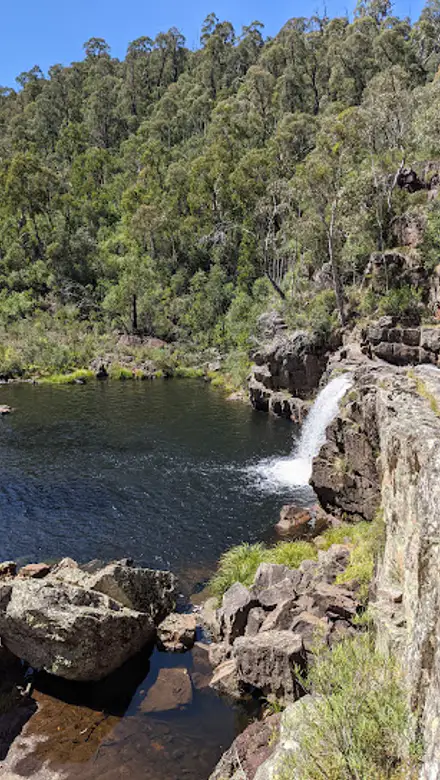
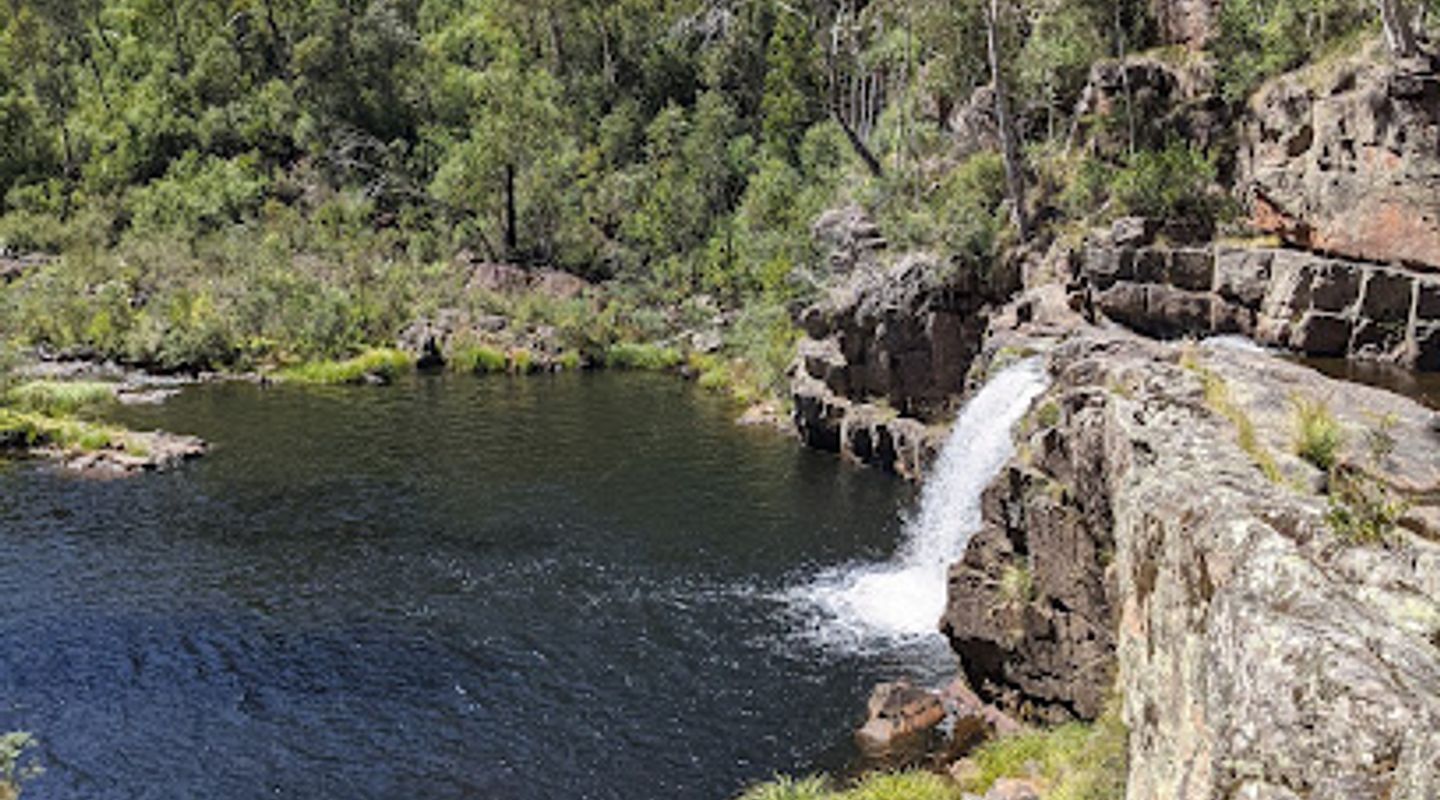
Victoria's largest national park, the Alpine National Park, protects the state's highest mountains and a diverse range of alpine environments. It's an adventure-lover's paradise, offering everything from challenging hikes and thrilling ski runs to serene wildflower meadows and historic huts. Whether you're seeking adrenaline-pumping activities or tranquil natural beauty, the park provides an unforgettable high country experience.
Opening hours
- Every dayOpen 24 hours
Opening hours as listed on the venue’s Google Business Profile. Hours can change for services and special events, so check with the venue before you go.
- Address
- Mountain Creek Rd, Tawonga VIC 3699
- Phone
- Website
Getting there
Driving
Public Transport
Discover more about Alpine National Park
Overview
The Alpine National Park, sprawling across 646,000 hectares in northeastern Victoria, is a majestic landscape sculpted by time and the elements. As Victoria's largest national park, it encompasses the highest reaches of the Great Dividing Range, offering a diverse tapestry of alpine and subalpine environments. Here, you'll find everything from snow-capped peaks and rugged escarpments to vast grassy plains and the headwaters of many of Victoria's major rivers.The park's history is rich and varied, reflecting both Aboriginal heritage and European settlement. For thousands of years, Aboriginal people traversed the alpine region, gathering for ceremonies and feasting on nutritious bogong moths. European pastoralists arrived in the 1830s, followed by gold miners in the 1850s, each leaving their mark on the landscape. Today, remnants of historic huts and mining settlements stand as reminders of the park's past.The Alpine National Park is a haven for outdoor enthusiasts. In winter, skiers and snowboarders flock to resorts like Falls Creek and Mount Hotham, while cross-country skiers explore the park's more remote trails. As the snow melts, the park transforms into a wonderland of wildflowers, attracting hikers, four-wheel drivers, and nature lovers. Popular activities include summiting Mount Bogong, Victoria's highest peak, exploring the Bogong High Plains, and visiting historic huts scattered throughout the park.The park boasts an incredible array of flora and fauna, with over 1100 native plant species. Many of these plants are specially adapted to survive the harsh alpine climate, and some, like the Bogong daisy-bush and silky daisy, are found nowhere else in the world. The park is also home to a diverse range of animal species, including over half of Victoria's land bird species and 40% of its mammal species.
Evendo Review Centre
 Google
Guest reviews
Explore Alpine National Park on the map
A handpicked selection of must-see spots near Alpine National Park, mapped for you.
Get your free copy of our complete guide to Alpine National Park, delivered straight to you.
Everything on this page, from opening hours and how to get there to Eve’s tips and the best time to go, in one PDF you can read offline, print or share.
Already have an account? Sign in
Your Alpine National Park guide is ready.
We'll send it to · Not you? Sign out

Getting your guide ready…
We are putting together a fresh copy of the Alpine National Park guide. This can take up to a minute.
This can take a few moments. If your browser asks, choose Allow so the download can start. You'll find the guide in your Downloads folder.
Nothing happened? Download it again
Sorry, the guide is taking longer than usual. Please try again in a minute, or get it by email instead.
Other nearby places you may find interesting
The closest places of the same kind, if this one is not quite what you had in mind.
-
-
-
-
-


Swipe for more places
More to explore near Alpine National Park

 Best experiences near Alpine National Park
 Best hotels near Alpine National Park
 Best landmarks near Alpine National Park
 Best attractions near Alpine National Park
 Best shops near Alpine National Park
 Best restaurants near Alpine National Park
 Best bars near Alpine National Park
Do you manage this location?
Take control to get all the benefits, like improved information, better appearance, and stronger visibility across AI-powered discovery.
Explore more

Explore more of High Country
Discover Australia's High Country: A year-round adventure paradise with snowy winters, scenic summer trails, historic towns, and vibrant cultural experiences.
Explore High Country
Explore more of Australia
Discover the diverse landscapes, vibrant cities, and unique wildlife of Australia, a captivating destination offering endless adventures and unforgettable experiences.
Explore Australia