

Magnetic Island, Australia Travel Guide
Discover the natural beauty and tranquil charm of Magnetic Island, where sunny beaches, vibrant marine life, and lush wildlife create an unforgettable Australian escape.
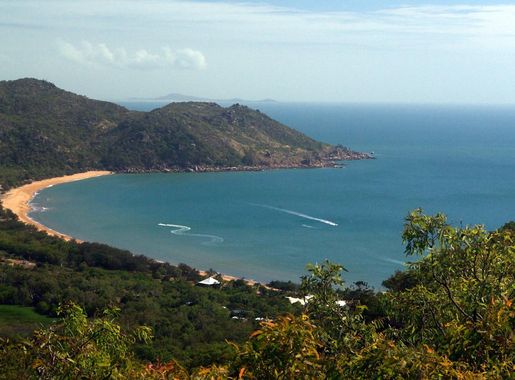
Magnetic Island, affectionately known as 'Maggie' by the locals, is a serene paradise located just off the coast of Townsville in Queensland, Australia. This enchanting island is a haven for nature enthusiasts, beach lovers, and adventure seekers alike. With over 320 days of sunshine each year, Magnetic Island offers the perfect setting for outdoor activities and relaxation. The island boasts 23 stunning beaches and bays, each with its unique charm. From the bustling Horseshoe Bay, where you can engage in water sports, to the secluded and tranquil Florence Bay, there's a beach for every mood. The island's crystal-clear waters are ideal for snorkeling and diving, offering a chance to explore the vibrant coral reefs and marine life. Magnetic Island is also home to an array of wildlife, including the largest colony of wild koalas in Northern Australia. Hiking trails, such as the Forts Walk, provide not only opportunities to spot these adorable creatures but also offer panoramic views of the island and its surroundings. Don't miss the chance to explore the island's rich history, with remnants of World War II forts adding a historical dimension to your visit. For those seeking a more laid-back experience, Magnetic Island has a charming village vibe with local shops, cafes, and restaurants offering delicious local cuisine. The island's relaxed atmosphere is perfect for unwinding and enjoying the simple pleasures of island life.

Know before you go
Hi, I'm Eve. Here are a few practical things to know before exploring Magnetic Island.
- Rent a car or scooter to explore the island at your own pace, as public transport is limited.
- Visit the island during the shoulder seasons (April to June or September to November) for fewer crowds and pleasant weather.
- Pack reef-safe sunscreen to protect the delicate marine ecosystem while enjoying water activities.
- Carry cash, as not all establishments on the island accept card payments.
- Book accommodation early, especially during peak seasons, to secure the best spots.
Explore Magnetic Island: Things to Do, Places to Eat, Hotels & More
Handpicked recommendations for top attractions, local dining, accommodations, and more

Best attractions in Magnetic Island
Top-rated picks
Best Attractions
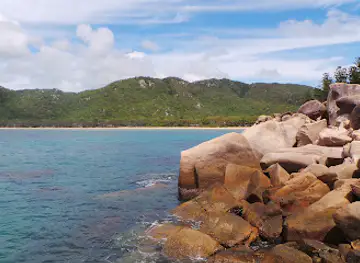
Rock Wallabies
Explore the stunning Rock Wallabies on Magnetic Island, a remarkable encounter with Australia’s unique wildlife in a breathtaking natural setting.
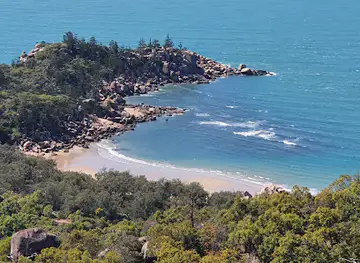
The Forts
Explore the enchanting Forts on Magnetic Island, where history meets breathtaking natural beauty, perfect for hikers and nature lovers alike.

Hawkings Point Lookout
Experience the breathtaking 360-degree views of Picnic Bay and beyond at Hawkings Point Lookout on Magnetic Island.

Magnetic Island Country Club
Enjoy a unique golfing experience on Magnetic Island with stunning views, a licensed bar, and a friendly atmosphere.

Best landmarks in Magnetic Island
Top-rated picks
Best Landmarks

Aquascene Magnetic Island
Experience the breathtaking beauty of Magnetic Island with Aquascene's unforgettable boat tours, perfect for nature lovers and adventure seekers alike.

Magnetic Island Roaming
Explore the stunning landscapes of Magnetic Island on two wheels with Magnetic Island Roaming, your trusted scooter rental service.

Pilgrim Magnetic Island
Explore the breathtaking beauty and rich biodiversity of Pilgrim Magnetic Island, an unforgettable destination for adventure seekers and nature lovers alike.
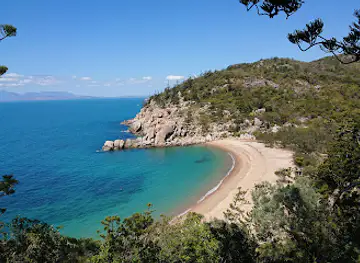
Magnetic Island National Park
Experience the breathtaking beauty of Magnetic Island National Park, where lush landscapes meet stunning coastlines in Queensland's natural paradise.

Best restaurants in Magnetic Island
Top-rated picks
Best Restaurants

Scallywags
Discover delightful breakfasts and artisanal coffee at Scallywags in Nelly Bay - a must-visit culinary experience on Queensland's stunning coast.

Stage Door Theatre Restaurant
Discover culinary excellence and captivating performances at Stage Door Theatre Restaurant in Arcadia, Queensland.

Island Dosa
Discover authentic Indian flavors at Island Dosa on Magnetic Island – where gluten-free and vegan options meet culinary excellence.

Cafe Nourish
Discover Café Nourish: A delightful restaurant on Magnetic Island serving fresh, locally-sourced dishes in a charming atmosphere.

Best bars in Magnetic Island
Top-rated picks
Best Bars

Scallywags
Discover the flavors of Magnetic Island at Scallywags, a delightful breakfast restaurant and coffee shop in Nelly Bay.

Stage Door Theatre Restaurant
Experience the perfect blend of dining and live entertainment at Stage Door Theatre Restaurant in Arcadia, Queensland.

Cafe Nourish
Discover the perfect blend of local flavors and stunning views at Café Nourish on Magnetic Island, your ideal café retreat.

Barefoot Art Food Wine
Experience the finest seafood dining at Barefoot Art Food Wine in Horseshoe Bay, where fresh flavors and stunning seaside views await.

Best nightclubs in Magnetic Island
Top-rated picks
Best Nightclubs

Magnetic Island Bowls Club
Discover the relaxed charm of Magnetic Island Bowls Club, where friendly competition meets stunning coastal views and local camaraderie.

Granite Magnetic Island
Experience the best of tapas, cocktails, and gourmet pizzas at Granite Magnetic Island, where flavors and sunsets meet in paradise.

Club Nautique Magnetic Island
Experience the serene luxury of Club Nautique Magnetic Island, where breathtaking views and adventure await amidst Australia’s natural beauty.

Marlin Bar
Experience the best of Magnetic Island at The Marlin Bar, where delicious cuisine meets stunning coastal views in a relaxed atmosphere.

Best shops in Magnetic Island
Top-rated picks
Best Shops

Scallywags
Experience the best breakfast in Nelly Bay at Scallywags, where delicious food meets a warm, welcoming atmosphere.

Tiny Palm Coffee
Discover the delightful flavors and charming atmosphere at Tiny Palm Coffee in Nelly Bay, Queensland, a top spot for coffee enthusiasts.

Island Living Centre
Explore a vibrant blend of art, jewelry, and unique souvenirs at Island Living Centre in Nelly Bay, Queensland, where local culture comes to life.

MAGNETIC ADVENTURE AND HIRE
Explore the stunning waters of Nelly Bay with Magnetic Adventure and Hire, your one-stop shop for water sports and fishing equipment rentals.

Explore Magnetic Island on the Map
A handpicked selection of must-see spots in Magnetic Island, mapped for you.
Magnetic Island Essentials
-
Magnetic Island, located off the coast of Townsville in Queensland, Australia, is accessible by ferry, plane, and car. The nearest major airport is Townsville Airport (TSV), which receives flights from major Australian cities. From Townsville, take a 25-minute ferry ride with Fantasea or Sealink to Nelly Bay on Magnetic Island. If you prefer to drive, you can take your car on the ferry with Fantasea. Once on the island, taxis and rental cars are available for getting around.
-
Magnetic Island has a variety of transportation options, including buses, taxis, and rental cars. The Magnetic Island Bus Service operates regularly between major areas such as Nelly Bay, Arcadia, Picnic Bay, and Horseshoe Bay. Taxis are also available, though they can be more expensive. Renting a car or scooter is a popular option for those wanting to explore the island at their own pace. Bicycles can also be rented for shorter distances and a more eco-friendly option.
-
The currency used in Australia is the Australian Dollar (AUD). Credit and debit cards are widely accepted on Magnetic Island, including in restaurants, shops, and hotels. ATMs are available in key locations such as Nelly Bay and Horseshoe Bay. It is advisable to carry some cash for smaller transactions or in areas where card facilities might not be available.
-
Magnetic Island is generally considered a safe destination for tourists. However, it is always advisable to take standard precautions. Avoid leaving valuables unattended on the beach and be cautious when swimming, as some areas may have strong currents or marine stingers, especially during stinger season (November to May). There aren't specific high-crime areas targeting tourists, but it's always best to stay vigilant and aware of your surroundings.
-
In case of emergency, dial 000 for police, fire, or medical assistance. The island has a medical center in Nelly Bay for minor health issues. Townsville provides more comprehensive medical facilities and can be reached by ferry. It is recommended to have travel insurance that covers medical emergencies. For minor health issues, there are pharmacies on the island where you can purchase over-the-counter medications.
-
Fashion: Do dress casually and comfortably; beachwear is acceptable in most areas. Don't wear swimwear away from the beach or pool areas. Religion: Do respect local customs; there are no significant religious restrictions on the island. Public Transport: Do be polite and patient when using public transport. Don't eat or drink on public buses. Greetings: Do greet people with a friendly 'hello' or 'g'day'. A handshake is common but not mandatory. Eating & Drinking: Do try the local seafood and other Australian delicacies. Don't litter; always dispose of your trash properly.
-
To experience Magnetic Island like a local, visit the local markets, such as the Horseshoe Bay markets, where you can buy fresh produce and crafts. Engage with locals, who are often friendly and willing to share their knowledge about the best spots on the island. For a unique experience, take the Forts Walk for stunning views and a chance to see wild koalas. Snorkeling and diving around the island's coral reefs are also highly recommended for an immersive experience.
When is the best time to visit Magnetic Island?
Useful Local Phrases for Magnetic Island
You don't need to speak the language perfectly. Even learning a few simple words can make conversations warmer—and locals usually appreciate the effort.
— Eve

Here are the phrases I use most often in Magnetic Island. Try a few—you'll be surprised how far they go! 😊
❤️
-
- HelloG'day
[G'day] - GoodbyeSee ya
[See ya] - YesYeah
[Yeah] - NoNah
[Nah] - Please/You're welcomePlease/No worries
[Please/No worries] - Thank youCheers
[Cheers] - Excuse me/SorrySorry
[Sorry] - How are you?How ya goin'?
[How ya goin'?] - Fine. And you?Good. And you?
[Good. And you?] - Do you speak English?Ya speak English?
[Ya speak English?] - I don't understandI dunno
[I dunno]
- HelloG'day
-
- I'd like to see the menu, pleaseCan I have a look at the menu, mate?
[Can I have a look at the menu, mate?] - I don't eat meatI don't eat meat, thanks
[I don't eat meat, thanks] - Cheers!Cheers!
[Cheers!] - I would like to pay, pleaseCan I pay now, mate?
[Can I pay now, mate?]
- I'd like to see the menu, pleaseCan I have a look at the menu, mate?
-
- Help!Help!
[Help!] - Go away!Bugger off!
[Bugger off!] - Call the Police!Ring the cops!
[Ring the cops!] - Call a doctor!Get a doctor here!
[Get a doctor here!] - I'm lostI'm lost
[I'm lost] - I'm illI'm sick
[I'm sick]
- Help!Help!
-
- I'd like to buy...I wanna buy...
[I wanna buy...] - I'm just lookingJust browsing, mate
[Just browsing, mate] - How much is it?How much for this?
[How much for this?] - That's too expensiveToo pricey, mate
[Too pricey, mate] - Can you lower the price?Can ya do it cheaper?
[Can ya do it cheaper?]
- I'd like to buy...I wanna buy...
-
- What time is it?What's the time?
[What's the time?] - It's one o'clockIt's one o'clock
[It's one o'clock] - Half past (10)Half past ten
[Half past ten] - MorningMorning
[Morning] - AfternoonArvo
[Arvo] - EveningEvening
[Evening] - YesterdayYesterday
[Yesterday] - TodayToday
[Today] - TomorrowTomorrow
[Tomorrow] - 1One
[One] - 2Two
[Two] - 3Three
[Three] - 4Four
[Four] - 5Five
[Five] - 6Six
[Six] - 7Seven
[Seven] - 8Eight
[Eight] - 9Nine
[Nine] - 10Ten
[Ten]
- What time is it?What's the time?
-
- Where's a/the...?Where's the...?
[Where's the...?] - What's the address?What's the address?
[What's the address?] - Can you show me (on the map)?Can you show me (on the map)?
[Can you show me (on the map)?] - When's the next (bus)?When's the next (bus)?
[When's the next (bus)?] - A ticket (to ....)A ticket (to ....)
[A ticket (to ....)]
- Where's a/the...?Where's the...?
History of Magnetic Island
-
Magnetic Island, known as Yunbenun to the traditional Wulgurukaba people, holds a rich Indigenous heritage. The Wulgurukaba people have lived on the island for thousands of years, utilizing its natural resources and forming a deep spiritual connection with the land. Evidence of their presence includes shell middens, rock art, and stone tools, indicating a long history of habitation and cultural practices.
-
The island was named by Captain James Cook during his voyage in 1770. As Cook sailed past, he noted that his compass behaved erratically, leading him to believe that the island possessed magnetic properties. Although no significant magnetic anomaly was ever discovered, the name 'Magnetic Island' remained.
-
European settlers began to inhabit Magnetic Island in the late 19th century. The island's fertile soil and favorable climate made it suitable for agriculture. Early settlers established farms, growing crops such as pineapples, mangoes, and citrus fruits. The remnants of these early agricultural efforts can still be found in certain parts of the island.
-
During World War II, Magnetic Island played a strategic role in the defense of Australia. Fortifications were built on the island, including the Magnetic Battery and observation posts. These installations were part of the coastal defense network designed to protect Townsville, an important military base. Visitors can explore the remnants of these fortifications, offering a glimpse into the island's wartime history.
-
In 1953, Magnetic Island was declared a national park to protect its unique environment and biodiversity. Covering over half the island, the national park preserves its diverse ecosystems, including eucalyptus forests, wetlands, and coral reefs. The park's establishment marked a significant step in conservation efforts, ensuring the protection of the island's flora and fauna for future generations.
-
Tourism began to flourish on Magnetic Island in the latter half of the 20th century. With its stunning beaches, crystal-clear waters, and abundant wildlife, the island became a popular destination for both domestic and international travelers. The development of accommodations, restaurants, and recreational facilities supported the growing tourism industry, transforming Magnetic Island into a premier holiday spot.
Neighbouring destination travel guides
Browse our curated selection of top destinations, scenic points, and must-visit spots in the area.



Your all‑in‑one travel companion app
Explore expert travel guides, compare and book tours, experiences, hotels, and more—all from the palm of your hand. Download now for seamless trip planning wherever your wanderlust takes you.


Explore More of Northern Queensland
Looking beyond Magnetic Island? Discover Northern Queensland for broader travel guides, local hot-spots, and regional highlights.
Explore Northern QueenslandExplore More of Australia

Looking beyond Magnetic Island? Discover Australia for broader travel guides, local hot-spots, and regional highlights.
Explore AustraliaMagnetic Island in Photos
Browse through our photo collection highlighting the charm and character of the destination.




Magnetic Island: Australia's Coastal Gem
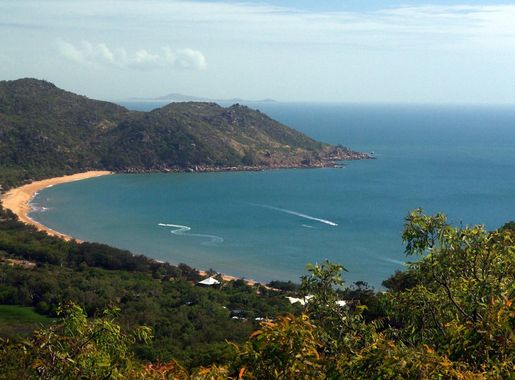
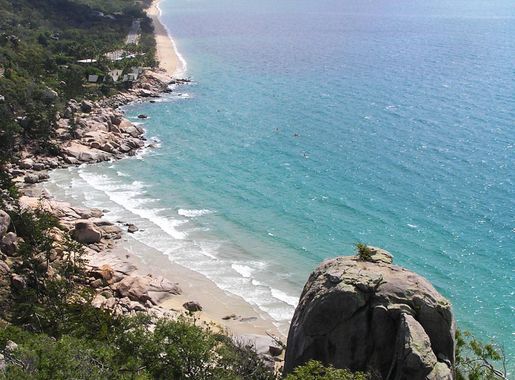
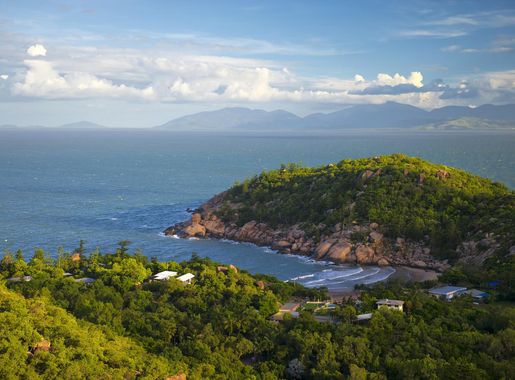
Magnetic Island, affectionately known as 'Maggie' by the locals, is a serene paradise located just off the coast of Townsville in Queensland, Australia. This enchanting island is a haven for nature enthusiasts, beach lovers, and adventure seekers alike. With over 320 days of sunshine each year, Magnetic Island offers the perfect setting for outdoor activities and relaxation. The island boasts 23 stunning beaches and bays, each with its unique charm. From the bustling Horseshoe Bay, where you can engage in water sports, to the secluded and tranquil Florence Bay, there's a beach for every mood. The island's crystal-clear waters are ideal for snorkeling and diving, offering a chance to explore the vibrant coral reefs and marine life. Magnetic Island is also home to an array of wildlife, including the largest colony of wild koalas in Northern Australia. Hiking trails, such as the Forts Walk, provide not only opportunities to spot these adorable creatures but also offer panoramic views of the island and its surroundings. Don't miss the chance to explore the island's rich history, with remnants of World War II forts adding a historical dimension to your visit. For those seeking a more laid-back experience, Magnetic Island has a charming village vibe with local shops, cafes, and restaurants offering delicious local cuisine. The island's relaxed atmosphere is perfect for unwinding and enjoying the simple pleasures of island life.