

Free Tasmania Travel Guide & Mobile App
Explore Tasmania with free travel guides. Discover regional history, expert tips, proposed trips, and audio guides on web or mobile app.


Tasmania combines cool-climate food and wine, convict heritage, mountain wilderness, historic towns and a rugged coast across one remarkable Australian island.
Read more about Tasmania
When is the best time to visit Tasmania?
Best: January–March · 20–22°C| Month | High (°C) | Rainfall (mm) |
|---|---|---|
| January (best) | 22 | 45 |
| February (best) | 22 | 39 |
| March (best) | 20 | 44 |
| April | 17 | 49 |
| May | 14 | 54 |
| June | 12 | 60 |
| July | 11 | 59 |
| August | 13 | 57 |
| September | 15 | 56 |
| October | 17 | 62 |
| November | 19 | 58 |
| December | 21 | 55 |
Getting to and around Tasmania
How to get there
Transportation
Top city travel guides in Tasmania
The cities of Tasmania, and the easiest places to base yourself.

Swipe for more cities
Destinations in Tasmania
Resorts, valleys and scenic spots worth a trip of their own.
-

-

-

-

-

-


Swipe for more destinations
Best attractions in Tasmania
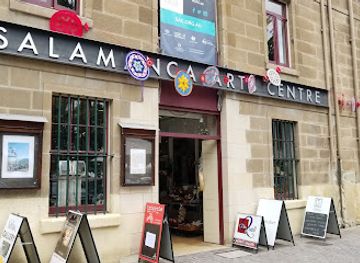
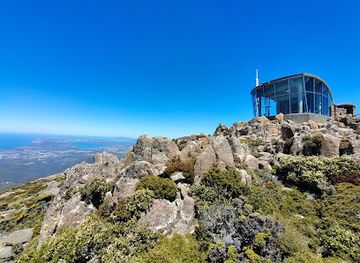
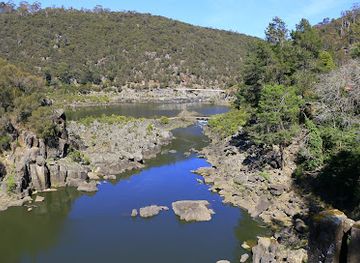
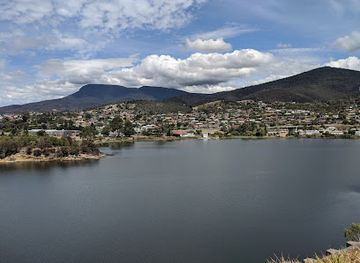
Tasmania’s attractions range from urban culture to large protected landscapes. Hobart combines the waterfront, the Tasmanian Museum and Art Gallery, kunanyi/Mount Wellington and the galleries and food stalls around Salamanca, while Launceston provides access to the Cataract Gorge and the Tamar Valley. The Tasman Peninsula brings together coastal scenery, historic Port Arthur and striking geological formations. In the east, Freycinet National Park offers walks among granite ranges and bays, and Maria Island National Park combines quiet beaches, wildlife and convict-era remains. Cradle Mountain–Lake St Clair National Park is the best-known gateway to the island’s alpine wilderness, with shorter walks as well as demanding longer routes. The central highlands, Huon Valley and north-west offer different experiences of lakes, orchards, rainforest, farmland and small communities. Wildlife watching may include wombats, wallabies, echidnas and seabirds, but animals should be observed without feeding or approaching them. Seasonal conditions, road access and park facilities vary considerably, so outdoor attractions require preparation rather than a spontaneous city-style visit.
-
Market
Salamanca Market
Explore Salamanca Market: A vibrant Tasmanian market filled with local crafts, delicious food, and a lively atmosphere in the heart of Hobart.
-
Art museum
MONA
Explore MONA, Tasmania's iconic art museum, where contemporary and ancient art converge in a stunning riverside setting with exceptional dining.
-
Nature preserve
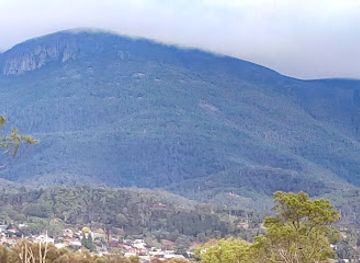
Wellington Park
Explore the breathtaking Wellington Park in Tasmania, a nature preserve offering stunning landscapes, diverse wildlife, and unforgettable outdoor adventures.
-
National reserve
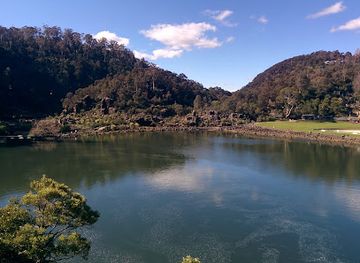
Cataract Gorge Reserve
Explore the breathtaking landscapes and diverse wildlife at Cataract Gorge Reserve, Launceston's top natural attraction in Tasmania.
Best landmarks in Tasmania
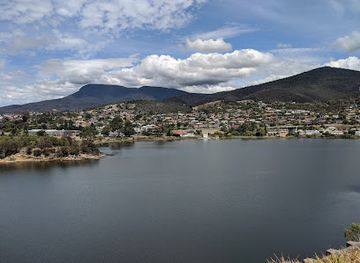
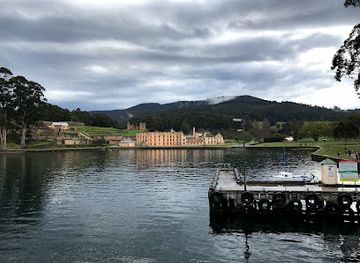
Tasmania’s most recognisable landmarks reflect both geology and history. kunanyi/Mount Wellington rises above Hobart and is visible across the Derwent, while Cataract Gorge forms a dramatic natural edge to Launceston. Port Arthur’s penitentiary, separate prison and associated buildings are among the clearest physical expressions of the island’s convict past. The sandstone bridge at Richmond and the colonial streetscapes of Oatlands and Ross show how early roads, farming and administration shaped the interior. In the east, the pink granite formations of the Hazards define the skyline of Freycinet National Park and frame Wineglass Bay. Cradle Mountain is an emblematic alpine landmark, rising above Dove Lake and the glacial landscapes of the central-west. The west has a more industrial visual language: Queenstown’s denuded hills and former mining environment record the effects of extraction and smelting. These places are not interchangeable scenic viewpoints; together they show Tasmania’s contrasting natural processes, colonial history, engineering, settlement patterns and continuing conservation story.
-
Art museum
MONA
Explore the Museum of Old and New Art (MONA) in Tasmania for an unforgettable blend of contemporary and ancient art, gastronomy, and stunning architecture.
-
Historical landmark
Port Arthur Historic Site
Discover the haunting beauty and historical significance of Port Arthur Historic Site, a UNESCO World Heritage site and former convict settlement in Tasmania.
-
National reserve
Cataract Gorge Reserve
Explore the unique beauty of Cataract Gorge Reserve, a stunning natural haven in Launceston, Tasmania, perfect for adventure and relaxation.
-
Botanical garden
Royal Tasmanian Botanical Gardens
Explore the Royal Tasmanian Botanical Gardens, where nature's beauty and tranquility meet for an unforgettable experience in Hobart, Tasmania.
Explore Tasmania on the map
Plan your trip on one map. See where the top cities, national parks and sights are, and book hotels and experiences in a few clicks.
Best hotels in Tasmania
Best restaurants in Tasmania
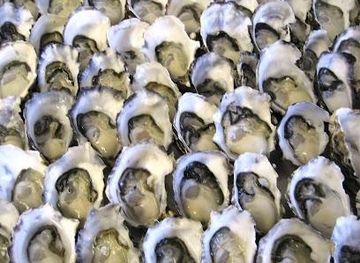
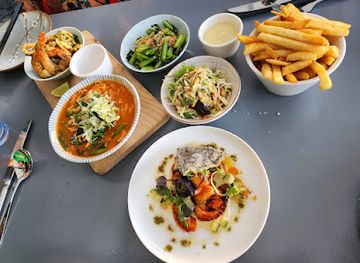
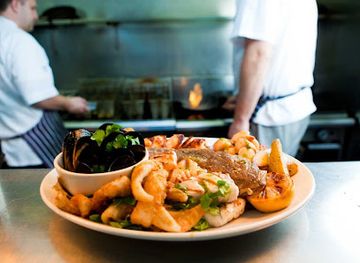
Tasmanian dining is strongly connected to its cool climate, maritime setting and relatively compact food-producing districts. Seafood, oysters, salmon, abalone, scallops and rock lobster feature in coastal areas, while inland farms supply beef, lamb, pork, berries, cherries, apples, cheeses and vegetables. The island is also known for cool-climate wines, cider, whisky, craft beer and high-quality chocolate, although individual producers differ widely in style. Hobart has the broadest range of restaurants, cafés and produce-led menus, with Launceston offering an important northern dining base and smaller towns relying on bakeries, pubs, cafés and rural inns. Cellar doors and farm outlets are particularly useful in the Tamar Valley, Huon Valley and Coal River Valley, while east-coast communities provide seafood and relaxed coastal dining. Reservations can be sensible in busy seasons, but travellers should also expect limited evening choices in remote areas and should check opening arrangements before making a long drive.
-
Oyster supplier
Get Shucked
Discover fresh oysters and local seafood at Get Shucked on Bruny Island, where stunning views meet exceptional Tasmanian flavors.
-
Modern Australian
Mudbar Restaurant
Experience exquisite Modern Australian cuisine at Mudbar Restaurant in Launceston, where stunning waterfront views meet exceptional dining.
-
Seafood
Blue Eye Seafood Restaurant
Experience fresh Tasmanian seafood with stunning waterfront views at Blue Eye Seafood Restaurant in Battery Point.
-
Restaurant
Rupert & Hound
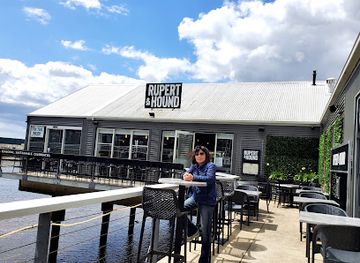
Experience exceptional modern Australian dining at Rupert & Hound in Launceston - where flavor meets hospitality.
Best bars in Tasmania
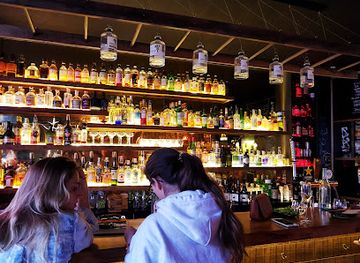
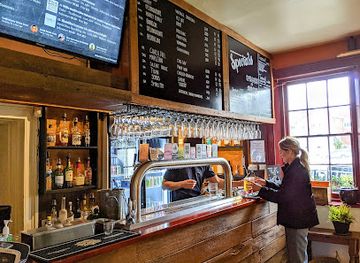
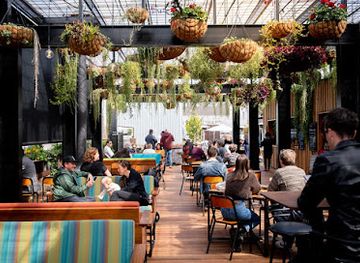
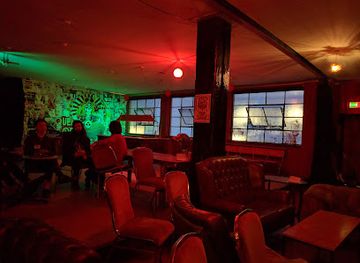
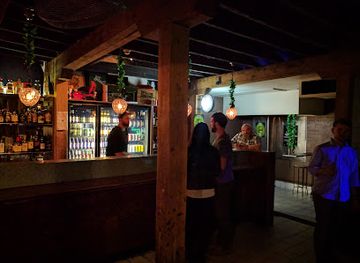
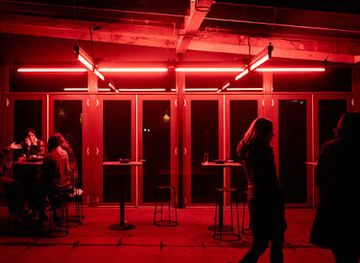
Tasmania’s evening culture is concentrated in Hobart and Launceston, with nightlife elsewhere generally centred on pubs, restaurants, breweries, historic hotels and occasional live-music events rather than large club districts. Hobart offers waterfront bars, cocktail venues, small music rooms and a broad restaurant scene, especially around the central city and Salamanca area. Launceston has a similarly compact selection of bars, pubs and cultural venues, with a stronger small-city atmosphere. Outside these centres, evenings are often shaped by local hotels, cellar doors, community events and dining rather than late-night entertainment. Tasmania’s brewing, distilling and wine industries provide opportunities for tastings where they are offered, but responsible drinking and a planned journey are important because rural transport is limited and distances between settlements can be substantial. Seasonal festivals and touring performances may add variety, but arrangements change, so current local listings should be checked.
-
Japanese
Bar Wa Izakaya
Discover the authentic flavors of Japan at Bar Wa Izakaya, a vibrant restaurant and cocktail bar in the heart of Hobart.
-
Bar
Preachers
Discover the quirky charm of Preachers, Hobart's unique bar known for local brews, delicious food, and a vibrant atmosphere.
-
Bar
LARK Cellar Door, Hobart
Explore the finest Tasmanian spirits at LARK Cellar Door, Hobart's premier destination for whiskey enthusiasts and curious travelers.
-
Bar
In The Hanging Garden
Discover the vibrant atmosphere of In The Hanging Garden, where delicious food meets live music in the heart of Hobart, Tasmania.

Best nightclubs in Tasmania
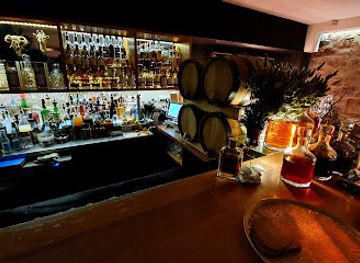
Tasmania’s evening culture is concentrated in Hobart and Launceston, with nightlife elsewhere generally centred on pubs, restaurants, breweries, historic hotels and occasional live-music events rather than large club districts. Hobart offers waterfront bars, cocktail venues, small music rooms and a broad restaurant scene, especially around the central city and Salamanca area. Launceston has a similarly compact selection of bars, pubs and cultural venues, with a stronger small-city atmosphere. Outside these centres, evenings are often shaped by local hotels, cellar doors, community events and dining rather than late-night entertainment. Tasmania’s brewing, distilling and wine industries provide opportunities for tastings where they are offered, but responsible drinking and a planned journey are important because rural transport is limited and distances between settlements can be substantial. Seasonal festivals and touring performances may add variety, but arrangements change, so current local listings should be checked.
-
Bar
The Salamanca Whisky Bar
Discover The Salamanca Whisky Bar, a cozy haven in Battery Point, Tasmania, boasting an extensive whisky selection and a charming atmosphere.
-
Bar
The Grand Poobah
Experience the vibrant nightlife of Hobart at The Grand Poobah, a bar known for its lively atmosphere and eclectic music.
-
Food
Mobius Lounge Bar
Discover the vibrant nightlife at Mobius Lounge Bar in Hobart, where innovative cocktails and a stylish atmosphere create unforgettable memories.
-
Bar
Altar
Discover Altar, Hobart's vibrant bar and live music venue, where local talent meets a lively atmosphere for an unforgettable nightlife experience.
Best shops in Tasmania
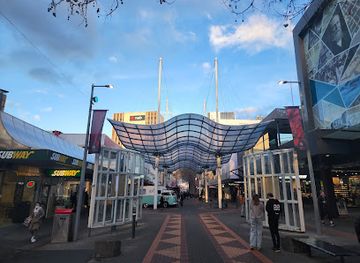
Shopping in Tasmania is spread across compact city centres, historic high streets, farm outlets and weekend markets rather than dominated by large retail districts. Hobart’s Salamanca Market is the best-known market setting, with local food, crafts, art, clothing and household goods, while the city’s central streets and waterfront provide galleries, design shops and specialist food retailers. Launceston has independent shops, galleries, booksellers and access to produce from the Tamar and northern farming districts. Regional towns such as Richmond, Evandale, Ross and Oatlands are useful for antiques, crafts and locally made gifts, though small businesses may keep limited or seasonal hours. Good regional purchases include Tasmanian cheese, chocolate, honey, preserves, cider, wine, whisky and craft beer, subject to airline and customs rules when taking food or alcohol onward. Look for locally made woodwork, ceramics, textiles, jewellery and prints, and ask whether an item was produced in Tasmania rather than merely sold there.
-
Shopping mall
The Cat & Fiddle Arcade
Explore The Cat & Fiddle Arcade in Hobart for unique shopping, delicious dining, and vibrant entertainment in a charming Tasmanian setting.
-
Gift shop
Reliquaire
Discover a whimsical gift shop in Latrobe, Tasmania, with unique toys, baby items, and delightful treasures for all ages.
-
Shopping mall
Elizabeth Street Mall
Discover the heart of Hobart at Elizabeth Street Mall, a vibrant shopping haven filled with specialty stores, cafes, and local culture.
-
Antique store
Willow Court Antique Centre
Uncover unique antiques and vintage collectibles in the heart of Tasmania at Willow Court Antique Centre, a treasure trove for history enthusiasts.

Get your free copy of our complete guide to Tasmania, delivered straight to you.
Everything on this page, from attractions and restaurants to essentials and local phrases, in one PDF you can read offline, print or share.
Already have an account? Sign in
Your Tasmania guide is ready.
We'll send it to · Not you? Sign out

Getting your guide ready…
We are putting together a fresh copy of the Tasmania guide. This can take up to a minute.
This can take a few moments. If your browser asks, choose Allow so the download can start. You'll find the guide in your Downloads folder.
Nothing happened? Download it again
Sorry, the guide is taking longer than usual. Please try again in a minute, or get it by email instead.
Tasmania essentials
Currency and Payment
Safety
Emergency Situations
Do's and Don'ts
Local Tips
From Eve
Local phrases worth knowing
You don't need to get them perfect. A few words go a long way, and locals appreciate the effort.
Basics
| English | Local | Say it |
|---|---|---|
| Hello | G'day | [guh-day] |
| Goodbye | See ya | [see yah] |
| Yes | Yeah | [yeh] |
| No | Nah | [nah] |
| Please/You're welcome | No worries | [no worries] |
| Thank you | Cheers | [cheers] |
| Excuse me/Sorry | Sorry | [sorry] |
| How are you? | How's it going? | [how's it goin'?] |
| Fine. And you? | Good, you? | [good, you?] |
| Do you speak English? | Do ya speak English? | [do ya speak English?] |
| I don't understand | I don’t get it | [I don’t get it] |
Eating & Drinking
| English | Local | Say it |
|---|---|---|
| I'd like to see the menu, please | Can I see the menu, please? | [can I see the menu, please?] |
| I don't eat meat | I’m vegetarian | [I'm vegetarian] |
| Cheers! | Cheers! | [cheers] |
| I would like to pay, please | Can I get the bill, please? | [can I get the bill, please?] |
Emergencies
| English | Local | Say it |
|---|---|---|
| Help! | Help! | [help] |
| Go away! | Get lost! | [get lost] |
| Call the Police! | Call the cops! | [call the cops] |
| Call a doctor! | Get a doctor! | [get a doctor] |
| I'm lost | I’m lost | [I’m lost] |
| I'm ill | I'm sick | [I'm sick] |
Shopping
| English | Local | Say it |
|---|---|---|
| I'd like to buy... | I want to buy... | [I want to buy...] |
| I'm just looking | Just browsing | [just browsing] |
| How much is it? | How much is this? | [how much is this?] |
| That's too expensive | That's a bit pricey | [that's a bit pricey] |
| Can you lower the price? | Can you do a better price? | [can you do a better price?] |
Time & Numbers
| English | Local | Say it |
|---|---|---|
| What time is it? | What’s the time? | [what's the time?] |
| It's one o'clock | It's one o'clock | [it's one o'clock] |
| Half past (10) | Half past ten | [half past ten] |
| Morning | Morning | [morning] |
| Afternoon | Arvo | [arvo] |
| Evening | Evening | [evening] |
| Yesterday | Yesterday | [yesterday] |
| Today | Today | [today] |
| Tomorrow | Tomorrow | [tomorrow] |
| 1 | One | [one] |
| 2 | Two | [two] |
| 3 | Three | [three] |
| 4 | Four | [four] |
| 5 | Five | [five] |
| 6 | Six | [six] |
| 7 | Seven | [seven] |
| 8 | Eight | [eight] |
| 9 | Nine | [nine] |
| 10 | Ten | [ten] |
Transport & Directions
| English | Local | Say it |
|---|---|---|
| Where's a/the...? | Where's the...? | [where's the...?] |
| What's the address? | What's the address? | [what's the address?] |
| Can you show me (on the map)? | Can you point it out on the map? | [can you point it out on the map?] |
| When's the next (bus)? | When's the next bus? | [when's the next bus?] |
| A ticket (to ....) | A ticket to ... | [a ticket to ...] |
History of Tasmania
palawa Country and Deep Indigenous History
Tasmania has been home to Aboriginal peoples, commonly referred to collectively as palawa, for at least many thousands of years. Communities developed detailed relationships with the island’s coasts, rivers, grasslands, wetlands and forests, managing resources and maintaining cultural traditions despite changing sea levels and environments. The name lutruwita is widely used by Tasmanian Aboriginal people for the island. Indigenous history is not confined to the European period and remains central to understanding Tasmania’s landscapes, cultural institutions and contemporary identity.
European Sightings and British Settlement, 1642–1803
Dutch navigator Abel Tasman sighted the island in 1642, naming it Van Diemen’s Land after the governor-general of the Dutch East Indies. Later European voyages charted parts of the coast, but permanent British settlement began in 1803 at Risdon Cove and moved to Sullivan’s Cove, present-day Hobart, in 1804. The new colony served strategic and administrative purposes as well as providing access to land, timber, agriculture and maritime routes.
The Black War and Colonial Expansion
As British settlement spread, Aboriginal communities faced dispossession, violence, introduced disease and disruption to established food systems. Conflict intensified during the period commonly called the Black War, particularly in the 1820s. George Augustus Robinson’s later so-called Friendly Mission removed many Aboriginal people to Flinders Island, where poor conditions caused further suffering and loss of life. Tasmania’s colonial history must therefore be read alongside Aboriginal resistance, survival and continuing cultural renewal.
The Convict Colony and Port Arthur
Van Diemen’s Land became one of the principal destinations for transported convicts in the British penal system. Convicts worked in agriculture, road building, timber production, construction and domestic service, helping create the colonial economy while enduring coercive conditions. Port Arthur, established on the Tasman Peninsula in 1830, developed into a major penal settlement and is now part of the Australian Convict Sites World Heritage listing. Convict-era buildings and landscapes remain visible across southern and eastern Tasmania.
From Van Diemen’s Land to Tasmania
The colony’s name changed from Van Diemen’s Land to Tasmania in 1856, reflecting an effort to distance the government and wider society from its penal reputation after transportation ended. Free migration, pastoral expansion, commerce and municipal development accelerated during the nineteenth century. Hobart and Launceston gained civic buildings, warehouses, churches and transport links, while smaller settlements such as Richmond, Oatlands and Ross developed around roads, farming and river or coastal trade.
Mining, Forestry and Industrial Development
Mining became especially important in western Tasmania, where deposits of copper, tin, gold and other minerals supported towns such as Queenstown and Zeehan. The west’s steep terrain and heavy rainfall also encouraged hydroelectric development and timber industries. Railways, ports and processing works connected remote districts with Hobart, Launceston and the coast. The legacy is visible in mining landscapes, industrial ruins and communities whose fortunes have long been linked to changing commodity prices and environmental debates.
Conservation and the Franklin Campaign
Tasmania’s wilderness became the focus of one of Australia’s most influential environmental campaigns during the late twentieth century. Opposition to a proposed hydroelectric dam on the Franklin River united conservationists, scientists, artists and many members of the public. The campaign helped bring national attention to the value of the south-west’s rivers and forests, and the dam was not built. Much of the area is now protected within the Tasmanian Wilderness World Heritage Area, although debates about land use continue.
Tasmania in Photos
Browse through our photo collection highlighting the charm and character of the destination.
Neighbouring regions of Tasmania
The closest regions to Tasmania, if you have time for more than one.
-

-

-

-

-


Swipe for more regions
Explore more

Explore more of Australia
Discover the diverse landscapes, vibrant cities, and unique wildlife of Australia, a captivating destination offering endless adventures and unforgettable experiences.
Explore Australia