

Urfahr (Linz) Travel Guide - Free
Explore Urfahr in Linz with Evendo's free guide. Find the best shops, historic streets, restaurants, and gems on web or mobile.


Urfahr in Linz pairs Danube promenades, Ars Electronica, Pöstlingberg views, cafés and the historic Urfahraner Markt in northern Austria's riverside city district.
A District Across the Danube
Urfahr occupies the northern bank of the Danube opposite Linz’s historic centre, with the river acting less as a divide than as a defining feature of everyday life. Bridges, promenades and cycle paths connect the district to the city centre, while the streets behind the embankment have their own rhythm of cafés, neighbourhood shops, housing and university life. The area is especially associated with Ars Electronica, the Urfahraner Markt grounds and the tram route climbing towards Pöstlingberg.Read more about Urfahr
Riverfront, Culture and Local Life
From Flat Riverside to Pöstlingberg
Best attractions in Urfahr
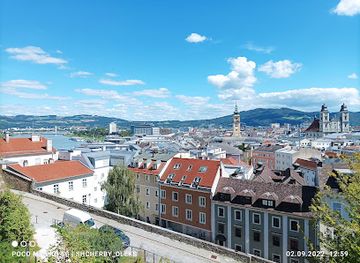
Urfahr’s attractions are concentrated along the Danube and the route towards Pöstlingberg. Ars Electronica Center is the district’s international cultural focal point, presenting exhibitions and installations concerned with digital technology, art, science and social change. Outside, the north-bank promenade and cycle paths provide open views towards Linz’s historic centre, the Nibelungenbrücke and the river’s industrial setting. The Urfahraner Markt grounds become a major public attraction during the established fair periods, bringing rides, food stalls and seasonal events to the waterfront area. The Pöstlingbergbahn offers an attraction in itself as it climbs from the city through Urfahr towards the hill, where visitors find elevated views and the pilgrimage church district. Hauptstraße and the surrounding streets add a more ordinary urban experience, with cafés, shops and everyday movement rather than a concentration of formal sights.
-
Tourist attraction
Linz’s main square
Experience the vibrant atmosphere of Hauptplatz, Linz’s main square, where stunning architecture meets rich history and lively local culture.
17 min walk · 1.3 km from neighbourhood centre
-
Tourist attraction
Ars Electronica Center
Discover the Ars Electronica Center in Linz, a hub of modern art and technology showcasing innovative exhibitions and interactive experiences.
11 min walk · 0.9 km from neighbourhood centre
-
Tourist attraction
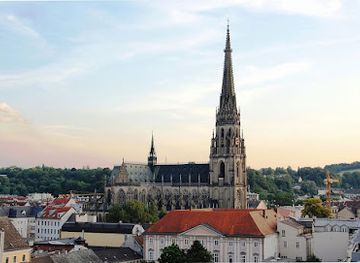
Linzer Mariendom
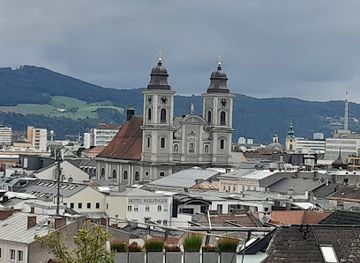
Explore the Linzer Mariendom, Austria's largest cathedral, blending Gothic architecture and rich history in the heart of Linz.
6 min drive · 1.9 km from neighbourhood centre
-
Tourist attraction
Zoo Linz
Explore the enchanting Zoo Linz, a top family-friendly destination in Austria, showcasing diverse wildlife and engaging activities for all ages.
5 min drive · 1.7 km from neighbourhood centre
Best landmarks in Urfahr
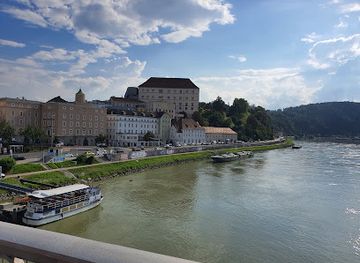
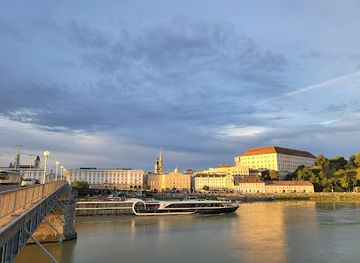
The Nibelungenbrücke is Urfahr’s most consequential urban landmark, spanning the Danube and tying the district physically and symbolically to Linz’s centre. On the north bank, Ars Electronica Center is recognisable for its contemporary architecture and illuminated façade, representing the district’s role in Linz’s technology and arts identity. The Urfahraner Markt grounds are less monumental but historically significant as a continuing public-fair site connected with the former market town. Farther uphill, the Pöstlingbergbahn forms a distinctive transport landmark, carrying the city’s tram system towards Pöstlingberg and its pilgrimage landscape. The Danube itself remains the area’s defining geographical feature: the embankment, bridges and wide river views explain Urfahr’s historic importance as a crossing and its present character as a connected urban district.
-
Catholic cathedral
Linzer Mariendom
Discover the stunning Linzer Mariendom, Austria's tallest church, with breathtaking architecture and a tranquil atmosphere in the heart of Linz.
6 min drive · 1.9 km from neighbourhood centre
-
Museum
Schlossmuseum Linz
Explore the fascinating history and art of Upper Austria at Schlossmuseum Linz, a stunning castle museum offering rich cultural experiences.
17 min walk · 1.3 km from neighbourhood centre
-
Historical landmark
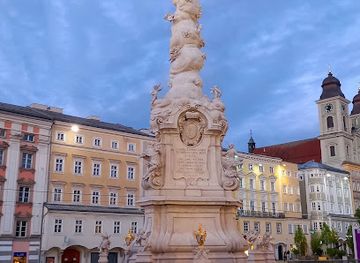
Dreifaltigkeitssäule
Explore the stunning Dreifaltigkeitssäule, a Baroque treasure in Linz's Hauptplatz, showcasing rich history and cultural vibrancy.
16 min walk · 1.3 km from neighbourhood centre
-
Park
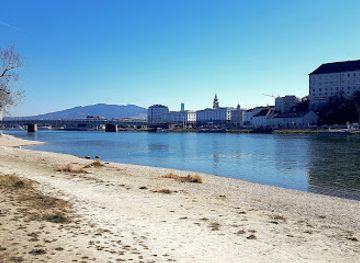
Donaustrand Alturfahr
Explore Donaustrand Alturfahr: A beautiful park and public beach along the Danube in Linz, perfect for relaxation and leisure activities.
16 min walk · 1.3 km from neighbourhood centre
Explore Urfahr on the map
A handpicked selection of must-see spots in Urfahr, mapped for you.
Best hotels in Urfahr
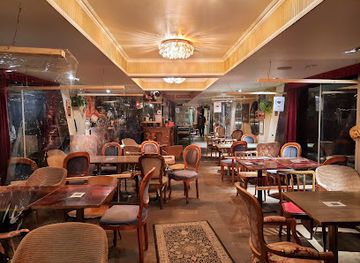
Best restaurants in Urfahr
Urfahr’s dining scene is shaped by its mixed residential, cultural and riverside character rather than by a single culinary quarter. Around Hauptstraße and the tram corridor, visitors find cafés, bakeries, Austrian cooking and international restaurants serving local residents as well as visitors attending Ars Electronica or travelling to Pöstlingberg. The Danube-side area is suited to a pause after a walk or cycle ride, although the choice is more dispersed than in Linz’s central old town. During events at the Urfahraner Markt grounds, temporary food stalls add fairground fare and regional snacks to the district’s regular options. Traditional Austrian dishes, coffee and pastries sit alongside contemporary and international cooking, reflecting Urfahr’s long role as a separate market town that has become part of a larger city. Restaurant opening patterns vary, particularly beyond the main tram streets, so advance checking is sensible for a specific meal.
-
Italian
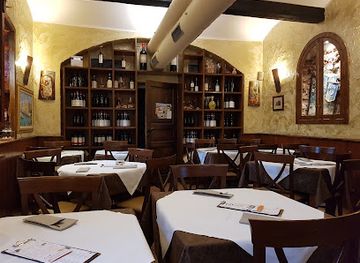
Ristorante La Ruffa - Donaulände (ehemals Amici)
Experience authentic Italian cuisine at Ristorante La Ruffa in Linz - a perfect blend of tradition and flavor by the Danube.
8 min walk · 0.6 km from neighbourhood centre
-
Restaurant
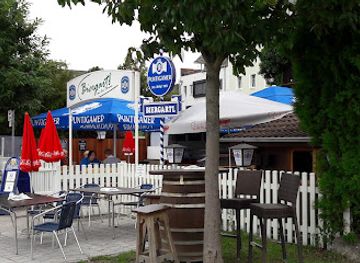
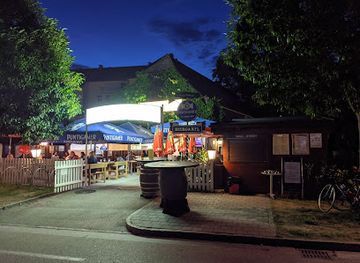
Biergartl an der Donau in Linz Urfahr
Experience authentic Austrian cuisine with stunning views at Biergartl an der Donau in Linz Urfahr.
12 min walk · 1.0 km from neighbourhood centre
-
Organic
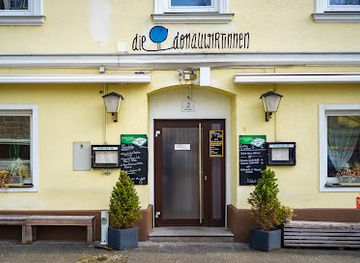
Die Donauwirtinnen
Discover the essence of organic dining at Die Donauwirtinnen in Linz - where local ingredients meet culinary creativity.
13 min walk · 1.1 km from neighbourhood centre
-
Restaurant
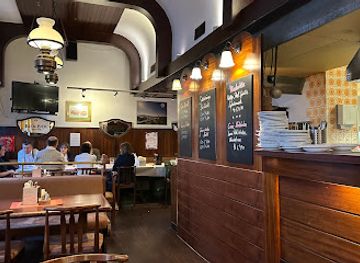
Golden Pub
Experience authentic Austrian cuisine at Golden Pub in Linz – where tradition meets taste in a warm and inviting atmosphere.
6 min walk · 0.5 km from neighbourhood centre
Best bars in Urfahr
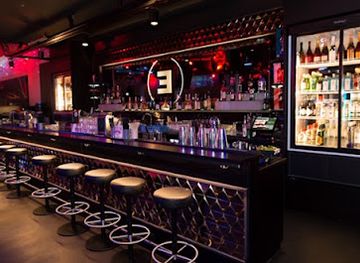
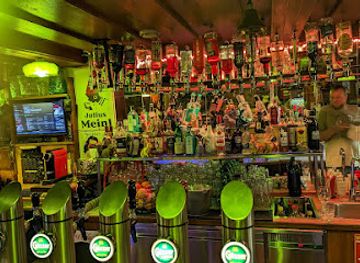
Urfahr’s evenings are generally more relaxed than those in Linz’s denser central nightlife areas. Cafés, neighbourhood pubs and restaurants around Hauptstraße provide the main opportunities for an informal drink, while the riverside is more associated with walking, cycling and seasonal public events than with a continuous late-night scene. Ars Electronica Center and other cultural venues can bring evening programmes, exhibitions or events, but these should be distinguished from permanent nightlife provision. The Urfahraner Markt grounds become lively during fair periods, when temporary entertainment, food and amusement rides alter the district’s atmosphere. Visitors seeking a broad choice of clubs and late bars will usually find more options across the Danube in central Linz; returning to Urfahr by tram or taxi is therefore worth planning after a late evening.
-
Bar
Salonschiff Fräulein Florentine
Experience the fusion of culture and cuisine at Salonschiff Fräulein Florentine, a floating gem on the Danube in Linz.
10 min walk · 0.8 km from neighbourhood centre
-
Cocktail bar
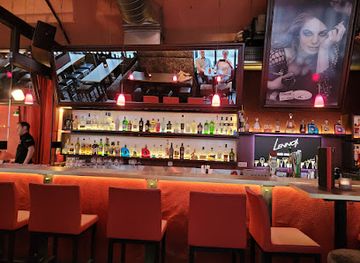
Lennox - Bar
Discover the vibrant Lennox Cocktail Bar in Linz, where creative cocktails, a stylish ambiance, and a lively atmosphere await every visitor.
5 min drive · 1.5 km from neighbourhood centre
-
Restaurant
Biergartl an der Donau in Linz Urfahr
Savor the flavors of Austria at Biergartl an der Donau, a riverside restaurant offering delicious local cuisine and stunning views in Linz Urfahr.
12 min walk · 1.0 km from neighbourhood centre
-
Cocktail bar
Die Cocktailbar Linz
Experience the vibrant cocktail culture at Die Cocktailbar Linz, where skilled mixologists craft unforgettable drinks in a stylish setting.
5 min drive · 1.6 km from neighbourhood centre
Best nightclubs in Urfahr
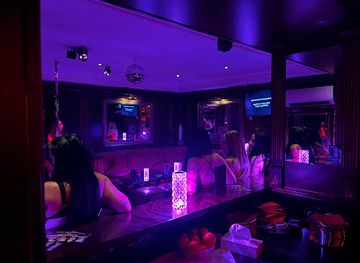
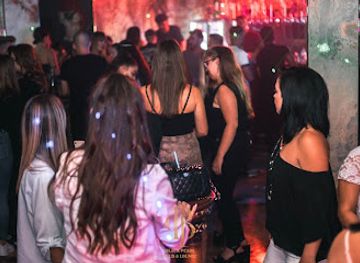
Urfahr’s evenings are generally more relaxed than those in Linz’s denser central nightlife areas. Cafés, neighbourhood pubs and restaurants around Hauptstraße provide the main opportunities for an informal drink, while the riverside is more associated with walking, cycling and seasonal public events than with a continuous late-night scene. Ars Electronica Center and other cultural venues can bring evening programmes, exhibitions or events, but these should be distinguished from permanent nightlife provision. The Urfahraner Markt grounds become lively during fair periods, when temporary entertainment, food and amusement rides alter the district’s atmosphere. Visitors seeking a broad choice of clubs and late bars will usually find more options across the Danube in central Linz; returning to Urfahr by tram or taxi is therefore worth planning after a late evening.
-
Night club
Remembar
Experience the vibrant nightlife of Linz at Remembar, a top night club and bar offering thrilling music, creative cocktails, and an unforgettable atmosphere.
5 min drive · 1.7 km from neighbourhood centre
-
Pub
Hasenstall
Discover Hasenstall, a lively pub in Linz, offering a taste of local culture, a great selection of drinks, and a vibrant atmosphere for all.
5 min walk · 0.4 km from neighbourhood centre
-
Night club
Chalet - Laufhaus Linz
Discover the ultimate nightlife experience at Chalet - Laufhaus Linz, a vibrant night club offering energetic music and a lively atmosphere.
5 min drive · 1.6 km from neighbourhood centre
-
Disco club
Blackpearl club&Lounge
Discover the heart of Linz's nightlife at Blackpearl Club & Lounge, a vibrant disco club with electrifying music and a lively ambiance.
19 min walk · 1.5 km from neighbourhood centre
Best shops in Urfahr
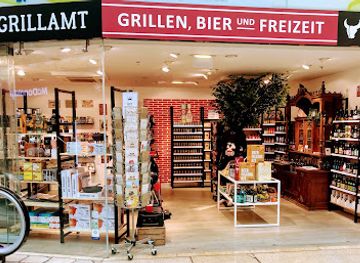
Shopping in Urfahr is primarily local and practical, centred on Hauptstraße and the surrounding commercial streets rather than a large specialist retail quarter. Visitors can browse bakeries, cafés, everyday shops and smaller independent businesses while moving between the tram stops and the Danube. The district’s market tradition is most visible during events at the Urfahraner Markt grounds, when temporary stalls and fair vendors bring food, souvenirs and seasonal goods. Regular retail is less concentrated than in Linz’s central shopping streets, but that is part of the area’s character: purchases are made within an active residential district rather than a purpose-built visitor zone. For books, fashion, design goods or larger-scale retail, the city centre across the river offers a broader selection, while Urfahr is better suited to combining practical browsing with a riverside walk, a café stop or a visit to Ars Electronica Center.
-
Shopping mall
LentiaCity
Experience the ultimate shopping and dining adventure at LentiaCity in Linz, Austria, where variety meets convenience in a vibrant atmosphere.
4 min walk · 0.3 km from neighbourhood centre
-
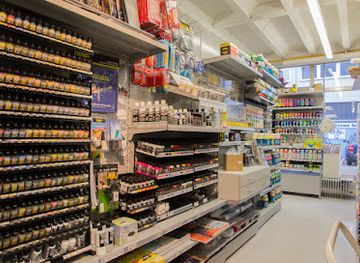
Paint store
Farbengrossmarkt Obermüller
Explore Farbengrossmarkt Obermüller in Linz, Austria – the ultimate destination for artists and art enthusiasts seeking inspiration and quality supplies.
4 min walk · 0.3 km from neighbourhood centre
-
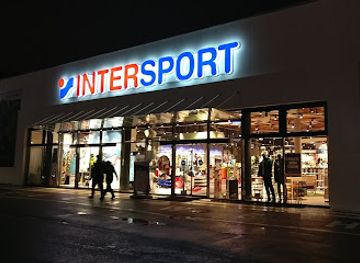
Sporting goods store
INTERSPORT Pötscher
Discover outdoor adventures with top-quality gear at INTERSPORT Pötscher in Linz – your one-stop shop for sports and outdoor equipment.
7 min walk · 0.6 km from neighbourhood centre
-
Game store
Game Store
Explore a world of tabletop adventures at Linz's leading game store, filled with games, collectibles, and a welcoming community.
9 min walk · 0.7 km from neighbourhood centre
Urfahr essentials
Getting There
Getting Around
Safety
Emergency Situations
Do's and Don'ts
Local Tips

From Eve
Local phrases worth knowing
You don't need to get them perfect. A few words go a long way, and locals appreciate the effort.
Basics
| English | Local | Say it |
|---|---|---|
| Hello | Servus | [sair-voos] |
| Goodbye | Auf Wiedersehen | [owf vee-der-say-en] |
| Yes | Ja | [yah] |
| No | Nein | [nine] |
| Please/You're welcome | Bitte | [bit-teh] |
| Thank you | Danke | [dahn-keh] |
| Excuse me/Sorry | Entschuldigung | [ent-shool-dee-goong] |
| How are you? | Wie geht es dir? | [vee gayt es deer] |
| Fine. And you? | Gut. Und dir? | [goot oond deer] |
| Do you speak English? | Sprechen Sie Englisch? | [shprek-en zee eng-leesh] |
| I don't understand | Ich verstehe nicht | [eekh fair-shteh-eh nikht] |
Eating & Drinking
| English | Local | Say it |
|---|---|---|
| I'd like to see the menu, please | Ich möchte bitte die Speisekarte sehen | [eekh mehrkhte bit-teh dee shpye-ze-kahr-teh zay-en] |
| I don't eat meat | Ich esse kein Fleisch | [eekh ess-eh kine flysh] |
| Cheers! | Prost! | [prohst] |
| I would like to pay, please | Ich möchte bitte zahlen | [eekh mehrkhte bit-teh tsah-len] |
Emergencies
| English | Local | Say it |
|---|---|---|
| Help! | Hilfe! | [hil-feh] |
| Go away! | Gehen Sie weg! | [gay-en zee vehg] |
| Call the Police! | Rufen Sie die Polizei! | [roo-fen zee dee poh-lee-tsay] |
| Call a doctor! | Rufen Sie einen Arzt! | [roo-fen zee eye-nen ahrts] |
| I'm lost | Ich bin verloren | [eekh been fair-loh-ren] |
| I'm ill | Ich bin krank | [eekh been krahnk] |
Shopping
| English | Local | Say it |
|---|---|---|
| I'd like to buy... | Ich möchte ... kaufen | [eekh mehrkhte ... kow-fen] |
| I'm just looking | Ich schaue nur | [eekh shoy-eh noor] |
| How much is it? | Wie viel kostet es? | [vee feel kohs-teht es] |
| That's too expensive | Das ist zu teuer | [dahs ist tsoy toy-er] |
| Can you lower the price? | Könnten Sie den Preis senken? | [kern-ten zee den prees zeng-ken] |
Time & Numbers
| English | Local | Say it |
|---|---|---|
| What time is it? | Wie spät ist es? | [vee shpeht ist es] |
| It's one o'clock | Es ist ein Uhr | [es ist ine oor] |
| Half past (10) | Halb (10) Uhr | [halb oor] |
| Morning | Morgen | [mohr-gen] |
| Afternoon | Nachmittag | [nahkh-meet-tahk] |
| Evening | Abend | [ah-bent] |
| Yesterday | Gestern | [ges-tern] |
| Today | Heute | [hoy-teh] |
| Tomorrow | Morgen | [mohr-gen] |
| 1 | Eins | [ines] |
| 2 | Zwei | [tsvay] |
| 3 | Drei | [dry] |
| 4 | Vier | [feer] |
| 5 | Fünf | [foonf] |
| 6 | Sechs | [zeks] |
| 7 | Sieben | [zee-ben] |
| 8 | Acht | [ahkt] |
| 9 | Neun | [noyn] |
| 10 | Zehn | [tsayn] |
Transport & Directions
| English | Local | Say it |
|---|---|---|
| Where's a/the...? | Wo ist ein/der...? | [vo ist ine/dehr] |
| What's the address? | Was ist die Adresse? | [vahs ist dee ah-dreh-say] |
| Can you show me (on the map)? | Können Sie mir zeigen (auf der Karte)? | [kern-en zee meer tsay-gen (ouf dehr kahr-teh)] |
| When's the next (bus)? | Wann kommt der nächste (Bus)? | [vahn kohmt dehr nehkh-steh (boos)] |
| A ticket (to ....) | Eine Fahrkarte (nach ....) | [ineh fahr-kahr-teh (nahkh)] |
History of Urfahr
A Danube Crossing and Market Settlement
Urfahr developed on the north bank of the Danube at an important crossing point opposite Linz. Its name is generally associated with the medieval ferry or crossing, and the settlement’s position encouraged movement, trade and small-scale commerce along the river. For centuries it remained distinct from Linz, with its own local institutions and a character shaped by contact between river traffic, travellers and the communities of the northern bank. The Danube was both a source of opportunity and a practical obstacle, making ferry connections central to the settlement’s relationship with the larger town opposite.
Growth as an Independent Market Town
During the early modern and industrial periods, Urfahr grew as a market town serving settlements north of the Danube as well as its own residents. Roads and improved crossings strengthened its connection with Linz, while workshops, inns, shops and homes formed a more substantial urban settlement around the riverside and the main streets. The area’s commercial identity was reinforced by public fairs and markets, traditions that remain visible in the continued use of the Urfahraner Markt grounds. Its development was practical and outward-looking, linking rural hinterlands with the expanding city across the river.
Incorporation into Linz
Urfahr was incorporated into Linz in 1919, bringing the formerly independent town into the city’s expanding administrative and urban framework. The change encouraged closer integration of transport, public services and infrastructure on both sides of the Danube. The Nibelungenbrücke, opened in 1938, became a major road and tram connection between the central city and the northern bank, replacing the older pattern in which ferries and more limited bridges shaped movement. Urfahr consequently became not simply a separate riverside settlement but one of Linz’s principal urban districts.
Postwar Urban and Cultural Change
After the Second World War, Urfahr experienced the wider reconstruction and modernisation that reshaped Linz. Housing, roads, public transport and commercial development altered the district, while the Danube embankment became an increasingly important recreational space. The opening of Ars Electronica Center in 2009, in its present building on the north bank, added a major cultural institution to the district and helped give Urfahr a recognised role in Linz’s contemporary creative and technological life. At the same time, the area retained its established market grounds, residential streets and hillside connection to Pöstlingberg.
Urfahr in Photos
Browse through our photo collection highlighting the charm and character of the destination.
Neighbourhoods near Urfahr
The closest neighbourhoods to Urfahr, if you have time for more than one stop.

Swipe for more neighbourhoods
Explore more

Explore more of Linz
Linz combines Danube views, Ars Electronica, industrial heritage, contemporary art and historic streets with thoughtful Austrian culture and regional cuisine.
Explore Linz