The Plague Column: A Baroque Masterpiece in Vienna
A stunning Baroque monument in Vienna's Graben, commemorating the end of the Great Plague and the city's resilience.
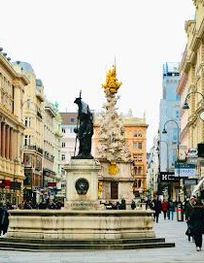
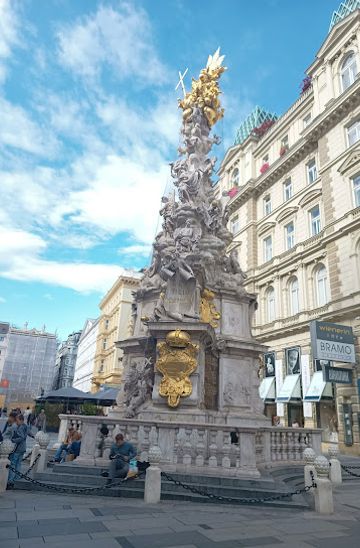
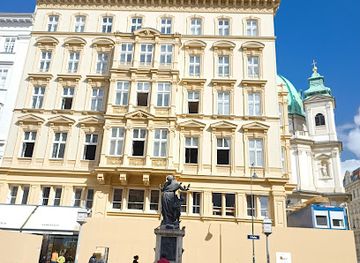
The Plague Column, also known as the Pestsäule or Trinity Column, is a prominent Baroque monument in Vienna's Graben street. Erected after the Great Plague epidemic of 1679, it stands as a symbol of the city's resilience and faith. The column commemorates the victims and celebrates Vienna's survival.
A brief summary to Column of Pest
- Graben 28, Vienna, Innere Stadt, 1010, AT
- Click to display
- Click to display

Know before you go
Hi, I'm Eve. Here are a few practical things to know before exploring Column of Pest.
- Visit during Advent to see the Graben illuminated with giant chandeliers, creating a magical atmosphere.
- Take a stroll around the Graben to admire the architecture, street performances, and the aroma of Austrian pastries.
- Don't miss the two fountains on Graben, the Josefsbrunnen and Leopoldsbrunnen, each dedicated to a different saint.
Do you manage this location?
Take control to get all the benefits, like improved information, better appearance, and stronger visibility across AI-powered discovery. Learn more
Activate your presenceOther nearby places you may find interesting
Getting There
-
Walking
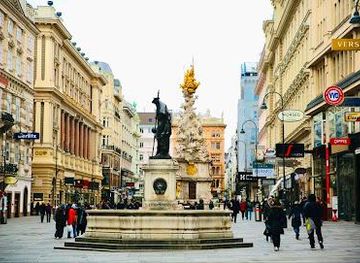
The Plague Column is located on Graben, a pedestrian street in the heart of Vienna's Innere Stadt. From Stephansplatz, walk west along Graben. The column is situated in the middle of the street, approximately a 5-minute walk from St. Stephen's Cathedral.
-
Public Transport
The closest subway station to the Plague Column is Stephansplatz, served by lines U1 and U3. From the Stephansplatz station, take the Graben exit. The Plague Column is a short walk from the station. Several bus lines also stop near Graben, including 1A and 2A. Check local transit schedules for the most up-to-date information. A single ride on Vienna's public transport costs around €2.40.
-
Taxi
Taxis are readily available throughout Vienna's city center. A short taxi ride from a central location to the Graben should cost between €10 and €20, depending on traffic and distance. Taxi fares in Vienna start at €3.80, with additional charges per kilometer. Consider using ride-sharing apps like Uber or Bolt. Keep in mind that fares may be higher during peak hours or on weekends.
Discover more about Column of Pest
Explore the best of what Column of Pest has to offer













More about Vienna Woods

Discover the serene beauty of the Vienna Woods, a lush forest region near Vienna, Austria, perfect for hiking, cultural exploration, and reconnecting with nature.
Tell me more about Vienna Woods