Kupelwieser-Schlössl: A Neogothic Gem on the Mönchsberg
Discover the enchanting Kupelwieser-Schlössl on Mönchsberg, Salzburg: a neogothic landmark with centuries of history and panoramic city views, perfect for history and nature lovers.
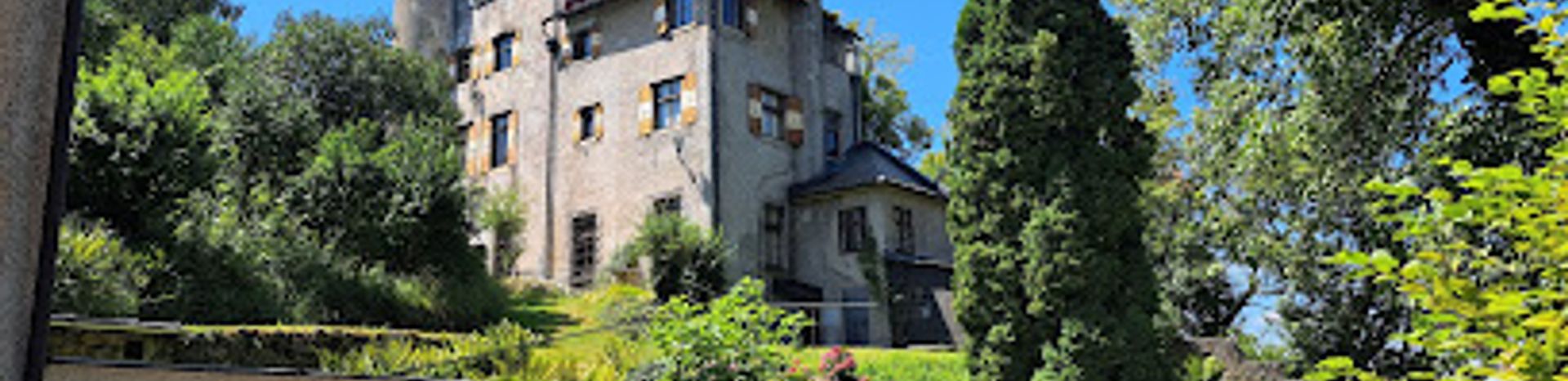
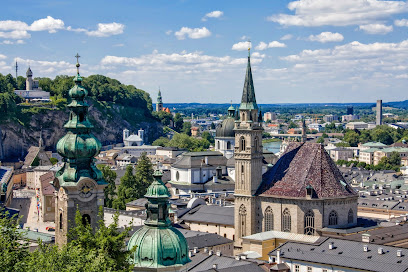
The Kupelwieser-Schlössl, also known as Falkenturm, Konstantinturm, or Marienschlösschen, is a captivating neogothic structure perched atop Salzburg's Mönchsberg. This historical landmark, under preservation since 1995, offers visitors a glimpse into Salzburg's rich past and stunning panoramic views of the city. Originally a falconry tower in the 14th century, it evolved through various ownerships, including the Liechtenstein family and St. Peter's Monastery, before becoming the Kupelwieser family's property in the early 20th century. Today, while not open for interior tours, its picturesque exterior and the surrounding Mönchsberg trails provide a delightful experience for history enthusiasts and nature lovers alike. The schlössl's location on the Mönchsberg also places it near other attractions, making it a worthwhile stop on any Salzburg itinerary. Its historical significance and architectural charm make it a unique point of interest.
A brief summary to Kupelwieser-Schlössl
- Salzburg, AT
Local tips
- Combine your visit with a walk along the Mönchsberg trails for stunning views of Salzburg and the surrounding Alps.
- Visit the Museum of Modern Art Salzburg (Mönchsberg) to experience contemporary art alongside historical architecture.
- Check the local event calendar for exhibitions or cultural events that may be taking place in the Mönchsberg area.

Getting There
-
Walking
From the Salzburg Altstadt (Old Town), the Mönchsberg is easily accessible by foot. Follow the signs towards the Museum der Moderne or the Festungsbahn funicular. Several paths lead up the mountain, offering scenic routes to the Kupelwieser-Schlössl. The walk takes approximately 20-30 minutes, depending on your starting point and chosen path. Be prepared for a moderate incline. Alternatively, take the Mönchsbergaufzug elevator from Gstättengasse 13 for €3.40, then walk for 5-10 minutes to the schlössl.
-
Public Transport
Take Bus lines 1 or 4 to the 'Salzburg Ferdinand-Hanusch-Platz' stop. From there, walk towards the Festungsbahn funicular and follow the walking directions above, or take the Mönchsbergaufzug elevator. A single bus fare is approximately €2.50. Alternatively, from 'Salzburg Ferdinand-Hanusch-Platz' follow the signs towards the Mönchsberg on foot.
-
Taxi/Ride-Share
A taxi or ride-share from Salzburg city center to the base of the Mönchsberg (near the Festungsbahn or the Mönchsbergaufzug) will cost approximately €10-€15. From there, follow the walking directions or take the elevator up the Mönchsberg.
-
Driving
Driving directly to the Kupelwieser-Schlössl is not possible as it is located on the pedestrianized Mönchsberg. Limited parking is available in the Altstadt, but it can be expensive and fill up quickly. Consider parking in one of the Park & Ride facilities on the outskirts of Salzburg (e.g., Salzburg Süd or Am Messezentrum) for €15, which includes a P&R Combo Ticket valid for up to 5 people on all public buses for 24 hours. Then take a bus to the Altstadt and follow the walking or public transport directions above. Parking in the Mönchsberggarage costs €3.30 per hour.
Discover more about Kupelwieser-Schlössl
Iconic landmarks you can’t miss

Kupelwieser-Schlössl
0.0 km
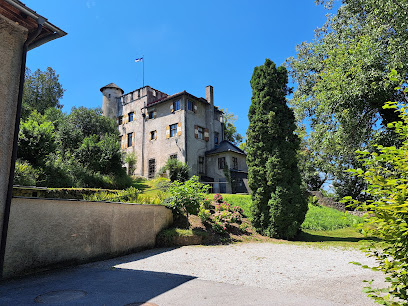
Explore Kupelwieser-Schlössl, a historic landmark in Salzburg, where rich heritage meets stunning architecture amidst beautiful gardens.
Lodronsches Militärwachthaus (Stadttor)
0.1 km
Explore the Lodron Military Guardhouse in Salzburg, a historic gateway offering insights into the city's military past and stunning views.
Freyschlösschen, Mönchsberg, Salzburg
0.3 km
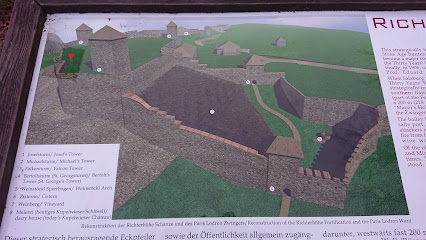
Discover the historic Freyschlösschen on Mönchsberg, a medieval tower with stunning views of Salzburg, though only viewable from the exterior.
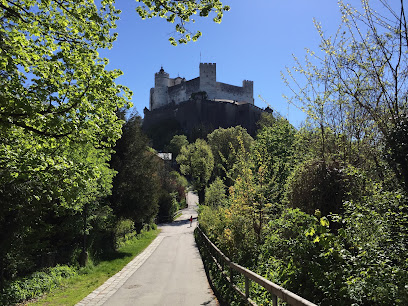
Clemens-Holzmeister-Stiege
0.4 km
Ascend Salzburg's Clemens-Holzmeister-Stiege for stunning views and a blend of architectural beauty and historical significance.
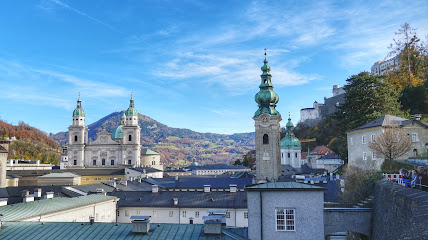
Stiftskirche St. Peter
0.4 km
Discover the captivating beauty and rich history of Stiftskirche St. Peter, Salzburg's iconic Baroque Catholic church and cultural treasure.
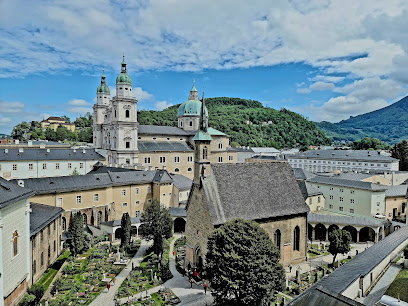
Friedhof St. Peter (Petersfriedhof)
0.5 km
Discover the serene beauty and rich history of Friedhof St. Peter, a historic cemetery in Salzburg offering breathtaking views and captivating stories.
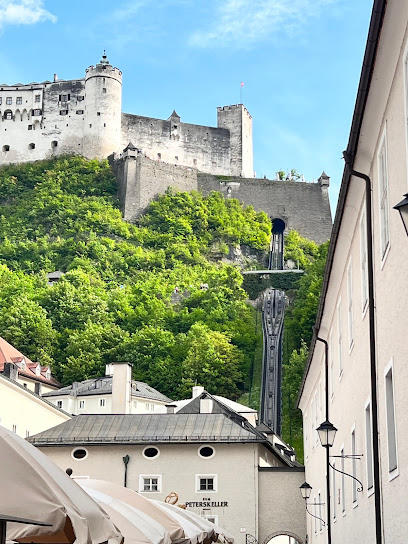
Siegmundstor
0.5 km
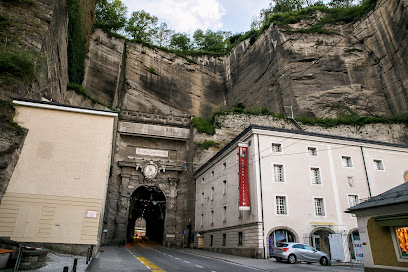
Discover the Siegmundstor, a historic tunnel in Salzburg offering breathtaking views and a glimpse into the city's rich architectural heritage.
Museum der Moderne Salzburg
0.5 km
Explore modern and contemporary art at two unique locations with panoramic views of Salzburg's historic skyline.
Margarethenkapelle
0.5 km
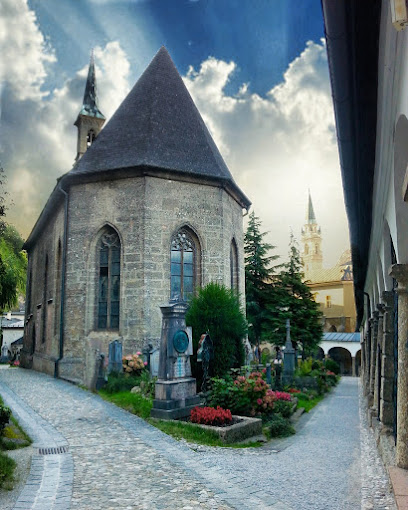
Explore the tranquil beauty of Margarethenkapelle in Salzburg, a stunning chapel and historical landmark surrounded by serene gardens and rich history.
Haus im Furtwänglerpark
0.5 km
Explore the Haus im Furtwänglerpark, Salzburg's serene art museum, where nature meets an inspiring collection of artistic treasures.

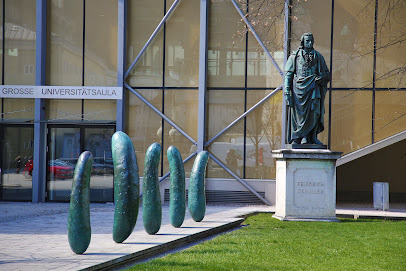
Gurken
0.5 km
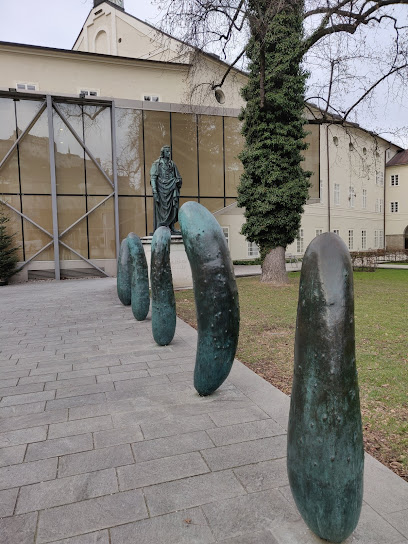
Explore the captivating Gurken sculpture in Salzburg, a mesmerizing blend of art and culture in a stunning urban setting.
Franziskanerkirche
0.5 km
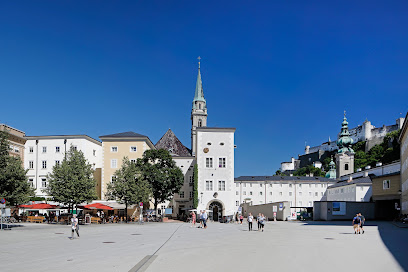
Discover the beauty and tranquility of Franziskanerkirche, a stunning Gothic church in the heart of Salzburg, rich in history and artistic heritage.
Friedrich Schiller Statue
0.5 km
Explore the Friedrich Schiller Statue in Salzburg, a cultural landmark celebrating the legacy of one of Germany's greatest poets amidst stunning scenery.
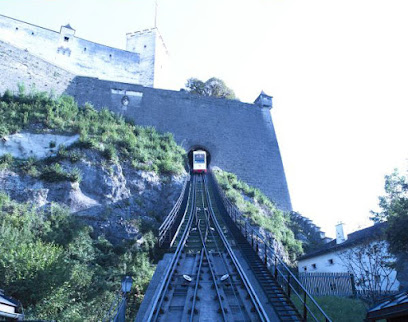
FestungsBahn
0.5 km
Experience breathtaking views of Salzburg from the FestungsBahn, a scenic mountain cable car ride to the historic Hohensalzburg Fortress.
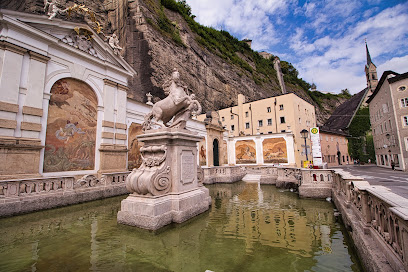
Pferdeschwemme (Hofmarstallschwemme)
0.5 km
Discover the enchanting Pferdeschwemme in Salzburg, a historical landmark embodying the city's rich equestrian heritage and architectural beauty.
Unmissable attractions to see

WasserSpiegel
0.1 km
Explore WasserSpiegel in Salzburg, where art meets nature in a tranquil museum setting, offering breathtaking views and thought-provoking exhibitions.
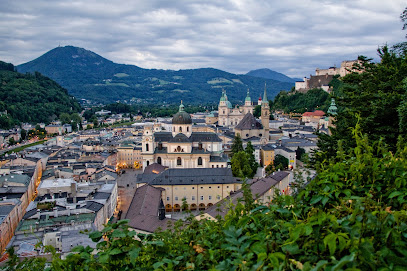
Freyschlössl - Roter Turm
0.3 km
Discover the historical charm and breathtaking views of Freyschlössl - Roter Turm, a captivating landmark in Salzburg that showcases the city’s rich heritage.
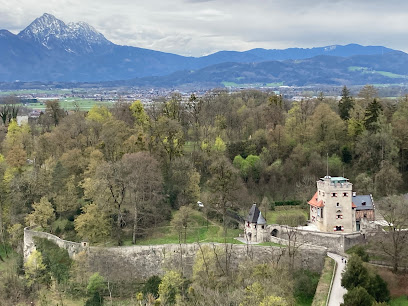
Edmundsburg
0.4 km
Explore the historical marvel of Edmundsburg in Salzburg, Austria, where stunning architecture meets rich cultural heritage.
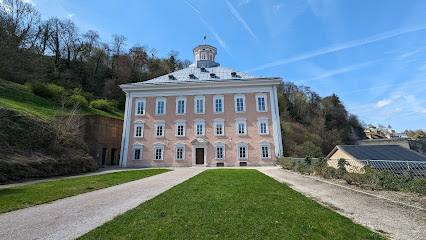
Felsenreitschule
0.4 km
Experience the blend of history and artistry at Felsenreitschule, Salzburg's iconic venue for live music and performances.
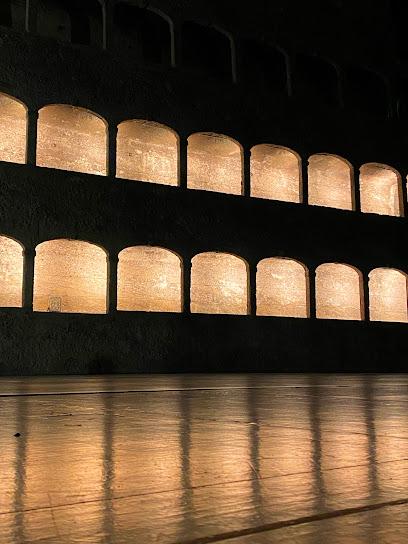
Rupertusbrunnen
0.4 km
Discover the tranquil beauty of Rupertusbrunnen, a stunning fountain surrounded by lush greenery in Salzburg's scenic Sankt-Peter-Bezirk.
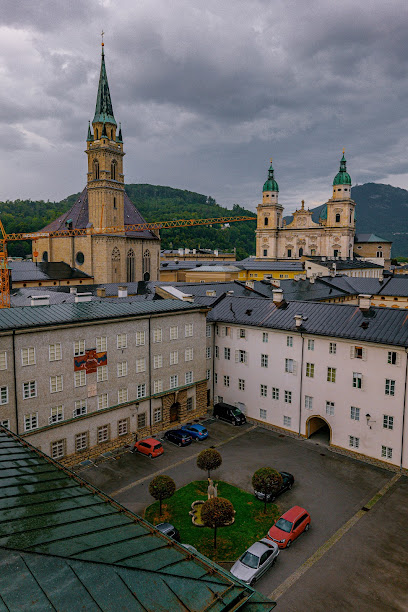
Außenorgel
0.4 km
Explore Außenorgel, Salzburg's enchanting outdoor organ, where music and nature harmonize in a picturesque cultural setting.
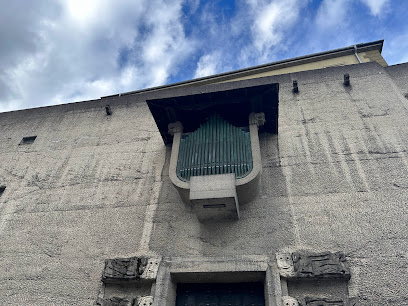
House for Mozart
0.4 km
Discover the House for Mozart, a premier concert hall in Salzburg, celebrating classical music and the artistic legacy of Mozart with stunning performances.
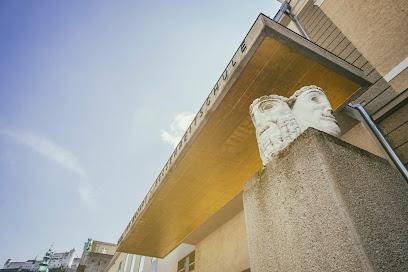
Mozart Dinner Concert
0.4 km
Experience the magic of Mozart in Salzburg with a splendid dinner concert featuring classical music and gourmet cuisine in a historic venue.
Lodronsche Stadtbefestigung (Schartenmauer)
0.4 km
Discover the Lodronsche Stadtbefestigung in Salzburg, a historical fortification offering breathtaking views and a deep dive into the city's rich heritage.
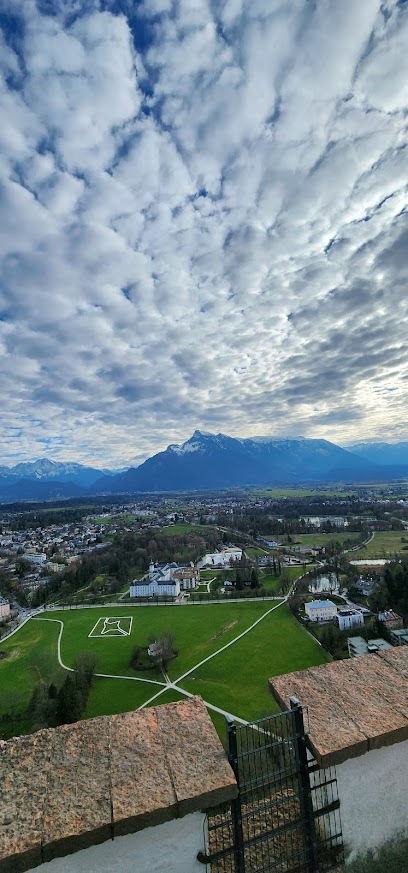
Great Festival House
0.5 km
Experience the magic of live performances at the Great Festival House, Salzburg's iconic concert hall and cultural landmark.
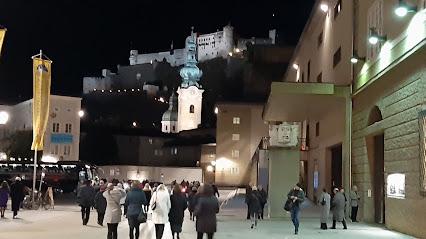
St. Peter's Abbey
0.5 km
Discover the serene beauty and rich history of St. Peter's Abbey in Salzburg, a must-visit destination for cultural enthusiasts and history lovers.
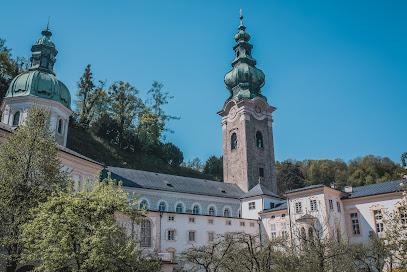
Wilder Mann Brunnen
0.5 km
Immerse yourself in the charm of Wilder Mann Brunnen, a stunning historical fountain in Salzburg, where artistry meets rich cultural heritage.
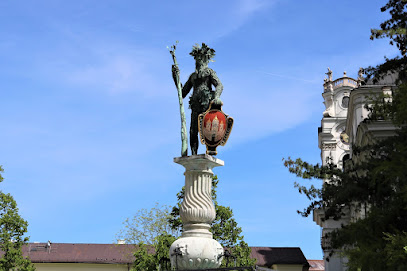
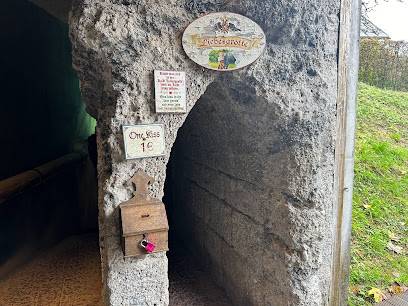
Liebesgrotte
0.5 km
Explore the enchanting Liebesgrotte in Salzburg, a romantic grotto nestled in nature, perfect for serene escapes and unforgettable moments.
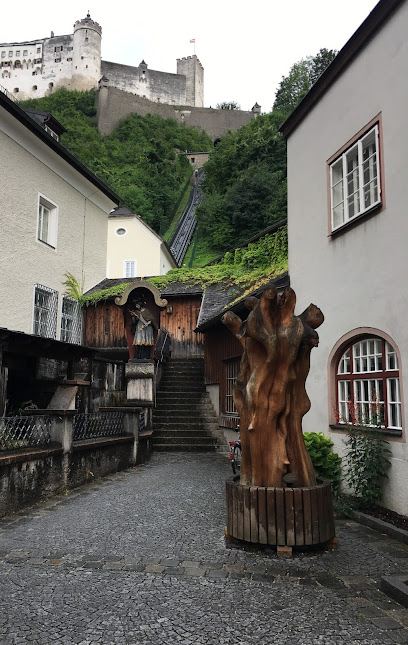
Wasserrad
0.5 km
Experience the charm of Wasserrad, a historical water wheel in Salzburg, perfect for photography, relaxation, and a glimpse into the city's heritage.
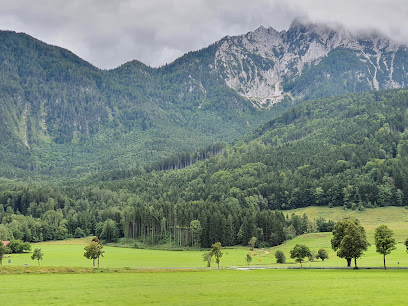
Wilhelm-Furtwängler-Garten
0.5 km
Discover the beauty and tranquility of Wilhelm-Furtwängler-Garten, a peaceful retreat in the heart of Salzburg, perfect for nature lovers and relaxation.
Essential places to dine

St. Peter Stiftskulinarium
0.4 km
Experience fine dining in Salzburg at St. Peter Stiftskulinarium – where centuries-old traditions meet modern culinary excellence.
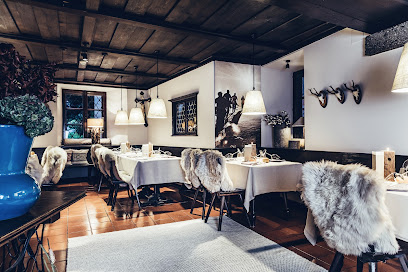
Strasserwirt Salzburg
0.5 km
Discover authentic Austrian flavors at Strasserwirt Salzburg - where tradition meets taste in a charming atmosphere.
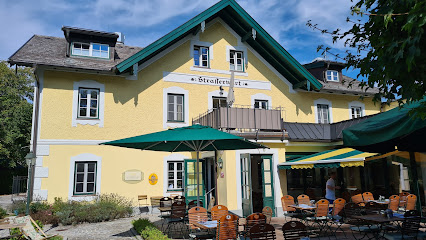
Die geheime Specerey
0.6 km
Discover exquisite dining at Die geheime Specerey in Salzburg - where unique flavors meet exceptional service in a charming atmosphere.
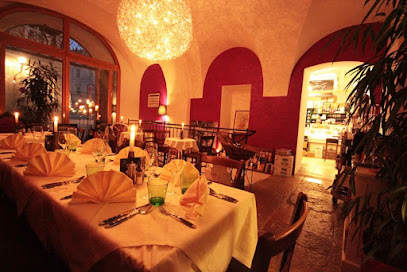
Restaurant Stiegl-Keller
0.6 km
Discover the essence of Austrian cuisine at Restaurant Stiegl-Keller in Salzburg with stunning views and authentic flavors.
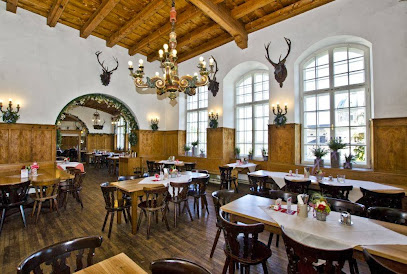
Restaurant Herzl
0.6 km
Discover authentic Austrian flavors at Restaurant Herzl in the heart of Salzburg's historic Getreidegasse.
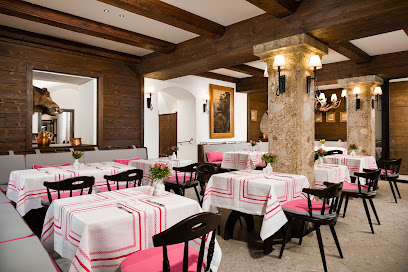
Restaurant Blaue Gans Salzburg Gasthaus
0.6 km
Discover the fusion of traditional Austrian cuisine and contemporary art at Restaurant Blaue Gans in Salzburg.
Zipfer Bierhaus
0.6 km
Discover the heart of Austrian cuisine at Zipfer Bierhaus in Salzburg - where tradition meets taste.
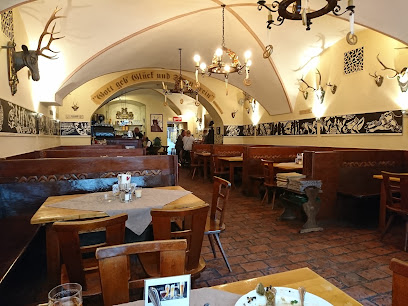
Restaurant Goldener Hirsch
0.6 km
Experience authentic Austrian cuisine at Restaurant Goldener Hirsch in Salzburg – a culinary journey through tradition and flavor.
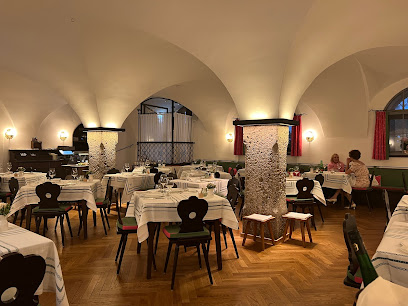
Restaurant Novus
0.6 km
Discover the essence of Austrian cuisine at Restaurant Novus in Salzburg - where tradition meets innovation in every dish.
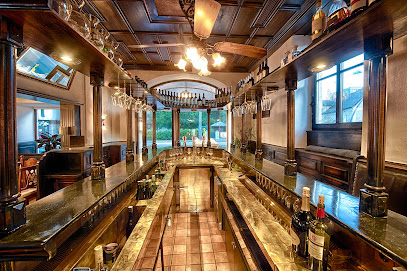
Restaurant Meissl & Schadn Salzburg
0.6 km
Experience authentic Austrian cuisine at Restaurant Meissl & Schadn in Salzburg - where tradition meets flavor in a delightful setting.
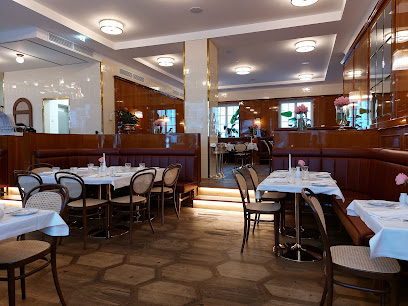
Osteria Cavalli
0.6 km
Savor authentic Italian cuisine at Osteria Cavalli in Salzburg—where every dish tells a story of tradition and passion.
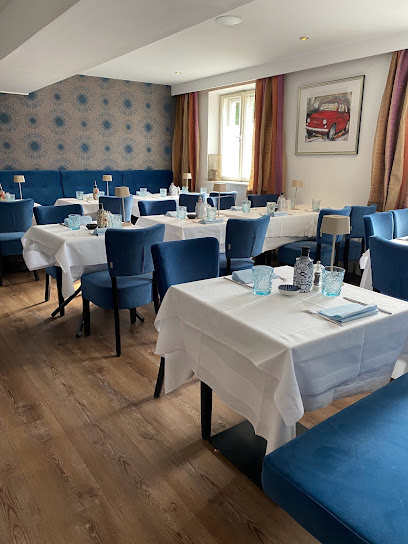
Pan e Vin
0.7 km
Discover exquisite vegetarian cuisine at Pan e Vin in Salzburg – where local ingredients meet innovative culinary artistry.
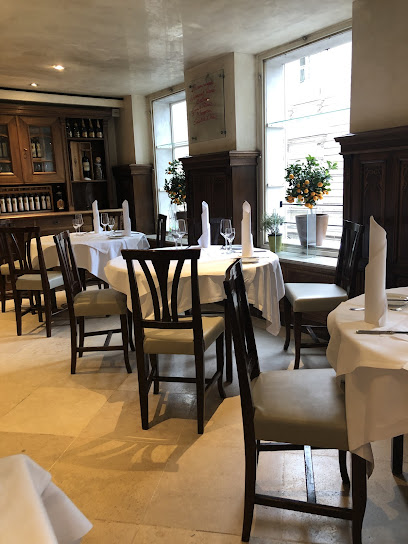
Pauli Stubm
0.7 km
Discover authentic Austrian flavors at Pauli Stubm – where tradition meets taste in the heart of Salzburg.
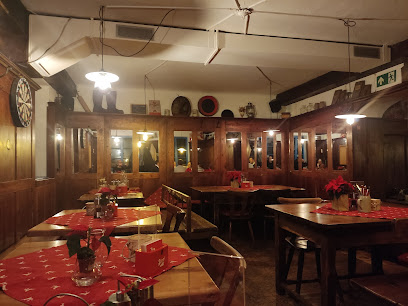
MARCHHART´s - THAI - FISCH - STEAK
0.7 km
Discover the exquisite fusion of Thai flavors with fresh fish and premium steaks at MARCHHART's in Salzburg - A must-visit culinary gem.
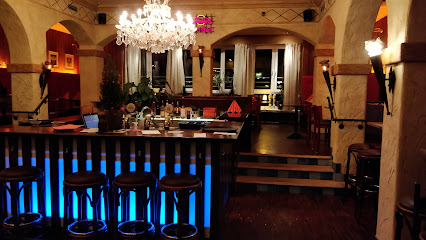
Wirtshaus Elefant
0.7 km
Experience authentic Austrian cuisine at Wirtshaus Elefant, where tradition meets taste in the heart of Salzburg.
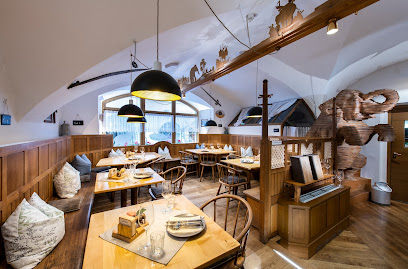
Markets, malls and hidden boutiques

Dantendorfer Outlet
0.4 km
Discover exclusive fashion deals at Dantendorfer Outlet in Salzburg, offering stylish apparel and accessories at unbeatable prices.
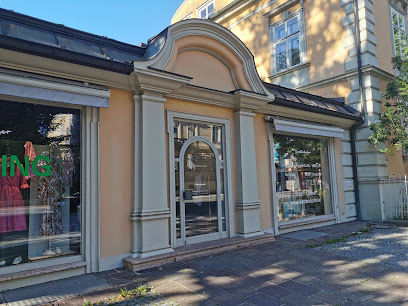
Haller Souvenir Shop
0.6 km
Explore the charm of Salzburg at Haller Souvenir Shop, where authentic Austrian souvenirs await to be discovered.
L'Occitane en Provence - Salzburg Altstadt
0.6 km
Discover L'Occitane en Provence in Salzburg Altstadt for an enchanting selection of luxurious beauty and skincare products inspired by the French countryside.
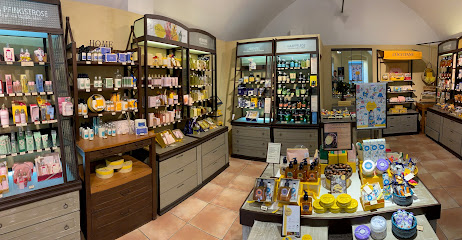
Red Bull World Salzburg
0.6 km
Dive into the exhilarating world of sports memorabilia at Red Bull World Salzburg, a unique shopping experience for adventure enthusiasts.
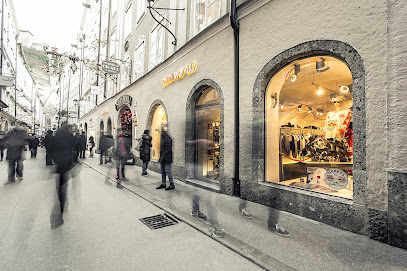
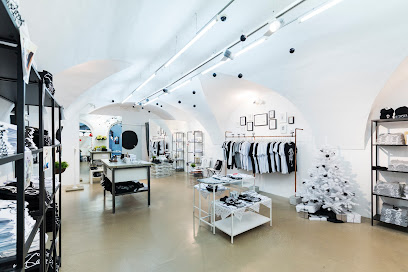
Quipster Flagship Store Salzburg
0.6 km
Explore the Quipster Flagship Store in Salzburg for trendy clothing that blends modern style with local culture.
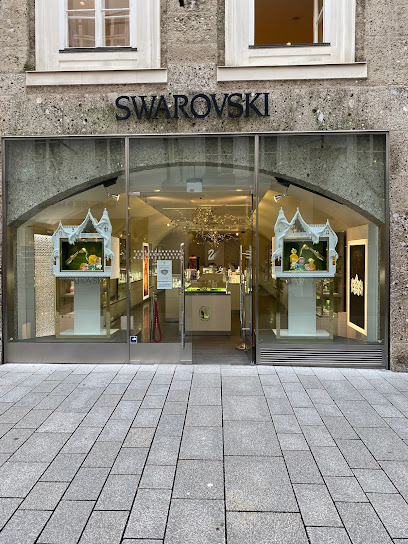
Swarovski Store Salzburg Getreidegasse
0.6 km
Explore the exquisite Swarovski Store in Salzburg's Getreidegasse, showcasing stunning jewelry and crystal creations in a historic setting.
Geschenke aus den Stadtarkaden
0.7 km
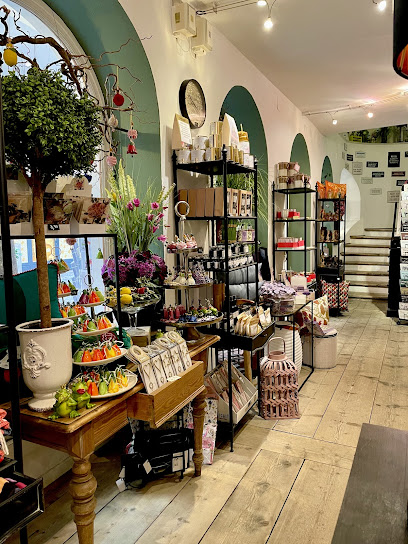
Discover unique souvenirs and local crafts at Geschenke aus den Stadtarkaden, a charming gift shop in Salzburg, perfect for tourists and gift enthusiasts.
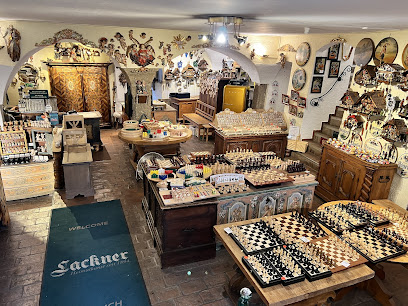
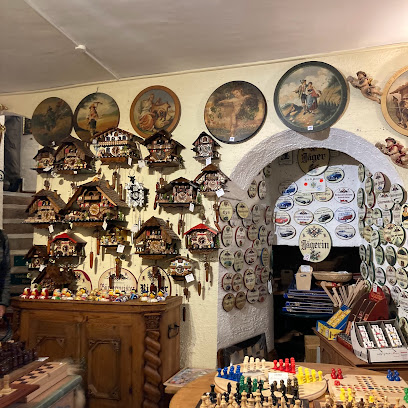
Heimatkunst Lackner - Souvenirs & Cuckoo Clocks
0.7 km
Discover the artistry of Salzburg at Heimatkunst Lackner, home to exquisite cuckoo clocks and unique handcrafted souvenirs.
Handmade Salzburg Souvenirs since 1894
0.7 km
Explore exquisite handmade wooden and ceramic souvenirs in Salzburg's artisan treasure. A unique experience since 1894.
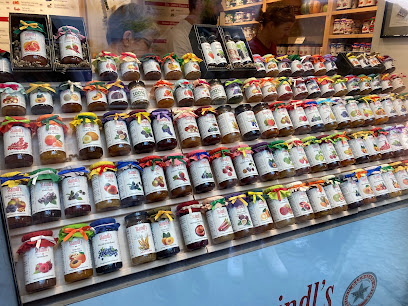
Staindl's Handgemachte Delikatessen
0.7 km
Explore unique handmade delicacies at Staindl's, Salzburg's gourmet grocery store, offering exquisite jams and local treats for every palate.
Diva by Makole
0.7 km
Discover trendsetting fashion at Diva by Makole, a must-visit clothing store in Salzburg offering unique styles and personalized service.
Small Heroes | Concept Store
0.7 km
Explore Small Heroes Concept Store in Salzburg for unique fashion and local artistry that captures the spirit of creativity and style.
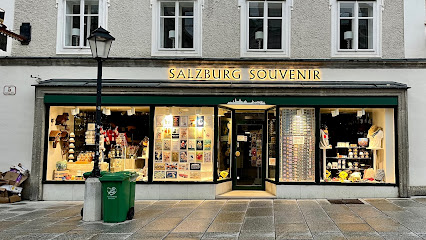
Salzburg Souvenir
0.7 km
Explore unique souvenirs that capture the essence of Salzburg at Salzburg Souvenir, a charming shop filled with local treasures.
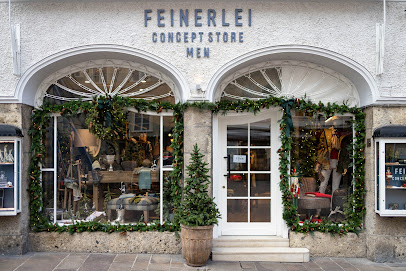
Feinerlei Concept Store Men • Salzburg
0.7 km
Discover contemporary men's fashion at Feinerlei Concept Store in Salzburg, where style meets quality and local design.
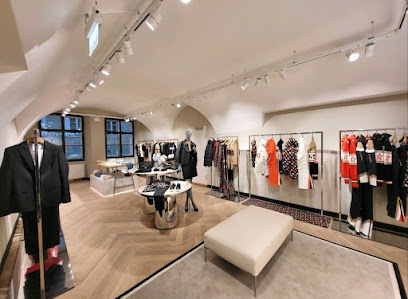
BOSS Store
0.7 km
Discover the elegance of BOSS Store in Salzburg, a fashion haven offering luxurious clothing, accessories, and fragrances for discerning shoppers.
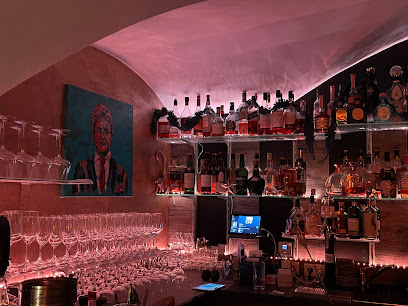
Essential bars & hidden hideouts

EINSER Wein&Bar
0.6 km
Experience the charm of Salzburg at EINSER Wein&Bar, where exquisite wines meet a cozy atmosphere in the heart of the city.
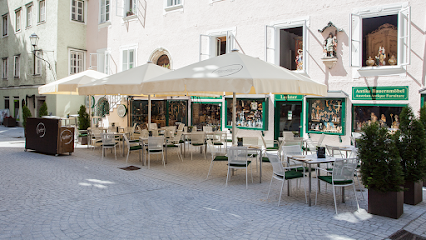
Lackner's Bar & Cafe
0.7 km
Discover Lackner's Bar & Cafe, a cozy retreat in Salzburg offering local drinks, delightful snacks, and a perfect ambiance for relaxation.
MENTOR'S BAR KULTUR
0.7 km
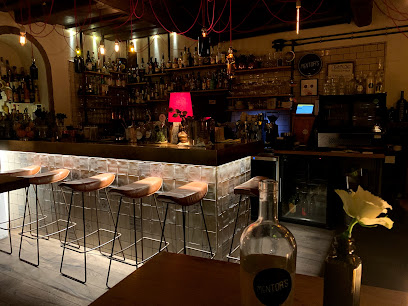
Experience the vibrant nightlife of Salzburg at Mentor's Bar Kultur, where local culture meets a cozy atmosphere and diverse drink offerings.
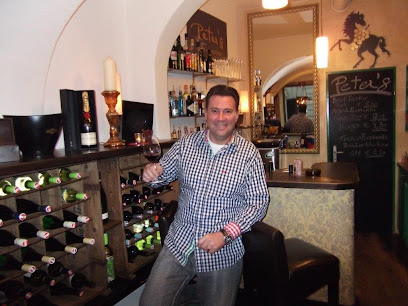
Peter's Bar und Vinothek - Peter Titze
0.7 km
Discover the cozy ambiance and exceptional wine selection at Peter's Bar und Vinothek in Salzburg, a must-visit for wine lovers and travelers alike.
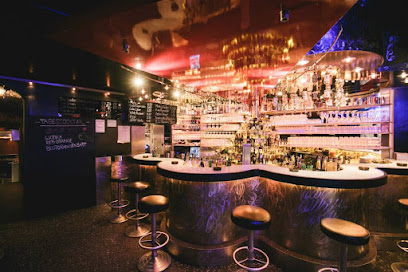
Flip
0.7 km
Experience the vibrant nightlife of Salzburg at Flip, where expertly crafted cocktails and a lively atmosphere await you.
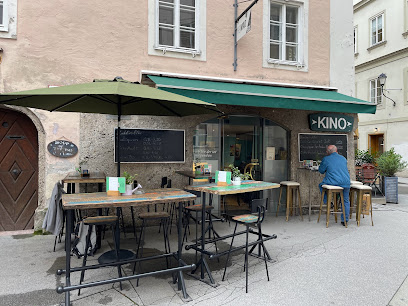
HEIMAD Eck
0.7 km
Experience the cozy charm of HEIMAD Eck in Salzburg, where local drinks and warm hospitality create the perfect atmosphere for relaxation.
Shamrock
0.8 km
Discover Shamrock, Salzburg's beloved Irish pub, offering authentic cuisine, a lively atmosphere, and a taste of Ireland in the heart of Austria.
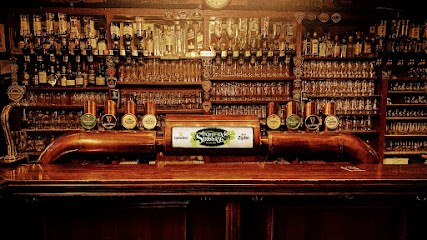
Russbar Salzburg - Die erste 25+ Bar
0.8 km
Discover the lively nightlife of Salzburg at Russbar, a stylish 25+ bar offering an eclectic mix of drinks and a vibrant atmosphere.
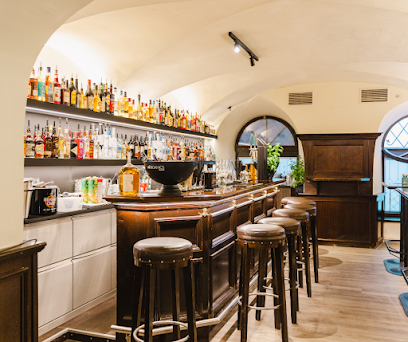
O'Malley's Irish Pub
0.8 km
Experience authentic Irish culture at O'Malley's Irish Pub in Salzburg, where great food, drinks, and live music create unforgettable memories.
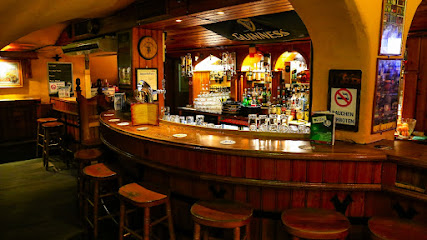
StageBar Salzburg
0.8 km
Experience the vibrant nightlife of Salzburg at StageBar, where live music and a diverse drink menu create unforgettable evenings.
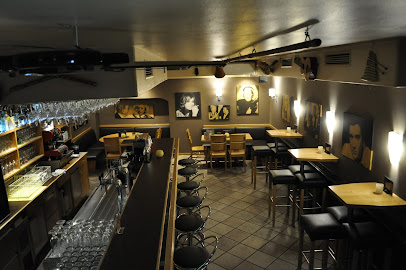
apo bar
0.8 km
Discover the energetic nightlife of Apo Bar in Salzburg, where craft cocktails and a lively atmosphere await you in a picturesque riverside setting.
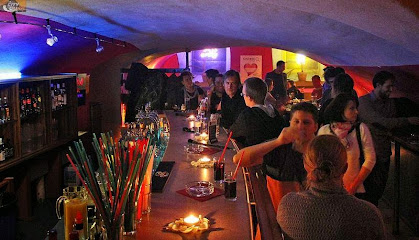
Amadeus Salzach-Insel-Bar
0.8 km
Experience the vibrant atmosphere and exquisite cocktails at Amadeus Salzach-Insel-Bar, a hidden gem along the Salzach River in Salzburg.
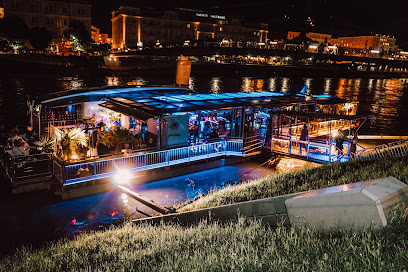
Single Oak Café | Bar
0.8 km
Discover a cozy oasis in Salzburg at Single Oak Café | Bar, offering a delightful selection of drinks and a warm, inviting atmosphere.
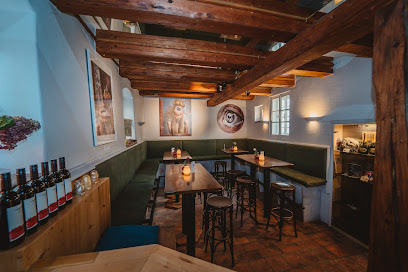
Murphy's Law Irish Pub
0.8 km
Discover the essence of Irish culture at Murphy's Law Irish Pub in Salzburg, where hearty food, great drinks, and lively music create unforgettable memories.
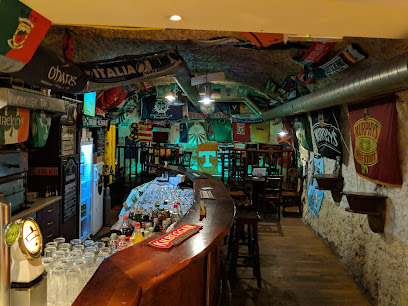
Saitensprung
0.9 km
Experience the vibrant nightlife of Salzburg at Saitensprung, where local charm meets a lively bar atmosphere with an extensive drink menu.
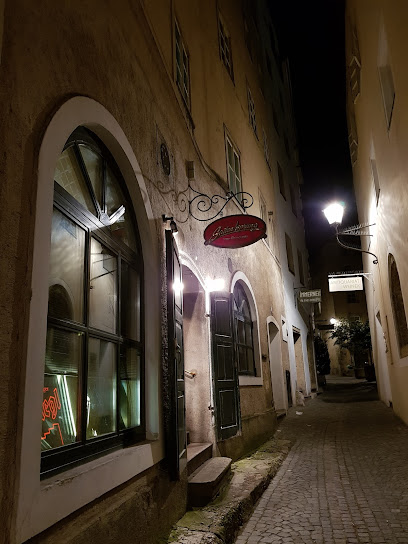
Nightclubs & after hour spots

Balboa - Cocktails Cuisine Club
0.7 km
Discover Balboa, Salzburg’s premier disco club and cocktail bar, where vibrant nightlife meets exquisite dining in a lively atmosphere.
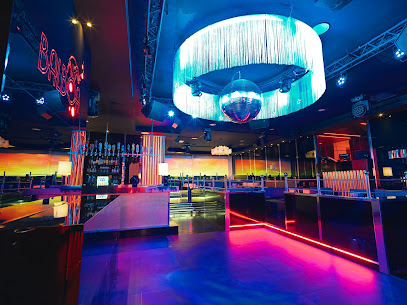
Club G7 Salzburg
0.7 km
Discover the electrifying nightlife of Salzburg at Club G7, where dance and music create unforgettable evenings in a vibrant atmosphere.
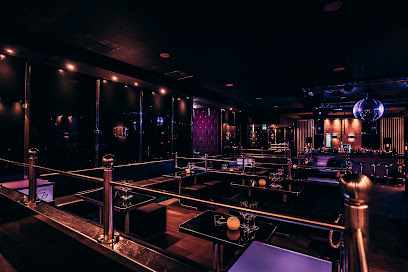
Half Moon Club
0.7 km
Discover Salzburg's vibrant nightlife at Half Moon Club, where the music flows and the dance floor beckons until dawn.
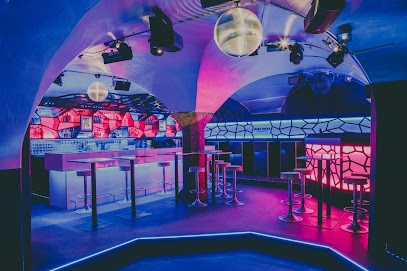
11
0.7 km
Experience the vibrant nightlife of Salzburg at Club 11, where eclectic music, stylish ambiance, and unforgettable memories await.
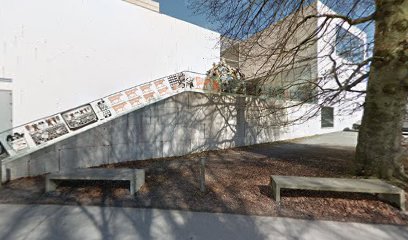
Soda Club
0.8 km
Dive into Salzburg's vibrant nightlife at Soda Club, where music, dancing, and a lively crowd create unforgettable experiences.
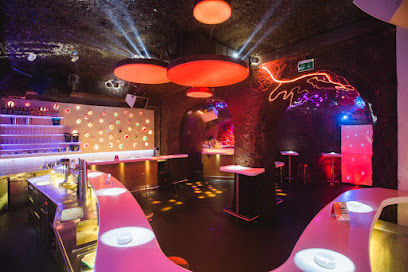
SEGABAR Gstättengasse
0.8 km
Discover the vibrant nightlife of Salzburg at SEGABAR Gstättengasse, where music, cocktails, and good times await.
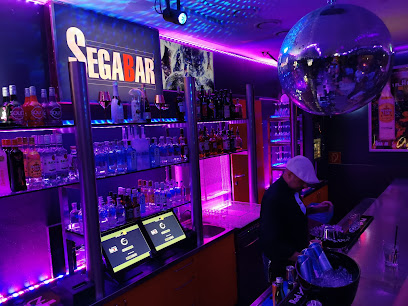
Lux Club Salzburg
0.8 km
Immerse yourself in the vibrant nightlife of Lux Club Salzburg, where music, dance, and unforgettable moments await every night.
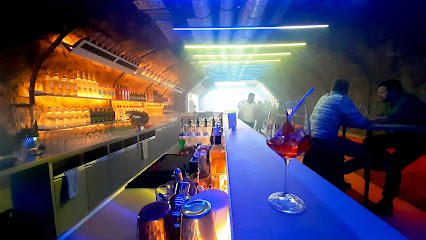
City Alm
0.8 km
Discover the electrifying nightlife at City Alm, Salzburg's premier night club offering an unforgettable experience filled with music, drinks, and dancing.
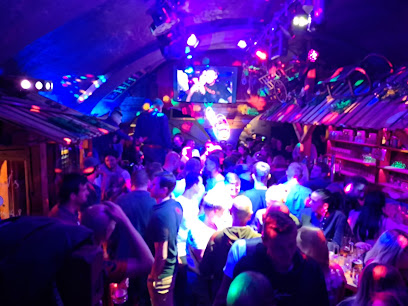
Pepe Culture Club
0.9 km
Experience the vibrant nightlife at Pepe Culture Club in Salzburg, a premier destination for dance, cocktails, and live entertainment.
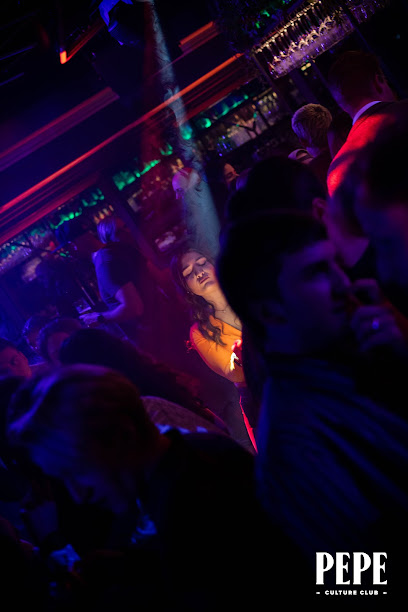
SEGABAR Imbergstrasse
0.9 km
Discover Salzburg's vibrant nightlife at SEGABAR Imbergstrasse - a lively night club and bar with great music and affordable drinks.
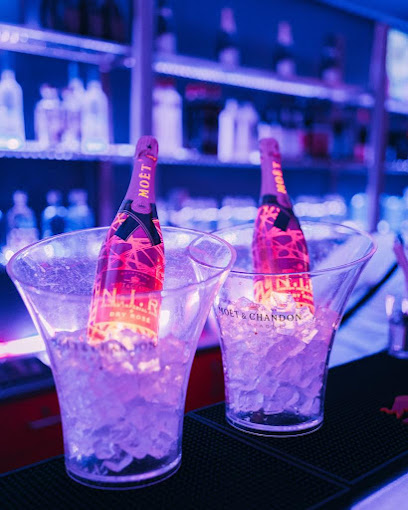
Sub
1.3 km
Discover the electrifying nightlife of Salzburg at Sub Nightclub, where music, dance, and unforgettable moments collide.
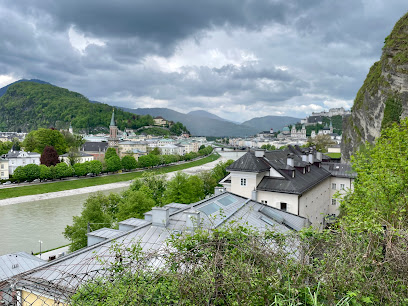
SpeedyBar salzburg
1.8 km
Dive into Salzburg's nightlife at SpeedyBar, where vibrant music and lively atmosphere come together for an unforgettable experience.
Pascha Salzburg
1.8 km
Discover the vibrant nightlife at Pascha Salzburg, a premier girl bar offering lively entertainment and a welcoming atmosphere for all.
Jazzit
2.0 km
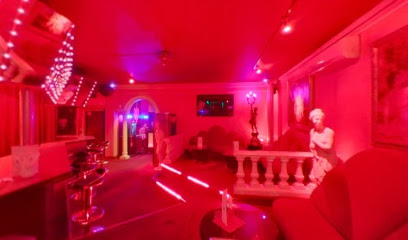
Experience vibrant live jazz performances at Jazzit, Salzburg's premier jazz club offering an unforgettable musical journey.