

Free Schladming-Dachstein Travel Guide & Mobile App
Explore Schladming-Dachstein with free travel guides. Discover regional history, expert tips, proposed trips, and audio guides on web or mobile app.


Explore Schladming-Dachstein in Austria for Dachstein mountain scenery, historic Schladming, alpine villages, skiing, hiking and regional food.
Read more about Schladming-Dachstein
When is the best time to visit Schladming-Dachstein?
Best: June–August · 20–22°C| Month | High (°C) | Rainfall (mm) |
|---|---|---|
| January | 0 | 40 |
| February | 2 | 40 |
| March | 7 | 50 |
| April | 12 | 60 |
| May | 17 | 80 |
| June (best) | 20 | 100 |
| July (best) | 22 | 110 |
| August (best) | 21 | 100 |
| September | 18 | 80 |
| October | 13 | 60 |
| November | 7 | 50 |
| December | 2 | 40 |
Getting to and around Schladming-Dachstein
How to get there
Transportation
Top city travel guides in Schladming-Dachstein
The cities of Schladming-Dachstein, and the easiest places to base yourself.

Swipe for more cities
Destinations in Schladming-Dachstein
Resorts, valleys and scenic spots worth a trip of their own.

Swipe for more destinations
Best attractions in Schladming-Dachstein
Schladming-Dachstein's attractions range from major mountain infrastructure to quieter natural and cultural experiences. The Dachstein cable-car area above Ramsau provides access to high-alpine viewpoints, the Sky Walk, the suspension bridge and Ice Palace, with operations dependent on weather and season. In the valley and lower mountains, Planai, Hochwurzen, Hauser Kaibling and Reiteralm offer extensive winter sports facilities and summer walking or biking routes. The Riesach Waterfalls near Schladming are reached by a demanding but well-known route through forest and gorge scenery, while Silberkarklamm offers a more enclosed ravine experience on the Dachstein's southern side. Ramsau's plateau is suited to walking, cross-country skiing and gentle cycling, with farms and meadows forming part of the landscape. Further south, the Sölktäler provide quieter mountain valleys, lakes and pasture scenery. Visitors can also explore Schladming's historic town centre, local museums and churches, or seek out seasonal alpine huts and working mountain farms that explain how agriculture continues to shape the region.
-
Mountain cable car
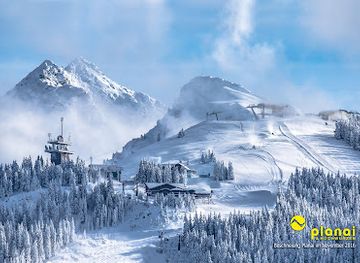
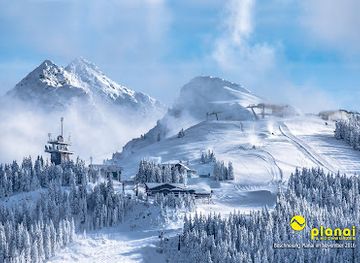
Planai Schladming Bergbahn
Experience breathtaking alpine adventures at Planai Schladming, a premier ski resort and hiking paradise in the heart of Austria.
-
Mountain cable car
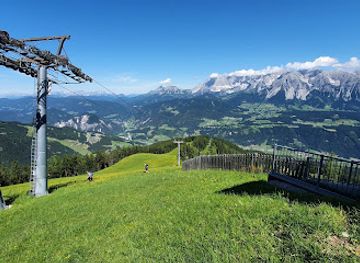
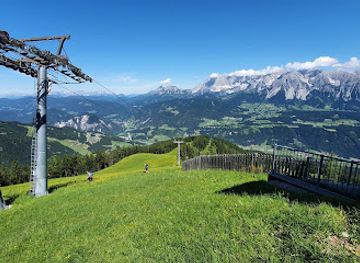
Hochwurzen
Discover breathtaking vistas and thrilling adventures at Hochwurzen, a top mountain cable car and ski resort in Schladming, Austria.
-
Observation deck
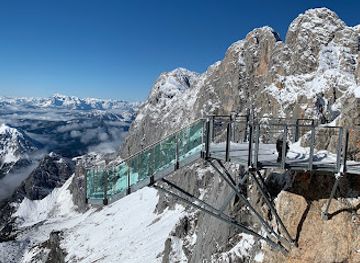
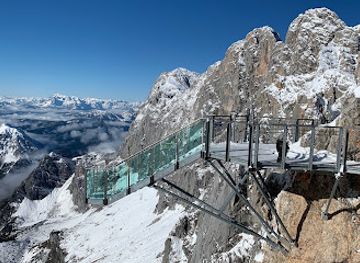
Treppe ins Nichts
Experience breathtaking views and thrilling architecture at Treppe ins Nichts, the iconic observation deck in the Dachstein glacier region.
-
Ski resort
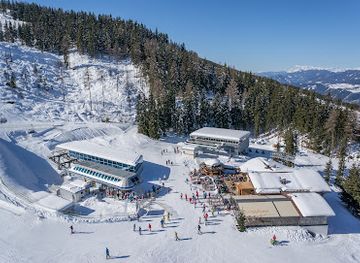
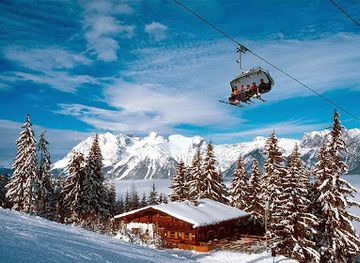
Hauser Kaibling
Discover Hauser Kaibling, Austria's ultimate ski resort and a summer hiking haven, offering breathtaking views and thrilling outdoor adventures year-round.
Best landmarks in Schladming-Dachstein
The Dachstein massif is Schladming-Dachstein's most recognisable natural landmark, rising above Ramsau with its pale limestone faces, glaciers and serrated high-alpine skyline. The Dachstein Sky Walk and suspension bridge, reached from the mountain station above Ramsau, are prominent modern structures whose significance lies in the exceptional summit views as much as in their design. In the valley, Schladming's historic centre and parish church reflect the town's medieval and mining past, while the Planai mountain forms an unmistakable backdrop to the resort and its sporting identity. The Riesach Waterfalls are a major natural feature south of Schladming, where water drops through a steep wooded landscape before reaching the valley. The Silberkarklamm gorge provides another striking geological landmark on the Dachstein side, with rock walls and a stream confined within a narrow ravine. Across Ramsau, traditional farmsteads and open plateau meadows are important cultural landmarks: they demonstrate how settlement, livestock keeping and mountain scenery have developed together rather than existing as separate landscapes.
-
Mountain cable car
Planai Schladming Bergbahn
Ascend to adventure: Schladming's Planai Bergbahn offers year-round thrills with skiing, biking, and panoramic alpine views.
-
Mountain cable car
Hochwurzen
Experience year-round alpine adventures on Hochwurzen: skiing, tobogganing, hiking, and stunning panoramic views in the Austrian Alps.
-
Observation deck
Treppe ins Nichts
Experience the thrill of a lifetime on the Dachstein Glacier's Stairway to Nothingness, with breathtaking panoramic views of the Austrian Alps.
-
Ski resort
Hauser Kaibling
Experience world-class skiing and stunning alpine scenery at Hauser Kaibling, the gateway to the Schladming 4-Mountain Ski Area.
Explore Schladming-Dachstein on the map
Plan your trip on one map. See where the top cities, national parks and sights are, and book hotels and experiences in a few clicks.
Best hotels in Schladming-Dachstein
Best restaurants in Schladming-Dachstein
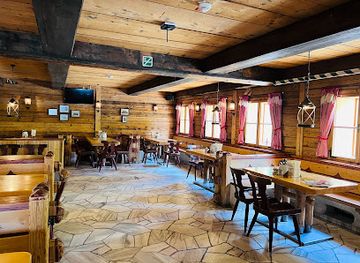
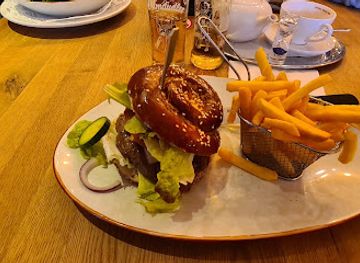
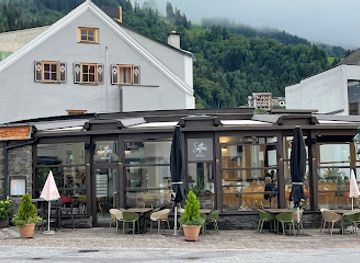
Dining in Schladming-Dachstein is grounded in Styrian and Austrian alpine cooking, with substantial dishes suited to mountain weather and active days. Traditional inns and mountain huts commonly serve soups, dumplings, schnitzel, roast meats, potato dishes and Kaiserschmarrn, while dairy products, farm bread, cured meats and seasonal produce reflect the surrounding agricultural economy. Styrian pumpkin-seed oil and local preparations associated with the wider province may appear alongside more specifically alpine fare. Schladming and the larger villages offer the broadest choice, from cafés and bakeries to contemporary restaurants, while rural inns provide a more local setting and often require planning outside peak meal times. On the slopes, hut dining is part of the winter and summer experience, but opening arrangements vary with the season and weather. Regional beers, Austrian wines and non-alcoholic drinks are widely available; visitors should ask about local produce rather than assuming every menu item originates nearby.
-
Austrian
Schafalm
Discover the authentic taste of Austria at Schafalm, where delicious cuisine meets stunning alpine scenery.
-
Restaurant
Papa Joe's
Discover culinary delights at Papa Joe's in Schladming—where local flavors meet international cuisine for an unforgettable dining experience.
-
Restaurant
Sattler‘s
Discover the flavors of Schladming at Sattler's – where pizza meets cozy café culture.
-
Restaurant
Waldhäuslalm
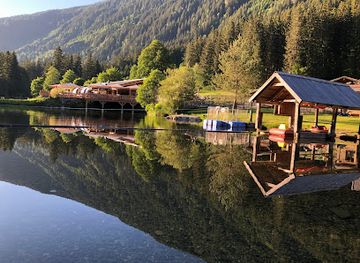
Experience authentic Austrian cuisine at Waldhäuslalm, where breathtaking alpine views meet family-friendly activities.
Best bars in Schladming-Dachstein
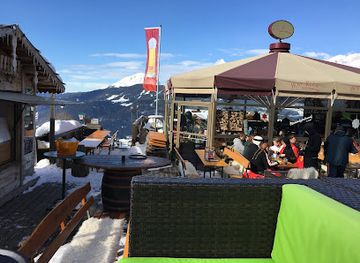
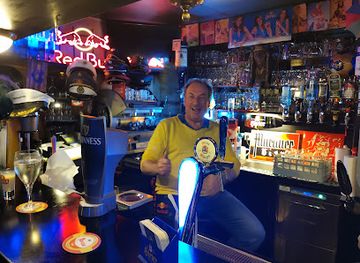
Evening life is centred on Schladming, where après-ski venues, traditional pubs, hotel bars, cafés and establishments with music create the region's most developed nightlife. The atmosphere is busiest during the winter season and around major sporting events, while summer evenings are generally more relaxed and oriented towards dining, outdoor terraces and occasional live entertainment. In Ramsau am Dachstein, Haus im Ennstal and the smaller villages, nightlife is more often found in inns, guesthouse bars and seasonal alpine venues than in a large club scene. Some ski-area establishments close or change their schedules outside the main winter period, so late-night options are more limited in rural districts. Local breweries and Austrian drinks may feature on menus, but an evening in the region can equally mean a quiet meal, a concert or a walk through a village after the mountain lifts have closed.
-
 Austrian
Schafalm
Discover the enchanting flavors of Austria at Schafalm, a family-friendly restaurant nestled in the breathtaking Alps, perfect for all occasions.
-
Bar
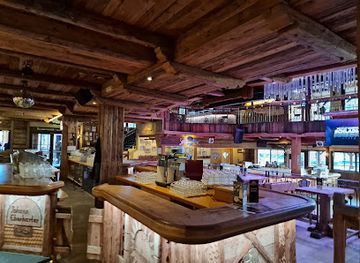
Hohenhaus Tenne Schladming
Discover the heart of Schladming's nightlife at Hohenhaus Tenne, a vibrant bar and nightclub with stunning views and an unforgettable atmosphere.
-
Restaurant
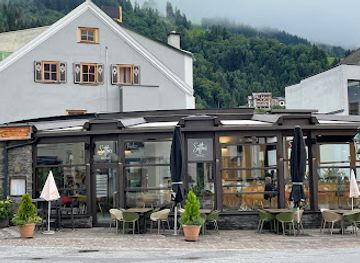
Sattler‘s
Experience the heart of Austrian cuisine at Sattler's in Schladming, where delicious pizza meets warm hospitality in a cozy atmosphere.
-
Restaurant
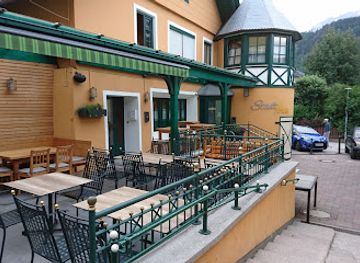
Stadtbräu
Experience the best of Austrian cuisine and local brews at Stadtbräu in Schladming, a must-visit restaurant for all food lovers.
Best nightclubs in Schladming-Dachstein
Evening life is centred on Schladming, where après-ski venues, traditional pubs, hotel bars, cafés and establishments with music create the region's most developed nightlife. The atmosphere is busiest during the winter season and around major sporting events, while summer evenings are generally more relaxed and oriented towards dining, outdoor terraces and occasional live entertainment. In Ramsau am Dachstein, Haus im Ennstal and the smaller villages, nightlife is more often found in inns, guesthouse bars and seasonal alpine venues than in a large club scene. Some ski-area establishments close or change their schedules outside the main winter period, so late-night options are more limited in rural districts. Local breweries and Austrian drinks may feature on menus, but an evening in the region can equally mean a quiet meal, a concert or a walk through a village after the mountain lifts have closed.
-
Disco club
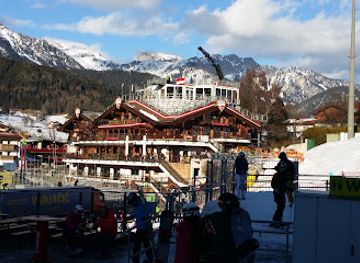
Hohenhaus Tenne Schladming
Experience the vibrant nightlife at Hohenhaus Tenne Schladming, where traditional Austrian charm meets modern clubbing excitement.
-
Bar
Almrausch
Discover the cozy Almrausch bar in Schladming, Austria, where local brews and a warm atmosphere await to enhance your mountain adventure.
-
Bar
Hoo-Ruck Alm
Experience the tranquility and taste of the Alps at Hoo-Ruck Alm, where delicious food meets breathtaking mountain views.
-
Bar
TSCHUGAMUGA PUB
Discover the cozy ambiance and local charm at Tschugamuga Pub in Schladming, a perfect retreat for travelers seeking great drinks and a vibrant atmosphere.

Best shops in Schladming-Dachstein
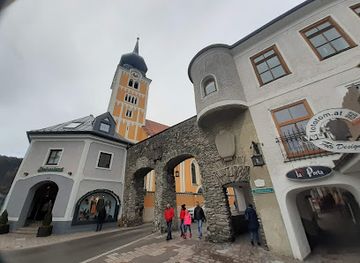
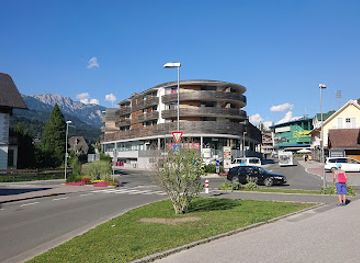
Shopping is most varied in Schladming, whose central streets contain outdoor-sports retailers, everyday shops, bakeries, cafés, service businesses and independent stores serving both residents and visitors. The town is a practical place to buy walking or ski equipment, although specialist products and seasonal stock should not be assumed to be available in every small village. Ramsau am Dachstein, Haus im Ennstal and the other settlements offer a smaller selection focused on local services, farm produce, souvenirs and alpine necessities. Look for regional food products such as mountain cheese, bread, cured meats, preserves, honey and Styrian pumpkin-seed products, together with traditional woollen goods, woodwork and locally made crafts where available. Farmers' shops and direct-sales outlets provide a more meaningful connection with the working countryside than generic souvenirs, but opening days and seasonal availability vary. For antiques, books and a broader range of non-specialist retail, Schladming is generally more suitable than the scattered mountain villages.
-
Bakery
Steffl-Bäck Schladming
Discover the charm of Steffl-Bäck Schladming, where traditional Austrian pastries meet a cozy café atmosphere, perfect for travelers and locals alike.
-
Sporting goods store
INTERSPORT Bachler Schladming
Explore the great outdoors with top-notch gear from INTERSPORT Bachler in picturesque Schladming, Austria.
-
Sporting goods store
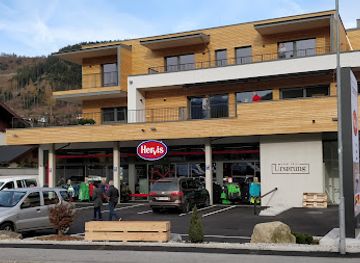
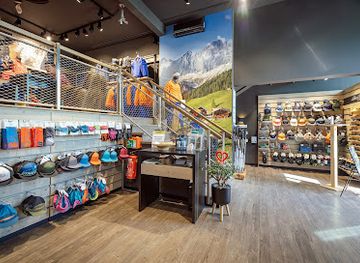
Hervis Schladming
Discover the best outdoor gear at Hervis Schladming, your one-stop shop for alpine adventures in the heart of Austria.
-
Sportswear store
Mountain Shop Schladming, Inh. Irene Reingruber
Discover Mountain Shop Schladming, your one-stop destination for top-quality outdoor gear in the heart of Austria's stunning alpine scenery.
Get your free copy of our complete guide to Schladming-Dachstein, delivered straight to you.
Everything on this page, from attractions and restaurants to essentials and local phrases, in one PDF you can read offline, print or share.
Already have an account? Sign in
Your Schladming-Dachstein guide is ready.
We'll send it to · Not you? Sign out

Getting your guide ready…
We are putting together a fresh copy of the Schladming-Dachstein guide. This can take up to a minute.
This can take a few moments. If your browser asks, choose Allow so the download can start. You'll find the guide in your Downloads folder.
Nothing happened? Download it again
Sorry, the guide is taking longer than usual. Please try again in a minute, or get it by email instead.
Schladming-Dachstein essentials
Currency and Payment
Safety
Emergency Situations
Do's and Don'ts
Local Tips
From Eve
Local phrases worth knowing
You don't need to get them perfect. A few words go a long way, and locals appreciate the effort.
Basics
| English | Local | Say it |
|---|---|---|
| Hello | Grüß Gott | [Grewss Got] |
| Goodbye | Auf Wiedersehen | [Owf Veedahzayn] |
| Yes | Ja | [Yah] |
| No | Nein | [Nyn] |
| Please/You're welcome | Bitte | [Bittah] |
| Thank you | Danke | [Dahnkah] |
| Excuse me/Sorry | Entschuldigung | [Entshooldigung] |
| How are you? | Wie geht's? | [Vee gates?] |
| Fine. And you? | Gut. Und dir? | [Gooot. Oond deer?] |
| Do you speak English? | Sprechen Sie Englisch? | [Shpreckhen Zee Englisch?] |
| I don't understand | Ich verstehe nicht | [Ikh fershteh nicht] |
Eating & Drinking
| English | Local | Say it |
|---|---|---|
| I'd like to see the menu, please | Ich möchte die Speisekarte sehen, bitte | [Ikh merkte dee Shpeezekartuh zehen, bittah] |
| I don't eat meat | Ich esse kein Fleisch | [Ikh essuh kynn Flesh] |
| Cheers! | Prost! | [Prohst!] |
| I would like to pay, please | Ich möchte bezahlen, bitte | [Ikh merkte betzalan, bittah] |
Emergencies
| English | Local | Say it |
|---|---|---|
| Help! | Hilfe! | [Hilfuh!] |
| Go away! | Geh weg! | [Geh vehg!] |
| Call the Police! | Rufen Sie die Polizei! | [Roofen Zee dee Polizai!] |
| Call a doctor! | Rufen Sie einen Arzt! | [Roofen Zee einen Artzt!] |
| I'm lost | Ich habe mich verlaufen | [Ikh habuh mikh ferloofen] |
| I'm ill | Ich bin krank | [Ikh bin krang] |
Shopping
| English | Local | Say it |
|---|---|---|
| I'd like to buy... | Ich möchte ... kaufen | [Ikh merkte ... kaufn] |
| I'm just looking | Ich schaue nur | [Ikh shawuh noor] |
| How much is it? | Wie viel kostet das? | [Vee feel kostet dahs?] |
| That's too expensive | Das ist zu teuer | [Dahs ist tsu toyah] |
| Can you lower the price? | Könnten Sie den Preis senken? | [Kernteen Zee den Pryss senken?] |
Time & Numbers
| English | Local | Say it |
|---|---|---|
| What time is it? | Wie spät ist es? | [Vee shpayt ist es?] |
| It's one o'clock | Es ist ein Uhr | [Es ist ayn Oor] |
| Half past (10) | Halb (10) | [Halb (10)] |
| Morning | Morgen | [Morgn] |
| Afternoon | Nachmittag | [Nahchmittag] |
| Evening | Abend | [Ahbend] |
| Yesterday | Gestern | [Gestern] |
| Today | Heute | [Hoytuh] |
| Tomorrow | Morgen | [Morgn] |
| 1 | Eins | [Ayns] |
| 2 | Zwei | [Tsvy] |
| 3 | Drei | [Dry] |
| 4 | Vier | [Fear] |
| 5 | Fünf | [Fünf] |
| 6 | Sechs | [Zex] |
| 7 | Sieben | [Zeebn] |
| 8 | Acht | [Acht] |
| 9 | Neun | [Noyn] |
| 10 | Zehn | [Tsen] |
Transport & Directions
| English | Local | Say it |
|---|---|---|
| Where's a/the...? | Wo ist ein/das ...? | [Vo ist ayn/dahs ...?] |
| What's the address? | Wie ist die Adresse? | [Vee ist dee Ahdressuh?] |
| Can you show me (on the map)? | Könnten Sie mir (auf der Karte) zeigen? | [Kernteen Zee meer (owf dare Kartuh) tsaygen?] |
| When's the next (bus)? | Wann kommt der nächste (Bus)? | [Vahn kommt dare nayshte (Boos)?] |
| A ticket (to ....) | Ein Ticket (nach ...) | [Ayn Ticket (nahch ...)] |
History of Schladming-Dachstein
Prehistoric and Roman Enns Valley
The Enns Valley has been a route through the eastern Alps since prehistoric times, linking valleys and passes between the Danube basin and the interior mountain districts. Archaeological evidence from the wider area records settlement and movement before Roman rule, while the Romans incorporated the region into the province of Noricum. Roads and river corridors strengthened the valley's role as a communications route, although the steep side valleys remained comparatively remote. The modern landscape of villages, roads and farms still follows the basic geography that made the valley a practical east-west passage.
Medieval Settlement and the Foundation of Schladming
Medieval development brought churches, agricultural settlements and lordly control to the Enns Valley and its surrounding slopes. Schladming grew as a market and administrative centre, receiving town privileges in the fourteenth century. Its position at the junction of routes towards the mountain valleys helped it serve communities that were otherwise separated by difficult terrain. Parish churches, historic farmsteads and the compact town centre preserve traces of this period, although the present appearance of the settlements also reflects later rebuilding, mining wealth and modern tourism.
Mining and the Schladming Silver District
Mining became a major force in Schladming from the late Middle Ages, with silver, copper and other ores extracted in the surrounding mountains. The industry brought workers, merchants and administrative importance to the town, while mine workings and transport routes extended into difficult terrain. Production fluctuated as deposits, technology and markets changed, and mining eventually declined as a central economic activity. The legacy remains in Schladming's history, local place names and surviving traces of underground and mountain workings rather than in a large operating industry.
The 1525 Peasants' War
Schladming was closely involved in the upheavals of the 1525 Peasants' War, a major uprising in the Alpine lands shaped by disputes over rents, labour obligations, local authority and social rights. Rebel activity in the mining districts challenged established power, and the revolt was eventually suppressed with severe consequences for the town and its inhabitants. The event is important not simply as a local episode but as evidence of the tensions created by mining wealth and feudal governance in the early modern Styrian mountains.
Alpine Farming and Trade Routes
After the decline of mining, agriculture, forestry, livestock keeping and regional trade remained central to life in the Enns Valley and on the Ramsau plateau. Seasonal movement to alpine pastures shaped land management, buildings and food traditions. Farmsteads were organised to combine dwelling, storage and animal husbandry, reflecting the need to make efficient use of a short growing season. Roads and later improved transport links connected the settlements more closely with markets, while the distinctive open meadows of Ramsau continued to depend on active farming rather than natural wilderness alone.
The Rise of Winter Tourism
Organised tourism expanded during the twentieth century as improved roads, accommodation and mountain transport made the region accessible beyond the traditional summer season. Schladming developed into a major ski centre, while Ramsau established a strong reputation for cross-country skiing and family-oriented winter recreation. The construction and linking of large ski areas on Planai, Hochwurzen, Hauser Kaibling and Reiteralm transformed the local economy and landscape. Tourism became a principal source of employment while agriculture, forestry and village life remained visible alongside the resort infrastructure.
World Championships and International Alpine Sport
Schladming's international sporting profile grew through major alpine-skiing events, including the 1982 World Championships and the 2013 Alpine World Ski Championships. The Planai course and the town's event facilities established Schladming as a regular venue for top-level competition, especially in men's slalom and night-race traditions. These events strengthened the region's transport, accommodation and hospitality infrastructure and helped turn the ski resort into a year-round destination. They also made the name Schladming-Dachstein familiar well beyond Austria.
Schladming-Dachstein in Photos
Browse through our photo collection highlighting the charm and character of the destination.
Neighbouring regions of Schladming-Dachstein
The closest regions to Schladming-Dachstein, if you have time for more than one.
-

-

-

-

-


Swipe for more regions
Explore more
Explore more of Austria
Discover Austria's blend of alpine landscapes, rich cultural heritage, and culinary delights, from Vienna's historic charm to Tyrol's dramatic beauty.
Explore Austria