Column of Pest, Upper Austria Travel Guide
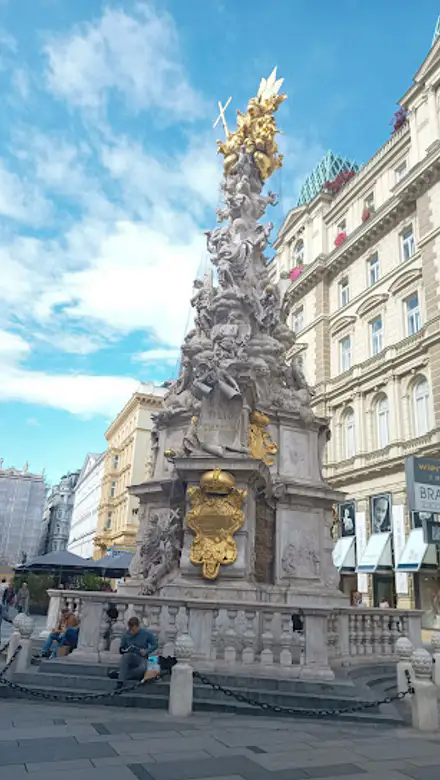
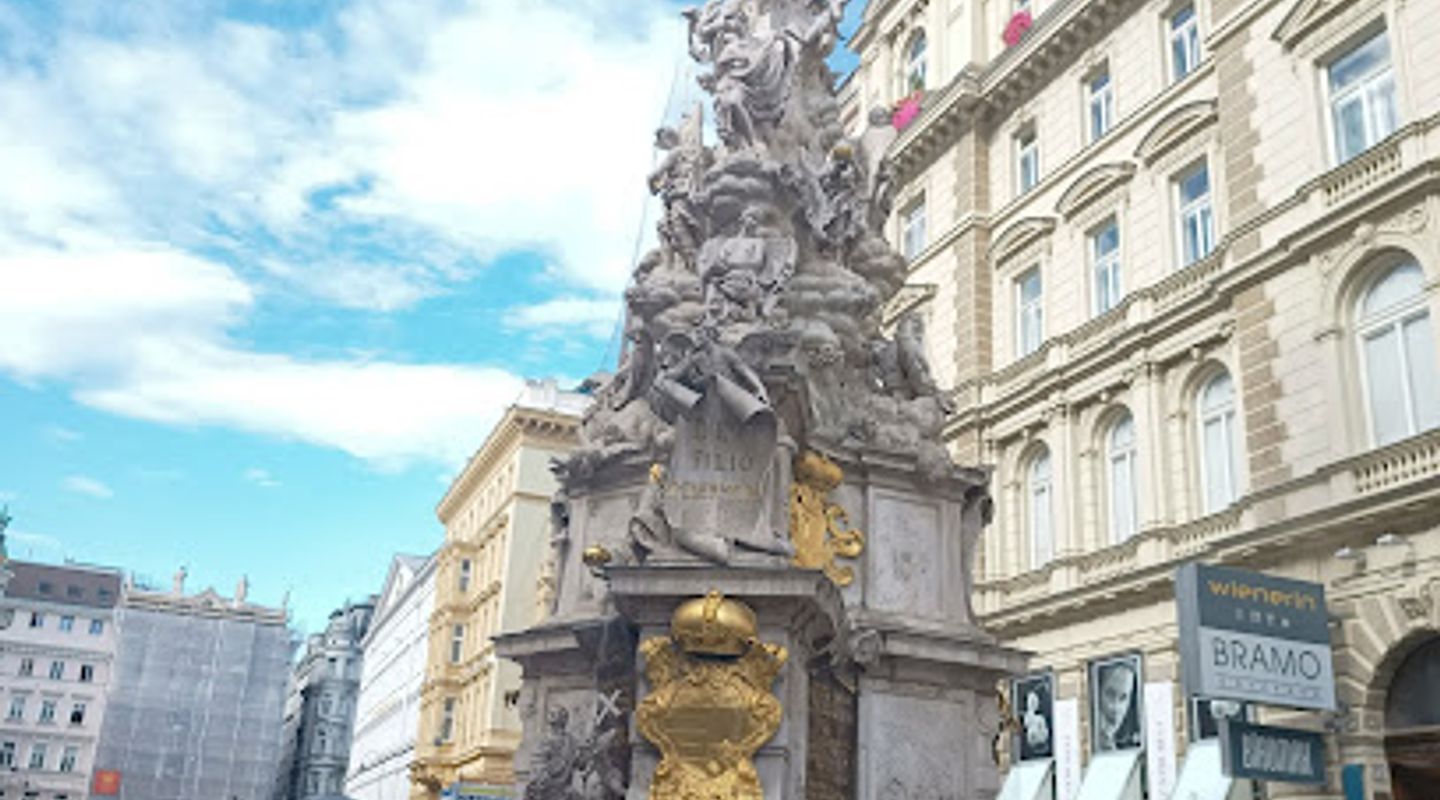
A stunning Baroque monument in Vienna's Graben, commemorating the end of the Great Plague and the city's enduring strength.
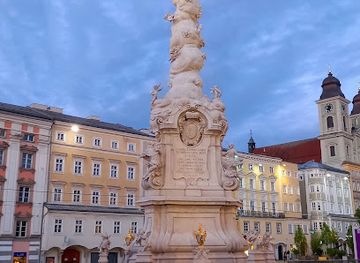
The Column of Pest, also known as the Pestsäule or Trinity Column, is a prominent Baroque monument in Vienna's Graben, erected after the Great Plague epidemic in 1679. Commissioned by Emperor Leopold I, it stands as a symbol of the city's resilience and gratitude for overcoming the plague.
A brief summary to Column of Pest
- Graben 28, Vienna, Innere Stadt, 1010, AT
- Click to display
- Click to display

Know before you go
Hi, I'm Eve. Here are a few practical things to know before exploring Column of Pest.
- Take a stroll around the Graben to admire the Column of Pest and the surrounding architecture.
- Visit St. Stephen's Cathedral, located nearby, for another impressive example of Vienna's architectural heritage.
- Enjoy a coffee and pastry at one of the many cafes surrounding the Graben.
Do you manage this location?
Take control to get all the benefits, like improved information, better appearance, and stronger visibility across AI-powered discovery. Learn more about listing your business on Evendo
Activate your presenceOther nearby places you may find interesting
The closest places of the same kind, if this one is not quite what you had in mind.

Explore Column of Pest on the Map
A handpicked selection of must-see spots near Column of Pest, mapped for you.
Unlock the Best of Column of Pest
Buy tickets
-
No tickets available
Book tours with entry


Getting There
-
Walking
The Column of Pest is located in the Graben, a pedestrian zone in the heart of Vienna's Innere Stadt. From Stephansplatz, walk west along the Graben. The column will be prominently visible in the center of the street. No costs are associated with walking.
-
Public Transport
The closest subway station to the Column of Pest is Stephansplatz, served by lines U1 and U3. From the station, take the 'Graben' exit. The column is a short walk away. A single ride on Vienna's public transport costs €2.40.
-
Taxi/Ride-Sharing
Taxis and ride-sharing services are readily available throughout Vienna. A short trip from a nearby location in the Innere Stadt, such as the Vienna State Opera, to the Column of Pest will typically cost between €8-€12. Note that traffic within the city center can affect pricing.
Discover more about Column of Pest













Your all‑in‑one travel companion app
Explore expert travel guides, compare and book tours, experiences, hotels, and more—all from the palm of your hand. Download now for seamless trip planning wherever your wanderlust takes you.


Explore More of Upper Austria
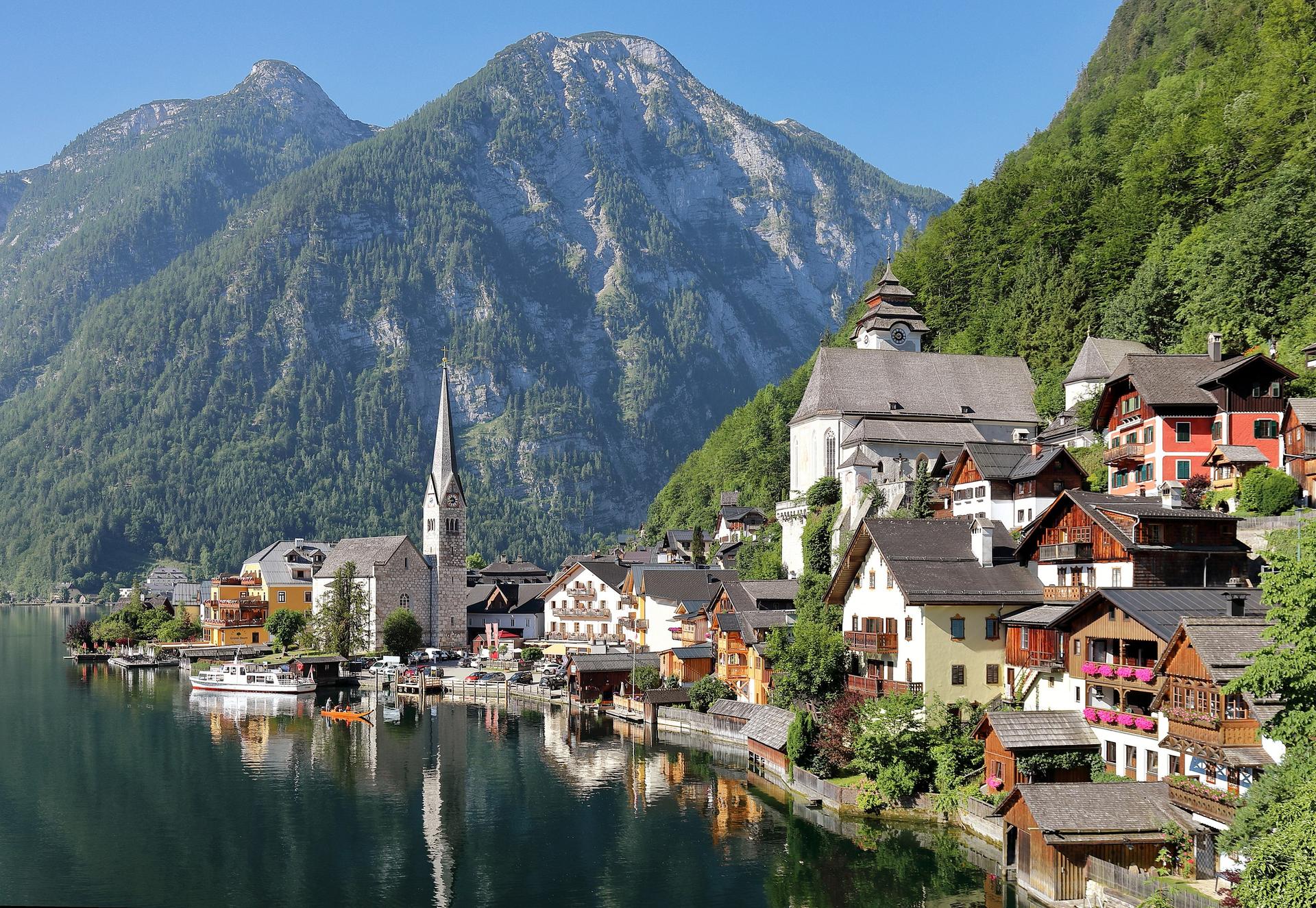
Looking beyond Column of Pest? Discover Upper Austria for broader travel guides, local hot-spots, and regional highlights.
Explore Upper Austria
Explore Dorotheergasse 7 in Vienna's Innere Stadt: A historical landmark surrounded by iconic attractions, vibrant culture, and centuries of Viennese history.
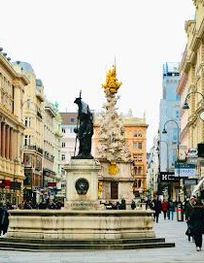
Experience Vienna's elegance on the Graben: a historic street with luxury shopping, stunning architecture, and iconic monuments.