

Burggarten, Vienna Travel Guide
Discover Vienna's imperial history and natural beauty at the Burggarten, a serene park in the city center featuring monuments, a butterfly house, and the elegant Palmenhaus.
The Burggarten, once the private imperial garden of Emperor Francis I, offers a serene escape in Vienna's city center. Established in the early 19th century, this park blends history, culture, and nature, featuring the iconic Mozart Monument, the elegant Palmenhaus (Palm House) with its butterfly house and café-restaurant, and statues of notable figures like Emperor Franz Joseph I. Stroll through manicured lawns, admire the English landscape design, and perhaps catch a glimpse of the Lipizzaner stallions. The Burggarten provides a tranquil respite from the bustling city, offering stunning views of the Hofburg Palace and surrounding architecture, making it a must-visit for both locals and tourists.
A brief summary to Burggarten
- Josefsplatz 1, Vienna, Innere Stadt, 1010, AT
- Click to display
- Monday 7 am-5:30 pm
- Tuesday 7 am-5:30 pm
- Wednesday 7 am-5:30 pm
- Thursday 7 am-5:30 pm
- Friday 7 am-5:30 pm
- Saturday 7 am-5:30 pm
- Sunday 7 am-5:30 pm

Know before you go
Hi, I'm Eve. Here are a few practical things to know before exploring Burggarten.
- Visit the Palmenhaus for a coffee or meal amidst a tropical setting and observe exotic butterflies in the butterfly house.
- Look for the Lipizzaner stallions in their outdoor paddocks, a unique opportunity to see these famous horses.
- Take a stroll through the park in the morning for a peaceful experience away from the crowds.
- Visit the Mozart monument, one of Vienna's most popular photo spots, and admire the seasonal flower arrangement.
- Check out the opening hours, as they vary depending on the season, to ensure you can fully enjoy the park.
Do you manage this location?
Take control to get all the benefits, like improved information, better appearance, and stronger visibility across AI-powered discovery. Learn more about listing your business on Evendo
Activate your presenceOther nearby places you may find interesting
The closest places of the same kind, if this one is not quite what you had in mind.
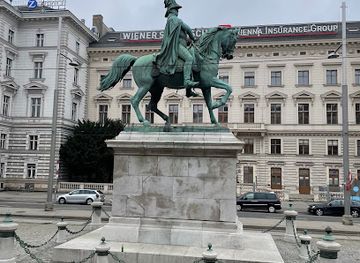
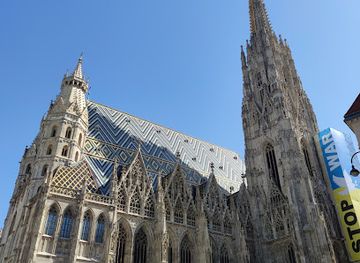

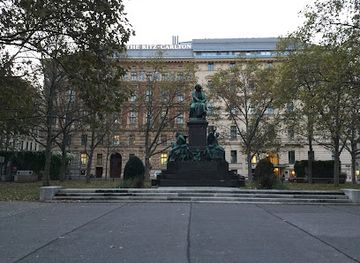
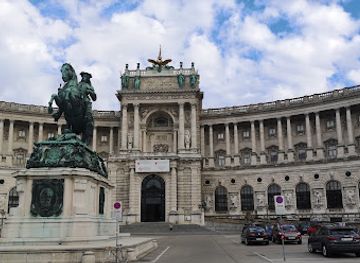
Explore Burggarten on the Map
A handpicked selection of must-see spots near Burggarten, mapped for you.
Unlock the Best of Burggarten
Buy tickets
-
No tickets available
Book tours with entry


Getting There
-
Public Transport
The Burggarten is easily accessible via Vienna's efficient public transport system. Several subway lines (U1, U2, and U4) and tram lines (1, 2, D, and 71) have stops within a short walking distance of the park. The closest subway stations are Herrengasse (U3) and Museumsquartier (U2). Tram lines stop at Burgring, which runs along the edge of the park. A single ticket for public transport within Vienna costs €2.40. From the Burgring tram stop, walk towards the Hofburg Palace; the park entrance will be on your left.
-
Taxi/Ride-Share
Taxis and ride-sharing services are readily available throughout Vienna. A short taxi ride from the city center to the Burggarten typically costs between €7 and €12, depending on traffic and the specific starting point. Several taxi apps operate in Vienna, allowing you to book a ride and pay via card. Be sure to confirm the approximate fare with the driver before starting your journey. From the taxi drop-off point on Burgring, walk towards the Hofburg Palace; the park entrance will be on your left.
-
Walking
The Burggarten is located in Vienna's city center and is easily reachable on foot from many major attractions. From Stephansplatz, walk west along Graben and Kohlmarkt towards the Hofburg Palace. Continue through the Hofburg courtyards, following signs for the Burggarten. The walk takes approximately 10-15 minutes and offers scenic views of Vienna's historic architecture. There are no costs associated with walking to the Burggarten.
Discover more about Burggarten













Your all‑in‑one travel companion app
Explore expert travel guides, compare and book tours, experiences, hotels, and more—all from the palm of your hand. Download now for seamless trip planning wherever your wanderlust takes you.


Explore More of Vienna
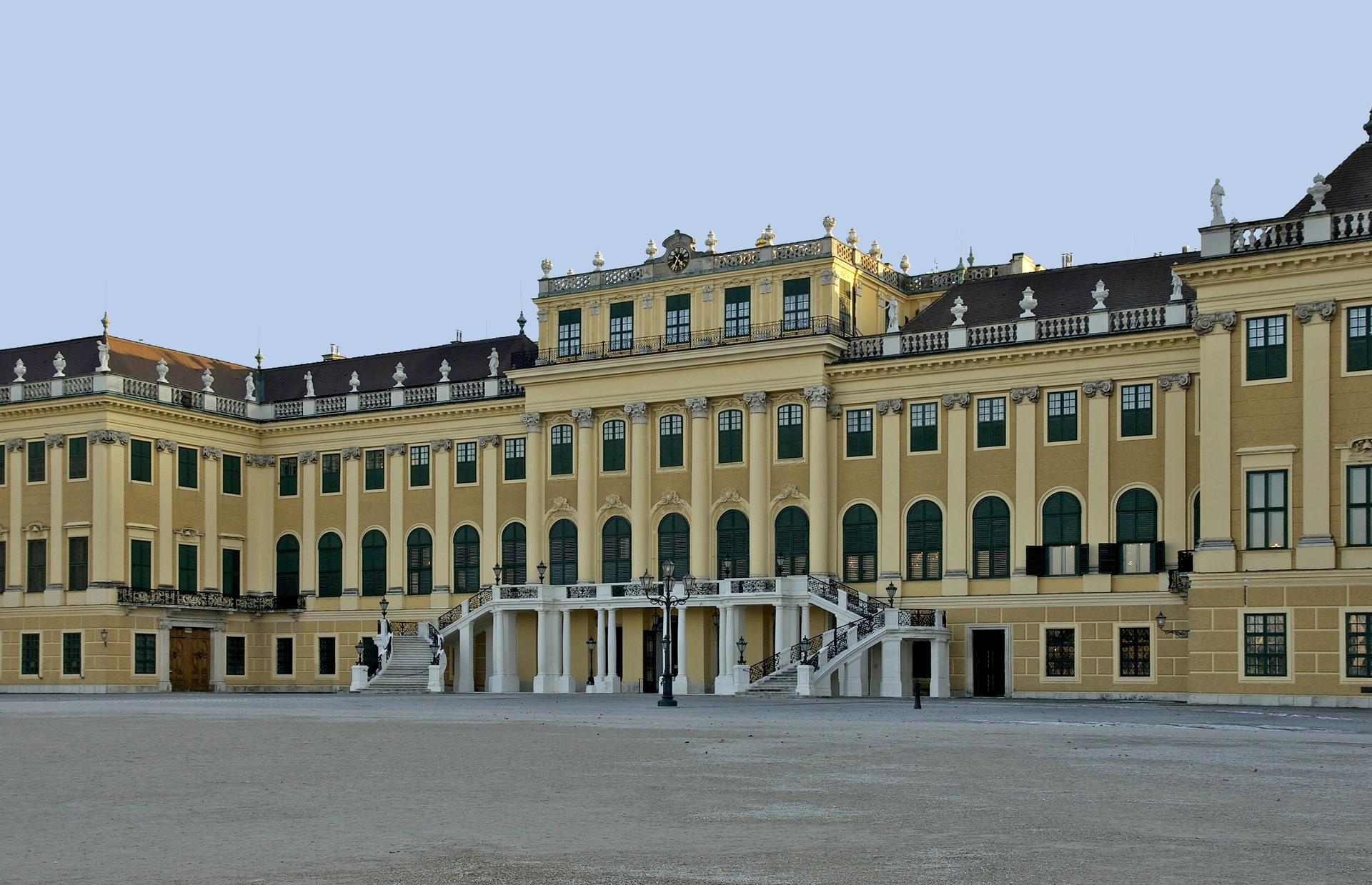
Looking beyond Burggarten? Discover Vienna for broader travel guides, local hot-spots, and regional highlights.
Explore Vienna
A central Vienna square steeped in history, art, and remembrance, home to the Albertina Museum and the Monument Against War and Fascism.
A mythological scene frozen in stone, the Hercules Fountain adds a touch of classical artistry to Vienna's serene Burggarten.
