

St. Magdalena im Gschnitztal, Wipptal Travel Guide
Discover the serene beauty and rich history of St. Magdalena, a captivating pilgrimage chapel in the Tyrolean Alps.
Nestled high above the Gschnitztal valley, St. Magdalena is a captivating pilgrimage church with a history dating back to the 14th century. This sacred site offers stunning panoramic views of the Stubai Alps and a serene atmosphere for reflection.
A brief summary to St. Magdalena im Gschnitztal
- ゲマインデ・トリンス、オーストリア, AT
- Click to display

Know before you go
Hi, I'm Eve. Here are a few practical things to know before exploring St. Magdalena im Gschnitztal.
- Consider hiking the Stations of the Cross from Gschnitz for a contemplative and scenic approach.
- Experienced climbers can take the via ferrata for a thrilling alternative route with stunning views.
- Visit early morning or late afternoon to avoid crowds and enjoy a peaceful atmosphere.
Do you manage this location?
Take control to get all the benefits, like improved information, better appearance, and stronger visibility across AI-powered discovery. Learn more about listing your business on Evendo
Activate your presenceOther nearby places you may find interesting
The closest places of the same kind, if this one is not quite what you had in mind.
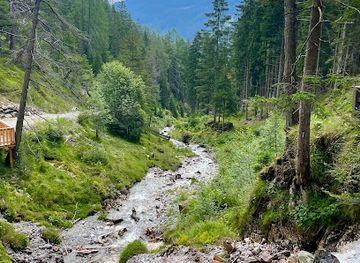
Explore St. Magdalena im Gschnitztal on the Map
A handpicked selection of must-see spots near St. Magdalena im Gschnitztal, mapped for you.
Getting There
-
Public Transport
From Innsbruck main station, take a train to Steinach am Brenner. From Steinach, take regional bus 4146 towards Gschnitz to the 'Trins Erhertlerhof' bus stop. From there, it's a 5-minute walk to the start of the hiking trail to St. Magdalena. Bus travel is free with the Wipptal Guest Card. A single bus fare without the card is approximately €3-5.
-
Walking
From the 'Trins Erhertlerhof' bus stop or the St. Magdalena car park, cross the bridge and follow the signs for St. Magdalena (trail no. 52). The trail ascends steeply through the forest. After about an hour, you'll reach the pilgrimage church. The car park is subject to a fee.
Discover more about St. Magdalena im Gschnitztal
More to explore near St. Magdalena im Gschnitztal













Your all‑in‑one travel companion app
Explore expert travel guides, compare and book tours, experiences, hotels, and more—all from the palm of your hand. Download now for seamless trip planning wherever your wanderlust takes you.


Explore More of Wipptal
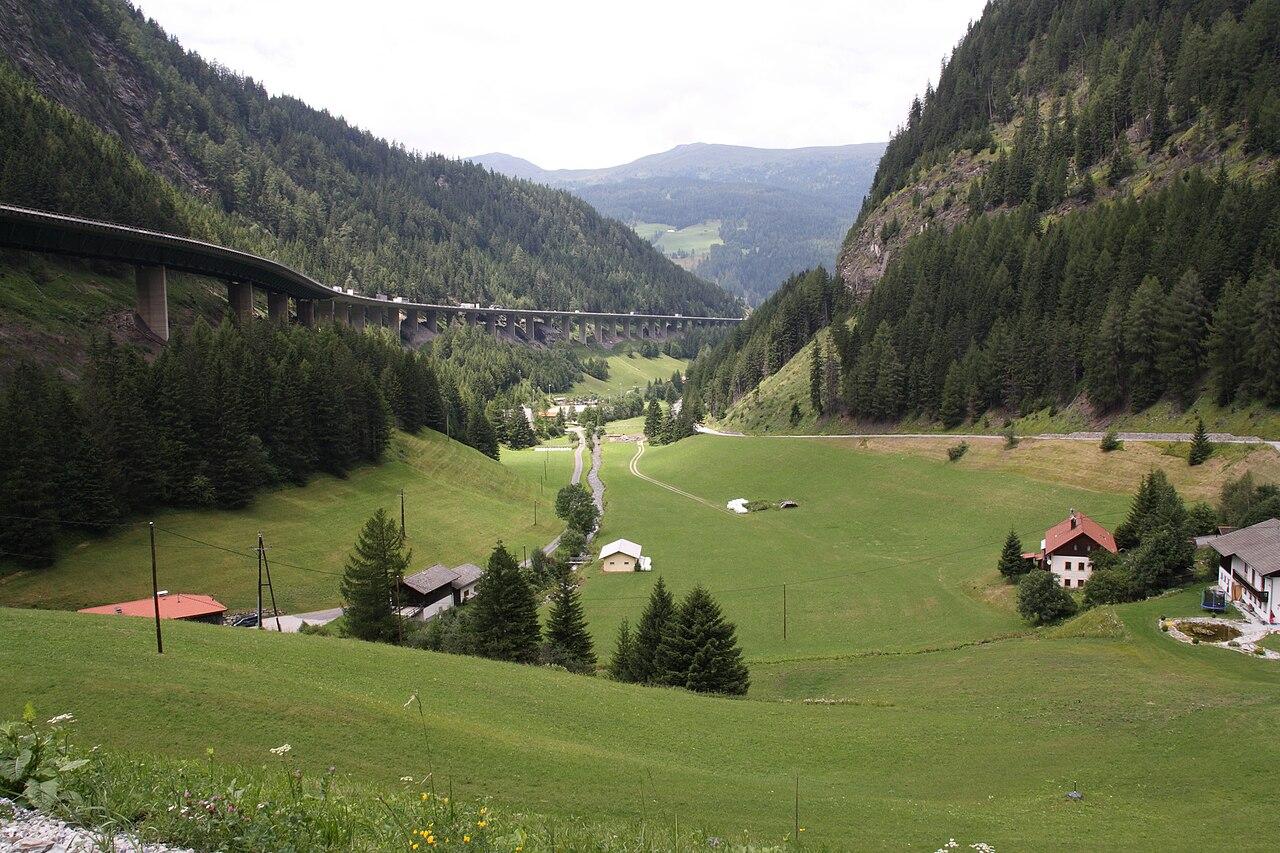
Looking beyond St. Magdalena im Gschnitztal? Discover Wipptal for broader travel guides, local hot-spots, and regional highlights.
Explore Wipptal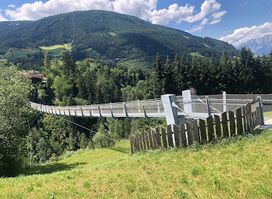
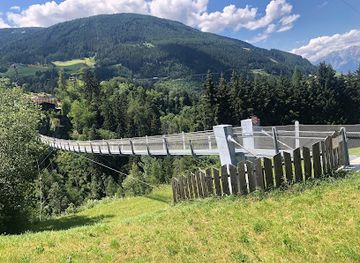
Experience breathtaking views and a thrilling walk through history on the Hängebrücke Schloss Matrei-Trautson, connecting past and present in the heart of the Wipptal Valley.
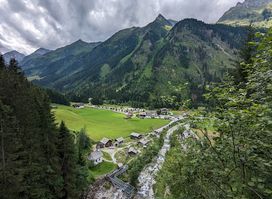
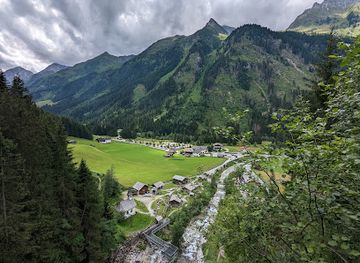
Experience Tyrolean heritage at Gschnitz Mill Village: working watermills, artisan workshops, and the stunning Sandes Waterfall. A living museum in the Alps.
