Amaras Monastery: A Beacon of Armenian Faith and Learning
Discover Amaras Monastery: a historic Armenian religious and educational center with roots stretching back to the 4th century.
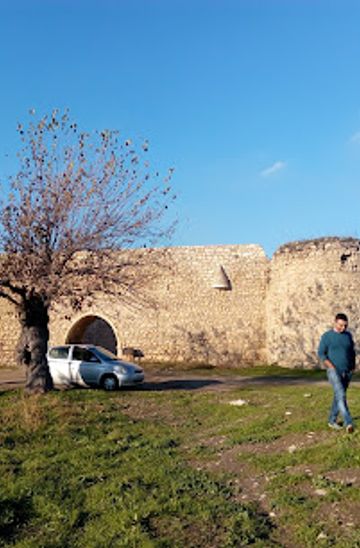
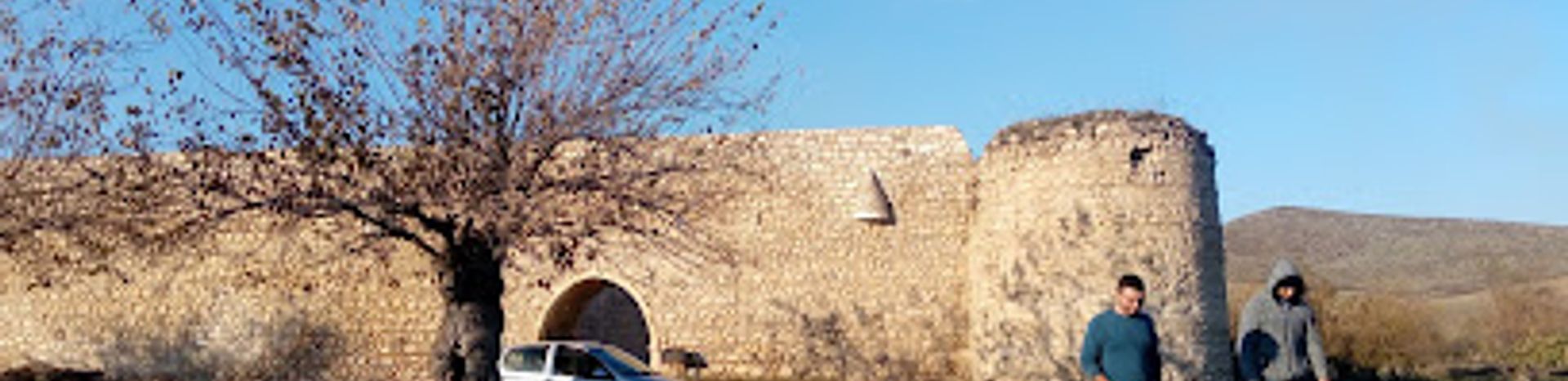
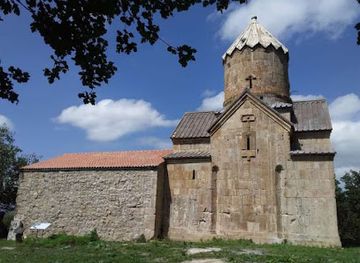
Nestled near Sos village, the Amaras Monastery stands as a testament to Armenian Christianity and culture. Founded in the 4th century by St. Gregory the Illuminator, it later became home to the first school using the Armenian alphabet, established by Mesrop Mashtots in the 5th century. The monastery has been destroyed and rebuilt many times, but it remains a significant historical and religious site.
A brief summary to Amaras Monastery
- Amaras Highway, AZ
- Click to display

Know before you go
Hi, I'm Eve. Here are a few practical things to know before exploring Amaras Monastery.
- Explore the underground tomb of St. Grigoris located beneath the altar of the main church.
- Walk along the defensive walls for panoramic views of the surrounding valley.
- Visit the site to appreciate its role in the development of the Armenian alphabet and early education.
Do you manage this location?
Take control to get all the benefits, like improved information, better appearance, and stronger visibility across AI-powered discovery. Learn more
Activate your presenceOther nearby places you may find interesting
Getting There
-
Walking
From the village of Sos, the monastery is a relatively short walk. Follow the main road out of the village towards the open fields. The monastery's walls are visible from a distance. The walk takes approximately 15-20 minutes.
-
Taxi
Taxis can be hired from major towns in the region. A taxi from Martuni to Amaras Monastery would cost approximately 1,500-2,500 AMD. Negotiate the price before starting the journey. The ride takes about 20-30 minutes.
Discover more about Amaras Monastery
Explore the best of what Amaras Monastery has to offer













More about Karabakh Region
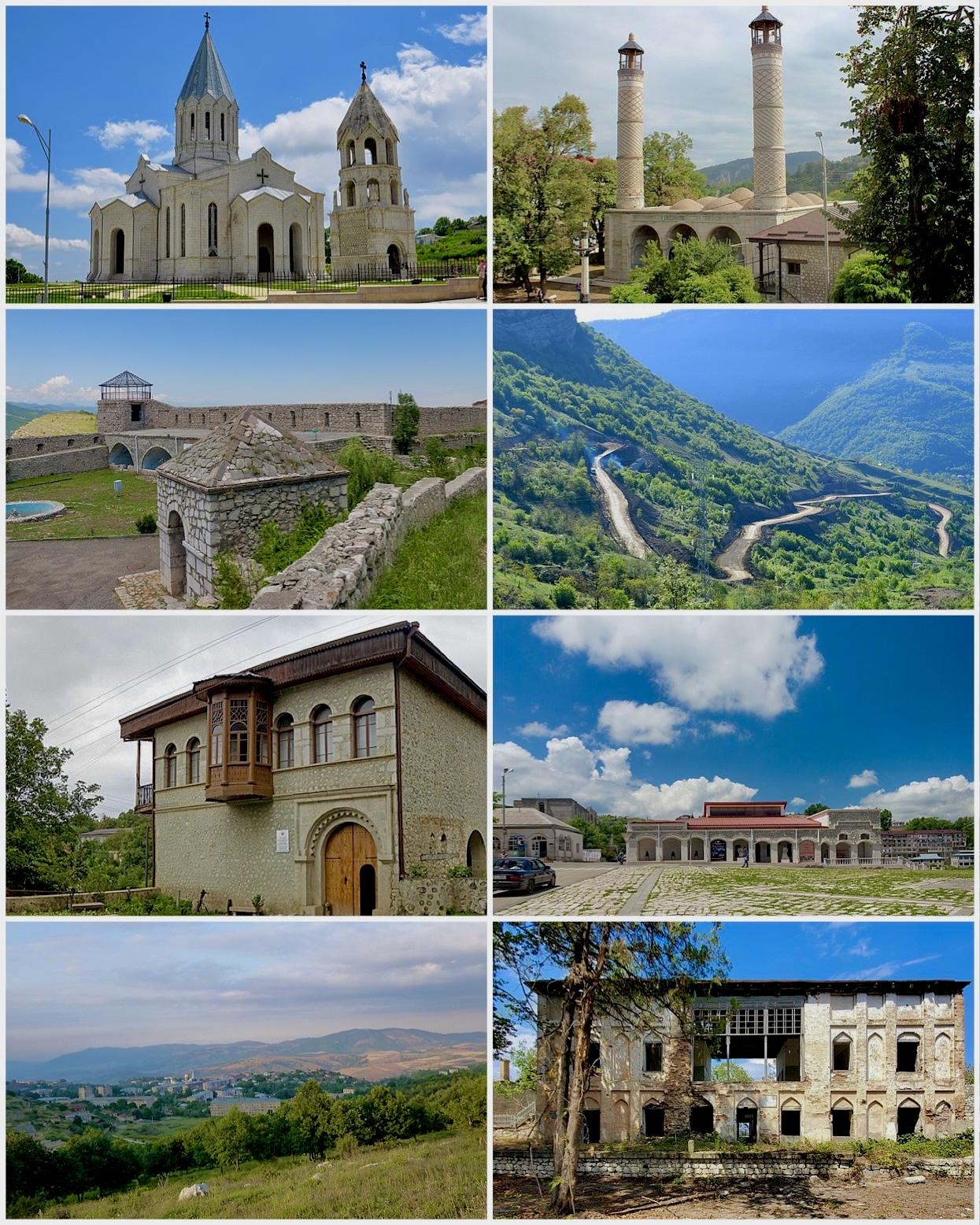
Explore the Karabakh region in Azerbaijan: a blend of natural beauty, rich history, and vibrant culture, offering an unforgettable travel experience.
Tell me more about Karabakh Region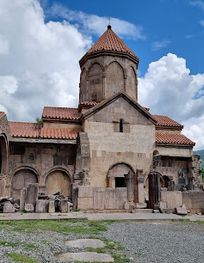
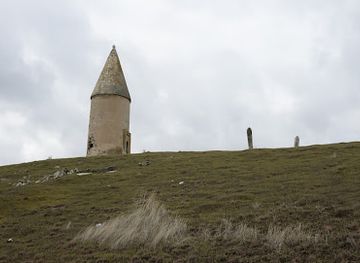
Explore Vahanavank Monastery: A medieval Armenian monastic complex with stunning architecture, rich history, and serene natural surroundings.
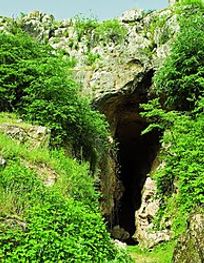
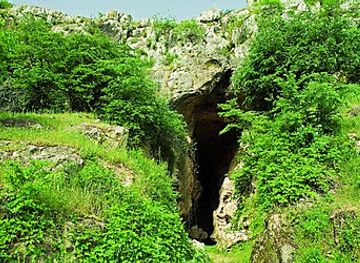
Journey back in time at Azıx Mağarası, one of Eurasia's oldest human settlements, and explore its prehistoric caves and Neanderthal history.