From Eve
Know before you go
Hi, I'm Eve. Here are a few practical things to know before exploring ԳՏՉԱՎԱՆՔ.
Local know-how to help you travel smarter and make the most of every moment.

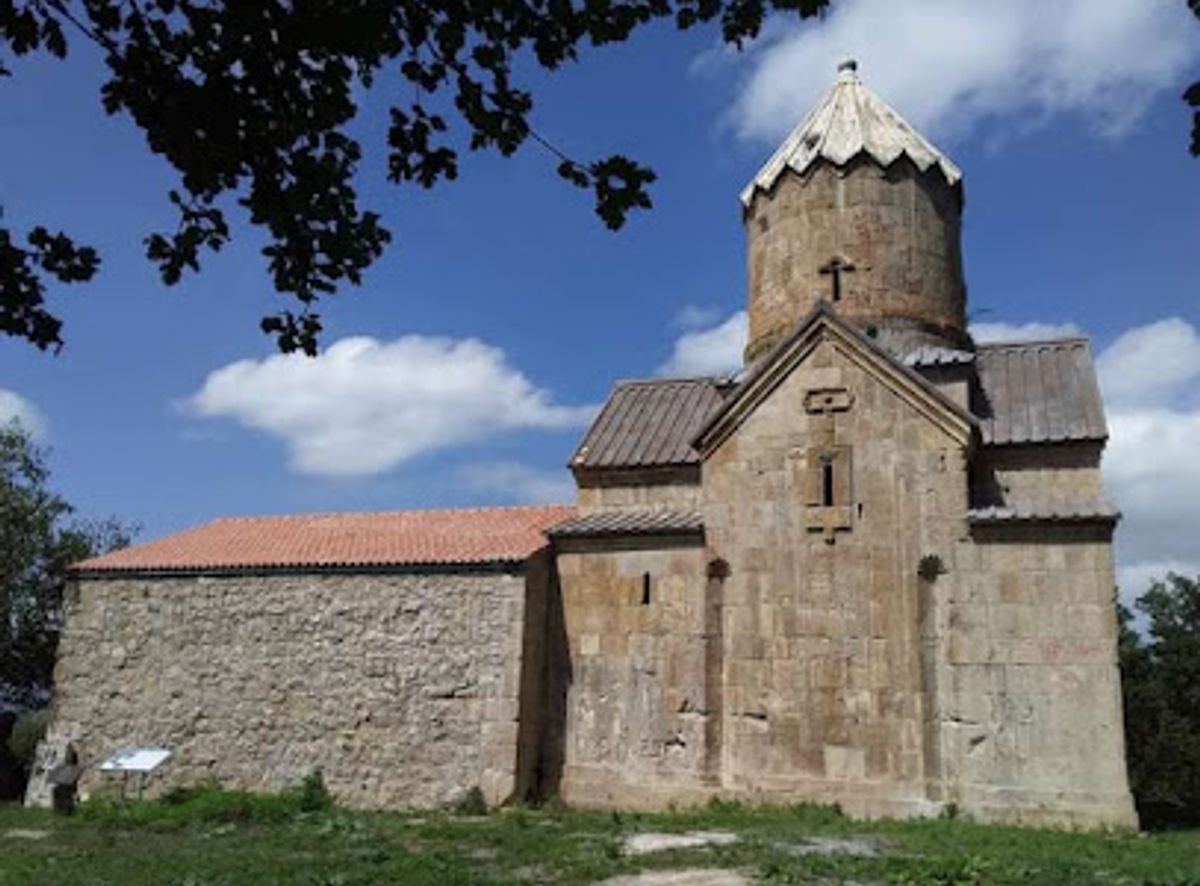
Discover ԳՏՉԱՎԱՆՔ (Gtichavank Monastery): A 13th-century Armenian architectural gem near Tugh, Azerbaijan, offering history and stunning mountain views.
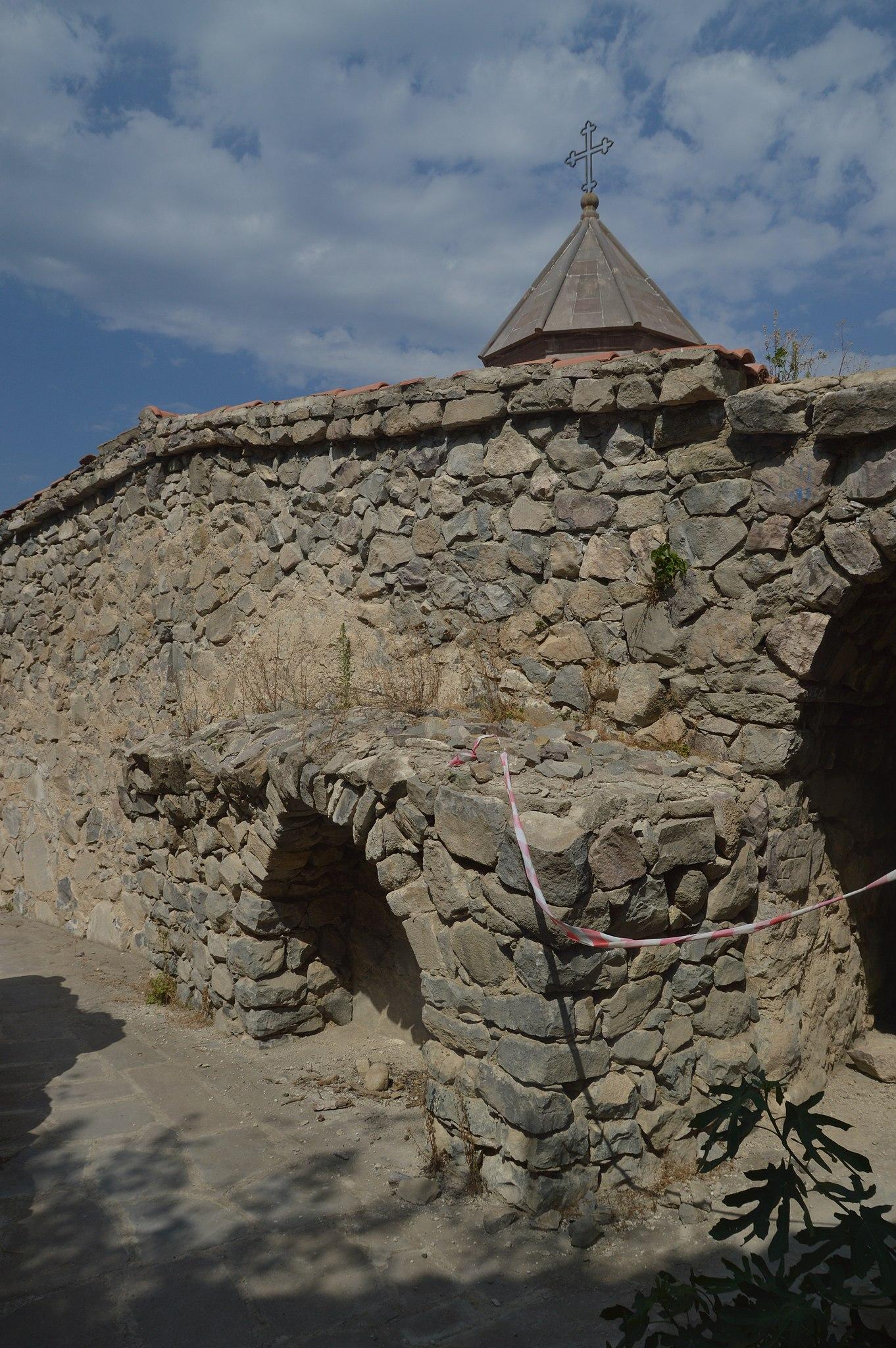
ԳՏՉԱՎԱՆՔ (Gtichavank), also known as Gtchavank Monastery, is a stunning example of 13th-century Armenian architecture nestled near Tugh village in Azerbaijan. Once a vital religious and cultural center, it offers visitors a glimpse into the region's rich history and boasts panoramic mountain views.
Opening times, essentials, and a few local tips gathered into one calmer, easier-to-scan planning section.
Hi, I'm Eve. Here are a few practical things to know before exploring ԳՏՉԱՎԱՆՔ.
Local know-how to help you travel smarter and make the most of every moment.
Walking
From the center of Tugh village, head uphill following the main path. The path is well-trodden and leads directly towards the monastery. The walk is approximately 1 kilometer and offers scenic views of the village and surrounding landscapes. Keep an eye out for directional signs along the way.
Use ԳՏՉԱՎԱՆՔ as your starting point for nearby food, family ideas, nightlife, and more local discoveries.

Explore expert travel guides, compare and book tours, experiences, hotels, and more—all from the palm of your hand. Download now for seamless trip planning wherever your wanderlust takes you.
Discover Kapan in Armenia: A serene mountain city brimming with historical treasures, natural beauty, and welcoming locals.
Tell me more about Kapan