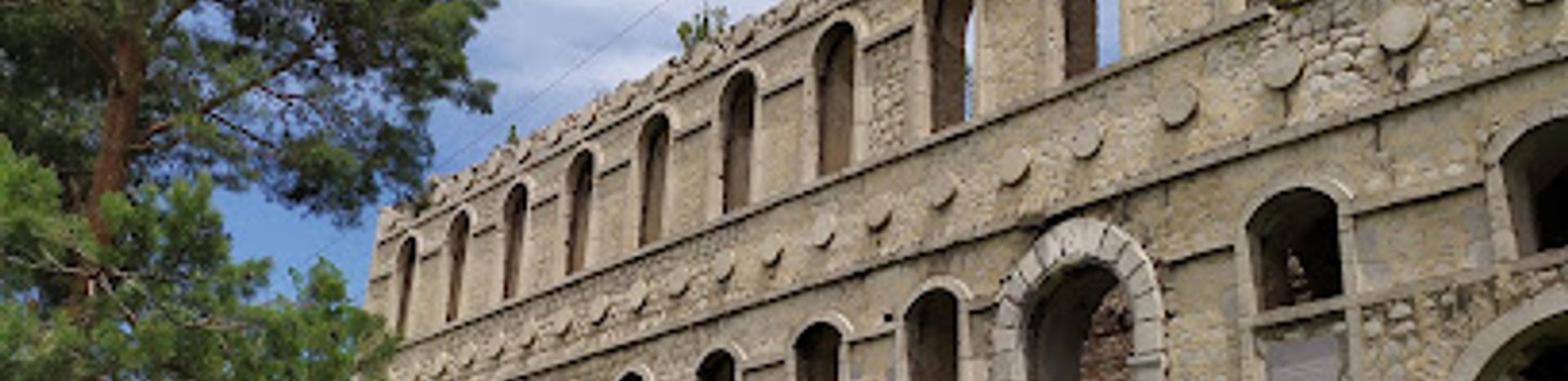
Karabakh Khan's Palace: A Glimpse into Shusha's Past
Explore the ruins of the Karabakh Khan's Palace in Shusha, a historical landmark showcasing Azerbaijan's rich cultural heritage.
The Karabakh Khan's Palace in Shusha, Azerbaijan, stands as a testament to the city's historical importance as the capital of the Karabakh Khanate. Once the residence of Panah Ali Khan, the palace offers a glimpse into the lives of the ruling elite and the architectural styles of the 18th and 19th centuries.
A brief summary to Karabakh Khan's Palace
- QQ72+XC7, Lalayan Street, Shusha, AZ
Local tips
- Wear comfortable shoes for walking around the palace grounds, as the terrain can be uneven.
- Check local news for any events or festivals happening in Shusha during your visit.
- Engage with local guides to learn more about the history and significance of the palace and the Karabakh Khanate.
- Take in the scenic views of the surrounding landscapes from the palace grounds.

Getting There
-
Walking
From the center of Shusha, the Karabakh Khan's Palace is accessible by foot. Head northeast, following Lalayan Street. The palace is located at the edge of a cliff, offering views of the surrounding landscape. No entrance fee is required to visit the city, but individual attractions may have admission charges.
-
Taxi
Taxis are available in Shusha. A short taxi ride from the city center to the Palace would cost approximately 3-5 AZN. Be sure to negotiate the fare before starting your journey.
Discover more about Karabakh Khan's Palace
Iconic landmarks you can’t miss

Karabakh Khan's Palace
0.0 km
Explore the ruins of the Karabakh Khan's Palace in Shusha, a historical landmark showcasing Azerbaijan's rich cultural heritage.

Mənaf babanın qəbri
0.4 km
Discover the serene beauty and rich history of Mənaf Baba's Tomb, a historical landmark in Shusha, Azerbaijan.
Ghazanchetsots Cathedral
0.7 km
Discover the architectural beauty and historical significance of Ghazanchetsots Cathedral in Shusha, a must-see destination in Armenia.

Kərim bəy Vəzirovun evi
0.9 km
Explore the remnants of 19th-century Shusha at the House of Karim bey Vazirov, a historical landmark reflecting the city's rich heritage.

St. Astvatsatsin Church
5.3 km
Discover St. Astvatsatsin Church in Khankendi, a modern symbol of faith and Armenian heritage in a city with a rich and complex history.
Azatutyan hraparak
7.0 km
Explore the vibrant Azatutyan Hraparak in Khankendi, a town square rich in local culture, history, and lively atmosphere perfect for tourists.
Saint Stephanos Church
10.9 km
Explore the serene beauty and rich history of Saint Stephanos Church in Khachmach, a hidden gem of Azerbaijani spirituality and architecture.
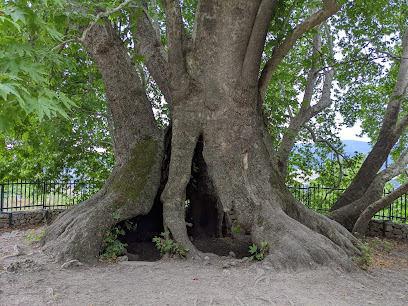
Տնջրի Չինարի ծառ
18.5 km
Discover the serene Nature Preserve in Karabakh, a haven for wildlife and outdoor enthusiasts, perfect for hiking and enjoying the great outdoors.
ԳՏՉԱՎԱՆՔ
25.1 km
Discover ԳՏՉԱՎԱՆՔ (Gtichavank Monastery): A 13th-century Armenian architectural gem near Tugh, Azerbaijan, offering history and stunning mountain views.
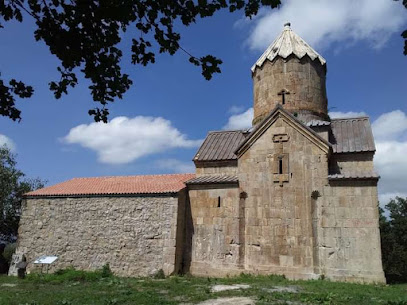
Մելիքի կամուրջ
31.7 km
Explore the stunning historical landmark in Tegh, Armenia, where rich culture meets breathtaking architecture in a serene landscape.
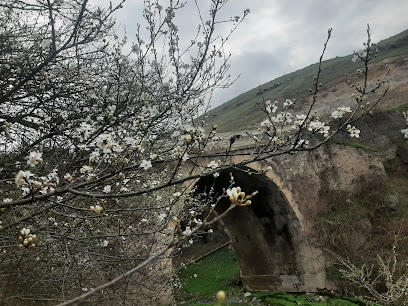
Gəncəsər monastırı
37.6 km
Discover Gəncəsər Monastery in Azerbaijan: a 13th-century Armenian cathedral, architectural gem, and spiritual center with a rich history and stunning views.
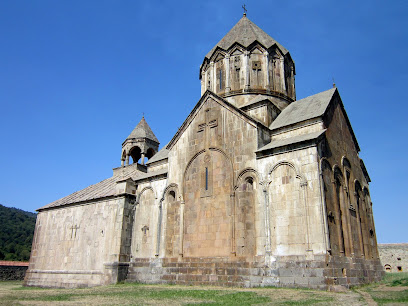
Mir Ali Tomb
39.0 km
Explore the enigmatic Mir Ali Tomb in Fuzuli, Azerbaijan, a historical landmark with a mysterious past dating back to the Ilkhanate era.

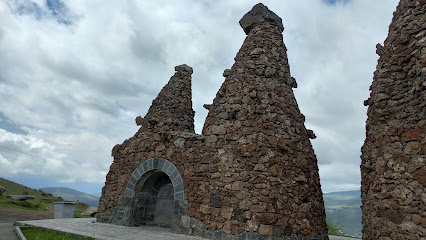
Stone-pyramids
42.8 km
Discover the breathtaking Stone Pyramids of Goris, a stunning natural wonder perfect for photography and exploration in Armenia's picturesque landscape.
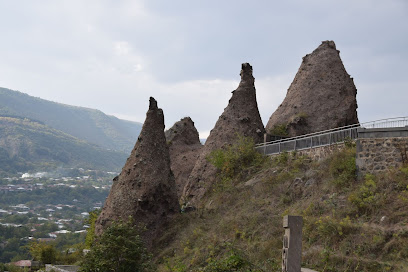
Goris Town Viewpoint
43.3 km
Discover breathtaking views and tranquil scenery at Goris Town Viewpoint, the perfect spot for nature lovers and photographers in Armenia.
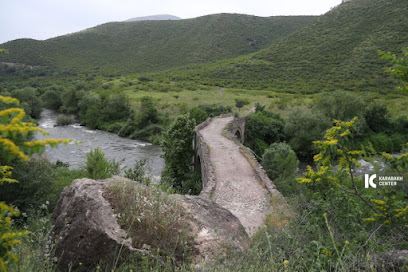
Laləzar Körpüsü
43.7 km
Discover Lalazar Bridge, a historic Azerbaijani architectural monument over the Bargushad River, showcasing unique bridge-building techniques from 1867.
Unmissable attractions to see

Xanlıq Muxtar Karvansarayı
0.2 km
Explore the historical Xanlıq Muxtar Caravanserai in Shusha, a significant 18th-century architectural monument reflecting the city's rich past.
İbrahim Xəlil Xanın mağara sığınacağı
1.7 km
Discover the historical significance of İbrahim Xəlil Xan's Cave Refuge in Shusha, a testament to Azerbaijan's rich cultural heritage.
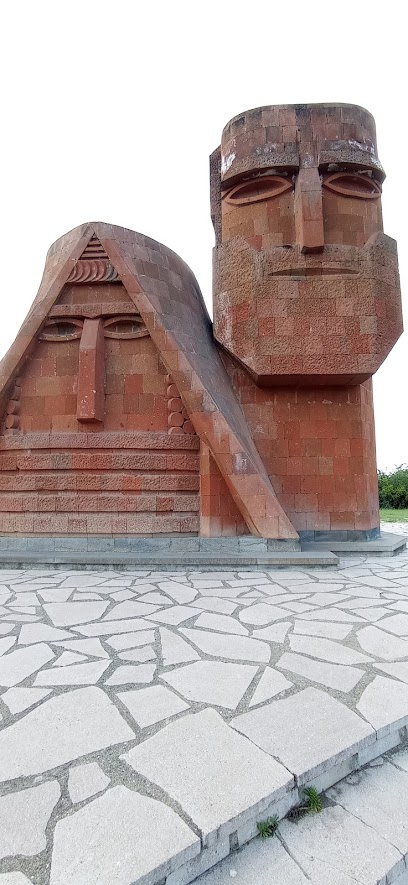
Tatik-Papik
8.2 km
Discover Tatik-Papik in Khankendi, a poignant memorial symbolizing cultural heritage and resilience.
Askeran Fortress
20.0 km
Explore Askeran Fortress: An 18th-century marvel with panoramic views and a rich history along the Qarqar River in Azerbaijan.

Azıx Mağarası
26.0 km
Explore Azikh Cave in Azerbaijan: a prehistoric site with ancient human history, stunning formations, and a glimpse into early human life.
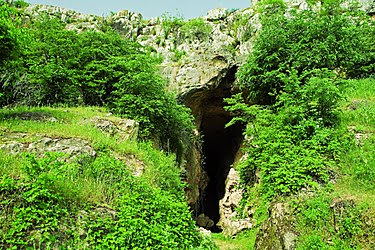
Amaras Monastery
27.7 km
Discover Amaras Monastery: A historic Armenian religious site and the birthplace of Armenian literacy, nestled in the heart of Artsakh.
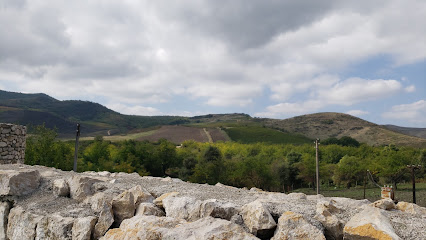
Ağoğlan monastırı
32.3 km
Explore the ancient Aghoghlan Monastery, a historical testament to Azerbaijani-Albanian architecture and religious heritage in the Lachin district.
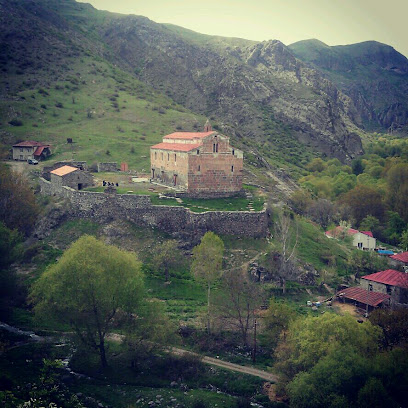
Ağzıbir Mağarası
32.5 km
Discover the mesmerizing beauty of Ağzıbir Cave in Azerbaijan, a geological wonder sculpted over millennia, surrounded by picturesque landscapes.
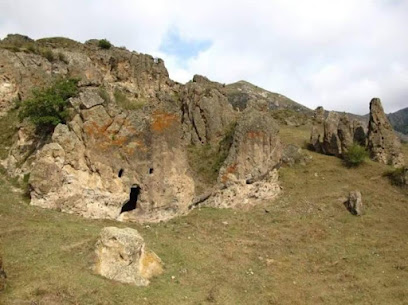
Շոր աղբյուր
32.8 km
Discover the historic Shor Aghbyur spring in Tegh, Armenia, a refreshing landmark with cultural and historical significance.

Şamkənd, Qızılqaya
34.0 km
Discover Şamkənd, Qızılqaya: A serene Azerbaijani village with stunning landscapes, rich culture, and warm hospitality.
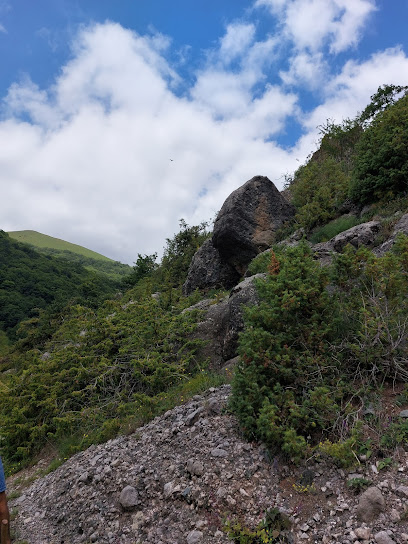
Khndzoresk
39.1 km
Discover Khndzoresk: Explore ancient cave dwellings, cross the thrilling swinging bridge, and immerse yourself in Armenia's rich history and stunning landscapes.

Пещерный город Хндзореск
40.0 km
Discover Khndzoresk Cave City: Explore ancient cave dwellings, cross the thrilling swinging bridge, and witness Armenia's unique history and stunning landscapes.

Khndzoresk swinging bridge
40.1 km
Experience breathtaking views and the thrill of crossing the Khndzoresk Swinging Bridge, Armenia's stunning architectural gem.
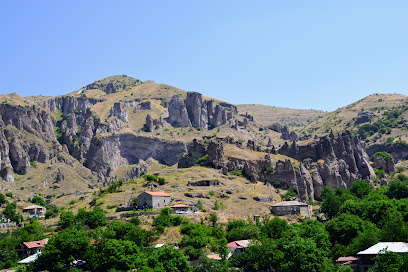
Rock formations
41.2 km
Discover Khndzoresk's ancient cave dwellings and stunning rock formations, a journey through Armenia's history and natural beauty. A must-see destination!
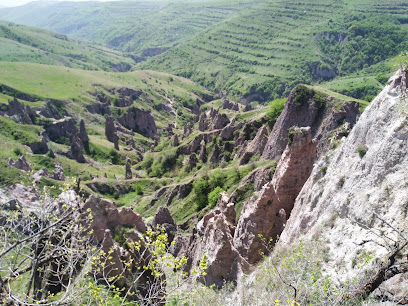
Cəbrayıl kişinin evi
43.4 km
Discover traditional Azerbaijani life at Cəbrayıl Kişinin Evi in Daghmashanly, a historic home showcasing the region's rich cultural heritage and resilience.
Essential places to dine

"Florence Garden"
5.9 km
Discover authentic Azerbaijani flavors at Florence Garden in Khankendi - where culinary tradition meets serene natural beauty.
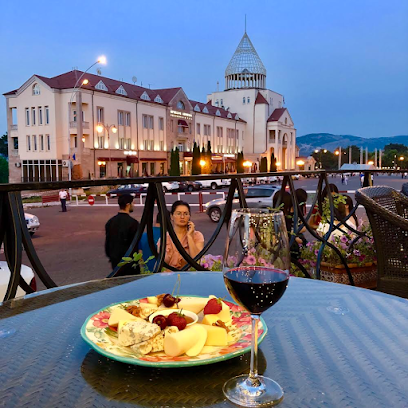
English Restaurant
25.4 km
Savor exquisite modern British cuisine at the English Restaurant in Azikh, where every dish tells a story of flavor and tradition.
Pavilion. Yol ayirici
43.2 km
Experience authentic Azerbaijani flavors at Pavilion. Yol ayirici, a cozy restaurant in Daghmashanly known for its delicious traditional dishes.
Panorama Goris Պանորամա Գորիս
43.3 km
Experience breathtaking views and delicious Armenian cuisine at Panorama Goris, the perfect blend of nature and family-friendly dining.
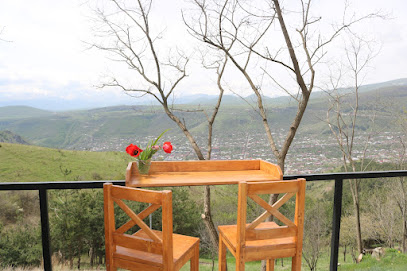
Trichk
44.1 km
Discover authentic Armenian flavors at Trichk in Goris – a cozy restaurant offering traditional dishes and local beverages.
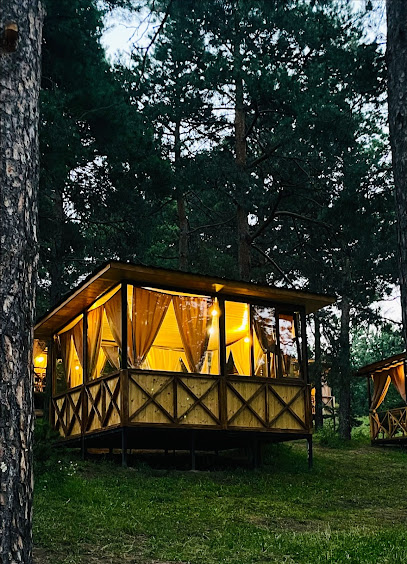
Eiffel
44.4 km
Enjoy delicious family-friendly dining at Eiffel in Goris, where culinary delights meet warm Armenian hospitality.
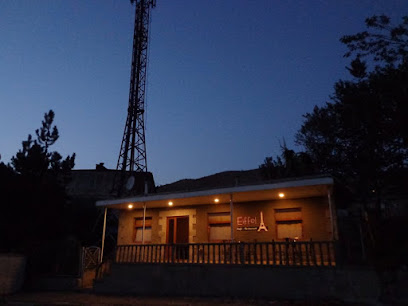
Syunik Restaurant
44.8 km
Discover authentic Armenian flavors at Syunik Restaurant in Goris - a culinary treasure offering traditional dishes in a charming setting.
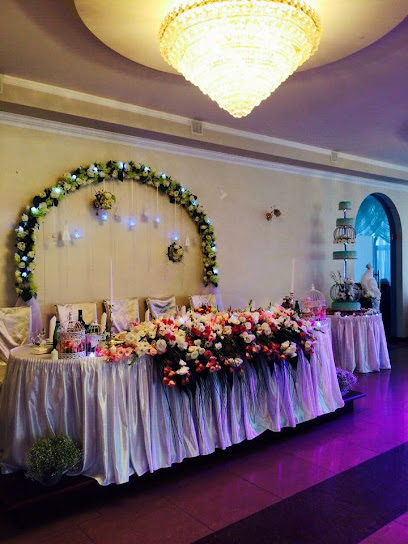
Nation Art Restaurant
44.8 km
Savor authentic Armenian cuisine in Goris at Nation Art Restaurant - where flavor meets artistry.
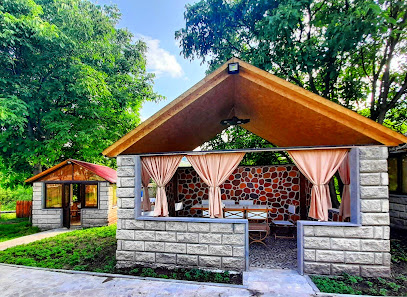
Hotel restaurant Rubin
44.9 km
Discover authentic Armenian barbecue at Hotel Restaurant Rubin in Goris – where tradition meets flavor in every bite.
REDROOF Lounge Bar
44.9 km
Experience delightful Armenian cuisine and vibrant nightlife at REDROOF Lounge Bar in Goris - A perfect blend of local culture and modern ambiance.
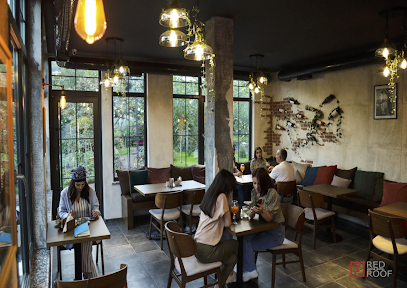
ресторан у Мишы restaurant
45.0 km
Discover authentic Armenian flavors at Ресторан у Мишы in Goris - where tradition meets taste in every dish.
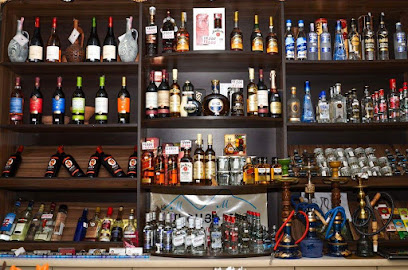
Smaylik
45.0 km
Discover the essence of Armenian cuisine at Smaylik, a family-friendly restaurant in Goris offering delicious meals in a warm atmosphere.
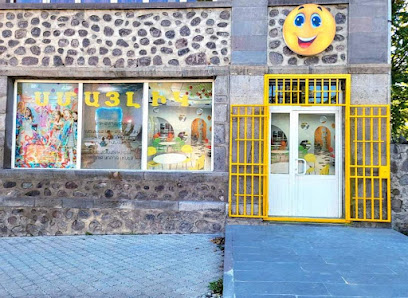
Old Goris Restaurant
45.1 km
Discover Old Goris Restaurant: A Culinary Haven for Authentic Armenian Flavors in the Heart of Goris.
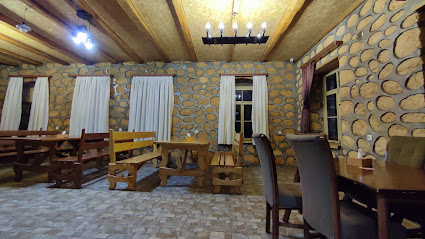
Business food
45.2 km
Experience Goris through its fast food delights; quick bites and local flavors await in this vibrant culinary hub.
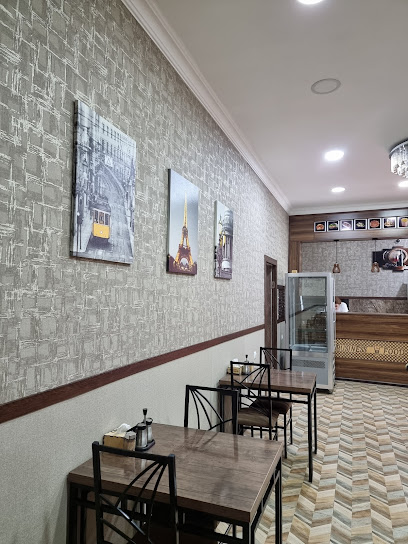
Arpi Restaurant
45.2 km
Experience authentic Armenian cuisine at Arpi Restaurant in Goris – where tradition meets flavor.
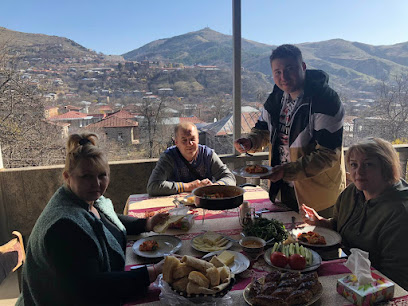
Markets, malls and hidden boutiques

Daş Karxanası
36.8 km
Explore the geological marvels of Azerbaijan at Daş Karxanası, a rock shop in Fuzuli showcasing nature's finest treasures.
Angel Supermarket
44.4 km
Angel Supermarket: Your gateway to authentic Armenian flavors and local products in the heart of Goris.
Goris Shopping Center
44.8 km
Discover a blend of local culture and modern shopping at Goris Shopping Center, where retail therapy meets Armenian hospitality.
Grand Market
44.8 km
Explore Goris' Grand Market: A vibrant showcase of local crafts, fresh produce, and the heart of Armenian culture.
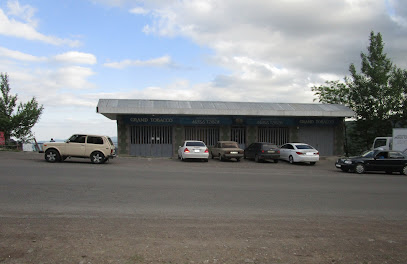
Food store
44.9 km
Experience the rich flavors of Armenia at Goris Grocery Store, where local produce and artisanal goods come together in a vibrant shopping destination.
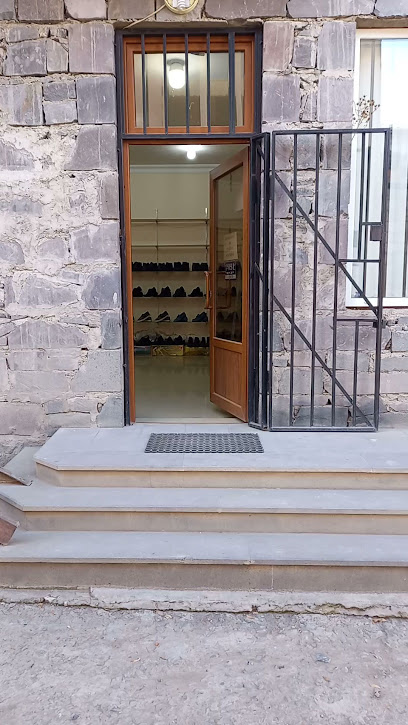
Wildberries
44.9 km
Discover the essence of Goris at Wildberries, where local craftsmanship and unique shopping experiences await every traveler.
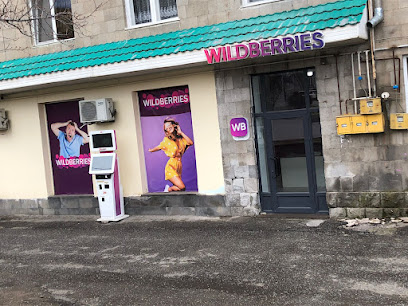
Воентор Svin
44.9 km
Explore unique military memorabilia and gear at Воентор Svin, an exceptional army and navy surplus shop in the heart of Goris, Armenia.
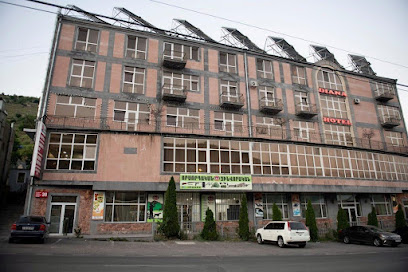
Lolita Fast Food
45.0 km
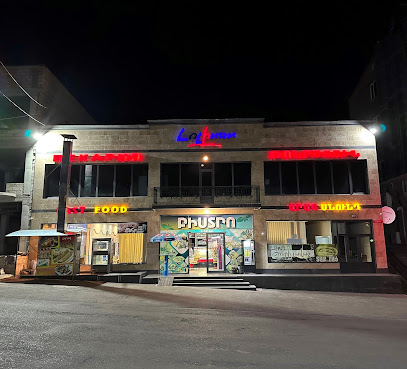
Experience the taste of Armenia at Lolita Fast Food in Goris, where freshly baked goods and local flavors await every visitor.
Goris Fresh Bakery
45.0 km
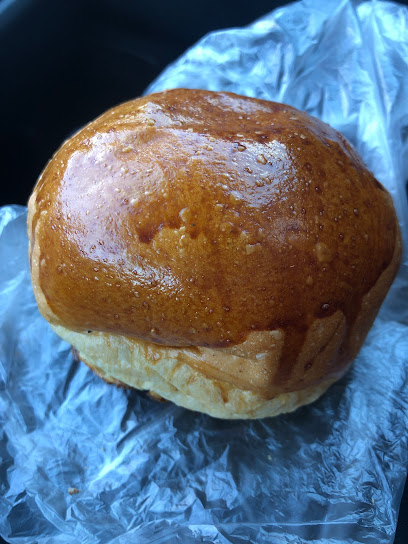
Discover the authentic flavors of Armenia at Goris Fresh Bakery, where every bite is a delicious journey through local traditions.
Gentleman
45.0 km
Explore Gentleman in Goris, Armenia for a unique shopping experience with a blend of traditional and modern fashion.
ZooMiMi
45.0 km
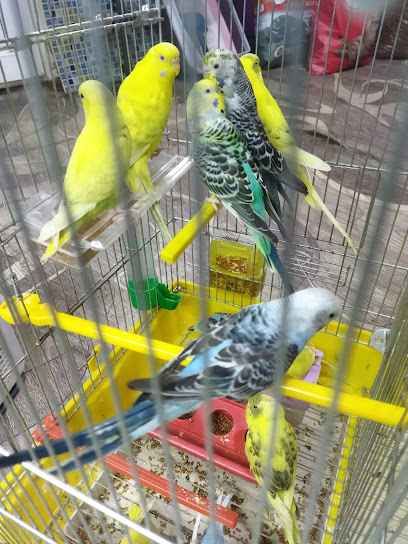
Discover ZooMiMi, Goris' premier pet store, offering a fantastic variety of pets and supplies for animal lovers of all ages.
dom
45.0 km
Discover the essence of freedom and adventure at Arevshat's Harley-Davidson dealer in Goris, Armenia, a hub for motorcycle enthusiasts.
OZON Goris
45.0 km
Discover OZON Goris, a vibrant store offering a diverse range of products for tourists seeking local treasures and daily essentials in Goris.
Syuniq Market
45.0 km
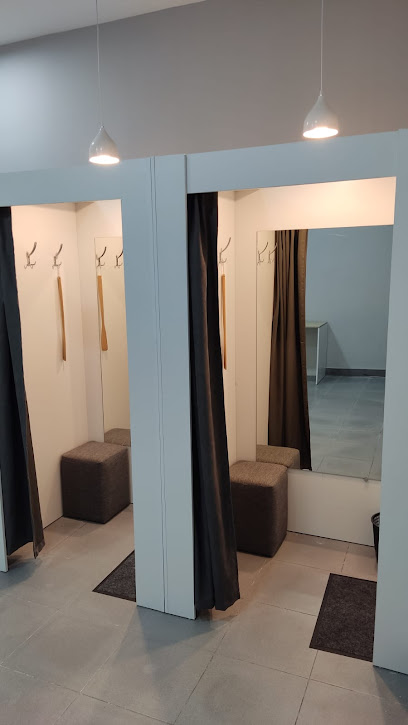
Explore the vibrant Syuniq Market in Goris, where local culture meets unique shopping experiences in the heart of Armenia.
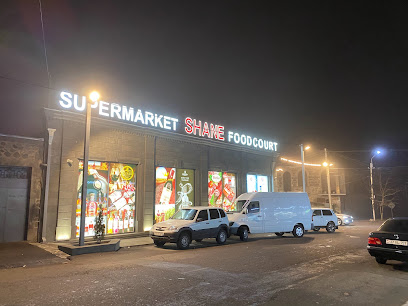
Shane Supermarket
45.1 km
Discover unbeatable prices and local flavors at Shane Supermarket, your go-to destination for groceries in Goris, Armenia.
Essential bars & hidden hideouts

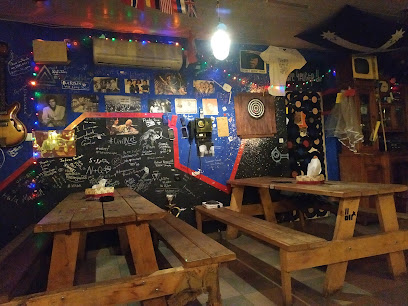
Bardak Pub
5.0 km
Discover the vibrant atmosphere and delightful drinks at Bardak Pub, Khankendi's cherished spot for tourists and locals alike.
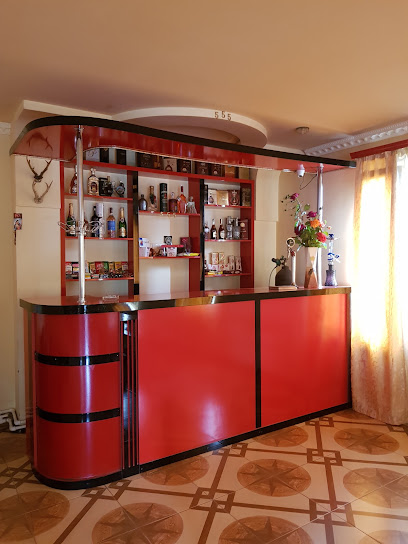
Restaurant & Cafe 555
38.2 km
Experience the charming atmosphere and culinary delights of Restaurant & Cafe 555, a perfect stop along the scenic Goris-Berdzor-Stepanakert Highway in Karashen.
CAMELOT PAB
43.9 km
Discover the vibrant nightlife at Camelot Pab in Dağ Maşanlı, where great drinks and a lively atmosphere await every visitor.
Goris Guest House
44.9 km
Experience the warmth and hospitality of Goris at the Goris Guest House, where local flavors and cozy ambiance await you.
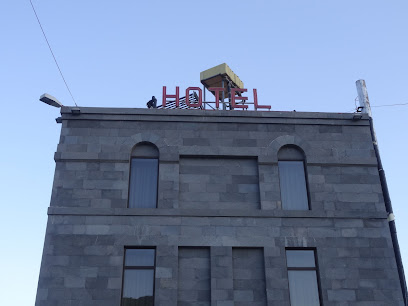
Cafe Tur Baza
45.0 km
Experience Armenian hospitality at Cafe Tur Baza in Goris - a cozy cafe offering authentic local cuisine and a welcoming atmosphere.
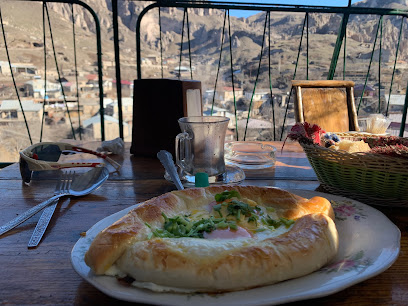
Mthnadzor Hotel
45.0 km
Discover the charm of Goris at Mthnadzor Inn, your cozy retreat with local cuisine and close access to Armenia's stunning landscapes.
Hotel Mira
45.2 km
Discover the serene charm of Hotel Mira in Goris, where comfort meets nature in a tranquil setting.
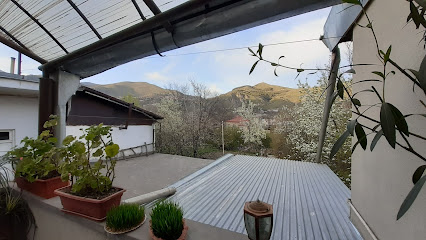
ներկայացվող տարածք
54.1 km
Experience the essence of Davit Bek at its top bar, where unique cocktails and local brews meet a vibrant atmosphere.
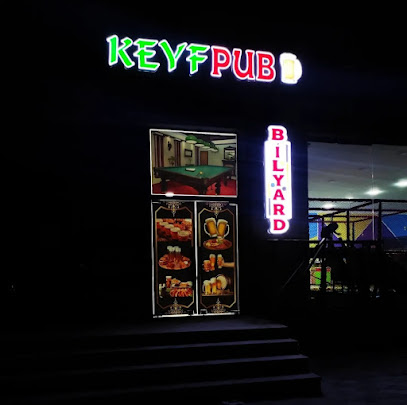
KEYF PUB
55.0 km
Discover the lively atmosphere of Keyf Pub in Quzanlı, where tradition meets contemporary bar culture for an unforgettable experience.
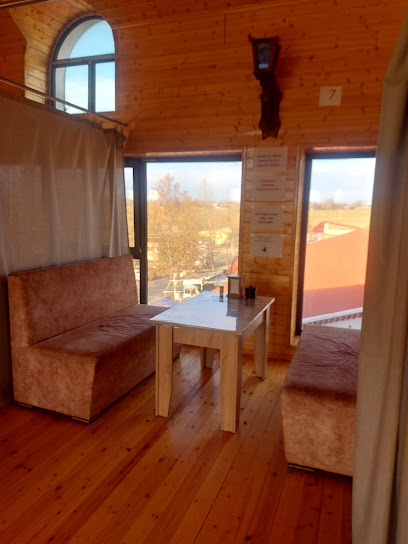
Turan kafe
59.9 km
Discover the vibrant atmosphere and local flavors at Turan Kafe in Birinji Zobujug, the perfect spot for relaxation and cultural immersion.
ZF PUB
60.1 km
Discover the vibrant atmosphere at ZF PUB in üçüncü Zobucuq, where locals and tourists unite over great drinks and lively conversations.
Հացատուն Աճանան
64.5 km
Experience the authentic taste of Armenia at Հացատուն Աճանան, a culinary gem in Kapan offering delicious local dishes and warm hospitality.
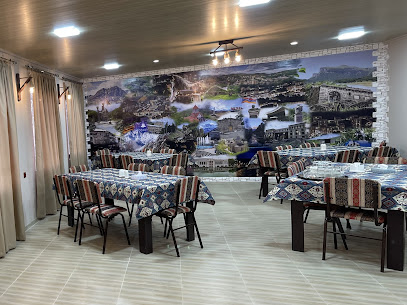
Ələddinin Kruqu
68.6 km
Experience authentic Azerbaijani hospitality at Ələddinin Kruqu, a charming bar in Mehdili offering a delightful ambiance and local flavors.
Royal Cafe
68.7 km
Discover the heart of Kapan through its flavors at Royal Cafe, where local meets international in a cozy dining experience.
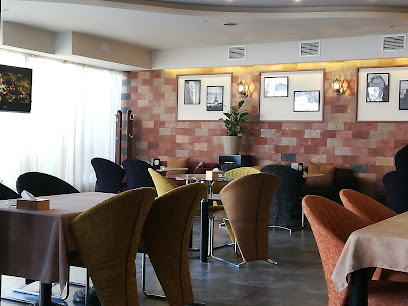
Սյունի Թոնրատուն
68.9 km
Experience authentic Armenian flavors at Suni Tonratun, Kapan's premier restaurant offering a warm ambiance and a rich culinary journey.
Nightclubs & after hour spots

Goris Press Club
45.3 km
Discover the vibrant community spirit at Goris Press Club, a cultural hub in Goris, Armenia, offering engaging events and local insights.
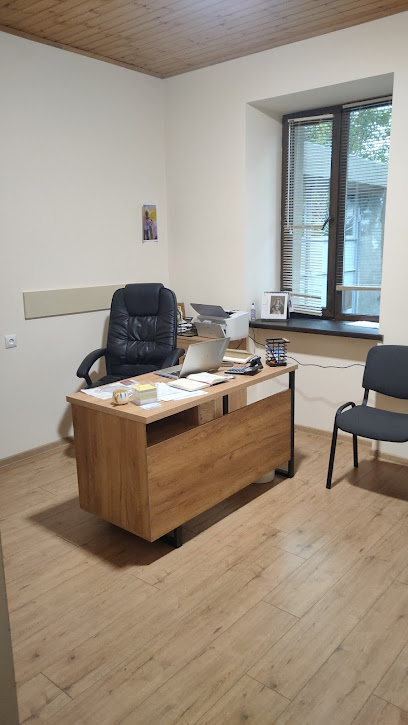
Fox Show Club
66.7 km
Experience the vibrant nightlife of Kapan at Fox Show Club, where music, dance, and entertainment create unforgettable memories.

Goy Gol Lake Resort
80.8 km
Experience the tranquility of Goy Gol Lake Resort, where nature meets comfort in the heart of Azerbaijan's stunning landscapes.
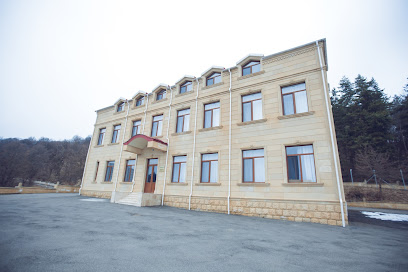
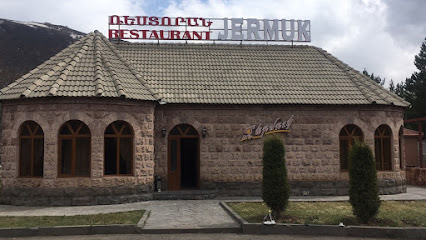
Jermuk restaurant
92.4 km
Experience authentic Armenian cuisine with stunning views at Jermuk Restaurant, a culinary treasure in the heart of Jermuk.
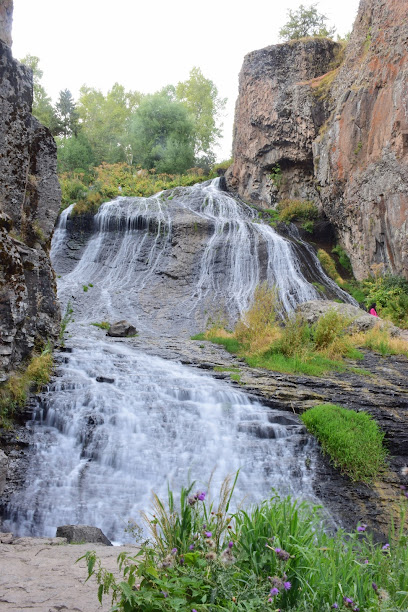
Jermuk Waterfall
92.8 km
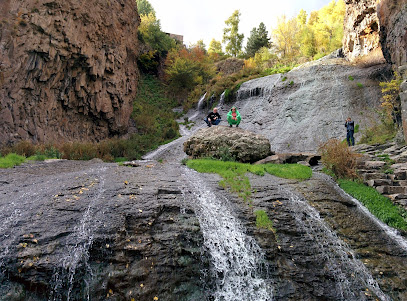
Discover the stunning Jermuk Waterfall, a natural gem in Armenia surrounded by lush landscapes and perfect for outdoor adventures.
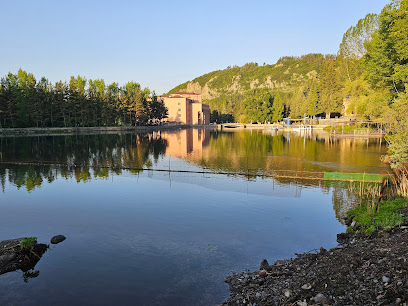
Olympia Sanatorium
92.8 km
Discover holistic wellness and rejuvenation at Olympia Sanatorium, a premier health resort in Jermuk, combining nature's beauty with expert care.
Jermuk Terrace Restaurant
92.9 km
Experience authentic Armenian cuisine with breathtaking views at Jermuk Terrace Restaurant, a culinary gem in the heart of Jermuk.
Jermuk Hotel
92.9 km
Experience luxurious relaxation and wellness at Jermuk Hotel, nestled in Armenia's breathtaking natural landscapes.
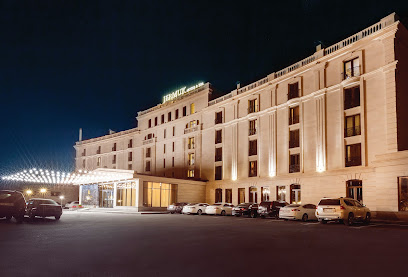
Jermuk Hot Springs
95.4 km
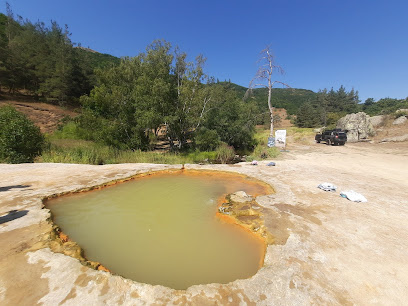
Experience the rejuvenating power of Jermuk Hot Springs, where healing waters meet stunning mountain vistas in Armenia.
Göygöl Rayon İrəvan İdman Klubu
98.9 km
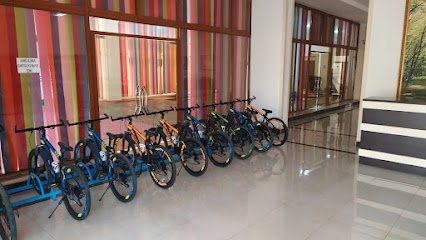
Discover sports and recreation at Göygöl Rayon İrəvan İdman Klubu, a vibrant hub nestled in the beautiful landscapes of Goygol, Azerbaijan.
Vip status sarab evi
99.8 km
Experience vibrant nightlife at Vip Status Sarab Evi, a premier bar in Yevlakh, offering a lively atmosphere and diverse drink selection.