Baitul Mukarram: The National Mosque of Bangladesh
Discover Baitul Mukarram National Mosque in Dhaka, a unique architectural marvel blending Mughal and modern styles, accommodating 40,000 worshippers in the heart of Bangladesh.
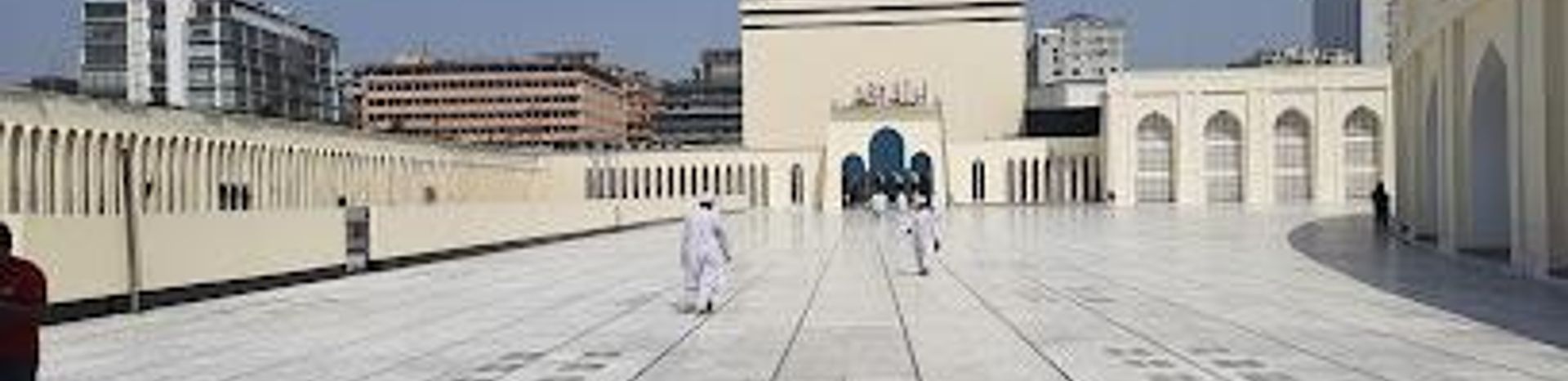
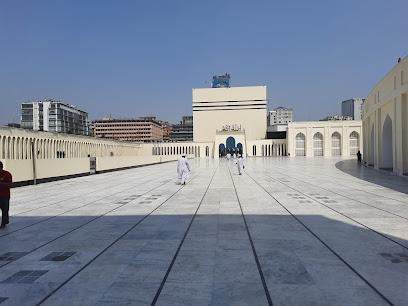
Baitul Mukarram National Mosque, a prominent landmark in Dhaka, stands as a symbol of Islamic architecture and spiritual significance in Bangladesh. Designed by architect Abdulhusein M. Thariani and completed in 1968, this grand mosque distinguishes itself with its unique cubic structure resembling the Kaaba in Mecca, a departure from traditional dome designs. Capable of accommodating over 40,000 worshippers, Baitul Mukarram is not only a place of prayer but also a hub for Islamic learning and cultural events. Its location in the heart of Dhaka, surrounded by bustling markets and commercial areas, makes it easily accessible and a focal point for both locals and tourists seeking to experience the religious and cultural heart of the city. Visitors are welcome to explore its serene courtyards and admire the blend of Mughal and modern architectural elements, providing a tranquil escape from the vibrant city life.
A brief summary to Baitul Mukarram National Mosque
- Baitul Mukarram, Dhaka, Motijheel, 1000, BD
- Visit website
Local tips
- Dress modestly when visiting; women should cover their heads, and both men and women should cover their arms and legs.
- Visit during non-prayer hours for a quieter experience and to explore the mosque's architecture without disrupting worshippers.
- Be mindful of prayer times, especially on Fridays, and avoid visiting during the busiest periods to respect the worshippers.
- Explore the surrounding local markets for traditional Bangladeshi snacks and immerse yourself in the local culture.
- Remove shoes before entering the mosque; designated areas are provided for shoe storage.

Getting There
-
Public Transport
From Kamalapur Railway Station or Sayedabad Bus Terminal, take a local bus heading towards Motijheel or Gulistan. Bus fares typically range from 12-30 BDT. Alight at Motijheel, from where Baitul Mukarram is a short walk. Alternatively, use the Dhaka Metro Rail to the Motijheel station; ticket prices range from 20-50 BDT. From the station, the mosque is easily accessible by foot.
-
Taxi/Ride-Share
From anywhere in Dhaka, a taxi or ride-sharing service (Uber, Pathao) offers a direct route to Baitul Mukarram. Expect to pay between 150-300 BDT depending on the distance and traffic conditions. Use the address 'Baitul Mukarram, Dhaka 1000' for navigation. Be aware that traffic can be heavy, especially during peak hours.
-
Rickshaw
For a more local experience, take a rickshaw from nearby areas like Motijheel or Gulistan. Negotiate the fare beforehand; a typical ride should cost between 50-100 BDT depending on the distance. Rickshaws are ideal for short distances and navigating through crowded streets.
-
Driving
If driving, navigate to Motijheel and use GPS to locate Baitul Mukarram. Parking is available nearby, with fees ranging from 20-50 BDT. Be prepared for heavy traffic, especially during peak hours. Consider alternative transportation if parking is a concern.
Discover more about Baitul Mukarram National Mosque
Iconic landmarks you can’t miss

Baitul Mukarram National Mosque
0.0 km
Discover Baitul Mukarram National Mosque in Dhaka, a unique architectural marvel blending Mughal and modern styles, accommodating 40,000 worshippers in the heart of Bangladesh.
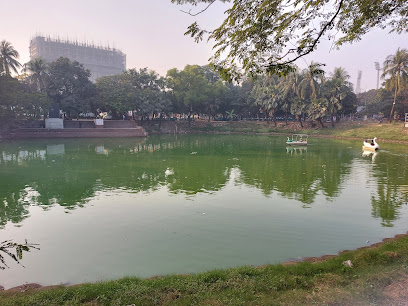
Gulistan Shaheed Matiur Park
0.6 km
Find serenity in Dhaka's bustling heart at Gulistan Shaheed Matiur Park, a green oasis honoring a martyr with recreation and history.
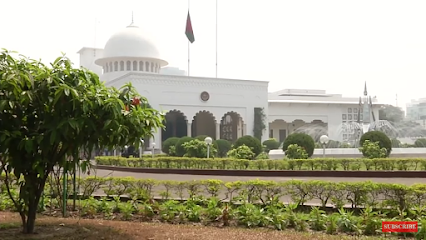
Bangabhaban
0.9 km
Explore Bangabhaban, the heart of Bangladesh's history and presidential residence, in Dhaka's vibrant Motijheel district.
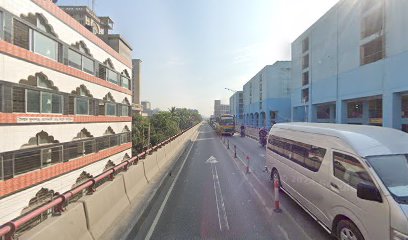
সাবেক ঢাকা রেলওয়ে স্টেশন। The former Dhaka Railway Station area
0.9 km
Explore the historic heart of Dhaka at the former Railway Station: a vibrant blend of colonial architecture, bustling markets, and cultural experiences, offering a unique glimpse into the city's past.
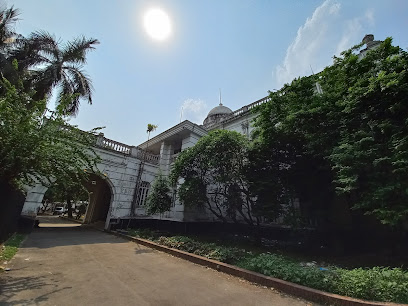
Old High Court Building
1.1 km
Discover Dhaka's colonial past at the Old High Court Building, a stunning example of European Renaissance architecture and historical significance.
Bijoy Batayan
1.1 km
Discover Bijoy Batayan in Dhaka, a historical landmark symbolizing Bangladesh's victory and heritage, offering a poignant reminder of the nation's journey to independence and cultural identity.
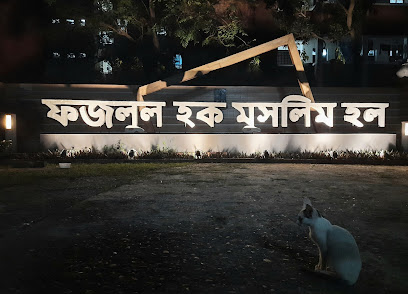
Shahidullah Hall Pond
1.1 km
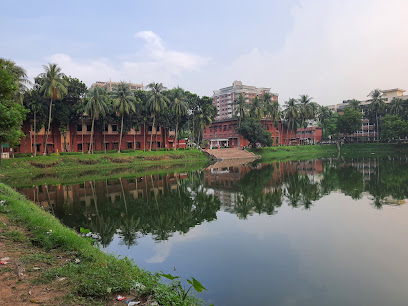
Discover a serene escape in the heart of Dhaka at Shahidullah Hall Pond, a historic oasis offering tranquility and natural beauty within the vibrant Dhaka University campus.
Curzon Hall
1.1 km
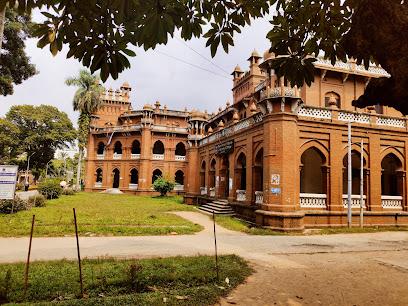
Discover Curzon Hall in Dhaka, a stunning blend of Mughal and European architecture, and a symbol of Bangladesh's rich history and cultural significance within the heart of Dhaka University.
Dhaka Gate
1.3 km
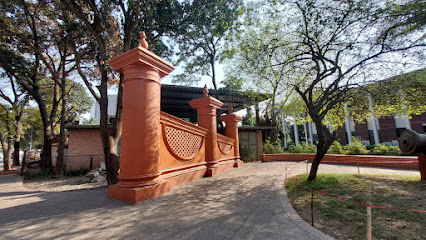
Discover Dhaka Gate, a historical landmark blending Mughal and European architecture, offering a glimpse into Dhaka's rich past and cultural heritage, now renovated for visitors to explore and appreciate.
Shikkatuly Park
1.4 km
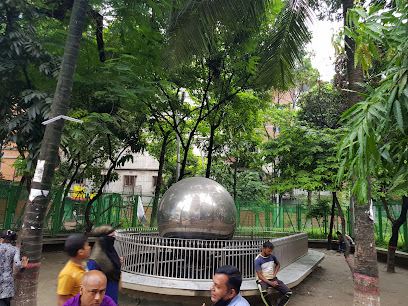
Escape the city bustle at Shikkatuly Park, a green oasis in Dhaka's historic Bangshal, offering tranquility and a touch of local culture.
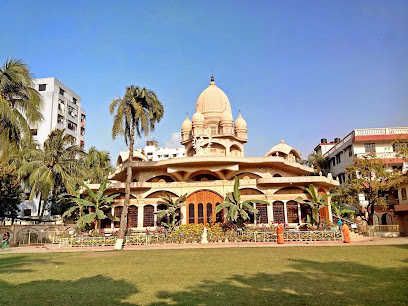
Ramakrishna Math & Ramakrishna Mission Dhaka
1.4 km
A serene spiritual center in Dhaka promoting harmony, service, and Bengali Hindu traditions since 1899. Open to all for peace and reflection.
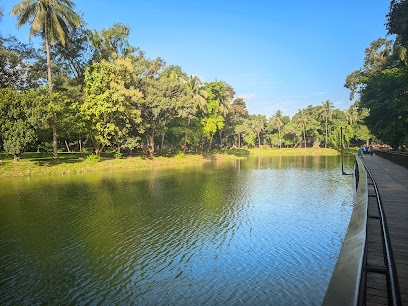
Ramna Park walkway
1.4 km
Discover Dhaka's green heart at Ramna Park, a historic oasis offering tranquility, cultural experiences, and a refreshing escape from the city's hustle, with vibrant Bengali New Year celebrations.
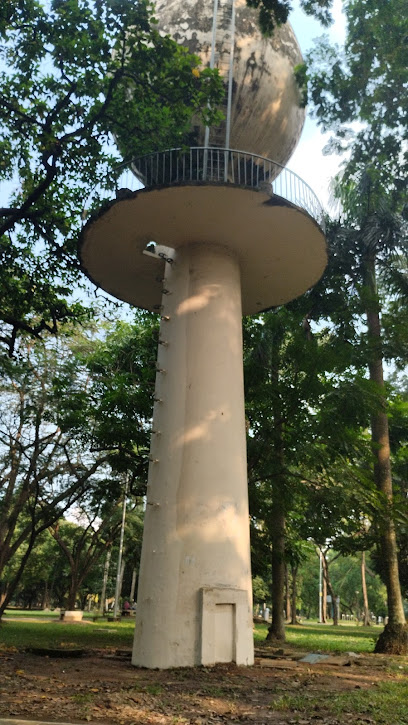
Ramna Park Water Tank
1.6 km
Discover Dhaka's green heart: Ramna Park, a historic urban oasis offering tranquility, diverse flora, and vibrant cultural celebrations in the center of the bustling capital.
স্বাধীনতার দেয়াল
1.7 km
Experience Dhaka's vibrant street art at the স্বাধীনতার দেয়াল, a dynamic landmark reflecting Bangladesh's journey to freedom and ongoing social dialogue.
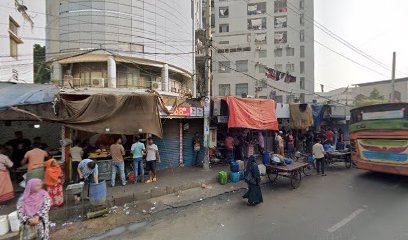
Wari Old Building - 1
1.7 km
Discover the architectural brilliance of Dhaka's past at the Wari Old Building, a captivating landmark in the heart of the historic Wari neighborhood, showcasing a unique blend of local and European influences.
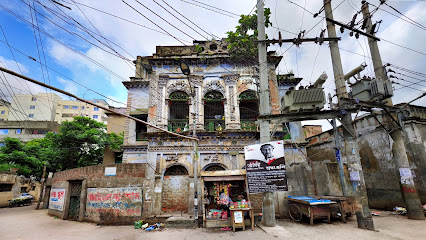
Unmissable attractions to see

Gulistan Round Square গুলিস্তান গোল চত্বর
0.5 km
Experience the vibrant heart of Dhaka at Gulistan Round Square, a bustling hub of commerce, culture, and urban energy.
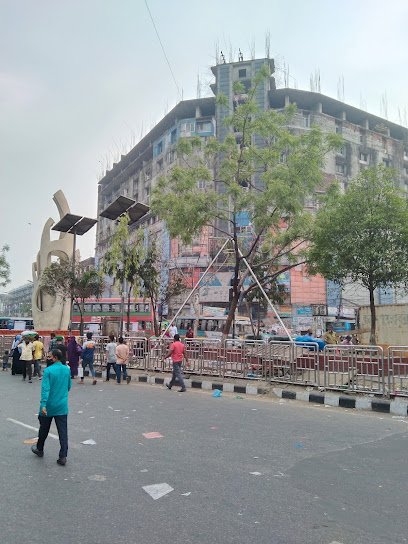
Dhaka City Museum
0.8 km
Discover Dhaka's vibrant past at the City Museum, showcasing historical relics and cultural heritage in the heart of the city.
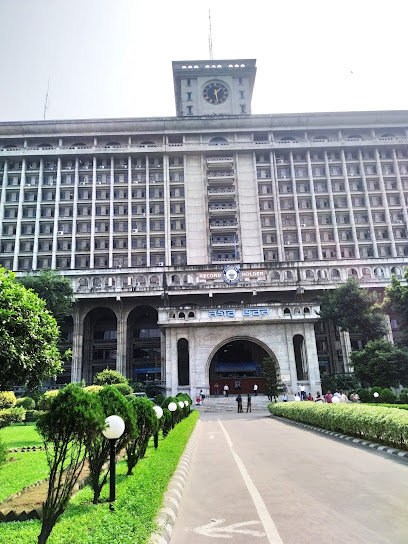
Kadam Foara
0.8 km
Find serenity amidst Dhaka's hustle at Kadam Foara, a flower-inspired fountain offering a peaceful escape in the heart of the city.
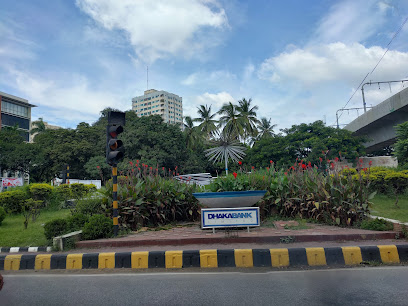
Nimtali Deuri
1.2 km
Explore Dhaka's Mughal heritage at Nimtali Deuri, the last standing gateway to a bygone era of deputy governors and grand palaces.
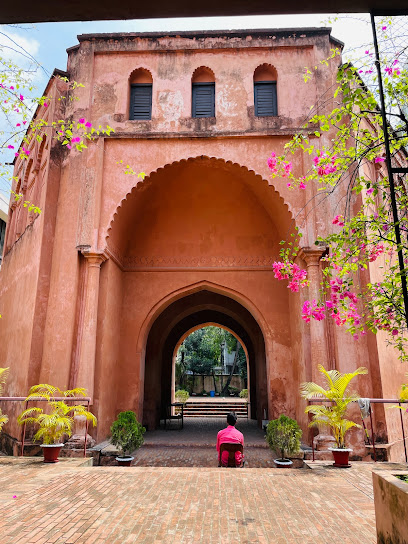
Shahidullah Hall Zero Point
1.2 km
Experience the vibrant heart of Dhaka University at Shahidullah Hall Zero Point, a landmark of history, culture, and student life.
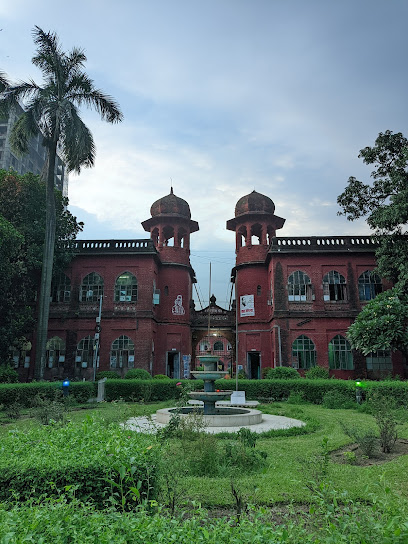
The Great Musa Khan Mosque
1.3 km
Explore the Mughal-era Great Musa Khan Mosque in Dhaka University, a historical landmark with unique architectural significance.
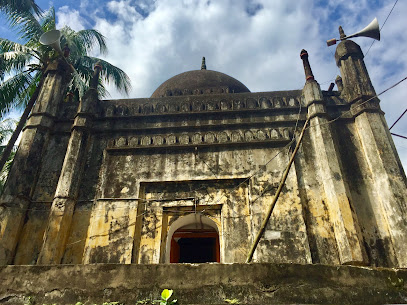
Liberation War Museum of Bangladesh Police.
1.3 km
Explore the pivotal role of the Bangladesh Police in the 1971 Liberation War at this moving museum in Dhaka's historic Rajarbagh Police Lines.
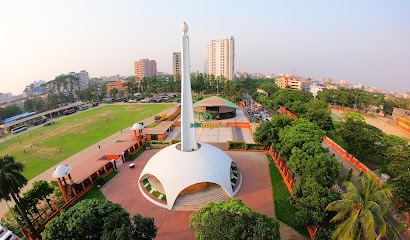
Ramna Botmul
1.3 km
Discover the historical charm and cultural significance of Ramna Botmul, a serene park in Dhaka and the heart of Bengali New Year celebrations.
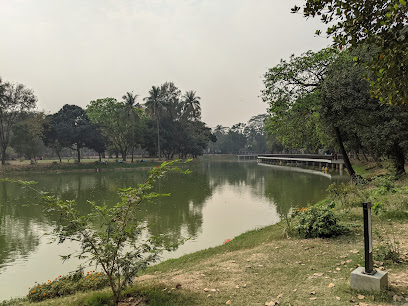
Sohrawardy Udyan
1.3 km
Explore Bangladesh's history and find serenity in the heart of Dhaka at Sohrawardy Udyan, a national memorial and urban oasis.
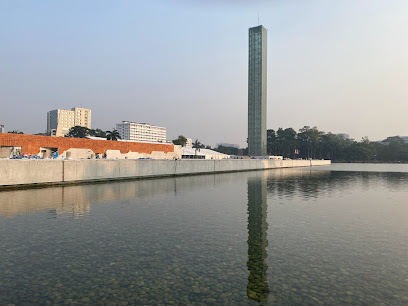
Ramna Kali Temple
1.4 km
Discover the Ramna Kali Temple in Dhaka, a symbol of resilience and spiritual heritage, offering a serene escape and a glimpse into Bengali Hindu culture.
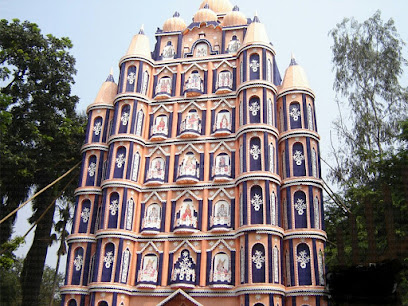
Dhola Jamidar Bari ~ Wari
1.4 km
Explore Dhola Jamidar Bari in Dhaka, a captivating blend of Indo-Saracenic and Colonial architecture reflecting the city's rich cultural heritage.
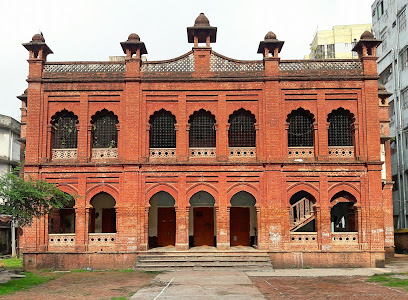
Ramna Lake
1.5 km
Escape the city in Dhaka's historic Ramna Park, a serene lake and green space with Mughal-era roots and vibrant cultural celebrations.
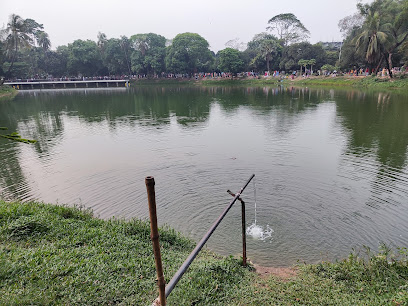
Ramna Park
1.5 km
Escape to Dhaka's historic green heart: Ramna Park, a serene oasis of nature, culture, and recreation in the city center.
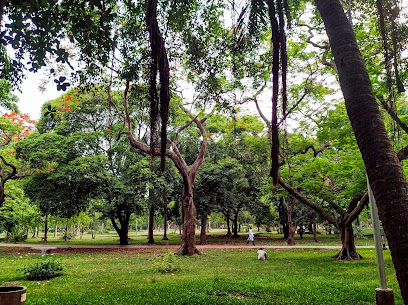
Swadhinata Stambha
1.5 km
A towering monument in Dhaka's Sohrawardi Udyan, commemorating Bangladesh's independence struggle with a museum and eternal flame.
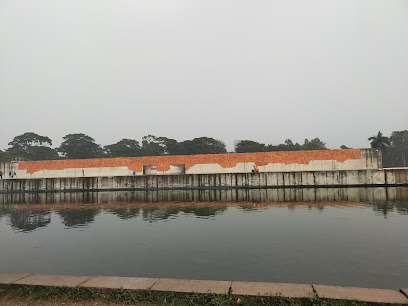
Museum of Independence
1.5 km
Explore Bangladesh's struggle for independence at this poignant Dhaka museum, featuring historical exhibits & the iconic Independence Monument.
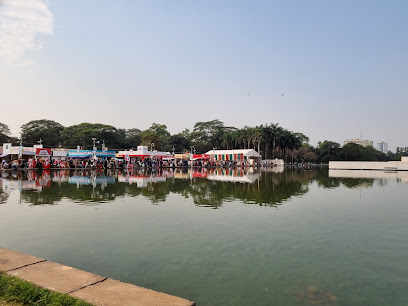
Essential places to dine

Bird's Eye Roof Top Restaurant and Convention Hall
0.1 km
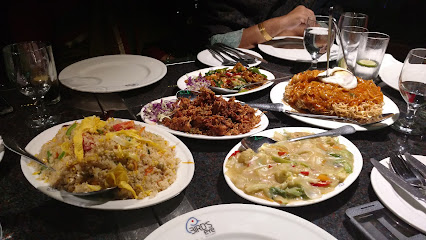
Experience exquisite Chinese cuisine with stunning views at Bird's Eye Roof Top Restaurant in Dhaka - where every meal is a feast for the senses.
Radhuni Restaurant
0.3 km
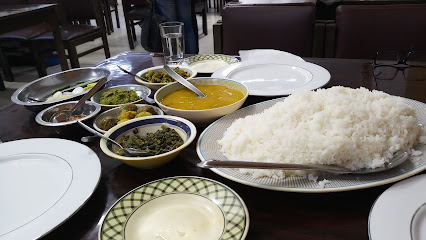
Experience authentic Bengali flavors at Radhuni Restaurant in Dhaka – where tradition meets taste in every dish.
Terrace 21
0.4 km
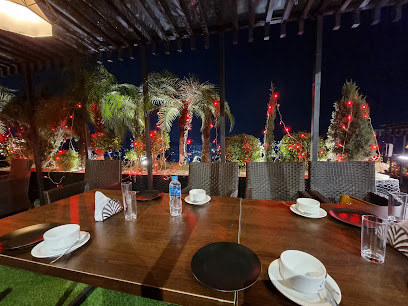
Experience delightful cuisine with stunning views at Terrace 21 in Dhaka – where every meal becomes an unforgettable memory.
FEAST Restaurant
0.4 km
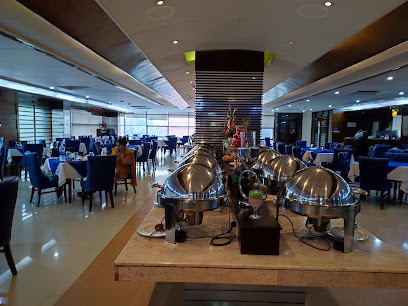
Experience the vibrant culinary scene at FEAST Restaurant in Dhaka, where traditional flavors meet contemporary dining.
Weston Restaurant
0.4 km
Discover the rich flavors of China at Weston Restaurant in Dhaka - where every meal tells a story.
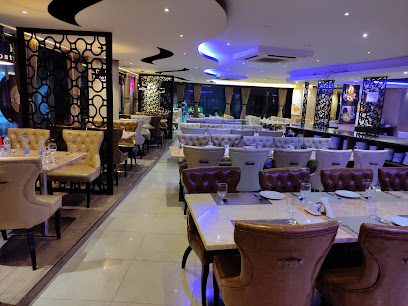
Restaurants Dhaka
0.5 km
Experience a world of flavors at Dhaka's premier buffet restaurant - where every meal is a celebration of taste.
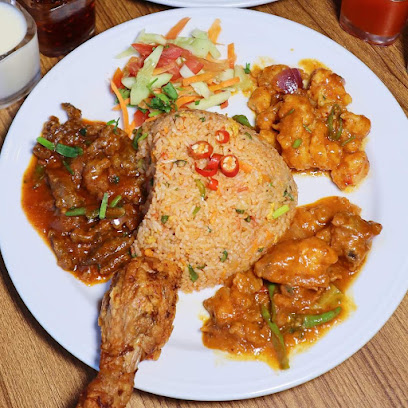
Noakhali Hotel And Restaurant
0.5 km
Savor the rich flavors of India at Noakhali Hotel And Restaurant in Dhaka – where every meal is a culinary journey.
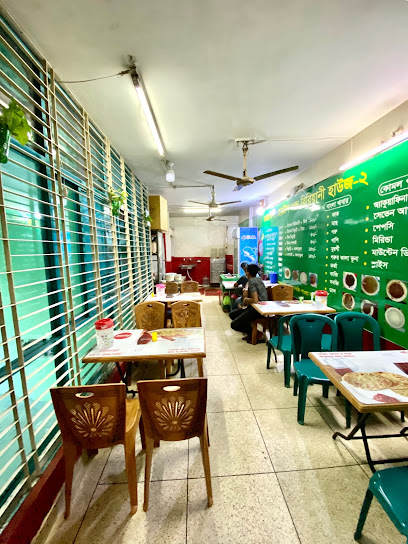
Super Supper
0.7 km
Experience an unforgettable culinary journey at Super Supper - Dhaka's premier buffet restaurant featuring diverse cuisines.
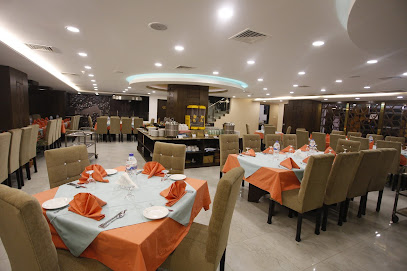
Bhaat Ghor ~ SegunBagicha
0.8 km
Experience the essence of Bengali and Middle Eastern cuisine at Bhaat Ghor in Dhaka – where every dish tells a story.
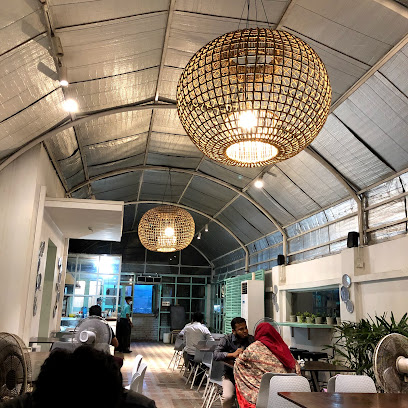
Bhoj
0.8 km
Explore authentic Bangladeshi and Indian cuisine at Bhoj - where tradition meets flavor in Dhaka.
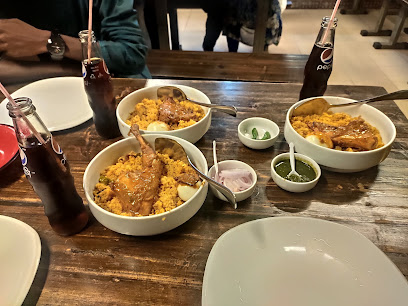
Bangla Restaurant
0.8 km
Experience the essence of Bengali flavors at Bangla Restaurant in Dhaka - where tradition meets taste.
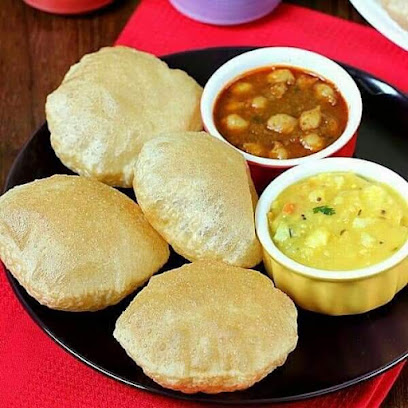
Hotel Star (Pvt) Ltd
0.9 km
Experience authentic Bangladeshi cuisine at Hotel Star (Pvt) Ltd in Dhaka - a culinary delight for every traveler.
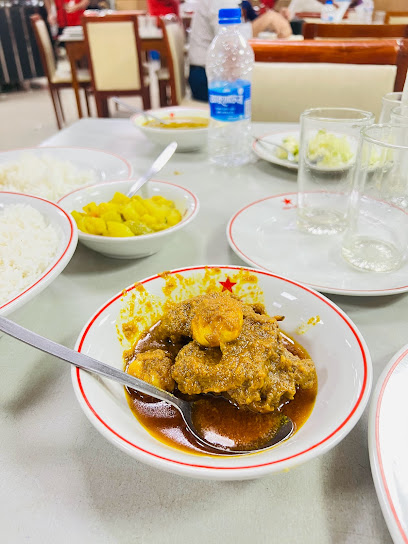
Sky View Lounge ~ Shantinagar
1.1 km
Experience exquisite Chinese cuisine with stunning city views at Sky View Lounge in Dhaka's Sky View Trade Center.
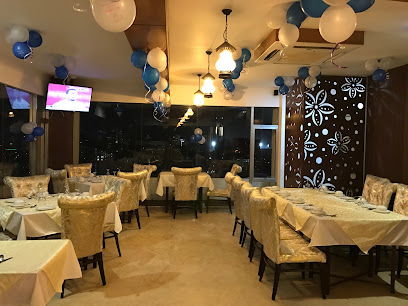
The Dining Lounge wari Rooftop
1.3 km
Discover fast food favorites and authentic local dishes at The Dining Lounge Wari Rooftop in Dhaka's vibrant culinary scene.
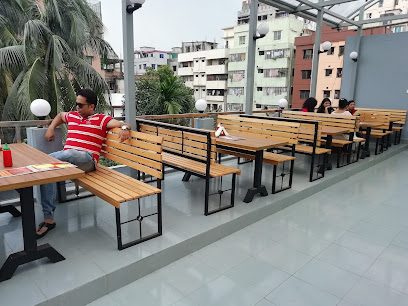
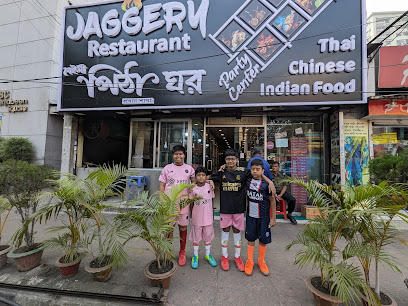
Baily Pitha Ghar & Jaggery Restaurant
1.4 km
Discover the heart of Bangladeshi cuisine at Baily Pitha Ghar & Jaggery Restaurant – where tradition meets flavor.
Markets, malls and hidden boutiques

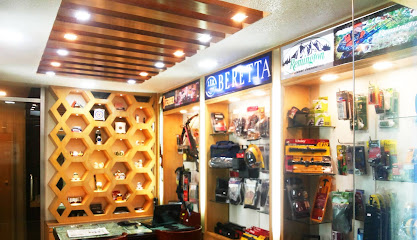
Adventurous Paradise
0.3 km
Explore Adventurous Paradise in Dhaka, your go-to hunting and fishing store with expert advice and a wide range of gear for outdoor lovers.
Bongo Bazar Shopping Complex
1.0 km
Explore Bongo Bazar Shopping Complex for an authentic Dhaka experience with vibrant markets, local handicrafts, and delicious street food.
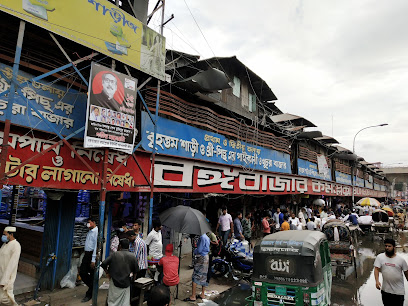
Eastern Plus Shopping Complex
1.1 km
Explore the vibrant Eastern Plus Shopping Complex in Dhaka, your ultimate shopping haven for local and international treasures.
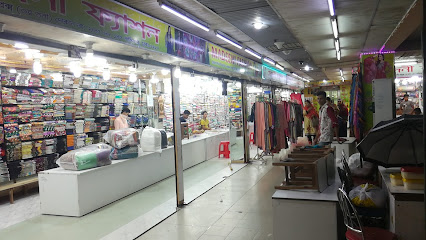
Unimart Wari
1.3 km
Discover a world of flavors and convenience at Unimart Wari, Dhaka's premier supermarket for tourists and locals alike.
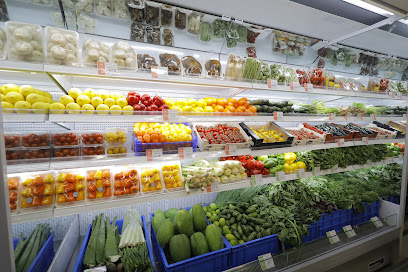
Mini Love Mall
1.4 km
Discover unique souvenirs and local crafts at Mini Love Mall in Dhaka, the perfect gift shop for memorable keepsakes.
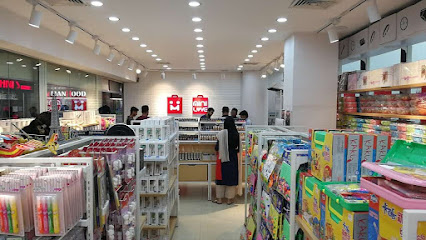
Aarong Wari
1.5 km
Explore Aarong Wari in Dhaka for unique clothing and home goods, celebrating Bangladesh's rich heritage through artisanal craftsmanship and modern designs.
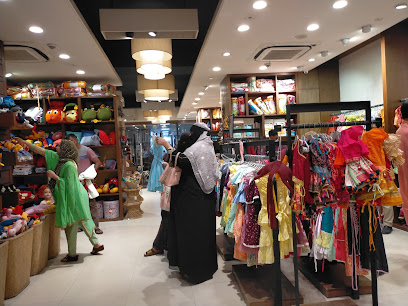
Be-Ni-Aa-So-Ho-Ko-La
1.6 km
Explore Be-Ni-Aa-So-Ho-Ko-La, Dhaka's chic boutique, where local fashion and culture blend seamlessly in a vibrant shopping experience.
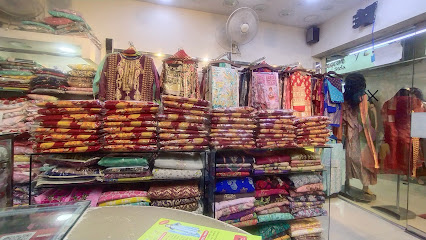
M/S. Belal Enterprise
1.7 km
Explore M/S. Belal Enterprise in Dhaka for exquisite furniture selections that blend quality with style, perfect for every home.

1 To 100 Shopping Center
1.7 km
Explore the vibrant 1 To 100 Shopping Center in Dhaka, a treasure trove of unique gifts, local crafts, and delightful dining options.
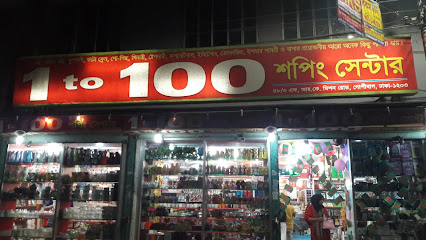
Yara Mart
1.7 km
Discover unique gifts, stunning flowers, and festive balloons at Yara Mart, your ultimate shopping destination in Dhaka.

Fortune Shopping Mall
1.9 km
Explore Fortune Shopping Mall in Dhaka, where shopping meets local culture, offering a variety of stores and dining options for every traveler.
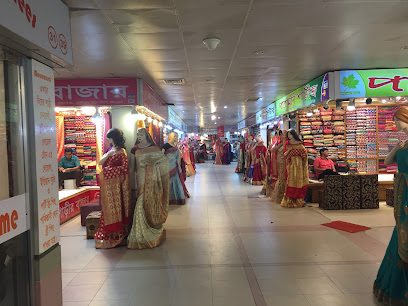
Keranigonj Super Shop
2.1 km
Explore Keranigonj Super Shop in Dhaka for unique gifts and local crafts, capturing the essence of Bangladeshi culture in every item.
Trendy Gift Shop BD
2.2 km
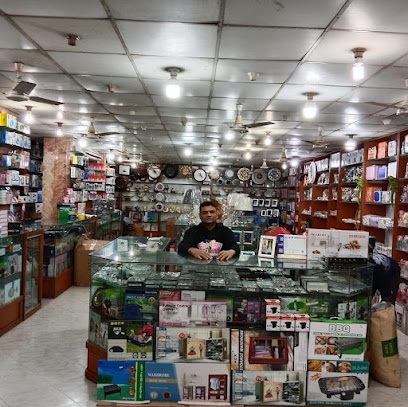
Explore Trendy Gift Shop BD for unique party supplies and local crafts, celebrating Dhaka's vibrant culture and traditions.
Express Fashion, Aziz Super Market, Dhaka
2.3 km
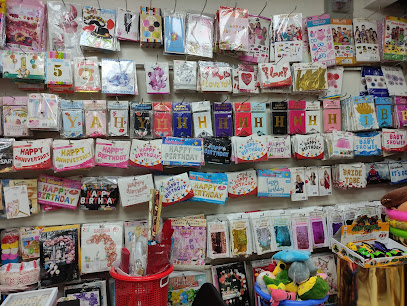
Explore the vibrant world of fashion at Express Fashion in Aziz Super Market, Dhaka - your ultimate shopping destination!
Unique Toy Shop BD
2.4 km
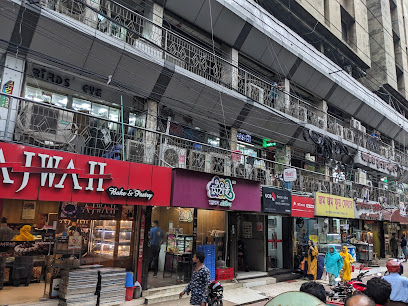
Experience the enchanting world of toys at Unique Toy Shop BD, where joy and creativity come alive in every corner.
Essential bars & hidden hideouts

Dhaka Restaurant & Recreation Center
0.4 km
Discover the culinary delights of Dhaka at the vibrant Dhaka Restaurant & Recreation Center, where local flavors meet a lively atmosphere.
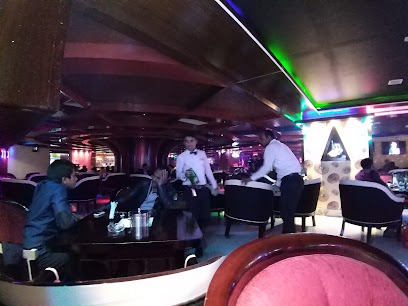
নাইটিংগেল বার
0.6 km
Explore the vibrant nightlife at Nightingale Bar in Dhaka, where great drinks and lively atmosphere await.
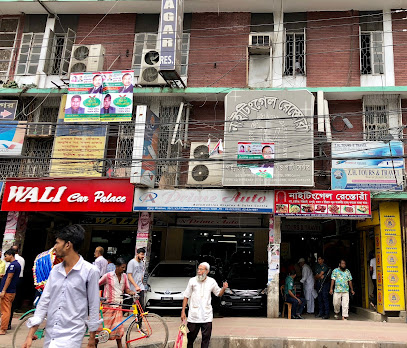
Md Riyad
0.7 km
Experience the lively atmosphere and local flavors at Md Riyad, a popular bar in the heart of Dhaka, perfect for unwinding after a day of exploration.
Gentleman’s Rest Bar
0.7 km
Discover the lively spirit of Dhaka at Gentleman’s Rest Bar, where live music and exquisite drinks create unforgettable nights.
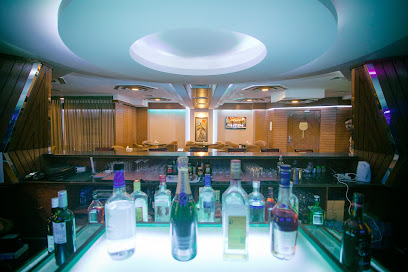
Sakura Restaurant & Bar
2.2 km
Discover the vibrant nightlife of Dhaka at Sakura Restaurant & Bar, where delicious food and drinks await in a lively atmosphere.
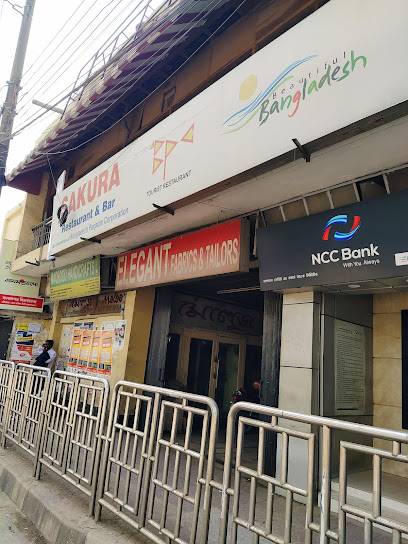
Piyashi Restaurant and Bar
2.5 km
Experience the vibrant culinary scene at Piyashi Restaurant and Bar in Dhaka, where delicious cuisine meets a lively bar atmosphere.
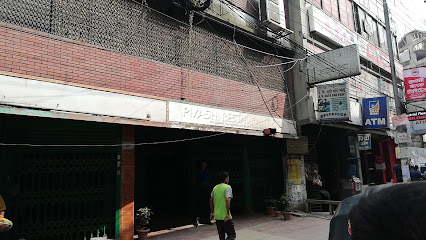
Golden Dragon Bar
2.6 km
Experience the vibrant nightlife at Golden Dragon Bar in Dhaka with signature cocktails, live music, and a lively atmosphere perfect for socializing.
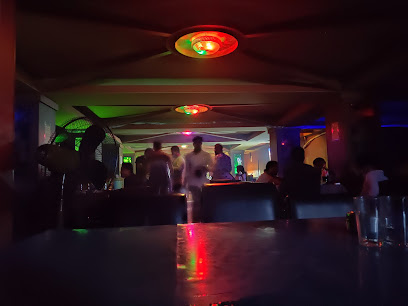
Chalet Restaurant & Bar
2.6 km
Discover the vibrant culinary experience at Chalet Restaurant & Bar in Dhaka, where local flavors meet international cuisine.
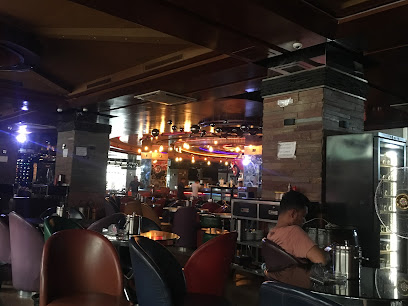
Sir
2.8 km
Experience the vibrant nightlife of Dhaka at Sir, a lively bar offering an extensive drink menu and a welcoming atmosphere.
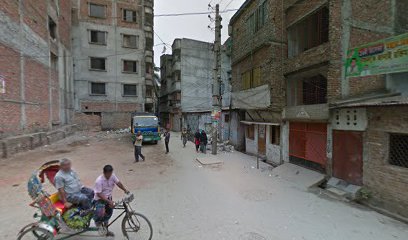
Dhanmondi Club Limited
2.9 km
Experience the vibrant nightlife of Dhaka at Dhanmondi Club Limited, where great drinks meet a lively atmosphere.
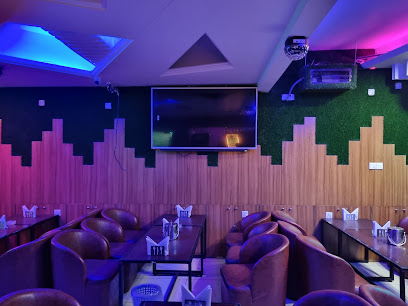
Hotel Grand Galaxy
3.0 km
Discover the lively charm of Hotel Grand Galaxy, Dhaka's top spot for chicken wings, wine, and a vibrant nightlife experience.
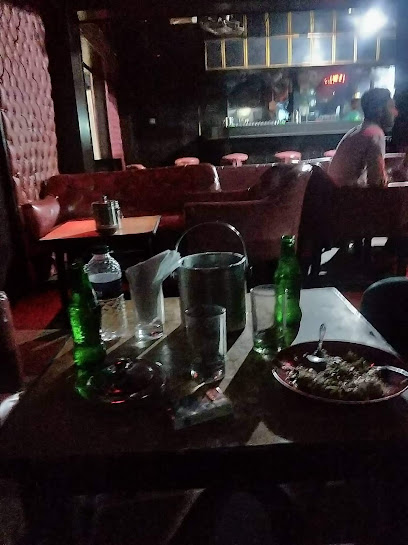
Bengal Bar
3.1 km
Experience the lively atmosphere and unique flavors at Bengal Bar, a must-visit destination in Dhaka for tourists and locals alike.
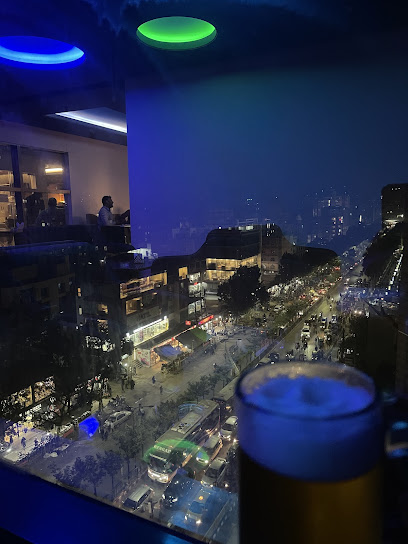
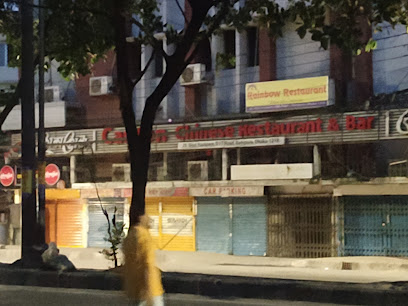
Canton Chinese Restaurant & Bar
3.2 km
Savor authentic Chinese flavors in Dhaka's vibrant Canton Chinese Restaurant & Bar, where culinary tradition meets a lively atmosphere.
Salsha Ghor
3.5 km
Discover the vibrant nightlife of Dhaka at Salsha Ghor, a stylish bar offering a delightful array of drinks and a lively atmosphere.
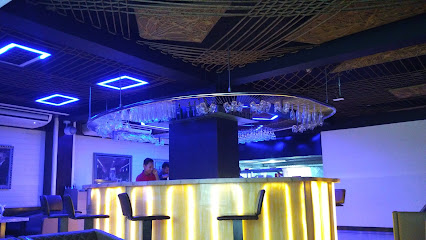
DPL Restaurant & Bar
3.6 km
Discover the vibrant flavors of Dhaka at DPL Restaurant & Bar – where local cuisine meets a lively atmosphere.
Nightclubs & after hour spots

Noakhali Club Dhaka Ltd
0.7 km
Experience the vibrant nightlife at Noakhali Club Dhaka Ltd, where socializing meets stunning views in the heart of Dhaka.
Bangladesh Bank Club
1.2 km
Discover the heart of Dhaka's nightlife at Bangladesh Bank Club, where music, dance, and unforgettable memories await you.
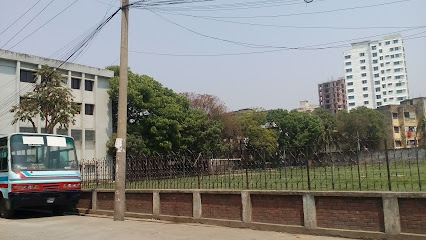
Teachers Lounge । Faculty of Arts, University of Dhaka
2.1 km
Experience a tranquil escape at the Teachers Lounge in the University of Dhaka, where scholarly vibes meet relaxation in an inspiring setting.
Eker Chad/ The Eker roof top
2.1 km
Discover the vibrant nightlife at Eker Roof Top in Dhaka, where stunning views and lively music create unforgettable memories.
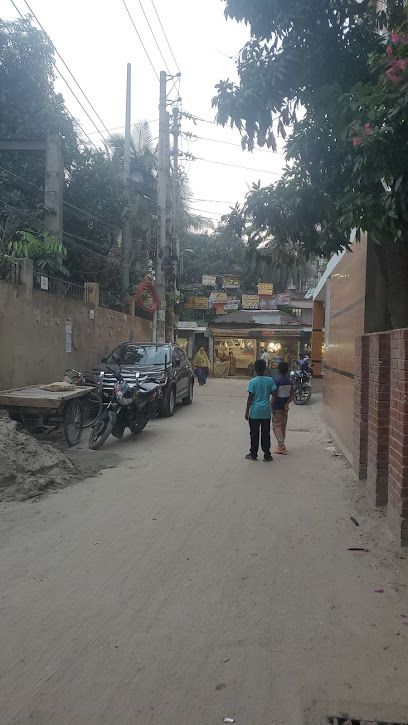
FBS Boys Common Room and Ice Cream Parlour
2.1 km
Discover a delightful blend of relaxation and indulgence at FBS Boys Common Room and Ice Cream Parlour, a must-visit lounge in Dhaka University.
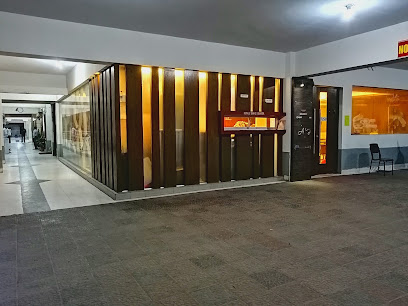
Fuwang Club
4.6 km
Experience the nightlife in Dhaka at Fuwang Club, where great drinks and vibrant atmosphere create unforgettable memories.
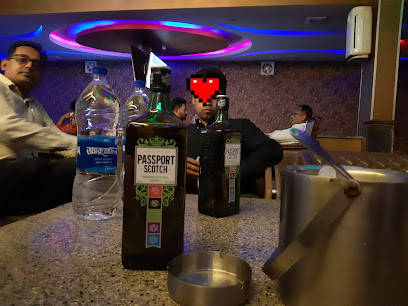
Griddle Cafe & Lounge
4.9 km
Discover the vibrant culinary scene at Griddle Cafe & Lounge in Dhaka, where delicious flavors meet a cozy atmosphere.
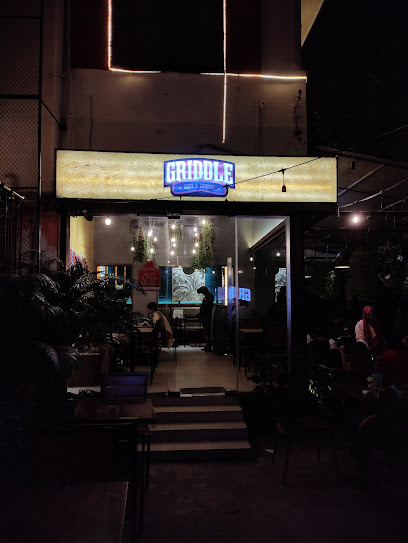
Lake View Recreation Club, Gulshan-1
5.9 km
Experience the perfect blend of relaxation and socializing at Lake View Recreation Club in Gulshan-1, Dhaka, with stunning lake views and a welcoming atmosphere.
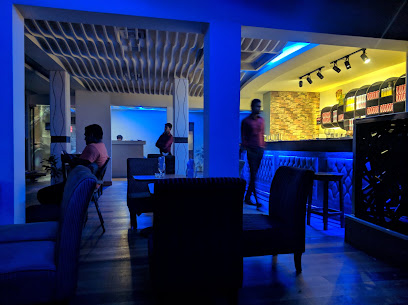
Hanif Khan
6.1 km
Experience the heart of Dhaka's nightlife at Hanif Khan, where music, dance, and culture come alive for an unforgettable evening.
Eargasmic Tunes
6.6 km
Discover the vibrant world of gaming at Eargasmic Tunes, Dhaka's premier game store, offering the latest titles and a welcoming community for gamers.
Adda Jone
6.7 km
Discover the energy and excitement of Dhaka's nightlife at Adda Jone, a premier night club where vibrant music and unforgettable experiences await.
Bluemoon Recreation Club
6.8 km
Explore the vibrant atmosphere of Bluemoon Recreation Club in Dhaka, offering dining, socializing, and fitness for the perfect leisure experience.
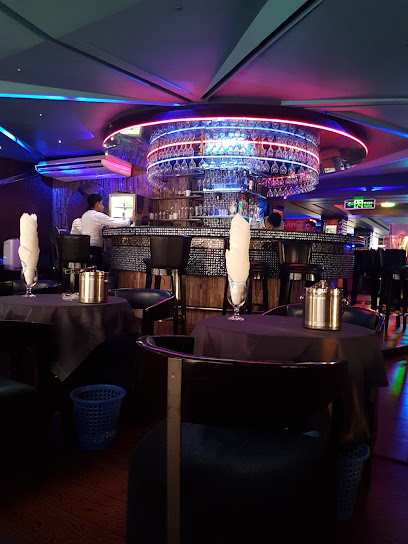
TRIBE Rooftop Lounge
6.9 km
Discover the perfect blend of ambiance and flavor at TRIBE Rooftop Lounge in Dhaka, offering stunning views and an exquisite menu.
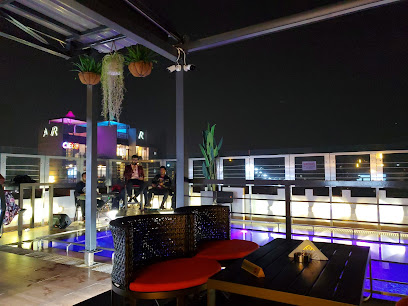
Jazz Reloaded Lounge
6.9 km
Jazz Reloaded Lounge: A vibrant Dhaka hotspot blending live jazz, exquisite dining, and a welcoming atmosphere for travelers.
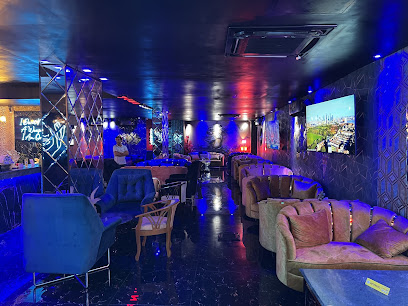
Bagha Club
6.9 km
Experience the vibrant social scene at Bagha Club, a hub of community and culture in the heart of Dhaka, perfect for tourists seeking local flavor.