

Ramna Botmul, Dhaka Travel Guide
Discover the historical charm and cultural significance of Ramna Botmul, a serene park in Dhaka and the heart of Bengali New Year celebrations.
Ramna Botmul, located within Ramna Park in Dhaka, Bangladesh, is a site of immense historical and cultural significance. Known particularly for hosting the Pohela Boishakh (Bengali New Year) celebrations, it symbolizes Bengali identity and cultural resilience.
A brief summary to Ramna Botmul
- PCP2+6HQ, Ramna Park, Ramna Foot Over Bridge, Dhaka, Ramna, BD
- Monday 6 am-7 pm
- Tuesday 6 am-7 pm
- Wednesday 6 am-7 pm
- Thursday 6 am-7 pm
- Friday 6 am-7 pm
- Saturday 6 am-7 pm
- Sunday 6 am-7 pm

Know before you go
Hi, I'm Eve. Here are a few practical things to know before exploring Ramna Botmul.
- Visit during Pohela Boishakh (Bengali New Year) to experience the vibrant cultural celebrations.
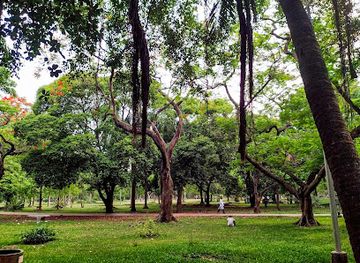
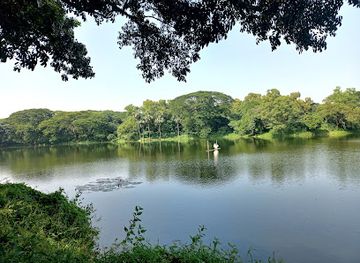
- Explore the broader Ramna Park for its lush greenery, lake, and tranquil environment.
- Check the park's opening hours, which typically range from sunrise to sunset.
- Be mindful of your belongings, especially during crowded events.
Do you manage this location?
Take control to get all the benefits, like improved information, better appearance, and stronger visibility across AI-powered discovery. Learn more about listing your business on Evendo
Activate your presenceOther nearby places you may find interesting
The closest places of the same kind, if this one is not quite what you had in mind.
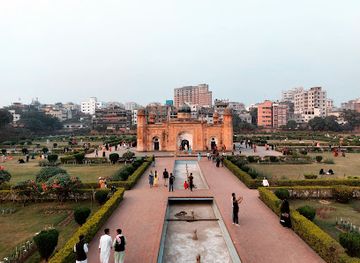
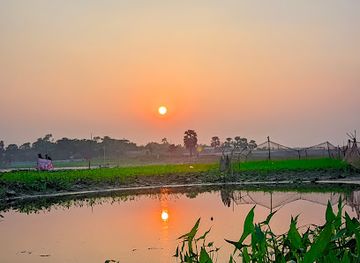
Explore Ramna Botmul on the Map
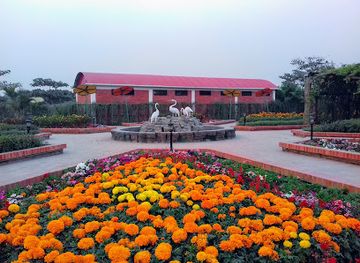
A handpicked selection of must-see spots near Ramna Botmul, mapped for you.
Getting There
-
Public Transport
Ramna Park is accessible via public transport. Several bus routes connect different parts of Dhaka to the park. Bus fares typically range from BDT 10 to BDT 30. You can also take the Dhaka Metro to Shahbagh station, which is adjacent to the park. A single metro ticket costs between BDT 20-50 depending on the distance. A Rapid Pass can be purchased for BDT 400, which includes a BDT 200 refundable deposit.
-
Taxi/Ride-Share
Taxis and ride-sharing services like Uber and Pathao are readily available in Dhaka. A short ride to Ramna Park from nearby areas typically costs between BDT 100 to BDT 300, depending on the distance and traffic conditions. CNG rickshaws are also a common mode of transport; be sure to negotiate the fare beforehand.
-
Walking
If you are in the vicinity of Dhaka University or Shahbagh, walking to Ramna Park is a pleasant option. The park is easily accessible on foot from these areas. Be aware of pedestrian traffic and road crossings.
-
Rickshaw
Rickshaws are a ubiquitous mode of transport in Dhaka for short distances. The cost for a short trip might be BDT 10-20, but it can be more for longer distances. It is advisable to negotiate the price before the trip.
Discover more about Ramna Botmul













Your all‑in‑one travel companion app
Explore expert travel guides, compare and book tours, experiences, hotels, and more—all from the palm of your hand. Download now for seamless trip planning wherever your wanderlust takes you.


Explore More of Dhaka
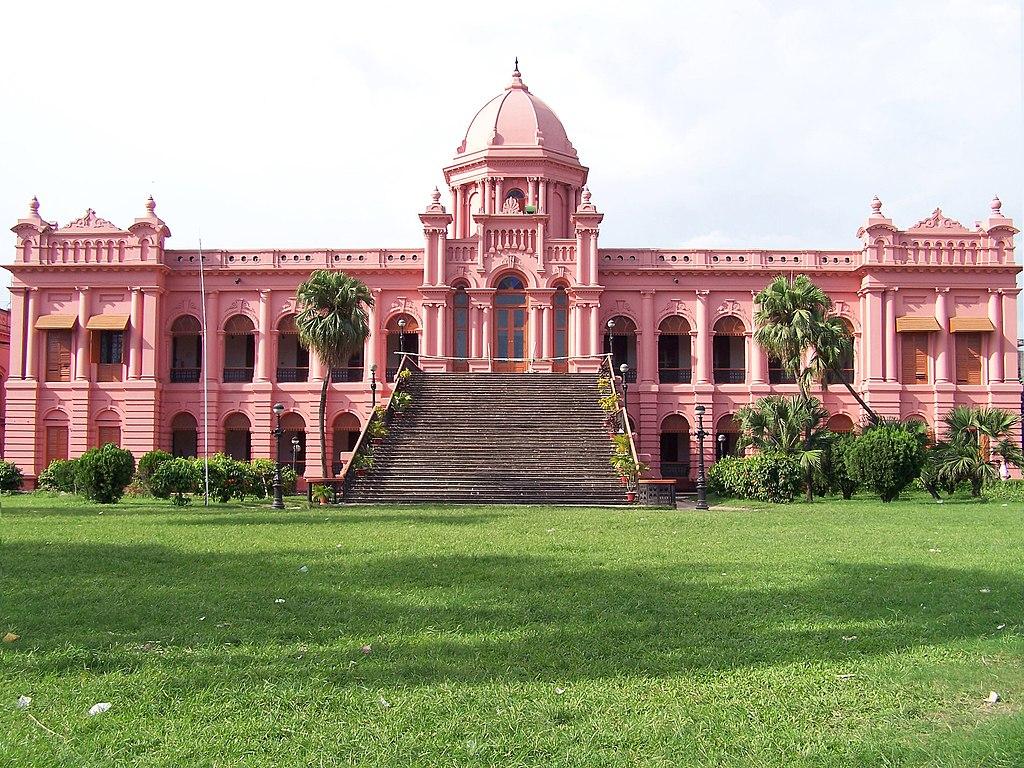
Looking beyond Ramna Botmul? Discover Dhaka for broader travel guides, local hot-spots, and regional highlights.
Explore Dhaka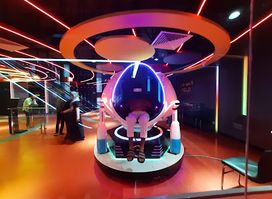
Experience thrilling rides, games, and attractions at Toggi Fun World, Dhaka's ultimate indoor amusement park located in Bashundhara City Shopping Mall.

Escape the city in Dhaka's historic Ramna Park, a serene lake and green space with Mughal-era roots and vibrant cultural celebrations.
