Background

Ramna Kali Temple: A Sanctuary of Resilience

Discover the Ramna Kali Temple in Dhaka, a symbol of resilience and spiritual heritage, offering a serene escape and a glimpse into Bengali Hindu culture.

4.6

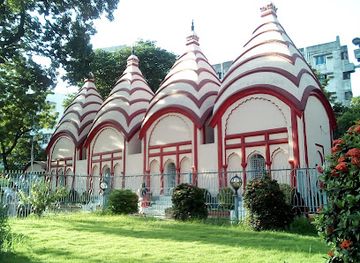
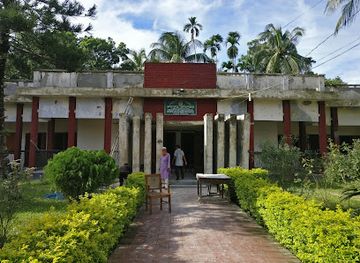
The Ramna Kali Temple, a beacon of Bengali Hindu culture in Dhaka, stands as a testament to resilience and spiritual devotion. Originally built during the Mughal era, this temple has a rich history, serving as a prominent landmark and a center for Hindu religious activities. Destroyed during the Bangladesh Liberation War in 1971, the temple has been rebuilt, symbolizing the enduring spirit of the community. Visitors can experience the serene atmosphere, admire the traditional Bengali architecture, and learn about the temple's significant role in the cultural and spiritual landscape of Bangladesh. Located near Ramna Park and Suhrawardy Udyan, it offers a peaceful retreat amidst the bustling city.

A brief summary to Ramna Kali Temple

  • 9-10, Old Mymensingh Road, Kazi Nazrul Islam Ave, Dhaka, Shahbagh, 1000, BD
  • +8801716-602444
  • Monday 12 am-12 am
  • Tuesday 12 am-12 am
  • Wednesday 12 am-12 am
  • Thursday 12 am-12 am
  • Friday 12 am-12 am
  • Saturday 12 am-12 am
  • Sunday 12 am-12 am

Local tips

  • Dress respectfully when visiting the temple; avoid wearing revealing clothing.
  • Remove your shoes before entering the main temple area.
  • Photography may be restricted in certain areas; ask for permission before taking pictures.
  • Visit during Kali Puja for a vibrant cultural experience, but be prepared for crowds.
  • Combine your visit with a stroll through nearby Ramna Park or Suhrawardy Udyan for a relaxing day.
widget icon

Getting There

  • Walking

    From the Bangla Academy or the Dhaka University area, the Ramna Kali Temple is easily accessible by foot. Head south along Kazi Nazrul Islam Avenue, keeping Ramna Park on your left. The temple entrance will be visible on the right side of the road, opposite the park's southern edge. The walk is approximately 10-15 minutes.

  • Public Transport

    If arriving by bus, disembark at the Shahbagh bus stop on Kazi Nazrul Islam Avenue. From there, walk east towards Ramna Park. The temple is located on the opposite side of the road, a short 5-minute walk. Bus fares in Dhaka range from BDT 10 to BDT 50 depending on the distance.

  • Taxi/Ride-Share

    Taxis and ride-sharing services like Uber and Pathao are readily available in Dhaka. Simply request a ride to Ramna Kali Temple, located on Kazi Nazrul Islam Avenue, opposite Ramna Park. A short ride from areas like Motijheel or Gulshan will typically cost between BDT 150 to BDT 300, depending on traffic.

Unlock the Best of Ramna Kali Temple

Buy tickets

    No tickets available

Book tours with entry

    No tours available

Book tours without entry

    No tours available

Discover more about Ramna Kali Temple

Ramna Kali Temple, also known as Ramna Kalibari, is a significant Hindu temple in Dhaka, Bangladesh, dedicated to the Goddess Kali. Its history stretches back to the Mughal period, with some accounts suggesting its origins trace back nearly 400 years. The temple gained prominence in the early 20th century when the renowned saint Ma Anandamayi established her ashram within its grounds, becoming a spiritual hub and drawing devotees from far and wide. The temple's location, beside the former Dhaka Racecourse (now Suhrawardy Udyan) and on the south side of Ramna Park, contributed to its historical significance. Ramna, meaning 'lawn' in Persian, was once an area occupied by Mughal officials, featuring gardens and open spaces. Over time, the temple became an integral part of the cultural and spiritual landscape of Dhaka. Ramna Kali Temple played a crucial role in the spiritual and cultural bonding between the people of India and Bangladesh. The temple was not only a place of worship but also a symbol of the shared heritage and traditions of the Bengali Hindu community. It served as a center for religious gatherings, festivals, and cultural events, fostering a sense of unity and identity among its devotees. Tragically, the temple was destroyed by Pakistani forces during Operation Searchlight in March 1971, a brutal crackdown that led to the Bangladesh Liberation War. The destruction of the temple and the massacre of its priests and devotees marked a dark chapter in the history of the temple and the nation. The event remains a painful reminder of the atrocities committed during the war and the loss of innocent lives. In the years following Bangladesh's independence, a small temple was set up at the site, allowing people to offer prayers and keep the memory of the original temple alive. However, it was not until 2017 that a reconstruction project was announced, with the support of the Indian government. The reconstruction of the Ramna Kali Temple was a significant undertaking, aimed at restoring the temple to its former glory and preserving its historical and cultural significance. The newly reconstructed Ramna Kali Temple was inaugurated in December 2021 by the President of India, Ram Nath Kovind, coinciding with the 50th anniversary of Bangladesh's victory in the Liberation War. The inauguration ceremony was a momentous occasion, symbolizing the strong ties between India and Bangladesh and the shared commitment to preserving cultural heritage. The rebuilt temple complex includes the main temple, a guest house, a deep tube-well, and a new entry gate. The architecture of the reconstructed temple reflects traditional Bengali styles, with intricate designs and vibrant colors. The temple stands as a beacon of hope and resilience, a testament to the enduring spirit of the community and the power of faith. Visiting the Ramna Kali Temple offers a unique opportunity to experience the spiritual atmosphere and learn about the temple's rich history. The temple is open to people of all faiths, and visitors are welcome to participate in prayers and ceremonies. The best time to visit is during festivals such as Kali Puja, when the temple comes alive with vibrant celebrations and cultural performances. Beyond its religious significance, the Ramna Kali Temple also serves as a reminder of the importance of preserving cultural heritage and promoting interfaith harmony. The temple stands as a symbol of resilience, unity, and the enduring spirit of the Bengali people. It is a must-visit destination for anyone interested in exploring the cultural and spiritual landscape of Dhaka. Today, the Ramna Kali Temple stands as a symbol of the revival of Bengali Hindu culture in East Bengal. It represents the enduring spirit of the Hindu community in Bangladesh and their commitment to preserving their religious and cultural traditions. The temple is not only a place of worship but also a center for cultural exchange and interfaith dialogue, promoting understanding and harmony among people of different backgrounds. The temple's location in the heart of Dhaka makes it easily accessible to visitors from all parts of the city. It is situated near other prominent landmarks such as Ramna Park, Suhrawardy Udyan, and the Bangla Academy, making it a convenient stop on any sightseeing tour of Dhaka. The temple's serene atmosphere and beautiful architecture provide a welcome respite from the hustle and bustle of the city, offering a space for reflection and contemplation. As you explore the temple complex, take time to admire the intricate details of the architecture, the vibrant colors of the deities, and the peaceful ambiance of the surroundings. Engage with the local community, learn about their traditions and beliefs, and experience the warmth and hospitality of the Bengali people. The Ramna Kali Temple is more than just a religious site; it is a living testament to the rich cultural heritage of Bangladesh and the enduring power of faith.

Popular Experiences near Ramna Kali Temple

Popular Hotels near Ramna Kali Temple

Select Currency