

Free Saint Michael Travel Guide & Mobile App
Explore Saint Michael with free travel guides. Discover regional history, expert tips, proposed trips, and audio guides on web or mobile app.


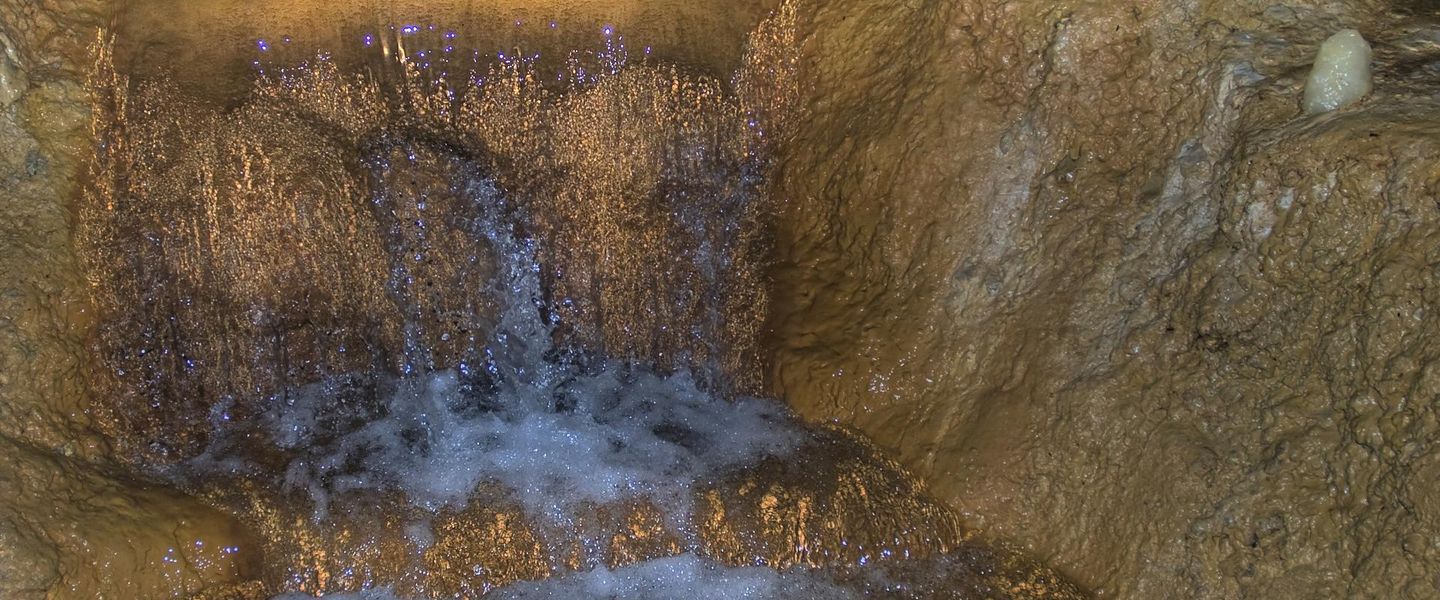


Explore Saint Michael, Barbados, for UNESCO-listed Bridgetown, coastal walks, cricket, Bajan food, museums and lively island culture.
Read more about Saint Michael
When is the best time to visit Saint Michael?
Best: February–April · 29–30°C| Month | High (°C) | Rainfall (mm) |
|---|---|---|
| January | 29 | 70 |
| February (best) | 29 | 50 |
| March (best) | 29 | 40 |
| April (best) | 30 | 50 |
| May | 31 | 70 |
| June | 31 | 100 |
| July | 31 | 120 |
| August | 31 | 140 |
| September | 31 | 130 |
| October | 31 | 120 |
| November | 30 | 100 |
| December | 30 | 80 |
Getting to and around Saint Michael
How to get there
Transportation
Top city travel guides in Saint Michael
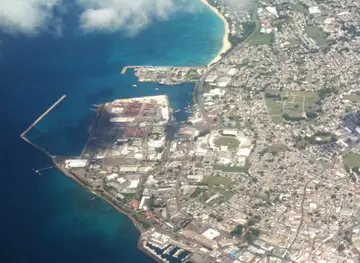
The cities of Saint Michael, and the easiest places to base yourself.
-
-

-

-

-


Swipe for more cities
Best attractions in Saint Michael
Saint Michael’s attractions centre on the connected experiences of Bridgetown, the Garrison and the south-west coast. Historic Bridgetown rewards walking, with the Careenage, Independence Square, Parliament Buildings, churches, arcades and waterfront streets revealing the capital’s commercial and civic history. The Garrison adds military heritage, open parade spaces and museums, while the Barbados Museum and Historical Society offers wider context for the island’s archaeology, colonial history and social development. Along Carlisle Bay and Needham’s Point, visitors find swimming, boating, diving and other water-based activities, subject to conditions and local safety advice. Kensington Oval provides a major sporting landmark and an insight into Barbados’s cricket culture, while Queen’s Park offers gardens, shade and a quieter setting near the city. The parish also contains galleries, cultural venues, churches, markets and everyday neighbourhood life that broaden the experience beyond designated heritage sites. Saint Michael is not a wilderness destination, but its compact urban coastline makes it easy to combine historical sightseeing with the sea, food and contemporary Barbadian culture in a single itinerary.
-
Racecourse
Garrison Savannah
Experience the thrill of horse racing and explore Barbados' rich history at Garrison Savannah, a cultural gem in Bridgetown, where sport and heritage meet.
-
Tourist attraction
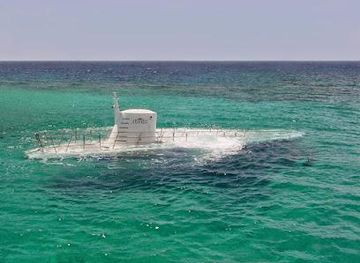
Atlantis Submarines
Explore Barbados' underwater world in a real submarine. Day and night dives reveal coral reefs, marine life, and shipwrecks.
-
Tourist attraction
Atlantis Submarines Barbados
Experience the magic of Barbados' underwater world with Atlantis Submarines! Dive to 150 feet and explore vibrant marine life in a real submarine.
-
Tourist attraction
Mount Gay Visitors' Centre
Experience over 300 years of Barbadian rum-making history at the Mount Gay Visitors' Centre, where you can explore the legacy, craftsmanship, and culture of the world's oldest commercial rum distillery.



Best landmarks in Saint Michael
The defining landmark of Saint Michael is the historic urban ensemble of Bridgetown and its Garrison, whose streets and buildings express Barbados’s long relationship with Atlantic trade, colonial administration and military defence. The Careenage is the city’s practical and visual centre, where the waterway meets bridges, promenades and commercial streets. Parliament Buildings, constructed in a nineteenth-century Gothic Revival style, give national significance to the central Bridgetown townscape, while Independence Square and the National Heroes Square area form important civic spaces. St Michael’s Cathedral reflects the capital’s ecclesiastical history, and the Nidhe Israel Synagogue and associated heritage site recall the longstanding Jewish presence in Barbados. The Garrison’s former military buildings and parade ground form a substantial historic landscape rather than a single monument. Along the coast, Needham’s Point and Carlisle Bay are geographical landmarks, marking the meeting of Bridgetown’s urban edge, historic military ground and open Caribbean shoreline. Kensington Oval is a modern cultural landmark, associated with the island’s enduring cricket tradition.
-
Department store
Bridgetown Duty Free Broad Street
Discover unparalleled shopping at Bridgetown Duty Free, where luxury meets affordability in the heart of Barbados, all tax-free.
-
Hotel
Hilton Barbados Resort
Experience beachfront luxury at Hilton Barbados Resort on Needham's Point, a UNESCO World Heritage Site with stunning ocean views.
-
Tourist attraction
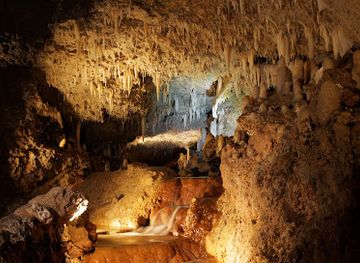
Harrison's Cave Eco-Adventure Park
Discover Barbados' geological heart with tram tours, ziplining, and rum tastings at Harrison's Cave Eco-Adventure Park. A natural wonder awaits!
-
Beach club
The Boatyard Beach Club
Discover the vibrant atmosphere of The Boatyard Beach Club in Bridgetown, where relaxation meets lively nightlife in a tropical paradise.



Explore Saint Michael on the map
Plan your trip on one map. See where the top cities, national parks and sights are, and book hotels and experiences in a few clicks.
Best hotels in Saint Michael
Best restaurants in Saint Michael
Dining in Saint Michael ranges from informal Bajan cooking and bakery counters to hotel restaurants, contemporary Caribbean kitchens and polished waterfront establishments. Local dishes commonly encountered include flying fish with cou-cou, fish cakes, macaroni pie, rice and peas, steamed or fried fish, and pudding and souse; recipes and presentation vary between cooks and venues. Bridgetown’s cafés and casual eateries suit a daytime break, while the Garrison and the south-west coast offer a mixture of restaurants, bars and dining rooms with Caribbean, international and seafood menus. Rum is central to Barbados’s food and drink heritage, and local rum-based cocktails appear widely, alongside beer, juices and non-alcoholic drinks. Farmers’ markets and food stalls can provide access to seasonal produce and snacks, though individual market days and vendors change. Prices and service styles vary considerably between a local lunch counter, a pub-style restaurant and a resort dining room, so checking menus before ordering is sensible.
-
Restaurant
The Boatyard Beach Club
Experience vibrant dining and nightlife at The Boatyard Beach Club in Bridgetown - your ultimate Caribbean escape by the sea.
-
Restaurant
Champers Restaurant Barbados
Experience exquisite Caribbean cuisine with stunning ocean views at Champers Restaurant in Barbados.
-
Seafood
Cuzz's Fish Stand
Discover authentic Barbadian flavors at Cuzz's Fish Stand in Bridgetown – your go-to spot for fresh and delicious seafood.
-
Restaurant
The Worthing Square Food Court
Explore diverse flavors at The Worthing Square Food Court in Bridgetown - A gastronomic paradise showcasing local and international cuisine.


Best bars in Saint Michael
Saint Michael has Barbados’s broadest concentration of evening activity, although its nightlife is more varied than a conventional nightclub strip. Bridgetown provides pubs, rum shops, hotel bars, restaurants and occasional live-music settings, while the Garrison and nearby south-west coast are important areas for relaxed dinners, cocktails and social evenings. Some venues focus on cricket, sport or local music rather than late dancing, and entertainment schedules can be seasonal or change without much notice. Larger events and festival periods may bring amplified music and later activity, whereas many inland neighbourhoods become quiet after normal business hours. Visitors seeking nightlife should arrange transport back to their accommodation in advance, particularly if staying outside Saint Michael. Rum and other drinks are part of the local hospitality scene, but enjoying the parish’s evening culture can equally mean dining, listening to music, attending a performance or taking an early coastal stroll.
-
Bar
The Boatyard Beach Club
Experience the perfect blend of beach relaxation and nightlife at The Boatyard Beach Club in Bridgetown, Barbados, where every moment is a celebration.
-
Grill
Blakey's Bar & Restaurant
Discover Blakey's Bar & Restaurant in Bridgetown for a vibrant atmosphere and mouthwatering grilled dishes, perfect for any occasion.
-
Bar
La Cabane
Experience the vibrant atmosphere of La Cabane, where delicious cuisine meets breathtaking ocean views on the beautiful shores of Barbados.
-
Cocktail bar
Cocktail Kitchen
Discover Cocktail Kitchen in St. Lawrence Gap, where innovative cocktails meet a lively Caribbean atmosphere for an unforgettable night out.
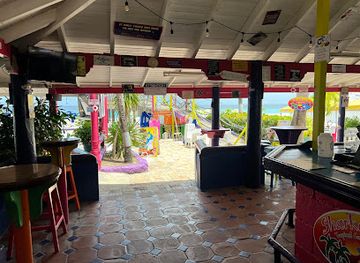


Best nightclubs in Saint Michael
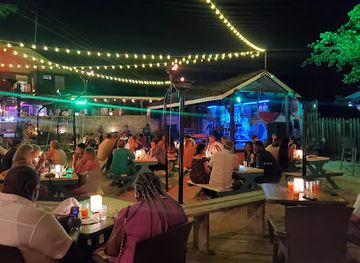
Saint Michael has Barbados’s broadest concentration of evening activity, although its nightlife is more varied than a conventional nightclub strip. Bridgetown provides pubs, rum shops, hotel bars, restaurants and occasional live-music settings, while the Garrison and nearby south-west coast are important areas for relaxed dinners, cocktails and social evenings. Some venues focus on cricket, sport or local music rather than late dancing, and entertainment schedules can be seasonal or change without much notice. Larger events and festival periods may bring amplified music and later activity, whereas many inland neighbourhoods become quiet after normal business hours. Visitors seeking nightlife should arrange transport back to their accommodation in advance, particularly if staying outside Saint Michael. Rum and other drinks are part of the local hospitality scene, but enjoying the parish’s evening culture can equally mean dining, listening to music, attending a performance or taking an early coastal stroll.
-
Night club
Harbour Lights Barbados
Discover the ultimate nightlife experience at Harbour Lights Barbados, where dining meets entertainment in a vibrant Caribbean setting.
-
Bar
Crystal Waters Beach Bar
Discover the charm and energy of Crystal Waters Beach Bar in Barbados, where local flavors and ocean views create the perfect island escape.
-
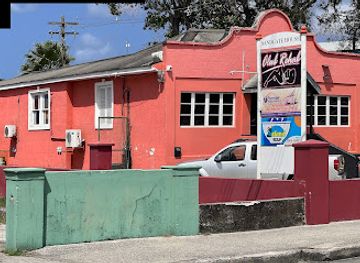
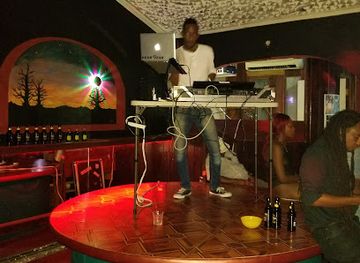
Disco club
Club Rehab
Experience the vibrant nightlife at Club Rehab, where music and dance create unforgettable memories in the heart of Bridgetown.
-
Bar
Incognito Night Club
Discover the lively nightlife at Incognito Night Club in Christ Church, Barbados, where unforgettable music and a vibrant atmosphere await.

Best shops in Saint Michael
Shopping in Saint Michael is concentrated in Bridgetown, where central streets, arcades, department stores, jewellers, pharmacies, fashion retailers, bookshops and small independent businesses serve both residents and visitors. The city is a practical place to buy Barbadian food products, rum, confectionery, textiles, craft items and souvenirs, while the waterfront and cruise-port area may offer additional visitor-oriented retail that changes with port activity. Market culture is most useful for understanding everyday commerce and buying fresh produce or prepared food, but opening days and individual stalls can vary. The Garrison and coastal areas have smaller clusters of boutiques, galleries and gift shops rather than a single large shopping district. Look for locally made ceramics, paintings, jewellery, woven goods and packaged island products, and distinguish genuinely Barbadian work from generic imports. Bridgetown’s retail core is primarily a daytime destination, so plan purchases before shops close and keep receipts for higher-value goods or duty-related queries.
-
Department store
Bridgetown Duty Free Broad Street
Discover luxury shopping at Bridgetown Duty Free, where tax-free treasures await in the heart of Barbados.
-
Shopping mall
The Walk at Welches
Discover shopping and dining bliss at The Walk at Welches, a vibrant mall in Saint Thomas, Barbados, perfect for tourists seeking local flair.
-
Clothing store
Fusionz Boutique
Explore the vibrant styles of Barbados at Fusionz Boutique, a unique clothing store in the heart of Bridgetown.
-
Supermarket
Shopsmart Express Worthing
Experience the best of local shopping at Shopsmart Express Worthing, your go-to supermarket for all essentials in Oistins, Barbados.


Get your free copy of our complete guide to Saint Michael, delivered straight to you.
Everything on this page, from attractions and restaurants to essentials and local phrases, in one PDF you can read offline, print or share.
Already have an account? Sign in
Your Saint Michael guide is ready.
We'll send it to · Not you? Sign out

Getting your guide ready…
We are putting together a fresh copy of the Saint Michael guide. This can take up to a minute.
This can take a few moments. If your browser asks, choose Allow so the download can start. You'll find the guide in your Downloads folder.
Nothing happened? Download it again
Sorry, the guide is taking longer than usual. Please try again in a minute, or get it by email instead.
Saint Michael essentials
Currency and Payment
Safety
Emergency Situations
Do's and Don'ts
Local Tips
From Eve
Local phrases worth knowing
You don't need to get them perfect. A few words go a long way, and locals appreciate the effort.
Basics
| English | Local | Say it |
|---|---|---|
| Hello | Wah gwaan | [Wah gwaan] |
| Goodbye | Later | [Lateh] |
| Yes | Yea | [Yea] |
| No | Nah | [Nah] |
| Please/You're welcome | No problem | [No problem] |
| Thank you | Thanks | [Thanks] |
| Excuse me/Sorry | Sorry | [Sorry] |
| How are you? | How yuh doin’? | [How yuh doin’] |
| Fine. And you? | I good. An yuh? | [I good. An yuh?] |
| Do you speak English? | Yuh speak English? | [Yuh speak English?] |
| I don't understand | I don’t get it | [I don’t get it] |
Eating & Drinking
| English | Local | Say it |
|---|---|---|
| I'd like to see the menu, please | Could I see the menu, please? | [Could I see de menu, please?] |
| I don't eat meat | I don’t eat meat | [I don’t eat meat] |
| Cheers! | Cheers! | [Cheers!] |
| I would like to pay, please | I would like to pay, please | [I would like to pay, please] |
Emergencies
| English | Local | Say it |
|---|---|---|
| Help! | Help! | [Help!] |
| Go away! | Go way! | [Go way!] |
| Call the Police! | Call de Police! | [Call de Police!] |
| Call a doctor! | Call a doctor! | [Call a doctor!] |
| I'm lost | I lost | [I lost] |
| I'm ill | I not feeling well | [I not feeling well] |
Shopping
| English | Local | Say it |
|---|---|---|
| I'd like to buy... | I want to buy... | [I want to buy...] |
| I'm just looking | I just browsing | [I just browsing] |
| How much is it? | How much dat cost? | [How much dat cost?] |
| That's too expensive | Dat too expensive | [Dat too expensive] |
| Can you lower the price? | Can yuh lower de price? | [Can yuh lower de price?] |
Time & Numbers
| English | Local | Say it |
|---|---|---|
| What time is it? | Wah time it? | [Wah time it?] |
| It's one o'clock | It one o'clock | [It one o'clock] |
| Half past (10) | Half past ten | [Half past ten] |
| Morning | Mornin’ | [Mornin’] |
| Afternoon | Afternoon | [Afternoon] |
| Evening | Evenin’ | [Evenin’] |
| Yesterday | Yesterday | [Yesterday] |
| Today | Today | [Today] |
| Tomorrow | Tomorrow | [Tomorrow] |
| 1 | One | [One] |
| 2 | Two | [Two] |
| 3 | Three | [Three] |
| 4 | Four | [Four] |
| 5 | Five | [Five] |
| 6 | Six | [Six] |
| 7 | Seven | [Seven] |
| 8 | Eight | [Eight] |
| 9 | Nine | [Nine] |
| 10 | Ten | [Ten] |
Transport & Directions
| English | Local | Say it |
|---|---|---|
| Where's a/the...? | Whey de...? | [Whey de...?] |
| What's the address? | Wah de address? | [Wah de address?] |
| Can you show me (on the map)? | Can yuh show me on de map? | [Can yuh show me on de map?] |
| When's the next (bus)? | When de next bus? | [When de next bus?] |
| A ticket (to ....) | A ticket to... | [A ticket to...] |
History of Saint Michael
Indigenous Settlement and Early Encounters
Long before European colonisation, Barbados was visited and settled by Indigenous peoples, including communities associated with the Saladoid and later Arawakan cultural traditions. Archaeological evidence from across the island demonstrates occupation, farming, fishing and movement through the Caribbean centuries before English settlement. The south-western area that later became Saint Michael formed part of this wider island landscape rather than an isolated urban centre. European encounters in the sixteenth century altered regional trade, population patterns and political control, laying the groundwork for the colonial transformation that followed.
English Settlement and the Growth of Bridgetown
English colonists established a permanent settlement in Barbados in 1627, and Bridgetown developed around a navigable inlet on the south-west coast. Earlier maps and records refer to the settlement as Indian Bridge, reflecting a crossing over the waterway now associated with the Careenage. The town became an administrative, commercial and maritime centre, linking plantations in the island’s interior with Atlantic shipping. Its street plan, waterfront and early buildings grew from these practical functions, while Saint Michael’s parish identity developed alongside Bridgetown’s expanding civic importance.
Plantation Society, Enslavement and Emancipation
Sugar cultivation transformed Barbados during the seventeenth and eighteenth centuries, creating immense wealth for plantation owners while relying on the forced labour of enslaved Africans. Bridgetown served as a port for the export of sugar and other goods and as a centre of administration, trade and resistance. The legacy of enslavement remains visible in Barbados’s population, institutions and historical debate. Apprenticeship followed emancipation in 1834, with full freedom in 1838, but social and economic inequalities established during plantation society continued to shape the island long afterwards.
The Garrison and Imperial Defence
The military district known as the Garrison developed near Bridgetown as Britain strengthened its Caribbean defences. Barracks, parade grounds, roads and supporting buildings accumulated over the eighteenth and nineteenth centuries, making the area one of the largest surviving colonial military complexes in the Caribbean. Its position beside Carlisle Bay connected defence with maritime trade and naval movement. Today, the Garrison forms part of Historic Bridgetown and its Garrison, while surviving structures and open spaces help explain Barbados’s strategic role in the British Atlantic world.
Bridgetown as a Commercial and Civic Capital
During the nineteenth and early twentieth centuries, Bridgetown became increasingly important as Barbados’s administrative, commercial and transport centre. Merchants, dock workers, artisans, civil servants and professionals shaped a more complex urban society around the port and central streets. Public buildings, churches, banks and shops reflected the city’s changing functions, while improvements to the harbour and communications strengthened links with Britain and other Caribbean territories. This period established much of the civic landscape visitors see today, even though later redevelopment altered parts of the waterfront and commercial core.
Political Change and Independence
Barbados experienced gradual constitutional and social change during the twentieth century, including the expansion of the franchise, the growth of organised labour and the development of mass political movements. Bridgetown was a principal setting for public debate, administration and demonstrations, while the surrounding parish became increasingly urbanised. Barbados achieved independence from the United Kingdom in 1966, and Bridgetown became the capital of the new state. Parliament, public squares, cultural institutions and national ceremonies continue to give Saint Michael a central role in contemporary Barbadian life.
Heritage Recognition and Contemporary Urban Life
The historic relationship between Bridgetown, its harbour and the Garrison received international recognition when Historic Bridgetown and its Garrison was inscribed on the UNESCO World Heritage List in 2011. The designation reflects the area’s town planning, architecture and importance within Atlantic commerce and imperial history. Saint Michael has continued to evolve as Barbados’s principal urban parish, balancing conservation with offices, retail, tourism, education, sport and residential growth. Its modern identity is therefore both historic and lived-in, rather than confined to preserved monuments.
Saint Michael in Photos
Browse through our photo collection highlighting the charm and character of the destination.
Neighbouring regions of Saint Michael
The closest regions to Saint Michael, if you have time for more than one.
-

-

-

-
-


Swipe for more regions
Explore more

Explore more of Barbados
Discover Barbados: Pristine beaches, rich history, and vibrant culture await in this Caribbean paradise. Perfect for adventure, relaxation, and culinary delights.
Explore Barbados