

Free St. Lawrence Gap Travel Guide & Mobile App
Plan your St. Lawrence Gap trip with Evendo. Get free guides to top attractions, restaurants, hotels, and bars. Web access or download the mobile app.


St Lawrence Gap, Barbados, blends Atlantic beaches, Caribbean dining, live music, water sports and easy island sightseeing along a lively coastal strip.
A Coastal Village with Character
St Lawrence Gap is a compact seaside district on the south coast of Barbados, stretching along a narrow coastal road in the parish of Christ Church. Often shortened to “The Gap”, it combines a sheltered sandy beach, rocky Atlantic-facing shorelines, small hotels, apartments, restaurants, rum shops, bars and water-sports operators within an easily explored area. Its appeal lies in the way everyday Barbadian life and international holiday culture meet: fishermen and residents share the coastline with visitors, while evening tables spill towards the road and music carries between venues.Read more about St. Lawrence Gap
Beach Days and Evening Energy
Gateway to the South Coast
When is the best time to visit St. Lawrence Gap?
Best: April, June–July · 30–31°C| Month | High (°C) | Rainfall (mm) |
|---|---|---|
| January | 30 | 70 |
| February | 30 | 60 |
| March | 30 | 60 |
| April (best) | 30 | 50 |
| May | 31 | 50 |
| June (best) | 31 | 40 |
| July (best) | 31 | 40 |
| August | 31 | 40 |
| September | 31 | 50 |
| October | 30 | 60 |
| November | 30 | 70 |
| December | 30 | 70 |
Getting to and around St. Lawrence Gap
How to get there
Transportation
Best attractions in St. Lawrence Gap
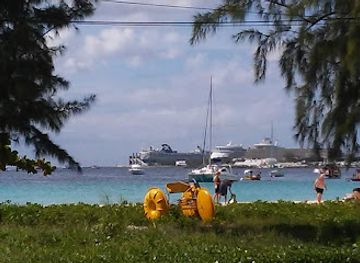
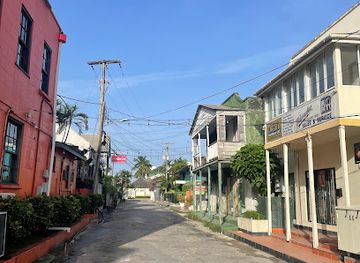
The principal attraction in St Lawrence Gap is its coastal setting, where Dover Beach provides a broad sandy shoreline and generally sheltered water for swimming, paddleboarding and relaxation. The adjoining road brings together small shops, restaurants, accommodation and access points to the sea, making the district easy to explore in short walks. Nearby Maxwell Beach offers another appealing stretch of south-coast sand, while Worthing Beach continues the shoreline towards Bridgetown. Water-sports operators in the area provide opportunities for snorkelling, boat excursions and other marine activities, subject to weather and sea conditions. The Gap itself is less about monumental sightseeing than the pleasure of moving between beaches, coastal viewpoints and local businesses. For larger cultural attractions, visitors can travel to Bridgetown and the Garrison, or to Oistins for its harbour and fish-market atmosphere, both within the wider south-coast orbit rather than inside the Gap.
-
 Hotel
HotelThe Crane Resort, Barbados
Experience timeless elegance and粉色 sands at The Crane Resort, the Caribbean's oldest continuously operating hotel, offering luxurious accommodations and breathtaking ocean views in Barbados.
34 min drive · 14 km from city centre
-
Racecourse
Garrison Savannah
Experience the thrill of horse racing and Barbadian history at the Garrison Savannah, a UNESCO World Heritage Site steeped in tradition and culture.
11 min drive · 3.8 km from city centre
-
Tourist attraction
Atlantis Submarines
Explore Barbados' underwater world in a real submarine! Day and night dives to reefs and shipwrecks. A unique adventure for all ages.
22 min drive · 7.2 km from city centre
-
Tourist attraction
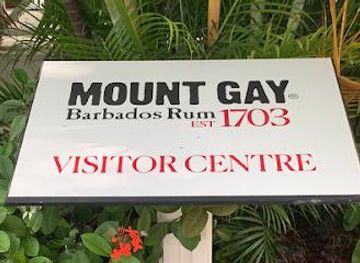
Mount Gay Visitors' Centre
Discover the heritage of the world's oldest rum at the Mount Gay Visitor's Centre in Barbados, where you can explore the rum-making process and savor the flavors of Bajan culture.
23 min drive · 7.6 km from city centre


Best landmarks in St. Lawrence Gap
St Lawrence Gap has few monumental buildings of its own; its defining landmarks are coastal and urban rather than grand architectural statements. Dover Beach is the district’s most recognisable natural reference point, while the narrow road corridor known as the Gap gives the area its name and physical identity. Nearby, the Christ Church Parish Church represents the island’s long Anglican tradition, although the present building reflects rebuilding after earlier structures were damaged or destroyed. The wider south coast also leads towards Bridgetown’s historic Garrison, a major military landscape associated with British colonial power and now part of the UNESCO-listed Historic Bridgetown and its Garrison. Oistins Bay, with its harbour, fish market and waterfront activity, provides another significant local point of reference. Together these places show how Barbados’s identity is expressed through coastline, parish institutions, maritime activity and colonial-era infrastructure.
-
Scenic spot
Cherry Tree Hill Reserve
Discover the stunning vistas at Cherry Tree Hill Reserve, a premier scenic spot in Barbados perfect for nature lovers and photographers.
43 min drive · 23 km from city centre
-
Tourist attraction
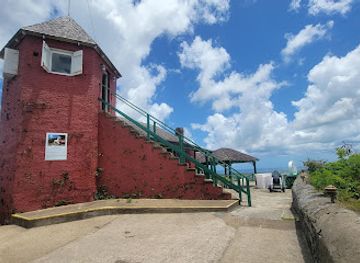
Gun Hill Signal Station
Discover panoramic views and Barbadian history at Gun Hill Signal Station, a beautifully restored 19th-century military outpost with captivating island vistas.
25 min drive · 8.3 km from city centre
-
Historical place
George Washington House
Explore the George Washington House, where American history intertwines with the vibrant culture of Barbados amidst lush gardens and rich narratives.
12 min drive · 4.1 km from city centre
-
Heritage museum
St. Nicholas Abbey and Steam Railway
Experience the rich heritage of Barbados at St. Nicholas Abbey and Steam Railway, where history, rum, and scenic train rides await you.
43 min drive · 23 km from city centre
Explore St. Lawrence Gap on the map
Plan your St. Lawrence Gap trip on one map. See where the top attractions, landmarks, restaurants, bars and hotels are, find what's near where you're staying, and book hotels and experiences in a few clicks.
Best hotels in St. Lawrence Gap
Best restaurants in St. Lawrence Gap
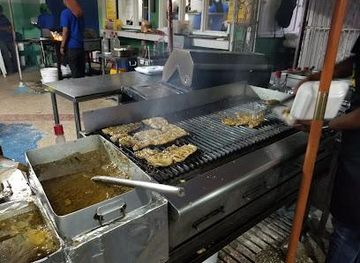
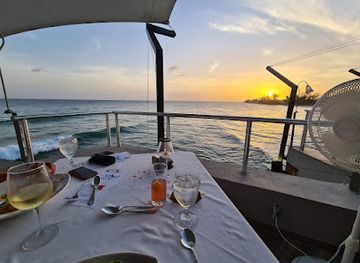
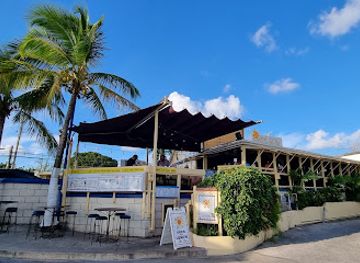
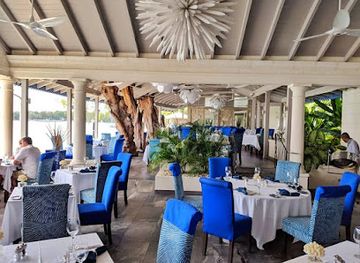
Dining in St Lawrence Gap reflects Barbados’s position between Caribbean tradition and an international visitor economy. Local menus commonly feature flying fish, fish cakes, pepperpot, macaroni pie, rice and peas, grilled seafood and hearty Bajan seasonings, while casual counters and rum shops provide an informal introduction to island flavours. Restaurants along the Gap range from relaxed beachside meals and cafés to more polished establishments serving seafood, Caribbean cooking and international dishes. Oistins, a short distance away, is especially associated with fish-market culture and the Friday-night fish-fry tradition, where grilled fish and local accompaniments are central to the experience. Food shopping and home cooking are also represented by nearby supermarkets and small vendors. Dining tends to be sociable and unhurried, with outdoor tables particularly suited to the south coast’s warm evenings and sea breezes.
-
Seafood
Oistins Fish Market
Barbados' ultimate Friday night feast: fresh-grilled fish, pulsing calypso beats, and communal picnic tables under south coast stars in lively Oistins.
9 min drive · 3.1 km from city centre
-
Restaurant
Champers Restaurant Barbados
Experience exquisite fine dining at Champers Restaurant in Barbados with stunning ocean views and delectable local cuisine.
5 min drive · 1.7 km from city centre
-
Mexican
Cafe Sol
Experience authentic Mexican cuisine in a vibrant setting at Cafe Sol, located in beautiful Oistins, Barbados.
6 min walk · 0.5 km from city centre
-
Fine Dining
The Tides Barbados
Experience unparalleled fine dining at The Tides Barbados with exquisite seafood and breathtaking ocean views.
35 min drive · 15 km from city centre
Best bars in St. Lawrence Gap
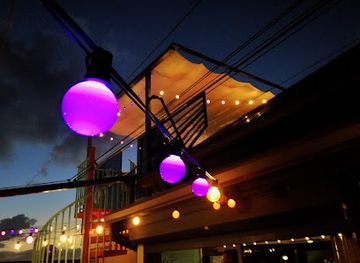
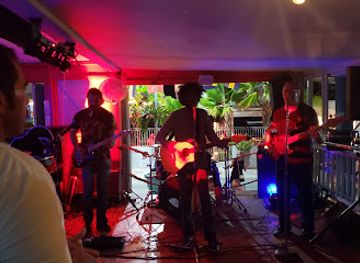
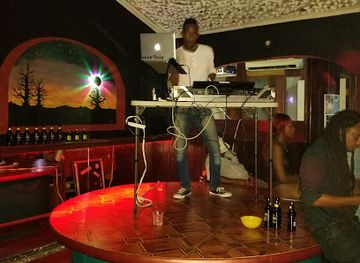
St Lawrence Gap is one of Barbados’s better-known evening districts, though its nightlife is more varied than a single club scene. Bars, rum shops, hotel lounges and casual venues line the coastal road, offering local rum, Banks Beer, cocktails, music and conversation. Some evenings bring live bands, DJs or Caribbean dance styles, while other venues are suited to a quieter drink overlooking the coast. The atmosphere becomes more social after dinner, with visitors moving between adjoining establishments rather than remaining in one large entertainment complex. Oistins provides a different evening experience centred on food, music and community gatherings, and Bridgetown offers theatres, larger venues and a broader urban programme. Visitors should remember that the main road remains active after dark and should use care when walking between venues.
-
Cocktail bar
Cocktail Kitchen
Discover the vibrant Cocktail Kitchen in St. Lawrence Gap, Barbados, where handcrafted cocktails and a lively atmosphere await every visitor.
6 min walk · 0.5 km from city centre
-
Bistro
Primo Bar & Bistro
Discover the vibrant flavors of Barbados at Primo Bar & Bistro, where gourmet cuisine meets a lively atmosphere in St. Lawrence Gap.
6 min walk · 0.5 km from city centre
-
Bar
Castaways Barbados
Discover the Caribbean charm at Castaways Barbados, a vibrant bar and restaurant in St. Lawrence Gap perfect for dining, drinks, and entertainment.
6 min walk · 0.5 km from city centre
-
Bar
Mimosas Trattoria and Bar
Experience the vibrant flavors of the Caribbean at Mimosas Trattoria and Bar, a top dining destination in St. Lawrence Gap, Barbados.
4 min walk · 0.3 km from city centre
Best nightclubs in St. Lawrence Gap
St Lawrence Gap is one of Barbados’s better-known evening districts, though its nightlife is more varied than a single club scene. Bars, rum shops, hotel lounges and casual venues line the coastal road, offering local rum, Banks Beer, cocktails, music and conversation. Some evenings bring live bands, DJs or Caribbean dance styles, while other venues are suited to a quieter drink overlooking the coast. The atmosphere becomes more social after dinner, with visitors moving between adjoining establishments rather than remaining in one large entertainment complex. Oistins provides a different evening experience centred on food, music and community gatherings, and Bridgetown offers theatres, larger venues and a broader urban programme. Visitors should remember that the main road remains active after dark and should use care when walking between venues.
-
Cocktail bar
Cocktail Kitchen
Experience the vibrant nightlife at Cocktail Kitchen in St. Lawrence Gap, where expertly crafted cocktails meet a lively atmosphere for an unforgettable evening.
6 min walk · 0.5 km from city centre
-
Bar
The Dive
Discover the pulse of Oistins nightlife at The Dive, where delicious drinks and vibrant music create unforgettable evenings in Barbados.
6 min walk · 0.4 km from city centre
-
Bar
Hal's Carpark Bar
Discover the vibrant nightlife of Oistins at Hal's Carpark Bar, where local culture and refreshing drinks come together for an unforgettable experience.
5 min walk · 0.4 km from city centre
-
Bar
Incognito Night Club
Experience the vibrant nightlife of Oistins at Incognito Night Club, where music, dance, and Caribbean spirit come together for an unforgettable evening.
16 min walk · 1.3 km from city centre
Best shops in St. Lawrence Gap
Shopping in St Lawrence Gap is concentrated in small convenience stores, beach-oriented outlets, souvenir shops, pharmacies and independent businesses rather than a large enclosed retail centre. Visitors can look for Barbados-branded rum, hot sauces, spices, confectionery, locally made craft items, beachwear and practical holiday goods, while larger supermarkets on the south coast are useful for provisions. Oistins offers a more local market atmosphere connected with fish, food and everyday commerce, and Bridgetown provides the island’s broadest selection of shops, markets and historic commercial streets. Craft shopping across Barbados may include pottery, jewellery, woodwork, woven goods and artwork, but quality and provenance vary, so asking how an item was made can be worthwhile. The best retail experience in the Gap is generally informal and small-scale, reflecting its role as a coastal neighbourhood rather than a dedicated shopping district.
-
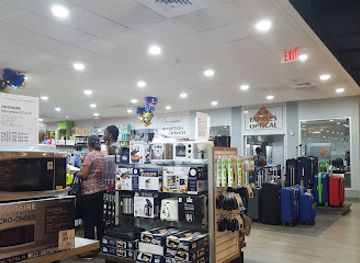
Department store
Bridgetown Duty Free Broad Street
Bridgetown Duty Free on Broad Street offers an unforgettable shopping experience with luxury brands, local crafts, and delightful dining options in vibrant Barbados.
17 min drive · 5.7 km from city centre
-
Shopping mall
Limegrove Lifestyle Centre
Explore the luxurious Limegrove Lifestyle Centre in Barbados, where shopping, dining, and entertainment converge in a stunning Caribbean setting.
35 min drive · 15 km from city centre
-
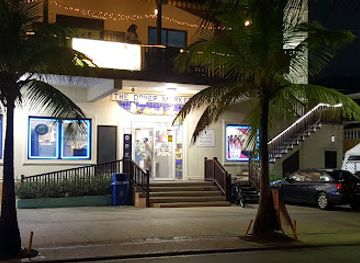
Convenience store
The Dover Market
Discover The Dover Market, your essential convenience stop in Lawrence Gap, Barbados, offering local goods and essentials for every traveler.
10 min walk · 0.8 km from city centre
-
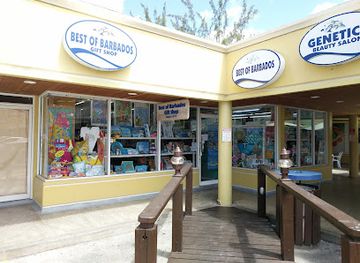
Gift shop
Best of Barbados Quayside Gift shop
Explore the Best of Barbados Quayside Gift Shop for unique souvenirs that embody the spirit of the Caribbean.
6 min drive · 2.1 km from city centre
Get your free copy of our complete guide to St. Lawrence Gap, delivered straight to you.
Everything on this page, from attractions and restaurants to essentials and local phrases, in one PDF you can read offline, print or share.
Already have an account? Sign in
Your St. Lawrence Gap guide is ready.
We'll send it to · Not you? Sign out

Getting your guide ready…
We are putting together a fresh copy of the St. Lawrence Gap guide. This can take up to a minute.
This can take a few moments. If your browser asks, choose Allow so the download can start. You'll find the guide in your Downloads folder.
Nothing happened? Download it again
Sorry, the guide is taking longer than usual. Please try again in a minute, or get it by email instead.
St. Lawrence Gap essentials
Currency and Payment
Safety
Emergency Situations
Do's and Don'ts
Local Tips
From Eve
Local phrases worth knowing
You don't need to get them perfect. A few words go a long way, and locals appreciate the effort.
Basics
| English | Local | Say it |
|---|---|---|
| Hello | Hey | [Hey] |
| Goodbye | Lata | [Lay-ta] |
| Yes | Yeah | [Yay] |
| No | Nah | [Nah] |
| Please/You're welcome | Pleez/Tank yuh | [Pleez/Tank yuh] |
| Thank you | Tank yuh | [Tank yuh] |
| Excuse me/Sorry | Sarry | [Sah-ree] |
| How are you? | How yuh duh? | [How yuh doo?] |
| Fine. And you? | Ahrite. An yuh? | [Ah-ryt. An yuh?] |
| Do you speak English? | Yuh speak English? | [Yuh speak English?] |
| I don't understand | I doan get yuh | [I doan get yuh] |
Eating & Drinking
| English | Local | Say it |
|---|---|---|
| I'd like to see the menu, please | Lemme see de menu, please | [Lem-mee see de menu, please] |
| I don't eat meat | I doan eat meat | [I doan eat meat] |
| Cheers! | Cheers! | [Cheers!] |
| I would like to pay, please | Lemme pay, please | [Lem-mee pay, please] |
Emergencies
| English | Local | Say it |
|---|---|---|
| Help! | Help! | [Help!] |
| Go away! | Guh way! | [Guh way!] |
| Call the Police! | Call de Police! | [Call de Police!] |
| Call a doctor! | Call a doctah! | [Call a doctah!] |
| I'm lost | I lost | [I lost] |
| I'm ill | I sick | [I sick] |
Shopping
| English | Local | Say it |
|---|---|---|
| I'd like to buy... | I wan buy... | [I wan buy...] |
| I'm just looking | I jus lookin | [I jus lookin] |
| How much is it? | How much dis? | [How much dis?] |
| That's too expensive | Dat too dear | [Dat too dear] |
| Can you lower the price? | Yuh cud drop de price? | [Yuh cud drop de price?] |
Time & Numbers
| English | Local | Say it |
|---|---|---|
| What time is it? | Wha time it is? | [Wha time it is?] |
| It's one o'clock | It one o'clock | [It one o'clock] |
| Half past (10) | Half ten | [Half ten] |
| Morning | Mawnin | [Mawn-in] |
| Afternoon | Aftanoon | [Af-tuh-noon] |
| Evening | Evenin | [Eve-nin] |
| Yesterday | Yestaday | [Yes-tuh-day] |
| Today | Today | [Today] |
| Tomorrow | Tomorrow | [Tomorrow] |
| 1 | One | [Wun] |
| 2 | Two | [Too] |
| 3 | Tree | [Tree] |
| 4 | Fo' | [Fo'] |
| 5 | Fi' | [Fi'] |
| 6 | Six | [Six] |
| 7 | Seven | [Sev-en] |
| 8 | Eight | [Ayt] |
| 9 | Nine | [Nain] |
| 10 | Ten | [Ten] |
Transport & Directions
| English | Local | Say it |
|---|---|---|
| Where's a/the...? | Weh de...? | [Way de...?] |
| What's the address? | Wha de address? | [Wha de address?] |
| Can you show me (on the map)? | Yuh cud show muh (pan de map)? | [Yuh cud show muh (pan de map)?] |
| When's the next (bus)? | Wen de nex (bus)? | [Wen de nex (bus)?] |
| A ticket (to ....) | A tickit (to ....) | [A tickit (to ....)] |
History of St. Lawrence Gap
Early Settlement and Indigenous Heritage
Before European colonisation, Barbados was visited and settled by Indigenous peoples, including communities associated with the Saladoid-Barrancoid tradition and later the Kalinago world. Archaeological evidence shows that the island’s coastal areas supported movement, fishing and settlement long before English colonists arrived. No surviving urban foundation marks the beginning of St Lawrence Gap itself; rather, the district developed from the wider settlement pattern of Christ Church, where coastal access and small natural inlets shaped local activity. The name “Gap” refers to the narrow coastal passage and road corridor that became a recognisable route along the south coast.
English Colonisation of Barbados
English settlers established a permanent colony in Barbados in 1627, beginning a transformation of the island’s land ownership, economy and population. Christ Church became part of a plantation landscape connected by roads to ports, villages and agricultural estates. Sugar eventually dominated Barbados’s economy, while enslaved Africans formed the majority of the population and sustained plantation production under brutal conditions. The coastal strip around present-day St Lawrence Gap was not a separate town of major political importance, but its location within the south coast’s network of roads and settlements gave it a continuing local significance.
Plantation Society and Emancipation
During the eighteenth and early nineteenth centuries, Barbados’s sugar economy shaped nearly every aspect of life, from landholding and architecture to trade and social hierarchy. Enslaved people of African origin created enduring cultural traditions in food, music, religion and language despite the violence of the plantation system. Slavery was abolished in the British Empire in 1834, followed by a period of apprenticeship and then full emancipation in 1838. The social and economic order did not disappear immediately, but freedom enabled Black Barbadians to build independent communities and institutions across Christ Church and the rest of the island.
From Coastal Road to Holiday District
For much of its history, the south coast remained a largely rural and working landscape, with villages, small businesses, fishing activity and agricultural land connected by roads. Barbados’s tourism industry expanded substantially during the twentieth century as improved transport, hotels and international air links brought visitors to the island. The St Lawrence Gap corridor gradually acquired accommodation, restaurants and entertainment venues, developing into a concentrated visitor district rather than a traditional plantation village. Its enduring local businesses and coastal geography helped give the area a more informal, street-based character than a self-contained resort complex.
Modern Barbados and the South Coast
Barbados became independent from the United Kingdom in 1966 and became a republic in 2021, developments that form part of the island’s modern national identity. Today, St Lawrence Gap reflects the continuing importance of tourism while remaining connected to the everyday life of Christ Church. Its restaurants, bars, beaches and water-sports businesses operate alongside residential properties and local transport routes. The district’s contemporary character is therefore shaped by several histories at once: Indigenous presence, British colonisation, African heritage, emancipation, maritime activity and the growth of international travel.
Travel experiences inspired by this city
-
 11 Day Trip
Bathsheba Bound: An 11-Day East Coast Escape in Barbados
Explore Bathsheba’s rugged Atlantic coast from The Atlantis Historic Inn—surf vistas, tide pools, hikes, Bajan flavors, and sustainable, culture-rich travel.
11 Day Trip
Bathsheba Bound: An 11-Day East Coast Escape in Barbados
Explore Bathsheba’s rugged Atlantic coast from The Atlantis Historic Inn—surf vistas, tide pools, hikes, Bajan flavors, and sustainable, culture-rich travel.
 27 Jul 2026
By David Smith -
 11 Day Trip
Homecoming to Bathsheba: 11-Day Family Escape on Barbados' Wild East Coast
Family return to Barbados: 11 days in Bathsheba to surf Soup Bowl, hike dramatic East Coast trails, and unwind in eco-conscious comfort at ECO Lifestyle & Lodge.
11 Day Trip
Homecoming to Bathsheba: 11-Day Family Escape on Barbados' Wild East Coast
Family return to Barbados: 11 days in Bathsheba to surf Soup Bowl, hike dramatic East Coast trails, and unwind in eco-conscious comfort at ECO Lifestyle & Lodge.
 20 Jul 2026
By David Clarke -
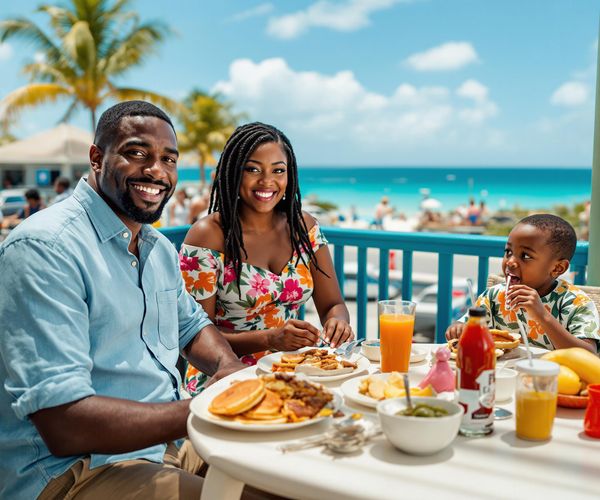 8 Day Trip
Family Adventure to Harrison's Cave in Barbados
Discover the natural wonders of Harrison's Cave, Barbados, with your family. Explore stunning caves and enjoy the vibrant culture and cuisine.
8 Day Trip
Family Adventure to Harrison's Cave in Barbados
Discover the natural wonders of Harrison's Cave, Barbados, with your family. Explore stunning caves and enjoy the vibrant culture and cuisine.
 10 Sep 2025
By David Clarke
Swipe for more travel diaries
St. Lawrence Gap in Photos
Browse through our photo collection highlighting the charm and character of the destination.
Cities near St. Lawrence Gap
The closest cities to St. Lawrence Gap, if you have time for more than one stop.
-

-
-

-

-


Swipe for more cities
Explore more

Explore more of Barbados
Discover Barbados: Pristine beaches, rich history, and vibrant culture await in this Caribbean paradise. Perfect for adventure, relaxation, and culinary delights.
Explore Barbados