

Free Tsirang Travel Guide & Mobile App
Explore Tsirang with free travel guides. Discover regional history, expert tips, proposed trips, and audio guides on web or mobile app.


Explore Tsirang in Bhutan for terraced hills, subtropical forests, farm communities, Buddhist heritage and quiet southern mountain journeys.
Read more about Tsirang
When is the best time to visit Tsirang?
Best: March–April, November · 22–25°C| Month | High (°C) | Rainfall (mm) |
|---|---|---|
| January | 17 | 10 |
| February | 19 | 20 |
| March (best) | 22 | 40 |
| April (best) | 25 | 60 |
| May | 27 | 100 |
| June | 29 | 200 |
| July | 30 | 400 |
| August | 30 | 400 |
| September | 29 | 200 |
| October | 26 | 100 |
| November (best) | 22 | 40 |
| December | 18 | 20 |
Getting to and around Tsirang
How to get there
Transportation
Destinations in Tsirang
Resorts, valleys and scenic spots worth a trip of their own.
-

-


Swipe for more destinations
Best attractions in Tsirang
Tsirang’s attractions are shaped less by large ticketed sites than by its agricultural landscape, Buddhist heritage and southern ecology. Damphu provides the most convenient centre for exploring the district, with Tsirang Dzong as its principal cultural focus and viewpoints across ridges patterned with fields and forest. Around the town, guided walks can reveal traditional homes, small shrines, roadside markets and the practical workings of a mountain settlement. Beyond Damphu, winding roads pass through citrus-growing areas, vegetable farms, wooded slopes and scattered villages. The scenery changes with elevation, producing a useful contrast between warm lower valleys and cooler uplands. Visitors interested in rural life can arrange farm visits or community-based experiences through an approved operator, while birdwatching and gentle nature walks are possible where local guidance confirms access. Religious sites should be approached as living places of worship rather than simply as monuments. Tsirang is also a suitable stop for travellers studying Bhutan’s modern development, since roads, government services and agricultural production meet here within a relatively compact but steep landscape. The pleasures are observational and place-based: landscape photography, conversations arranged through a guide, seasonal produce and unhurried exploration rather than an extensive inventory of conventional attractions.
-
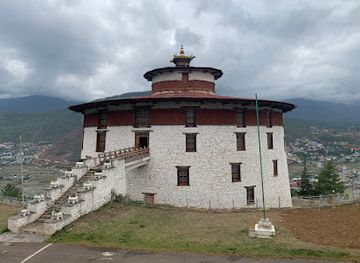
National museum
National Museum of Bhutan འབྲུག་གི་འགྲེམས་སྟོན་ཁང་།
Explore Bhutan's rich heritage through intriguing exhibits at the National Museum of Bhutan, an iconic fortress showcasing the country's history and culture.
-
Non-profit organization
Royal Textile Academy རྒྱལ་འཛིན་ཐག་རིག་སློབ་སྡེ།
Explore Bhutan's vibrant textile heritage at the Royal Textile Academy, where art and culture intertwine to showcase the country's unique craftsmanship.
-
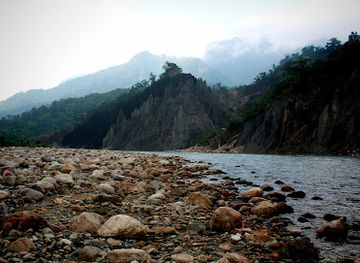
Tourist attraction
Kalapahar - river bank view
Discover the tranquil beauty of Kalapahar, a stunning riverbank view in Rajrukh, where nature and serenity meet for an unforgettable experience.
-
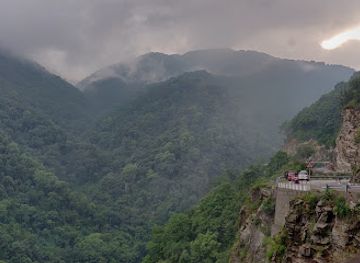
Tourist attraction
Road side Waterfall
Discover the breathtaking beauty of the Roadside Waterfall, a serene natural attraction along the Phuntsholing-Thimphu Highway in Bhutan.

Best landmarks in Tsirang
Tsirang Dzong in Damphu is the district’s defining architectural landmark. Unlike Bhutan’s oldest fortress-monasteries, it belongs to the modern administrative development of the district, yet its form draws on the national dzong tradition in which government and Buddhist symbolism are brought together within a substantial formal complex. Its position above the town gives it visual importance as well as civic significance. Damphu itself is another useful landmark in the broader geographical sense: a ridge-top administrative centre surrounded by cultivated slopes, roads and forested valleys. Away from town, the most recognisable features are not isolated monuments but the repeated patterns of terraced agriculture, traditional houses, wooded ridgelines and small religious structures set above rural routes. These landscapes express the relationship between settlement and terrain more clearly than a single viewpoint can. Local monasteries and temples may be architecturally modest, but they remain important landmarks for the communities that maintain them; access and photography should therefore be treated with the same respect given to larger religious institutions. Together, Tsirang’s dzong, ridge settlements and cultivated valleys form a visual record of Bhutan’s continuing adaptation of older cultural forms to a modern district.
-
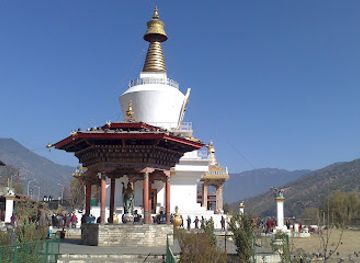
Buddhist temple
National Memorial Chhorten རྒྱལ་ཡོངས་རྗེས་དྲན་མཆོད་རྟེན།
Explore the National Memorial Chhorten, a serene Buddhist temple in Thimphu, offering a glimpse into Bhutan's rich cultural heritage and spiritual traditions.
-
Nature preserve
Royal Takin Preserve
Experience the rare beauty of Bhutan's national animal at the Royal Takin Preserve, a top nature attraction perfect for wildlife enthusiasts and nature lovers.
-
Fortress
Simtokha Dzong སེམས་རྟོགས་ཁ་རྫོང་།
Explore the historical Simtokha Dzong, the oldest fortress in Bhutan, renowned for its stunning architecture and breathtaking valley views.
-
Buddhist temple
Chimi Lhakhang
Explore the enchanting Chimi Lhakhang, Bhutan's famous Fertility Temple, where spirituality meets stunning natural beauty.
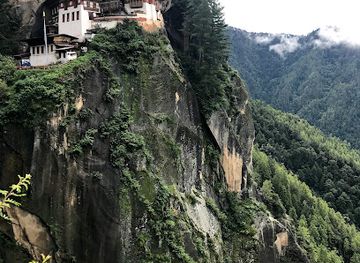
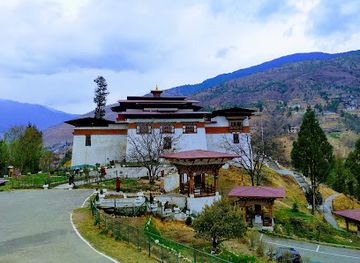
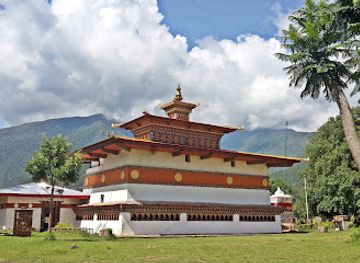
Explore Tsirang on the map
Plan your trip on one map. See where the top cities, national parks and sights are, and book hotels and experiences in a few clicks.
Best hotels in Tsirang
Best restaurants in Tsirang
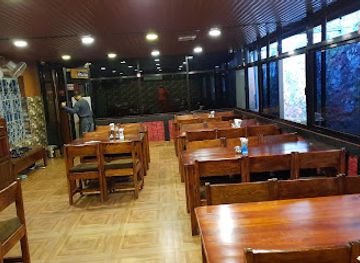
Dining in Tsirang is closely connected with Bhutanese home cooking and the produce of warm, cultivated valleys. Damphu has the district’s broadest choice of simple restaurants, hotel dining rooms and cafés, while meals elsewhere are more likely to be arranged through accommodation, a farm visit or a local household. Typical Bhutanese food includes red rice, ema datshi made with chillies and cheese, vegetable preparations, buckwheat or wheat-based dishes in some areas, and savoury meat or lentil dishes. Tsirang’s climate supports citrus, vegetables, dairy production and a range of local crops, so seasonal ingredients may appear more prominently here than in colder mountain districts. Travellers should explain their tolerance for chilli and any dietary restrictions in advance, since cheese and chilli are common components of Bhutanese cooking. Tea, locally made dairy products and fresh fruit can be part of rural hospitality, although availability varies. The most distinctive culinary experience is often a deliberately arranged meal that links the food on the plate with the surrounding farm landscape rather than a formal restaurant tasting menu.
-
Bistro
MERENGMA' Bistro
Experience authentic Bhutanese cuisine at MERENGMA' Bistro in Khuruthang—where flavor meets tradition in every dish.
-
Restaurant
Zombala Restaurant
Discover authentic Bhutanese flavors at Zombala Restaurant in Thimphu – a culinary gem showcasing local cuisine and warm hospitality.
-
Restaurant
Willing Waterfall Cafe
Discover culinary bliss at Willing Waterfall Cafe—where delicious food meets breathtaking natural beauty in Bhutan.
-
Restaurant
Hotel Chicken Dinner
Discover culinary delights at Hotel Chicken Dinner in Khuruthang - where local flavors meet international cuisine in a cozy atmosphere.


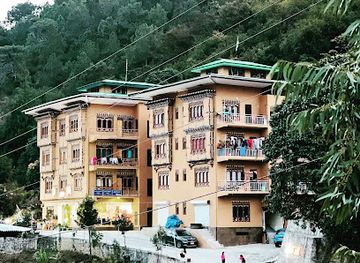
Best bars in Tsirang
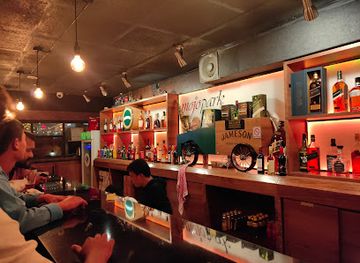
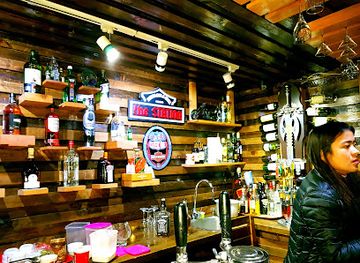
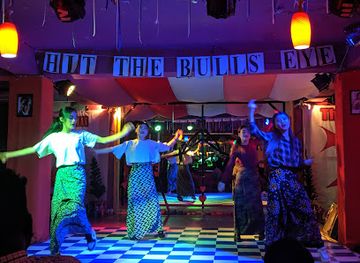
Tsirang has no major nightclub scene, and evening life is concentrated in Damphu’s hotel dining rooms, small local eateries and modest social spaces rather than dedicated entertainment districts. Traditional Bhutanese meals, tea and conversation are more characteristic of the district after dark than late-night clubbing. Some hotels may serve beer or spirits in accordance with Bhutanese law and their own arrangements, but visitors should not assume that every rural accommodation has a bar or that services continue late into the evening. Live entertainment and larger social gatherings are more likely to accompany particular community or national occasions than operate as a regular tourist programme. Outside Damphu, darkness, distance and winding roads make it sensible to remain near accommodation rather than travel between villages at night. The quiet evenings offer an opportunity to appreciate rural Bhutan’s slower rhythm, provided visitors respect household privacy and local religious observances.
-
Bar
Mojo Park
Experience the lively ambiance of Mojo Park, a top bar and restaurant in Thimphu, featuring delicious cuisine and vibrant live music.
-
Restaurant
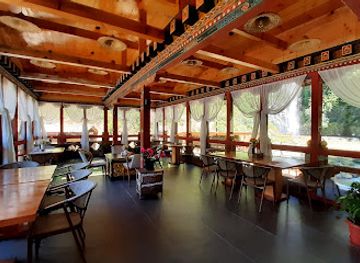
Willing Waterfall Cafe
Experience a serene dining escape at Willing Waterfall Cafe, where nature meets delicious Bhutanese cuisine amidst breathtaking landscapes.
-
Bar
Drunken Yeti
Experience the vibrant nightlife of Thimphu at Drunken Yeti, a cozy bar offering craft cocktails and a welcoming atmosphere.
-
Bar
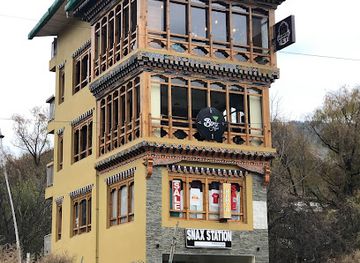
The Station, Bistro Bar & Entertainment
Experience the best of Thimphu at The Station, a bistro bar offering delicious food, refreshing drinks, and vibrant entertainment in a lively atmosphere.
Best nightclubs in Tsirang
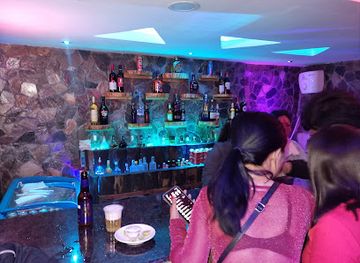
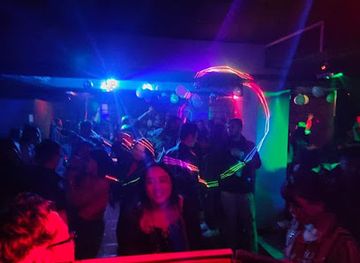
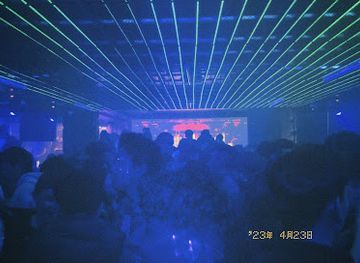
Tsirang has no major nightclub scene, and evening life is concentrated in Damphu’s hotel dining rooms, small local eateries and modest social spaces rather than dedicated entertainment districts. Traditional Bhutanese meals, tea and conversation are more characteristic of the district after dark than late-night clubbing. Some hotels may serve beer or spirits in accordance with Bhutanese law and their own arrangements, but visitors should not assume that every rural accommodation has a bar or that services continue late into the evening. Live entertainment and larger social gatherings are more likely to accompany particular community or national occasions than operate as a regular tourist programme. Outside Damphu, darkness, distance and winding roads make it sensible to remain near accommodation rather than travel between villages at night. The quiet evenings offer an opportunity to appreciate rural Bhutan’s slower rhythm, provided visitors respect household privacy and local religious observances.
-
Night club
Viva City
Discover the vibrant nightlife of Thimphu at Viva City, where music, dance, and culture come together for an unforgettable experience.
-
Night club
DG Wanderlust Club @Thimphu hongkong market/oppesite of Thimphu BOB main Branch office
Discover the heartbeat of Thimphu's nightlife at DG Wanderlust Club, where music, culture, and energy come together for an unforgettable experience.
-
Night club
Space 34 DOS
Discover the electrifying nightlife of Thimphu at Space 34 DOS, where great music and vibrant atmosphere await every visitor.
-
Night club
ACE CLUB, Thimphu
Experience the vibrant nightlife of Thimphu at ACE CLUB, where music, dance, and excitement converge in a stylish atmosphere.
Best shops in Tsirang
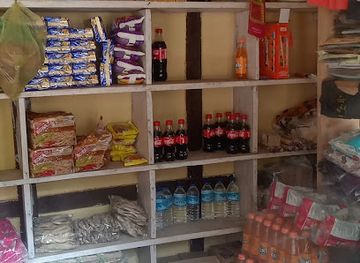
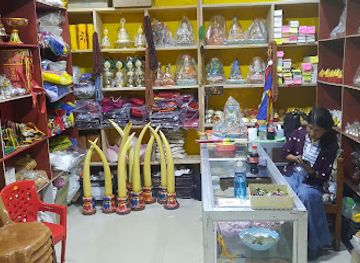
Shopping in Tsirang is practical and locally rooted rather than centred on large commercial complexes. Damphu has the district’s main concentration of general shops, small food retailers and everyday services, while rural roadside stalls and local markets offer seasonal vegetables, fruit and other agricultural produce when available. Visitors may find citrus, chillies, dairy products and preserved foods through approved local outlets, although packaging and availability vary by season. Small handicrafts, woven goods, prayer items and Bhutanese textiles may be available through hotels, craft sellers or arranged visits, but selection is more limited than in Thimphu or Paro. Purchases from village households should be made respectfully and with clear agreement over price and use. Bhutanese textiles, handmade paper, carved objects and religious crafts are often produced or sold nationally rather than being exclusive to Tsirang, so they should not automatically be presented as district-specific souvenirs. Carry cash for small transactions and avoid buying antiques, wildlife products or religious artefacts without clear legal and provenance information.
-
Grocery store
Geeta Shop (Tshongkhang)
Geeta Shop (Tshongkhang) in Damphu – Discover local flavors and immerse yourself in Bhutan's vibrant grocery culture.
-
Bakery
The Rolling Pin Cafe. Tsirang Bhutan
Discover the authentic taste of Bhutan at The Rolling Pin Cafe, a charming bakery in Tsirang, known for its delicious pastries and warm hospitality.
-
Grocery store
Bhujel Shop
Explore the authentic flavors and local products at Bhujel Shop, a charming grocery store in Chanchey, Bhutan.
-
Religious goods store
Dharma Shop
Discover the essence of Bhutanese spirituality at Dharma Shop, where every artifact tells a story of tradition and culture.


Get your free copy of our complete guide to Tsirang, delivered straight to you.
Everything on this page, from attractions and restaurants to essentials and local phrases, in one PDF you can read offline, print or share.
Already have an account? Sign in
Your Tsirang guide is ready.
We'll send it to · Not you? Sign out

Getting your guide ready…
We are putting together a fresh copy of the Tsirang guide. This can take up to a minute.
This can take a few moments. If your browser asks, choose Allow so the download can start. You'll find the guide in your Downloads folder.
Nothing happened? Download it again
Sorry, the guide is taking longer than usual. Please try again in a minute, or get it by email instead.
Tsirang essentials
Currency and Payment
Safety
Emergency Situations
Do's and Don'ts
Local Tips
From Eve
Local phrases worth knowing
You don't need to get them perfect. A few words go a long way, and locals appreciate the effort.
Basics
| English | Local | Say it |
|---|---|---|
| Hello | བཀྲ་ཤིས་ | [Kuzu zangpo] |
| Goodbye | བཞུགས་པར་ | [Zhug par] |
| Yes | ཨེ་ཤེས་ | [E-shay] |
| No | མ་ཨེ་ཤེས་ | [Ma e-shay] |
| Please/You're welcome | ཁྱེད་རང་བདེ་བའི་བཀའ་བློན་ | [Khyed rang dewa'i ka lon] |
| Thank you | ཐུགས་རྗེ་ཆེ་ | [Thukje che] |
| Excuse me/Sorry | རོགས་གནང་ | [Rog nang] |
| How are you? | ཁྱེད་རང་ག་རེ་བསྟན་ནུས་ | [Khyed rang ga-re ten-nu] |
| Fine. And you? | ང་བདེ་བ་ཡིན་ན་ཁྱེད་རང་? | [Nga dewa yin na khyed rang?] |
| Do you speak English? | ཁྱེད་རང་ཨང་གི་སྐད་ཡིག་བཤད་ཨོད་རེད་? | [Khyed rang ang-gi kyi shay o-dred?] |
| I don't understand | ང་བཤད་སྐད་མ་འདོད་ | [Nga shay kyi ma do] |
Eating & Drinking
| English | Local | Say it |
|---|---|---|
| I'd like to see the menu, please | ང་ཡོད་ཡོད་མཚན་དོན་བཟོད་ནུས་རེད་ | [Nga yoe yoe men-do zod nu] |
| I don't eat meat | ང་ལྷག་འབྱོར་མ་བཟོད་ | [Nga lhag nyor ma zod] |
| Cheers! | བདག་དང་བརྒྱབ་ | [Dak dang gyab] |
| I would like to pay, please | ང་འདོད་བརྒྱབ་ནུས་རེད་ | [Nga do gyab nu] |
Emergencies
| English | Local | Say it |
|---|---|---|
| Help! | ཐོབ་པར་ | [Thob par] |
| Go away! | འགྲོ་ལོང་ | [Dro long] |
| Call the Police! | དགོངས་དག་བཏོན་ | [Gong dak ton] |
| Call a doctor! | དགོངས་དག་བཏོན་ | [Gong dak ton] |
| I'm lost | ང་བཏང་བྱུང་ | [Nga tang jung] |
| I'm ill | ང་བོད་མེད་ | [Nga bod med] |
Shopping
| English | Local | Say it |
|---|---|---|
| I'd like to buy... | ང་བདེ་སྤུས་བཟོད་ནུས་རེད་ | [Nga de pu zod nu] |
| I'm just looking | ང་རོགས་སྤུས་བཞུགས་ | [Nga rog pu zhug] |
| How much is it? | འདི་ག་ཚོད་རེད་? | [Di ga-tsod red?] |
| That's too expensive | འདི་མང་འབྱོར་བཟོ་རེད་ | [Di mang nyor zo red] |
| Can you lower the price? | ཁྱེད་རང་བཟོད་ནུས་རེད་? | [Khyed rang zod nu?] |
Time & Numbers
| English | Local | Say it |
|---|---|---|
| What time is it? | དུས་ཚོད་ག་ཚོད་འདུག་གིས་? | [Du-tso ga-tsod du-gi?] |
| It's one o'clock | དུས་ཚོད་1་འདུག་ | [Du-tso 1 du] |
| Half past (10) | དུས་ཚོད་10་བར་བརྒྱབ་འདུག་ | [Du-tso 10 bar gyab du] |
| Morning | དགོང་ལོག་ | [Gong log] |
| Afternoon | དོག་ལོག་ | [Dog log] |
| Evening | དངོས་ལོག་ | [Ngos log] |
| Yesterday | ལྷག་ཡང་ | [Lhag yang] |
| Today | དེ་རེས་རེད་ | [De-re drey] |
| Tomorrow | གནང་རེས་རེད་ | [Nang-re drey] |
| 1 | 1 | [1] |
| 2 | 2 | [2] |
| 3 | 3 | [3] |
| 4 | 4 | [4] |
| 5 | 5 | [5] |
| 6 | 6 | [6] |
| 7 | 7 | [7] |
| 8 | 8 | [8] |
| 9 | 9 | [9] |
| 10 | 10 | [10] |
Transport & Directions
| English | Local | Say it |
|---|---|---|
| Where's a/the...? | འདི་ག་དོག་འདུག་? | [Di ga-dok du?] |
| What's the address? | དམིགས་བལ་ག་རེ་འདུག་? | [Mig-bal ga-re du?] |
| Can you show me (on the map)? | ཁྱེད་རང་རྒྱུ་མེད་བཤད་ནུས་རེད་? | [Khyed rang gyu med shay nu?] |
| When's the next (bus)? | དེ་རེས་འགྲོ་རེད་? | [De-re dro red?] |
| A ticket (to ....) | དངོས་རེད་ | [Ngos red] |
History of Tsirang
Early Settlement in the Southern Foothills
Tsirang’s lower and middle valleys have traditionally supported settled farming because their warmer climate and comparatively fertile soils allow cultivation across more seasons than many northern Bhutanese valleys. Communities developed around terraced fields, forest resources and local religious institutions. The district’s history is therefore closely tied to the movement of people, crops and livestock through the southern foothills, even though surviving written records are less abundant than those associated with Bhutan’s major western monasteries and dzongs.
Buddhist Networks Before Modern Administration
Before modern district government, religious authority and local community organisation were expressed through monasteries, temples and village institutions. Bhutan’s Drukpa Kagyu Buddhist tradition spread through networks of teachers, patrons and regional religious centres, linking southern farming settlements with the wider Bhutanese state. Small religious sites in Tsirang continue to show how Buddhist practice was woven into ordinary village life rather than confined to major monumental complexes.
The Unification of Bhutan in the Seventeenth Century
The seventeenth-century consolidation of Bhutan under Zhabdrung Ngawang Namgyal created the political and religious framework from which the modern kingdom developed. Although Tsirang is not chiefly known for a single decisive battle or capital, its valleys became part of a wider system governed through religious and secular institutions. Dzongs and regional officials helped connect dispersed communities with central authority, while local agriculture supplied the basis for settled administration.
Agriculture and Southern Trade
Tsirang’s position between the interior valleys and the southern plains encouraged the exchange of food, livestock, household goods and forest products. Its warmer climate supported crops that were difficult to grow at higher elevations, helping agriculture remain central to the district’s economy. Trade routes were arduous and seasonal, relying on footpaths and pack animals before motor roads transformed movement. This southern orientation still influences Tsirang’s landscape, diet and connections with neighbouring lowland areas.
Monarchy and State Modernisation After 1907
The establishment of Bhutan’s hereditary monarchy in 1907 marked a new phase of political consolidation. During the twentieth century, national institutions gradually expanded into rural districts, bringing schools, health services, roads and more formal administrative structures. For Tsirang, modernisation did not replace farming but altered how agricultural communities reached markets, received public services and related to the national government based in the western and central valleys.
The Formation of the Modern Dzongkhag
Tsirang became one of Bhutan’s modern dzongkhags, or districts, as the country developed a more systematic administrative structure in the late twentieth century. Damphu emerged as the district headquarters, concentrating government services while surrounding settlements retained their rural character. The present Tsirang Dzong belongs to this modern administrative era and symbolises the continuing Bhutanese practice of expressing public authority through an architectural language rooted in Buddhist and fortress traditions.
Roads, Agriculture and Contemporary Tsirang
Late twentieth- and early twenty-first-century road building connected Tsirang more closely with Bhutan’s national transport network and the southern border economy. Improved access has supported the movement of vegetables, citrus, dairy produce and other goods, while also making education, healthcare and tourism more accessible. At the same time, steep terrain, monsoon damage and dispersed settlements continue to shape daily life, leaving Tsirang as a district where agricultural rhythms remain highly visible.
Tsirang in Photos
Browse through our photo collection highlighting the charm and character of the destination.
Neighbouring regions of Tsirang
The closest regions to Tsirang, if you have time for more than one.
-

-

-

-

-


Swipe for more regions
Explore more

Explore more of Bhutan
Experience the enchantment of Bhutan, a Himalayan paradise where tradition meets tranquility and Gross National Happiness reigns supreme.
Explore Bhutan