

Free Mata dos Cocais Travel Guide & Mobile App
Explore Mata dos Cocais with free travel guides. Discover regional history, expert tips, proposed trips, and audio guides on web or mobile app.


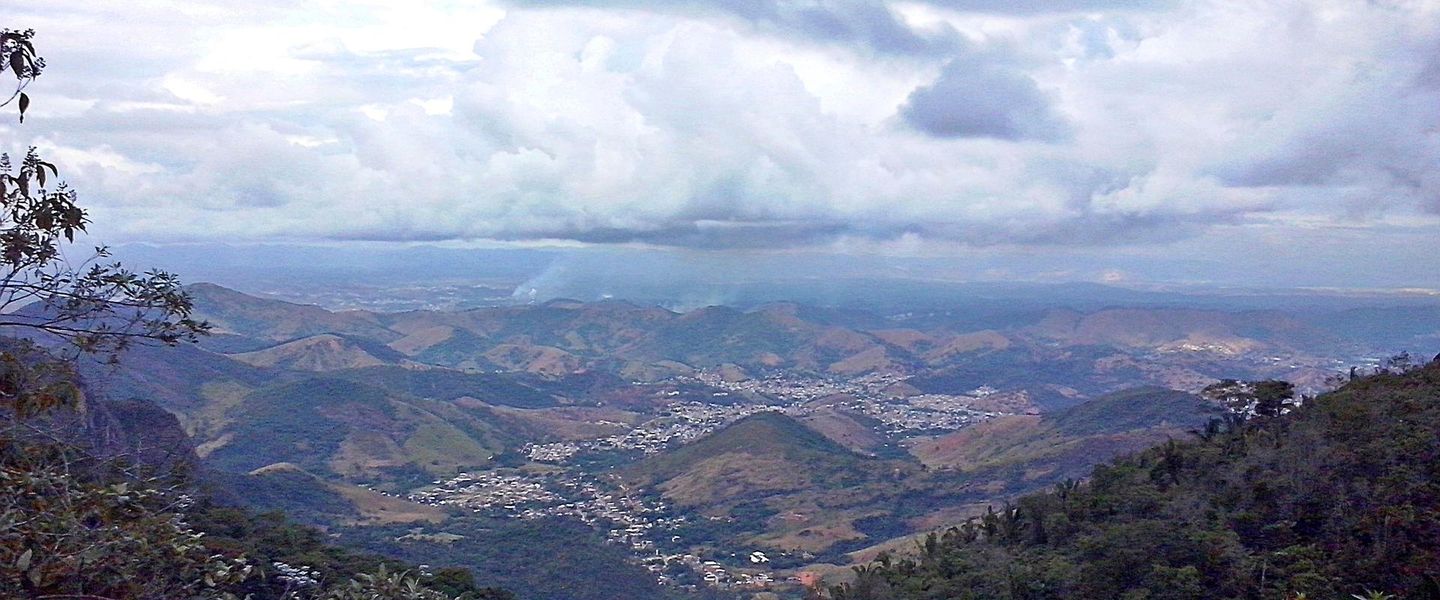


Explore Mata dos Cocais in Maranhão and Piauí for babaçu palm forests, river towns, regional food, living traditions and layered interior history.
Read more about Mata dos Cocais
When is the best time to visit Mata dos Cocais?
Best: June–August · 28–29°C| Month | High (°C) | Rainfall (mm) |
|---|---|---|
| January | 31 | 150 |
| February | 31 | 140 |
| March | 31 | 120 |
| April | 31 | 110 |
| May | 30 | 100 |
| June (best) | 29 | 90 |
| July (best) | 28 | 80 |
| August (best) | 29 | 90 |
| September | 30 | 100 |
| October | 31 | 110 |
| November | 31 | 120 |
| December | 31 | 140 |
Getting to and around Mata dos Cocais
How to get there
Transportation
Destinations in Mata dos Cocais
Resorts, valleys and scenic spots worth a trip of their own.

Swipe for more destinations
Best attractions in Mata dos Cocais
The attractions of Mata dos Cocais are dispersed and closely tied to its transition landscapes. Caxias offers the region’s clearest concentration of historic interest, including the Memorial da Balaiada and urban churches and civic spaces connected with nineteenth-century Maranhão. In Codó, Bacabal and other interior towns, markets, riverfront areas and local cultural institutions provide a more grounded view of contemporary life than a conventional sightseeing circuit. Outside the towns, the babaçu palm landscape is itself a major attraction, particularly when experienced through a properly arranged visit with rural or community organisations. The Itapecuru and Mearim river systems contribute opportunities for scenic drives, fishing traditions and locally guided countryside excursions, although access and facilities vary. Seasonal vegetation, small farms and palm-dotted roads create a distinctive alternative to Brazil’s better-known forest and beach destinations. Visitors interested in landscape ecology can use the region to understand the gradual meeting of Amazonian, Cerrado and drier north-eastern environments, while food and craft experiences reveal how the babaçu palm supports households. Attractions are generally modest in scale, so a flexible itinerary, local guidance and realistic expectations are more valuable than a long checklist of formal sites.
-
National park
Itatiaia National Park
Discover Brazil's first national park: Hike majestic peaks, explore stunning waterfalls, and immerse yourself in the heart of the Atlantic Forest.
-
Tourist attraction
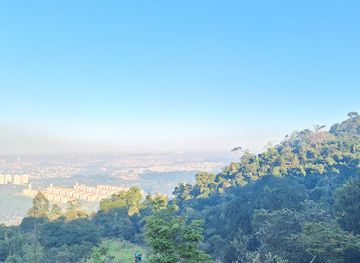
Mirante do Mangabeiras
Experience breathtaking panoramic views of Belo Horizonte from this scenic overlook nestled in the heart of nature.
-
Nature preserve
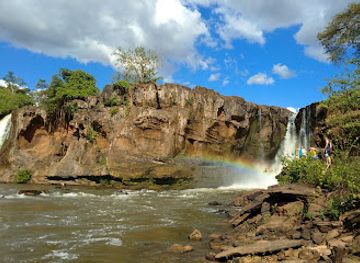
Indian Waterfall
Discover the serene beauty of Indian Waterfall in Rio Acima, Minas Gerais: a perfect escape for nature lovers and adventure seekers alike.
-
National park
Chapada das Mesas National Park
Discover Brazil's hidden gem: Chapada das Mesas National Park. Explore stunning plateaus, waterfalls, and unique landscapes in Maranhão's ecotourism paradise.
Best landmarks in Mata dos Cocais
The most recognisable historic landmark associated with Mata dos Cocais is the urban landscape of Caxias, where churches, civic buildings and traditional streets reflect the town’s nineteenth-century importance on the Itapecuru corridor. The Memorial da Balaiada is especially significant because it anchors the memory of the major 1838–1841 revolt that spread through Maranhão and Piauí. The Itapecuru River is another defining landmark in geographical rather than monumental terms: its valley helped shape settlement, agriculture, trade and the location of Caxias. Across the wider Cocais zone, the tall babaçu palms form a powerful living emblem of the region, marking a transition between ecological zones and sustaining long-established livelihoods. River corridors around the Mearim and Itapecuru, together with palm-dotted roads and rural settlement patterns, provide a sense of place that formal monuments alone cannot convey. Churches and market-town streets in municipalities such as Codó and Bacabal are locally important, though their architectural significance is generally strongest when understood alongside the communities and commercial networks that continue to use them.
-
Wedding venue
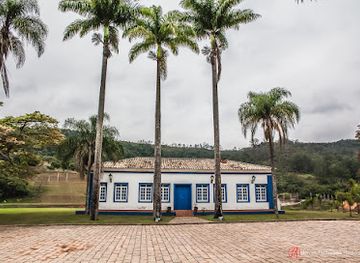
Serra dos Cocais Fazenda de Eventos
Enchanting event venue in Itatiba, São Paulo, blending natural beauty with elegant spaces for unforgettable weddings and celebrations.
-
Mountain range
Serra dos Cocais
Discover Serra dos Cocais: Valinhos' scenic mountain range offering hiking, waterfalls, and a refreshing escape into nature's embrace.
Explore Mata dos Cocais on the map
Plan your trip on one map. See where the top cities, national parks and sights are, and book hotels and experiences in a few clicks.
Best hotels in Mata dos Cocais
Best restaurants in Mata dos Cocais
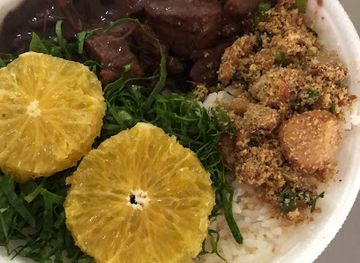
Dining in Mata dos Cocais is rooted in the everyday cooking of Maranhão and Piauí rather than a separate, sharply defined regional cuisine. Rice, beans, cassava, corn, beef, chicken, pork and freshwater fish appear widely, with herbs, chilli and local produce adding variation between towns and rural districts. Markets and simple restaurants are useful places to encounter regional breakfasts, savoury snacks, stews and cassava-based preparations. Babaçu is particularly significant: its oil and flour may appear in household cooking and community products, although availability and recipes differ. In Caxias, Codó, Bacabal and other larger towns, visitors will find Brazilian restaurants, bakeries, cafés and family-run eateries alongside informal food stalls. Rural dining is often arranged through homes, farms or community groups, so advance contact is sensible rather than assuming a permanent visitor restaurant. Menus may change with river catches, harvests and market supply, and a generous regional meal is usually more representative of local food culture than imported international cuisine.
-
Bar
Em Cantos Comidaria
Discover the culinary delights of Em Cantos Comidaria in Barão de Cocais - where gourmet hamburgers meet artisanal pizzas in a vibrant setting.
-
Restaurant
Restaurant
Experience the rich flavors of Maranhão at this charming restaurant in Codó, offering authentic local cuisine in a welcoming atmosphere.

Best bars in Mata dos Cocais
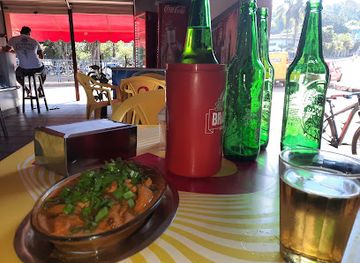
Evening life in Mata dos Cocais is concentrated in town centres and is generally more social and informal than club-led. Caxias and the larger municipalities have the broadest choice of bars, casual restaurants, snack counters and venues with recorded or live Brazilian music, while smaller towns typically revolve around neighbourhood bars, family gatherings and public squares. Cold beer, soft drinks, coffee and regional snacks are common, but alcohol is not necessary to participate in local evening life. Nightclubs and late-night venues may exist seasonally or in larger towns, yet opening arrangements and programmes change frequently. During local celebrations, music and dancing can occupy public or private venues, but visitors should check current arrangements locally and respect noise, photography and security guidance. In rural areas, the practical evening experience is usually a meal, a community event or quiet time at accommodation rather than a formal nightlife circuit.
-
Bar
Bar Da Rosa - Barão De Cocais
Experience the vibrant atmosphere and authentic flavors of Brazil at Bar Da Rosa in Barão de Cocais, the perfect spot for relaxation and socialization.
-
Cocktail bar
Argemiro's Bar
Experience the vibrant nightlife of Barão de Cocais at Argemiro's Bar, where creative cocktails and a lively atmosphere await.
-
Cocktail bar
QUEJERO
Discover QUEJERO: A cocktail bar where delicious drinks meet family fun, live music, and unforgettable moments in Barão de Cocais.
-
Bar
BAR DA MARIA CÓRREGO DA ONÇA
Experience the rustic ambiance and authentic local flavors at Bar da Maria Córrego da Onça in scenic Barão de Cocais, Minas Gerais.


Best nightclubs in Mata dos Cocais
Evening life in Mata dos Cocais is concentrated in town centres and is generally more social and informal than club-led. Caxias and the larger municipalities have the broadest choice of bars, casual restaurants, snack counters and venues with recorded or live Brazilian music, while smaller towns typically revolve around neighbourhood bars, family gatherings and public squares. Cold beer, soft drinks, coffee and regional snacks are common, but alcohol is not necessary to participate in local evening life. Nightclubs and late-night venues may exist seasonally or in larger towns, yet opening arrangements and programmes change frequently. During local celebrations, music and dancing can occupy public or private venues, but visitors should check current arrangements locally and respect noise, photography and security guidance. In rural areas, the practical evening experience is usually a meal, a community event or quiet time at accommodation rather than a formal nightlife circuit.
-
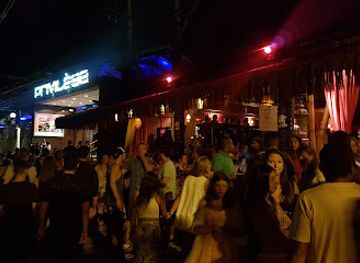
Night club
Privilège Brasil
Discover the electrifying nightlife at Privilège Brasil, Búzios' premier night club and cocktail bar, where unforgettable moments await.
Best shops in Mata dos Cocais
Shopping in Mata dos Cocais is centred on municipal markets, ordinary high streets and small independent businesses rather than large retail districts. Caxias, Bacabal, Codó and comparable interior towns are useful for regional produce, clothing, household goods, snacks and everyday Brazilian food products. Market visits may reveal cassava flour, rice, beans, fruit, preserves, sweets and locally prepared foods, with the selection changing according to season and supply. Babaçu-based items are the most distinctive regional purchases, ranging from oil and food products to crafts made from shells, leaves or fibres, although genuine community-made products are best obtained through recognised cooperatives or local organisations. Small craft shops and cultural institutions may also sell books, artwork and handmade objects connected with Maranhão’s interior traditions. Bargaining is not universal, so ask politely and confirm prices before buying. Visitors should favour durable, fairly made goods and avoid removing natural materials from rural areas without permission.
-
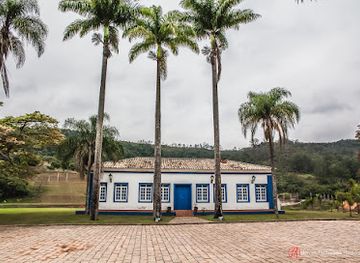
Wedding venue
Serra dos Cocais Fazenda de Eventos
Discover the beauty of Serra dos Cocais Fazenda de Eventos, a stunning wedding and event venue in Mombuca, Brazil, offering picturesque landscapes and exceptional service.
Get your free copy of our complete guide to Mata dos Cocais, delivered straight to you.
Everything on this page, from attractions and restaurants to essentials and local phrases, in one PDF you can read offline, print or share.
Already have an account? Sign in
Your Mata dos Cocais guide is ready.
We'll send it to · Not you? Sign out

Getting your guide ready…
We are putting together a fresh copy of the Mata dos Cocais guide. This can take up to a minute.
This can take a few moments. If your browser asks, choose Allow so the download can start. You'll find the guide in your Downloads folder.
Nothing happened? Download it again
Sorry, the guide is taking longer than usual. Please try again in a minute, or get it by email instead.
Mata dos Cocais essentials
Currency and Payment
Safety
Emergency Situations
Do's and Don'ts
Local Tips
From Eve
Local phrases worth knowing
You don't need to get them perfect. A few words go a long way, and locals appreciate the effort.
Basics
| English | Local | Say it |
|---|---|---|
| Hello | Olá | [oh-lah] |
| Goodbye | Adeus | [ah-deh-oos] |
| Yes | Sim | [sing] |
| No | Não | [nah-oong] |
| Please/You're welcome | Por favor/De nada | [pohr fah-vor/deh nah-dah] |
| Thank you | Obrigado/Obrigada | [oh-bree-gah-do/oh-bree-gah-dah] |
| Excuse me/Sorry | Desculpe | [dehs-kool-peh] |
| How are you? | Como você está? | [koh-moh voh-seh eh-stah] |
| Fine. And you? | Estou bem. E você? | [eh-stoh behm. eh voh-seh] |
| Do you speak English? | Você fala inglês? | [voh-seh fah-lah een-glays] |
| I don't understand | Eu não entendo | [eh-oo nah-oong en-ten-do] |
Eating & Drinking
| English | Local | Say it |
|---|---|---|
| I'd like to see the menu, please | Eu gostaria de ver o cardápio, por favor | [eh-oo gohs-tah-ree-ah jee vehr o kar-dah-pyo, pohr fah-vor] |
| I don't eat meat | Eu não como carne | [eh-oo nah-oong koh-moh kar-nee] |
| Cheers! | Saúde! | [sah-oo-jee] |
| I would like to pay, please | Eu gostaria de pagar, por favor | [eh-oo gohs-tah-ree-ah jee pah-gar, pohr fah-vor] |
Emergencies
| English | Local | Say it |
|---|---|---|
| Help! | Ajuda! | [ah-zoo-dah] |
| Go away! | Vá embora! | [vah em-boh-rah] |
| Call the Police! | Chame a polícia! | [sha-mee ah poh-lee-syah] |
| Call a doctor! | Chame um médico! | [sha-mee oong meh-jee-co] |
| I'm lost | Estou perdido | [eh-stoh pehr-dee-do] |
| I'm ill | Estou doente | [eh-stoh do-ehn-chee] |
Shopping
| English | Local | Say it |
|---|---|---|
| I'd like to buy... | Eu gostaria de comprar... | [eh-oo gohs-tah-ree-ah jee kohm-prahr] |
| I'm just looking | Estou apenas olhando | [eh-stoh ah-peh-nahz oh-lhan-do] |
| How much is it? | Quanto custa? | [kwan-toh koos-tah] |
| That's too expensive | Isso é muito caro | [ee-soo eh mooy-toh kah-roh] |
| Can you lower the price? | Você pode baixar o preço? | [voh-seh poh-jee bye-shar o preh-soo] |
Time & Numbers
| English | Local | Say it |
|---|---|---|
| What time is it? | Que horas são? | [kee oh-ras sah-oong] |
| It's one o'clock | É uma hora | [eh oo-mah oh-rah] |
| Half past (10) | Dez e meia | [dehz ee meh-yah] |
| Morning | Manhã | [mahn-yah] |
| Afternoon | Tarde | [tahr-jee] |
| Evening | Noite | [noy-chee] |
| Yesterday | Ontem | [on-teng] |
| Today | Hoje | [oh-zhee] |
| Tomorrow | Amanhã | [ah-mahn-yah] |
| 1 | Um | [oom] |
| 2 | Dois | [doh-ees] |
| 3 | Três | [trehz] |
| 4 | Quatro | [kwah-troh] |
| 5 | Cinco | [seen-koh] |
| 6 | Seis | [sayz] |
| 7 | Sete | [seh-chee] |
| 8 | Oito | [oy-toh] |
| 9 | Nove | [noh-vee] |
| 10 | Dez | [dehz] |
Transport & Directions
| English | Local | Say it |
|---|---|---|
| Where's a/the...? | Onde fica...? | [on-jee fee-kah] |
| What's the address? | Qual é o endereço? | [kwahl eh oo en-deh-reh-soo] |
| Can you show me (on the map)? | Você pode me mostrar (no mapa)? | [voh-seh poh-jee mee mohs-trar (no mah-pah)] |
| When's the next (bus)? | Quando é o próximo (ônibus)? | [kwahn-doh eh oo proh-see-moh (oh-nee-boos)] |
| A ticket (to ....) | Um bilhete (para ....) | [oom bee-lyeh-chee (pah-rah)] |
History of Mata dos Cocais
Indigenous landscapes before colonisation
Long before Portuguese settlement, the forests, rivers and open areas of the Cocais zone were inhabited and managed by Indigenous peoples. Communities used river corridors, seasonal resources and native plants, including palms, within varied systems of hunting, fishing, cultivation and exchange. The region was never an empty frontier. Archaeological evidence across Maranhão and Piauí points to a long human presence, although the precise histories of individual sites and peoples differ. Today’s landscape, often described through vegetation types, therefore also carries the legacy of Indigenous knowledge and the disruption caused by colonisation, disease, forced labour and territorial displacement.
Colonial cattle routes and river settlement
From the seventeenth century onwards, Portuguese colonial expansion from the coast and from established settlements in the interior brought cattle raising, farms and religious institutions into the valleys of Maranhão and Piauí. Rivers such as the Itapecuru and Mearim helped connect settlements and move people and goods. Cattle, manioc cultivation and extractive activities became important elements of the inland economy, while colonial landholding patterns concentrated territory in the hands of relatively few owners. Several towns associated with the Cocais zone grew from this combination of river access, agriculture, commerce and administrative control.
Caxias and the nineteenth-century interior
Caxias developed as an important commercial and cultural centre in Maranhão’s interior, benefiting from its position near the Itapecuru River and routes linking the coast with the sertão. During the nineteenth century, the town was part of a region marked by disputes over land, labour, taxation and political authority. Its churches, civic buildings and urban traditions reflect the growth of a provincial centre during the Brazilian Empire. Caxias also became associated with major literary and political figures from Maranhão, helping give the town a prominence beyond its local economy.
The Balaiada revolt, 1838–1841
The Balaiada was a major rural revolt in Maranhão and neighbouring Piauí during the Regency and early imperial period. It brought together poor sertanejos, enslaved people, fugitives and local opposition groups, although their aims and alliances were not identical. The movement spread through interior settlements and challenged provincial authorities before being suppressed by imperial forces under Luís Alves de Lima e Silva, later the Duke of Caxias. The conflict left a strong historical memory in Caxias and surrounding areas, where it remains important for understanding inequality, violence and state formation in nineteenth-century north-eastern Brazil.
Babaçu and the commercial interior
During the nineteenth and twentieth centuries, babaçu became one of the defining resources of the transition zone between Amazonian and drier inland environments. Its nuts could be processed for oil, while the leaves, shells and fibres served household and commercial purposes. The expansion of agriculture, cattle ranching and transport increased the value of the palm groves and also intensified disputes over access to land. Towns such as Bacabal, Codó and Caxias participated in regional trading networks in which agricultural products, livestock and extractive goods moved between rural communities and larger markets.
Railways, roads and changing regional connections
Modern transport gradually altered the relationship between the Cocais interior and Brazil’s coastal capitals. Railway construction and later highways strengthened links between Maranhão and Piauí, encouraged the growth of commercial towns and reduced the isolation of some rural districts. Road development also brought new pressures, including land conversion, mechanised agriculture and the expansion of cattle production. The results are visible in the present landscape, where palm groves coexist with farms, pasture, settlements and transport corridors rather than forming an untouched ecological belt.
The quebradeiras de coco babaçu movement
Women who collect and break babaçu nuts have played a prominent role in the region’s modern social history. Known as quebradeiras de coco babaçu, they have organised to defend access to palm groves, protect customary livelihoods and secure recognition of their economic contribution. Their activism became especially significant as private land enclosure, ranching and agricultural expansion restricted traditional harvesting. The movement connects environmental protection with women’s work, food security and local rights, and its influence remains visible in community organisations and discussions about sustainable development across Maranhão and adjoining states.
Mata dos Cocais in Photos
Browse through our photo collection highlighting the charm and character of the destination.
Neighbouring regions of Mata dos Cocais
The closest regions to Mata dos Cocais, if you have time for more than one.
-

-

-

-

-


Swipe for more regions
Explore more

Explore more of Brazil
Discover Brazil: a land of samba, stunning landscapes, and rich history. From the Amazon to Rio, explore diverse cultures, world-class cuisine, and vibrant festivals.
Explore Brazil