
Buragane, Burundi Travel Guide
Discover Buragane in Burundi: A tranquil town offering lush landscapes, rich culture, and unique historical sites for an unforgettable travel experience.
Buragane is a serene and picturesque town located in the heart of Burundi. Nestled amidst rolling hills and lush greenery, Buragane offers a tranquil escape from the hustle and bustle of city life. Its natural beauty is complemented by a rich cultural heritage, making it a perfect destination for those seeking both relaxation and a touch of adventure. The town is renowned for its stunning landscapes, including verdant hills, sparkling streams, and vibrant flora. Nature enthusiasts will find plenty to explore, from scenic hiking trails to peaceful picnic spots. The local community is warm and welcoming, eager to share their traditions and stories with visitors. Whether you are wandering through local markets or attending a traditional dance performance, there is always something new and exciting to discover in Buragane. Buragane is also a gateway to several nearby attractions, including national parks and historical sites. The region is home to diverse wildlife and offers opportunities for bird watching, game drives, and guided tours. For those interested in history, the area boasts ancient ruins and colonial-era buildings that provide a glimpse into Burundi's past. With its blend of natural beauty, cultural richness, and historical significance, Buragane is a destination that promises an unforgettable experience.

Know before you go
Hi, I'm Eve. Here are a few practical things to know before exploring Buragane.
- Visit during the dry season (June to September) for the best weather and clearer hiking trails.
- Hire a local guide to enhance your experience and learn more about the area's history and culture.
- Bring comfortable walking shoes for exploring the town and surrounding natural areas.
- Try local dishes like 'Boko Boko Harees' at the town's markets to get a taste of Burundian cuisine.
- Respect local customs and dress modestly when visiting community spaces and religious sites.
Top City Travel Guides in Buragane
The cities of Buragane, and the easiest places to base yourself.


Destinations in Buragane
Resorts, valleys and scenic spots worth a trip of their own.

Explore Buragane: Things to Do, Places to Eat, Hotels & More
Handpicked recommendations for top attractions, local dining, accommodations, and more

Top Attractions & Sightseeing in Buragane
Top-rated picks
Best Attractions

Gombe National Park
Discover the wonders of Gombe National Park, a sanctuary for chimpanzees and a paradise for nature enthusiasts on the shores of Lake Tanganyika.

Kakombe Waterfall
Explore the serene beauty of Kakombe Waterfall, a hidden gem in Tanzania, where nature meets tranquility amidst lush landscapes.

Kurya Gitara
Explore Kurya Gitara, a stunning tourist attraction in Biniganyi, Burundi, where natural beauty meets rich cultural heritage.

Best landmarks in Buragane
Top-rated picks
Best Landmarks

Living Museum (Bujumbura Zoo)
Discover the Living Museum of Bujumbura Zoo, a captivating wildlife sanctuary showcasing Burundi's rich biodiversity and commitment to conservation.
King's Conference Center
Discover the ideal venue for professional gatherings at King's Conference Center in Bujumbura, blending modern facilities with exceptional service.

Chutes de la Karera Falls
Explore the stunning Chutes de la Karera Falls, a breathtaking natural wonder in Burundi, ideal for nature lovers and adventure seekers.

Sunstone Beach
Discover the beauty and tranquility of Sunstone Beach, a serene resort hotel on the shores of Lake Tanganyika in Burundi, perfect for relaxation and adventure.

Best restaurants in Buragane
Top-rated picks
Best Restaurants

Le Café Gourmand
Discover the rich flavors of Burundi at Le Café Gourmand—where every pastry tells a story.

Waka Waka
Discover the essence of Italian cuisine at Waka Waka in Bujumbura – where authentic flavors meet warm hospitality.

Vinothèque ZILLIKEN
Experience exquisite wines and delicious cuisine at Vinothèque ZILLIKEN – Bujumbura's premier destination for food lovers.

Zanzi
Discover Zanzi in Bujumbura - where authentic Burundian cuisine meets a vibrant dining experience.

Best bars in Buragane
Top-rated picks
Best Bars

Zanzi
Experience delectable Burundian cuisine in the heart of Bujumbura at Zanzi, where flavors meet culture in a vibrant atmosphere.

Cercle Nautique de Bujumbura
Experience the charm of Bujumbura at Cercle Nautique, where breathtaking views, delicious food, and vibrant atmosphere come together for an unforgettable evening.

Bar Le Royal
Experience the vibrant flavors of Kabezi at Bar Le Royal, where every bite brings you closer to the heart of local cuisine.

Peace and Love Bar
Discover the lively ambiance of Peace and Love Bar in Bujumbura, where refreshing drinks and vibrant local culture come together for an unforgettable experience.

Best nightclubs in Buragane
Top-rated picks
Best Nightclubs

TOXIC Night Club
Dive into the heart of Bujumbura's nightlife at TOXIC Night Club, where every night is a celebration of rhythm, culture, and fun.

Arch of the Cicadas
Experience the vibrant ambiance and refreshing drinks at Arch of the Cicadas, a unique lounge in the heart of Bujumbura.

Blue Club Night-club
Discover Bujumbura's vibrant nightlife at Blue Club Night-club, where great music and cocktails create unforgettable memories.

Le Crystal
Experience the vibrant nightlife at Le Crystal, Bujumbura's premier night club, where music, dance, and culture come alive.

Best shops in Buragane
Top-rated picks
Best Shops

Maison Zarine Burundi
Maison Zarine: Your one-stop shop for electronics, cell phones, and computer services in Bujumbura, Burundi.

Au Bon Prix
Explore Au Bon Prix in Bujumbura for an authentic taste of Burundian culture with fresh local produce and international delicacies.

Boucherie Nouvelle
Discover the flavors of Burundi at Boucherie Nouvelle, Bujumbura's premier butcher shop deli offering fresh, quality meats and local delicacies.

Home World Supermarket
Explore a diverse selection of local and international goods at Home World Supermarket in Bujumbura for a unique shopping experience.

Explore Buragane on the Map
A handpicked selection of must-see spots in Buragane, mapped for you.
Buragane Essentials
-
Buragane is located in the southern part of Burundi. The nearest international airport is Bujumbura International Airport, approximately 130 kilometers away from Buragane. From Bujumbura, you can take a bus or hire a private car to reach Buragane. The journey typically takes around 3 to 4 hours by road. For a more scenic route, some travelers opt for a combination of train and road travel, though this may take longer.
-
In Buragane, local transportation options include taxis, motorcycle taxis (known as 'boda-bodas'), and minibuses. Taxis are relatively inexpensive and can be hailed on the street or arranged through your hotel. Boda-bodas are a quick and budget-friendly way to get around but always negotiate the fare in advance. Minibuses, known locally as 'matatus', are the primary form of public transport and connect Buragane to nearby towns and villages.
-
The official currency in Burundi is the Burundian Franc (BIF). Credit cards are accepted in some hotels, restaurants, and larger shops, but it is advisable to carry cash, especially in smaller establishments and rural areas. ATMs are available in larger towns, but it is wise to withdraw sufficient cash in Bujumbura before traveling to Buragane to ensure you have enough funds.
-
Buragane is generally a safe destination for tourists. However, it is important to take standard precautions. Avoid walking alone at night in unfamiliar areas and keep an eye on your belongings in crowded places. While there are no specific high-crime areas targeting tourists in Buragane, it is always best to stay vigilant and aware of your surroundings. Consult local authorities or your hotel for up-to-date information on safety.
-
In case of an emergency, dial 112 for immediate assistance. The local police station and medical facilities are available in Buragane. It is recommended to have travel insurance that covers medical emergencies. For minor health issues, there are pharmacies in the town where you can purchase over-the-counter medications. Make sure to carry a basic first-aid kit and any prescription medications you may need.
-
Fashion: Do dress modestly, particularly in rural areas and when visiting religious sites. Avoid wearing revealing clothing. Religion: Do respect local customs and traditions. Always remove your shoes and cover your head when entering religious sites. Public Transport: Do be respectful and give up your seat to elderly passengers. Don’t eat or drink on public transport. Greetings: Do greet people with a handshake and a warm smile. A slight bow of the head is also a sign of respect. Eating & Drinking: Do try local delicacies and accept food offerings graciously. Don’t refuse hospitality, as it is considered impolite.
-
To experience Buragane like a local, visit the local markets where you can buy fresh produce and traditional Burundian goods. Engage with locals, as they are often friendly and willing to share stories about the area's history and culture. Don't miss visiting the nearby national parks and natural reserves for an authentic Burundian wildlife experience. For a unique cultural experience, attend local festivals and ceremonies, which are rich in traditional music and dance.
When is the best time to visit Buragane?
Useful Local Phrases for Buragane
You don't need to speak the language perfectly. Even learning a few simple words can make conversations warmer—and locals usually appreciate the effort.
— Eve

Here are the phrases I use most often in Buragane. Try a few—you'll be surprised how far they go! 😊
❤️
-
- HelloNdagukunda
[ndah-goo-koon-dah] - GoodbyeMurabeho
[moo-rah-beh-ho] - YesYego
[yeh-go] - NoOya
[oh-yah] - Please/You're welcomeNdagusabye
[ndah-goo-sah-byay] - Thank youUrakoze
[oo-rah-koh-zay] - Excuse me/SorryMbabarira
[m-bah-bah-ree-rah] - How are you?Amakuru yawe?
[ah-mah-koo-roo yah-weh] - Fine. And you?Ni meza. Nawe?
[nee meh-zah nah-weh] - Do you speak English?Uravuga Icyongereza?
[oo-rah-vah-gah ee-chon-geh-rah-zah] - I don't understandSinumva
[see-noom-vah]
- HelloNdagukunda
-
- I'd like to see the menu, pleaseNdagira ngo ndebe menu, ndakwinginze
[ndah-gee-rah ngo n-day-bay meh-noo, ndah-kwee-gin-zay] - I don't eat meatSinakunda inyama
[see-nah-koon-dah ee-nyah-mah] - Cheers!Nishimiye!
[nee-shee-mee-yay] - I would like to pay, pleaseNdagira ngo mpa amafaranga, ndakwinginze
[ndah-gee-rah ngo m-pah ah-mah-fah-rah-ngah, ndah-kwee-gin-zay]
- I'd like to see the menu, pleaseNdagira ngo ndebe menu, ndakwinginze
-
- Help!Mfasha!
[m-fah-shah] - Go away!Genda kure!
[gen-dah koo-reh] - Call the Police!Hamagara Polisi!
[hah-mah-gah-rah poh-lee-see] - Call a doctor!Hamagara muganga!
[hah-mah-gah-rah moo-gah-ngah] - I'm lostNdarambiwe
[ndah-rahm-bee-weh] - I'm illNdi indwara
[ndee een-dwah-rah]
- Help!Mfasha!
-
- I'd like to buy...Ndagira kugura...
[ndah-gee-rah koo-goo-rah] - I'm just lookingNdi kureba
[ndee koo-reh-bah] - How much is it?Ni angahe?
[nee ahn-gah-heh] - That's too expensiveIbyo birahenze
[ee-byoh bee-rah-hen-zay] - Can you lower the price?Urashobora kugabanya igiciro?
[oo-rah-sho-boo-rah koo-gah-bah-nyah ee-gee-roh]
- I'd like to buy...Ndagira kugura...
-
- What time is it?Isaha iyariyi?
[ee-sah-hah ee-yah-ree-yee] - It's one o'clockNi isaha imwe
[nee ee-sah-hah eem-weh] - Half past (10)Igihe cya (10)
[ee-gee-heh chee-yah (10)] - MorningUmuco
[oo-moo-cho] - AfternoonIcyumweru
[ee-chu-meh-nuh-ree] - EveningNijoro
[nee-jo-roh] - YesterdayEjo hashize
[eh-jo hah-shee-zay] - TodayUyu munsi
[oo-yoo moon-sigh] - TomorrowEjo hazaza
[eh-jo hah-zah-zah] - 11
[1] - 22
[2] - 33
[3] - 44
[4] - 55
[5] - 66
[6] - 77
[7] - 88
[8] - 99
[9] - 1010
[10]
- What time is it?Isaha iyariyi?
-
- Where's a/the...?Aho hantu...?
[ah-hoh hahn-too] - What's the address?Ni iyi adresse?
[nee ee-yee ahd-rehss] - Can you show me (on the map)?Urashobora kumbwira (ku ikarita)?
[oo-rah-sho-boo-rah koom-bwee-rah (koo ee-kah-ree-tah)] - When's the next (bus)?Ni ryari imodoka ikurikira?
[nee ree-yah-ree ee-mo-doh-kah ee-koo-ree-kee-rah] - A ticket (to ....)Itike (ku ....)
[ee-tee-kay (koo ....)]
- Where's a/the...?Aho hantu...?
History of Buragane
-
Buragane, a region in Burundi, has a rich history that dates back centuries. The area was originally inhabited by the Twa people, one of the country's oldest ethnic groups. Over time, it became a significant settlement for the Hutu and Tutsi tribes, contributing to its cultural diversity.
-
In the late 19th and early 20th centuries, Burundi, including Buragane, fell under German and later Belgian colonial rule. The colonial period brought significant changes to the region, including the introduction of European-style education, Christianity, and administrative restructuring. These changes had lasting impacts on the local culture and social dynamics.
-
Burundi gained independence from Belgium in 1962. Buragane, like the rest of the country, experienced the excitement and challenges of newfound autonomy. The region has since been a witness to various political shifts and social transformations, including efforts to promote economic development and education.
-
Buragane is known for its vibrant cultural heritage. Traditional dances, music, and crafts are integral parts of the local community. The region hosts numerous cultural festivals that celebrate its rich history and diverse traditions. Visitors can experience the unique blend of Hutu and Tutsi cultural practices that define Buragane's identity.
-
Buragane is renowned for its stunning natural landscapes, including rolling hills, lush forests, and pristine rivers. The region is home to several significant landmarks, such as the Buragane Waterfall and the ancient rock formations that hold historical and spiritual significance for the local communities.
-
Historically, Buragane's economy has been based on agriculture, with local farmers cultivating crops like coffee, tea, and bananas. In recent years, there have been efforts to diversify the economy by promoting tourism and small-scale industries. These initiatives aim to improve the living standards of the local population while preserving the region's cultural and natural heritage.
Neighbouring Regions of Buragane
The closest regions to Buragane, if you have time for more than one.




Your all‑in‑one travel companion app
Explore expert travel guides, compare and book tours, experiences, hotels, and more—all from the palm of your hand. Download now for seamless trip planning wherever your wanderlust takes you.


Explore More of Burundi
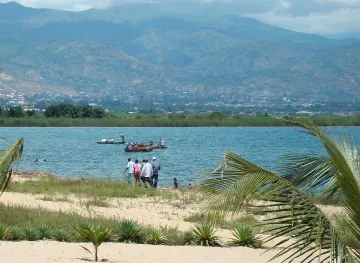
Looking beyond Buragane? Discover Burundi for broader travel guides, local hot-spots, and regional highlights.
Explore Burundi