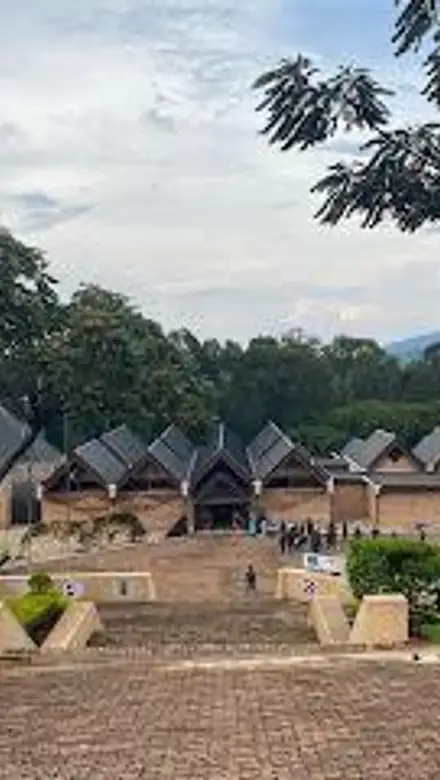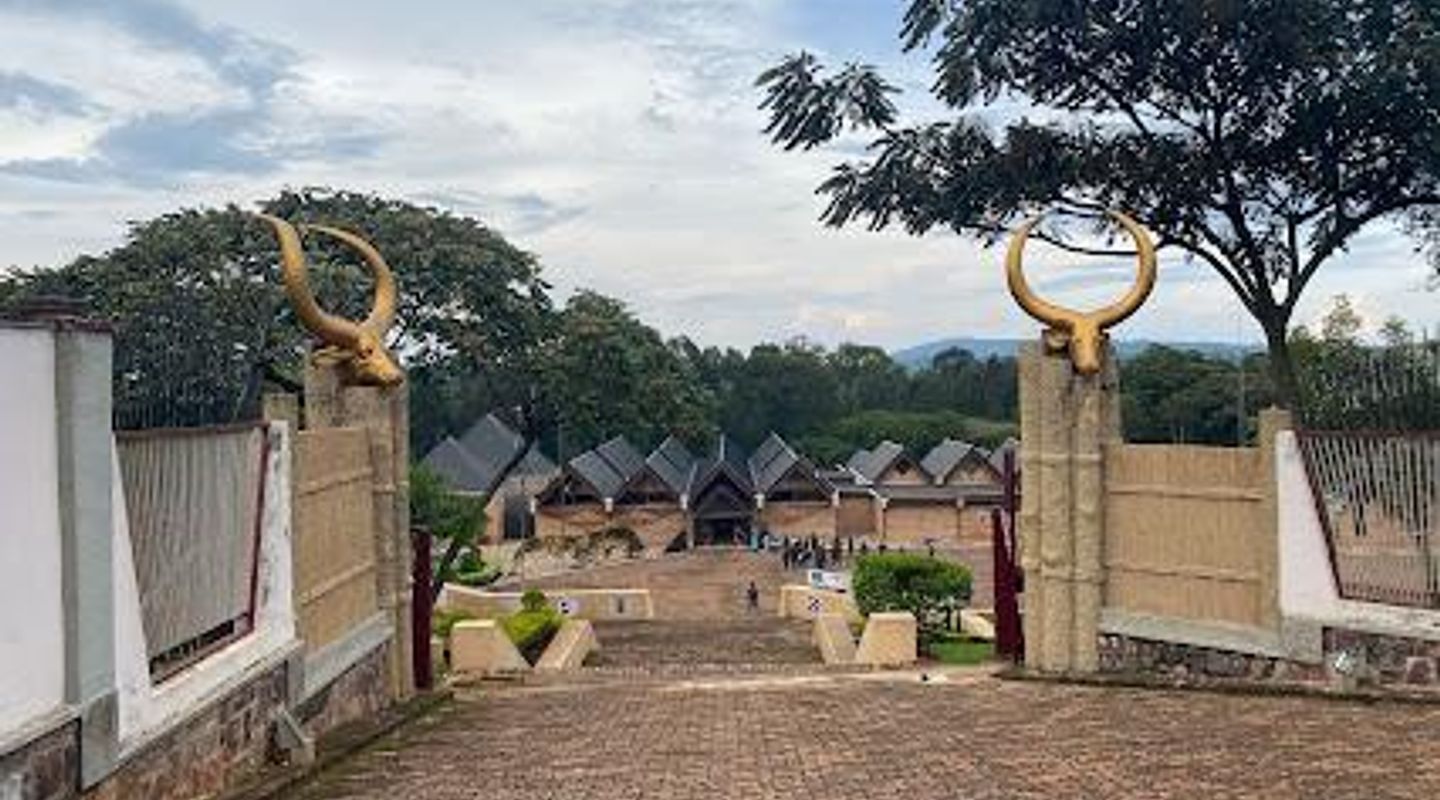
Ethnographic Museum, Northern Highlands Travel Guide
Uncover Rwanda's rich cultural tapestry at the Ethnographic Museum in Butare, a premier destination for history and art lovers.
Nestled in the heart of Butare, the Ethnographic Museum invites tourists to delve into Rwanda's diverse cultural heritage. With its extensive collections and immersive displays, visitors can experience the country's history, traditions, and art. This captivating museum is a must-visit for anyone looking to understand the essence of Rwandan culture.
A brief summary to Ethnographic Museum
- NR1, Butare, RW
- Click to display
- Click to display
- Monday 9 am-5 pm
- Tuesday 9 am-5 pm
- Wednesday 9 am-5 pm
- Thursday 9 am-5 pm
- Friday 9 am-5 pm
- Saturday 9 am-5 pm
- Sunday 9 am-5 pm

Know before you go
Hi, I'm Eve. Here are a few practical things to know before exploring Ethnographic Museum.
- Plan your visit during the week for fewer crowds and a more intimate experience.
- Check the museum's schedule for special exhibitions and workshops to enhance your visit.
- Allocate at least two hours to fully immerse yourself in the exhibits and gardens.
- Consider hiring a local guide to gain deeper insights into the exhibits and Rwandan culture.
- Don't miss the museum's gift shop for unique local crafts and souvenirs.
Do you manage this location?
Take control to get all the benefits, like improved information, better appearance, and stronger visibility across AI-powered discovery. Learn more about listing your business on Evendo
Activate your presenceOther nearby places you may find interesting
The closest places of the same kind, if this one is not quite what you had in mind.


Explore Ethnographic Museum on the Map
A handpicked selection of must-see spots near Ethnographic Museum, mapped for you.
Unlock the Best of Ethnographic Museum
Buy tickets
-
No tickets available
Book tours with entry


Getting There
-
Walking
From the center of Kayanza, head south towards Avenue de la Révolution. Continue straight until you reach the main intersection at Place de la Paix. Turn left onto Avenue du 1er Novembre and walk straight for about 1 kilometer. You will pass by local shops and small eateries. Keep an eye out for the signposts indicating the direction to Butare. Once you reach the outskirts of Kayanza, you will enter a busier road. Stay on this road for approximately 5 kilometers until you see signs for Butare. After about 15 minutes of walking, you will arrive at the bus station in Kayanza. From there, take a shared taxi or 'moto' (motorcycle taxi) towards Butare. The ride will take around 30 minutes. After arriving in Butare, ask for directions to NR1, where the Ethnographic Museum is located, which is about a 10-minute walk from the bus drop-off point.
-
Moto Taxi
If you prefer a quicker option, you can take a 'moto' taxi from anywhere in Kayanza. Simply flag down a motorcycle taxi and tell the driver you want to go to Butare, specifying the Ethnographic Museum at NR1. The ride will take approximately 30 minutes, depending on traffic. The drivers are usually familiar with the route to Butare, but it’s helpful to show them a map or mention nearby landmarks.
-
Public Transport
You can opt for public transport by taking a bus or shared taxi from Kayanza to Butare. Head to the Kayanza bus station, which is located in the central part of town. Look for buses heading towards Butare; they typically leave every hour. The bus ride will take around 30-45 minutes. Once you arrive in Butare, follow the above walking directions to NR1 to reach the Ethnographic Museum.
Discover more about Ethnographic Museum













Your all‑in‑one travel companion app
Explore expert travel guides, compare and book tours, experiences, hotels, and more—all from the palm of your hand. Download now for seamless trip planning wherever your wanderlust takes you.


Explore More of Northern Highlands
Looking beyond Ethnographic Museum? Discover Northern Highlands for broader travel guides, local hot-spots, and regional highlights.
Explore Northern Highlands