
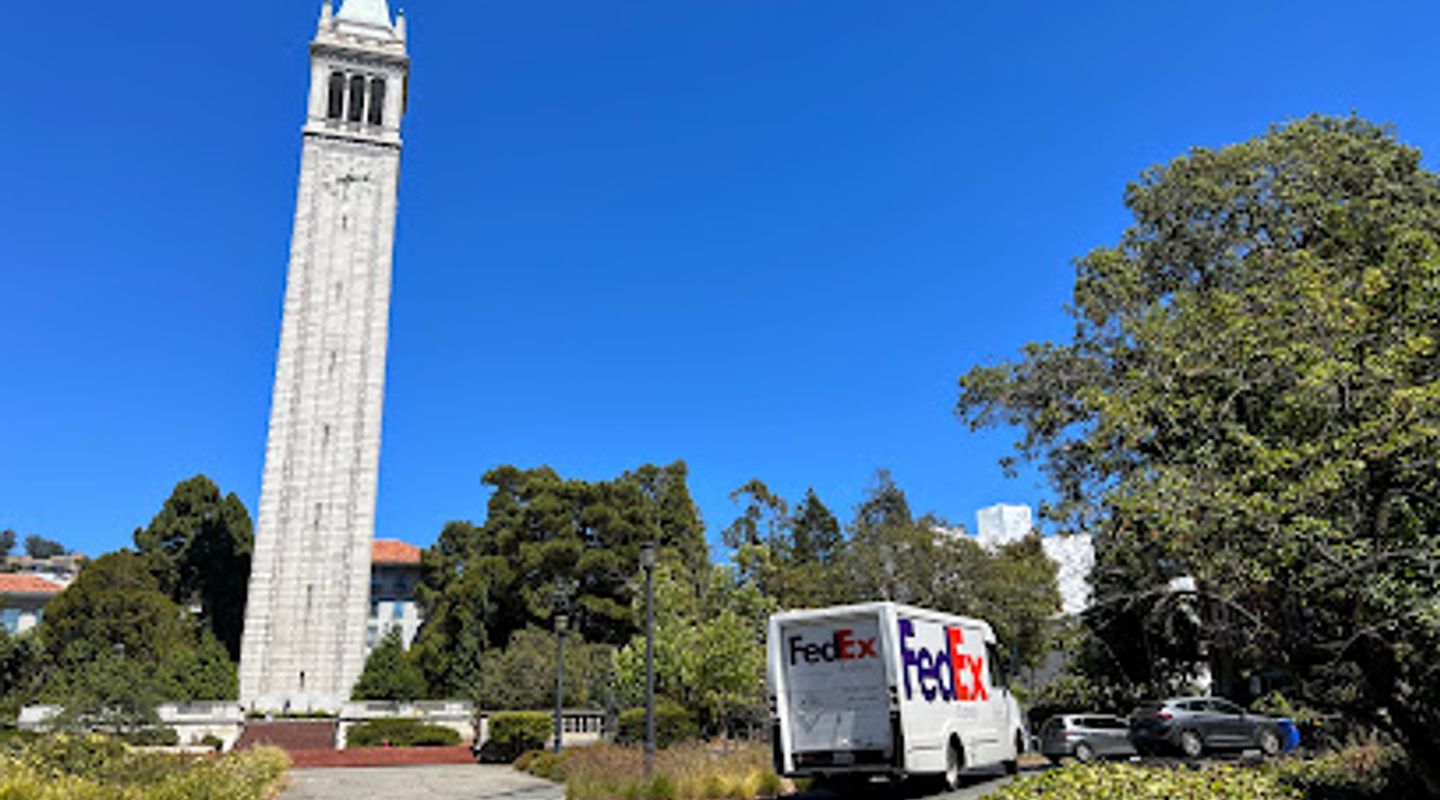
The Campanile, Berkeley Travel Guide
UC Berkeley's iconic bell tower, offering panoramic views and housing a world-class carillon. A symbol of learning and a must-see landmark.
Sather Tower, more commonly known as The Campanile, is a 307-foot bell and clock tower on the UC Berkeley campus. Modeled after the Campanile di San Marco in Venice, it's a recognizable symbol of the university and offers stunning views of the Bay Area from its observation deck.
A brief summary to The Campanile
- Sather Tower, Berkeley, California, 94720, US
- Click to display
- Click to display
- Monday 10 am-4 pm
- Tuesday 10 am-4 pm
- Wednesday 10 am-4 pm
- Thursday 10 am-4 pm
- Friday 10 am-4 pm
- Saturday 10 am-5 pm
- Sunday 10 am-1 pm

Know before you go
Hi, I'm Eve. Here are a few practical things to know before exploring The Campanile.
- Check the Campanile's website for the most up-to-date information on opening hours, as they can vary.
- Listen for the carillon concerts that take place three times a day during the academic year.
- Note that backpacks, large bags, food, and drinks are not permitted in the elevator or on the observation platform.
Do you manage this location?
Take control to get all the benefits, like improved information, better appearance, and stronger visibility across AI-powered discovery. Learn more about listing your business on Evendo
Activate your presenceOther nearby places you may find interesting
The closest places of the same kind, if this one is not quite what you had in mind.
Explore The Campanile on the Map
A handpicked selection of must-see spots near The Campanile, mapped for you.
Getting There
-
Walking
From anywhere on the UC Berkeley campus, the Campanile is easily accessible on foot. It is located near the center of campus, just southwest of Doe Library. Follow the main paths and signs directing you towards the tower. Note that there are 38 stairs from the elevator to the observation platform.
-
Public Transport
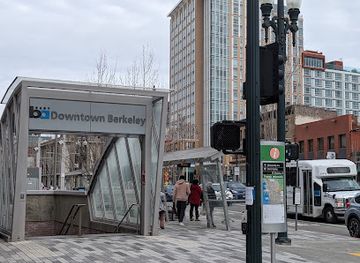
The Downtown Berkeley BART station is located one block west of the UC Berkeley campus. From the station, walk east towards the campus and follow signs to the Campanile. AC Transit buses also serve the campus. Check AC Transit schedules for routes and stops near the Campanile.
-
Driving
There is no public parking on the central UC Berkeley campus during normal business hours. Limited street parking may be available around the campus. Public parking is available in nearby lots, such as the MLK Student Union Garage and the Lower Hearst Structure. Parking costs vary, but expect to pay around $10-$20 for a few hours. After 5pm on weekdays and all day on weekends, most campus parking lots are open to the public for a fee.
Discover more about The Campanile













Your all‑in‑one travel companion app
Explore expert travel guides, compare and book tours, experiences, hotels, and more—all from the palm of your hand. Download now for seamless trip planning wherever your wanderlust takes you.


Explore More of Berkeley
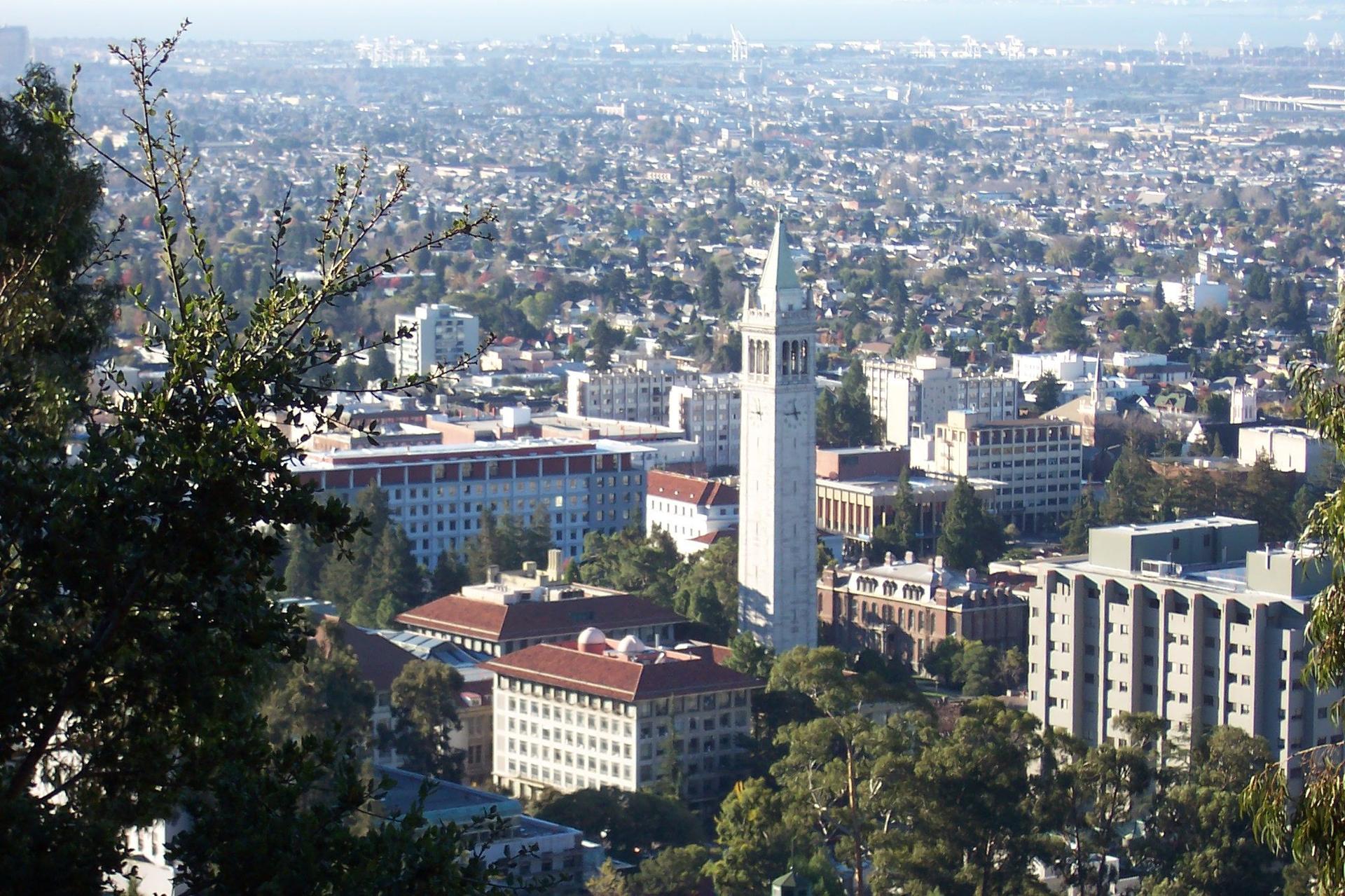
Looking beyond The Campanile? Discover Berkeley for broader travel guides, local hot-spots, and regional highlights.
Explore Berkeley
Experience the electrifying atmosphere of Haas Pavilion, home of the UC Berkeley Golden Bears, where tradition meets modern sports in the heart of campus. A must-see for any visitor!
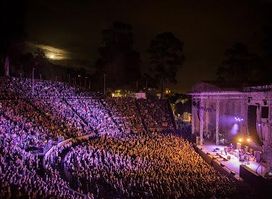
Experience world-class performances at the historic Hearst Greek Theatre on the UC Berkeley campus, offering stunning views and a rich cultural legacy.
