The Hearst Greek Theatre: A Berkeley Landmark
Experience world-class performances under the stars at the historic Hearst Greek Theatre, a Berkeley landmark with stunning views and a rich cultural legacy.
The Hearst Greek Theatre, an 8,500-seat amphitheater on the UC Berkeley campus, stands as a testament to classical architecture and enduring cultural significance. Opened in 1903, it was designed by John Galen Howard and financed by William Randolph Hearst, drawing inspiration from the ancient Greek theater of Epidaurus. Over the decades, it has hosted a diverse array of events, from theatrical performances and graduation ceremonies to concerts by iconic musicians like The Grateful Dead, solidifying its place as a premier outdoor venue. Its location in the Berkeley hills offers stunning views of the San Francisco Bay, creating a unique and memorable experience for performers and audiences alike. The Greek Theatre continues to be a vibrant hub for entertainment and community gatherings, blending historical grandeur with contemporary relevance.
A brief summary to The Greek Theatre
- Hearst Greek Theatre, 2001 Gayley Rd, Berkeley, California, 94720, US
- +1510-871-9225
- Visit website
Local tips
- Arrive early, especially for general admission concerts, to secure a good spot and enjoy the pre-show atmosphere.
- Check the weather forecast and dress accordingly, as the Greek Theatre is an open-air venue and evenings can be cool.
- Utilize public transportation or ride-sharing services, as parking near the theater is limited and can be expensive.
- Familiarize yourself with the venue's policies regarding bags, cameras, and outside food and beverages to ensure a smooth entry.
- Take advantage of the stunning views of the San Francisco Bay and the UC Berkeley campus before, during, and after the show.

Getting There
-
Public Transport
From Downtown Berkeley BART station (Shattuck and Center Streets), walk one block east on Center Street to reach the UC Berkeley campus. Then, follow the campus map eastward towards Gayley Road, where the Greek Theatre is located—approximately a 20-minute walk. Alternatively, from the BART station, catch the AC Transit bus #51 towards College Avenue, exiting at Bancroft Way and College Ave. Walk east on Bancroft to Piedmont Avenue/Gayley Road, then north on Gayley Road to the theater. AC Transit fare is around $1.75.
-
Driving
If driving, be aware that parking near the Greek Theatre is extremely limited, especially during events. Public parking is available in UC Berkeley lots like the Upper Hearst Structure and Stadium Parking Garage, but these often fill up quickly and may not open until 5:00 PM for evening concerts. Parking at these lots costs a flat rate of $22. Consider parking in downtown Berkeley and taking public transport or a ride-share to the theater to avoid traffic congestion. Disabled parking is available at the Upper Hearst parking garage.
-
Taxi/Ride-Share
For a convenient final approach, use a taxi or ride-sharing service (Uber/Lyft). Set your destination to Hearst Greek Theatre, 2001 Gayley Rd, Berkeley. The ride from downtown Berkeley typically costs $9-$12 and takes about 3 minutes. Utilize the designated drop-off/pick-up area in Lot C on Vermont and Commonwealth. An accessible drop-off area is available in front of the Box Office.
Discover more about The Greek Theatre
Iconic landmarks you can’t miss

Gilman Hall
0.2 km
Explore Gilman Hall at UC Berkeley, a historic academic building brimming with scholarly energy and architectural beauty.
Senior Hall
0.2 km
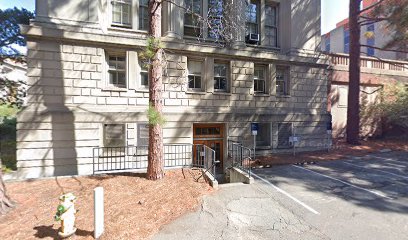
Explore the historic Senior Hall at UC Berkeley, a symbol of academic excellence and vibrant campus life within California's prestigious university.
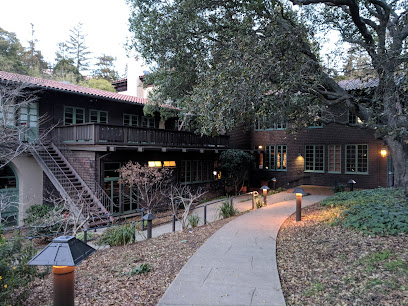
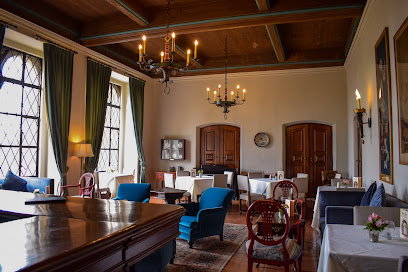
The Faculty Club
0.2 km
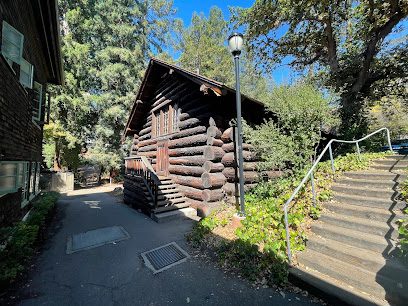
Experience the unique blend of history and modern charm at The Faculty Club, a hidden gem in the heart of UC Berkeley with exquisite dining and event spaces.
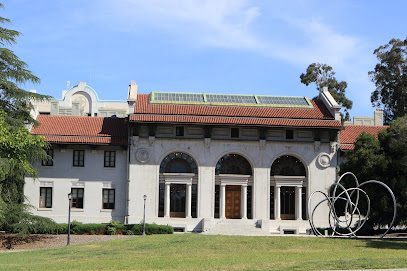
Hearst Memorial Mining Building
0.2 km
Explore the stunning Hearst Memorial Mining Building at UC Berkeley, an architectural gem steeped in history and engineering excellence.
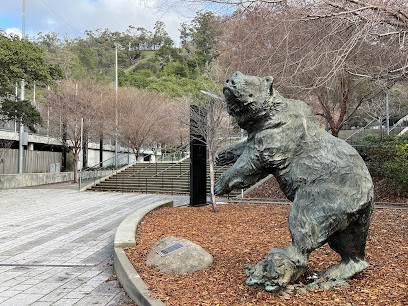
Sturdy the Bear Statue
0.3 km
Discover the charm of Sturdy the Bear Statue, a historical landmark in Berkeley, California, celebrating the spirit of the university and its vibrant culture.
Campanile Esplanade
0.3 km
Discover Campanile Esplanade: A historic Berkeley plaza offering stunning views, vibrant atmosphere, and a glimpse into the heart of university life.
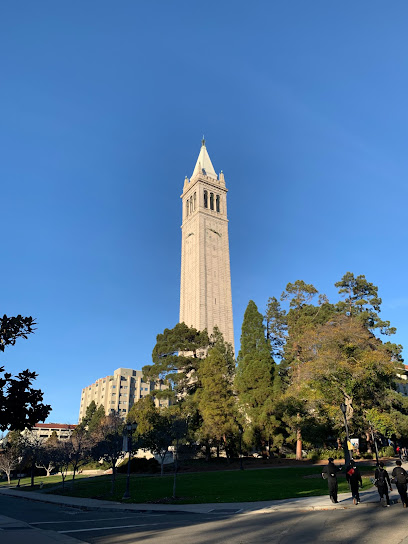
Sather Tower
0.3 km
Discover Sather Tower, a stunning landmark in Berkeley, California, offering breathtaking views, rich history, and cultural significance.
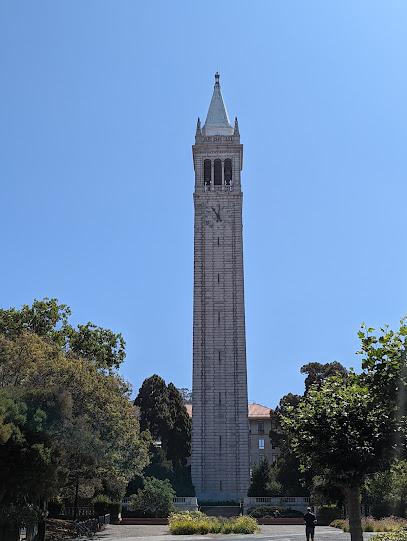
Koret Visitor Center
0.4 km
Explore Berkeley with ease from the Koret Visitor Center, your essential resource for local attractions, history, and cultural experiences.
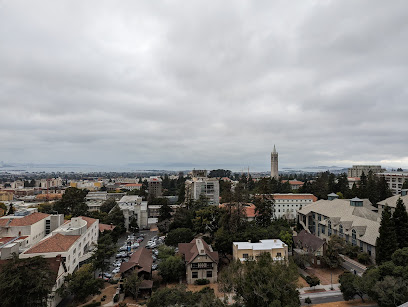
Philosophy Hall
0.4 km
Discover Berkeley's Philosophy Hall, a center for intellectual excellence and rich philosophical traditions in the heart of California.
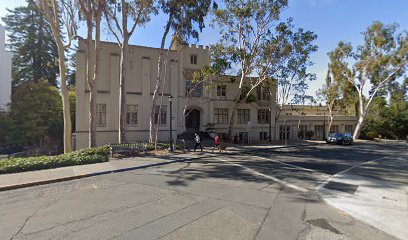
Doe Library
0.4 km
Explore Doe Library at UC Berkeley, a stunning hub of knowledge and architectural beauty, perfect for scholars and tourists alike.
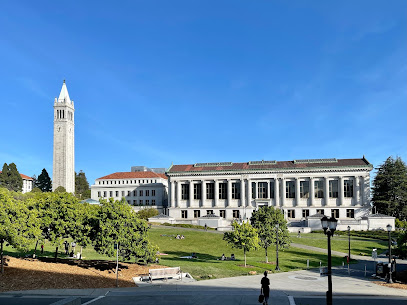
Wheeler Hall Auditorium
0.5 km
Explore the iconic Wheeler Hall Auditorium in Berkeley, a vibrant venue for lectures and performances amidst stunning architecture and rich cultural heritage.
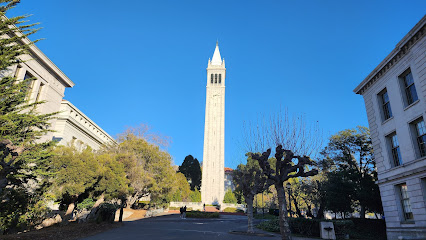
Kluegel House Student Housing
0.5 km
Discover Kluegel House in Berkeley, a vibrant student housing center offering modern amenities and a welcoming community for an enriching student experience.
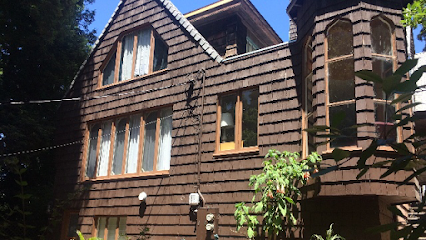
Sigma Phi Society
0.6 km
Explore the Sigma Phi Society in Berkeley, a historical landmark blending rich traditions with vibrant community life, perfect for culture enthusiasts.
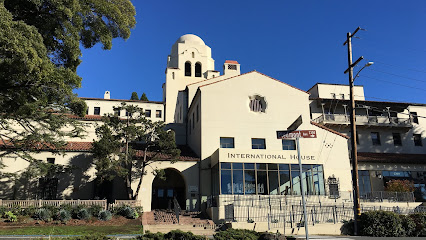
Sproul Hall
0.6 km
Experience the vibrant academic culture of Sproul Hall at the University of California, Berkeley, where history and student life intertwine.
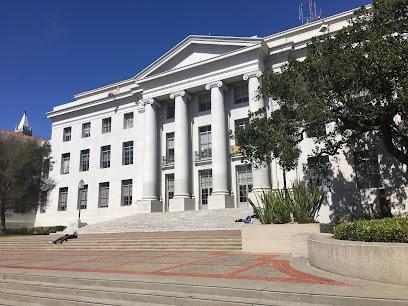
Sproul Plaza
0.6 km
Discover the vibrant culture and history of Sproul Plaza at UC Berkeley, a must-visit destination for every traveler exploring California.
Unmissable attractions to see

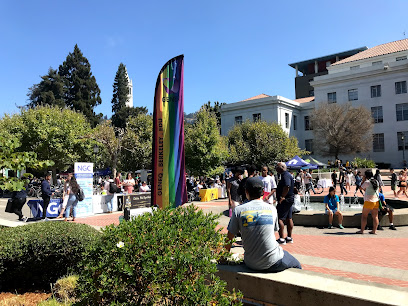
Founders Rock
0.3 km
Discover Founders Rock in Berkeley, a captivating historical landmark surrounded by stunning nature and rich cultural heritage.
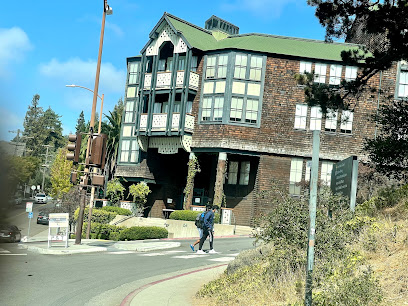
The Campanile
0.3 km
Discover the breathtaking views and rich history of The Campanile, Berkeley's iconic bell tower, a must-visit for every traveler.
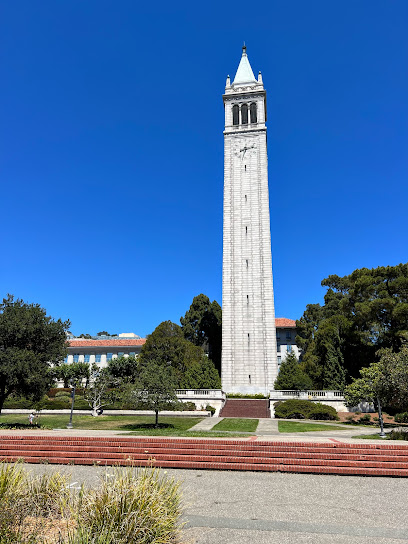
Memorial Glade
0.4 km
Discover the tranquil beauty of Memorial Glade, a serene park at UC Berkeley, perfect for relaxation and enjoying nature's splendor.
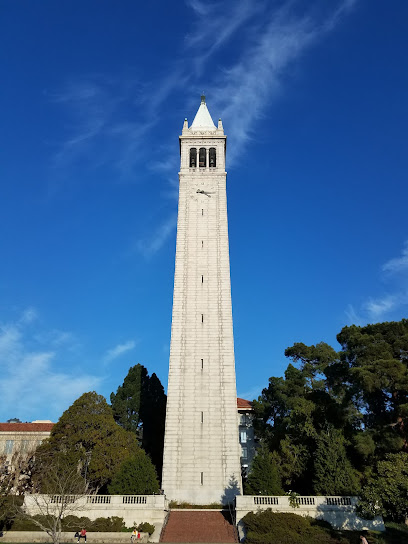
South Hall
0.4 km
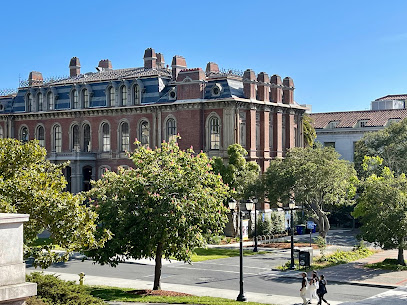
Visit South Hall, UC Berkeley's oldest building, a beautiful example of Second Empire architecture and home to the School of Information.
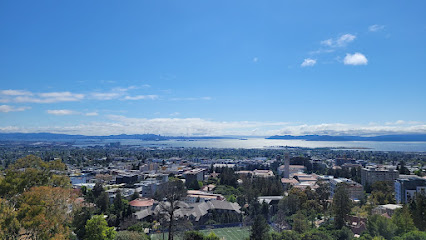
Big C
0.4 km
Discover breathtaking views and a rewarding hike at Big C, Berkeley's iconic vista point overlooking the stunning Bay Area.
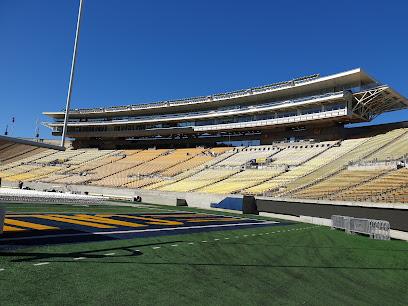
California Memorial Stadium
0.5 km
Explore the historic California Memorial Stadium, home to UC Berkeley's Golden Bears, and enjoy stunning views and rich traditions in the heart of Berkeley.
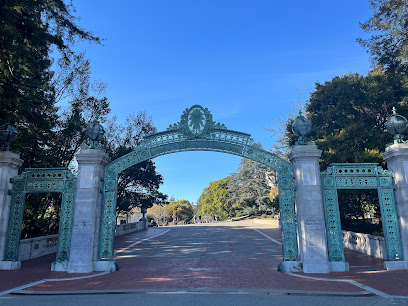
Sather Gate
0.6 km
Discover Sather Gate: UC Berkeley's historic gateway, a symbol of free speech and a vibrant hub of campus life.
Haas Pavilion
0.8 km
Experience the thrill of college sports at Haas Pavilion in Berkeley, California – a must-visit for sports enthusiasts and fans alike.

The Lawrence Hall of Science
0.9 km
Discover the wonders of science at The Lawrence Hall of Science - where curiosity meets learning in a fun, interactive environment.
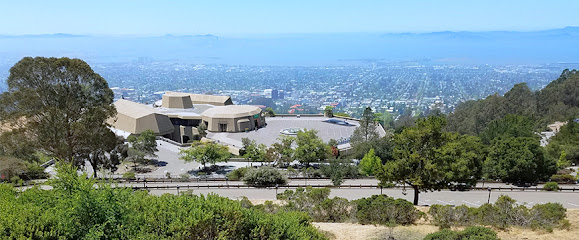
Örly Museum of Hungarian Culture
1.0 km
Explore the Örly Museum of Hungarian Culture in Berkeley, a heritage destination that celebrates the vibrant history and traditions of Hungary.
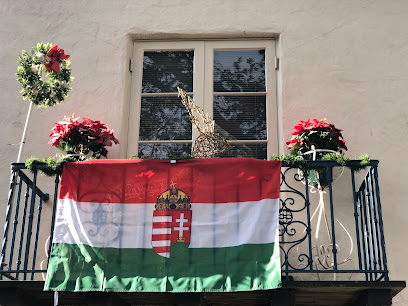
Moe's Books
1.0 km
Discover a treasure trove of literature and unique finds at Moe's Books, a Berkeley icon blending old-world charm with modern literary culture.
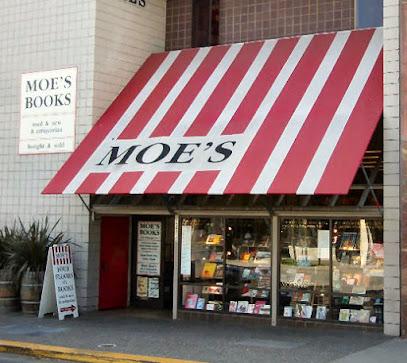
Sleepy Cat Books
1.0 km
Explore the charm of Sleepy Cat Books in Berkeley, where every corner is filled with literary treasures and cozy reading nooks.
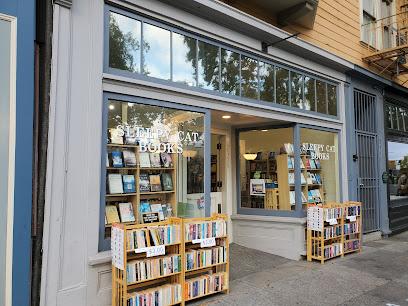
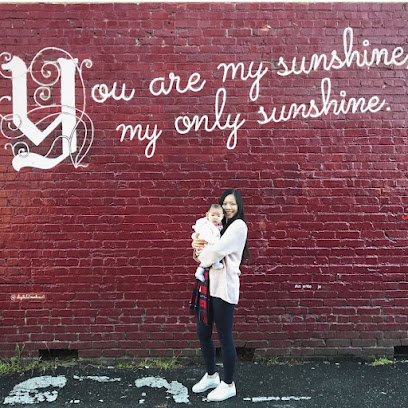
Mural: You are my sunshine, my only sunshine.
1.1 km
Explore the iconic 'You Are My Sunshine' mural in Berkeley, a vibrant symbol of joy and creativity that invites visitors to capture memorable moments.
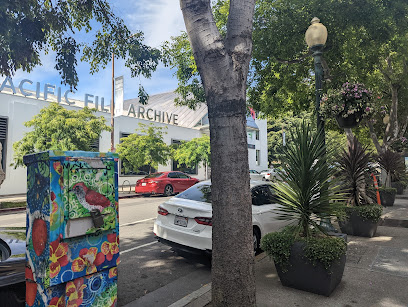
Berkeley Art Museum and Pacific Film Archive
1.1 km
Discover a blend of art and cinema at the Berkeley Art Museum and Pacific Film Archive, where creativity flourishes in every corner.
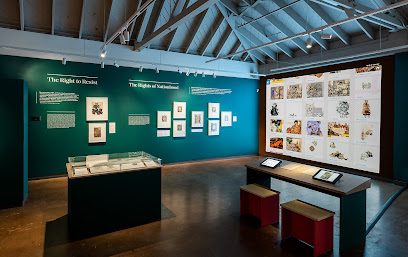
The Magnes Collection of Jewish Art and Life
1.2 km
Discover the vibrant narratives of Jewish art and history at The Magnes Collection in Berkeley, a unique cultural gem for travelers.
Essential places to dine

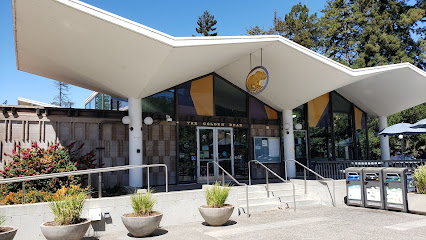
The Golden Bear Café
0.6 km
Discover The Golden Bear Café at UC Berkeley - A delightful blend of restaurant and grocery store offering delicious meals in a cozy atmosphere.
Henry's Bar & Restaurant
0.6 km
Discover delicious grilled dishes and vibrant nightlife at Henry's Bar & Restaurant in Berkeley - perfect for casual dining or special events.
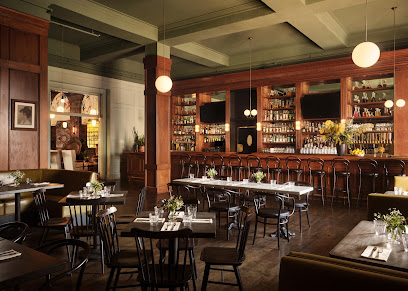
Gypsy's Trattoria Italiana
0.7 km
Experience the heart of Italy at Gypsy's Trattoria Italiana in Berkeley—where authentic flavors meet warm hospitality.
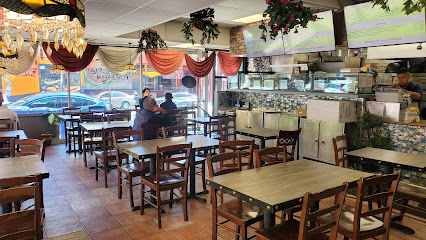
KoJa Kitchen
0.8 km
Experience the best of Korean and Japanese cuisine at KoJa Kitchen in Berkeley - where tradition meets innovation in every bite!
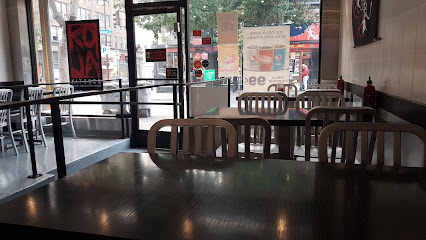
Raleigh's Pub
0.9 km
Discover Raleigh's Pub in Berkeley: A lively restaurant-bar experience with delicious food and local craft beers.
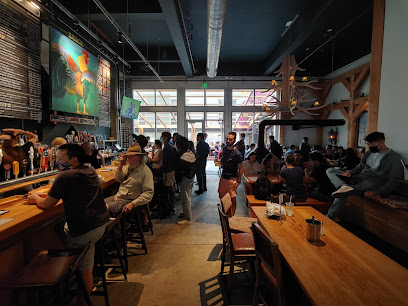
Sliver Pizzeria
1.0 km
Experience the unique flavors of gourmet pizzas at Sliver Pizzeria in Berkeley—where creativity meets quality in every bite.
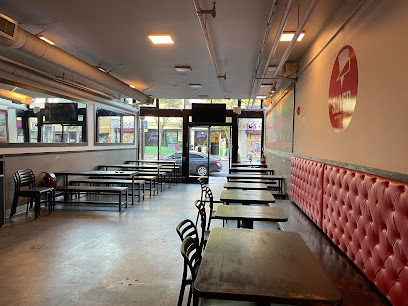
Poke Parlor
1.0 km
Discover the vibrant flavors of Hawaii at Poke Parlor in Berkeley - your go-to spot for fresh poke bowls and island-inspired dishes.
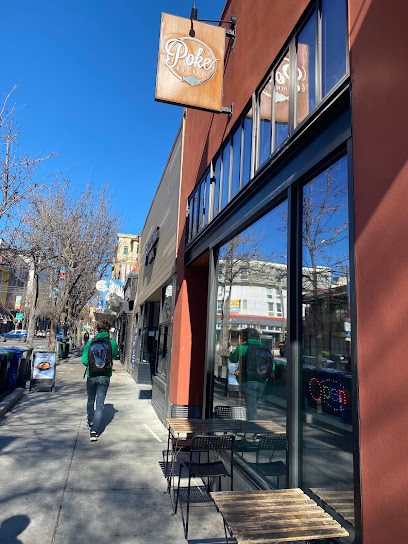
Julia's Restaurant
1.0 km
Experience exquisite French cuisine at Julia's Restaurant in Berkeley - an elegant dining destination blending tradition and flavor.
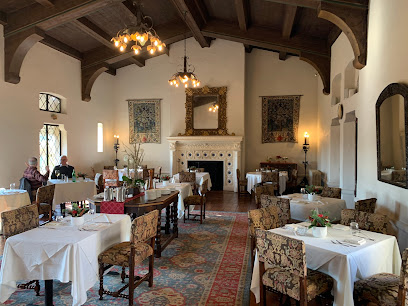
Racha Café
1.1 km
Experience the essence of Thailand at Racha Café—Berkeley's gem for authentic Thai cuisine served in a cozy atmosphere.
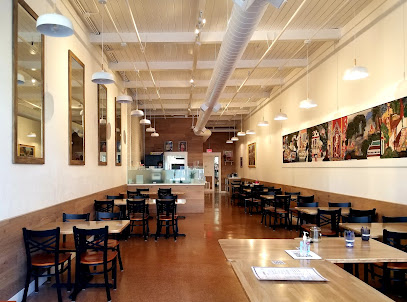
Gather
1.1 km
Discover Gather in Berkeley - where fresh ingredients meet innovative American cuisine in a vibrant setting.
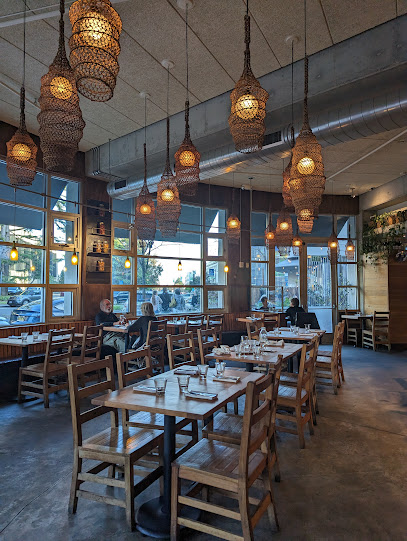
Kiraku
1.2 km
Discover the unique fusion of traditional Japanese cuisine and innovative tapas at Kiraku in Berkeley—an unforgettable dining experience awaits.
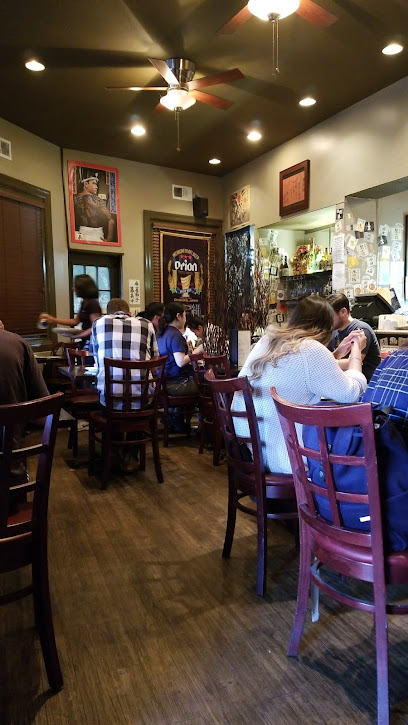
Great China
1.2 km
Experience authentic Chinese dining at Great China in Berkeley - where tradition meets flavor in every dish.
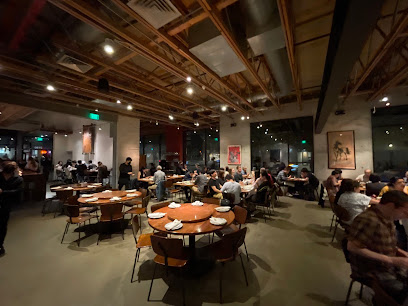
Tasty Pot
1.2 km
Discover the delightful world of hot pot at Tasty Pot in Berkeley - where fresh ingredients meet interactive dining.
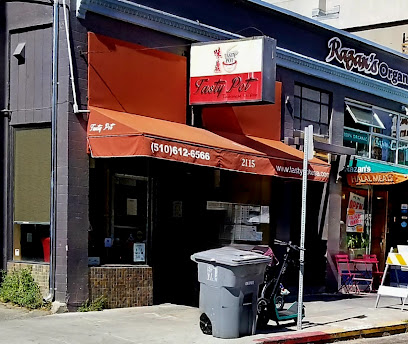
Revival Bar+Kitchen
1.3 km
Discover the vibrant flavors of Californian cuisine at Revival Bar+Kitchen in Downtown Berkeley—where every meal is a celebration.
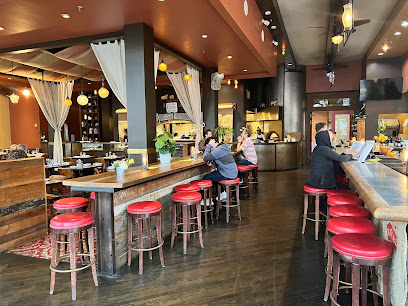
Comal
1.3 km
Experience the vibrant flavors of modern Mexican cuisine at Comal in downtown Berkeley—where tradition meets innovation.
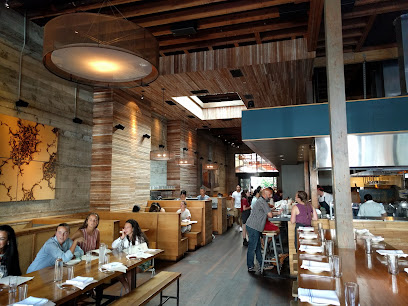
Markets, malls and hidden boutiques

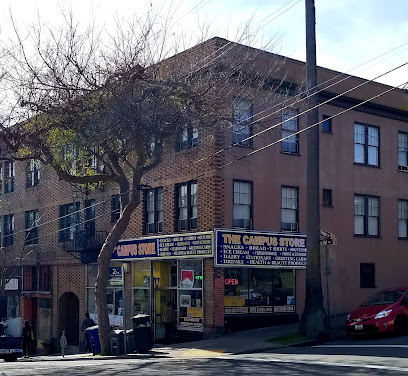
The Campus Store
0.6 km
Discover The Campus Store in Berkeley, a vibrant convenience store offering snacks, essentials, and a friendly atmosphere for all your shopping needs.
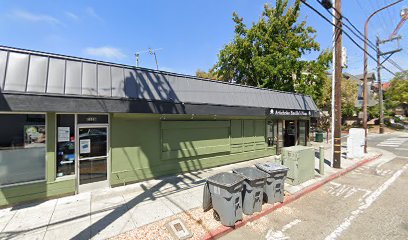
Telegraph Channing Shops
0.7 km
Explore the eclectic shops, delightful eateries, and vibrant atmosphere of Telegraph Channing Shops in Berkeley - a unique shopping experience awaits!
Cal Student Store
0.7 km
Discover Berkeley's academic pride at the Cal Student Store, a unique shopping destination for clothing, books, and university memorabilia.
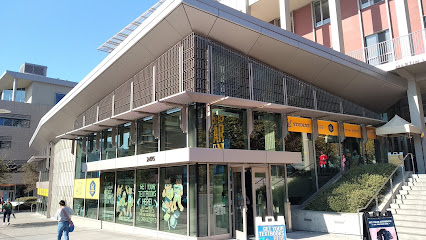
Fall Rush Berkeley
0.7 km
Explore Fall Rush Berkeley, a vibrant gift shop offering clothing, tech gadgets, and school supplies in a friendly, artistic atmosphere.
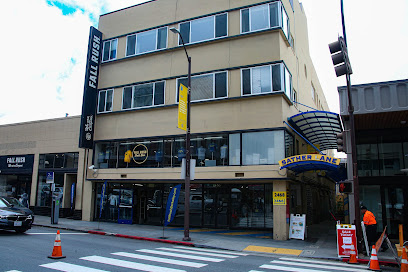
Games of Berkeley
0.8 km
Explore a vibrant gift shop and gaming paradise in Berkeley, offering a unique selection of games, toys, and collectibles for all ages.
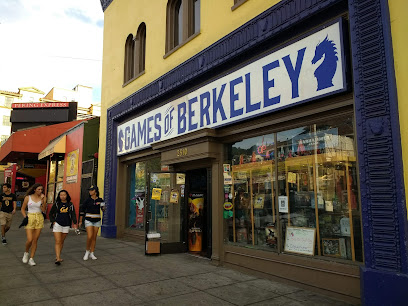
Bear Basics
0.8 km
Discover unique fashion and local artistry at Bear Basics, a trendy clothing store in the heart of Berkeley, CA.
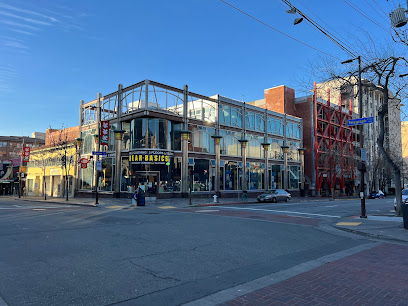
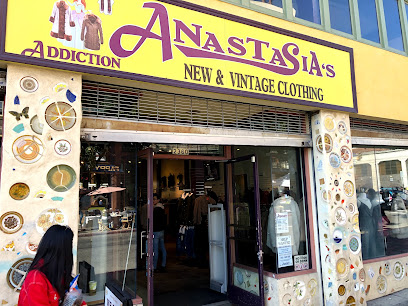
Anastasia's vintage clothing
0.8 km
Discover unique vintage fashion at Anastasia's Vintage Clothing in Berkeley, a treasure trove for fashion enthusiasts and retro lovers.
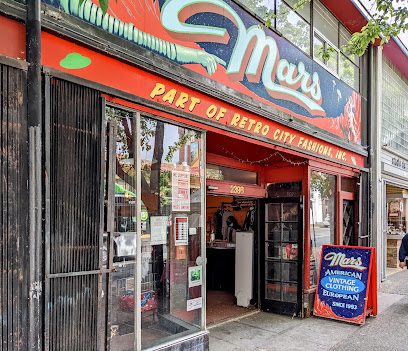
Mars Mercantile
0.8 km
Explore eclectic fashion at Mars Mercantile, your go-to clothing store in Berkeley for unique styles and accessories.
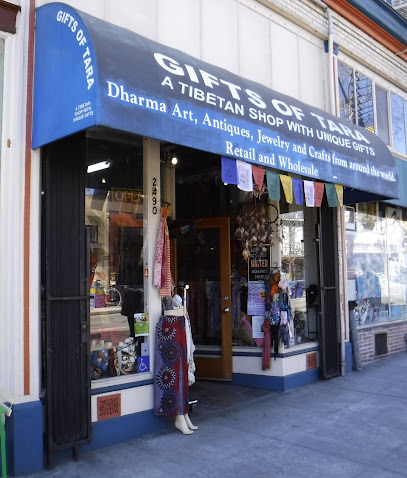
Gifts of Tara
0.9 km
Explore the unique treasures at Gifts of Tara, Berkeley's charming gift shop for artisanal goods and local souvenirs.
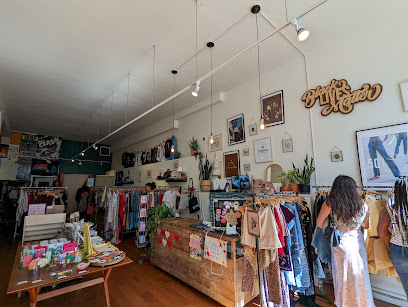
Indigo Vintage
1.0 km
Explore Indigo Vintage in Berkeley, CA – a treasure trove of unique vintage clothing and accessories reflecting timeless style.
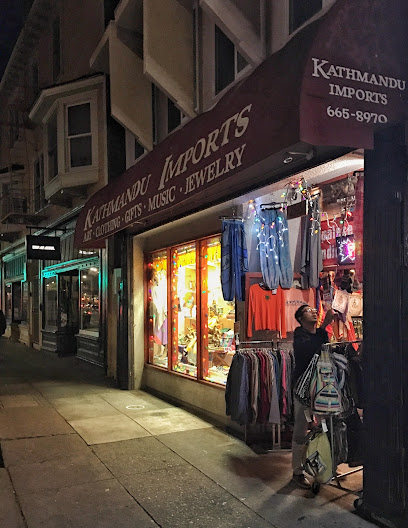
Kathmandu Imports
1.0 km
Explore the vibrant culture of Nepal through unique imports, clothing, and handicrafts at Kathmandu Imports in Berkeley, California.
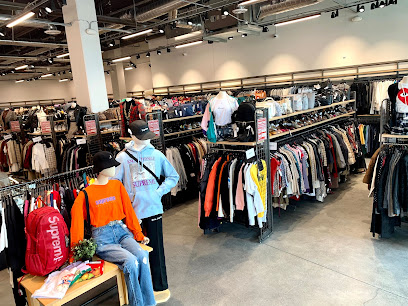
2nd STREET Telegraph
1.1 km
Uncover vintage treasures and sustainable fashion at 2nd STREET Telegraph in Berkeley, where every find tells a story.
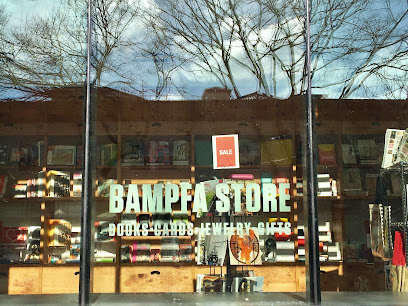
BAMPFA Store
1.1 km
Explore the BAMPFA Store in Downtown Berkeley for unique art-inspired gifts and local treasures that embody the vibrant spirit of the Bay Area.
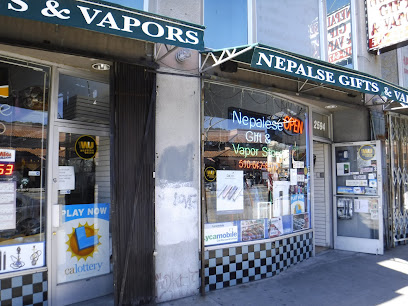
Nepalse Gifts and Vapor
1.2 km
Explore Nepalse Gifts and Vapor, a charming gift shop in Berkeley offering unique souvenirs and local treasures for every traveler.
Paisley Vintage
1.2 km
Explore the charm of vintage fashion at Paisley Vintage in Downtown Berkeley, where unique treasures await every thrift enthusiast.
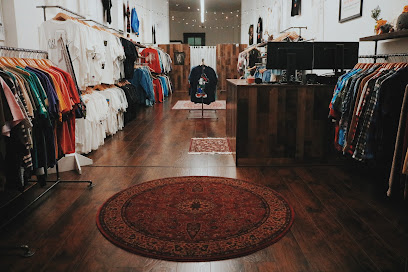
Essential bars & hidden hideouts

Freehouse
0.5 km
Discover Freehouse, Berkeley's favorite American restaurant and pub, serving delicious food and drinks in a friendly atmosphere.
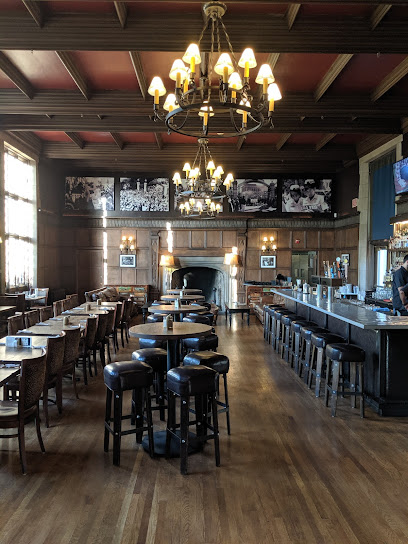
The Tap Haus
0.7 km
Experience the lively ambiance at The Tap Haus in Berkeley, a perfect blend of great drinks, pool games, and vibrant nightlife.
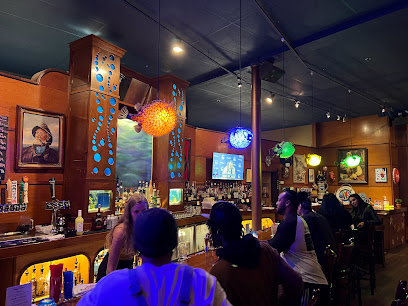
Bear's Lair
0.8 km
Discover Bear's Lair, a lively pub in Berkeley offering a delightful mix of American cuisine and a vibrant atmosphere.
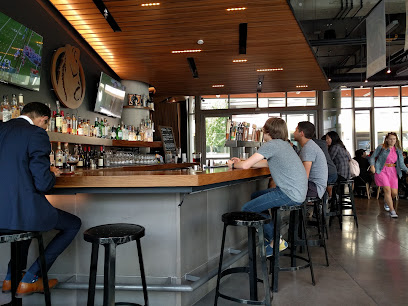
Kip’s Bar and Grill
0.8 km
Experience the vibrant atmosphere at Kip's Bar and Grill, where delicious food meets the thrill of sports in Berkeley, California.
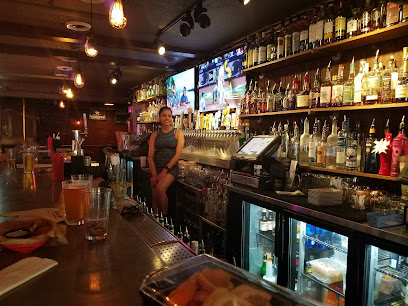
Morgan's Bar & Lounge
1.0 km
Discover the enchanting Morgan's Bar & Lounge in Berkeley, where expertly crafted cocktails meet a cozy, historic ambiance.
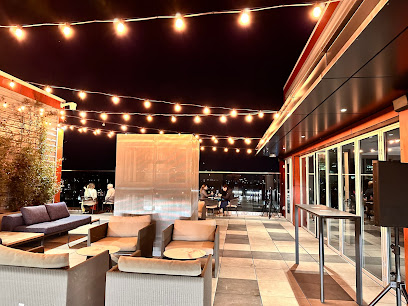
Study Hall Rooftop Lounge
1.1 km
Discover breathtaking views and delicious cuisine at Study Hall Rooftop Lounge in Downtown Berkeley, where every visit is a memorable experience.
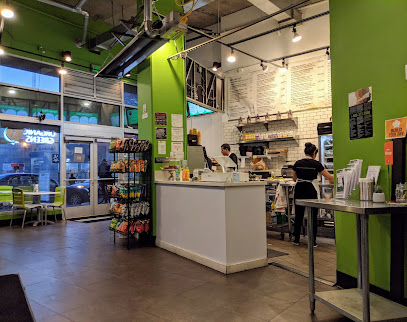
Organic Greens Salad & More, Downtown Berkeley
1.2 km
Discover the vibrant taste of organic salads and juices at Organic Greens Salad & More, a must-visit destination in Downtown Berkeley.
Jupiter
1.2 km
Discover the best wood-fired pizzas and craft beers at Jupiter, Berkeley's vibrant brewpub with a lively atmosphere and outdoor beer garden.
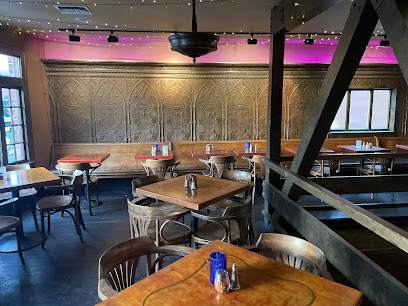
Spats Berkeley
1.3 km
Discover the lively ambiance, delicious American cuisine, and vibrant nightlife at Spats Berkeley, a must-visit bar and pub in Downtown Berkeley.
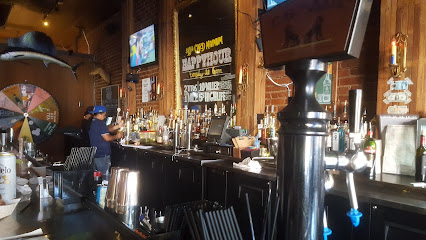
Beta Lounge
1.3 km
Experience the vibrant atmosphere and diverse menu at Beta Lounge, Berkeley's top spot for cocktails, dining, and relaxation in the heart of Downtown.
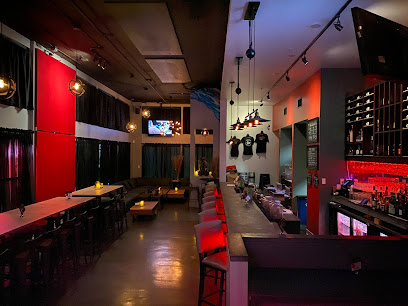
Tap in lounge
1.3 km
Experience the lively atmosphere of Tap In Lounge in Downtown Berkeley, a perfect spot for drinks, bites, and socializing.
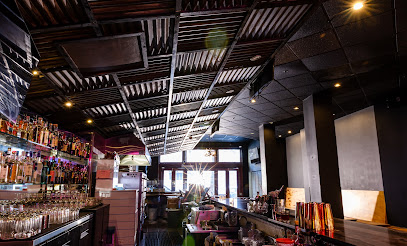
East Bay Spice Company At Tap In lounge
1.3 km
Discover unique South Asian-inspired cocktails and authentic Indian cuisine at East Bay Spice Company, a vibrant bar and restaurant in Berkeley.
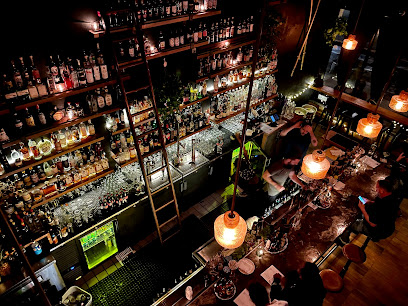
Tipsea
1.3 km
Experience Berkeley's nightlife at Tipsea, a cocktail bar blending American cuisine with innovative drinks in a vibrant atmosphere.
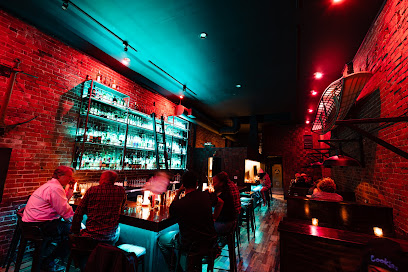
Cornerstone Craft Beer & Live Music
1.4 km
Discover the perfect blend of craft beer, delicious food, and live music at Cornerstone Craft Beer & Live Music in Downtown Berkeley.
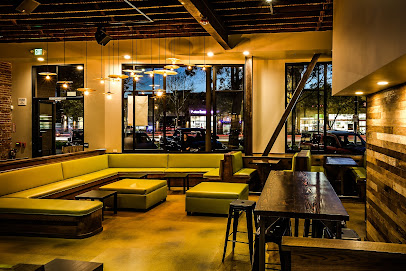
The Starry Plough Pub
2.5 km
Experience the vibrant culture and delicious flavors at The Starry Plough Pub, a beloved Berkeley destination for food and live music enthusiasts.
Nightclubs & after hour spots

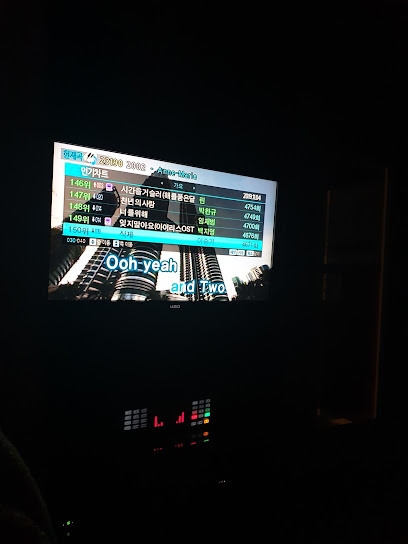
Jaguar Karaoke Berkeley
0.7 km
Discover the ultimate karaoke experience at Jaguar Karaoke Berkeley, where music and fun unite in a vibrant atmosphere.
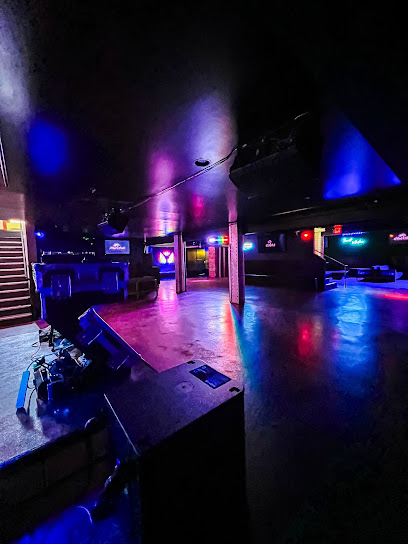
Club Cali
0.8 km
Dive into the vibrant nightlife of Berkeley at Club Cali, where music, dancing, and unforgettable memories come alive every night.
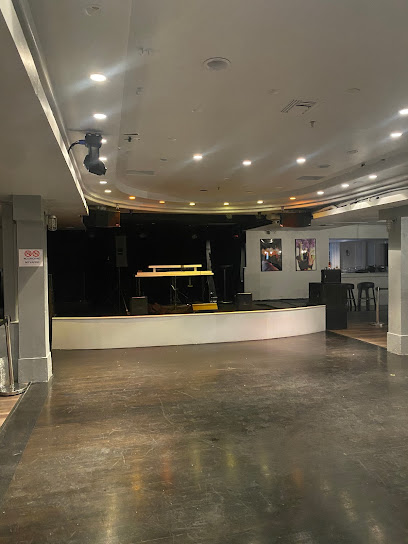
Drop 84
1.4 km
Experience the pulse of Berkeley's nightlife at Drop 84, where unforgettable nights and vibrant energy come alive.
Tong's kitchen
1.7 km
Discover the dynamic nightlife at Tong's Kitchen in Berkeley, where music, dance, and unforgettable moments come together.
White Horse Inn
2.5 km
Experience the lively spirit and innovative cocktails of White Horse Inn, a welcoming bar in Oakland's vibrant nightlife scene.
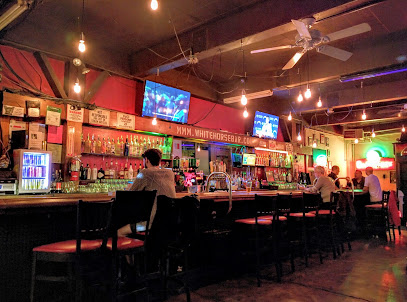
Missouri Lounge
3.4 km
Discover the lively Missouri Lounge in Berkeley, where vibrant nightlife meets delicious dining, perfect for an unforgettable evening.
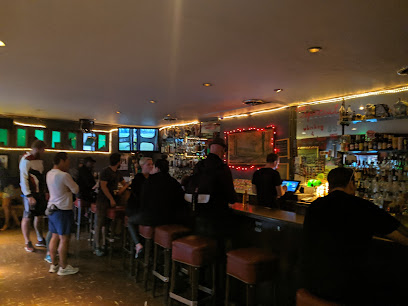
Berkeley Bachata Rodchata Social (2nd Saturdays)
3.7 km
Experience the vibrant energy of Bachata dancing every second Saturday at Berkeley Bachata Rodchata Social, where rhythm meets community.
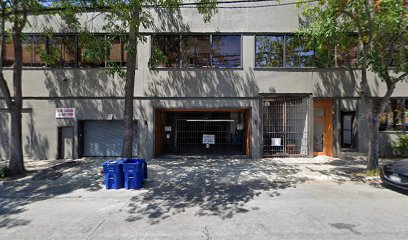
Kona Club
4.8 km
Discover Kona Club in Oakland: A tropical bar oasis with exotic cocktails, live music, and a vibrant atmosphere, perfect for a night out.
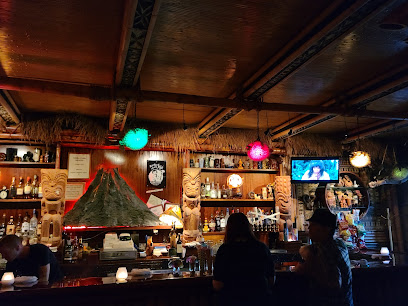
Eli's Mile High Club
5.5 km
Experience the soulful sounds and delicious bites at Eli's Mile High Club, Oakland's premier blues venue and bar & grill.
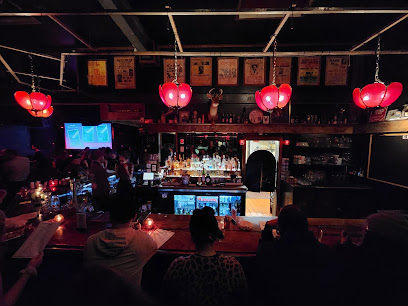
AU Lounge
6.7 km
Discover the vibrant nightlife at AU Lounge in Oakland, where expertly crafted cocktails and a lively atmosphere await.
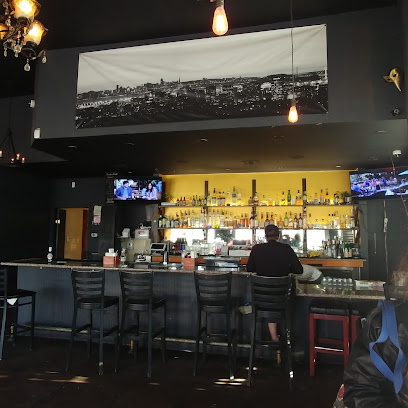
Thee Stork Club
6.8 km
Discover the vibrant nightlife at Thee Stork Club, Oakland's premier night club and cocktail bar offering unforgettable experiences.
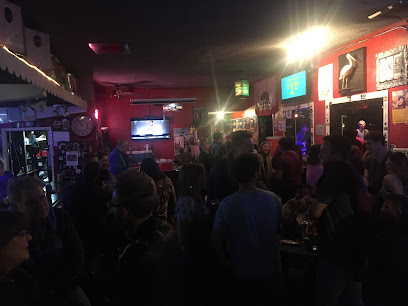
The Legionnaire Saloon
6.9 km
Experience the vibrant nightlife at the Legionnaire Saloon, Oakland's go-to karaoke bar for fun, music, and unforgettable memories.
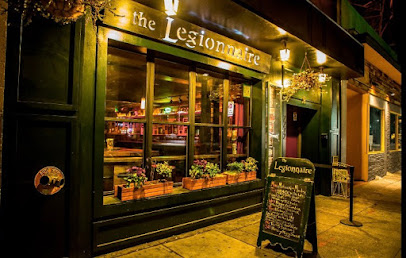
Torch Oakland Rooftop Bar
7.6 km
Experience breathtaking city views and vibrant nightlife at Torch Oakland Rooftop Bar - a perfect blend of style, drinks, and atmosphere.
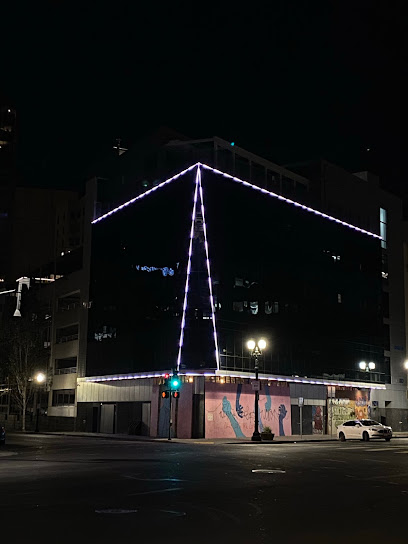
Fluid510
7.6 km
Discover the lively nightlife of Oakland at Fluid510, a vibrant lounge blending exquisite dining and a lively bar atmosphere.
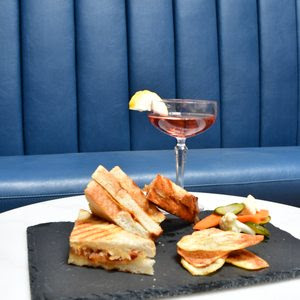
Qué Rico Nightclub
7.8 km
Discover the vibrant nightlife of Qué Rico Nightclub, Oakland's premier gay bar and nightclub, offering great food, drinks, and unforgettable parties.