Background

Stockton Street: A San Francisco Thoroughfare

Experience San Francisco's vibrant heart on Stockton Street: from upscale shopping at Union Square to the cultural richness of Chinatown and the Italian charm of North Beach.

4.4

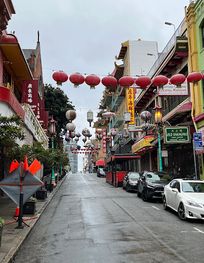
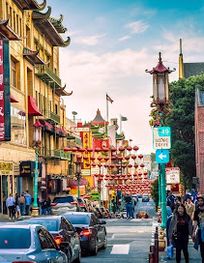
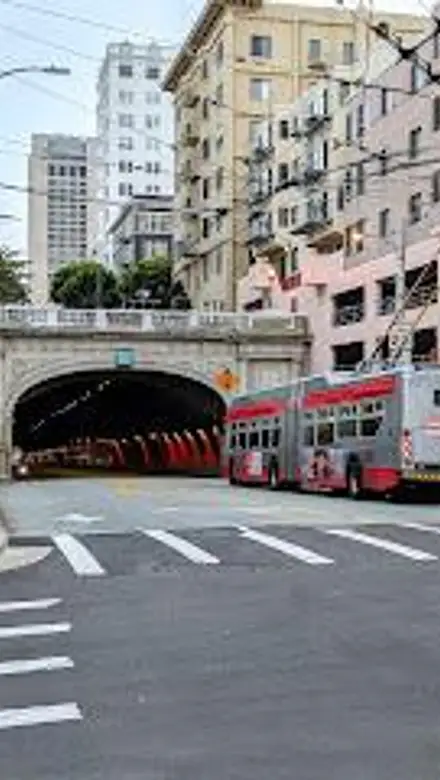
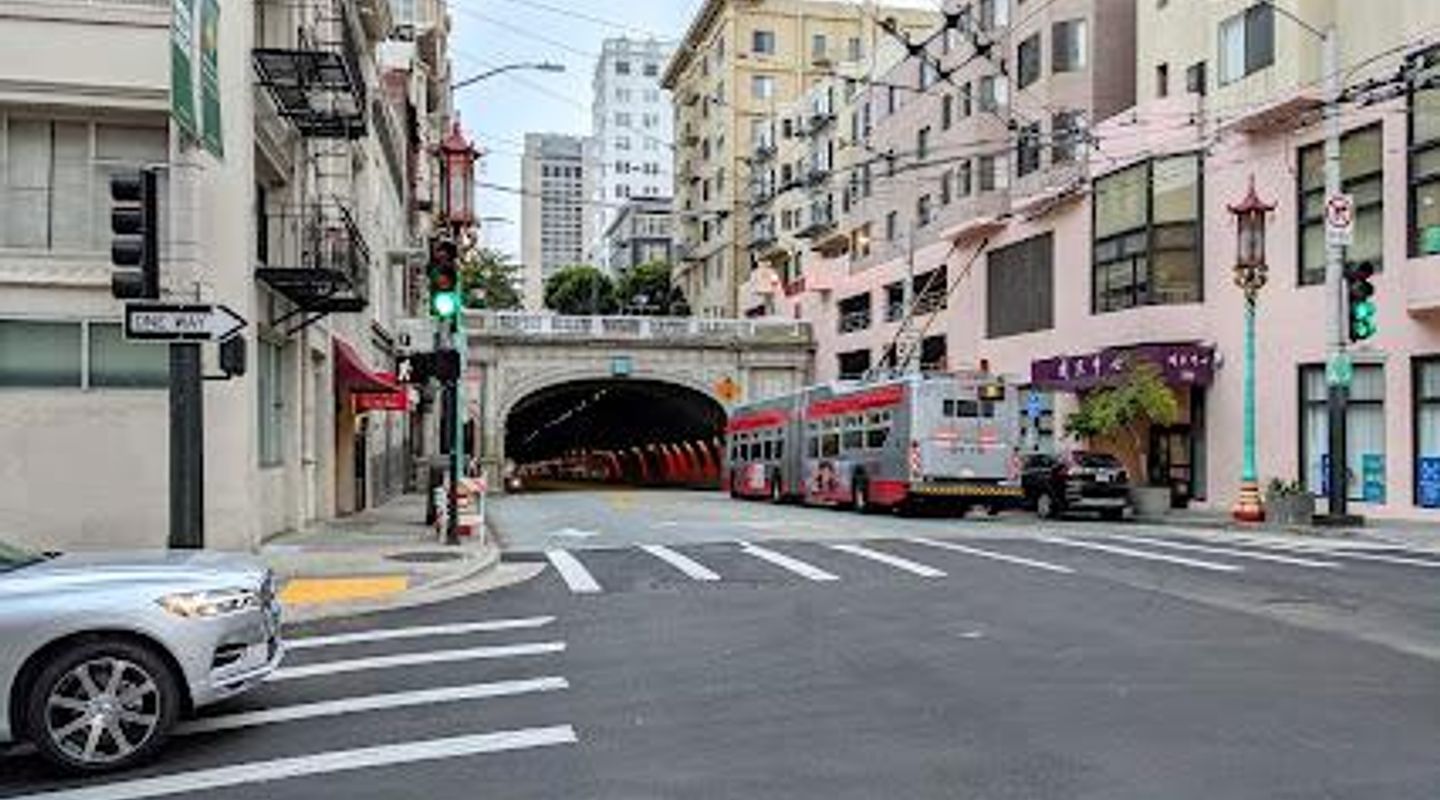
Stockton Street is a vibrant north-south artery in San Francisco, famed for its diverse character and key role in connecting iconic neighborhoods. Beginning at Market Street near Union Square, a shopper's paradise, it dives beneath Nob Hill via the Stockton Street Tunnel before emerging into the heart of Chinatown, where bustling markets and traditional businesses thrive. Continuing north, it borders North Beach, ending near Pier 39. Stockton Street offers a sensory journey through San Francisco's rich cultural tapestry, from high-end retail to authentic Chinese markets and historic landmarks, making it a must-experience destination for any visitor seeking an immersive urban adventure. The street's history is as rich as its present, reflecting San Francisco's dynamic evolution.

A brief summary to Stockton St

  • San Francisco, California, US

Local tips

  • Explore Chinatown's side streets for hidden gems and authentic experiences beyond the main thoroughfare.
  • Visit during the Chinese New Year for the annual Stockton Street market, a vibrant celebration with outdoor stands and cultural performances.
  • Take public transportation to avoid parking hassles, especially during peak hours and events.
widget icon

Getting There

  • Public Transport

    To reach Stockton Street via public transport, the Central Subway's Chinatown-Rose Pak Station drops you directly into the heart of Chinatown at Stockton and Washington Streets. Muni bus lines 8, 8AX, 8BX, 30, and 45 also serve various points along Stockton Street. A single Muni fare is $2.50, payable with Clipper card or the MuniMobile app.

  • Walking

    If starting from Union Square, walk north on Stockton Street. The entrance to the Stockton Street Tunnel is clearly marked. Upon exiting the tunnel, you'll find yourself in Chinatown. Walking from Pier 39/Fisherman's Wharf, head south on Stockton Street; you'll pass through North Beach and eventually reach Chinatown.

  • Taxi/Ride-Share

    A taxi or ride-share from Fisherman's Wharf to the intersection of Stockton and Washington Streets in Chinatown will typically cost between $15-$25, depending on traffic. From Union Square, a ride to the same location should be approximately $10-$15.

  • Driving

    Driving on Stockton Street can be challenging due to traffic and limited parking. Several parking garages are located near Union Square (e.g., Union Square Garage, Sutter-Stockton Garage) and in Chinatown. Rates typically range from $3-$5 per hour, with daily maximums between $30-$45. Be aware that street parking is very limited and subject to strict time restrictions.

Unlock the Best of Stockton St

Buy tickets

    No tickets available

Book tours with entry

    No tours available

Book tours without entry

    No tours available

Discover more about Stockton St

Stockton Street, a vital north-south thoroughfare in San Francisco, offers a captivating journey through the city's diverse cultural landscape. From its upscale beginnings near Union Square to its vibrant heart in Chinatown and its northern reaches bordering North Beach, Stockton Street encapsulates the essence of San Francisco's dynamic urban character. The street commences at Market Street, adjacent to Union Square, a world-renowned shopping destination. Here, Stockton Street is lined with flagship department stores like Macy's and Neiman Marcus, catering to discerning shoppers. The area buzzes with activity, drawing both locals and tourists seeking the latest fashion trends and luxury goods. Union Square itself has a rich history, evolving from a site for pro-Union rallies during the Civil War to a premier retail and entertainment hub. South of Union Square, Stockton Street enters the Stockton Street Tunnel, a three-block underground passage beneath Nob Hill. Constructed in 1914, the tunnel was initially built to accommodate streetcars, facilitating a level route between North Beach and downtown. Today, it carries vehicular traffic, offering a unique subterranean experience. Emerging from the tunnel, Stockton Street transitions dramatically into the heart of Chinatown. Chinatown, particularly the section of Stockton Street between Washington Street and Broadway, is a sensory explosion of sights, sounds, and smells. This is the neighborhood's commercial spine, where locals shop for the freshest produce, meats, and seafood. Open-front stores display a colorful array of goods, from live fish to dried herbs, reflecting the area's authentic Chinese heritage. Stockton Street in Chinatown is more than just a shopping destination; it's a living, breathing community, a testament to the resilience and vibrancy of San Francisco's Chinese population. Beyond Chinatown, Stockton Street continues north, bordering North Beach, San Francisco's historic Little Italy. While Stockton Street itself doesn't delve deeply into North Beach, it serves as a gateway to the neighborhood's Italian restaurants, cafes, and cultural landmarks. The street eventually terminates near Beach Street and Pier 39, a popular tourist destination on the waterfront. Throughout its length, Stockton Street is dotted with notable landmarks and cultural institutions. In Chinatown, the Chinese Consolidated Benevolent Association (Chinese Six Companies) at 843 Stockton Street stands as a symbol of the community's historical and political power. The Chinese American Citizens Alliance headquarters at 1044 Stockton Street represents the long struggle for civil rights and equality. The Central Subway's Chinatown-Rose Pak station, located under Stockton Street at Washington Street, provides modern transit access to the neighborhood. In the Union Square area, the Mechanics' Pavilion once stood on Stockton Street, hosting industrial fairs and social gatherings in the late 19th century. Today, the area is home to upscale hotels, theaters, and restaurants, reflecting its status as a premier destination for entertainment and leisure. Stockton Street's history is intertwined with the story of San Francisco itself. From its early days as a transportation route to its current role as a cultural and commercial corridor, the street has evolved alongside the city. The construction of the Stockton Street Tunnel, the growth of Chinatown, and the rise of Union Square have all shaped the character of this iconic thoroughfare. Today, Stockton Street faces both opportunities and challenges. The Central Subway project, while improving transit access, has also disrupted businesses and pedestrian traffic. Preserving the affordability and cultural identity of Chinatown in the face of rising rents and development pressures remains a key concern. Yet, Stockton Street continues to thrive, a testament to the enduring spirit of San Francisco and its diverse communities. Whether you're seeking high-end fashion, authentic Chinese cuisine, or a glimpse into San Francisco's rich history, Stockton Street offers an unforgettable urban experience. It's a street that embodies the city's dynamism, diversity, and enduring appeal.

Popular Experiences near Stockton St

Popular Hotels near Stockton St

Select Currency