

Red Crabs Migration Area, Christmas Island Travel Guide
Experience the breathtaking red crab migration on Christmas Island, where millions of crabs paint the island red in an awe-inspiring natural spectacle.
Witness one of nature's grandest spectacles at Christmas Island - the annual red crab migration. This extraordinary event sees millions of red crabs journey from the forest to the coast in a mesmerizing display of color and movement. The migration typically begins with the first rains of the wet season, usually in October or November, and lasts for about a month. During this time, the crabs cover roads, paths, and beaches, creating a sea of red that is both beautiful and surreal. You will be captivated by the sight of these small but determined creatures overcoming obstacles in their path. The crabs' journey is crucial for their reproductive cycle, as they must reach the coast to breed and release their eggs into the ocean. This natural phenomenon not only highlights the resilience of the red crabs but also the importance of preserving their unique habitat. Besides the migration, Christmas Island offers lush rainforests, stunning coastal scenery, and abundant wildlife. It is a haven for outdoor enthusiasts and nature lovers. Explore the island's walking trails, snorkel in its crystal-clear waters, or simply relax and enjoy the tranquil surroundings. The island's rich biodiversity, combined with the red crab migration, makes it a must-visit destination for anyone looking to experience the wonders of the natural world.

Know before you go
Hi, I'm Eve. Here are a few practical things to know before exploring Red Crabs Migration Area.
- Check the migration calendar and plan your visit during the peak migration period for the best experience.
- Wear comfortable walking shoes and insect repellent as you may trek through forests and coastal areas.
- Respect the crabs and avoid disturbing them; follow local guidelines and use designated paths when observing the migration.
- Bring a camera with a good zoom lens to capture close-up shots without disturbing the crabs.
- Stay at accommodations that are close to the key migration routes to minimize travel time and maximize your experience.
Top City Travel Guides in Red Crabs Migration Area
The cities of Red Crabs Migration Area, and the easiest places to base yourself.


Destinations in Red Crabs Migration Area
Resorts, valleys and scenic spots worth a trip of their own.


Explore Red Crabs Migration Area: Things to Do, Places to Eat, Hotels & More
Handpicked recommendations for top attractions, local dining, accommodations, and more

Top Attractions & Sightseeing in Red Crabs Migration Area
Top-rated picks
Best Attractions

Christmas Island National Park
Discover the natural wonders of Christmas Island National Park, where vibrant wildlife and stunning landscapes await your exploration.

Christmas Island Visitor Centre
Discover the stunning biodiversity and natural beauty of Christmas Island at the Visitor Centre, your gateway to unforgettable adventures.
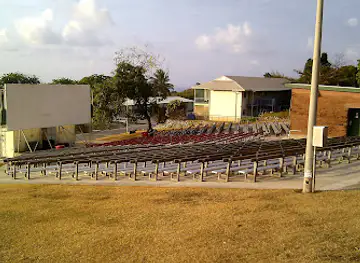
Christmas Island Outdoor Cinema
Discover enchanting evenings filled with cinematic magic at Christmas Island Outdoor Cinema, a unique outdoor movie experience in a tropical paradise.

Kitchens Corner
Explore Kitchens Corner, a scenic park and barbecue area on Christmas Island, where nature and culinary delights combine for an unforgettable experience.

Best landmarks in Red Crabs Migration Area
Top-rated picks
Best Landmarks

Christmas Island National Park
Explore the lush landscapes and unique wildlife of Christmas Island National Park, a serene escape in the heart of the Indian Ocean.

Christmas Island Visitor Centre
Discover the heart of Christmas Island at the Visitor Centre, your gateway to adventure, culture, and nature's wonders.

The Golden Bosun
Discover the vibrant atmosphere of The Golden Bosun, where refreshing drinks and stunning views meet on Christmas Island.

Lucky Ho
Savor authentic Chinese flavors at Lucky Ho in Christmas Island, a culinary experience filled with warmth and delicious dishes.

Best restaurants in Red Crabs Migration Area
Top-rated picks
Best Restaurants
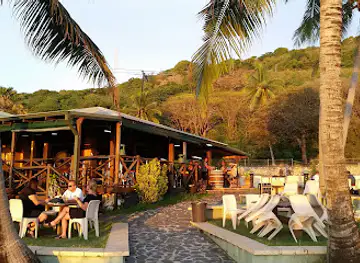
The Golden Bosun
Experience the tropical charm at The Golden Bosun in Christmas Island - your go-to bar for refreshing drinks and local vibes.

Lucky Ho
Experience authentic Chinese cuisine at Lucky Ho on Christmas Island – where every dish tells a story of flavor and tradition.

Smash Espresso Bar
Experience delightful breakfasts and aromatic coffee at Smash Espresso Bar on beautiful Christmas Island.

Le CLA Café and Restaurant
Experience authentic Chinese cuisine at Le CLA Café on Christmas Island - where culinary delights meet breathtaking views.

Best bars in Red Crabs Migration Area
Top-rated picks
Best Bars

The Golden Bosun
Experience the vibrant atmosphere and stunning coastal views at The Golden Bosun, Christmas Island's premier bar for relaxation and socializing.

Lucky Ho
Discover the flavors of China at Lucky Ho, a charming restaurant on Christmas Island offering authentic dishes in a cozy atmosphere.

Smash Espresso Bar
Experience the local charm and delightful flavors at Smash Espresso Bar on Christmas Island, a perfect spot for breakfast and coffee lovers.

Le CLA Café and Restaurant
Experience authentic Chinese cuisine in a stunning setting at Le CLA Café and Restaurant in Christmas Island.

Best nightclubs in Red Crabs Migration Area
Top-rated picks
Best Nightclubs

The Golden Bosun
Discover The Golden Bosun, a lively bar on Christmas Island, perfect for relaxing with drinks and enjoying local charm amidst tropical beauty.

Lucky Ho
Experience authentic Chinese cuisine at Lucky Ho on Christmas Island, where flavors meet culture in a cozy dining atmosphere.

Smash Espresso Bar
Discover the cozy and inviting Smash Espresso Bar, where exceptional coffee and delicious breakfasts await in the heart of Christmas Island.

Le CLA Café and Restaurant
Discover the flavors of China at Le CLA Café and Restaurant in Flying Fish Cove, a must-visit dining experience for tourists on Christmas Island.

Best shops in Red Crabs Migration Area
Top-rated picks
Best Shops

Christmas Island Visitor Centre
Discover the wonders of Christmas Island at the Visitor Centre - your gateway to nature, culture, and adventure in this tropical paradise.

The Golden Bosun
Discover the vibrant atmosphere of The Golden Bosun, a must-visit bar on Christmas Island offering stunning views and refreshing drinks.

Lucky Ho
Experience the authentic taste of Chinese cuisine at Lucky Ho, a culinary jewel on Christmas Island, perfect for tourists seeking delightful flavors.

Dolly Beach
Experience the breathtaking allure of Dolly Beach, a hidden gem on Christmas Island, where stunning landscapes and vibrant marine life await your exploration.

Explore Red Crabs Migration Area on the Map
A handpicked selection of must-see spots in Red Crabs Migration Area, mapped for you.
Red Crabs Migration Area Essentials
-
Christmas Island is accessible by air, with flights available from major cities such as Perth, Australia. The island's only airport is Christmas Island Airport (XCH). From the airport, you can reach the Red Crabs Migration Area by renting a car or taking a taxi. Be sure to check seasonal flight availability as schedules may vary during the year.
-
The most convenient way to explore Christmas Island, including the Red Crabs Migration Area, is by renting a car. There are a few car rental services available on the island. Taxis are also an option but can be limited. Walking and biking are feasible for shorter distances, and they offer a great way to enjoy the island's natural beauty.
-
The official currency of Christmas Island is the Australian Dollar (AUD). Credit cards are widely accepted in hotels, restaurants, and shops, but it's advisable to carry some cash for smaller establishments and remote areas. ATMs are available, but it’s a good idea to bring sufficient cash to cover your expenses, especially during peak migration periods.
-
Christmas Island is generally a safe destination, but it is always wise to take standard precautions. Avoid walking alone at night in secluded areas and keep an eye on your belongings in public spaces. There are no specific high-crime areas targeting tourists, but it is always best to stay vigilant and aware of your surroundings.
-
In case of an emergency, dial 000 for immediate assistance. The local police station and medical facilities are available on the island. It is recommended to have travel insurance that covers medical emergencies. For minor health issues, there are pharmacies where you can purchase over-the-counter medications.
-
Fashion: Do wear comfortable and sturdy walking shoes, as the terrain can be rough during the migration. Avoid wearing flip-flops or sandals. Religion: Do respect the local customs and traditions. Public Transport: Do be courteous and give up your seat to elderly passengers. Don't eat or drink on public transport. Greetings: Do greet people with a smile and a friendly 'hello'. Eating & Drinking: Do try local delicacies and accept food offerings graciously. Don't litter; always dispose of your waste properly.
-
To experience the Red Crabs Migration Area like a local, consider visiting during the peak migration period, which usually occurs between October and December. Engage with local guides who can offer in-depth knowledge about the crabs and the island’s ecology. Don’t miss visiting other attractions such as the Dales and the Blowholes, which are also part of the island's natural wonders. For a unique experience, attend any local festivals or events taking place during your visit.
When is the best time to visit Red Crabs Migration Area?
Useful Local Phrases for Red Crabs Migration Area
You don't need to speak the language perfectly. Even learning a few simple words can make conversations warmer—and locals usually appreciate the effort.
— Eve

Here are the phrases I use most often in Red Crabs Migration Area. Try a few—you'll be surprised how far they go! 😊
❤️
-
- HelloG'day
[g'day] - GoodbyeSee ya
[see ya] - YesYep
[yep] - NoNah
[nah] - Please/You're welcomeNo worries
[no worries] - Thank youThanks mate
[thanks mate] - Excuse me/SorrySorry mate
[sorry mate] - How are you?How ya going?
[how ya going?] - Fine. And you?Good. And you?
[good. And you?] - Do you speak English?Can ya speak English?
[can ya speak English?] - I don't understandI don't get it
[I don't get it]
- HelloG'day
-
- I'd like to see the menu, pleaseCan I see the menu?
[can I see the menu?] - I don't eat meatI’m a vegetarian
[I’m a vegetarian] - Cheers!Cheers!
[cheers] - I would like to pay, pleaseCan I get the bill?
[can I get the bill?]
- I'd like to see the menu, pleaseCan I see the menu?
-
- Help!Help!
[help] - Go away!Get lost!
[get lost] - Call the Police!Call the cops!
[call the cops] - Call a doctor!Get a doctor!
[get a doctor] - I'm lostI can’t find my way
[I can’t find my way] - I'm illI’m not feeling well
[I’m not feeling well]
- Help!Help!
-
- I'd like to buy...I want to buy...
[I want to buy...] - I'm just lookingJust browsing
[just browsing] - How much is it?What’s the price?
[what’s the price?] - That's too expensiveThat’s a rip-off
[that’s a rip-off] - Can you lower the price?Can ya give me a discount?
[can ya give me a discount?]
- I'd like to buy...I want to buy...
-
- What time is it?What’s the time?
[what’s the time?] - It's one o'clockIt’s one o’clock
[it’s one o’clock] - Half past (10)Half past ten
[half past ten] - MorningMorning
[morning] - AfternoonArvo
[arvo] - EveningEvening
[evening] - YesterdayYesterday
[yesterday] - TodayToday
[today] - TomorrowTomorrow
[tomorrow] - 1One
[one] - 2Two
[two] - 3Three
[three] - 4Four
[four] - 5Five
[five] - 6Six
[six] - 7Seven
[seven] - 8Eight
[eight] - 9Nine
[nine] - 10Ten
[ten]
- What time is it?What’s the time?
-
- Where's a/the...?Where’s the...?
[where’s the...?] - What's the address?What’s the address?
[what’s the address?] - Can you show me (on the map)?Can ya show me on the map?
[can ya show me on the map?] - When's the next (bus)?When’s the next bus?
[when’s the next bus?] - A ticket (to....)A ticket to...
[a ticket to...]
- Where's a/the...?Where’s the...?
History of Red Crabs Migration Area
-
Christmas Island was discovered on Christmas Day in 1643 by Captain William Mynors of the Royal Mary, an English East India Company vessel. However, it remained largely unvisited and unexplored until the late 19th century. The island's lush forests and unique biodiversity, including the red crabs, remained concealed from the world for centuries.
-
In 1887, British naturalist John Maclear and his team conducted the first scientific expedition to Christmas Island. It was during this expedition that the red crabs were first documented. Maclear's team was astounded by the sheer number of red crabs and their annual migration, which became a subject of fascination for future scientists and travelers.
-
In 1980, Christmas Island National Park was established to protect the island's unique ecosystem, including the red crabs. The park covers approximately 63% of the island and is managed by Parks Australia. This step was crucial in preserving the natural habitat of the red crabs and ensuring their migration remains uninterrupted.
-
In the early 2000s, the red crab population faced a significant threat from the invasive yellow crazy ants. These ants, introduced accidentally, formed supercolonies and decimated the red crab population by spraying formic acid. Conservation efforts, including baiting and habitat management, were initiated to control the ant population and protect the red crabs.
-
The annual red crab migration is not only a natural wonder but also an integral part of the local culture on Christmas Island. The migration attracts tourists from around the world and has become a symbol of the island's unique natural heritage. Local festivals and events are often timed to coincide with the migration, celebrating this extraordinary spectacle.
-
The red crab migration has been featured in numerous documentaries and media programs, bringing global attention to Christmas Island. Notable features include David Attenborough’s 'The Trials of Life' and the BBC's 'Planet Earth' series. These documentaries have played a significant role in raising awareness about the importance of conservation efforts on the island.
-
Conservation efforts on Christmas Island are ongoing, with a focus on maintaining the delicate balance of the ecosystem. Programs aimed at controlling invasive species, restoring native flora, and monitoring crab populations are continuously evolving. These efforts ensure that the red crabs and their migration remain a thriving part of the island’s natural heritage.
Neighbouring Regions of Red Crabs Migration Area
The closest regions to Red Crabs Migration Area, if you have time for more than one.



Your all‑in‑one travel companion app
Explore expert travel guides, compare and book tours, experiences, hotels, and more—all from the palm of your hand. Download now for seamless trip planning wherever your wanderlust takes you.


Explore More of Christmas Island

Looking beyond Red Crabs Migration Area? Discover Christmas Island for broader travel guides, local hot-spots, and regional highlights.
Explore Christmas IslandRed Crabs Migration Area in Photos
Browse through our photo collection highlighting the charm and character of the destination.

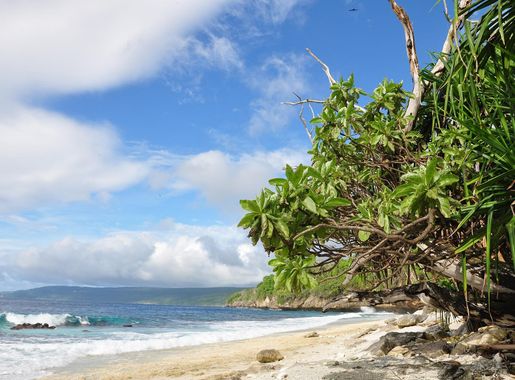


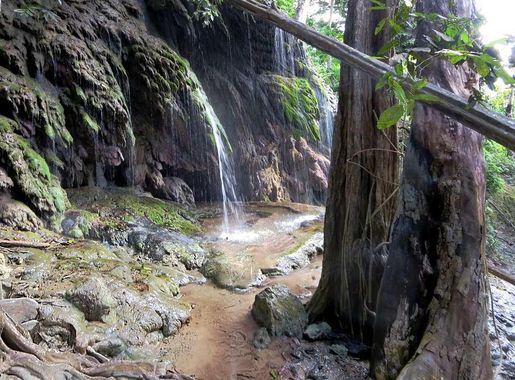


The Crimson Marvel: Red Crabs Migration at Christmas Island
Witness one of nature's grandest spectacles at Christmas Island - the annual red crab migration. This extraordinary event sees millions of red crabs journey from the forest to the coast in a mesmerizing display of color and movement. The migration typically begins with the first rains of the wet season, usually in October or November, and lasts for about a month. During this time, the crabs cover roads, paths, and beaches, creating a sea of red that is both beautiful and surreal. You will be captivated by the sight of these small but determined creatures overcoming obstacles in their path. The crabs' journey is crucial for their reproductive cycle, as they must reach the coast to breed and release their eggs into the ocean. This natural phenomenon not only highlights the resilience of the red crabs but also the importance of preserving their unique habitat. Besides the migration, Christmas Island offers lush rainforests, stunning coastal scenery, and abundant wildlife. It is a haven for outdoor enthusiasts and nature lovers. Explore the island's walking trails, snorkel in its crystal-clear waters, or simply relax and enjoy the tranquil surroundings. The island's rich biodiversity, combined with the red crab migration, makes it a must-visit destination for anyone looking to experience the wonders of the natural world.