

Free The Blowholes Travel Guide & Mobile App
Explore The Blowholes with free travel guides. Discover regional history, expert tips, proposed trips, and audio guides on web or mobile app.


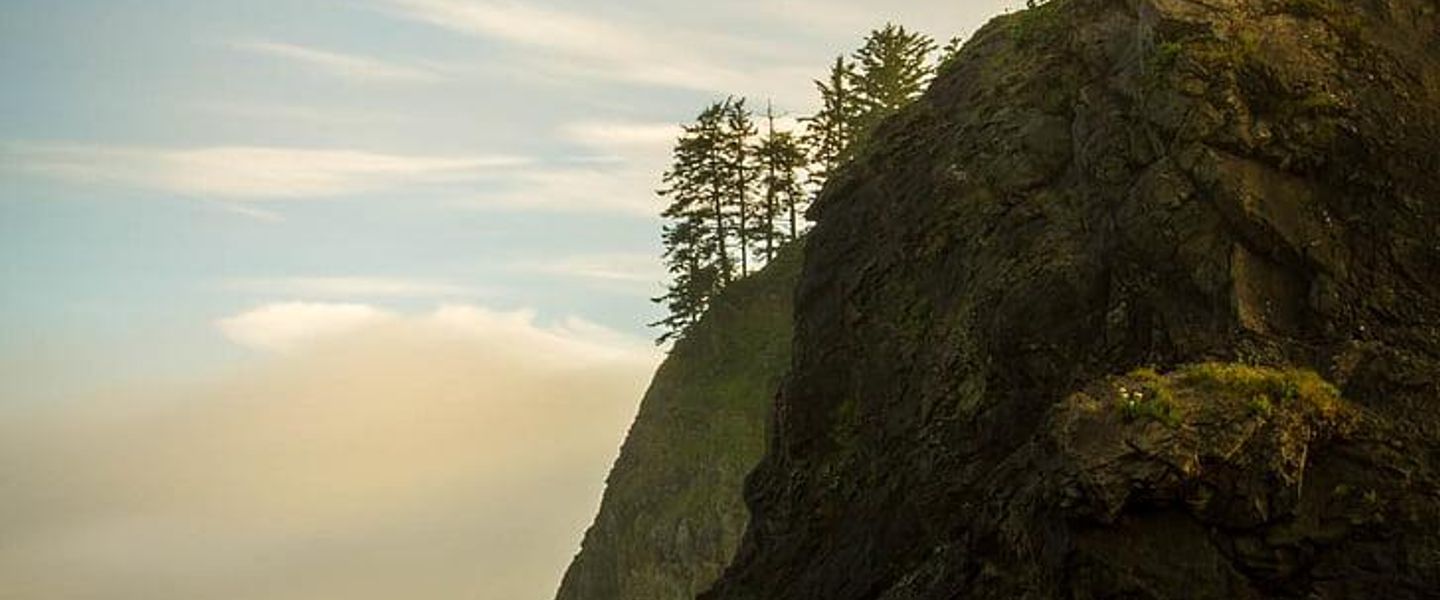


Visit The Blowholes on Christmas Island for powerful ocean spray, tropical rainforest, endemic wildlife and a rugged southern-coast landscape.
Read more about The Blowholes
When is the best time to visit The Blowholes?
Best: May–July · 33–34°C| Month | High (°C) | Rainfall (mm) |
|---|---|---|
| January | 31 | 150 |
| February | 32 | 140 |
| March | 32 | 130 |
| April | 33 | 120 |
| May (best) | 33 | 110 |
| June (best) | 34 | 100 |
| July (best) | 34 | 90 |
| August | 35 | 100 |
| September | 34 | 110 |
| October | 34 | 120 |
| November | 33 | 130 |
| December | 33 | 140 |
Getting to and around The Blowholes
How to get there
Transportation
Top city travel guides in The Blowholes
The cities of The Blowholes, and the easiest places to base yourself.
-

-

-

-

-


Swipe for more cities
Destinations in The Blowholes
Resorts, valleys and scenic spots worth a trip of their own.
-

-


Swipe for more destinations
Best attractions in The Blowholes
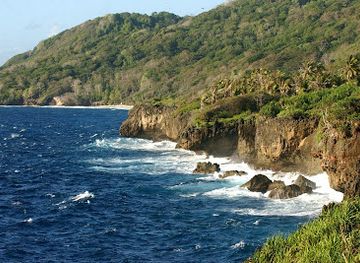
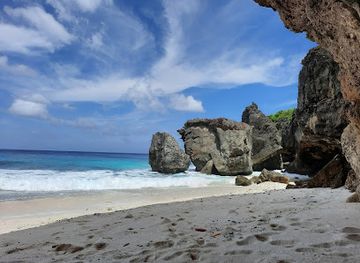
The principal attraction is the coastal blowhole system itself, where ocean swell enters limestone cavities and emerges as compressed air, spray and sound. Its force varies naturally, so the experience is one of observing a living coastline rather than waiting for a mechanical show. The route to the site is also part of the visit, passing through Christmas Island’s tropical forest and protected habitat. Wildlife sightings are possible, but they should never be guaranteed or encouraged with food. The wider southern and western parts of the island offer other natural experiences, including rainforest scenery, coastal viewpoints and established access to selected national-park sites; these are separate excursions and should be checked locally for current conditions. The attraction landscape around The Blowholes is therefore quiet and outdoor-focused, with little commercial development, no substantial visitor centre and limited shelter. Visitors interested in the island’s broader story can find historical and cultural interpretation around the settled areas, while The Blowholes provides the clearest encounter with the island’s exposed geological edge. Allow time for changing weather, photography and safe observation rather than rushing between viewpoints.
-
Tourist attraction
Martin Point
Explore Martin Point: A natural wonder on Christmas Island with stunning views, unique wildlife, and unforgettable experiences.
Best landmarks in The Blowholes
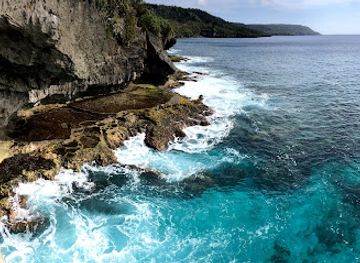
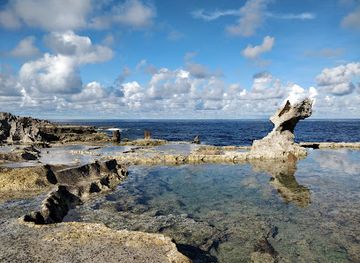
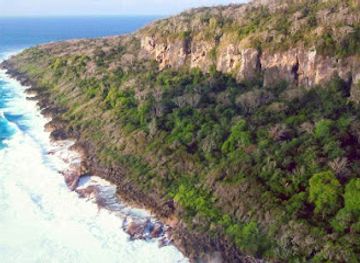
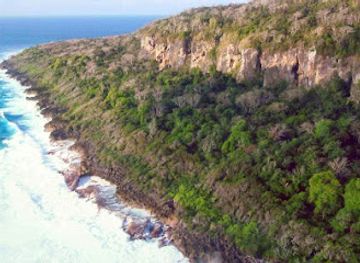
The defining landmark is the raw southern coastline at The Blowholes, where elevated limestone terraces have been cut by wave action into channels, cavities and openings. Its importance is both geological and visual: the site demonstrates how the Indian Ocean continues to shape Christmas Island’s raised marine landscapes. The forested road approach provides a strong contrast with the bare, salt-exposed rock at the coast, while the open horizon emphasises the island’s isolation. The Blowholes should not be confused with a monumental structure or engineered viewpoint; their significance lies in the relationship between rock, sea, wind and weather. Nearby natural landmarks elsewhere on Christmas Island, including rainforest, cliffs and other coastal formations, belong to separate parts of the island and require their own access planning. At The Blowholes, the most important practical landmark is the designated viewing area or access point available on the day, since safe observation depends on keeping away from wave-washed channels and unstable edges.
-
Tourist attraction
Christmas Island National Park
Discover the unique ecosystems and breathtaking landscapes of Christmas Island National Park, a natural paradise in the Indian Ocean.
-
Visitor center
Christmas Island Visitor Centre
Explore the breathtaking Christmas Island Visitor Centre, your starting point for adventure in this unique tropical paradise filled with biodiversity.
-
Tourist attraction
Dolly Beach
Explore Dolly Beach, a stunning beach on Christmas Island, where pristine waters and vibrant marine life await every traveler.
-
Tourist attraction
Lily Beach
Experience the untouched paradise of Lily Beach on Christmas Island, a perfect blend of adventure, relaxation, and stunning natural beauty.
Explore The Blowholes on the map
Plan your trip on one map. See where the top cities, national parks and sights are, and book hotels and experiences in a few clicks.
Best hotels in The Blowholes
Best restaurants in The Blowholes
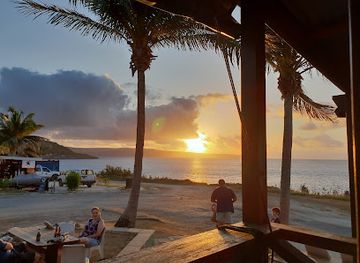
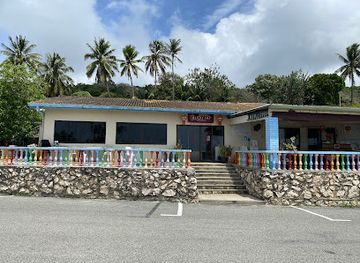
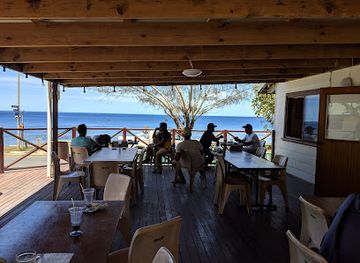
There are no restaurants, cafés or food stalls at The Blowholes, so visitors should eat before leaving the settled northern areas or carry suitable provisions and water. Dining on Christmas Island is concentrated around accommodation, the Settlement and Flying Fish Cove, with availability shaped by the island’s small population and supply chain. Visitors may encounter Australian and Southeast Asian influences in local cooking, reflecting Christmas Island’s multicultural history, as well as seafood and everyday café or takeaway fare when businesses are operating. It is sensible to confirm meal arrangements in advance, particularly outside normal daytime periods, rather than assuming a remote coastal stop can provide refreshments. Food should be packed securely and all rubbish removed, since feeding wildlife can alter animal behaviour and is inappropriate in a protected environment. The meal experience at The Blowholes is consequently a prepared picnic or takeaway enjoyed away from the cliff edge, not a developed coastal dining scene.
-
Bar
The Golden Bosun
Experience relaxation at The Golden Bosun - where tropical vibes meet refreshing drinks on beautiful Christmas Island.
-
Chinese
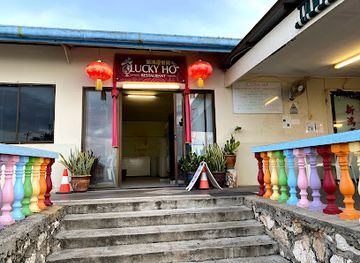
Lucky Ho
Savor authentic Chinese cuisine at Lucky Ho on Christmas Island; a culinary experience filled with flavor and warmth.
-
Chinese
Le CLA Café and Restaurant
Experience authentic Chinese cuisine at Le CLA Café and Restaurant in Christmas Island's stunning Flying Fish Cove.
-
Restaurant
Idah Kitchen
Experience authentic local cuisine at Idah Kitchen on Christmas Island – a culinary journey amidst breathtaking landscapes.
Best bars in The Blowholes
The Blowholes has no bar or nightlife, and darkness, remoteness and exposed coastal conditions make it unsuitable for an evening entertainment stop. Christmas Island’s social life is centred on the Settlement, Flying Fish Cove and local accommodation, where visitors may find a small number of pubs, restaurants or informal community venues depending on current opening arrangements. The emphasis is generally on conversation, dining and local social life rather than a concentrated nightclub district. Many travellers visit The Blowholes in daylight and return before nightfall, when unfamiliar roads, wildlife crossings and limited lighting make driving more demanding. Check transport arrangements and business hours locally, as services can be limited and change with staffing, supplies or seasonal demand. Evening wildlife experiences should only be undertaken with a reputable local guide and in accordance with conservation rules.
-
National park
Christmas Island National Park
Experience the breathtaking landscapes and unique wildlife of Christmas Island National Park, a hidden gem in Australia's Indian Ocean.
-
Bar
The Golden Bosun
Discover the local charm and vibrant atmosphere at The Golden Bosun, the perfect bar to unwind on Christmas Island.
-
Chinese
Lucky Ho
Discover Lucky Ho, a delightful Chinese restaurant on Christmas Island offering authentic flavors and a warm atmosphere for all visitors.
-
Tourist attraction
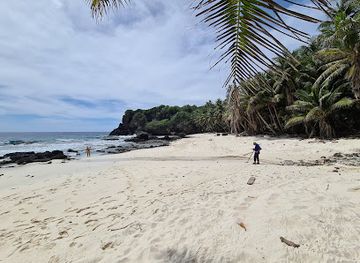
Dolly Beach
Explore the untouched beauty of Dolly Beach on Christmas Island, where pristine sands meet vibrant marine life and lush landscapes.
Best nightclubs in The Blowholes
The Blowholes has no bar or nightlife, and darkness, remoteness and exposed coastal conditions make it unsuitable for an evening entertainment stop. Christmas Island’s social life is centred on the Settlement, Flying Fish Cove and local accommodation, where visitors may find a small number of pubs, restaurants or informal community venues depending on current opening arrangements. The emphasis is generally on conversation, dining and local social life rather than a concentrated nightclub district. Many travellers visit The Blowholes in daylight and return before nightfall, when unfamiliar roads, wildlife crossings and limited lighting make driving more demanding. Check transport arrangements and business hours locally, as services can be limited and change with staffing, supplies or seasonal demand. Evening wildlife experiences should only be undertaken with a reputable local guide and in accordance with conservation rules.
-
Bar
The Golden Bosun
Experience the vibrant atmosphere and stunning views at The Golden Bosun, a top bar destination on Christmas Island.
-
Tourist attraction
Dolly Beach
Experience the enchanting beauty of Dolly Beach, a tropical paradise on Christmas Island with pristine waters and vibrant marine life.
-
Tourist attraction
Ethel Beach
Discover Ethel Beach, a serene paradise on Christmas Island with pristine sands, vibrant marine life, and breathtaking natural beauty.
-
Tourist attraction
Greta Beach
Experience the natural beauty and tranquility of Greta Beach on Christmas Island, where pristine sands meet crystal-clear waters in a tropical paradise.

Best shops in The Blowholes
The Blowholes has no shops, market or craft outlet. Shopping connected with a visit must be done in the Settlement, Flying Fish Cove or other established service areas on Christmas Island, where supplies, souvenirs and locally relevant products may be available subject to limited opening arrangements. Visitors can look for island-themed gifts, books, locally produced food items and crafts, but should not assume that every product is made on Christmas Island or that specialist retail is extensive. Buying provisions before travelling to remote coastal sites is more useful than expecting a roadside kiosk. Souvenirs should be obtained through legitimate businesses rather than collecting coral, shells, rock, plants or other natural material from the coast. The best purchase associated with The Blowholes is often practical: water, snacks, sun protection and suitable footwear for a responsible visit to a wild, undeveloped part of the island.
-
National park
Christmas Island National Park
Discover the breathtaking landscapes and unique wildlife of Christmas Island National Park, a must-visit destination for nature lovers and adventure seekers.
-
Visitor center
Christmas Island Visitor Centre
Explore the captivating biodiversity and culture of Christmas Island at the Visitor Centre, your gateway to this unique tropical paradise.
-
Bar
The Golden Bosun
Experience the vibrant nightlife at The Golden Bosun, a tropical bar in Christmas Island serving the best drinks and unforgettable moments.
-
Tourist attraction
Dolly Beach
Experience the untouched beauty of Dolly Beach on Christmas Island, a serene paradise for sunbathers, snorkelers, and nature lovers.

Get your free copy of our complete guide to The Blowholes, delivered straight to you.
Everything on this page, from attractions and restaurants to essentials and local phrases, in one PDF you can read offline, print or share.
Already have an account? Sign in
Your The Blowholes guide is ready.
We'll send it to · Not you? Sign out

Getting your guide ready…
We are putting together a fresh copy of the The Blowholes guide. This can take up to a minute.
This can take a few moments. If your browser asks, choose Allow so the download can start. You'll find the guide in your Downloads folder.
Nothing happened? Download it again
Sorry, the guide is taking longer than usual. Please try again in a minute, or get it by email instead.
The Blowholes essentials
Currency and Payment
Safety
Emergency Situations
Do's and Don'ts
Local Tips
From Eve
Local phrases worth knowing
You don't need to get them perfect. A few words go a long way, and locals appreciate the effort.
Basics
| English | Local | Say it |
|---|---|---|
| Hello | G'day | [G'day] |
| Goodbye | See ya | [See ya] |
| Yes | Yeah | [Yeah] |
| No | Nah | [Nah] |
| Please/You're welcome | No worries | [No worries] |
| Thank you | Thanks mate | [Thanks mate] |
| Excuse me/Sorry | Sorry mate | [Sorry mate] |
| How are you? | How's it going? | [How's it going?] |
| Fine. And you? | Good, you? | [Good, you?] |
| Do you speak English? | You speak English? | [You speak English?] |
| I don't understand | I don't get it | [I don't get it] |
Eating & Drinking
| English | Local | Say it |
|---|---|---|
| I'd like to see the menu, please | Can I see the menu? | [Can I see the menu?] |
| I don't eat meat | I'm a vegetarian | [I'm a vegetarian] |
| Cheers! | Cheers! | [Cheers!] |
| I would like to pay, please | Can I get the bill? | [Can I get the bill?] |
Emergencies
| English | Local | Say it |
|---|---|---|
| Help! | Help! | [Help!] |
| Go away! | Get lost! | [Get lost!] |
| Call the Police! | Call the cops! | [Call the cops!] |
| Call a doctor! | Get a doctor! | [Get a doctor!] |
| I'm lost | I'm lost | [I'm lost] |
| I'm ill | I'm not well | [I'm not well] |
Shopping
| English | Local | Say it |
|---|---|---|
| I'd like to buy... | I want to buy... | [I want to buy...] |
| I'm just looking | Just browsing, thanks | [Just browsing, thanks] |
| How much is it? | How much? | [How much?] |
| That's too expensive | That's pricey | [That's pricey] |
| Can you lower the price? | Can you drop the price? | [Can you drop the price?] |
Time & Numbers
| English | Local | Say it |
|---|---|---|
| What time is it? | What’s the time? | [What’s the time?] |
| It's one o'clock | It's one | [It's one] |
| Half past (10) | Half past ten | [Half past ten] |
| Morning | Morning | [Morning] |
| Afternoon | Arvo | [Arvo] |
| Evening | Evening | [Evening] |
| Yesterday | Yesterday | [Yesterday] |
| Today | Today | [Today] |
| Tomorrow | Tomorrow | [Tomorrow] |
| 1 | One | [One] |
| 2 | Two | [Two] |
| 3 | Three | [Three] |
| 4 | Four | [Four] |
| 5 | Five | [Five] |
| 6 | Six | [Six] |
| 7 | Seven | [Seven] |
| 8 | Eight | [Eight] |
| 9 | Nine | [Nine] |
| 10 | Ten | [Ten] |
Transport & Directions
| English | Local | Say it |
|---|---|---|
| Where's a/the...? | Where's the...? | [Where's the...?] |
| What's the address? | What's the address? | [What's the address?] |
| Can you show me (on the map)? | Can you show me on the map? | [Can you show me on the map?] |
| When's the next (bus)? | When's the next bus? | [When's the next bus?] |
| A ticket (to ....) | A ticket to... | [A ticket to...] |
History of The Blowholes
An Oceanic Limestone Island
Christmas Island is the summit of a submerged volcanic seamount that accumulated limestone over geological time as coral and other marine material were deposited around it. The island’s raised terraces, cliffs, caves and coastal platforms help explain the formation of The Blowholes: waves exploit cracks and cavities in uplifted limestone before compressing air and water through narrow openings. This geological foundation also influences the island’s distinctive soils, rainforest and subterranean water systems.
Early Austronesian Voyages
Long before European annexation, Christmas Island lay within the wider Indian Ocean world travelled by seafarers from Southeast Asia. Archaeological evidence, including ceramics and other artefacts, indicates contact with the island before permanent European settlement. There is no evidence of a large permanent pre-European population, but these discoveries show that Christmas Island was not entirely unknown to earlier maritime communities. The island’s isolated position made such visits intermittent rather than the beginning of a settled coastal culture.
European Charting and Naming
The island was recorded by European navigators in the seventeenth century and named Christmas Island after its sighting on Christmas Day in 1643. For many years it remained remote from regular settlement and commercial activity. Its difficult coastline, lack of an easy harbour and dense interior limited access, leaving much of the island’s natural environment largely undisturbed. The southern cliffs and exposed coast around The Blowholes remained a maritime landscape rather than a developed destination.
British Annexation and Phosphate Discovery
Britain annexed Christmas Island in 1888, and phosphate was discovered soon afterwards. Mining transformed the island through the construction of roads, settlements and export infrastructure, while labour migration brought workers from China, Malaya and other parts of Asia. The mines were concentrated inland and around the northern settled areas, but the transport network eventually made remote natural sites such as The Blowholes more accessible to residents and visitors.
War and the Japanese Occupation
The island’s phosphate industry and strategic position made Christmas Island significant during the Second World War. Japanese forces occupied the island from 1942 until 1945, disrupting mining and civilian life. The period included hardship, food shortages and forced labour, and it remains an important part of Christmas Island’s modern history. Much of the island’s later identity reflects the interaction between its wartime experience, its multicultural population and its continuing natural isolation.
Australian Administration and Conservation
Christmas Island was transferred to Australian administration in 1958 and is now an external territory of Australia. Phosphate mining has continued in changing forms, but conservation has become increasingly important, with large areas protected within Christmas Island National Park. The Blowholes are therefore experienced within a landscape where access, recreation and environmental protection must coexist. Protecting rainforest, seabirds, crabs and coastal habitats is central to the island’s contemporary visitor economy.
The Blowholes in Photos
Browse through our photo collection highlighting the charm and character of the destination.
Neighbouring regions of The Blowholes
The closest regions to The Blowholes, if you have time for more than one.
-

-

-

-

-


Swipe for more regions
Explore more

Explore more of Christmas Island
Discover Christmas Island: A tropical paradise with stunning beaches, unique wildlife, and a rich cultural heritage. Perfect for nature lovers and adventure seekers.
Explore Christmas Island