Rocky Mountain National Park: A Majestic Wilderness
Discover the majestic beauty of the Rockies: hiking, scenic drives, and abundant wildlife await in this stunning Colorado national park.
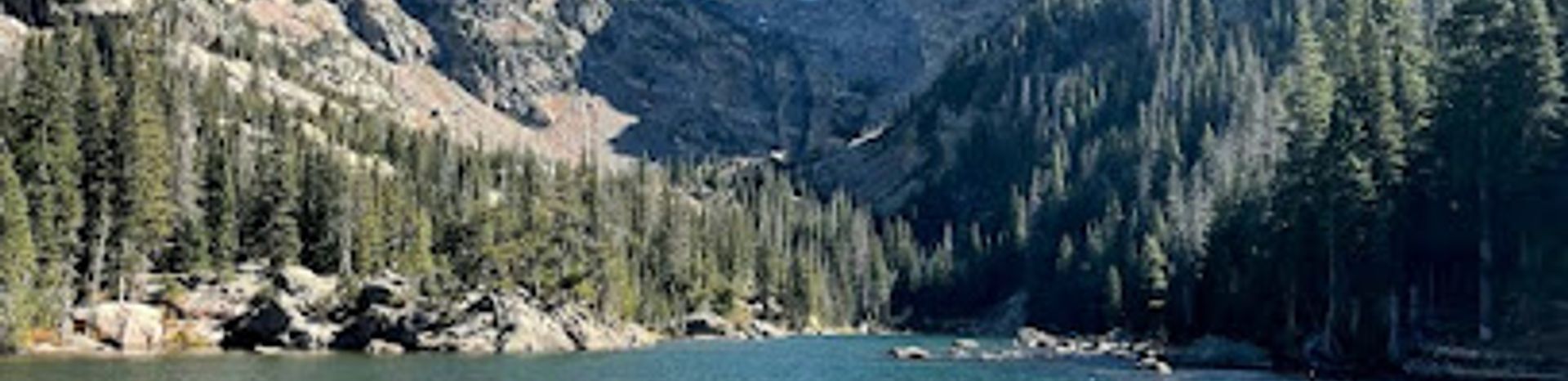
Rocky Mountain National Park, a natural wonderland in northern Colorado, encompasses over 400 square miles of stunning mountain landscapes, diverse ecosystems, and abundant wildlife. Established in 1915, the park offers visitors a variety of activities, from hiking and camping to scenic drives and wildlife viewing, throughout the year.
A brief summary to Rocky Mountain National Park
- Colorado, US
- +1970-586-1206
- Visit website
Local tips
- Purchase a park pass online in advance to save time at the entrance gates.
- Arrive early, especially during peak season, to avoid crowds and secure parking.
- Check the weather forecast before you go and be prepared for changing conditions, especially at higher elevations.
- Stay hydrated and bring plenty of water, especially when hiking.
- Be aware of wildlife and keep a safe distance. Never feed the animals.

Getting There
-
Driving
Most visitors arrive at Rocky Mountain National Park via personal vehicle. From Denver International Airport, the drive to Estes Park, the eastern gateway to the park, is approximately 1.5 hours. From Estes Park, follow US Highway 36 or US Highway 34 to reach the park's entrances. Be aware that a timed entry permit is required to enter the park during peak season (late May to mid-October). These can be obtained online in advance. Parking within the park is limited, especially at popular trailheads, so arrive early or utilize the park's shuttle system. A 7-day vehicle pass costs $35.
-
Public Transport
During the summer season, take the Hiker Shuttle from the Estes Park Visitor Center to the Park & Ride Transit Hub inside the park. From there, transfer to the free Bear Lake or Moraine Park shuttle routes to access various trailheads and destinations along Bear Lake Road. The Hiker Shuttle runs from late May through September. Check the park's website for the current schedule. The Estes Park Visitor Center is served by free town shuttles. A timed entry permit and park entrance fee are still required when using the shuttle system. The Hiker Shuttle is free, but standard park entrance fees apply: A 1-day pass is $15 per person, or $30 per vehicle.
Discover more about Rocky Mountain National Park
Iconic landmarks you can’t miss

Beaver Meadows Visitor Center
10.7 km
Explore the beauty of Rocky Mountain National Park from the Beaver Meadows Visitor Center - your essential resource for adventure and discovery.
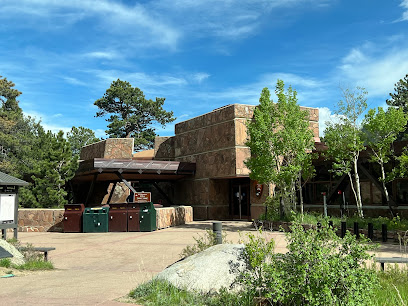
Rocky Mountain National Park Sign
11.2 km
Discover the breathtaking landscapes and diverse wildlife of Rocky Mountain National Park, a natural wonder in Colorado for outdoor adventures and serene escapes.
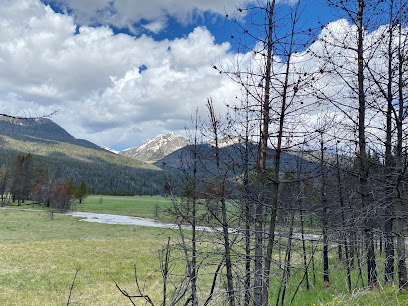
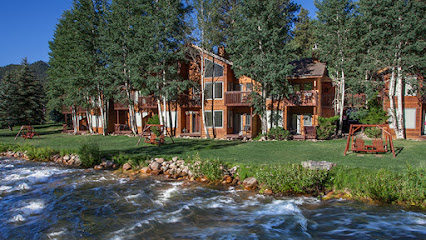
Aspen Winds on Fall River
11.5 km
Discover tranquility at Aspen Winds on Fall River, a perfect lodge for nature lovers and adventure seekers in Estes Park, Colorado.
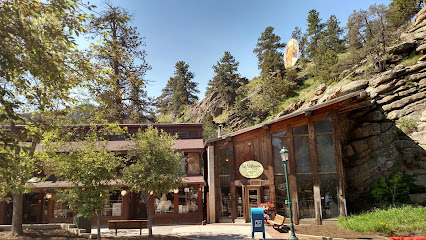
The Wapiti Colorado Pub
12.4 km
Discover the flavors of Colorado at The Wapiti Colorado Pub in Estes Park, where local craft beers and delicious comfort food await.
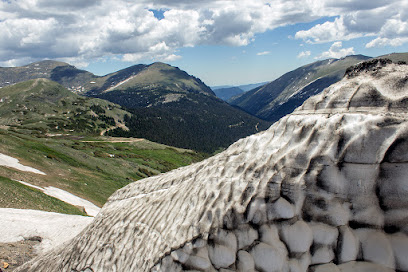
Alpine Visitor Center
12.5 km
Discover breathtaking views and rich history at the Alpine Visitor Center, your gateway to the stunning Rocky Mountain National Park.
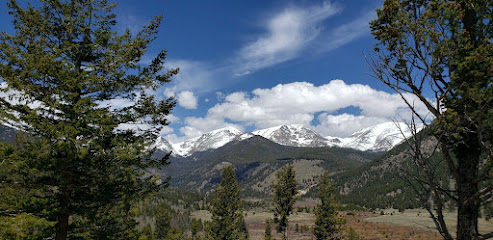
Tour Estes Park
13.0 km
Explore the stunning natural beauty, outdoor adventures, and charming culture of Estes Park, your gateway to the Rocky Mountains.
Red Rose Rock Shop
13.4 km
Explore the Red Rose Rock Shop in Estes Park – a gem of natural wonders showcasing exquisite rocks, minerals, and unique souvenirs.
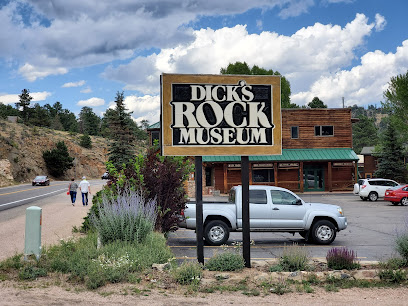
Mrs. Walsh's Garden
13.7 km
Discover the tranquil beauty of Mrs. Walsh's Garden in Estes Park, a serene retreat filled with vibrant flora and enchanting sculptures.
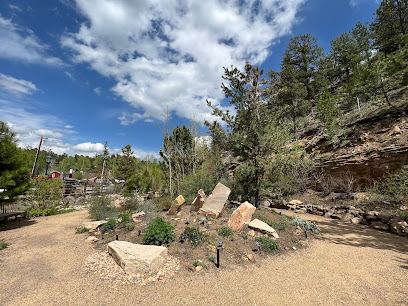
Performance Park
13.7 km
Discover the stunning Performance Park in Estes Park, Colorado - where breathtaking nature meets captivating performances in an enchanting amphitheater.
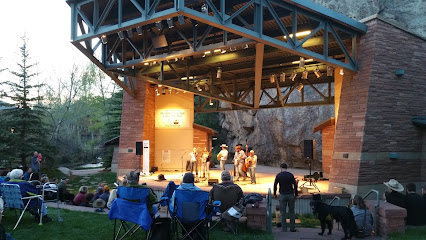
Estes Park Brewery
13.7 km
Discover the flavors of Estes Park at Estes Park Brewery, where craft beer meets stunning mountain views and delicious pub fare.
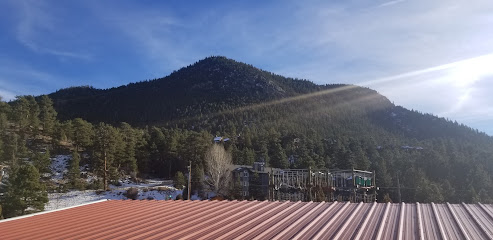
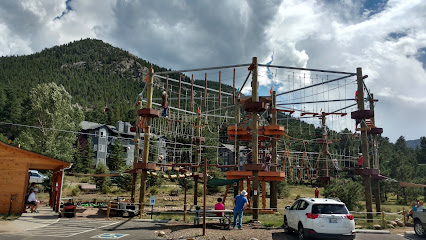
Open Air Adventure Park
13.7 km
Experience the thrill of outdoor adventures at Open Air Adventure Park, where excitement meets breathtaking natural beauty in Estes Park, Colorado.
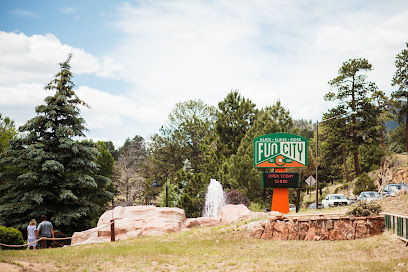
Fun City
13.8 km
Discover endless fun for the whole family at Fun City, Estes Park's ultimate amusement park, featuring go-karts, miniature golf, and more!
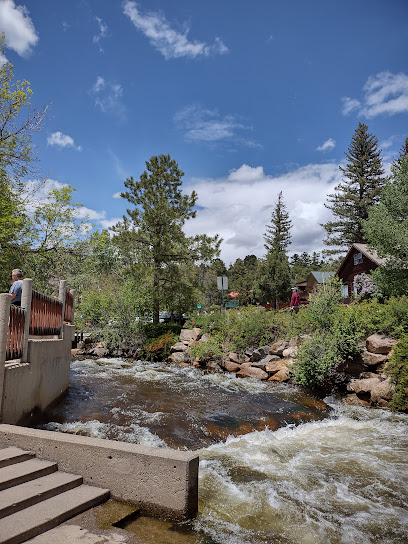
The Water Wheel
13.9 km
Discover the enchanting Water Wheel in Estes Park, a serene landmark that beautifully combines nature, history, and family fun.
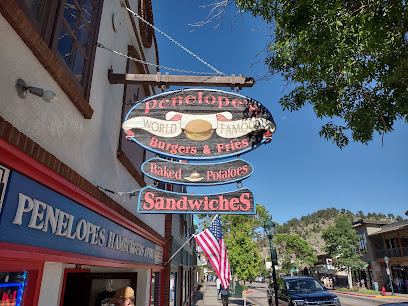
Penelope's Old Time Burgers
13.9 km
Enjoy mouthwatering burgers and a nostalgic atmosphere at Penelope's Old Time Burgers in Estes Park, the perfect stop for travelers seeking a hearty meal.
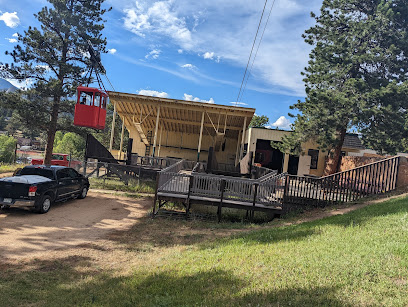
Estes Park Aerial Tramway Top Terminal
14.0 km
Experience the breathtaking vistas of the Rockies with a ride on the Estes Park Aerial Tramway, a must-visit tourist attraction in Colorado.
Unmissable attractions to see

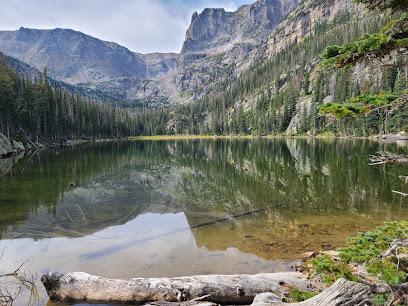
Fern Lake
0.9 km
Hike to a pristine alpine lake in Rocky Mountain National Park, surrounded by stunning views and natural beauty.
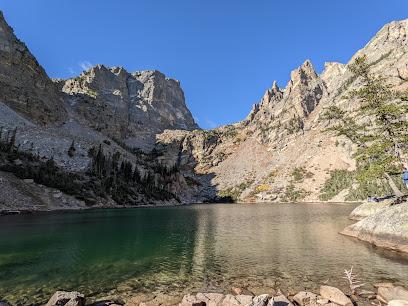
Emerald Lake
3.9 km
Hike to Emerald Lake in Rocky Mountain National Park for breathtaking alpine scenery and emerald-green waters.
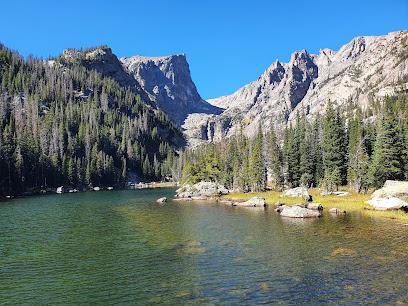
Dream Lake
4.3 km
Hike to a fairytale: Dream Lake in Rocky Mountain National Park offers stunning views and an easy escape into alpine beauty.
Bear Lake Trail
4.4 km
Discover stunning alpine scenery on an easy loop trail around picturesque Bear Lake in Rocky Mountain National Park.
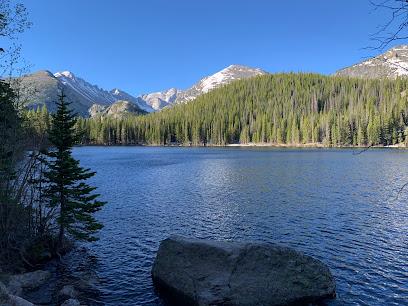
Fern Lake Trailhead
4.6 km
Hike to a serene alpine lake through diverse landscapes in Rocky Mountain National Park near Estes Park, Colorado.
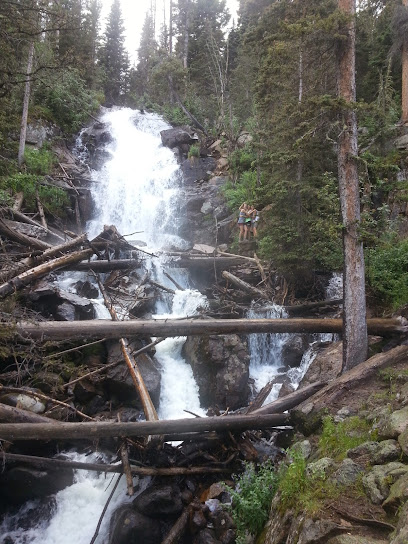
Bear Lake Trailhead
4.7 km
Explore the heart of Rocky Mountain National Park from Bear Lake Trailhead, offering stunning alpine views and access to iconic hiking trails.
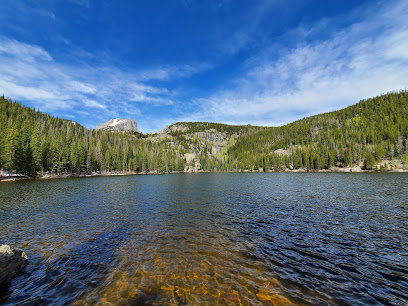
Lake Haiyaha
4.7 km
Discover Lake Haiyaha in Rocky Mountain National Park: A moderate hike to stunning alpine views and unique turquoise waters.
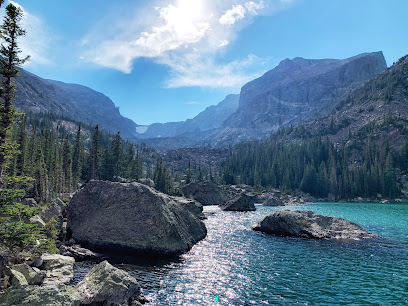
Glacier Gorge Junction Trailhead
5.1 km
Explore Rocky Mountain National Park's stunning trails from Glacier Gorge Junction, a hiker's paradise with alpine lakes and waterfalls.
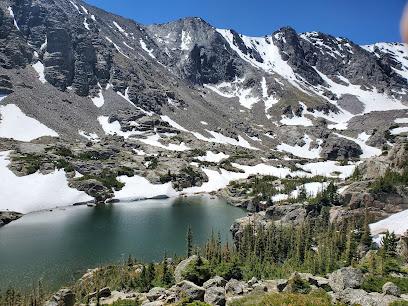
Lake Haiyaha To Mills/Loch Jct Trl
5.4 km
Discover the turquoise waters and rugged beauty of Lake Haiyaha in Rocky Mountain National Park, Colorado.
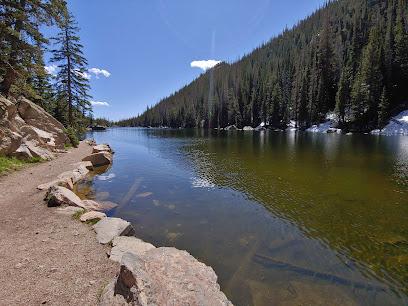
Ute Trail
5.6 km
Hike the Ute Trail in Rocky Mountain National Park for panoramic views and a journey through alpine tundra with historical significance.
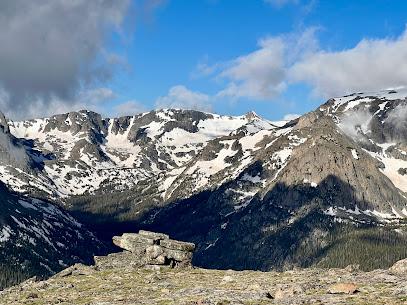
Alberta Falls
5.8 km
Hike to a stunning 30-foot waterfall through beautiful forests in Rocky Mountain National Park. An easy and accessible natural wonder near Estes Park.
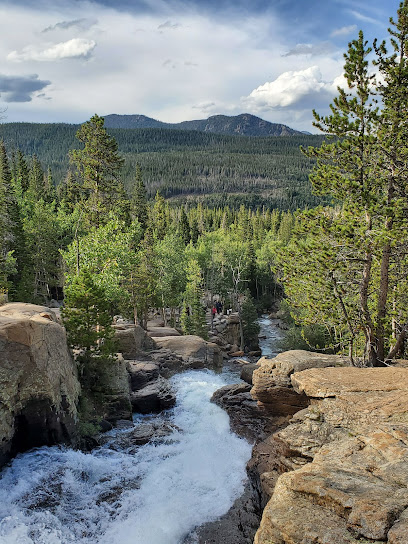
Trail Ridge Rd
6.0 km
Experience the stunning views and unique ecosystem of Trail Ridge Road in Colorado, a scenic highway through the heart of the Rocky Mountains.
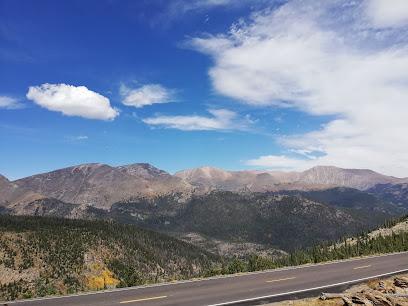
Forest Canyon Overlook
6.4 km
Experience breathtaking panoramic views of glacier-carved canyons and alpine tundra at 11,716 feet in Rocky Mountain National Park.
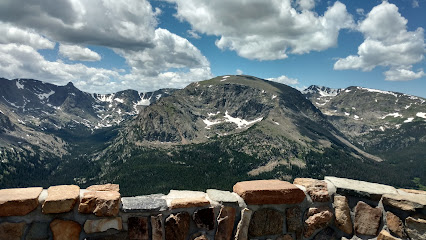
Many Parks Curve Overlook
6.6 km
Experience breathtaking views at Many Parks Curve Overlook, a scenic gem in Estes Park, Colorado, surrounded by the majestic Rocky Mountains.
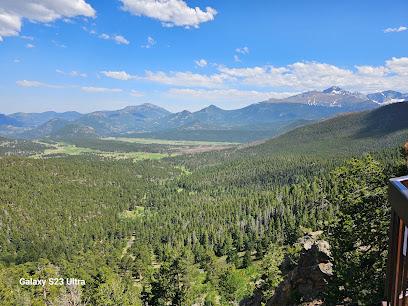
Rainbow Curve Overlook
6.6 km
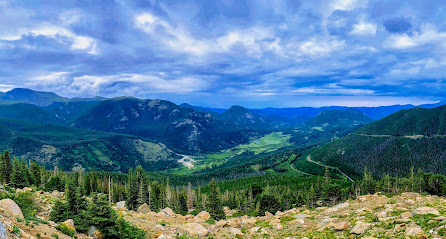
Experience breathtaking panoramic views of Rocky Mountain National Park from the easily accessible Rainbow Curve Overlook on Trail Ridge Road.
Essential places to dine

Trailhead Restaurant
10.5 km
Discover the flavors of Colorado at Trailhead Restaurant—where eclectic cuisine meets stunning mountain views in Estes Park.
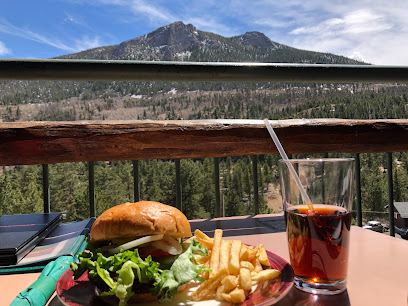
The Rock Inn Mountain Tavern
11.2 km
Experience the best of American cuisine and craft brews at The Rock Inn Mountain Tavern in Estes Park – your cozy retreat after exploring nature's wonders.
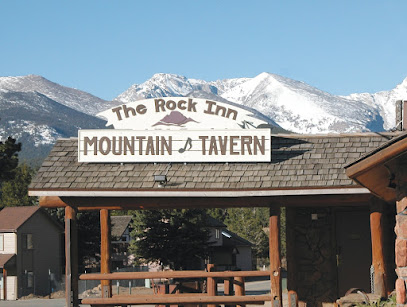
Bird & Jim
12.0 km
Discover Bird & Jim: An exceptional dining experience featuring local American cuisine and stunning views in Estes Park.
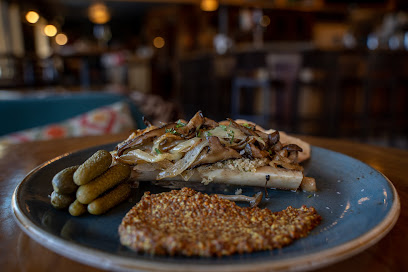
Boss Burgers and Gyros
12.3 km
Indulge in mouth-watering burgers and authentic gyros at Boss Burgers and Gyros – your go-to spot in scenic Estes Park.
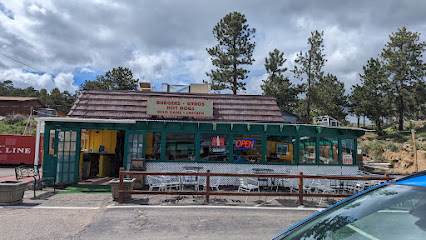
Smokin' Dave's BBQ - ESTES PARK
12.5 km
Experience mouthwatering barbecue at Smokin' Dave's BBQ in Estes Park - where smoky flavors meet stunning mountain views.
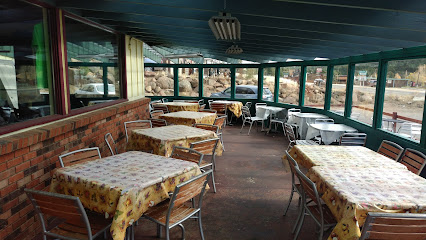
Twin Owls Steakhouse
13.1 km
Experience exceptional steaks and American cuisine at Twin Owls Steakhouse in Estes Park – where quality meets stunning mountain views.
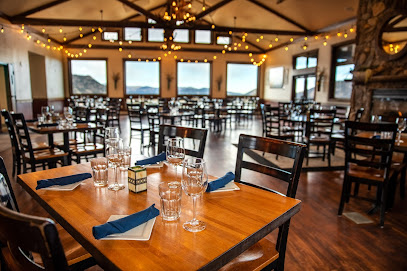
Coffee on the Rocks
13.4 km
Discover Coffee on the Rocks in Estes Park – where quality brews meet breathtaking mountain views for an unforgettable experience.
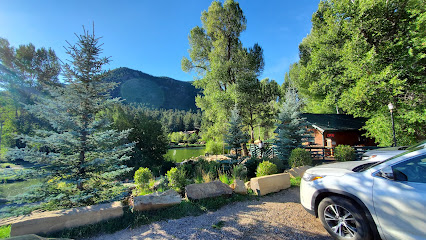
Rivers Edge BBQ
13.5 km
Experience mouthwatering barbecue at Rivers Edge BBQ in Estes Park – where flavor meets nature's beauty.
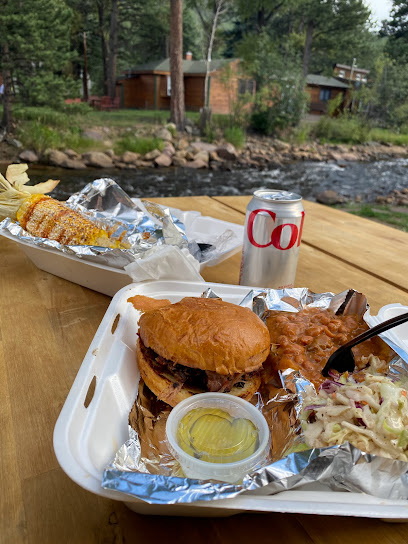
Big Horn Restaurant
13.7 km
Experience family-friendly dining at Big Horn Restaurant in Estes Park with delicious American cuisine perfect for all tastes and budgets.
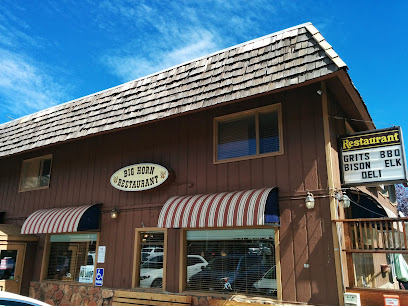
Twisted Griffin Irish Pub & Restaurant
13.9 km
Discover authentic Irish cuisine and warm hospitality at Twisted Griffin in Estes Park—your perfect dining destination in Colorado.
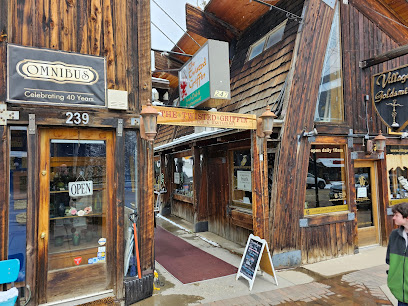
Sweet Basilico Cafe
13.9 km
Discover authentic Italian flavors amidst stunning mountain views at Sweet Basilico Cafe in Estes Park.
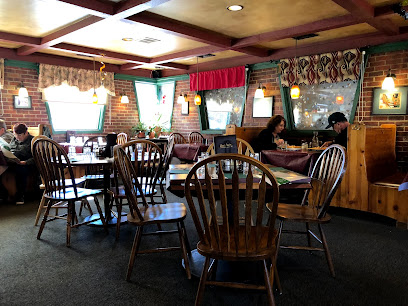
The View Restaurant
13.9 km
Discover exquisite American cuisine amidst breathtaking mountain views at The View Restaurant in Estes Park.
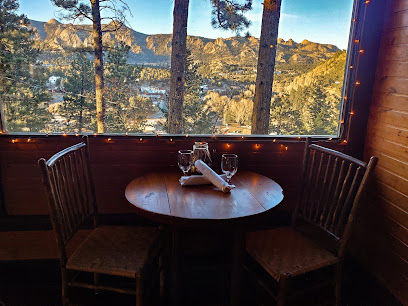
The Wild Rose Restaurant
13.9 km
Experience the best of American and European cuisine at The Wild Rose Restaurant in Estes Park—where unique flavors meet stunning mountain views.
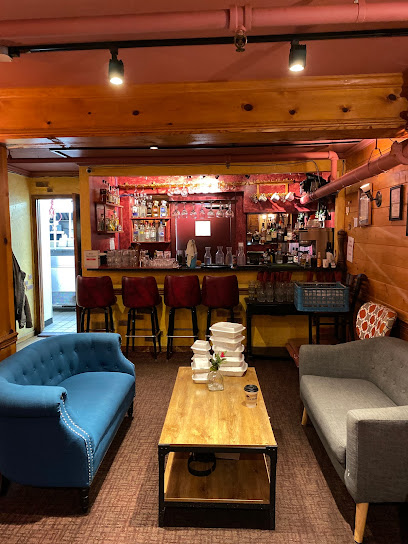
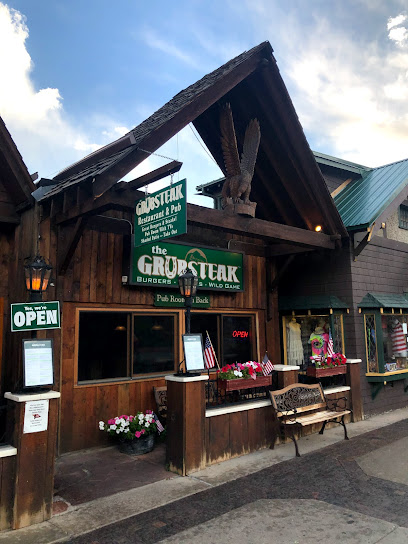
The Grubsteak Restaurant
14.0 km
Discover The Grubsteak Restaurant in Estes Park – where exceptional steaks meet warm hospitality amidst stunning mountain views.
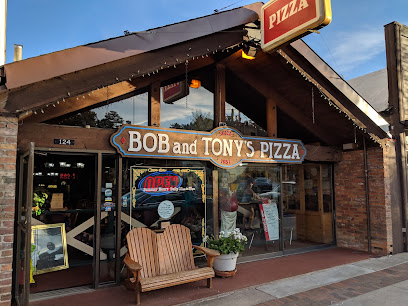
Bob & Tonys Pizza
14.0 km
Experience authentic pizza crafted with love at Bob & Tony's Pizza in Estes Park – your perfect dining stop amidst Colorado's natural beauty.
Markets, malls and hidden boutiques

Rocky Mountain Gateway
10.5 km
Explore the treasures of Rocky Mountain Gateway, your one-stop shop for unique gifts, camping gear, and authentic Native American crafts in Estes Park, Colorado.
The Village Store of Estes Park
12.1 km
Discover the charm of The Village Store in Estes Park, a perfect blend of clothing, gifts, and souvenirs for every traveler.
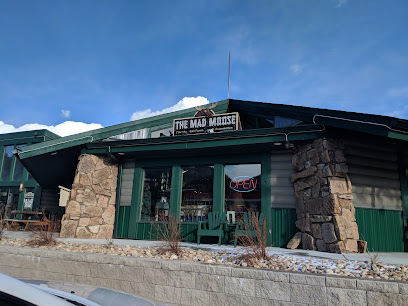
The Mad Moose
12.1 km
Explore The Mad Moose for top outdoor gear and unique souvenirs in Estes Park, the gateway to Rocky Mountain National Park.
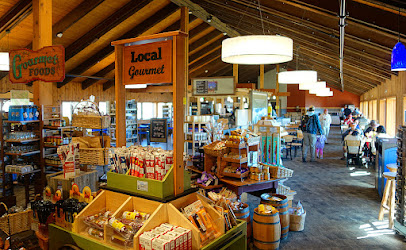
Trail Ridge Store
12.5 km
Explore unique gifts and local treasures at Trail Ridge Store, the charming gift shop in Estes Park, Colorado, surrounded by breathtaking mountain views.
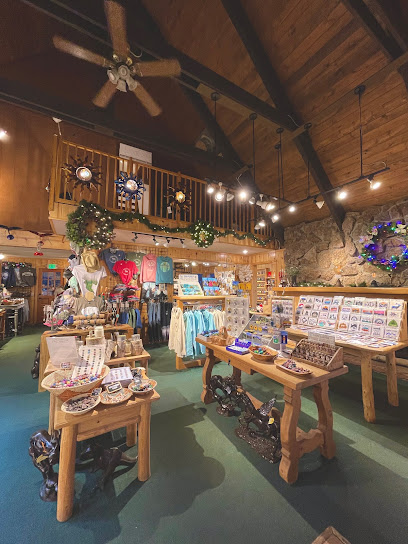
Wild Horse Gift Shop
12.6 km
Explore the Wild Horse Gift Shop for unique souvenirs and local crafts in the heart of Estes Park, Colorado.
The Trading Post of the Rockies
13.5 km
Explore a treasure trove of unique souvenirs and local crafts at The Trading Post of the Rockies in scenic Estes Park.
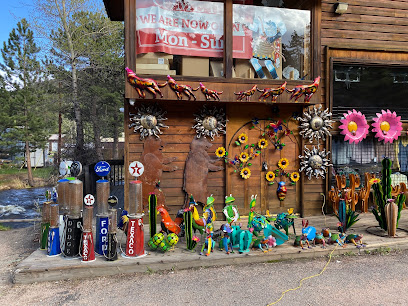
Lizzie's Boutique
13.5 km
Explore Lizzie's Boutique in Estes Park for unique gifts and local treasures that capture the essence of Colorado's natural beauty.
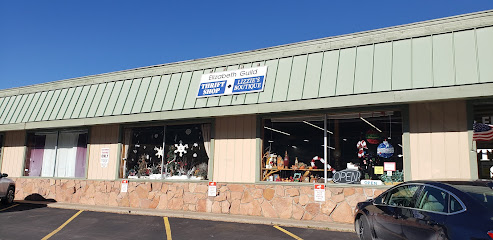
Omnibus
13.9 km
Explore Omnibus in Estes Park, where exquisite handcrafted jewelry meets local artistry and charm.
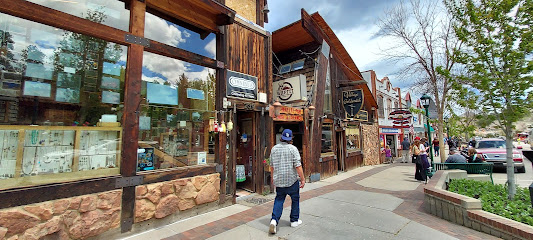
Country West City East Gifts
13.9 km
Discover unique souvenirs and local artisan gifts at Country West City East Gifts in Estes Park, a charming destination for every traveler.
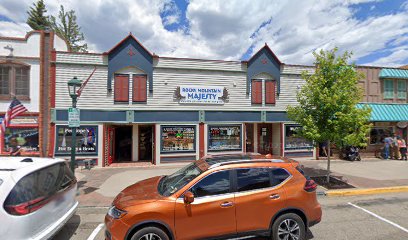
Cabin Fever of Estes Park Co
13.9 km
Explore Cabin Fever in Estes Park for unique handmade jewelry and artisan crafts that capture the essence of Colorado's rich cultural heritage.
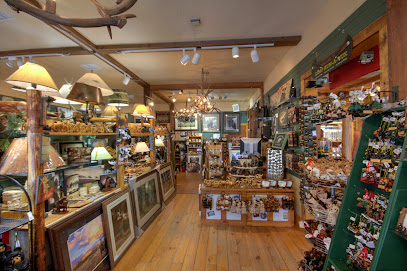
Over The Edge
13.9 km
Discover unique gifts and local treasures in Estes Park at Over The Edge, where Colorado's spirit comes alive through stunning artisan creations.
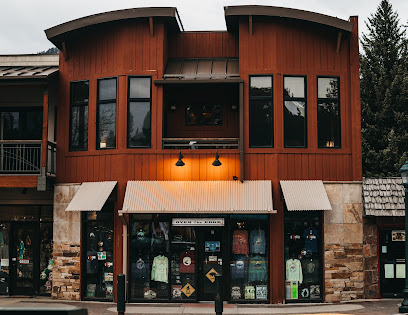
Favorite Things
13.9 km
Explore Favorite Things in Estes Park for unique gifts, local art, and memorable souvenirs that capture the essence of Colorado.
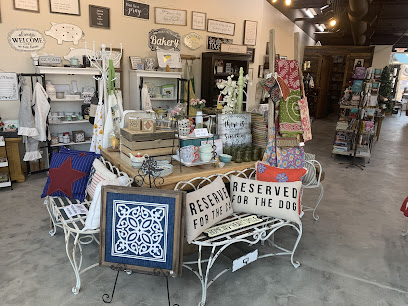
The Whispering Wood
13.9 km
Discover unique handcrafted souvenirs that capture the spirit of Estes Park at The Whispering Wood, your go-to store for local treasures.
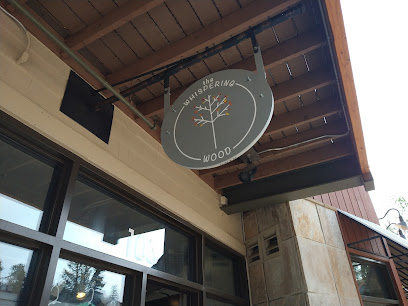
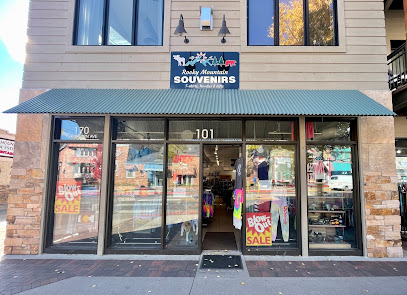
Rocky Mountain Souvenirs
13.9 km
Discover unique gifts and apparel that embody the spirit of the Rockies at Rocky Mountain Souvenirs in Estes Park.
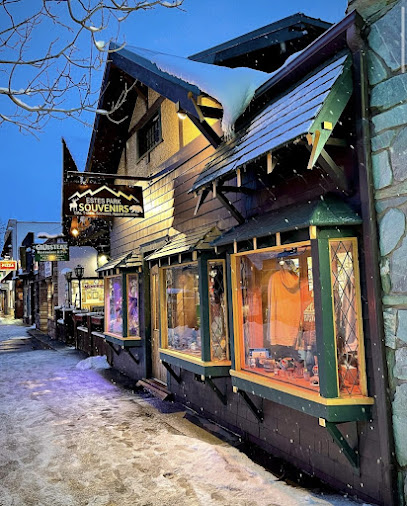
Estes Park Souvenirs
14.0 km
Discover an array of unique gifts and local crafts at Estes Park Souvenirs, capturing the essence of Colorado's charm and beauty.
Essential bars & hidden hideouts

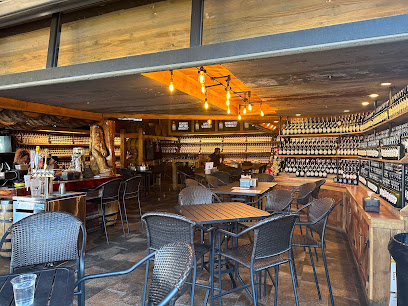
Full Throttle Distillery & Grill Estes Park
14.0 km
Discover the flavors of Colorado at Full Throttle Distillery & Grill, where hearty meals and local spirits unite in a vibrant atmosphere.
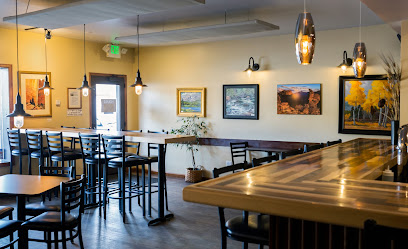
Rock Cut Brewing Company
14.0 km
Discover the heart of craft beer culture at Rock Cut Brewing Company, a premier brewery in Estes Park, Colorado, offering stunning views and delicious brews.
Lonigans Saloon Nightclub & Grill, An Irish Pub
14.0 km
Discover the vibrant atmosphere of Lonigans Saloon Nightclub & Grill, a perfect blend of Irish pub charm and delightful grill cuisine in Estes Park.
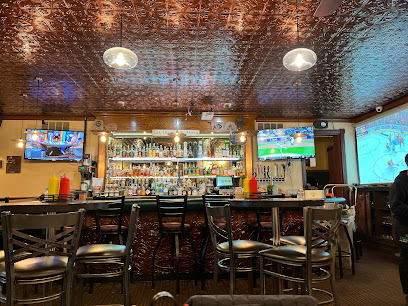
Wheel Bar
14.1 km
Discover the lively atmosphere and innovative cocktails at The Wheel Bar, Estes Park's favorite cocktail destination for locals and tourists alike.
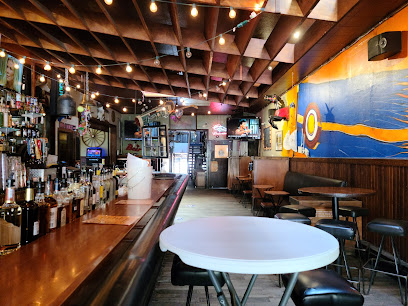
The Whiskey Bar At The Cascades Restaurant
14.6 km
Discover the elegance of The Whiskey Bar At The Cascades in Estes Park, where fine whiskeys and stunning mountain views meet in perfect harmony.
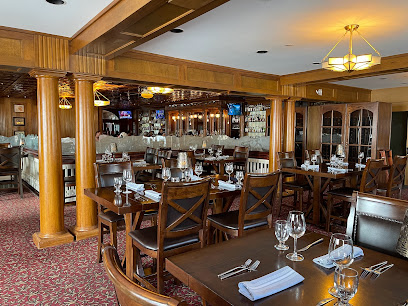
217 Wine Bar
14.6 km
Discover the best selection of fine wines at 217 Wine Bar in Estes Park, where scenic views meet exquisite flavors for a perfect evening.
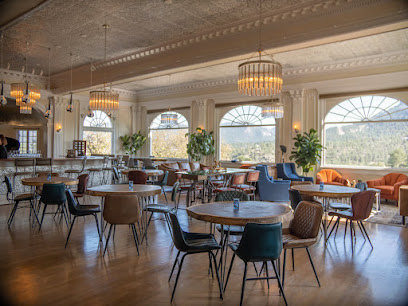
Avant Garde Aleworks
15.2 km
Discover the essence of craft brewing at Avant Garde Aleworks, where exceptional beers meet stunning mountain views in Estes Park, Colorado.
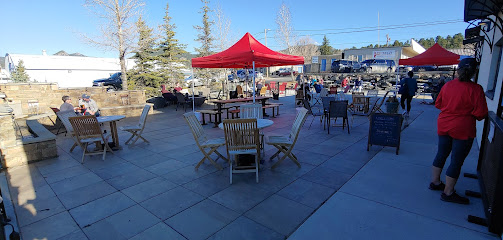
The Bull Pin - Elevated Entertainment
15.4 km
Experience fun and excitement at The Bull Pin in Estes Park, featuring bowling, billiards, and arcade games for all ages.
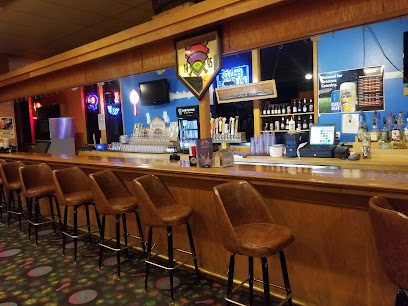
Lumpy Ridge Brewing Co.
15.4 km
Experience the best of Colorado's craft brewery scene at Lumpy Ridge Brewing Co., where unique flavors and stunning mountain views await.
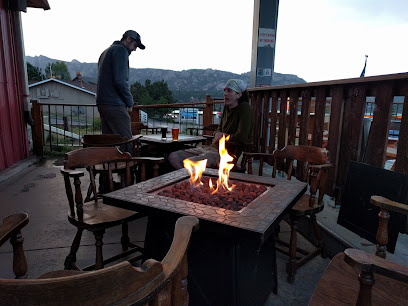
Randi's Grill & Pub
47.5 km
Experience authentic Irish cuisine and warm hospitality at Randi's Grill & Pub in Winter Park, a cozy getaway for food lovers and adventure seekers.
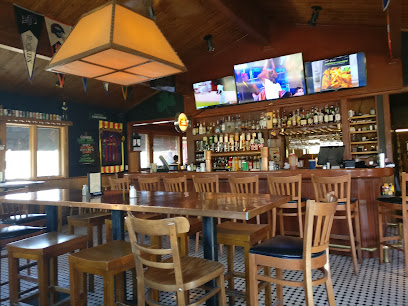
Gravity Haus Winter Park
47.9 km
Experience the perfect blend of luxury and adventure at Gravity Haus Winter Park, your gateway to the Rocky Mountains.

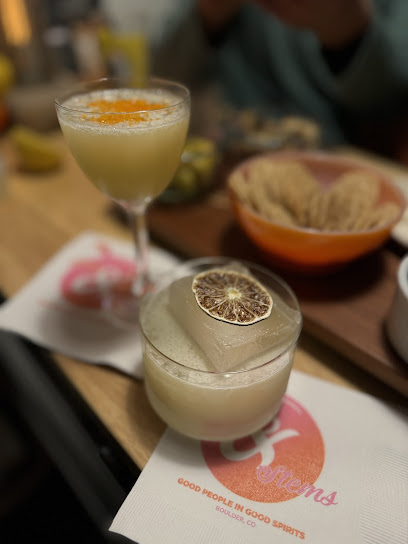
Pits & Stems
48.2 km
Discover the vibrant atmosphere of Pits & Stems, Boulder’s premier cocktail bar known for its innovative drinks and welcoming ambiance.
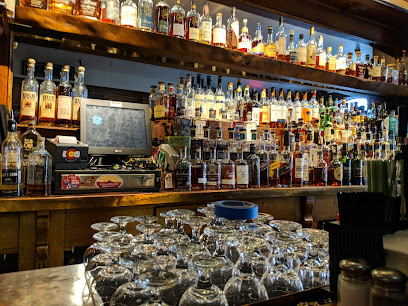
West End Tavern
49.7 km
Discover the West End Tavern in Boulder, Colorado – a lively bar with stunning rooftop views, delicious food, and a vibrant atmosphere perfect for unwinding.
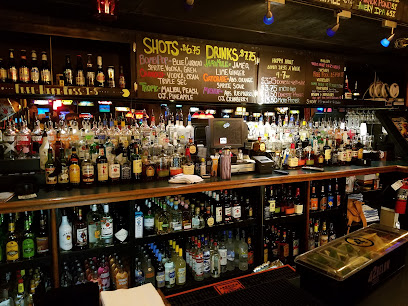
Press Play Bar LP
49.7 km
Discover the joy of retro gaming and craft beverages at Press Play Bar in Boulder, where every visit promises fun and unforgettable memories.
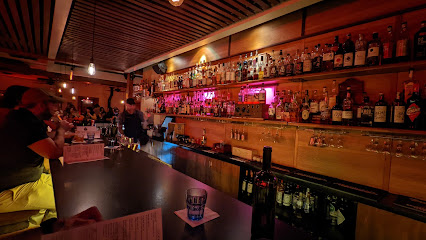
The Bitter Bar
49.7 km
Discover The Bitter Bar, Boulder’s premier cocktail destination, offering unique drinks and a vibrant ambiance for a perfect night out.
Nightclubs & after hour spots

Cabin 30
8.7 km
Discover the electric atmosphere and unforgettable nightlife at Cabin 30, Estes Park's premier night club offering music, dancing, and fun.
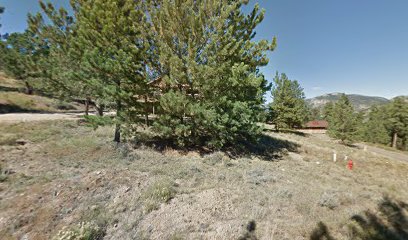
Tonic Alchemy Lounge
49.7 km
Experience the refreshing blend of wellness and indulgence at Tonic Alchemy Lounge, Boulder’s premier oxygen cocktail spot.
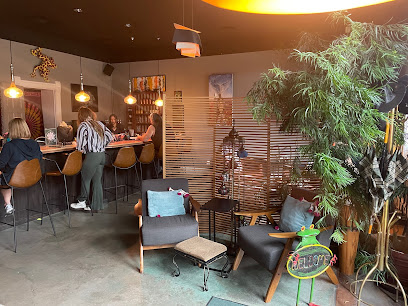
Nitro Club
49.8 km
Discover the vibrant nightlife of Boulder at Nitro Club, where captivating performances and lively atmosphere await every visitor.

The Spotted James
49.8 km
Discover Boulder's nightlife at The Spotted James, where music, cocktails, and vibrant energy come together for an unforgettable evening.
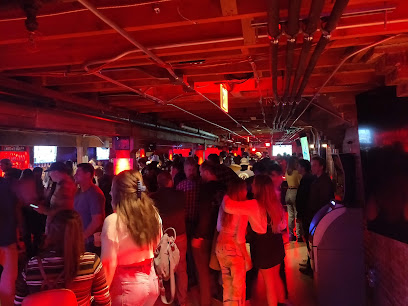
Cedars Lounge
51.4 km
Discover Cedars Lounge in Boulder for an inviting atmosphere to unwind, with crafted drinks and a cozy ambiance perfect for travelers.
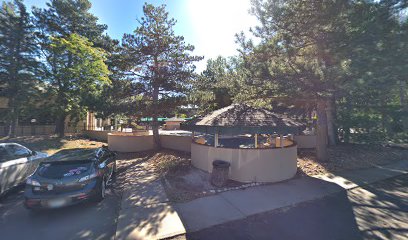
Sahara Night hookah lounge
54.8 km
Discover the serene ambiance of Sahara Night Hookah Lounge, where relaxation meets social enjoyment in Fort Collins, Colorado.
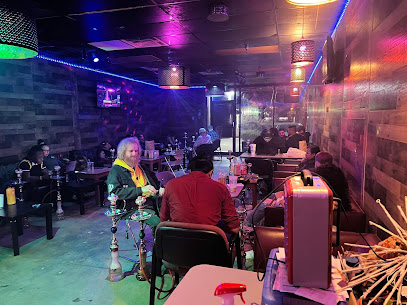
The R Bar and Lounge
57.6 km
Experience the vibrant nightlife at The R Bar and Lounge in Fort Collins, where great drinks, karaoke, and fun await.
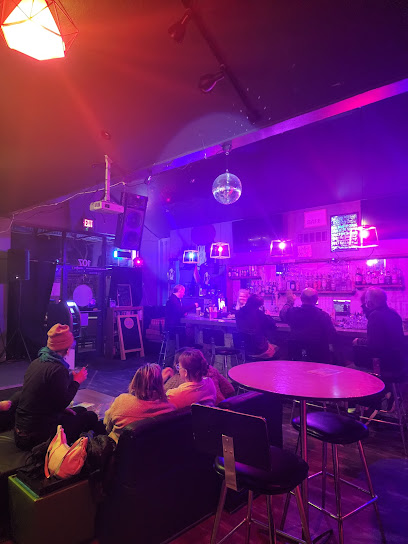
Rec Room
58.1 km
Discover the vibrant nightlife of Fort Collins at Rec Room, where great drinks and a lively atmosphere await you!
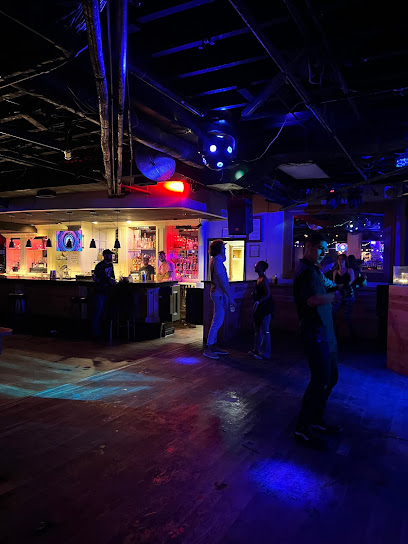
Cooper Smith Poolside
58.2 km
Experience the vibrant nightlife of Fort Collins at Cooper Smith Poolside, where fun and entertainment come alive in a stylish setting.
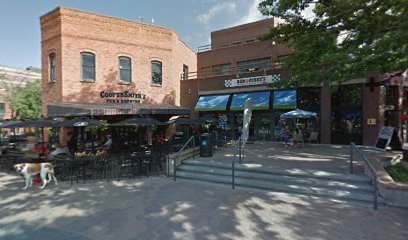
Bondi Beach Bar and Grill
58.2 km
Experience the vibrant nightlife at Bondi Beach Bar and Grill, a unique blend of dining, dancing, and sports in Fort Collins, Colorado.
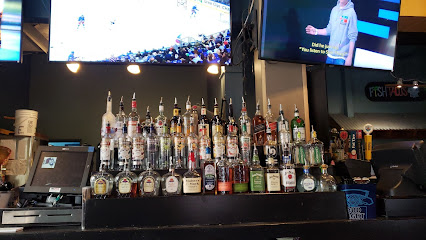
The Coast
58.4 km
Discover The Coast in Fort Collins, a vibrant bar offering local drinks, lively ambiance, and a perfect spot to unwind after exploring the city.
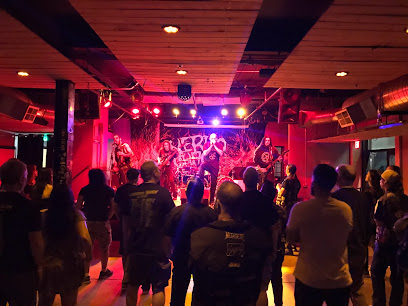
Marisela's Night Club
85.8 km
Discover the exciting nightlife at Marisela's Night Club in Denver, where vibrant music and a lively atmosphere create unforgettable experiences.
Forest Room 5
86.6 km
Experience the artistic allure and vibrant nightlife of Forest Room 5, a unique lounge and cocktail bar in Denver's Highland neighborhood.
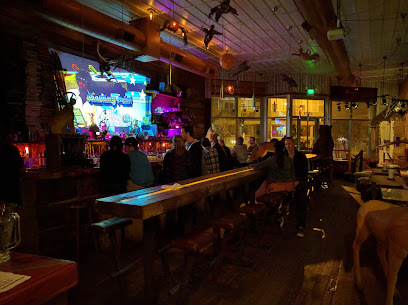
The Nearby Bar
86.8 km
Experience the vibrant nightlife of Denver at The Nearby Bar, where unique cocktails and a lively atmosphere await.
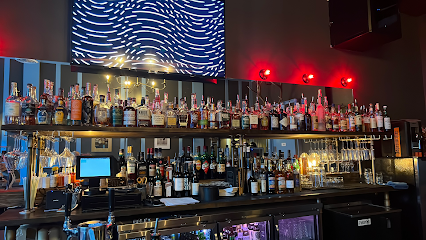
Roo-Bar Lounge
87.0 km
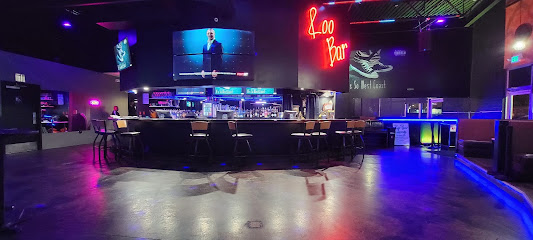
Experience the vibrant nightlife of Denver at Roo-Bar Lounge, where eclectic decor meets a welcoming atmosphere for an unforgettable night out.