

Barrio Escalante (San Jose) Travel Guide - Free
Explore Barrio Escalante in San Jose with Evendo's free guide. Find the best shops, historic streets, restaurants, and gems on web or mobile.


Barrio Escalante in San José, Costa Rica, pairs leafy streets, historic homes, Parque Francia, local design and one of the city’s best dining scenes.
Residential Origins and Urban Character
East of central San José, Barrio Escalante is a recognised urban neighbourhood rather than a sharply bounded administrative district. Its streets connect the older quarters of Amón and Otoya with Aranjuez and Los Yoses, creating a gradual transition from historic residential San José to the city’s eastern districts. Early twentieth-century houses, mature trees, low-rise buildings and small parks give the area a more relaxed scale than the commercial centre. The neighbourhood’s name and identity are closely associated with the Escalante family and the gradual subdivision of former coffee-growing land as San José expanded.Read more about Barrio Escalante
From Heritage Quarter to Food District
Streets, Food and Evening Life
Best attractions in Barrio Escalante
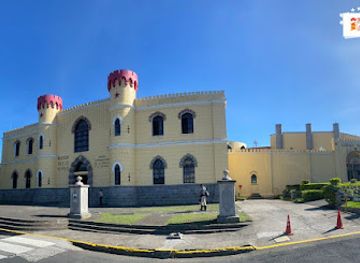
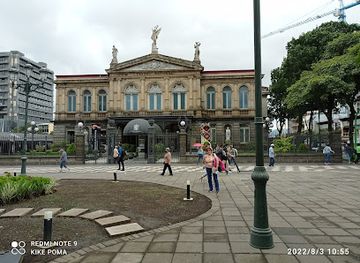
Barrio Escalante’s attractions are primarily urban and architectural rather than monumental. Parque Francia is the neighbourhood’s best-known public space, offering a small green setting and a natural pause between the residential streets and the restaurant district. Calle 33 and Paseo Gastronómico La Luz provide the area’s most concentrated visitor activity, combining renovated premises, cafés, restaurants and evening street life. Walkers can also look for early twentieth-century houses, shaded gardens and changing façades as they move towards Aranjuez and Los Yoses. Iglesia Santa Teresita, near the southern edge, is another useful local reference point. The National Museum is close enough to combine with Barrio Escalante, although it lies outside the neighbourhood and should be treated as a nearby attraction. The appeal lies in observing how heritage buildings, contemporary food businesses and ordinary residential streets occupy the same compact urban landscape.
-
Children's museum
Children's Museum
Explore, learn, and engage at the Children's Museum in San José, where curiosity comes to life through interactive experiences for families.
6 min drive · 1.9 km from neighbourhood centre
-
Tourist attraction
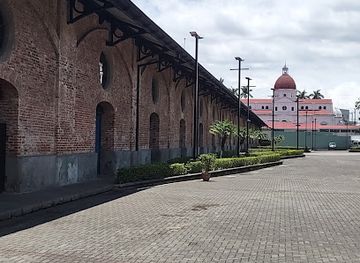
Antigua Aduana
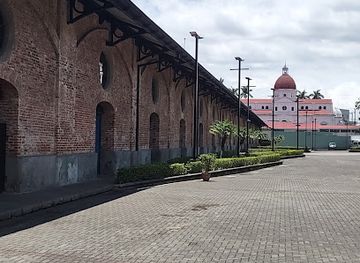
Explore the Antigua Aduana, a historical gem in San José, Costa Rica, showcasing rich heritage and stunning architecture amid vibrant cultural surroundings.
5 min walk · 0.4 km from neighbourhood centre
-
Park
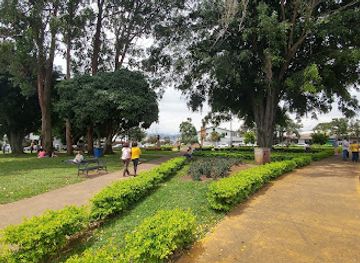
Parque Francia
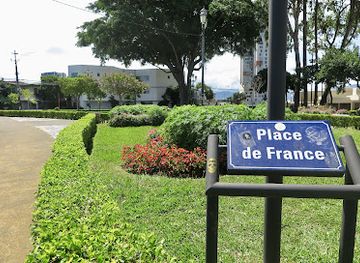
Discover the tranquility and artistic charm of Parque Francia, an oasis in San José perfect for relaxation and cultural experiences.
3 min walk · 0.3 km from neighbourhood centre
-
Historical landmark
Hispanity Fountain
Explore the Hispantity Fountain in San Pedro, a captivating historical landmark that embodies the cultural richness of Costa Rica's vibrant community.
12 min walk · 0.9 km from neighbourhood centre
Best landmarks in Barrio Escalante
Barrio Escalante’s landmarks are closely tied to its residential history and its position within eastern San José. Parque Francia is the principal public landmark, a small landscaped space that helps define the neighbourhood’s social geography and provides a visual link with the surrounding historic quarters. Iglesia Santa Teresita, near the southern side of Barrio Escalante, is another prominent local reference point and part of the area’s long-established civic landscape. The older houses along streets near Parque Francia and Calle 33 are significant collectively rather than as one single monument: their scale, gardens and varied façades reveal the neighbourhood’s early residential development. The nearby National Museum and historic buildings of Amón and Otoya can extend an architectural walk, but they belong to adjacent areas and should not be confused with landmarks inside Barrio Escalante.
-
Park
Plaza de la Cultura
Experience Costa Rican culture in the heart of San José at Plaza de la Cultura, a vibrant hub for art, history, and community life.
18 min walk · 1.5 km from neighbourhood centre
-
Historical place
Antigua Aduana
Explore Costa Rica's heritage at the Antigua Aduana in San José's vibrant Barrio Escalante, a hub of culture and history.
5 min walk · 0.4 km from neighbourhood centre
-
Grill
Agüizotes Gastro Pub
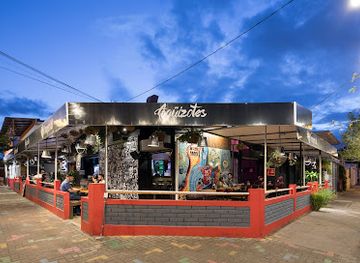
Experience innovative Costa Rican cuisine and craft beverages in the vibrant Barrio Escalante at Agüizotes Gastro Pub. A culinary adventure awaits!
3 min walk · 0.2 km from neighbourhood centre
-
Park
Parque Francia
Escape to Parque Francia in San José: a green sanctuary in Barrio Escalante with art, nature, and a tranquil atmosphere for relaxation.
3 min walk · 0.3 km from neighbourhood centre
Explore Barrio Escalante on the map
A handpicked selection of must-see spots in Barrio Escalante, mapped for you.
Best hotels in Barrio Escalante
Best restaurants in Barrio Escalante
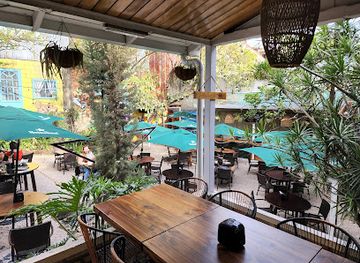
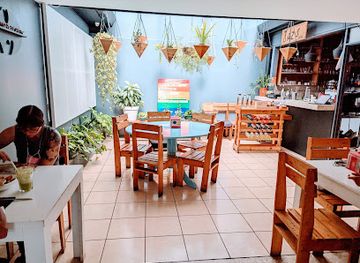
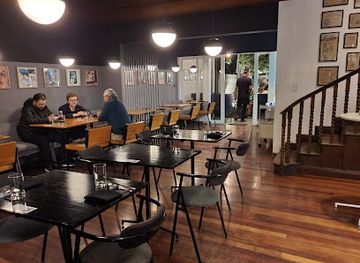
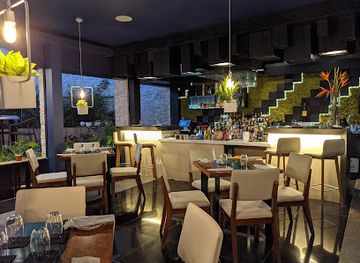
Dining is Barrio Escalante’s strongest contemporary association, particularly around Calle 33 and Paseo Gastronómico La Luz. Former houses and low-rise commercial premises accommodate restaurants, cafés, bakeries, bars and small food-led businesses, creating a scene that ranges from Costa Rican cooking and coffee culture to international and contemporary menus. The district is also known for the way it brings together independent operators, design-conscious interiors and informal evening socialising without losing its residential setting. Visitors can eat around Parque Francia and then explore adjacent streets where smaller cafés and neighbourhood businesses are mixed with homes. The area is not a traditional market district, so its culinary identity comes more from restaurants and creative reuse of older buildings than from a single historic food hall or street-food tradition. Menus, venues and opening arrangements change, making it sensible to check current details directly before planning a meal.
-
Restaurant
Jardín de Lolita
Experience the enchanting flavors of Costa Rica at Jardín de Lolita - where every dish tells a story amidst lush gardens.
5 min walk · 0.4 km from neighbourhood centre
-
Vegetarian
Árbol de Seda
Discover Árbol de Seda: A vegetarian paradise in San José’s Barrio Escalante offering fresh flavors and sustainable dining experiences.
3 min walk · 0.2 km from neighbourhood centre
-
Restaurant
Restaurante Isolina
Discover authentic Costa Rican flavors at Restaurante Isolina in Barrio Escalante – a culinary gem blending tradition with modern flair.
1 min walk · 0.1 km from neighbourhood centre
-
Restaurant
Samadhi
Experience exquisite cuisine at Samadhi in Barrio Escalante – where local flavors meet international flair.
3 min walk · 0.3 km from neighbourhood centre
Best bars in Barrio Escalante
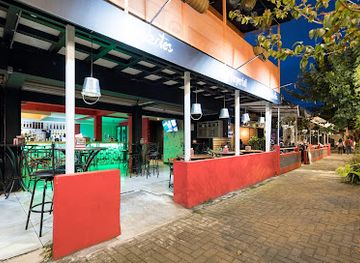
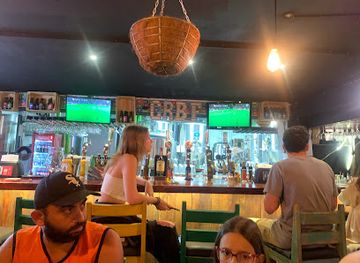
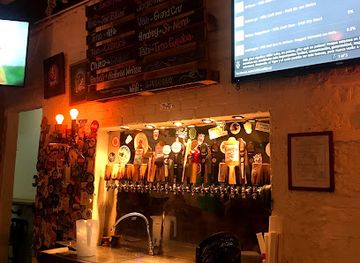
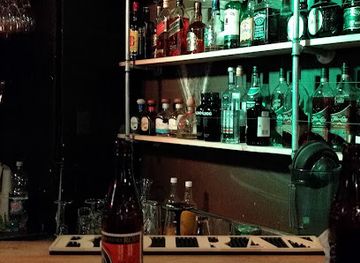
Barrio Escalante has one of San José’s most established evening scenes, concentrated around Calle 33, Paseo Gastronómico La Luz and nearby side streets. Its nightlife is generally built around restaurants, wine bars, craft-beer venues, cocktail spaces and relaxed socialising rather than a large cluster of purpose-built nightclubs. Music and conversation spill into the streets around dinner time, while some venues continue later with DJs, live sets or informal cultural programming; exact events and schedules vary. Parque Francia and the surrounding residential blocks feel much quieter than the main dining corridors, so visitors notice a clear change of atmosphere within a short walk. The area’s mixed residential and commercial character makes considerate behaviour important: keep noise down when leaving venues and use a taxi or ride-hailing service if returning to unfamiliar accommodation late at night.
-
Grill
Agüizotes Gastro Pub
Experience the vibrant flavors and lively atmosphere at Agüizotes Gastro Pub, a culinary gem in the heart of San José's Barrio Escalante.
3 min walk · 0.2 km from neighbourhood centre
-
Grill
Costa Rica Beer Factory
Discover the vibrant Costa Rica Beer Factory in San José, where craft beer meets delicious grilled dishes in a lively atmosphere.
2 min walk · 0.1 km from neighbourhood centre
-
Brewpub
Wilkcr
Discover the vibrant flavors of craft beer at Wilkcr, the premier brewpub in San José's Barrio Escalante, offering a unique culinary experience.
1 min walk · 0.1 km from neighbourhood centre
-
Cocktail bar
Neon
Experience the vibrant nightlife at Neon, a cocktail bar in San José offering creative drinks, delicious food, and a welcoming atmosphere for all.
2 min walk · 0.1 km from neighbourhood centre
Best nightclubs in Barrio Escalante
Barrio Escalante has one of San José’s most established evening scenes, concentrated around Calle 33, Paseo Gastronómico La Luz and nearby side streets. Its nightlife is generally built around restaurants, wine bars, craft-beer venues, cocktail spaces and relaxed socialising rather than a large cluster of purpose-built nightclubs. Music and conversation spill into the streets around dinner time, while some venues continue later with DJs, live sets or informal cultural programming; exact events and schedules vary. Parque Francia and the surrounding residential blocks feel much quieter than the main dining corridors, so visitors notice a clear change of atmosphere within a short walk. The area’s mixed residential and commercial character makes considerate behaviour important: keep noise down when leaving venues and use a taxi or ride-hailing service if returning to unfamiliar accommodation late at night.
-
Cocktail bar
Neon
Experience the vibrant nightlife of San José at Neon, a cocktail bar and gay bar in the heart of Barrio Escalante, offering delicious drinks and a lively atmosphere.
2 min walk · 0.1 km from neighbourhood centre
-
Night club
La Chicha
Experience the vibrant nightlife of San José at La Chicha, a popular night club where music and dance create unforgettable moments.
8 min walk · 0.7 km from neighbourhood centre
-
Night club
Mística
Discover the electrifying nightlife at Mística, one of San José's premier nightclubs, where great music and vibrant atmosphere await.
9 min walk · 0.7 km from neighbourhood centre
-
Night club
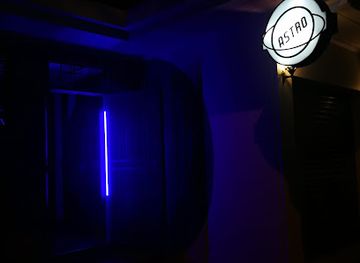
Astro
Experience the electric nightlife at Astro Night Club in San José, where music and vibrant energy come together for an unforgettable evening.
3 min walk · 0.3 km from neighbourhood centre



Best shops in Barrio Escalante
Shopping in Barrio Escalante is small-scale and independent rather than centred on a major department store or traditional produce market. Around Calle 33 and the streets near Parque Francia, visitors may find design-led boutiques, cafés with local products, galleries, lifestyle businesses, book-related retail and creative studios occupying adapted houses and low-rise premises. The selection reflects the neighbourhood’s contemporary cultural economy, with emphasis on design, food, clothing, gifts and locally made goods rather than bulk souvenir shopping. Retail activity is interwoven with restaurants and residential buildings, so the experience is best approached as a slow walk between individual businesses rather than a single shopping avenue. For larger commercial centres and more conventional city shopping, visitors will need to travel beyond Barrio Escalante towards central San José or other districts. Stock, opening arrangements and participating businesses can change over time.
-
Gift shop
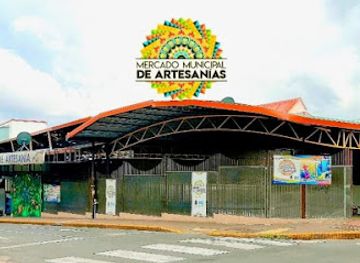
Municipal Crafts Market
Explore the Municipal Crafts Market in San José, a vibrant showcase of Costa Rican handicrafts and artisanal treasures in the heart of the city.
19 min walk · 1.5 km from neighbourhood centre
-
Convenience store
Fresh Market • Escalante
Explore Fresh Market in Escalante, a culinary hub for fresh produce, baked goods, and local delicacies in the heart of San José.
1 min walk · 0.1 km from neighbourhood centre
-
Gift shop
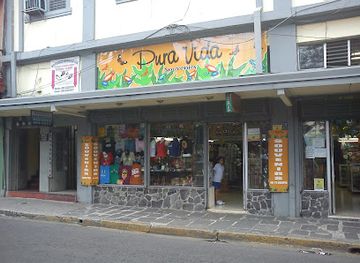
Pura Vida Souvenirs
Discover authentic Costa Rican gifts at Pura Vida Souvenirs, where every item tells a story and every purchase supports local artisans.
17 min walk · 1.4 km from neighbourhood centre
-
Souvenir store
Holalola Gift Shop
Explore Holalola Gift Shop in San José for authentic Costa Rican souvenirs and handcrafted treasures that celebrate local artistry and culture.
3 min walk · 0.2 km from neighbourhood centre


From Eve
Local phrases worth knowing
You don't need to get them perfect. A few words go a long way, and locals appreciate the effort.
Basics
| English | Local | Say it |
|---|---|---|
| Hello | Hola | [oh-lah] |
| Goodbye | Adiós | [ah-dee-ohs] |
| Yes | Sí | [see] |
| No | No | [noh] |
| Please/You're welcome | Por favor/De nada | [por fah-vor/deh nah-dah] |
| Thank you | Gracias | [grah-see-ahs] |
| Excuse me/Sorry | Disculpe/Perdón | [dees-cool-peh/pehr-dohn] |
| How are you? | ¿Cómo estás? | [koh-moh ehs-tahs] |
| Fine. And you? | Bien. ¿Y tú? | [byen. ee too] |
| Do you speak English? | ¿Hablas inglés? | [ah-blahs een-glehs] |
| I don't understand | No entiendo | [noh ehn-tee-ehn-doh] |
Eating & Drinking
| English | Local | Say it |
|---|---|---|
| I'd like to see the menu, please | Me gustaría ver el menú, por favor | [meh goos-tah-ree-ah behr ehl meh-noo, por fah-vor] |
| I don't eat meat | No como carne | [noh koh-moh kahr-neh] |
| Cheers! | ¡Salud! | [sah-lood] |
| I would like to pay, please | Me gustaría pagar, por favor | [meh goos-tah-ree-ah pah-gahr, por fah-vor] |
Emergencies
| English | Local | Say it |
|---|---|---|
| Help! | ¡Ayuda! | [ah-yoo-dah] |
| Go away! | ¡Vete! | [veh-teh] |
| Call the Police! | ¡Llame a la policía! | [yah-meh ah lah poh-lee-see-ah] |
| Call a doctor! | ¡Llame a un médico! | [yah-meh ah oon meh-dee-koh] |
| I'm lost | Estoy perdido | [ehs-toy pehr-dee-doh] |
| I'm ill | Estoy enfermo | [ehs-toy ehn-fehr-moh] |
Shopping
| English | Local | Say it |
|---|---|---|
| I'd like to buy... | Me gustaría comprar... | [meh goos-tah-ree-ah kohm-prahr] |
| I'm just looking | Solo estoy mirando | [soh-loh ehs-toy mee-rahn-doh] |
| How much is it? | ¿Cuánto cuesta? | [kwan-toh kweh-stah] |
| That's too expensive | Eso es demasiado caro | [eh-soh ehs deh-mah-see-ah-doh kah-roh] |
| Can you lower the price? | ¿Puede bajar el precio? | [pweh-deh bah-hahr ehl preh-see-oh] |
Time & Numbers
| English | Local | Say it |
|---|---|---|
| What time is it? | ¿Qué hora es? | [keh oh-rah ehs] |
| It's one o'clock | Es la una en punto | [ehs lah oo-nah ehn poon-toh] |
| Half past (10) | Y media (10) | [ee meh-dee-ah (diez)] |
| Morning | Mañana | [mah-nyah-nah] |
| Afternoon | Tarde | [tahr-deh] |
| Evening | Noche | [noh-cheh] |
| Yesterday | Ayer | [ah-yehr] |
| Today | Hoy | [oy] |
| Tomorrow | Mañana | [mah-nyah-nah] |
| 1 | Uno | [oo-noh] |
| 2 | Dos | [dohs] |
| 3 | Tres | [trehs] |
| 4 | Cuatro | [kwah-troh] |
| 5 | Cinco | [seen-koh] |
| 6 | Seis | [sehs] |
| 7 | Siete | [syeh-teh] |
| 8 | Ocho | [oh-choh] |
| 9 | Nueve | [nweh-veh] |
| 10 | Diez | [dee-ehs] |
Transport & Directions
| English | Local | Say it |
|---|---|---|
| Where's a/the...? | ¿Dónde está...? | [dohn-deh ehs-tah] |
| What's the address? | ¿Cuál es la dirección? | [kwal ehs lah dee-rehk-syohn] |
| Can you show me (on the map)? | ¿Puede mostrarme (en el mapa)? | [pweh-deh mohs-trar-meh (ehn ehl mah-pah)] |
| When's the next (bus)? | ¿Cuándo es el siguiente (autobús)? | [kwan-doh ehs ehl see-gwee-ehn-teh (ow-toh-booce)] |
| A ticket (to ....) | Un boleto (a ....) | [oon boh-leh-toh (ah)] |
History of Barrio Escalante
Coffee Land East of San José
Before Barrio Escalante became a built-up urban quarter, this part of eastern San José formed part of the city’s expanding rural and semi-rural edge, where coffee cultivation was an important land use. The neighbourhood name is associated with the Escalante family, whose landholding helped give the area its identity as the city grew. During the late nineteenth and early twentieth centuries, San José extended beyond its older central streets, and former agricultural properties were progressively divided for housing. This transition explains the neighbourhood’s relatively spacious lots and its connection to adjoining districts such as Aranjuez, Amón and Otoya.
Early Twentieth-Century Residential Growth
As San José’s eastern side urbanised, Barrio Escalante developed mainly as a residential area. Houses built or remodelled during the early twentieth century introduced the low-rise streetscape that remains one of its defining features, with detached homes, gardens and varied decorative treatments rather than a single uniform architectural style. The area’s position close to the historic centre made it attractive for families and professional households, while nearby Aranjuez and Amón developed related residential identities. Streets, public spaces and institutions gradually knitted the former coffee-growing landscape into the expanding capital.
Churches, Parks and the Modernising Capital
The neighbourhood’s growth formed part of San José’s broader modernisation during the first half of the twentieth century, when new roads, public services and civic institutions extended the capital eastwards. Iglesia Santa Teresita, at the southern side of the neighbourhood, became an important local reference point, while Parque Francia offered a small public landscape amid the surrounding homes. The area’s proximity to the historic centre also connected residents with the National Theatre, markets, schools and government institutions, even though those major buildings lie outside Barrio Escalante itself.
Heritage, Renewal and Gastronomy
In the late twentieth and early twenty-first centuries, some older houses and commercial premises in Barrio Escalante were adapted for cafés, restaurants, bars, studios and independent businesses. This reuse helped establish Calle 33 and the Paseo Gastronómico La Luz as a dining and social corridor, while leaving much of the surrounding area residential. The change reflects a wider transformation in central San José, where historic neighbourhoods gained new cultural and commercial uses alongside concerns about traffic, noise, rising costs and the conservation of older buildings. Barrio Escalante’s contemporary identity therefore combines inherited residential character with a distinctly modern food and creative economy.
Barrio Escalante in Photos
Browse through our photo collection highlighting the charm and character of the destination.
Neighbourhoods near Barrio Escalante
The closest neighbourhoods to Barrio Escalante, if you have time for more than one stop.
-

-

-

-


Swipe for more neighbourhoods

