

Czech-Moravian Highlands, Czechia Travel Guide
Discover the Czech-Moravian Highlands: A serene landscape of rolling hills, charming villages, and rich cultural heritage in the heart of Czechia.
Nestled in the heart of Czechia, the Czech-Moravian Highlands offer a serene escape from the hustle and bustle of city life. This picturesque region is renowned for its rolling hills, dense forests, and charming villages that seem to be frozen in time. The landscape is a patchwork of lush meadows, peaceful ponds, and historic landmarks, making it a perfect destination for nature lovers and history buffs alike. The area is crisscrossed with well-marked hiking and cycling trails that cater to all levels of experience. Whether you are looking for a leisurely stroll through the woods or an adventurous mountain bike ride, the Highlands have something to offer. Along the way, you will encounter ancient castles, rustic farmhouses, and quaint chapels that tell the story of the region’s rich cultural heritage. In addition to its natural beauty, the Czech-Moravian Highlands are known for their traditional crafts and local cuisine. Visitors can explore artisan workshops where centuries-old techniques are still practiced or savor hearty regional dishes at a local tavern. The Highlands are also home to several festivals and events throughout the year, celebrating everything from folklore to contemporary arts.

Know before you go
Hi, I'm Eve. Here are a few practical things to know before exploring Czech-Moravian Highlands.
- Visit in late spring or early autumn for the best hiking weather and fewer crowds.
- Carry cash, as many small villages and local shops do not accept credit cards.
- Try the local specialty, ‘Vysočina’ sausage, a must-try for meat lovers.
- Use the local train services to explore different parts of the Highlands efficiently.
- Check the local festival calendar to experience traditional music, dance, and crafts.
Top City Travel Guides in Czech-Moravian Highlands
The cities of Czech-Moravian Highlands, and the easiest places to base yourself.


Destinations in Czech-Moravian Highlands
Resorts, valleys and scenic spots worth a trip of their own.
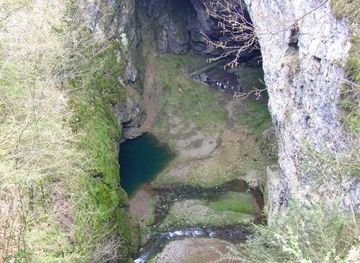

Explore Czech-Moravian Highlands: Things to Do, Places to Eat, Hotels & More
Handpicked recommendations for top attractions, local dining, accommodations, and more

Top Attractions & Sightseeing in Czech-Moravian Highlands
Top-rated picks
Best Attractions

Zdarski Mountains
Explore the stunning Zdarski Mountains, a nature preserve offering breathtaking vistas and endless outdoor adventures in the heart of the Czech Republic.
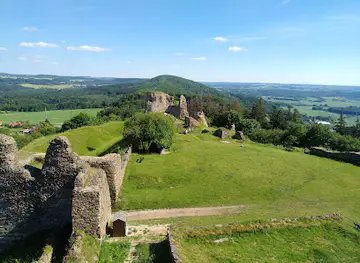
Železné hory
Discover the breathtaking beauty of Železné Hory, a top hiking and nature preserve destination in the Czech Republic, perfect for adventurers and nature lovers.

Frejštejn
Discover the medieval ruins of Frejštejn Castle in South Moravia, offering history, panoramic views, and a tranquil escape.
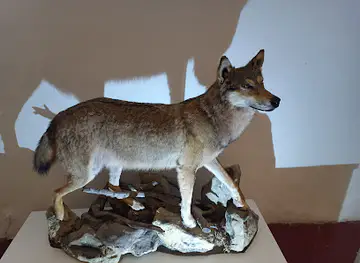
Bohemian-Moravian Highlands Museum in Jihlava
Discover the Bohemian-Moravian Highlands Museum in Jihlava, where history and culture come alive through engaging exhibits and local heritage.

Best landmarks in Czech-Moravian Highlands
Top-rated picks
Best Landmarks
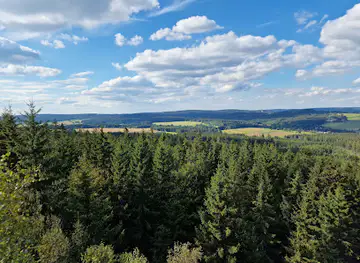
Zdarski Mountains
Explore the stunning Zdarski Mountains, a nature preserve in the Czech Republic, perfect for hiking, birdwatching, and experiencing local culture.

Železné hory
Discover the natural wonders of Železné Hory, a breathtaking nature preserve perfect for hiking, wildlife watching, and stunning landscapes in the Czech Republic.

Zámek Klokočov
Experience the serene beauty of Zámek Klokočov, a perfect blend of relaxation, adventure, and Czech culinary delights in a stunning countryside setting.

Bohemian-Moravian Highlands
Discover the breathtaking landscapes and rich culture of the Bohemian-Moravian Highlands, a hidden gem in the heart of the Czech Republic.

Best restaurants in Czech-Moravian Highlands
Top-rated picks
Best Restaurants

OREA Resort Devět Skal
Experience culinary excellence and family-friendly leisure at OREA Resort Devět Skal in Sněžné-Svratka.

Resort Svata Katerina
Experience ultimate relaxation at Resort Svata Katerina with wellness programs, Ayurvedic treatments, golf facilities, and serene surroundings.

Hotel Horní Dvůr
Discover tranquility and exquisite dining at Hotel Horní Dvůr in Nové Město na Moravě—your perfect retreat for relaxation and adventure.

Zámek Klokočov
Experience exquisite dining at Zámek Klokočov—where tradition meets nature in beautiful Czech countryside.

Best bars in Czech-Moravian Highlands
Top-rated picks
Best Bars

Hemingway Bar
Discover the enchanting Hemingway Bar in Old Town, where classic cocktails meet a cozy atmosphere steeped in literary history.

U Sudu Wine Bar
Discover the charm of U Sudu Wine Bar in Prague – a haven for wine lovers with an exceptional selection and inviting ambiance.

Zverimex BistroBar
Discover the vibrant atmosphere and delicious offerings at Zverimex BistroBar in Jihlava, where every meal is a celebration of flavor and friendship.

Retro pub
Discover the Retro Pub in Jihlava: a nostalgic bar and restaurant where vintage charm meets modern Czech cuisine.


Best shops in Czech-Moravian Highlands
Top-rated picks
Best Shops

PALLADIUM
Discover PALLADIUM, Prague's premier shopping mall with over 200 stores, diverse dining options, and vibrant entertainment in the city center.

Nový Smíchov Shopping Centre
Experience the best of shopping, dining, and entertainment at Nový Smíchov Shopping Centre in Prague, where every visit is an adventure.

Fashion Arena Prague Outlet
Discover unbeatable fashion deals at Fashion Arena Prague Outlet, where style meets savings in a vibrant shopping atmosphere.

Excalibur City
Explore Excalibur City: A shopping mall and amusement park in Hatě, perfect for families, offering diverse shops, thrilling rides, and tasty dining options.

Explore Czech-Moravian Highlands on the Map
A handpicked selection of must-see spots in Czech-Moravian Highlands, mapped for you.
Czech-Moravian Highlands Essentials
-
The Czech-Moravian Highlands (Českomoravská Vrchovina) is centrally located in the Czech Republic, making it easily accessible from major cities such as Prague and Brno. The nearest international airports are in Prague (Václav Havel Airport) and Brno (Brno–Tuřany Airport). From these cities, you can take direct trains or buses to various towns within the Highlands, such as Jihlava and Havlíčkův Brod. The train journey from Prague to Jihlava takes about 2.5 hours, while the bus ride is slightly shorter. Car rentals are also available at the airports for those who prefer to drive.
-
Public transportation in the Czech-Moravian Highlands is efficient and reliable. Trains and buses connect the main towns and villages, making it easy to explore the region. For short distances within towns, walking and cycling are popular options. Local taxis are also available, but it's advisable to agree on a fare beforehand. Renting a car provides the most flexibility for exploring remote areas and natural attractions.
-
The official currency of the Czech Republic is the Czech Koruna (CZK). Credit and debit cards are widely accepted in hotels, restaurants, and larger shops, but it is advisable to carry some cash for smaller establishments and rural areas. ATMs are available in most towns, but ensure you have enough cash for excursions into more secluded parts of the Highlands.
-
The Czech-Moravian Highlands is generally a safe destination for tourists. However, it is always wise to take standard precautions. Avoid isolated areas at night and be cautious of pickpockets in crowded places. There are no specific high-crime areas targeting tourists, but staying vigilant and aware of your surroundings is always recommended.
-
In case of emergency, dial 112, which is the general emergency number in the Czech Republic for police, fire, and medical services. Major towns have hospitals and clinics for medical emergencies. Pharmacies are available in most towns for minor health issues and over-the-counter medications. It is advisable to have travel insurance that covers medical emergencies.
-
Fashion: Do dress comfortably and appropriately for outdoor activities. In religious sites, dress modestly and avoid wearing revealing clothing. Religion: Do respect local customs and traditions. Some churches may require you to cover your head before entering. Public Transport: Do be courteous and offer your seat to elderly passengers. Don't eat or drink on public transport. Greetings: Do greet people with a friendly 'Dobrý den' (Good day). A firm handshake is customary. Eating & Drinking: Do try local dishes and beverages, such as 'svíčková' and 'Moravian wine'. Don't refuse food or drink offerings, as it may be considered impolite.
-
To experience the Czech-Moravian Highlands like a local, visit traditional markets where fresh produce and handmade crafts are sold. Engage with locals, who are often friendly and willing to share stories about their culture and history. Don't miss the chance to explore the region's numerous castles, such as Pernštejn Castle, and natural parks like Žďárské vrchy. For a unique experience, participate in local festivals and events, which offer a glimpse into the rich cultural heritage of the Highlands.
When is the best time to visit Czech-Moravian Highlands?
Useful Local Phrases for Czech-Moravian Highlands
You don't need to speak the language perfectly. Even learning a few simple words can make conversations warmer—and locals usually appreciate the effort.
— Eve

Here are the phrases I use most often in Czech-Moravian Highlands. Try a few—you'll be surprised how far they go! 😊
❤️
-
- HelloAhoj
[ahoy] - GoodbyeSbohem
[sbohem] - YesAno
[ah-no] - NoNe
[neh] - Please/You're welcomeProsím
[pro-seem] - Thank youDěkuji
[dyeh-kwee] - Excuse me/SorryOmlouvám se
[om-loh-vahm seh] - How are you?Jak se máš?
[yak seh mahsh] - Fine. And you?Dobře. A ty?
[dob-zhay. ah tee] - Do you speak English?Mluvíš anglicky?
[mloo-veesh ahn-glitskee] - I don't understandNerozumím
[neh-roh-zoo-meem]
- HelloAhoj
-
- I'd like to see the menu, pleaseChtěl bych vidět menu, prosím
[kht-yel beek veed-yet meh-noo, pro-seem] - I don't eat meatNejím maso
[ney-eem mah-so] - Cheers!Na zdraví!
[nah zdrav-ee] - I would like to pay, pleaseChtěl bych zaplatit, prosím
[kht-yel beek zah-pla-teet, pro-seem]
- I'd like to see the menu, pleaseChtěl bych vidět menu, prosím
-
- Help!Pomoc!
[poh-mots] - Go away!Jdi pryč!
[yee preech] - Call the Police!Zavolejte policii!
[zah-vo-lay-teh poh-lee-tsee-ee] - Call a doctor!Zavolejte doktora!
[zah-vo-lay-teh dok-toh-rah] - I'm lostZtratil jsem se
[ztra-teel ysem seh] - I'm illJsem nemocný
[ysem neh-mots-nee]
- Help!Pomoc!
-
- I'd like to buy...Chtěl bych koupit...
[kht-yel beek ko-oo-peet] - I'm just lookingJen se dívám
[yen seh dee-vahm] - How much is it?Kolik to stojí?
[koh-lik toh stoy-ee] - That's too expensiveTo je příliš drahé
[toh yeh pree-leesh drah-heh] - Can you lower the price?Můžeš snížit cenu?
[moo-zheesh snee-zit tseh-noo]
- I'd like to buy...Chtěl bych koupit...
-
- What time is it?Kolik je hodin?
[koh-lik yeh ho-din] - It's one o'clockJe jedna hodina
[yeh yed-na ho-dee-na] - Half past (10)Půl jedenácté
[pool yeh-deen-ah-steh] - MorningRáno
[rah-no] - AfternoonOdpoledne
[od-po-led-neh] - EveningVečer
[veh-cher] - YesterdayVčera
[v-cheh-rah] - TodayDnes
[dnes] - TomorrowZítra
[zee-trah] - 1Jedna
[yed-na] - 2Dvě
[dvyay] - 3Tři
[tree] - 4Čtyři
[chti-ree] - 5Pět
[pyet] - 6Šest
[shest] - 7Sedm
[se-dum] - 8Osm
[osum] - 9Devět
[deh-vyet] - 10Deset
[deh-set]
- What time is it?Kolik je hodin?
-
- Where's a/the...?Kde je...?
[kde yeh] - What's the address?Jaká je adresa?
[ya-kah yeh ad-reh-sah] - Can you show me (on the map)?Můžeš mi to ukázat (na mapě)?
[moo-zheesh mee toh oo-kah-zat (nah mah-peh)] - When's the next (bus)?Kdy jede další (autobus)?
[kdee yeh-deh dal-shi (ow-to-boos)] - A ticket (to ....)Jeden lístek (do ....)
[yed-en leess-tek (doh ....)]
- Where's a/the...?Kde je...?
History of Czech-Moravian Highlands
-
The Czech-Moravian Highlands, known locally as Českomoravská Vrchovina, have been inhabited since prehistoric times. Archaeological finds reveal evidence of early human settlements dating back to the Paleolithic era. The rich natural resources, including fertile soil and abundant forests, made it an attractive region for early settlers.
-
The Middle Ages saw the construction of numerous castles and fortresses in the Czech-Moravian Highlands. These structures served as defensive bastions and administrative centers. Notable examples include Pernštejn Castle, a well-preserved Gothic fortress, and the ruins of Lipnice Castle, which offer stunning views of the surrounding landscape.
-
The Czech-Moravian Highlands played a significant role during the Hussite Wars in the early 15th century. The region was a stronghold for the Hussites, followers of the religious reformer Jan Hus. Key battles, such as the Battle of Německý Brod, were fought in this area, shaping the course of Czech history.
-
The 19th century brought industrialization to the Czech-Moravian Highlands. The discovery of valuable minerals such as silver and iron ore led to the development of mining towns like Jihlava and Havlíčkův Brod. These towns grew rapidly, and their architecture reflects the prosperity of this era.
-
During World War II, the Czech-Moravian Highlands were a center of resistance against Nazi occupation. The rugged terrain provided a natural refuge for resistance fighters and partisans. Many local inhabitants participated in sabotage operations and provided support to Allied forces. Memorials and museums in the region commemorate these acts of bravery.
-
After World War II, the Czech-Moravian Highlands underwent significant reconstruction and development. The post-war period saw the establishment of new industries, modernization of agriculture, and improvement of infrastructure. Today, the region balances its rich historical heritage with contemporary cultural and economic activities.
-
The Czech-Moravian Highlands are renowned for their vibrant cultural traditions and festivals. Folklore plays a crucial role in the local identity, with traditional music, dance, and crafts being preserved and celebrated. Annual events such as the Jihlava International Documentary Film Festival and the Folklore Festival in Telč attract visitors from all over the world.
Neighbouring Regions of Czech-Moravian Highlands
The closest regions to Czech-Moravian Highlands, if you have time for more than one.


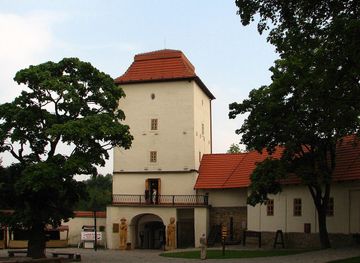


Your all‑in‑one travel companion app
Explore expert travel guides, compare and book tours, experiences, hotels, and more—all from the palm of your hand. Download now for seamless trip planning wherever your wanderlust takes you.


Explore More of Czechia

Looking beyond Czech-Moravian Highlands? Discover Czechia for broader travel guides, local hot-spots, and regional highlights.
Explore CzechiaCzech-Moravian Highlands in Photos
Browse through our photo collection highlighting the charm and character of the destination.


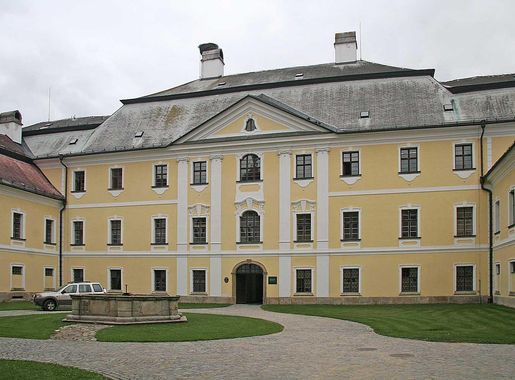


Tranquil Charm of the Czech-Moravian Highlands
Nestled in the heart of Czechia, the Czech-Moravian Highlands offer a serene escape from the hustle and bustle of city life. This picturesque region is renowned for its rolling hills, dense forests, and charming villages that seem to be frozen in time. The landscape is a patchwork of lush meadows, peaceful ponds, and historic landmarks, making it a perfect destination for nature lovers and history buffs alike. The area is crisscrossed with well-marked hiking and cycling trails that cater to all levels of experience. Whether you are looking for a leisurely stroll through the woods or an adventurous mountain bike ride, the Highlands have something to offer. Along the way, you will encounter ancient castles, rustic farmhouses, and quaint chapels that tell the story of the region’s rich cultural heritage. In addition to its natural beauty, the Czech-Moravian Highlands are known for their traditional crafts and local cuisine. Visitors can explore artisan workshops where centuries-old techniques are still practiced or savor hearty regional dishes at a local tavern. The Highlands are also home to several festivals and events throughout the year, celebrating everything from folklore to contemporary arts.