

Free South Bohemia Travel Guide & Mobile App
Explore South Bohemia with free travel guides. Discover regional history, expert tips, proposed trips, and audio guides on web or mobile app.


Explore South Bohemia’s medieval towns, forested Šumava landscapes, historic castles, fishponds and distinctive Czech food traditions.
Read more about South Bohemia
When is the best time to visit South Bohemia?
Best: June–August · 23–25°C| Month | High (°C) | Rainfall (mm) |
|---|---|---|
| January | 3 | 25 |
| February | 5 | 25 |
| March | 10 | 30 |
| April | 14 | 35 |
| May | 19 | 50 |
| June (best) | 23 | 60 |
| July (best) | 25 | 70 |
| August (best) | 25 | 60 |
| September | 20 | 50 |
| October | 14 | 35 |
| November | 7 | 30 |
| December | 3 | 25 |
Getting to and around South Bohemia
How to get there
Transportation
Top city travel guides in South Bohemia
The cities of South Bohemia, and the easiest places to base yourself.
-

-

-
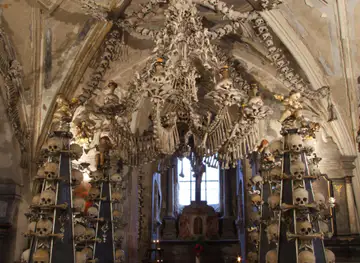
-


Swipe for more cities
Destinations in South Bohemia
Resorts, valleys and scenic spots worth a trip of their own.
-

-

-


Swipe for more destinations
Best attractions in South Bohemia
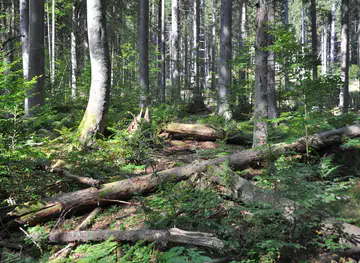
South Bohemia’s attractions range from UNESCO-listed historic centres to large areas of protected countryside. Český Krumlov combines a preserved medieval and Renaissance town with a castle complex above the Vltava, while Tábor interprets the Hussite period through its old streets, walls and underground passages. Hluboká nad Vltavou and Jindřichův Hradec provide contrasting aristocratic castle experiences, and Třeboň introduces visitors to the region’s centuries-old fishpond landscape. The village of Holašovice is notable for its group of South Bohemian Baroque farmhouses. In the west, Šumava National Park offers forest walks, peat bogs, cycling and wildlife observation rather than dense sightseeing, while the Lipno area is geared towards boating, swimming and active recreation. Monasteries, museums, breweries and smaller historic towns add cultural depth between the headline destinations. Because the region is spacious, its attractions are best grouped geographically instead of treated as a series of quick day trips from one base.
-
Castle
State Castle and Chateau Český Krumlov
Explore the remarkable State Castle and Chateau Český Krumlov, a UNESCO World Heritage site, rich in history and stunning architecture.
-
Castle
The State Chateau of Hluboká
Discover the fairytale beauty of Hluboká Chateau, a stunning neo-Gothic castle inspired by Windsor, complete with opulent interiors and enchanting gardens.
-
Castle
The Konopiste Castle
Explore the opulent Konopiště Castle, a historic landmark with stunning interiors, rose gardens, and a rich collection of hunting artifacts.
-
Manor house
Červená Lhota Castle
Experience the fairy-tale allure of Červená Lhota Castle, a stunning Renaissance manor surrounded by enchanting gardens and serene lakes in the Czech Republic.



Best landmarks in South Bohemia
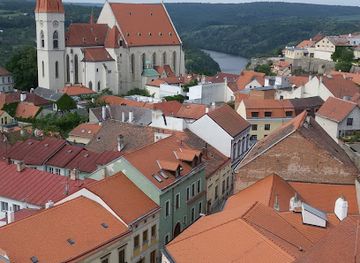
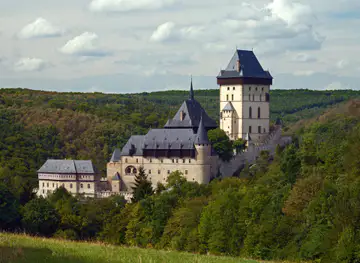
The castle-palace of Český Krumlov is South Bohemia’s most recognisable historic landmark, rising above a tightly preserved town shaped by the Rožmberk, Eggenberg and Schwarzenberg families. Hluboká Castle presents a very different image: a nineteenth-century romantic remodelling with elaborate interiors and landscaped grounds. The medieval castle complex at Zvíkov stands above the meeting of the Vltava and Otava, while Rožmberk Castle occupies a commanding position in the Vltava valley. In Tábor, the old town walls and narrow streets express the city’s Hussite origins, and the square and urban fabric of České Budějovice reflect its foundation as a royal town. Holašovice’s carefully preserved farmhouse fronts are a landmark of vernacular architecture rather than aristocratic power. Beyond buildings, the Třeboň fishpond system and the forested ridges and peat bogs of Šumava are defining human-shaped and natural landmarks of the region.
-
Castle
State Castle and Chateau Český Krumlov
Explore the State Castle and Chateau Český Krumlov, a historical marvel with breathtaking views and rich cultural heritage in the heart of the Czech Republic.
-
Castle
The State Chateau of Hluboká
Explore the captivating State Chateau of Hluboká, a stunning castle showcasing rich Czech history and architectural beauty in a picturesque setting.
-
Castle
Karlštejn Castle
Explore Karlštejn Castle: A stunning Gothic fortress and a key historical site in the Czech Republic, surrounded by breathtaking landscapes.
-
National park
Bohemian Switzerland National Park
Experience the breathtaking landscapes and unique geological formations at Bohemian Switzerland National Park, a premier destination for nature lovers and adventurers in the Czech Republic.


Explore South Bohemia on the map
Plan your trip on one map. See where the top cities, national parks and sights are, and book hotels and experiences in a few clicks.
Best hotels in South Bohemia
Best restaurants in South Bohemia
South Bohemian cooking draws on freshwater fish, forest produce, dairy, potatoes and the hearty traditions of Czech cuisine. Třeboň is especially associated with carp from its surrounding ponds, served in restaurants ranging from traditional dining rooms to more contemporary kitchens. Menus across the region may also include kulajda, a creamy soup flavoured with dill and mushrooms, game in forest districts, roast meats, dumplings and fruit-filled pastries. České Budějovice has the broadest choice of cafés, breweries and modern restaurants, while Český Krumlov caters to both visitors and residents with Czech and international dining. Rural inns remain useful places to encounter generous local cooking, although menus vary considerably. Farmers’ shops and seasonal markets can provide cheeses, preserves, honey and baked goods, while local beer is a natural accompaniment to traditional dishes. Tipping is customary rather than compulsory, and asking about ingredients is sensible when ordering regional specialities.
-
Restaurant
Restaurace Masné krámy
Experience authentic Czech dining at Restaurace Masné krámy – where tradition meets flavor in the heart of České Budějovice.
-
Scenic spot
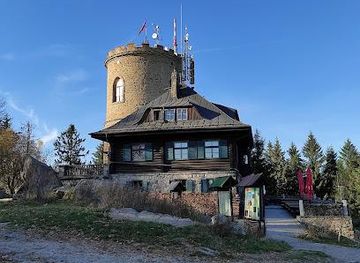
The mountain restaurant
Ascend to Czechia’s oldest stone tower atop Mt. Kleť for epic 360° views spanning Šumava to the Alps, hearty mountain meals, and Blanský Forest serenity—a rewarding hike or chairlift escape near Český Krumlov.
-
Restaurant
Švejk Restaurant
Discover authentic Czech cuisine at Švejk Restaurant in Český Krumlov - where tradition meets taste in a charming atmosphere.
-
Restaurant
Solnice
Experience authentic Czech cuisine at Solnice - where local flavors meet warm hospitality in the heart of České Budějovice.



Best bars in South Bohemia
Evening life in South Bohemia is centred more on pubs, breweries, wine bars, cafés and live cultural events than on a large club scene. České Budějovice has the widest selection, with traditional beer halls, modern bars and venues linked to its student and cultural population. Český Krumlov offers atmospheric pubs and restaurants in and around the historic centre, though the town becomes quieter outside the main season. Tábor and Jindřichův Hradec provide smaller-scale options, including local pubs, cafés and occasional music or theatre programmes. In rural areas, evening entertainment generally means a village pub, a restaurant or a seasonal event rather than late-night venues. Breweries and beer gardens are part of the regional social landscape, but visitors can also find non-alcoholic drinks and quieter cultural activities. Opening arrangements vary, particularly in small towns and outside summer.
-
Restaurant
Restaurace Masné krámy
Experience authentic Czech flavors at Restaurace Masné krámy, where rich culinary traditions meet a warm, inviting atmosphere in České Budějovice.
-
Brewpub
Minipivovar Krajinská 27
Discover the rich flavors of craft beer at Minipivovar Krajinská 27, a brewpub in České Budějovice offering authentic local brews and delicious cuisine.
-
Bar
Singer Pub
Experience the vibrant atmosphere and rich drink selection at Singer Pub in České Budějovice, a hub of social life and local culture.
-
Bar
Poetic Cocktail Bar Žlutá Ponorka
Discover a unique cocktail experience in the artistic ambiance of Poetic Cocktail Bar Žlutá Ponorka in České Budějovice.


Best nightclubs in South Bohemia
Evening life in South Bohemia is centred more on pubs, breweries, wine bars, cafés and live cultural events than on a large club scene. České Budějovice has the widest selection, with traditional beer halls, modern bars and venues linked to its student and cultural population. Český Krumlov offers atmospheric pubs and restaurants in and around the historic centre, though the town becomes quieter outside the main season. Tábor and Jindřichův Hradec provide smaller-scale options, including local pubs, cafés and occasional music or theatre programmes. In rural areas, evening entertainment generally means a village pub, a restaurant or a seasonal event rather than late-night venues. Breweries and beer gardens are part of the regional social landscape, but visitors can also find non-alcoholic drinks and quieter cultural activities. Opening arrangements vary, particularly in small towns and outside summer.
-
Night club
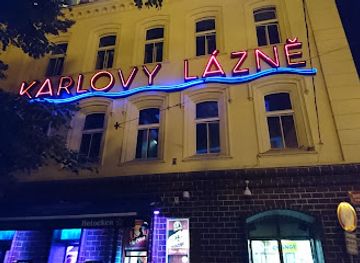
Karlovy Lazne - Nightclub
Dive into the energetic nightlife at Karlovy Lazne, Prague's iconic nightclub with diverse music, stunning decor, and unforgettable parties.
-
Bar
Maxim Music Club
Experience the vibrant nightlife of České Budějovice at Maxim Music Club, where great music and unforgettable memories await.
-
Night club
Klub K2
Discover the pulsating nightlife of České Budějovice at Klub K2, where the music is vibrant, and the atmosphere is electric.
-
Night club
Happy Place
Dive into the electrifying nightlife at Happy Place, a premier nightclub in České Velenice, where music and fun come alive every night.


Best shops in South Bohemia
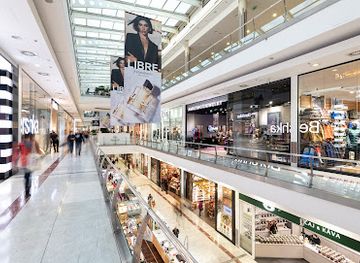
Shopping in South Bohemia is strongest in historic market towns rather than in large luxury retail districts. České Budějovice has the region’s broadest selection of department stores, independent shops, cafés and food retailers, with the main historic square and surrounding streets forming a practical starting point. Český Krumlov offers galleries, craft shops, books, ceramics and locally themed gifts, though prices and quality vary between businesses. Třeboň and Tábor are good places to browse smaller shops alongside regular food outlets and traditional high-street businesses. Regional purchases may include Czech beer, honey, preserves, baked goods, pottery, glass, textiles and products from local farms. Farmers’ markets and seasonal stalls are useful for produce, but schedules change and should be checked locally. Near protected landscapes, choose durable, genuinely local crafts and food products rather than assuming every souvenir reflects South Bohemian manufacture.
-
Shopping mall
PALLADIUM
Discover PALLADIUM, Prague's ultimate shopping destination featuring top brands, delicious dining, and vibrant entertainment options.
-
Shopping mall
Nový Smíchov Shopping Centre
Explore shopping, dining, and entertainment at Nový Smíchov Shopping Centre in Prague, the ultimate destination for tourists and locals alike.
-
Outlet mall
Fashion Arena Prague Outlet
Discover unbeatable fashion deals at Fashion Arena Prague Outlet, the premier shopping destination for tourists seeking stylish bargains in the heart of Prague.
-
Shopping mall
IGY Centrum
Discover a shopping paradise at IGY Centrum in České Budějovice, where modern retail meets local charm in a vibrant atmosphere.



Get your free copy of our complete guide to South Bohemia, delivered straight to you.
Everything on this page, from attractions and restaurants to essentials and local phrases, in one PDF you can read offline, print or share.
Already have an account? Sign in
Your South Bohemia guide is ready.
We'll send it to · Not you? Sign out

Getting your guide ready…
We are putting together a fresh copy of the South Bohemia guide. This can take up to a minute.
This can take a few moments. If your browser asks, choose Allow so the download can start. You'll find the guide in your Downloads folder.
Nothing happened? Download it again
Sorry, the guide is taking longer than usual. Please try again in a minute, or get it by email instead.
South Bohemia essentials
Currency and Payment
Safety
Emergency Situations
Do's and Don'ts
Local Tips
From Eve
Local phrases worth knowing
You don't need to get them perfect. A few words go a long way, and locals appreciate the effort.
Basics
| English | Local | Say it |
|---|---|---|
| Hello | Ahoj | [ahoy] |
| Goodbye | Nashledanou | [nash-le-dah-no] |
| Yes | Ano | [ah-no] |
| No | Ne | [neh] |
| Please/You're welcome | Prosím | [pro-seem] |
| Thank you | Děkuji | [dye-kwee] |
| Excuse me/Sorry | Omlouvám se | [om-lou-vahm seh] |
| How are you? | Jak se máš? | [yak seh mahsh] |
| Fine. And you? | Dobře. A ty? | [dob-zheh. ah tee] |
| Do you speak English? | Mluvíš anglicky? | [mloo-veesh an-gli-tskee] |
| I don't understand | Nerozumím | [neh-roh-zu-meem] |
Eating & Drinking
| English | Local | Say it |
|---|---|---|
| I'd like to see the menu, please | Chtěl bych vidět menu, prosím | [kht-yel beek vid-yet meh-noo, pro-seem] |
| I don't eat meat | Nejím maso | [ney-eem mah-so] |
| Cheers! | Na zdraví! | [nah zda-ree] |
| I would like to pay, please | Chtěl bych zaplatit, prosím | [kht-yel beek zap-lah-tit, pro-seem] |
Emergencies
| English | Local | Say it |
|---|---|---|
| Help! | Pomoc! | [poh-mots] |
| Go away! | Jdi pryč! | [jdih pritch] |
| Call the Police! | Zavolejte policii! | [zah-vo-lay-teh poh-li-tsi-ee] |
| Call a doctor! | Zavolejte doktora! | [zah-vo-lay-teh dok-toh-ra] |
| I'm lost | Ztratil jsem se | [ztrah-teel ysem seh] |
| I'm ill | Jsem nemocný | [ysem neh-mots-nee] |
Shopping
| English | Local | Say it |
|---|---|---|
| I'd like to buy... | Chtěl bych koupit... | [kht-yel beek koh-pit] |
| I'm just looking | Jen se dívám | [yen seh dee-vahm] |
| How much is it? | Kolik to stojí? | [koh-lik toh stoh-yee] |
| That's too expensive | To je moc drahé | [toh yeh mots drah-eh] |
| Can you lower the price? | Můžeš snížit cenu? | [moo-zesh snee-zit tseh-noo] |
Time & Numbers
| English | Local | Say it |
|---|---|---|
| What time is it? | Kolik je hodin? | [koh-lik yeh ho-deen] |
| It's one o'clock | Je jedna hodina | [yeh yed-na ho-dee-na] |
| Half past (10) | Půl (10) | [pool (10)] |
| Morning | Ráno | [rah-no] |
| Afternoon | Odpoledne | [od-po-led-neh] |
| Evening | Večer | [veh-cher] |
| Yesterday | Včera | [vcheh-rah] |
| Today | Dnes | [dnes] |
| Tomorrow | Zítra | [zee-trah] |
| 1 | Jedna | [yed-na] |
| 2 | Dvě | [dvyay] |
| 3 | Tři | [tree] |
| 4 | Čtyři | [ch-ti-ree] |
| 5 | Pět | [pyet] |
| 6 | Šest | [shest] |
| 7 | Sedm | [sedm] |
| 8 | Osm | [oh-sm] |
| 9 | Devět | [deh-vyet] |
| 10 | Deset | [deh-set] |
Transport & Directions
| English | Local | Say it |
|---|---|---|
| Where's a/the...? | Kde je...? | [kdeh yeh...?] |
| What's the address? | Jaká je adresa? | [ya-kah yeh ah-dreh-sah] |
| Can you show me (on the map)? | Můžeš mi to ukázat (na mapě)? | [moo-zesh mee toh oo-kah-zat (nah mah-peh)?] |
| When's the next (bus)? | Kdy jde další (autobus)? | [gdyh ydeh dal-shi (ow-to-boos)?] |
| A ticket (to ....) | Jeden lístek (do ....) | [yeh-den lee-stek (doh ....)] |
History of South Bohemia
Early settlement and medieval south Bohemia
South Bohemia has been inhabited since prehistoric times, with archaeological evidence of farming communities, fortified settlements and later trading activity. Medieval colonisation expanded during the Přemyslid period, when towns, churches and agricultural estates developed along the Vltava and Lužnice valleys. České Budějovice was founded in the thirteenth century as a royal town, strengthening Bohemian control over an important southern communications corridor. The region’s rivers, forests and market routes helped shape a settlement pattern that remains visible in its towns and villages.
The Rožmberk and Rosenberg legacy
From the twelfth century until the early seventeenth century, the powerful Rožmberk, or Rosenberg, dynasty dominated much of southern Bohemia. Their principal seat at Český Krumlov grew into one of the region’s most important political and cultural centres, while castles including Rožmberk protected routes through the Vltava valley. The family supported monasteries, towns and artistic projects, leaving a legacy of castles, churches and urban buildings. Český Krumlov’s historic centre is now recognised as a UNESCO World Heritage site.
The Hussite movement and Tábor
Tábor became a major centre of the Hussite movement during the religious and political upheavals of the early fifteenth century. Founded in 1420 by radical Hussite supporters, it was named after Mount Tabor and organised as a fortified community with an influential military and religious role. The movement challenged the authority of the Catholic Church and the monarchy before being defeated at the Battle of Lipany in 1434. Tábor’s street plan, town walls and underground passages preserve the physical memory of this formative period.
Fishponds, estates and early modern prosperity
From the late Middle Ages into the early modern period, South Bohemian landowners transformed wet lowlands into extensive systems of fishponds. The landscape around Třeboň became especially associated with carp farming, supported by engineered channels, dams and specialist management. Aristocratic estates also expanded forestry, agriculture and brewing, while monasteries and towns remained important economic institutions. This combination of managed water, woodland and estate production created a distinctive countryside that is still central to South Bohemia’s economy, scenery and culinary identity.
The Schwarzenbergs and nineteenth-century transformation
After the decline of the Rožmberks, the Eggenbergs and later the Schwarzenbergs became the leading aristocratic families in large parts of the region. Their estates influenced forestry, architecture, farming and town development, with Hluboká nad Vltavou transformed into a romantic nineteenth-century residence and Třeboň remaining an important administrative centre. Industrialisation arrived more gradually than in northern Bohemia, but railways, brewing, food production and timber processing connected South Bohemia more closely with Prague, Austria and the wider Czech lands.
Twentieth-century borders and modern regional identity
South Bohemia experienced major political changes after the creation of Czechoslovakia in 1918, the wartime occupation and the post-war expulsion of most German-speaking inhabitants from the borderlands. The communist period brought nationalisation, restricted border access and large infrastructure projects, including the Lipno reservoir. Since 1989, historic town centres, castles and villages have undergone extensive restoration, while cross-border cooperation with Austria and Germany has strengthened. Tourism, conservation and outdoor recreation now complement the region’s traditional agriculture, forestry and brewing.
South Bohemia in Photos
Browse through our photo collection highlighting the charm and character of the destination.
Neighbouring regions of South Bohemia
The closest regions to South Bohemia, if you have time for more than one.
-

-
-

-

-


Swipe for more regions
Explore more

Explore more of Czechia
Discover Czechia: A European gem with historic towns, stunning landscapes, and cultural delights. Perfect for travelers seeking charm, history, and adventure.
Explore Czechia